













![[서원대학교] 2022년 제3차 대학혁신지원사업 성과확산 세미나](https://i.ytimg.com/vi/rscRhMYPE3o/maxresdefault.jpg)


Online education encompasses multiple distinct models—from enhanced classroom learning with supplementary online materials to full distance learning and MOOCs—each with different implications for liberal arts education. Research suggests that online learning can achieve similar learning outcomes as traditional methods while potentially reducing costs, but the value of liberal education extends beyond information transmission to include social interaction, identity formation, and critical thinking skills that may be diminished in purely online environments. Institutions must carefully consider how online learning can enhance rather than replace the residential college experience, particularly in fostering relationships between students and faculty, developing independent research skills, and promoting critical thinking as a core educational goal.
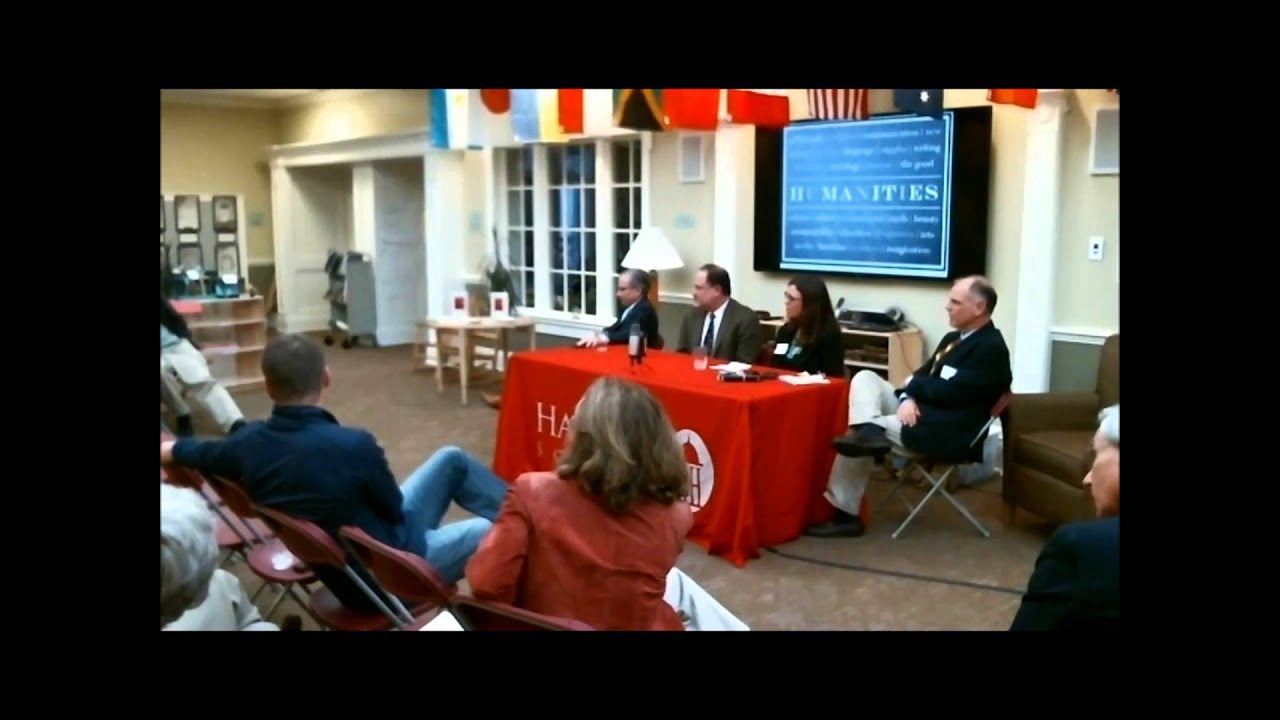
Online Education in Liberal Arts: Vassar Faculty Panel Discussion
Added:by uh um talking a little bit about nomenclature because a lot of times people are talking about online learning uh as if we're all talking about the same thing but there are a lot of different variations and um just just to to go through the Lexicon a little bit um the first type of of learning environment I'll mention is is the one that is not online which is traditional classroom learning um the a type that is slightly more or somewhat more online than that I'm going to call enhanced classroom learning that's what we do a lot of at Vasser uh and places like Vasser which is to say that students meet regularly and frequently face to-face classes but there's also some online materials or or maybe online activities like uh posting to a form or or a blog or taking a quiz uh or an exam or something online so traditional face-to-face learning meet regularly and frequently but do some activities in addition online uh now we get to some things that we're not so familiar with at vaser uh Blended learning uh which is also called in some cases hybrid learning or hybrid courses uh this involves a combination of students meeting face Toof face in class but but you usually not so frequently uh and doing a lot uh of their activities in many cases a majority of their course activities online uh so this is done a lot in places uh typically programs that use this have students who are adult Learners uh who um are enrolled in a course or a program that's not convenient for them to get to maybe it's a campus that's 100 miles away they have face-to-face meetings maybe four or five times a semester but they do a majority of their activity uh through online means then there's full-fledged distance learning which means in in which a student an entire course in some cases entire degree programs but at least entire course online so there never any face-to-face uh uh meeting with classmates or teach you and then the most extreme example um which has gotten a lot of um uh notice in the last uh several months um is what's called massive online open course or moo because everything is an acrm right uh in a moo there may be thousands tens of thousands in a couple of cases I think over 100,000 students in a single course these are not students who are enrolled in in a particular University program they're not matriculated um typically there's there's not feedback from an instructor it's just materials or activities are available online they can take it no accreditation um um it's just learning for learning sake so um as we talk about these things we might want to keep in mind you know when someone says something about uh a particular you know their feelings about online learning well are you really are you talking about something like mukes or something more like just uh you know a blended learning situation um quickly I want to mention uh a couple of the things that have um have have been prominent lately um this first one is not too recent but uh Carnegie melon for uh u 10 years or so has uh run the open learning initiative um they make these this is a combination of moo and distance learning because they make these courses available online to anyone who just might want to click on it and start learning something but what they prefer to do is partner with colleges and universities who will um um agree to make those online courses um Worth Credit in their own Institution for their own matriculated students they've been around for 10 years they've developed 15 courses they're doing a very careful um uh job of that um you to me which we'll hear more about from uh Professor ho is uh absolutely a Muk it has thousand courses it's not associated with any particular universities um they have a lot of students um it's um it just um a lot of material for a lot of people to learn from um corera in the news a lot at least the news that I look at uh it's only been around since this last April um they partner with colleges and universities um so that a particular University will sign on or or um um have a contract with corsera so that their students can enroll in corsera courses um there are at this point 199 courses in their system created by a number of different institutions um 33 have partnered with them 32 of those are research universities one of them wesan is a liberal arts college which I think will be interesting for us to consider um edex was founded even more recently just as past May by Harvard and MIT um they've so far developed eight courses um they've um added a couple more University partners and and hope to get more and uh finally one that's quite interesting uh for us here company called tutor and actually um several days ago they changed their name uh they're now to you instead of to tour um they've been around for a few years they've offered complete uh they've partnered with universities to offer complete degree programs online for graduate programs in certain uh institutions they're now embarking on a new project to offer individual courses undergraduate courses online working with liberal arts colleges um and they've been poking around basser Rec since um so I'm just going to uh um with that background uh I'm going to turn over to our panel uh each of whom is going to speak for 5 to 10 minutes 10 minutes and then we'll have some time for for discussion among the group our panelists are Professor Ben ho from economics uh Sarah Chang class of 13 uh and and here as uh representative of the committee on academic technology Matt Harvey who is the bsa's vice president for academics and Tom Elman from the Department of computer science and media studies program and I'll turn it over to Ben so I'm going to try something new uh are you recording I need the microphone so sorry I meant to mention to everyone we are recording this session for people people who may want to watch it weren't able to be here so um keep that in mind if that's an issue for you you're recording just the room yeah you can not not okay so everyone can hear me okay I don't like microphones um yeah new for me to sort of talk without slides but I I figur I'll try something new today um basically I'm an economist all right and I think I I I come approaching this question of integrating technology in the classroom and S of teaching online from an economics point of view um and have as someone who having studied you know the economics of education and having studied computer science there's sort of three Frameworks I sort of think about when thinking about um the the future of online learning um the first is something in economics called B's cost disease all right and B cost disease and he this is an old idea he published this like 40 years ago but he has a new popular book now trying to sort of catch the W with fre economics train and cash in on his you know economics but I think the idea is really powerful right he said that like most most things in society you know most things get cheaper and cheaper over time right so like think about cars think think about televisions things about think about computers te as technology gets better things get cheaper because it requires fewer and fewer people to make those same but something that's different is basically um some Goods like say music is fundamentally different than that right I think the classic example is a Mozart quartet a motar quartet that last 4 minutes and 17 seconds required four people 4 minutes and 17 seconds of their time to produce in 18 12 as it does produce in 2012 we just haven't gotten any better at producing volar quartets and the same is sort of True For Education right over the past 200 years you know or the past 2,000 years we're still we're still teaching in much the same way we're we're basically in the classroom you know basically like Socrates and Plato just basically talk you through discussion and as a result you know where where things like computers get cheaper and cheaper things like education gets more and more expensive and you know B wouldn't worry too much about that right because I think that's just sort of a natural part of the economy but it's something that I think people are very concerned about as higher education in particular gets more and more expensive how do we how do we deal with that all right the second sort of literature and economics that I think is relevant to this is thinking about models of models of Education all right so as we're thinking about online courses people you know people worry that you know what's the point of an online course if you don't get a degree all right and so there's there's like you know sort of two strands of literature and economics that sort of addresses this question the first is basically comes from uh that comes from basically Heckman um Nobel Prize winner who basically sorted talk about the human capital theory of Education right the reason we get educ educated is because it gives us sort of human capital it makes us more productive we actually learned something the alternative model of education is sort of the Spence model of Education we also got a Nobel Prize for this you know uh about 10 years ago and The Spence model of Education says the point of getting educated is does to show off how smart you are right I mean you go to you go to vaser you take class in art history and and literature it's never going to be useful but by proving that that you can do that right that you basically show to the world that you're a smart person and then that vaster degree basically sort of signals your ability even though you you don't actually learn anything right so so what's heartening is that yeah no no what's heartening is that people started tested these two theories right one is the human capital Theory and what is the signaling Theory and they find that actually education more about human capital than signaling right so even so and the way they test it one way they test this is they compare people who basically have say like you know three and a half years of college education without getting the degree versus somebody somebody that finished the degree and they find that they're actually about the same right so that just having the degree doesn't actually matter the signaling part doesn't actually matter it's actually just spending that time in College learning things actually you know produces something and that's important for things about online education right that you know why are people taking classes online even if they can't get a degree from it well they actually might learn something from it and I think that's really important um and then sort of the third literature in the economics of Education that's sort of relevant to this question is the question on educ and competition right so I think um I think there's been a lot of research especially looking at public schools that sort of shows that competition is you know really helpful I think the U I think the the standard anecdote is the US is probably one of the best higher education systems in the world because there's so much competition between different colleges and maybe one probably some of the potentially one of the I don't want to say worst but you know one of the sort of not best you know sort of you know sort of sort of primary school and middle school educations in the world because of the lack of competition and they find that sort of injecting and and so hawksby and others find that injecting competition into education basically you know makes makes everyone more productive and I think online education is basically a good Avenue toward that all right so you know so so so so that's sort of the the framework I'm using to think about this my past experience in sort of using technology and education has sort of varied you know I sort I think the main things I sort of use are emails and you know tried the emails blog nooodles voting polls you know all these online tools um and so this new the newest that I I've sort of tried recently is this thing called these muks right these massively online courses um and how I got involved in that is basically about a year and a half ago the company uded me approached me they had this thing called The Faculty project um let's see if I could bring up their site um and so so they had this thing called The Faculty project saying that oh well they call the best professors I'm not going to I think that's a little too much right but you know the idea is they're going to bring together the best professors the world's leading universities are coming together to teach online for free all right and so they're basically recruiting you know recruiting people from you know from different schools to basically teach something um something they they know a lot about um I think as we said earlier un is basically this online site the main purpose of udimi is to sort of help people that have something to something to teach and give them the tools to put to put them online e easier right the name udem me I think is sort of I I always hated it I I kept telling them telling them to change the name I think it's like some mix of YouTube and Academy but you know I don't know but but that's what what they're stuck with and so you know I I think so let me just sort of give you a sense of what what I did for em me um so here are some of the other classes classes that are being taught you know so there's basically a class on you know math is everywhere a class on modern China this is my class on energy economics and the environment all right so so basically so I think clicking here brings you to the course site so this is I I guess I have to register so um so the course site basically will tell you things like it'll tell you it'll show you the lectures each lecture I basically have a video um and then each video you download the slides and then from time to time I sort of offer course notes um if you actually log in you can basically see reviews and you can sort of see questions students ask and students can answer and answer for each other um I think last time I checked there were 2500 students subscribe to this I guess 25 37 um and so it's something that's you know which in some way I don't know if that's big or small right but I guess it's sort of more than more people than ambasador so that's kind of exciting um but at the same time you know it's also hard hard to sort of tell you know how how many people are taking it seriously but I've got a lot of people like with comments All the Way throughout so I think a good number of them are actually taking the course um all the way through um let me try to play for you the sort of opening video experts say that energy and environmental issues will be two of the most important issues of the 21st century demand for electricity is doubling every 25 years new power plants are being built at the pace of over one per week reing havoc on our Global Supply chains and natural resource production left unchecked Global Climate Change is Going to touch every aspect of daily life potentially changing how we live forever and ever or is it this course will take a sober look at the facts of energy and climate change from an economics perspective my name is Ben ho and I come at this problem with multiple degre don't talk about me too much that that sort of me selling the course um but so but so basically that's just a brief idea of what the courses look like um I couldn't put more production value if you know if you want to sort of go to the site you can sort of explore some of the other courses some are very simple some are just somebody sitting there in front of a camera talking some are sort of more elaborate with sort of camera panning and and Camera scrolling I sort of took the more intermediate point of view which is basically just you know I I use this Pro I use this program called explain everything for the iPad What it lets you do is it lets you sort of take you know any PowerPoint presentation and then basically just sort of you know record record over it edit edit it sort of talk over it you know take notes on it sort of draw on it I didn't do that um in these slides but that that that's what I sort of do throughout and that's sort of how these lectures go um I you know the qu and then I think a question people of to ask me is why did I do this right so you know udem is a free project so basically everyone you know who's signed up for the faculty project is doing it for free um I think actually studied this question a long time ago my Master's thesis was looking at open source software trying to understand why do people contribute to open source software why do people contribute to the common good right I think sort of the you know so that sort of that that that project sort of tested six sort of different theories of why what people contribute right the typical theories were basically money career concerns reputation learning reciprocity helping the C cause and fun all right and in that study they found that actually most people contribute not for money not for career gains but actually for for basically learning right I think this was for me that that was a big part of it to learn about how online education works and also for basically you know helping the Cause right that basically I sort this is something I believe strongly in you know I I I think you know you listen to the public debate about energy in the environment and you hear a lot of scientists talking but you don't hear a lot of economists talking and I think a lot I think economics SE has a lot to say about you know energy environmental issues that's um that is I sort of felt I felt strongly about getting out there um so I think in terms of the in terms of the learning component of it I think you know I basically sort of learned learned a lot about you know the the sort of the differences between teaching online and sort of teaching in at vaster I mean I think what I was very worried right when when they approached me to this I told them I'm not sure if I could do this right the way I teach is very intera active right the way I teach depends very much on conversation depends very much on sort of just dialogue I I like asking questions I like you know feeding on people and here this is me talking to a screen which feels sort of awkward um and so it's something you have to learn I like the fact that you know there's still you know sort of email communication that goes on back and forth but on the whole it's not the same right with 2500 students I can't really deal with that many responses so a lot of it is just left left of the students to answer for themselves whereas you know bards I like I like the fact that I can email all my students and sort of know them on a personal basis so that's you know that's that's sort of one thing one thing I had to get used to the other thing I had to get used to was that the lectures have to be shorter right people it's hard to watch a video for for you know 75 minutes right whereas for a class you know you with with discussion and an interaction and other activities 75 minutes is not too bad but you know hopefully but you know here I I try to keep most of my videos Around 15 to 20 minutes because after that it's really hard to sort of you know just watch watch us talking head on the screen um I also realized that you you to me this online is a much more visual medium right so you basically had to learn had to sort of you know put more effort into slides put more effort into drawing whereas in class you it's more about discussion here it's more about you know pictures and and animations which are I think really powerful learning mechanisms but just very different than what I was used to um it was also hard dealing with people with different backgrounds right so so here teaching a class you sort of know that everyone has the same PRX you can sort of like you know tailor it for tailor it for that but here if I tried to use some math models you know I knew some people would appreciate it but most people would hate it and so that was sort of a delicate Balancing Act um and then finally different motivations right I think in in class you know people students are sort of more homogeneous in terms of what they're looking for online you know some of them were like Curious citizens want to learn about the environment a lot of them are teachers interested in learning how to teach this material better A lot of some of them were sort of students who wanted to supplement their own coursework and it was sort of difficult sort of like targeting the classes for each of these different audiences um so that's sort of the lessons learned in terms of sort of how this applies to you and how this applies to Vasser you know I just had some thoughts I think Tom I'll be brief here because I'm out of time I think Tom will say more about this later but I think this might say something this might help with like the flip classroom idea right the idea that you know instead of that in classes where there's lecture material we could put that lecture material online have them watch it at night and then Focus the class time on interaction and discussion I sort of do that already but I think if if this if there's more material online I could probably do that even more um it could be a supplement for people interested in class right I always feel I always like people have taken my class know I try to stuff in too much in every class period and you know this is a way to sort of you know take some of that burden and move it online so I don't have to do it all at once um it's a way to sort of hone teaching skills you know and hone class design basically designing a class for 2,000 people sort of makes you really have to focus on what makes a class work it's a way to sort of broaden you know the vaster brand right and so that so far that matters are Brad in your own brand right if you care about your own reputation getting your name out there I think sort of matters um there has a higher potential for like broader impacts in so far as we sort of care about broader impacts I think that's um I I I think I think I think that's really important um it's useful as a user to learn something I think that's you know for me just it's yeah for me I think the main reason I did is to learn something new and I thought I got a lot out of the project um so maybe check it out it's open to anybody anybody can go and open a course um ud.com that's it thanks B next we have Sarah chain [Music] grab the mic um my name is Sarah chain I am a senior I'm a biochemistry major but I have always been interested in technology and specifically image um visualization and graphic design so I was asked to be on this panel um because I am currently the vssa student representative for the committee of academic Technologies um but to also speak about my role in creating and building classroom and visual resources for um Professor Andrew Talon from um Professor Talon is is a is an expert on um medieval art and architecture and I for the past few years I have been working with him to kind of bring the experience of being at an architecture site into the classroom for his seminar students and what he um one of the best parts of the job is to work with these amazing visual materials and one of the um things that he does is to capture 360 degrees verical panoramic images and here's a web made for his class it is of the chart Cathedral um and using the laser floor plans I got to maap out um different parts of the cathedral that he had special interest in and so students can go in and kind of zoom in and really kind of see what um the actual perspective is is um from different sites at the Cathedral so this was um one of the projects that I've been working on and this is what Steve was saying is part of the enhanced classroom experience um instead of like the Muk and the online learning it is more to supplement and enhance um what is being taught in classroom and at the moment I am working on um kind of laser scan images and this is of the notron cathedral um this is like the end product but we were using laser scans um that when constructed correctly on the computer they would allow um for accurate measurements down to the millimeter scale and um this is a way for students to really like fly in and really get to see what is going on in the cathedrals and after the laser scans are done these are are um we can like put on image textures onto the lasers um laser points and this is also another tool to kind of help the um classroom environment so that's what I've been working on and yeah thank you um and Matt is next I'm actually going I'm also not my microphon um so I'm also a senior I'm a cognitive science and Neuroscience double major and I'm here primarily in my capacity as vice president for academics of the bastor Student Association but um as it turned out as I was writing this also as a cognitive science student um I want to talk just a little bit about what I think are the everyday effects and what I've God from speaking to students and faculty as being sort of the um common implications of the ubiquitousness of simple Technologies and by simple I mean things like cell phones and email and Moodle um in the way we do education here at baster um I have a PowerPoint but I don't actually want to use it um what I'm going to say so I think there's three big things to talk about one of which is the way we interact with each other and um parall the way we interact with our educational material um like books and text um the second thing is how we go about paying attention and how technology is changing our attention span and closely related is the third thing which is how we access information um in terms of Library resources search engines or so on um so interaction the first thing is actually PowerPoints uh what a lot of students tell me is that when you have a PowerPoint in a classroom and when that's how you're doing a lecture what it does is put a physical structure in the space that enforces the transmission model of learning um where you have a professor who's up here broadcasting information and all the students have to do is sit there and receive it um as opposed to the much richer model where you have interaction um and sort of this ongoing problem solving professor and student which is maybe easier to do in the absence of the PowerPoint and what students tell me is that in classrooms where technology has been banned absolutely completely um so notes are by hand and PowerPoints are nonexistent um you actually do get the richer Dynamic of sort of give and take between student Professor um the second thing is about blog posts and the use of Moodle blogs but also other kinds of um online respon there's a potential beneficial effect here which is that it makes the students with the reading because they have to think about it and produce some kind of feedback but there's a potential detrimental effect if the blogs are used um by a professor or a student discussion leader any way where they go through and they pull out the talking points the student responses and then they use those to structure the classroom time they say let's go through what people put in their responses because then instead of having a conversation based on what people are thinking and how people are reacting to the classroom space all you're doing is recapitulating what people wrote in their responses and the sharing with the class which is still useful but again you lack this this skill take this direction um so in general the point here is that when you have interpersonal interactions in the classroom mediated through Technologies um um like blogs and email and um communication of digital text the skills a student end end up with may be and I think this is another question the skills a student end up with may be um use of Technology skills rather than learning skills or uh mental skills around information processing and understanding and critical thinking um and to me that seems like significant danger um for example Our Generation Um doesn't really plan ahead in terms of social get togethers we just text each other when launch time RS around um I gather that thing is to be the case um it's also worth thinking about how we use mood to communicate for example PDFs and other kinds of resources um so I've been told by professors that they're concerned that when they do all the work and they put together this really rich set of materials and they give to their students students then complete the course without do research skills because they never have to go find anything on their own and so there's the benefit of having you know the best possible materials selected for them but the detriment that they never learn how to go find good materials independently um on the other hand I think technology can have an extremely beneficial effect in our classrooms here one example that I really like is this concept of um instant instant polling where you have some kind of presentation like a PowerPoint and you pose a question that's maybe extremely sensitive or the people don't want to um discuss openly and you say to the students just text your response to this number and responses come in and they get graphed um and presented in diagram form in live time in the presentation and then you have this way where you can have sort of a seamless conversation around a sensitive topic without having to like pause and have people write things down on paper and then um sort of share them allow in some way um and then I also really like the flip learning idea where you present the transmission part of your class online as cor um in the form of a video lecture and then the classroom time can use for problem solving and interaction and talking to problems um and I think students in general have an extremely positive response that pener because um we love our professors and I think General AG proed is more valuable to talk to Professor than to be talked at by Professor um which gets into the second issue which is about attention um I think there's danger that when you start uh enriching content for example a lot of math textbooks now have online resources where you present answer keys or you present like a how to guide for complex piece of software um which is necessary in some sense to use a complex piece of software um but then you're spending some of your homework time switching back and forth between informational resources rather than actually using informational resources so you're going from textbook to computer to print it PDF um rather than really focusing on horsewood um however as a Counterpoint I think a 15 or 20 minute lecture um like a video lecture is actually an extremely Val attentional resource because good data suggests that in a classroom students tend to pay attention in 10 15 or 20- minute Cycles um and so over the course of a 50 or 75 minute lecture you actually has people sort of phasing in and out in terms of how much attention they're paying even if they are um in general devoted and um just sort of physiologically the attentional resources we have limited so that might be an extremely useful way to present information um really good examples um aside from me our TED Talks RSA animate talks um and I've spoke to students here who have positive experiences using TED Talks um as part of the homework assignments in the classes um other things to think about in terms of attention are problems with technology Mal function where if technology is an integral part of the classroom and of course as you sort of transition into more technologically oriented classroom spaces um with distance larning being extreme a technological malfunction is literally a uh disruption of the class class space the direct analog in a traditional classroom would be like the professor you know suddenly starts stuttering or as a stroke or you know it's pretty catastrophic in terms of how you're presenting the material um and so that's that's a danger that you incur um and then there's a related issue that people make that that's been sort of receiving a lot of attention in the popular press there have been good articles in the Atlantic and times um which is this issue about are we losing our deep reading skills our deep writing skills because we engaged information in different ways so something that I complain about a lot and that I hear other students complain about a lot is that um it's it's much more difficult now than it used to be for some reason for us personally um to sit down and read a whole book or even to read a whole blog post if it's more than a couple um it's much easier or it's easier or it's more natural or it's more in line with the habits we form as students to read part of something and encounter a reference to something else and skip over and look at that and skip over to something else or just to read the abstract of the paper the fun um and certainly I think that's extremely detrimental to learning and you miss a lot of the nuance and you start to lose the skills in terms of paying attention to details um across sources especially um and that brings me to the last topic that I want to talk about which is changing research methods um in terms of the speed with which we're able to do research um so with resources like search engines and massive databases of digital Journal content um you access information according to like a database sort of system so rather than having like a book which is a delineated and defined body of information you then have to learn to navigate according to indexes and tables of contents and looking through pages um you just have this massive miasma digital information which is tagged and cross referenced and sorted in various ways and is usually very flexible in that sense you have ebooks have uh Journal articles that are instantly accessible you have blog posts and you have um comments on blog posts and comments on Journal articles and so on but um it's all sort of homogeneous um and it's all instantly accessible and it's all equally accessible and so what that means is you don't develop a skill set for interacting with a physical object like a book or a journal or even in the library for example a bookshelf full of journals um Librarians tell me de se students in the periodical Stacks in like a decade um but that didn't used to be the case again which is Strang um and so I think that the way we go about accessing information does potentially change our physical resources and the skills We Come Away with as students and then also our cognitive resources so it's sort of a fad to complain about how Google is stealing our short-term memory um but there's interesting evidence that that may actually be the case where when you never exercise your short-term memory because smok you access to all the information you want um you lose your memory [Music] skills okay I don't understand this okay hi everybody I'm Tom Elman um you know I'm in the computer science department and I teach in media studies so I guess that makes me the technology guy but um I uh I'm actually not going to talk about technology at all instead I'll talk about things where I don't have any particular expertise and um which is kind of awkward for me because why should I be up here then I I'm going to talk about things where I have no more experts than anybody else in the room fortunately um I'm actually not going to say anything so instead I'm just going to raise questions okay um I I gave some thought ahead of time to the possibility of whether I could really go through whole 10 minutes only uttering questions with no indicative I tried it I I didn't get very far some of the do that U so I'm going to talk about some of the issues that others have raised particularly sort of what what does online learning mean uh for basser in terms of its direction for the future in a kind of a large sense and um I want to I want to raise the following question which I think is sort of the biggest one of all that we need to to use to frame this whole discussion which is what are the goals of liberal education and I think um it it's not it's not clear to everybody what those goals are or there's not not necessarily agreement among everyone in the world about that and I think the you know the question about where we go with online learning really has to be understood in in relation to this question okay well first of all um just uh some things that I've looked at recently uh um at this actually happy suggestion I read a couple of articles by um about online learning based on the CMU open learning initia um in particular looking at um some studies that were done using um a a statistics course um that was based on something called stat tutor which you see in the right right picture over there and uh a study that that has been cited by some as suggesting that through online learning with this kind of Interactive Learning uh online learning environment it's possible for students to learn the same amount of material twice as fast um with the same quality as in a traditional course in fact that there was a study sort of done by um CMU doing that and here's a here's a a quote from the paper in this study results show that oi statistic students learn a full semester is worth of material in half as much time and performed as well or better than students learning from traditional instruction over full semester so that there's a cost a huge potentially a cost savings actually one there number of you know there number of questions I have about this study um you know regarding methodology and actually didn't measure faculty time then we measured student time so it's was actually cut cut half qur so and and ACS time was probably into Infinity right so okay um uh but but there's sort of a larger question here the sort of the methodology in this was to to sort of two sets of students sort of randomly selected assigned the courses through two through the online course and the and the traditional course and then test them all at the end and compare them see how they did um but this sort of assumes that the goal of uh this course was to learn statistics which you might think is OB but I actually want to suggest maybe that's not obvious it might not be the actual goal of a statistics course okay I'll come back to that later U just another another quote from a related article um on the same I think the same group of people learning on online at Public University at from randomized trials this study uh the quote here talks about the the goals of the the the anticipating cost savings large sh of the cost saing large share of the cost savings derived from shifting away from time spent by expensive professors toward both machine guided instruction that saves on Staffing cost overall and toward time spent on less expensive stack in Q and A but you won't have a graduate students if you get rid of the professors well right good point anyway the so so the you know the model here I think is you know fewer full professors lots of Professor litz whatever there all right so um actually here's a here's the website of the company tutor that um that Steve mentioned earlier um and Steve said they're forming Consortium of universities and legal arts colleges to distribute and sell courses online and so you know we might ask ourselves should basser participate in something like this and I want to kind of address that in what I'm going to say next um but before I get to that um I'm not actually going to answer that question I'm going to raise raise more questions about it but I'd like to for those of you who are who are college graduates I'd like to think for a minute how much do you actually remember of your college education what you actually learned I mean you know I I won't tell you how long I ago I graduated was several DEC decades ago I graduated from college I can't remember anything from any of my coures okay very very little in terms of the details of what I've gr okay in a few cases if I happen to work in the same subject continuously I remember a little bit but I do remember my professor very well at least a a few professors I remember extremely well I'll think of them you know several times a month for the for for most of them some of them even more frequently you know so they had a big impact on me and I I would imagine that's true for many of you your FS as well so I'm going to argue that in fact what what's really going on in Liberal education is is a social process that involves relation students and students and students and professors and and the the the the changes in personality the personal growth that students go through by participating in that in those relationships that that's really at the heart of what we're trying to do um so uh I I'll say more about that later but here the if you believe that if you believe that education is a social process then I think there's some questions we really need to ask about about um how online learning is going to impact that social process so here's here are some questions I would like us to be asking so does online learning whatever version you want to talk about does that promote or support a learning community like what we have here at Bass and for example does it Foster relationships among peers peer groups of students who work together to learn things or relationships between years me students and their mentors a big part of what happens when a student learns a subject is is not just absorbing material but actually to take on an identity as a certain kind of thinker you know when I was in college I thought of myself as a physicist I was going to be a physicist I wanted to think of myself as a physicist I end up doing that but but that I was trying on that identity and I you know in trying on that identity I was identifying with my professors also with my fellow students were sort of trying on the same identity at the same time of course to do that I had to have other students around to identify does uh does online learning Inspire independent work does it motivate the student to go on and go beyond the course so that's one set of questions another set of questions are sort of strategic economic type questions that I think the college should ask so for example suppose we start suppos we were to team up with with corsera or Tudor or some other company distribute our stuff online you know it raises a question of what will happen to what we do here at Vasser will we if we have if we start maybe making money or getting other kind of brownie points by putting courses online will that affect the courses that we create here well it seems like it could after all I don't want to have to develop my course twice I'd like to develop the same course and use it here and online and now the question is will my course here change because I'm putting it online in a good way okay well be hiring same thing if we become if if online learning becomes a big part of what we do will we end up hiring faculty because they're experts at online learning as opposed to give and take of classroom relationships um of course big question is why will parents dish out the 60,000 708 whatever it is in the next decades year to Senator SCH College if somebody says hey you can get that online for free well actually the really the parents really in the know might say we know it's not really about the courses it's about the connections we make and so but that's another and finally if we put courses online and they don't meet vaster standards then um it could be very bad for us and we could give b b reputation okay so those are all things I I want I think we should think about oh and sort of in the larger sense one more thing is can online could the online learning phenomenon ultimately diminish public support for Liberal education I mean if it's all free then will Congress continue to support student loan programs for example you can imagine the arguments in Congress why are we paying for all this stuff when it could be given away it is being given away so here so here I want to suggest a different way for us as as bassador to think about how to use uh Information Technology online learning in particular so one one question we should be asking is how can we use the stuff here to strengthen our residential learning experience quite apart from whether we you know ship our stuff overseas to other people and in particular can we use social media online lectures interactive environments to strengthen the relationships among students and students in their peer groups and students in faculty and sort of build those you know build those motivate help develop the kind of motivation that comes out of mentoring relationships and P relationships so that so that's one thing but maybe even more important is uh is the second thing I have to say which is how can we use uh network-based information technology to educate the public about the nature and value of liberal education and this is actually something that's pretty important and I'll give you a couple of examples so here is um Rick Scott governor of Florida here's a quote something he said a few months ago we don't need a lot more anthropologists in the state it's a great degree if people want to get it but we don't need them here I want I want to send our dollars giving people science technology engineering and math degrees that's what our kids need to focus all their time and attention on these types of degrees so when they get out of school they can get a job okay no Anthropologist in Florida I sorry somebody might have pointed out to him that there are there are a few companies in Florida who were in The People business like say Disney you know maybe could hire a few anthropologists if they don't already and of course there a lot of people in Florida might you know be somehow have an interest in anthropology but the real point is it's all about a job I mean learn this get a job learn fact X use fact X job but it's not just it's not just public figures like governors of governor of Florida here's another person Andrew hacker Professor C wrote an article in the New York Times his algebra necessary his answer was no um that was destroying young minds um by forcing them to learn something that was really hard um and and uh he he said it's not clear that the math we learn in the classroom has any relation to the quantitative reasoning we need on the job okay again got to learn the algebra so that you can use it on the job okay so no I what I would argue is that that's not not you teach Al book okay I mean there there are a lot of reasons why we teach Al book but really very little of it is that you're going to use that quadratic formula on the job okay hey I actually use a quadratic almost nobody else ever does that all right so so there's something else going on um all right so what is what are the goals of Lial education this is a quote from Derek box book our underachieving colleges with all the controversy over the college curriculum it is impressive to find faculty agreeing that students to think critically is the principal aim of under graduate education okay so there you are critical thinking actually he goes on to say there's not a lot of agreement as to what critical thinking is but that we should be we should be encouraging it is is a there's a lot of agreement about that that discussion is because most people have been had that education and so they you know they know that there's nuances of everything had we have to argue about something well actually turns out this view is not Universal example in the Texas Republican Party platform for 2012 we oppose the teaching of higher order thinking skills hot values clarification criticle thinking skills and similar programs that are simply a relabeling of outcome based education OB Master learning which focus on behavioral modification and have the purpose of challenging the students fixed belief and undermining parental Authority okay it's actually in the Republican Party platform for for 2012 in Texas I think some of them have disavowed it and said but we can't get it out now so so it's there um you know uh so not everybody supports the idea of critical thinging which is odd I want to argue that's very strange for for a country like the United States and that we as bassador places like bassadors should make it our mission to kind of address address this and explain why in fact critical thinking is not just about the jobs although it helps their job um but it's actually about something that all Americans claim to care about okay what's what is the the single word that you know supposed to come to mind when you think of American Freedom right Freedom right it's Freedom it's all about Freedom so the example I have in mind is a um you know you're a imagine a a young man raised in a very traditional conservative family in Texas who's taught that homosexuality is a sin okay since since he was too little to remember and then he gets to be 13 14 and starts have feelings for other young men and he's got a problem right what's he going to do and if he's never never had the opportunity to to see how people in other cultures in other places and other times have thought about this question that young man can't possibly be free to to decide how he wants to deal with his situation okay so this is what so this an argument that critical thinking is absolutely necessary for freedom for human Freedom well of course the interesting thing is I bet people in Texas many I'm sure I'm so somebody from Texas here I'm sorry okay I'm sure there are many people in Texas who would say hey Texans is value free more than anybody else okay so maybe this is an argument we can make from Texas anyway here are my um couple of my favorite quotes about um liberal education that I hope we can keep in mind is if we can if we can actually undertake a campaign using media technology to promote liberal education to in a country where it's really under attack at the moment uh the um Brazilian educator has a book called education as the practice of Freedom um very much the kind of thing I had in mind when I lived in Texas the from Texas and then there's William Butler Yates education is not the filling of a pale but the lighting of a fire the point is we have to inspire the students and then they do all the work all the hard work thank you U let's start off by having a hand for our panelist uh we are scheduled uh to to um to continue for another thir 30 minutes I hope that as many of you as possible can stay for that um what we'd like uh in that time is open up the floor for uh the rest of the folks here if you have a question for an individual on the panel the panel as a whole or just want to make uh comments to the entire group um that's what we'll be doing um to our softspoken person I encourage you to come up and get a microphone if you want to stay where you're sitting I encourage you to speak Lou ly so we can hear across the room can I answer a question first uh so actually one of Tom's questions I thought was very interesting about what what learn in school and I think I mentioned earlier about testing between the human capital and signaling model of education and so another recent test which is something I'm working on right now is uh a study by Heckman that basically sees that there's two ways you can get a high school education one is four years of high school taking classes and learning and one is a 3mon GED preparation course that gets you the same High School degree and actually exactly the same test scores as basically four years of high school education and so in some ways it really was like learning to to take the test is What mattered then the GD be much more efficient right learn it in six months instead of learning in four years but what Heckman found is actually that the GD was useless almost right that you know having a g Not only was not a signal of a high school degree but also it didn't seem to it didn't seem to help them get better jobs in the future and so hman concludes that something else about what you learned in high school he's he's arguing social and conscientiousness and other things but I think there's probably some some similar Dynamic going on you know for college as well I just want to say something quickly because I I'm late for class so um uh one of the things I think that maybe is being missed is um not in the in the exploration of what is valuable about classroom teaching or online teaching but one of the things that concerns me is um on the one hand um and is your name ho yes yeah when you said we don't do it better you were equating at that moment better with cheaper okay so are we moving towards an idea of the bottom line and I think we are a bit at AER in very many ways not the bottom line being cost and what do you trade for cost and then the other thing is there's also a little bit of a what it's a bandwagon thing but there's also this either or thing so I don't see why one one can't embrace the idea of um Kmart existing in the world uh I I couldn't think of a better Other Extreme and the Metropolitan Museum of Art let's say even though I may have philosophical problems with both but that aside why does the Metropolitan Museum of Art have to become Kmart for some idea of um bottom line economics and making sure everybody gets reached by the same method and with the same information so I'm just throwing that out before I go to class and and my students leave before I get there drop your bomb and run okay bye everybody [Laughter] actually I'm going to say similar to what Harry said and U so I want to share my understanding of the talk and make uncommon at least I I didn't think the talk was about online universities so this wasn't Phoenix University which is online this was online courses so it's totally possible have the college experience but substitute portion of the courses with online courses you gain efficiency and both that's efficiency in terms of cost cutting one but also efficiency some student for example wants to catch up with the second major I decided L to go there they can take some of the courses here and they still have to take a set of courses from the main department so just want to Second heritance it's not an either or situation in my view yeah I think uh I've tried to frame this today's discussion as broadly as possible uh so that that is one of the flavors of online education which is having a an online course as part of a uh residential um um college experience but um I think one of the one of the things to keep in mind um with think about this topic in regard to Bass of college is what goals do we have in mind when we might consider something like this would we would we be thinking about is online learning got a way that will help Bor students by enhancing like you said you know allowing them to take a course that's hard for them to schedule or are we looking at a goal of can basor help to educate the great masses of people who can't attend a college you know U some of these things uh resp to one goal not another I sort of have a question for for Ben again and I just wondered if you had your vasor students take your online course or tested it with any of your students no I've mentioned I I don't teach energy here at Vasser so so I asked where I teach you know behavioral economics and political economy um but I I have had students in my microeconomics Class come to me and say hey that that you know that luxury spent that energy was really fascinating what could I learn more and I said well so and and then I referred to them but I haven't followed up on them to see how they liked it but I think that's something I I definitely should do because I think to follow up on that I think one of the advantages of having online courses possibly not as a regular part of the curriculum but as available and as some students can count towards their vasor degree if it's been properly vetted is the idea of particularly in a small Department that happens to teach a large subject but can only have a few professors in that subject and you have a student who's interested a particular area of the major or of the of the particular subject that is not taught at vassor for them to be able to take this course that supplements their their basor education and and get credit for it no that's actually that makes a lot of sense and I actually I actually have a student who came to me wanted to do an independent study on energy economics and you know and it sort of it sort of didn't happen he got business but actually thinking about it this course would be a perfect way to do that right if you could basically go watch this course and meet with me once a week can talk about it I think that would be an excellent way to do an independent study to sort of fill in a gap in a class that we can't teach here so I think that makes a lot of sense A variation on that uh an idea that's a variation on that that is going around is the you have a Consortium of like colleges similar colleges who might jointly be able to offer courses in obscure subjects that no one of those colleges could really pull off um teaching a course in swah you know maybe maybe none of of the school of a dozen schools could could warrant uh hiring an instructor filling the class and that but if they could enroll students from those dozen schools they might be able to offer it via distance so that's that's one of the flavors of this in fact I'm I'm doing that um the center for heric studies in Washington DC has run not in but it is in an obscure subject medieval Latin and they offer a curriculum each semester um there's about eight institutions that offer a home version of the course and then there's about 12 faculty who are involved in the planning of the course and so the home home sessions meet once uh three times a week just like a normal class and then once a week we have a video conference um lecture by one one of the faculty and I I think it doesn't save the home faculty anything in terms of class time or the home institution anything in terms of FTE but it does save the burden of Designing the course especially in an area that a lot of traditional CL training classes don't have that much knowledge and it saves us the sort of having to give the overarching intellectual narrative each week because that's distributed among the uh students I brought I mention it just because it's an example what Steve was describing but also because that it's been interesting participating in that and seeing the way some ways that maybe the technology can uh increase what we're doing in the in the home classroom because what we do when we offer these lectures is I'm say I'm giving the lecture I'm sitting there with a screen in front of me and I'm talking to the camera and I can we use Google Hangouts and I can see at the bottom a video image of what's going on in each of the eight classrooms that are participating and there's a chat room going at the same time uh in a different window and what's quite interesting while I'm giving giving a lecture is I can see in those videos that sometimes my colleagues are talking to their class while I am and I don't know if they turn off the sound on me or not definitely they are definitely they are definitely having their own interaction and then at the same time in the chat room I can see that there's a whole conversation going on in the chat room while my my lecture is is taking place and I try to I try to sort of make it as interactive as I can so I sometimes will post questions that they'll discuss in their home group answer in the chat room but even when I'm giving the kind of monologic discussion there's there's a wide conversation going on in the chat room on all kinds of subjects that take their starting point from things I say but go off in whatever uh whatever directions the participants are interested in and my colleagues are weighing in in fact I kind of sometimes wish my colleagues would joke around a little less in the classroom but but more importantly the students are talking to each other and talking to professors from other institutions and things and so it's it's a kind of interesting example of how if the you know I don't like the idea of being muted by Brad at on Miss but like but if the if the if the there's if the professor is willing to give up a little control over what's going on there's actually are ways for people to really Target their experience of the class in real time to their own interests well and I think uh I've heard you mentioned Ben that students taking looking at video lectures probably don't mute the instuctor so much but sometimes they do it one and a half speed or double speed right kind of kind of a take control of over that aspect of it uh another thing that you mentioned about doing the different uh different types of activities throughout a class session um reminds me that we should keep in mind that some of these um Technologies um aren't necessarily All or Nothing for a class so when we talk about flipped classrooms you might say well you know the idea of flipping a lecture outside of the classroom doesn't apply to me because in my class we have lots of discussion but maybe you have 15 minutes of lecture you know before your discussion and that might be something that you could move out so some of the activities that we could consider doing differently aren't necessarily
Up Next
Education: Why Government Spending Trillions May Be a Waste | Bryan Caplan
@ReasonTV
176.6K views•2018-01-22

Triumph of Orthodoxy Icon: Byzantine Art & History Explained
@BenCallan
2.1K views•2024-08-06

FastAPI vs Flask vs Django: Choosing the Right Python Web Framework
@TechWithTim
302.5K views•2024-05-26

Game of Thrones Opening Credits: A Cinematic Analysis
@gameofthrones
46.3M views•2011-04-18
Related Study Plans & Knowledge Roadmaps
Structured learning paths in General & Interdisciplinary Studies