



![[정말 쉬운 드럼] 기초리듬개념,싱글스트로크/기본4비트 - 호시미 x 전마이클스 강좌 2편](https://i.ytimg.com/vi_webp/DZIiETDf-o0/maxresdefault.webp)







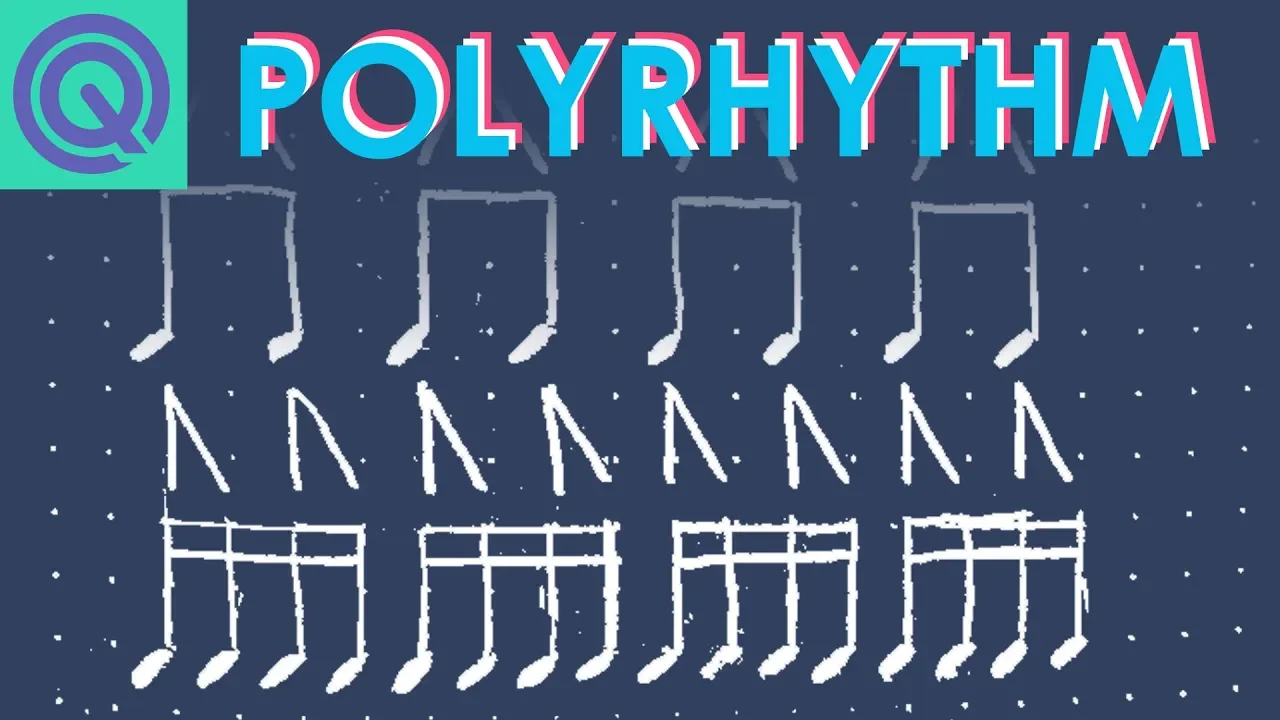
![Drumming with Polyrhythms [3:2 | 3:4 | 5:4] + musical examples](https://i.ytimg.com/vi_webp/73jEJ33YLq0/maxresdefault.webp)

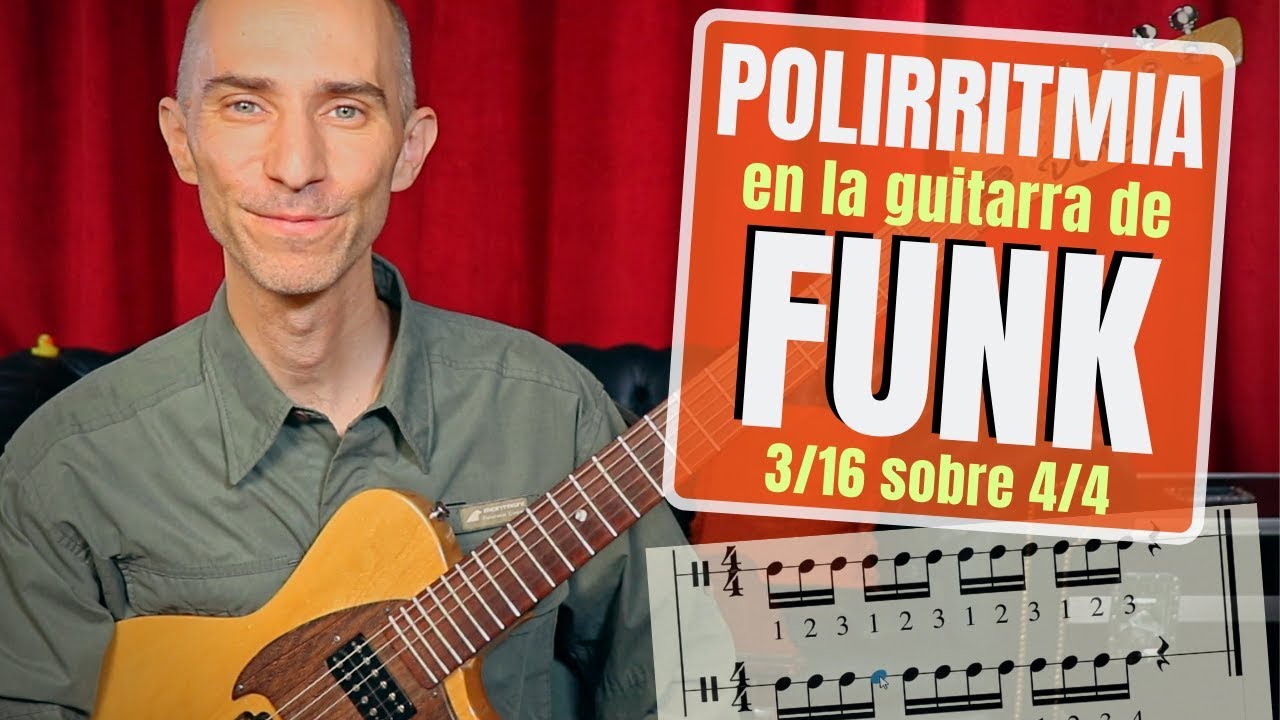



![Learn AND Apply Two Hand Tapping: Technique + Theory [GUITAR LESSON]](https://i.ytimg.com/vi/6UjtGYhTKt0/maxresdefault.jpg)



To transform a simple guitar riff into a math rock style, apply three key techniques: (1) introduce dissonance by using angular intervals like minor seconds, major seconds, flat fifths, minor sevenths, and major sevenths instead of smooth chord tones; (2) use syncopation to shift accents from strong beats to irregular positions, making the phrasing more complex and less conventional; (3) employ odd time signatures (such as 5/4, 7/8, or 13/8) or unconventional beat subdivision to create the characteristic math rock feel. These techniques work together to create the angular, unpredictable sound that defines math rock guitar.
Math Rock Guitar Riffs: Writing Techniques Explained
Added:Basic guitar techniques including clean tone articulation, fingerstyle, and fundamental legato (hammer-ons and pull-offs).
Introductory rhythm theory, specifically how to count and play basic subdivisions (eighth and sixteenth notes) in standard 4/4 time.
Fundamental music theory of intervals, particularly the difference between consonant (harmonious) and dissonant (clashing) intervals.
Familiarity with standard guitar chord shapes and major/minor scale patterns across the fretboard.
Exploration of common math rock alternate tunings (such as FACGDEC or DAEAC#E) and how they alter chord voicings and fretboard geometry.
Advanced polyrhythmic and polymetric concepts, such as playing groupings of 3 over a pulse of 4.
Two-handed fretboard tapping techniques to play simultaneous melody and bass lines.
Songwriting and arrangement strategies for integrating angular guitar riffs with dynamic basslines and complex drum patterns in a band context.
34K views1.9Klikes6:38Original Release: 2021-08-13
hey there steve here hope you're doing well in this video i'm going to teach you three things that you can do to take a simple riff idea like this [Music] and help you make it into something more math rock like this for this one we're going to be in standard tuning but all of the ideas apply to any tuning that you may wish to use i also aim to show you how math rock melodies differ from more conventional style riffs and melodies that you may be familiar with so step one introduce dissonance and make your ideas more angular sounding typically math rock riffs tend to contain more dissonance so they sound a bit less familiar than more conventional styles of riff writing for example the following melody is quite pleasing it's smooth and it's easy to listen to [Music] and if we were to introduce some kind of dissonance to this melody it would already start to sound more like a math rock style riff and all i've done in this melody is change two of the notes in addition because i've changed these two notes now the riff has become more angular sounding it sounds more spiky if we take a look at the original riff melody idea we can see that the idea flows smoothly in an arch-like fashion there's no big jumps between the notes the intervals are very small and the notes that are being used are quite safe notes they are something we call chord tones so they are mostly roots thirds and fifths in contrast to this in the changed melody there are bigger distances we say the interval is bigger so there's bigger jumps in some of the notes making this melody more angular giving it more of a spiky feeling some intervals that you can use to achieve this are the minor second interval [Music] the major second interval [Music] the flat fifth interval minus seventh interval [Music] and the major seventh interval so experiment with these within your ideas to make your riffs sound more angular and just adjust to personal taste the second step is to think of the phrasing of your riff idea now we have some kind of melody outline for our riff idea the next step in our math rock riff creating journey is to think about the phrasing of this idea to make it sound more rift-like and less melody-like the original idea is phrased in this very straight eighth note idea basically and if we add a simple drum beat and we can accent beats two and four we can hear how this is like quite a common melody idea that you'll hear in conventional stars of music to contrast this with our math or our griff we need to move these accents of the strong beats and move them into more unfamiliar territory [Music] so we can do this by rearranging the phrasing so how we play the idea and which notes we accent so we can use something called syncopation and this means our stronger beats are now occurring in more irregular places they have been shifted off the beat by phrasing this idea ever so slightly differently from the original idea we can shift the accents and we can come up with a more mathias style riff like this [Music] so experiment with the phrasing and experiment with where you're accenting the strong beats in your ideas one way you can build up your phrasing vocabulary and looking at where you can place the accent in different places is to you know expose yourself to math rock music pay attention to what's been accented and also by learning those riffs as well you'll pick up various phrasings that will start to work its way into your own playing the last step of this video is bring it all together and to do this we are going to use odd time signatures a commonly known feature of math rock is the use of shifting time signatures and the use of odd time signatures so by our time signatures we mean signatures that are not divisible by two and three so things such as five four seven eight uh we're going to go with 13 8 for example any kind of multiple that sounds and feels odd however that being said there is a wealth of math rock that is in conventional time signatures in a common time like 4 4 however the way they subdivide the beats where they put the accents makes it feel as if it's in our time so if you're interested in learning more about subdividing time signatures you can check out the this video to wrap up our idea i'm going to extend this bar to about 5'4 so we're adding another quarter note to the bar and to wrap it up nicely i added these i've added two eighth notes to bring it back round to the start of the phrase again it wraps up nicely and listen how this 5'4 feeling definitely gets us within that math rock rift territory [Music] okay so that's it for this one i hope you found some use in this i want to mention that obviously there are other ways you can approach writing riffs this is just one way i thought of and i thought perhaps it's very accessible for you i would like to know your thoughts what your ideas are so please share them below in the comments let's help each other out if you are interested learning more about math rock i do have a mafra guitar ebook available and there's a link for that down below in the description i want to say thank you very much to the patrons that are supporting this channel they are making this kind of content possible if you would like to support the channel there are various links for that down below in the description i want to say thank you very much for watching this video and i'll see you next time goodbye [Music]
Up Next
20:43
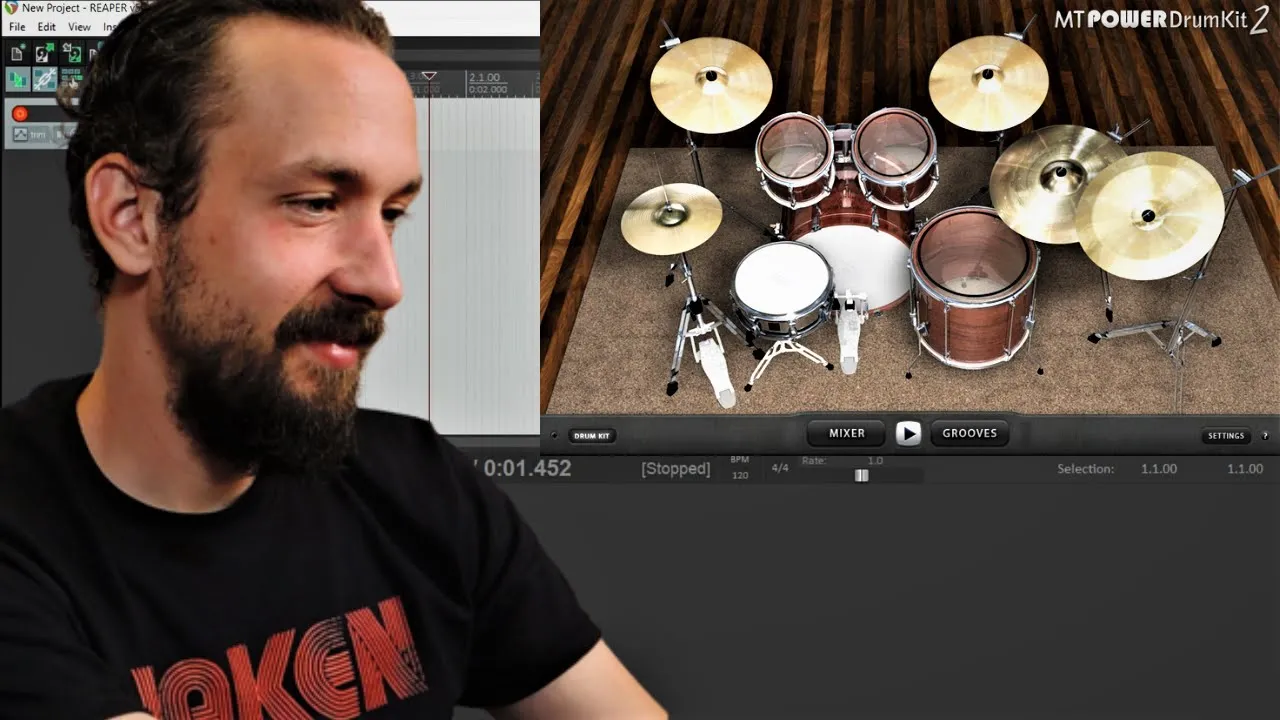
Drum Programming with MT Power Drumkit 2 in Reaper | Beginner Tutorial
@ChrisSnyderGuitar
120.6K views•2020-06-29

12:54
Triumph of Orthodoxy Icon: Byzantine Art & History Explained
@BenCallan
2.1K views•2024-08-06

9:49
FastAPI vs Flask vs Django: Choosing the Right Python Web Framework
@TechWithTim
302.5K views•2024-05-26

1:42
Game of Thrones Opening Credits: A Cinematic Analysis
@gameofthrones
46.3M views•2011-04-18
Related Study Plans & Knowledge Roadmaps
Structured learning paths in General & Interdisciplinary Studies
general-studies
Elevator Engineering: History, Physics & Cities
01From Hoists to Safety Brakes: The Dawn of Vertical Lift
02Hydraulic vs. Traction: The Engineering Physics of Elevators
03Modern Speed, Safety, and Algorithms
+ 2 more learning modules
12h5 modules
Explore Roadmap
general-studies
Rubber: Material Science, History & Geopolitics
01Origins of Natural Rubber & Mesoamerican History
02The Chemistry of Natural Rubber & Vulcanization
03The Geopolitics of the Rubber Boom & Colonization
+ 2 more learning modules
12h5 modules
Explore Roadmap
general-studies
Containerization: Evolution, Logistics & Trade
01Ancient Trade & Bulk Cargo: Amphorae to Barrels
02The Industrial Revolution & Cardboard Packaging
03The Containerization Revolution: Malcom McLean
+ 2 more learning modules
12h5 modules
Explore Roadmap
general-studies
Textile Tech: Evolution, Labor & Global Impact
01Pre-Industrial Textiles: Handloom & Cottage Industry
02Mechanization: The Spinning Jenny to the Power Loom
03The Factory System & Global Labor Transformation
+ 2 more learning modules
10h5 modules
Explore Roadmap