









![[너무쉬운매경테스트 55강] 무역정책](https://i.ytimg.com/vi/BBgHL0-ke6M/hqdefault.jpg)














Tariffs are taxes on imported goods that raise prices for consumers and disrupt global supply chains; while they may generate revenue, they typically destroy more jobs than they create because most imports are intermediate goods used in production, and retaliatory tariffs from trading partners further harm exporters. The Trump administration's tariff policy represents a regressive tax burden falling disproportionately on middle-class and poor Americans while simultaneously undermining economic growth through increased uncertainty, which reduces business investment and consumer confidence. The policy also contradicts itself by targeting allies like Canada and Mexico who had recently negotiated favorable trade deals, demonstrating that protectionist policies often harm the very groups they claim to help.
Why Tariffs Fail: An Economic Analysis with Expert Insight
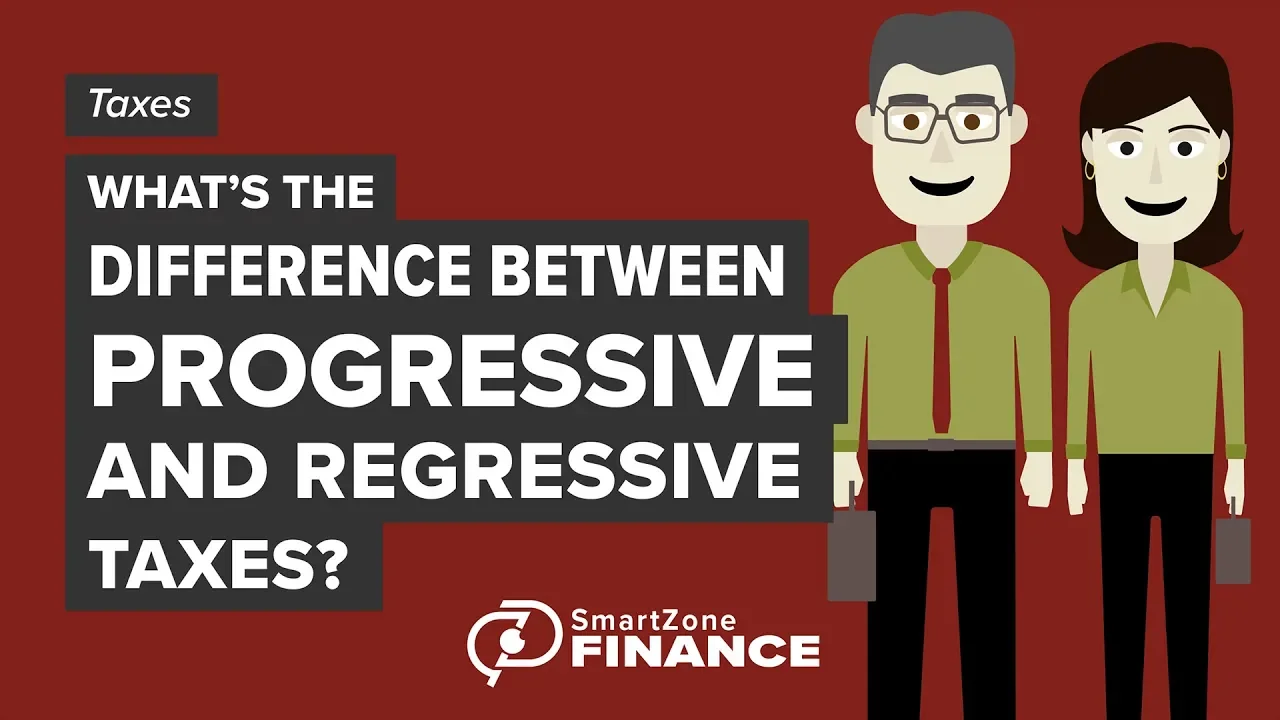
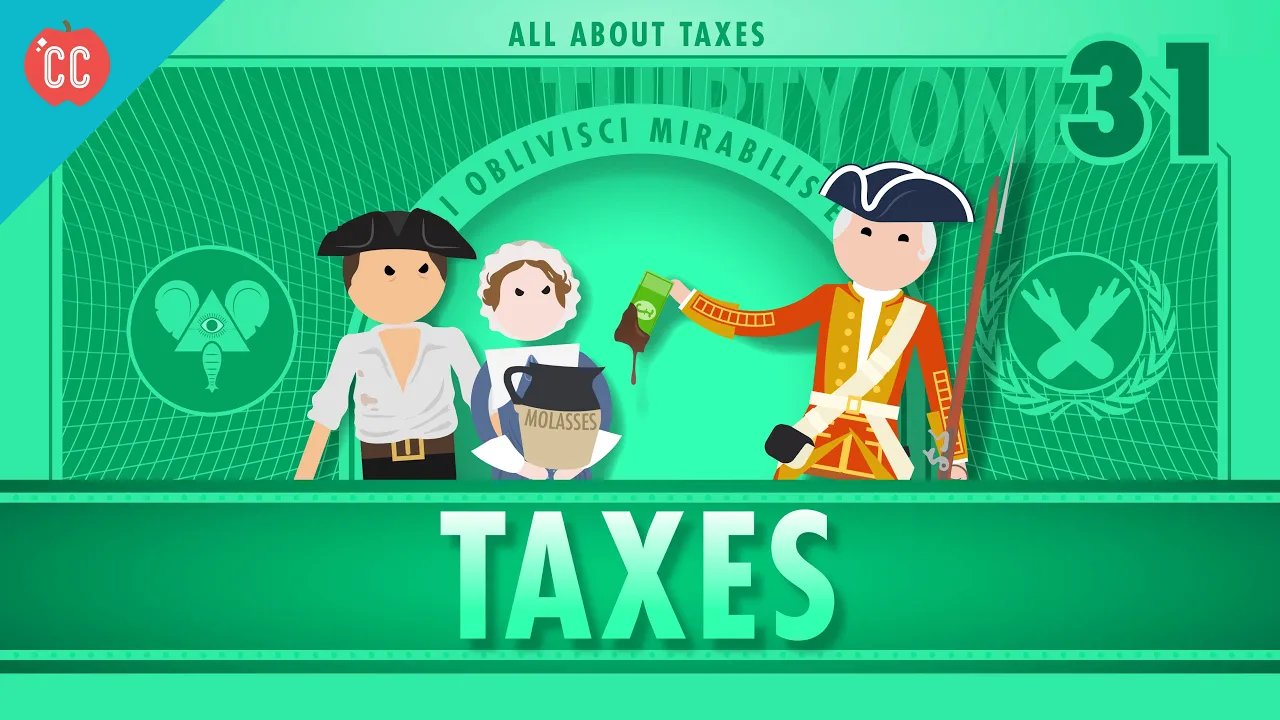
Added:before we begin today we're going to do another ask me anything episode for subscribers quite soon so you can write me at Ezra kleinow at NY times.com with your question please use the subject line AMA so we know to pull it into the big spreadsheet we choose from uh there'll be a cut off here so we can actually record we will consider any questions that are sent by the end of the day on Tuesday March 18th from New York Times opinion this is the Ezra Klein [Music] [Music] show Wall Street was thrilled When Donald Trump won the 2024 election and it was thrilled in part for a simple reason it thought he was lying business leader after business leader said that President Trump wouldn't actually lay down his tariffs and they had a reasonable case Trump in his first term was exquisitly sensitive to the stock market he loved bragging about how high it was on his watch and so the belief was that the market would be a check on Trump's Behavior he wasn't going to do anything that would actually harm it he certainly was wasn't going to do anything that would harm the real economy or drive up prices say this about Donald Trump he knew why he had won the election groceries it's very simple word groceries like almost you know who uses the word I started using the word the groceries when you buy apples when you buy bacon when you buy eggs they would double and triple the price over a short period of time and I won an election based on that and so the stock market shot up when Trump won as I write this Tuesday March 11th the Dow is lower today than it was on Election Day Trump has vaporized trillions of dollars in stock market wealth he's done that by doing exactly what he said he would do on the campaign Trail laying down tariffs injecting all kinds of uncertainty into the economy trying to unwind the Global Financial system Trump's advisers will tell you that Wall Street isn't Main Street and they're right about that but the fact that they like every economic forecaster I know or read is starting to talk about the possibility of a recession reveals an obvious truth these tariffs aren't just a problem for Wall Street they're a problem for Main Street too a hedge fund can go invest in foreign companies and do currency trades if America's economy begins to shake a food supplier who Imports much of the produce from Mexico and who relies on food American farmers grow using Canadian fertilizer cannot the Trump team says the pain is going to be worth it this is like a period of detox the tariffs are going to bring manufacturing jobs back they're going to strengthen Supply chains we're going to get good jobs we're going to convince other countries to give us better deals will they color me skeptical it's not just that I think the theory here is wrong I don't even think the theory they do have is being applied in any way that makes sense I recorded this conversation on March 5th literally as we were talking Trump Exempted auto parts from his tariffs he did that after saying the night before in his big speech that he had talked to the big three auto manufacturers and they were thrilled by what he was doing yeah turns out they weren't and then right after we recorded tariffs were delayed on Goods covered under the United States Mexico Canada trade deal a trade deal by the way that as we talk about here Donald Trump had been the one to negotiate in his first term look none of that was hard to predict that it would be a problem to put tariffs on auto Goods when we have highly integrated North America Supply chains that our big three automakers rely on the fact that the Trump Administration either didn't predict these problems in advance or wasn't willing to stand by its initial views on these problems it doesn't make me confident that they've thought any of this through at any level of real detail certainly not well enough to compensate for the extraordinary risk they're inflicting on the economy Kimberly clausing is a senior fail at the Peterson Institute for international economics she's the author of the book open the progressive case for free trade immigration and Global capital and the former lead Economist in the treasury Department's office of tax policy and she's done great work modeling the possible costs and consequences of the tariffs Trump has proposed so I want to have her on for a very straightforward conversation what are these tariffs how do they work what might they do or not do as always my email as reclin show at NY [Music] times.com Kimberly clausing welcome to the show happy to be here so let me just begin at the simplest possible level what is a tariff so a tariff is a tax simply put and it's a tax that is assigned to import so you might expect it to make all the imported goods more expensive and that's what it does it also raises prices more generally in the economy because Goods that compete with Imports get more expensive too because their competition's price went up how does it raise money where where is that money collected and by whom yeah when a good crosses a border the Customs agents collect the Tariff from the Importer that raises important questions about who truly pays for the Tariff or who is burdened by the Tariff there's been a lot of recent economic work on the tariffs of the first Trump Administration where it was concluded that roughly all of the Tariff burden fell on us buyers of imports but Trump at times has asserted that foreigners will pay for the Tariff there's some evidence that that could happen but we haven't seen it in Prior waves of trump tariffs if the Tariff the 25% tariffs on Canada and Mexico the 10% added tariff on on China holds what does that cost the average American family year but but also how much money does it raise yes so the average American family would have a cost increase of about $1,200 by our calculations from a 10% increase in Chinese tariffs in the two 25% tariffs on Canada and Mexico with the carve out for Canadian energy at a lower 10% rate that was our estimate that doesn't include the latest 10% increase on China it also doesn't importantly include the fact that competitor Goods get more expensive when other analysts have folded those in they get a number that's closer to $2,000 so that's a lot of higher costs for American households in terms of Revenue I get that this is is more than $1.5 trillion over 10 years so we might think of it as about $150 billion a year that's a static estimate and what I mean by that is that doesn't include negative effects on economic growth and that's because you know it was a relatively simplistic method I think it's very important to include those negative effects on growth because when the economy shrinks that means that people are paying less payroll tax less income tax you know and these shrinking tax bases in other sectors of the economy can offset a lot of the benefits of that Revenue it also doesn't include the costs of compensating those who were hurt by retaliation we saw in the first round of trump tariffs that he spent a lot of the revenues that were coming in effectively bribing Farmers for their losses saying like oh I'm sorry you you lost these markets that you were planning to sell into China so have this welfare payment instead of effectively mailing checks instead of letting them sell their goods one Farmers don't really like that substitute they'd much rather sell their product in the World Market but two it's very costly and in some years he was spending a majority of the Tariff revenues on this these compensation payments so this is hardly a helpful fiscal solution given its harmful effects on growth and given the costs of retaliation I always hear a lot of different explanations of why we're doing tariffs and what they're supposed to achieve and there are two that feel a little bit different to me one is it it's going to raise us a lot of money right it is a tax we are placing on foreigners and the other is that it will be this incredible lever we will use to make everybody make everything in America because we're a huge market and people don't want to pay the tariffs to access our Market but I guess of course if we're going to raise all this money through tariffs then if everybody comes here it it doesn't work how do you disentangle those two rationals that President Trump has been using yes I think you point to a really important contradiction and there's a third rationale which is also contradictory which is at times he will argue that he's not really a high tariff person but he's trying to negotiate changes in behavior and if you get those changes in behavior and reward them with no tariff right then you get no revenue and no domestic production as a result but let's focus on the two that you mention if you want more domestic manufacturing and you think that the response of firms and consumers to the tariffs will ultimately lead to more American production then that does imply a shrinkage of imports and we think in general that when you tax something you get less of it so it's possible that you could have a bit of both but they're at the expense of each other as you tax the Imports they shrink so there's a little bit less Revenue but there's still some revenue on the remaining Imports at the same time domestic production expands but there's limits to how many things we can make in this economy so you can't really displace All Imports at the same time so it's reasonable to think you'd get some of each when we look at those two mechanisms is the idea that you could layer significant tariffs on imports from all these other countries and radically increase the proportion of goods we make here in America true I don't think so and I I have strong reasons for my skepticism based on the prior literature on tariffs and the experiments that we've done in the past so if you look at the prior waves of trump tariffs really careful analysis has looked at the industries that were most protected by those tariffs and ask the question did we see more employment growth as a result of those tariffs and the answer is often that you can't find it in the data it's kind of an indiscernable amount of additional employment but even when you find tiny bits and sometimes people can point to maybe a thousand steel jobs you tend to see reductions in employment in other parts of the economy and this occurs for two reasons one a majority of our Imports are actually intermediate products so an example would be steel and aluminum two goods that you know presidents from both parties have been fond to put tariffs on but when you tariff steel right that makes any good that uses steel more difficult to produce in the United States so an example would be Cutlery producers would then find that their costs are higher relative to their competitors abroad so that's going to hurt production of any Goods that use imported intermediates and almost all of our Goods use imported intermediate Goods so that hurts the US production process but there's a second important angle here too which is that when we tariff foreign countries their typical response rational or not is to retaliate by putting tariffs on us in response as a way of punishing the United States for its policies and hopefully getting the attention of the president by concentrating pain from the exporters so we've seen for instance China retaliate against American agricultural products and the hope of the Chinese is presumably that the farmers are UPS that and that that puts pressure on Trump to withdraw the tariffs we've seen Canada threaten to tariff a number of our Industries as well and they've started doing that Mexico is planning to roll out some retaliation too so all of that hurts our exporters even beyond the hurt I already mentioned which is the fact that their imported intermediate goods are more expensive they're also facing shrinking markets for their goods abroad so when economists have looked at these effects alog together they've often found that tariffs actually destroy more jobs than they create and so this isn't really a sensible policy if you're really truly interested in helping the American middle class workers this is a point my friend mat glacis has made but it's been ringing in my head which is that tariffs and this kind of protectionist mercantilist and I would say reality tvist economic policy has this bias towards announcements you can see and then this cost of things you never hear about so Apple comes and says Oh Mr Trump we don't want to be tariffed by you you're doing such a great job we're going to locate more of our investment in the US please don't tarff our other goods and maybe they both get a presidential pat on the back and they get some tariff exemptions and they they locate a factory here but then there are the companies that are small do not have a line to the White House cannot make a big announcement that Donald Trump will be part of and they're just disadvantaged and can never grow how do you think about that dynamic because Terrace are spectacular and they're clear and then you get these like sort of like Tick Tock of announcements coming out of the White House of look see they work look at this look at that look at the other thing and then we you know there's obviously no presidential press release about the factories or Goods that they ended up destroying yes I think you point to a really important feature of tariff policy which is it's inherently a bit non-transparent and it's also inherently subject to political dysfunction and the concentration of power in the hands of the executive so in the case of non-transparency you see that many of the costs are pretty diffuse like every consumer might pay a little more for their lumber at the lumber yard or avocados at the grocery store their cars when they go and buy their cars but they won't necessarily know to blame the tariffs whereas the beneficiaries of the tariffs may feel that they can pinpoint you know where that benefit is coming from so if the steel plant doesn't close they can thank the Tariff in response I think there's limits to that transparency argument because certainly firms like Ford and GM as examples recognize that these tariffs Canada and Mexico will be deeply disruptive to their business model and the same is true for Farmers for Boeing for you know a lot of us companies so that gets to some of these other points about political dysfunction which is that because tariffs are levied by the executive rather than Congress the Trump Administration will have more control over who pays where they're assigned you know which Industries which countries which firms get exceptions right so it puts the executive branch in a position of control and a position to hand out favors and punishments as they see fit both at home and abroad and I think those elements are quite attractive to this particular Administration who's shown that they really in a number of areas are eager to punish those that they feel are not aligned with their interests and reward those that they feel are aligned with interests and so I think that's a key component of why president Trump is so drawn to tariffs yeah I have a big concern this is not a Economic Policy this is a tool for corruption and patronage yes I think that's a very legitimate concern so I I want to think through this in a couple of specific cases they're doing pretty broad tariffs although only so far on specific countries but so we import a lot of food from Mexico we import avocados and raspberries and strawberries so that's all going to get more expensive we also import a lot of potach which is a fertilizer functionally a pottassium solution to grow food and we get 80% of that from Canada so on the one hand I guess you could say well we're going to tariff Mexican food imports because we want more of that to come from American farmers but we're also going to raise the price of the thing American farmers need to grow food and even if you weren't doing that it takes time to plant new crops right it takes time for those crops to produce fruit and produce vegetables so it's not like we can substitute from Mexican avocados to American avocados in a month that's right I I yeah it's there something so Qui it just doesn't make any sense yes that's very accurate as well so if you think about this policy I think it's very analogous to a supply shock we could view it like the oil price shocks of the 1970s or if that's too back time for people to remember you could think of it as sort of like a covid supply shock I think what you mentioned with your farmer example is exactly right you know the producers in the United States will be trying to produce more but there's limits to what they can do when their imported intermediate goods are getting more expensive when workers are more scarce particularly in an economy that's already a full employment economy but one where the administration is aggressively trying to reduce the labor Supply through deportation so there's going to be very much limits to how much they can respond to those price signals so when you go to the store and you try to buy avocados or Lumber it's not like we can suddenly grow more trees in Oregon to cut down for lumber or more avocados in California in an instant those goods are going to be more expensive and cars are going to be more expensive because Parts have to cross the border many times you know the price shocks are going to be very real when you're simultaneously reducing the ability to supply products and increasing the costs of supplying them you're going to get pressures on the economy that feels stagflationary and what that means is that central banks and other macroeconomic policy makers won't really know whether to worry about the fact that prices are rising or the facts that the policy is recessionary if prices are rising the normal thing for the central bank to do would be to raise interest rates so that that reduces the inflationary pressure but this is also a recessionary policy which is going to shrink the economy and so you'd want to expand the money supply which would increase inflationary pressures so it's a deeply troubling policy that could cause a lot of pain if it isn't reversed very swiftly [Music] [Music] I keep hearing this point about car parts crossing the border many times can you give me an examp example of that and how the Tariff Stacks yes so if you look at I don't know if you've bought a car lately but I did at one point you I live in New York City it is the best part of living in New York City that I did not have to buy a car lately yeah I I don't actually I live in Los Angeles and I don't have a car here which is funny but but if you look at a car God bless you a tag it'll tell you all the countries that the car is made in in in some instances and you can see that the typical car is made in many countries uh but in North America we've had free trade and car parts since 1964 with Canada and since 1994 with Canada and Mexico so we have this deeply integrated Auto production process and so that means that not only are we maybe buying some parts from Canada and some parts from Mexico but the process of making the part itself each part has parts right and those parts parts will cross the border and then they something will get added to it and then that resulting product will cross the border and something is added to it and then it crosses the Border again and so you can have something crisscross the Border a multitude of times and every time there will be a tariff you might think well we could apply tariffs in a similar way to the way that other countries apply value added taxes and just tax the increment of value but that's not how tariffs work it would be too bureaucratically difficult to track each auto part and say well how much value did you add in your country this time and that's part of why free trade is so attractive you can do this integrated production across North America without having to face bureaucratic hurdles every time something crosses a border so because of that difficulty associated with tracking there's not going to be a way to avoid this sort of cascading protection effect where you think you're tariffing something once but really because it's embedded in this International production process it's getting hit by the same tax multiple times I really do think that in the case of the North American Auto industry this could be the end of it because it's going to just be so much I don't I don't know Kim because I heard Donald Trump say that he spoke to the big three automakers and they were super thrilled yeah that's not the message that I've been hearing from them you know like when you kind of look into the new stories and more detail you see a lot of grave concern about this and it's not even the big alone it's like we also have a lot of cars that may have Japanese or Korean labels but that are manufactured in part in North America because of the advantages of the formerly NAFTA now uh relabeled as usmca agreement so when we compare making a car in North America with this cascading protection effect we just described to making one in Asia or Europe where you don't have a lot of tariffs that are impeding production I think I think it just will make a lot more sense to make the entire thing somewhere else and just pay the Tariff once okay I want to put a pin in usmca because I want to come back to that in a second but but what you just said it'll make sense to make the car somewhere else this seems like a way in which once you start laying down tariffs there is no end to it let's say that you are Ford and you have a auto plant in Dearborn Michigan and that auto plant has a lot of trade back and forth over the American border with uh Canadian and and Mexican suppliers so you and I have this problem we were just talking about where things going back and forth and getting tariffs placed on them the steel you're importing has tariffs placed on it Etc now you're BMW and you have a PL in Germany you have none of that problem your intermediate Goods do not have their costs Rising because of Donald Trump's tariffs now obviously at some point somebody's going to point this out to Donald Trump and so the clear thing to do from his perspective is going to be to impose tariffs on All European or for that matter Asian or anybody automakers because it would be an insane outcome of your policy to have tariffed people making cars in the US but not people making cars in in Europe or South Korea but then you're just raising the price of cars relentlessly for American consumers that's right and you're also probably silo the American car market in a way that will make our cars much more expensive for what we're getting As Americans relative to the competitive markets offshore he's announced additional rounds of tariffs that are coming April 2nd supposedly so you might view this as in a way a coherent strategy in that he's just starting with the countryes that are most vulnerable as a demonstration effect and then he's going to move on to other countries because we might think Canada and Mexico would be more willing to give us things because they're more dependent on the US economy so if you buy this negotiating motive then maybe starting with them is smart but you're absolutely right that it doesn't really work like it's it's a deeply harmful policy and if you really believe in it it does lead to the need to expand it and expand it and expand it and maybe even to raise the themselves because you realize that even with 25% protection you can't make a car in the United States that's going to beat the ones that you can make in Asia or Europe so I I think it's a you know it's hard to just use words like dumb but like this does feel like a deeply misguided approach to I I would like to use the word dumb actually because I I don't have the sort of elevated Peterson Institute for international economics Stone yeah Fair I'm also confused so if you said what were things that Donald Trump appeared proud of having done in his first term you might say well he said that NAFTA was the worst trade deal ever signed by any country ever and then he renegotiated it in the usmca which is United States Mexico Canada agreement and when he signed that he said it was a terrific deal for all of us so the the major trade deal Trump did in his first term and he said at his speech the other night that first ter was great and an amazing four years for America was this trade deal with Mexico and Canada which then he bragged about being great it has not been renegotiated since end to my knowledge so now he's come into office and the first major tariff project is to impose huge tariffs on Canada and Mexico who had he just sorry think I'm glitching out he he just negotiated a trade deal with that he said was great and he's starting with them not even ending with them he is starting with them I don't understand why I I I don't see what's going on here yeah it really defies explanation and I think most observers looking at this episode are just simply flumix it makes no sense to think of harming our closest allies and friends with tariffs and threats at the same time that we were talking about relieving Russia of some of their uh you know uh sanctions it's it's just confusing you might almost think that the goal is to weaken America's position in the world and if you were going to do that this would be a good starting point you know I'm not convinced that that's the underlying goal I if I were trying to explain the underlying goal I might be tempted to say that it's about distraction that some of this is an attempt to either Rebrand in a way it let's Trump claim victories even when they're elusory and we saw this a little bit with the Colombia situation where there was this brief ratcheting up of rhetoric and a threatened trade war and then Colombia made minimal to non-existent concessions and then Trump declared success and back down and we saw that a little bit around the Groundhog Day start of this trade War where you know it seemed like Canada and Mexico made limited concession and then back down but yet he seems to still be coming back to this tool it's possible that if the Commerce Secretary is right he was on the television saying that oh these are going to be really shortlived this will be yet another attempt to Rebrand where he'll do something that looks deeply harmful for a few days and claim some really big victory and and ultimately if they do that if this is what the tariffs are they are the these momentary bullying negotiating PL then the other thing that Donald Trump and his allies keep saying about them which is that they are going to lead to a massive insourcing of manufacturing facilities and lead to a lot of new Revenue cannot be true because the only ways that those things could be true and his people do say that and they will tell you that off the Record and he says that in public the only way that could be true is if they were sustained and steady so that all of these companies that are running complex Global Supply chains come to the view that they're going to make five and 10e Investments on the assumption that this will remain true and it will be better to assume the continuation of these tariffs than assume that they will go away because it's going to be much much much much much more expensive to you know move parts of your supply chain that are in Thailand and Denmark and Brazil into Missouri and Arkansas and Texas than to Simply wait a year or wait a month until Trump changes his mind on the on the tarff like you you can have them be negotiating tools that you pick up in a month or you can try to create a durable change in the structure of the US economy and the the sort of manufacturing chain but you you can't do both of those things I agree entirely I mean I think it's completely incoherent the number of things that they're claiming that tariffs are trying to do and we see see in all sorts of real world indicators that it's already creating a lot of damage even the incoherence right investor uncertainty is rising there's more stock market volatility there's consumer confidence is falling you know we've got all these markers that indicate that this is quite bad for the economy I think the one thing that we haven't talked about yet that is probably tightly related to this too is the other big achievement of the first Trump Administration was the big package of tax cuts that mostly benefited corporate shareholders and those at the top of the distribution he's desperately wants to extend these tax cuts he needs to claim that there's some revenue from something right so he's going to claim that he's collecting all this tariff revenue on foreigners to help make the rhetorical case for the tax cuts I think that's another really important part of this and it's a part that requires the public to not fully understand that tariffs are a tax increase and in fact a tax increase that falls disproportionately on poor middle class Americans not on those at the top right and you can't really run a campaign where you're like I want to cut taxes for rich people and raise them on the poor so instead it's all of this smoke and mirror distraction about foreigners are taking advantage of us we need to remedy that we're going to have you know a great American economy again because we're going to Levy these fancy tools where they will pay and we will industrialize and it's kind of a story that if you don't know any economics and you haven't stopped to think about it it sort of sounds appealing right and the more people who buy that story the more he can do this fiscal switch and have an excuse for the tax cuts and I think that's part of what's motivating this that we haven't really dug into yet so let's dig into it you you had a line in an opinion piece you did for the times a few weeks ago you wrote a better way to think about tariffs is is a key tool to achieve the core of Mr Trump's economic agenda he wants to shift the tax burden away from the well-off and toward the poor and middle class while consolidating his power so explain that in some more detail if they pass the tax cuts that they seem to be developing and if Trump keeps layering tariffs down on on the economy and he keeps them let's say in this scenario right he doesn't just lift all the tariffs next week how will that shift the tax burden yes so there's two parts to that first is thinking about who pays for tariffs and the second is thinking about which tax cuts so let's start with who pays for tariffs tariffs are simply put a consumption tax so they're going to fall on those that are consuming either the imported goods or the goods that are competing with the imported goods what they don't fall on is savings right if I save a big chunk of my income each year that savings isn't affected by the Tariff and for further I can hope that by the time I get around to consuming my savings and my retirement the tariffs are history by then and and I can buy it at normal prices so it's falling really on the consumers and one thing that we know about consumption as a share of income is that it's much higher if you're poor middle class than if you're rich the poorest Americans might even consume more than they're earning but all the way through the middle class people are consuming almost all of their earnings and it's only at at the top part of the distribution where people have a lot of room to save and where we see a lot of savings in the top quintile or so so what that means is a consumption tax is disproportionately falling on those bottom four quintiles and not falling as much on the top compare that to the Trump tax cuts of his first term or the extensions that are being contemplated now to those same tax cuts and you see the opposite pattern it is true that there are tax cuts throughout the income distribution but they're quite small for typical American if so if you look at the median household the Trump tax extensions that have been promised by Congress might save them $1,000 over a year relative to a situation where those tax cuts expire but if you look at the top 1% the Trump tax cuts get them $70,000 so it's not just that the rich have uh more income and therefore get more benefit from this they get a a bigger benefit as a share of their income so when you look at those two together which we've analyzed in some recent uh work you see that for the vast majority of households the Tariff cost increase actually outweighs the tax cut benefit they would hope to get from the Trump Administration but for those at the top it's flipped they get a huge tax cut but the cost of the tariffs isn't that big of a deal so it's a it's a really unfortunate fiscal switch and it's kind of ironic really because if you think about Trump's marketing it's really that he's a populist president that he and JD Vance and those around him are trying to help ordinary non-elite Americans who may not have a college education who may have suffered from feeling left behind from some of the prior policies but they're suggesting in response well we're going to give you a more regressive tax code we're going to cut Medicaid we're going to cut basic government services so it's it feels very much like snake oil so literally while we are talking it is now being reported that the Tariff on car goods from Mexico and Canada will be delayed by a month now delayed doesn't mean it will end maybe it's only going to wait until he can put it on Europe too so you have you don't have a distortion between the European and and North American markets but I think this gets to something else which is there is a separate cost of uncertainty in the economy I'll say something that has been surprising to me is that Donald Trump took office he is promising huge tax cuts for rich people in corporations he is promising deregulation across the economy and what we're getting from that is a drop in consumer sentiment we're getting an increase in inflation expectation we're seeing the stock market losing all of its gains since when he came in at least at the moment we are speaking we're not seeing a lot of intense optimism from markets or or or Corporate America and one of the things I keep hearing is that he's just making things too uncertain if you're thinking about well should I invest in X or Y or Z in America or for that matter somewhere else for a year from now or 3 years from now well maybe I'll just wait a little bit because it's very hard to know what's going to be under a tariff threat what's not going to be under a tariff threat where I should put the money and you know that plus the amount of gutting of the federal Workforce which is a pretty significant amount of pushing people out of work how do you think about the role that uncertainty is now playing as a force retarding economic growth I think you point to something incredibly important here one of the things that uh Trump said in his speech before Congress was that he wanted to expand expensing which is a preferential way that our tax code favors investment and the reason he wants to expand expensing is because there's evidence that suggests that increases investment and investment is good for economic growth but imagine you're a firm that's thinking about well do I want to invest plant and equipment in America do I want to invest it offshore do I want to invest it at all what do I think is going to happen in the future I don't think we've had a moment of higher uncertainty since at least 2008 than we have right now given all of the variables associated with trumpian economic policy this includes not just the Tariff threats which are substantial but uh the deportation threats which affect the ability to make things in America the Doge efforts to cut the government I think we're about to have a lesson in a lot of the things that the government does that we all rely on uh if you move too fast and you break too much you start to see that government actually plays an important helpful role in enabling businesses to be successful in the economy and creating a climate of stability and certainty and that if you got core government functions that makes a lot of people worry right they worry about well what if I don't get my Social Security check because that's missing or what if the reimbursement to my Hospital hosital doesn't come through and those kinds of underlying motivations can really drive up fear and reduce confidence in the economy um and there's also a lot of research that suggests that institutional strength which are things like do you trust the institutions will work do you think the rule of law is reliable do you think that the playbooks that you've kind of relied on to do your business or going to look similar next year as they do today that those sort of institutional markers are also eroding we've seen examples like the Trump Administration challenging the independence of federal statistics recently challenging the independence of the Central Bank recently you know those types of things make us Wonder like do we even trust the statistics do we even know that the central bank is immune from these puros you know so there's a lot of reason for concern out there and it's definitely going to have a dampening effect on the economy and I think we'll be very lucky if we escape a recession in the near term I saw the Trump Administration saying that they wanted to create a new measure of GDP that we would use that cuts out government spending and economic activity what would be the rationale for that and what did you think of it so to some extent that's completely untroubled in that we already have that exact data available at the Bureau of economic analysis and anyone who wants to can take uh GDP growth subtract government consumption from that and get to the desired statistics so you might say oh well feel free to subtract what I think is more troubling is the tone and character with which that statement was made they were like we don't think the current statistics are really capturing the wonderful things we're going to do and and we think we need new statistics New methods right at the same time that they're literally disbanding groups of experts and some of whom I know well who serve on these advisory committees outside advisory committees at no to themselves to improve Federal statistics right so we're getting rid of people who understand Federal statistics and how to improve them we're expressing discontent with the current statistics and makes one worry about things that you tend to see abroad where authoritarian regime will deliberately doctor the numbers to improve perceptions of their economic performance and I'm not saying they're doing that now I I don't think they are but I do worry that they're sort of laying groundwork for that with some of these statements and with some of their actions including the disbanding of these committees I sure as hell worry that when I watch them disbanding the statistical groups and coming up with alternative measures that we about to get some monking around with them particularly given that Donald Donald Trump is an incredibly enthusiastic liar who lies about everything from his electoral victories to to the nature of the economy at all times the other thing though about that which I just thought was strange right let's let's take it neutral face value as you know this number already exists and and you can already find it but let's say they want to start highlighting it publishing it I guess that's fine except that it it's weird because economic activity associated with government is still real activity and so if you want to know what is happening in the economy whether or not the government is spending money and on what is Meaningful um people actually really do get jobs from that it really does create demand if we were having a war and there was a lot of government spending on defense I think it'd be really weird to try to measure GDP without that in it I worry sometimes that the first people that the trumpist right fools are themselves that if you are publishing a BS statistic that is trying to hide the places where you're damaging the economy and you are persuading yourself of that number but the economy is still exactly as damaged and people are still exactly as upset because I think a lot of the anger comes from people being genuinely out of work and you know people seeing harm in their community and it's not only that you know this government agency closed but also there was a coffee shop near it that you know made coffee for those government workers and on and on and on Down the Line it it just seems that when you rob yourself of information it makes it harder for you to make good decisions too yes I agree wholeheartedly and the social value of government is real like there's a reason we have civilized society and things like courts and air traffic controllers and and people who enforce laws National Defense you know there's all of these things are important and if you say that they're not you're messing up the signal that you're getting yourself about what's going on with the government but you're also sort of expressing a value system that says that the only thing that really matters is what each of us is consuming privately without even acknowledging that our private consumption is very much tied to the enabling institutions of government right if I have a car but I can't drive down a street the car isn't very useful if I have a plane ticket but no one's in the air traffic control tower that plane ticket is less desirable to have you know just example after example there are many important complementarities between what the private sector is doing and what a well-functioning government is doing and I think one of the things that deeply concerns me is I'm not sure they're interested in a well-functioning government right if you were you would do something more like Reinventing government that sort of Clinton era Al Gore LED effort to streamline government in a thoughtful way that involved actual information of experts and government officials like that was a highly successful way to pair back regulation and to reduce Workforce in areas where it wasn't needed but it was a thoughtful deliberative slow process what's happening now is at risk of losing the best federal employees through the fact that they're just kind of willy-nilly letting people go and those who are most easily able to find new jobs or the ones who are going to find this environment most conducive to leaving it and they're not paying attention to sort of knock on effects that the rest of the economy and the announcement the other day that they're working on pairing back the Internal Revenue Service to half its prior level would basically be making our taxes system a tax on kindness because anyone who wanted to avoid taxes wouldn't fear that much about getting caught if the price of tax evasion is zero there's no chance that you're going to get caught right so then it becomes just a tax on honesty and I'm not sure we want a tax system that penalizes the people who are honest it reminds me that in one of the various you should leave the government emails that musk sent out to to employees they basically said look we want you to go to the private sector where you will be more productive and create real things and so from one perspective you might say it's very bad for government efficiency if we drive the best people out of the government and I think from their perspective which sees the government as waste as obstruction as nothing but red tape and wokeness and a nonprofit industrial complex and so on it's not because it isn't that you know if what you're doing is selecting for the best people and driving them out of government that means you're putting all these good people into the private sector and the private sector is where real productivity gains happen and where real things are made and so I think if you take them seriously from their perspective this is a feature not a bug that it should actually show up over time in increased GDP I have spoken to people who work let's call it adjacent to the federal government and one thing they tell me is they're getting incredible applications I mean they're just getting really really amazing people applying because they these people don't want to work in the government now and you know if Elon Musk is going to fire you know a third or half of the government they better get out before all the jobs somebody like them could take are filled but it's a real hell of a gamble to say that you're not going to lose anything significant by driving excellent people out of the Department of energy or the Census Bureau or the Department of Labor I think it really does reflect a view the government does not create things that are of value yes and a view that perpetuates itself because then the government that's left is overburdened and less competent than the government you started with so that might just fuel even more of this mentality that the government isn't operating efficiently when you're trying to create the circumstances where they can't operate efficiently you know and I also think it it neglects the fact that not all of these skill sets are super substitutable right imagine you're a Consumer Financial Protection Bureau employee and you know you've all been let go at once it's not clear that all of those would swap naturally into private banking or something you know it's it's also going to create a lot of disruption in people's lives and in some instances you know that's going to be harmful as well to the businesses that Trump would like to succeed having an adequate regulatory framework is part of what makes businesses function well because people feel like they can trust them if they think every shop is actually potentially a a con right then there you know it reduces our confidence in in the strengths of our institutions and businesses [Music] [Music] [Music] we've been sort of focused so far on the the more narrow policies here but but there's a broader worldview at work and that worldview is that over these decades as America has opened up to the world as we've brought down tariffs right tariffs are a lot lower in America today than they were in the 19th century or the early 20th century as we've opened up to China as we have integrated our Auto industry with Canada and Mexico then America's been incredibly ripped off that other countries often Place higher tariffs on us than we do on them that this trade has been bad for America not good and that it it's sort of been a plot of a globalized elite and that that Trump is coming in and reversing it and I think practically as you you seen even Democrats sort of turn on some of the politics of free trade you don't really have a a counterweight this argument but but years ago you wrote a book called open which is sort of more making the case for this kind of system so what is your answer to that your answer to the The View that actually we have been ripped off and yes yes we got cheaper consumer goods cheaper cars but that came at the expense of good jobs of manufacturing jobs of robust Supply chains and this is yeah maybe this will be painful there will be a little disturbance As Trump put it but it's necessary because the equilibrium we ended up in was bad for America and even if it's painful to change it we need to I think that's a truly excellent question it really gets it the part of this entire debate so let's start with a recognition that there are a lot of Americans who feel economically insecure and disappointed with the economy the way it is and I think that's very easy to support with data I think there's a lot of evidence that economic inequality has increased over the last four decades that wage growth has been disappointing compared to Historic Norms um and as much as the economy as a has succeeded relative to other countries and even uh in terms of delivering living standards that far exceed those of Prior centuries you know those types of harms have left a lot of people feeling unhappy so that leads to I guess two follow-up questions one is is that set of harms that I just described due to global elitism free trade agreements and the like and a second question is would restricting trade and putting up new immigration barriers help that harm so let's take those two questions one at a time first I think there's very little evidence that trade agreements and China's entry into the WTO and things that we might Loosely describe as a globally Elite liberalization are responsible for the full force of those trends that I just described and in a way there's too many any determinant to fully unpack what share of responsibility trade or immigration or global capitalism had but there's other factors that are really important that are happening at the same time one is technological change which has really shifted our economy away from uh demanding certain types of Labor right that can now be done more easily by uh computers digitalization and robots right so that has really changed the structure of our economy in super important ways and you don't hear us saying well the next answer should be we should all throw away our computers because we realize there's a lot of gains from technological change too but you know it's had big harmful effects on people lower in the income distribution who've seen less demand for their skills so that's one element but there's also other things happening Market power has been increasing dramatically over the last generation we've seen big increases in concentration of how much of our economy is in the hands of just a few firms we've seen a big decline in unionization we've seen changes in labor laws changes in regulations changes in tax codes all of which have turbocharge some of the effects that I just described so I think it's wrongheaded to lay this all at the ground of trade and you can tell that in part by looking at the data like some really nice studies of the China shock have pointed out that it might have cost somewhere between one and three million jobs over a decade which sounds like a lot Until you realize that the US economy loses about 8 million jobs in many quarters often between six and 8 million jobs you know and that job loss also gets created in other sectors of the economy it's not like we're constantly losing that many jobs but there's there's a process of capitalist creative destruction that generates a lot of disruption in our economy and it's not all due to the Chinese like a lot of it is due to other forces so I think the diagnosis is in part wrong but let's give them the benefit of the doubt and say okay well trade still had an important causal Factor shouldn't we restrict trade and that's the next question and the answer that I reached in that book open and that I think is fundamentally um important to realize now is that just because you've had some disruption in the past it doesn't mean that more disruption is going to help so imagine at tariffs on Canada and Mexico right that's disrupting a lot of people's jobs and lives that's shrinking entire sectors of the economy and it's creating new Havoc that will probably add insult to injury for those very same workers that Trump and his allies pretend to be concerned about right so the remedies are often adding insult to injury um not only do you see the job disruption but you see costs higher at the store you see a aggressive sales tax being put in place of a progressive income tax so the cures really aren't cures that doesn't mean that there aren't things that we can do to help those at the bottom of the distribution and I have a lot of ideas including a more progressive tax system more investments in infrastructure more investments in community colleges and some of the things that you no doubt rais in your forthcoming book I think are really important too but you know I don't think trade barriers and immigration restrictions are going to do one bit to help this set of Left Behind people unfortunately I think it's a good place to end always our final question question what are three books you recommend to the audience well let me start by noting that I'm really looking forward to your forthcoming book abundance which I think we'll really speak to key issues of our time uh but for my three book recommendations I'm going to recommend a few that I found influential in my own life the first is the undoing project by Michael Lewis this book describes the friendship between Conan and tersi two researchers who've made foundational contributions to the field of behavioral economics the book is compelling not just really for the substantive insights that the book delves into but really more about being just a lovely story of the two main characters their friendship their research collaboration and most of all the simple joy that comes from better understanding when you're doing good research a second is mountains Beyond mountains by Tracy kit this tells the story of Paul Farmer who founded Partners in Health which is a global nonprofit that works on expanding Health Care access in places like Haiti and Rwanda it's an incredibly interesting and thoughtful book that I found deeply inspiring about the role that any single person can play in making the world a better place and I think it's helpful for all of us in sort of thinking a bit now about how we might push a little in that direction either through philanthropy or our own actions and the 30 is an oldie but a goodie uh the worldly philosophers by Robert H Broner it tells a story of the origins of Economics through the lives and ideas of the fields founding fathers including some we've all heard of like Smith and Marx and KES but also some we have heard less about like Alfred Marshall it's not in this book but one quote I like from Marshall about what economics does and it's really influenced how I think about economics is that he notes that the dominant aim of Economics is to contribute to a solution of social problems and econom ICS really has a strength in enabling our common sense to go further than it would otherwise in solving those social problems and I think the work that economists have done around International Trade issues much of which we discussed today is really demonstrates that I deal nicely Kimberly cling thank you very much thanks so much for having me on the show I've really enjoyed our conversation [Music] this episode of the eclano is produced by Roland who fact checking by Michelle Harris mixing by Isaac Jones with the F Shapiro and ammen sahota our supervising editor is Clare Gordon the show's production team also includes Elias iswith Christian Lynn and Jack mccordic we original music by Pat mauskar audience strategy by Christina Sami and Shannon Busta the executive producer of New York Times opinion audio is Andy raser and special thanks to Pat mccusker [Music]
Up Next

Tariffs and Global Supply Chains | Elhanan Helpman on Trade Policy
@virtualitm3195
264 views•2020-08-07
Impact of Yuan in Indo-Russian Trade Amid Sanctions
@WION
261.9K views•2022-07-01
Behavioral Economics Explained: Rationality, Nudges, and Risk
@crashcourse
1.1M views•2016-03-12

The Age of Easy Money: Fed & Inflation | Full Documentary
@frontline
21.2M views•2023-03-15
Related Study Plans & Knowledge Roadmaps
Structured learning paths in Economics