



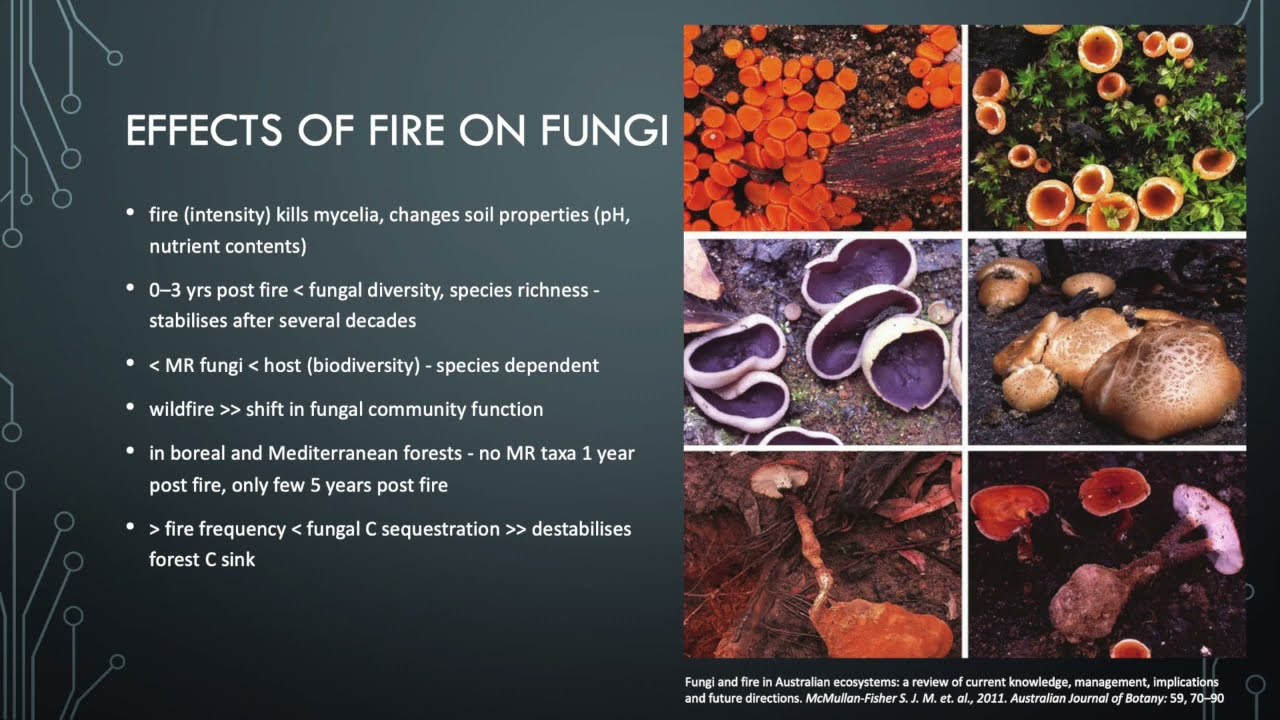







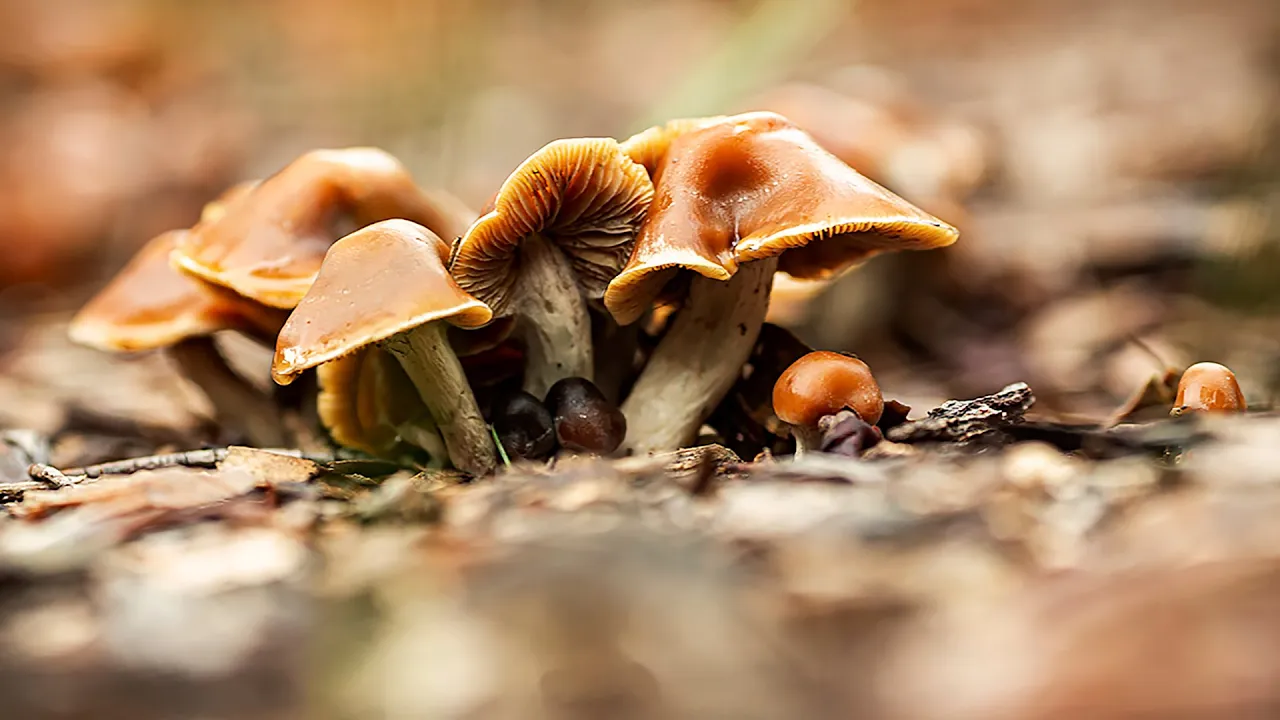




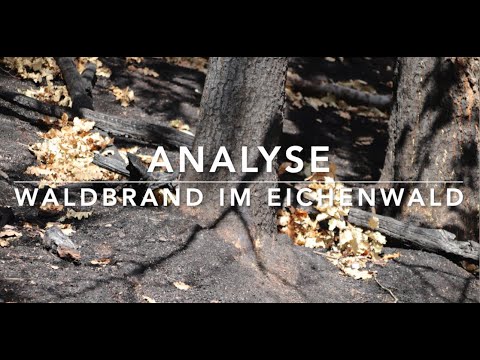






After wildfires sterilize soil at temperatures above 60°C, certain fungi are among the first organisms to recover, with their spores surviving the heat and rapidly forming mycelium mats that stabilize soil, prevent erosion, and create conditions for forest regeneration; these fungi fill unique ecological niches that only exist post-fire, playing a vital role in helping ecosystems recover after catastrophic events.
Post-Fire Fungal Succession: Pyrophilous Fungi in Forest Regeneration
Added:The principles of ecological succession, specifically secondary succession and how ecosystems recover after major disturbances.
Basic fungal biology and ecology, including the roles of mycelial networks, spore dispersal, and saprotrophic nutrition.
The physical and chemical impacts of wildfire on soil, such as nutrient volatilization, pH shifts, and hydrophobicity.
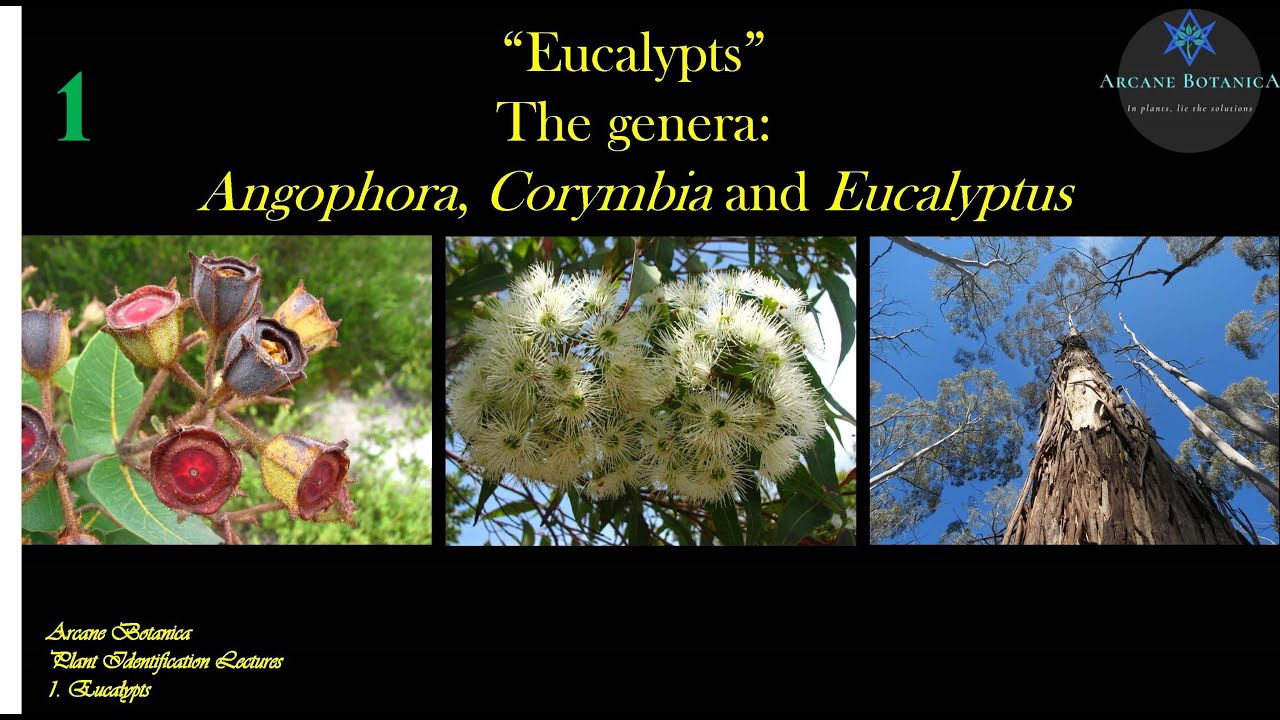
An introduction to Australia's fire-adapted ecosystems, particularly eucalyptus and sclerophyll forests.
Advanced mycoremediation techniques using pyrophilous species to stabilize soil erosion and detoxify post-fire ash runoff.
The impact of altering wildfire regimes (frequency and severity due to climate change) on the survival and diversity of pyrophilous fungi.
Soil metagenomics and high-throughput sequencing techniques used to study post-fire microbial community shifts.
Practical integration of fungal inoculation and conservation strategies into forestry management and ecological restoration policies.
40.6K views1.6Klikes9:49Original Release: 2020-08-31
[Music] i'm stephen axford and i'm a fungi photographer and this is nightcap national park in the far north coast of new south wales [Music] as you can see a fire has been through here the fire here was called the mount nadi fire this is what's called the black zone which is where the fire has been through actively [Music] so you might ask what is a fungi photographer doing in a burnt out forest there can be no fungi here surely but strangely enough one of the first things to recover after a fire is the fungus this pyrophyllus of biology fungus is an orange pyronema species and it's spreading across the ground like a soft crust on the surface these fungi come up a week or two after the fire and this one is growing where the fire was at its hottest along the ash bed of a burnt log it's quite interesting because it tends to hold the soil together and each place we find it the soil seems to be wetter so if i dig some of this fungus up here you can see that it's holding the soil together at the top and down below it actually feels reasonably moist this is like the orange fungus but it's pink that's spreading across the ground at the base of this tree which has been burnt so the the bark has been burnt has fallen off in a fine layer around the edge and this fungus has grown on the charcoal which is an unusual place for fungus to grow when a fire goes through a forest like this it heats the soil up in the upper layers so when it gets above about 60 degrees it effectively sterilizes the soil so all life all active life is killed from the soil but some mushrooms survive quite well because their spores survive and then they grow very quickly after the fire because there's no competition and forms a mat of mycelium which stops the soil eroding mycelium's the body of the fungus similar to tree roots only much much much finer so the fungus potentially plays an extremely useful role in the rehabilitation of the forest after the fire ah now that's what i've been looking for this is called a stone maker fungus which comes up very quickly after the fires have finished talking to the local people here they come up a few days after the fire so the fire's almost still going by the time they come up it's called a stone maker fungus because it grows off what looks like a stone which is actually a massive mycelium which is how it survives the fire there's so many different fungi and they can fill so many different ecological niches that this one manages to fill a niche that isn't there except when there's fire how cool is that it's been about five weeks since the fire went through this area though there are still burning logs over there we've been coming up regularly to see what sort of fungi comes up well there's something the paraphilus fungi that loves to come up after fires and we've found a new one here it's a creamy white and has gills like a normal field mushroom would but it's definitely growing in the ash and it prefers seems to prefer the track of an old log that is burnt there might have been a log that was this high that's just burnt down to charcoal so the ground underneath will have been totally sterilized down to a certain depth and these mushrooms are growing [Music] now this is a perfect example to show what these mushrooms are like there's all the mycelium growing and the little mushrooms coming up it's really quite a beautiful little environment the mycelium will have come into the sterilized soil no competition nothing else would grow there and occupy that very quickly and then produce fruiting bodies but they're all over you go through and you clear away leaf litter like here i just started clearing away the leaf litter and it's full of mushrooms now we'll have to go back and find out from some of our expert friends what these mushrooms actually are because they're new to me i haven't actually seen them before this is our third trip to the mountain artie fire ground and it's seven weeks since a bush fire came through here two days ago we had about 40 millimeters of rain so we're keen to find out if there's anything new there are signs that the forest is starting to repair itself with new growth insects in the soil the cicadas are almost deafening there's something here and there's some different looking fungi starting to appear looks as though it might be tiny little cups the concave dishes sort of like a satellite dish and they're a particular type of mushroom called ascomycetes and instead of dropping spores from the bottom of the mushroom the spores come from the cup and often with cup fungus if you blow on them you'll find a puff of spores come out now here's something that's different that's a brightly colored fungus hard to miss not sure what that is it's powdery on top and it's quite a bright orange and i love color that's what attracted me to fungus in the first place was the brilliant colors i'll try and get some good photographs of it and then maybe we'll be able to find someone who can identify it for us you can see the mycelium here and it's yellow mycelium oh wow so this fungus is actually just growing directly from mycelium as you can see heavily entangled with roots perhaps it's in my ectomycorrhizal fungi ectomycorrhizal fungus grow in a mutualistic relationship with trees so they attach the roots of trees and infiltrate the soil so get nutrients and water from the soil which they provide to the tree and the tree provides the fungus with sugars now this has obviously grown in the time since the fire because all this top layer of soil would have been sterilized but that's clearly not sterilised is this [Music] i come to these forests all the time and now we've got fire and there's a complete new range of fungus that come up ones that i've never seen before and will possibly never see again unless there's fire when we're heading into a time when there's likely to be more fires it's probably very important to understand how the mushrooms help the forest regenerate and this fungi fairly clearly is quite important in the regeneration of the forest after fire [Music] you
Up Next

5:15
Stormwater Floodplain Simulation System for Environmental Education
@wardsci
10.7K views•2013-05-01

15:54
Life in Biosphere 2: Sustainable Ecosystems & Human Survival
@TED
334.9K views•2009-06-16

14:30
Microplastics Everywhere: How Plastic Impacts Our Lives
@TEDx
100.9K views•2018-05-08
10:28
Ice Stupa Artificial Glaciers: Solving Ladakh's Water Crisis
@SonamWangchuk66
3.2M views•2015-05-03
Related Study Plans & Knowledge Roadmaps
Structured learning paths in Environmental Science
environmental-science
Ocean Noise: Cetacean Impacts & Mitigation
01Fundamentals of Underwater Acoustics
02Marine Mammal Bioacoustics
03Anthropogenic Noise: Shipping & Seismic Surveying
+ 2 more learning modules
16h5 modules
Explore Roadmap
environmental-science
Road Ecology: Corridors, Overpasses & Fencing
01Foundations of Habitat Fragmentation and Carnivore Ecology
02The Road Barrier: Ecological Impacts of Transport Infrastructure
03Principles of Ecological Corridors and Connectivity Mapping
+ 3 more learning modules
14h6 modules
Explore Roadmap
environmental-science
Ocean Acidification: Kelp Buffering & Shellfish
01Fundamentals of Ocean Chemistry & pH
02Chemical Pathways of Coastal Acidification
03Bivalve Physiology & Calcification Under Stress
+ 2 more learning modules
18h5 modules
Explore Roadmap
environmental-science
Ice Stupas: Glacial Retreat & Water Security
01Foundations of Glaciology & Mountain Hydrology
02Climate Change and Glacial Retreat Dynamics
03The Science of Ice Stupas & Artificial Glaciers
+ 2 more learning modules
14h5 modules
Explore Roadmap