




![Langmaster - Nói tiếng Anh CỰC CHUẨN TÂY trong PHÒNG THÍ NGHIỆM [Học tiếng Anh giao tiếp cơ bản]](https://i.ytimg.com/vi/OtdApuuGlnI/maxresdefault.jpg)










Successful organic synthesis requires understanding reaction mechanisms, proper reagent selection, correct conditions, and appropriate synthetic routes; key principles include reading questions carefully to determine if equations are required, acquainting oneself with correct IUPAC names, using the shortest possible route, ensuring correct state symbols for reagents, writing reagents before conditions, and recognizing that any wrong step invalidates subsequent work.
Organic Synthesis: Dos and Don'ts for Students
Added:Basic IUPAC nomenclature rules for naming simple organic compounds and identifying functional groups.
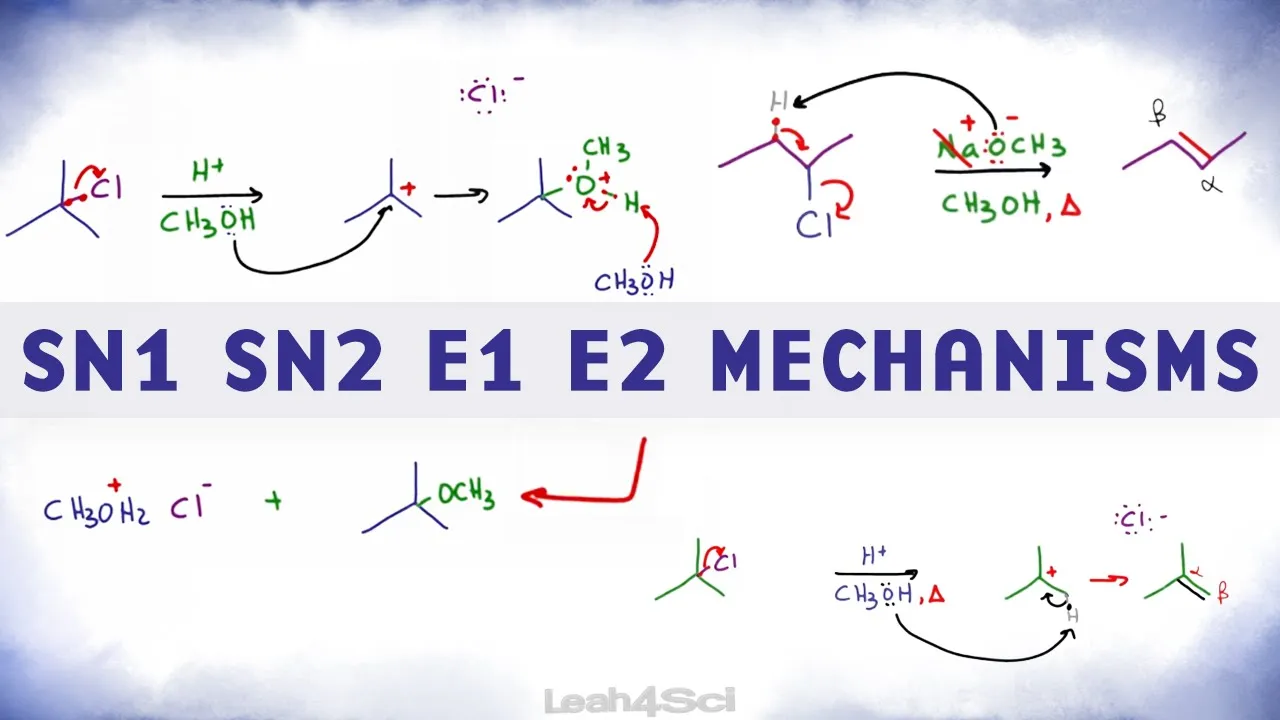
Fundamental organic reaction mechanisms, such as nucleophilic substitution (SN1/SN2) and elimination (E1/E2).
Understanding of chemical reactivity, including nucleophiles, electrophiles, and the role of acids and bases.
Familiarity with standard laboratory terminology, such as reagents, solvents, catalysts, and reaction yields.
Retrosynthetic analysis techniques for planning multi-step organic syntheses of complex target molecules.
Advanced stereochemistry, including asymmetric synthesis and the control of stereocenters.
The use of protecting groups to selectively react specific functional groups within multifunctional molecules.
Application of Green Chemistry principles to optimize synthesis routes for sustainability and atom economy.
25.6K views597likes54:04Original Release: 2021-11-25
[Music] we are bloom online study center in collaboration with ubc star tv meet excellent teachers like mr patrick keanely one of the experienced teachers in the country as bloom study center we work with different teachers in the country partnering with schools and parents enroll your child now for online lessons at bloom study centerway offer all subjects for both and a levels catering for primary level for inquiries call six 077 eight four six seven two or seven oh five eight are nine seven nine six don't miss online lessons yes you're welcome dear viewers we are back here to our programmed summa i'm joseph jobs kaira and i'm geared here for organic chemistry i'll be taking you through organic sin cities it is bloom's study center and ubc started bringing you this good program at bloom's study center you can contact us via our whatsapp number zero seven seven six twenty six forty twenty eight forty six seventy two zero seven seven six twenty eight forty six seventeen two personally you may contact me at joe's jobs academia at gmail dot com now we are here for our simplest branch of chemistry that most of the students enjoy but before i proceed remember dear viewers that cover the 19 kills i've already got my two doses and i'm ready to go please go for me to the nearby vaccination center and get vaccinated i'll be using this board and also our powerpoint presentation for vc lesson let's have the first slide and then we'll be where to go uh when you look at your tv screen you see that slide showing you organic chemistry you see that slide showing you organic chemistry sorry for that interruption my contacts are there let's proceed with the next slide in our next slide we are showing you our examinable areas in organic chemistry we are showing you our program our examinability as in organic chemistry we are looking at organic analysis how to outline mechanisms distinguishing organic compounds synthesis of organic compounds and applied chemistry but i'll be looking at mainly that fourthy section that you're seeing on your screen the synthesis of organic compounds our next slide that question you see on your screen is a question that is an example of what we deal with in organic analysis but it's not our aim today we shall look at that in our next session next slide um that is a question about mechanisms mechanisms complete the question and then outline a mechanism that will also be for another time then in next slide that is a question that is a general question that involves explanation of observations and how to illustrate your answer with equations where necessary such questions examiners are very much interested in them these days so when you will come and uh approach such a question you should always be very careful next slide and that question there is also a good question where you are asked to identify a reagent that can distinguish compounds examiners are very much interested these days in observations and equations for the reactions at the end of the after you've given the observations you've stated the reagent you should also be well convergent without right balanced equations for the reactions we proceed now our aim today is that organic synthesis you're seeing there and what should you note during organic synthesis during organic services dear viewers i want you to note with the following the first one is that read and understand the question here i'll observe if it requires you to write equations or if the description does not require equations we have our first question there it says describe how two phenylethanol can be prepared from ethanol in other words we are converting ethanol to two phenyl ethanol the question is very clear no equations are required you're told not to include equations in your answer so what do you do try to do some side work you cannot approach this question directly this question was set in last year's paper two and most of the students misfired they had to go on and write equations and they lost 20 marks they were working out of 18 for paper 2. what do you do write the formula of the compound you want to convert to the other this is ethanol you want to convert it to 2-phenyl ethanol so you should very much you should be aware of the nomenclature of these compounds so this compound here is what we call 2-phenyl ethanol this is carbon number one and this is our carbon number two this is your carbon one that's your carbon two that's why we call it two phenyl ethanol okay um sorry i have to make a correction here for two phenyle ethanol this should be ch2 ch2 oh this should be your carbon number one the carbon that has the o-h group is carbon number one and then the carbon that has the phenyl group becomes carbon number two you count the carbon atoms depending on the hydroxyl group so what do you do what you should do is uh very simple first of all try to do the synthesis using equations as side work so this one will first of all be converted to a benzene ring and to get the benzene ring you must of course get ethanol you must get a thin first how do you convert ethanol to ethane you proceed through a thin by first of all dehydrating the ethanol at 180 degrees celsius this gives you a thin then add bromine in the presence of carbon tetrachloride this gives you ch2 br ch2 br i hope our viewers from the west entire high school you are very much following now this one here can be converted to ethanol by using to ethane by using potassium hydroxide ethanol and then heat this will give you ethane that is your ethane now ethane can be converted to benzene using irony tubes or copper tubes and you heat at a temperature of about 600 degrees celsius this will give you the benzene and now there you are where to go how do you get from benzene to this compound to get to that compound you must get uh you must do uh acceleration freedom crawford's acceleration so to do that i add that reagent in the presence of aluminium chloride that gives me phenyl ethanone now i want to convert phenyl ethanol to that compound i still have i journey to travel so what do i do i can now reduce this using lithium aluminium tetrahydride in presence of dry ether so it gives me this compound here a secondary alcohol which i now want to convert to a primary alcohol this one is one phenyl ethanol one phenyl ethanol and this is two phenylethanol so what do i do to this finally i can dehydrate using a conch sulfuric acid at 180 degrees celsius to give me phenyl ethene to give me phenyl ethane now some students would add acidified water here when you add acidified water you're coming back to two phenyl ethanol which we are not aiming at so how do you avoid that you can use makonikov's rule and uh look at the other side of it which is anti-maconico so when you use makonkov's rule and you add hydrogen bromide here it is the carbon atom that has excess hydrogen atoms that will get the hydrogen this hydrogen will come here and then the bromine comes here so that will not help us how do you avoid it let's use hydrogen peroxide hydrogen bromide in presence of an organic peroxide and proceed via the antimachonic offs rule now when you do that you're going to get this compound here you're going to get the compound ch you're going to get this compound here the hydrogen is going to come here to the carbon that has less hydrogens and the bromine will come here that's anti-machonica so now you'll have ch2 then ch2 br from this point you can go direct to your final product by using sodium hydroxide the sodium hydroxide should be aqueous it should be aqueous and then you should heat when you heat you'll finally come up with your final product which is two phenyl ethanol if you didn't know the iu pack name of that compound you could not get it it's a bitter lengthy synthesis and now we want to see how do you convert this to words how do you make these uh words so to make these words you come here and try to write you have your books you're now writing how do you convert ethanol to phenyl ethanol this is sidewalk remember in our slide they told us no equations were required so dear viewers especially those from the north what will you say you come and say that ethanol is heated at 180 degrees celcius with concentrated sulfuric acid actually with excess concentrated sulfuric acid to form a thin a thin is reacted with the bromine importance of carbon tetrachloride to form one two hyphen dibromo ethane so if you don't know the names of these compounds you cannot do this then the one two dibromo ethan is reacted with alcoholic potassium hydroxide solution that one solution should be seen in the words so it is reacted with alcoholic potassium hydroxide solution on heating to form ethane this is ethane the ethane is heated in the presence of iron tubes at a temperature of 600 degrees celsius to get benzene which is then reacted with ethanol chloride you see if you don't know these names then you are not good to go is reacted with ethanol chloride in the presence of aluminium chloride which is anhydrous in the presence of anhydrous aluminium chloride catalyst to form this compound what is its name because you're writing words this is phenyl ethernet a ketone the phenylethynol is then reacted with an ethereal solution oh people call this lithium aluminium tetrahydride i don't prefer that name an ethereal solution of tetrahydridae aluminate theory that's the name of that solution tetrahyde right the aluminate three don't put dots here an ethereal solution of lithium it's called the lithium tetrahydride aluminate three what you can say is heated with lithium tetrahydridamine three solution presence of ether dry ether to form two phenyl this is one phenyl ethanol one phenyl ethanol which is then reacted with cone saturated sulfuric acid at 180 degrees celsius to form phenyl ethyne phenylethene is then reacted with the dry hydrogen bromide in the presence of an organic peroxide this should be not any peroxide it should be an organic peroxide if you know the example you can give an example of dibenzoil peroxide or benzene yeah you can use dibenzoyl peroxide or any other peroxide that's organic so this one yields uh you should know the name of this compound here that compound is called uh two phenyl one bromo ethane you can use that name or you can call it one bromophenyl ethane then you heat it with sodium hydroxide dissolution to form two phenyl ethanol that's the approach we use when we are writing mechanisms in words okay you can see more of these in one of my books demystifying organic chemistry we also have other books demystifying physical chemistry and demystifying inorganic chemistry if this is well understood let's proceed to the next slide and see our next approach um that is a typical paper to question that was set last year and most of the students failed it i'm showing you how a question can be said and it carries 20 marks next slide yes dear viewers that's our second point when you're doing organic synthesis it is also a point that you should do not chemistry is fun chemistry is not a mystery i don't know why students take chemistry to be a mystery most students fear it you pass in town you tell us a person that you're teaching chemistry they run away from you they think you are a terrorist chemistry is not terrorism chemistry is a very enjoyable subject now when you look at your screen you're seeing the second point which says you should acquaint yourself with the correct iupac names of most organic compounds especially if the question does not require you to write equations names of reagents and intermediates need to me mention the two you can see an example there without using equations convert one to dibromobutane to a thin one one diol convert one two dibromobutane one two dibromobutane is this compound here butane has four carbon atoms so this is butane alone now when we talk of one two dibromobutane we mean that one of the hydrogens here is substituted with a bromine and the other hydrogen here is also substituted with a bromine atom so that is our one two dibromo butane we want to convert that one to dibromobutane to ethane one one diol that is a thin one one diol on the same carbon atom we have two hydroxyl groups so that is a thin one one diol when you look at the number of carbon atoms in these compounds this is one two three four and these are two meaning somewhere have to break a given chain that will give us two carbon atoms how are you going to do that you must of all make sure this is converted into an alkyne because that is the first step that will that will ease your work when you convert it to an alkyne then proceed by converting it to an alkene and then ozonolyze break the chain by ozonolysis okay and remember please whenever you're doing gauze analysis you should use uh symmetrical alkenes so not waste time i'll say i'm going to use potassium hydroxide potassium hydroxide i think people always also use this they call it alcoholic holic potassium hydroxide and then heat that's the same as what i've done the previous description i said potassium reduction stroke ethanol it's the same thing when you heat this you're going to use other people prefer putting the word excess when you heat this you're going to get an alkyne that is our alkyne which alkyne is called built one iron the alkyne um is this one here this alkyl in here should be converted to an alkene how do you convert it to an alkene use hydrogen in the presence of lindela catalyst side of inference of lindlas catalyst don't hit people don't know lindelof's catalyst it's the same as palladium palladium supported on barium sulphate by himself it gives the support to palladium and the whole catalyst is poisoned by quinoline but those details may not be relevant for now so when you use hydrogen prince of lindella's catalyst you'll get an alkene which alkene we call butte but one in that's the alkene you will get now this alkene here is to be horizontalized but if your torsionalize this alkene you'll get two um aldehydes which two aldehydes are both present in almost the same concentration in the solution so how are you going to avoid that make sure you get a symmetrical alkene out of this and how do you get a symmetrical kin out of this most people here will do those ozonolysis directly and then get actually if you do the zonolysis there is cleavage at this point you're going to get two aldehydes which will not give you the desired product so to avoid that what are you going to do you're going to use acidified water and heat or warm when you do that you're going to get an alcohol the alcohol you get in this case is not a primary alcohol it is a secondary alcohol that is butan to all after getting returned to all we still have a way to go you're going to dehydrate using conch sulfuric acid at 180 degrees celsius so when you dehydrate you're going to get ch3 ch ch3 yes there is a student i'm seeing there i'm seeing you getting perplexed you're wondering how i dehydrated this and then i get the double bond between these carbon atoms and known to these ones when you put the double bond here that means the carbocation used to get that alkene was the most unstable carbocation i think you remember that mechanism that involves a hydride shift so when you dehydrate any alcohol that has four carbon atoms you get a symmetrical alkene you should always note that then here we can do hours analysis also analysis is done you need two steps you should show step one and step two what is step one is ozone in ozonolysis step one use ozone presence of carbon tetrachloride at a temperature of greater than 20 degrees celsius then the second case after the analysis you'd hydrolyze in the presence of zinc and ethanoic acid i've seen people using zinc and ethanoic acid alone but i haven't seen that in any literature so water is very important because this is hydrolysis now when you do that you're going to get an aldehyde you get two molecules of this aldehyde because there's cleavage at that point and finally you can convert the aldehyde to the diol by first of all using phosphorus pentachloride that gives you this product here and then at that point you can do our last step that we did in the previous reaction by using aqueous sodium hydroxide don't forget to hit dear students i hope you're following and you're enjoying this lesson now our question said we are not using equations we are using words so you can get your books and see what to write what are you writing you're saying that one two because i taught you names of compounds are very important here one two dibromo butane is heated with excess alcoholic potassium hydroxide solution to form beauty one iron which is then reacted with hydrogen in prince of lindlas catalyst to form beauty one in the but1 in is then reacted with the concentrated sulfuric acid and then diluted with water and heating to form butan to all or you can simply say the buta1 in is reacted with acidified water on heating or warming end of the tree is acceptable to form butane to all which is then heated or dehydrated using concentrated sulfuric acid at 180 degrees celsius to form built to in you're writing words now here is where most students messed up last year at this point there was a question that involved ozonolysis as one of the steps and i've told you always name all intermediates involved always name all intermediates involved so what do you say beauty to in is first of all reacted with ozone this compound is called ozone in presence of carbon tetrachloride at a temperature less than 20 degrees celsius to form an ozonide you don't know the name of that ozonite the intermediate after step one is an ozonide which austenite is then hydrolyzed using zinc and ethanoic acid to form this compound called here is called ethanol it's an aldehyde ethanol is then reacted with the phosphorus pentachloride don't heat at this point to form one one dichloro ethane which is then heated with sodium hydroxide solution to form a thin one one diol hope that is perfect chemistry is simply fun so whenever i'm doing these things i'm just enjoying and i know all of you sitting at your home perhaps taking a cup of tea and water you're enjoying this people from massacre secondary school i know you're enjoying uh i'm your ob there so let's proceed to the next slide and see what happens after this when you look at your screen you see what the next slide is suggesting the next slide is saying we have point three point three says it's recommendable that you use the shortest possible route this stops you from doing mistakes and avoiding unnecessary errors okay also try to make the synthetic system continuous to save both time and space especially in paper one where space is usually a bit inappropriate right equation is to show how one chloropropane can be converted to ethanol this time they have taken us back to our old method where we should write equations to show how one chloropropane can be converted to ethanol how do we convert one chloropropane to ethanol one chloropropane two ethanol this is one chloropropane we are converting it to ethanol there are very many roots very many roots that can do that these are three carbon atoms we are reducing them to two but you should always think of the shortest route to save your time and space what shall i do to do this what shall i do to do this conversion to do this conversion is what i'm going to do i'm going to first of all use sodium hydroxide and heat i'm now going to be a bit faster to give me propanol which is then dehydrated to give me propine that's my protein i don't prefer the analysis at this step because this is an unsymmetrical alkene to simplify my work i'll go through a symmetrical alkene how do i get a symmetrical kin from this i first of all convert it to an alkyne bromine carbon tetrachloride ch3 ch bromine ch2 bromine potassium hydroxide ethanol heat ch3 ch c triple bond ch step one sodium solid liquid ammonia step two that one gives you an acetylide step two you add one carbon atom here and that will give you this kind of alkyne that kind of alkyne can be converted to an alkene to an alkene of this kind and then you ozonolyze step one ozone carbon tetrachloride less than 20 step two water zinc ethanoic acid that one gives you ethanol which ethanol can then be reduced using a reducing agent to give you that these are how many steps one two three four five six seven eight steps probably why am i doing this i want you to stay at home and think of the shortest route possible that can take you there you may probably be thinking of very many other routes that i can take you here somebody could use this step i have seen students already using this potashia my dog said ethanol heat and such a reaction is likely to give you an ether it's not appropriate for the synthesis this being a primary alkyl halide so you should avoid that let's proceed to the next slide in our next slide we are seeing um point four which says make sure the conditions used are correct and the state symbols of reagents and symbols of the reagents themselves are correct for example you've seen me using liquid ammonia in my conversion is here it should be strictly liquid because ammonia can be a solution know when to use sodium hydroxide to solid and when to use aqueous sodium hydroxide know when to use solid ammonium carbonate for example you have the carboxylic acid and you want to convert it to an amide you have the carboxylic acid and you want to convert it to an amide this is my carboxylic acid ethanoic acid if i want to convert it to an amide i usually use ammonium carbonate and the heat this ammonium carbonate should be strictly less solid students usually mess up for such a case this gives you ethernamide i'm emphasizing state symbols whatever they are required okay you're using you're doing a decarboxylation same carboxylic acid and using uh sodium hydroxide calcium hydroxide and then your heating this should be strictly solid to give you methane but why do you go this way yet you can simply write the word sodaline and heat okay you're converting an alkyl halide to an alcohol sodium hydroxide heat the moment you do that you're not specific the sodium dioxide is it solid or liquid sodium dioxide can be a liquid when heated to melt it can be a solution it can be a solid in pelleted form so please specify that this is aqueous you have seen a conversion of this kind somebody can tell you to convert benzene sulfonic acid benzene sulfonic acid tofino is where most students mess up with their state symbols what do you usually do in this synthesis what you should always do is this get the benzene sulfonic acid it is that compound sodium hydroxide aqueous at first when you use aqueous sodium hydroxide at this step you will get a sodium salt over the acid and then in the second step what we usually use is solid sodium hydroxide i'm emphasizing states and their importance in case you don't specify which sodium dioxide you're using then you have challenges this occurs at a temperature of 360 degrees celsius and we fuse fusing means we are using solid sodium hydroxide okay at that point we get a sodium salt of phenol sodium phenoxide which you can simply dilute with hydrochloric acid finally come up with your phenol why have i done this i'm emphasizing the importance of study symbols my ideas next slide um when you look at that slide on your screen you're seeing point that is point four next slide [Music] you should know when to apply hit and when not to you should know the commonly readings whose symbols are not written correctly people usually write symbols wrongly somebody is writing lithium aluminium tetrahydride and it does this who are you chasing this is not letter l and in chemistry i already strict with the chemical symbols write letter l very well you're not chasing anybody okay somebody's writing sodium hydroxide i've seen people writing these things okay you're not chasing anybody right neatly okay somebody's writing phosphorus pentachloride if these are your lines you should know capital p is written that way pentachloride so if you write p like this this is a small a lowercase letter p and for us here we're always interested in symbols please make sure you write correct symbols somebody's writing an e3 chloride let's be careful my dear students okay right iron very well iron three chloride you're not chasing any person okay we can move to the next slide we can move to the next slide in our next slide we are seeing uh another point in organic synthesis point five let's proceed point five said you are advised right reagents first and then follow them with the conditions this is common when using acidified water oxidizing agents and alcoholic solutions okay don't write for example using acidified potassium permanganate you're writing that reagent and using it in synthesis i've seen people writing it this way i always advise students to write the reagent first this is the reagent the potassium permanganate is the reagent the acid is just a condition to acidify it don't begin with the acid and then right there don't begin with the condition and then write the acid for example you are using a alcoholic potassium hydroxide solution okay you should write the reagent first the reagent is potassium hydroxide and then ethanol is just a condition then you hit in a synthesis let's proceed to the next slide point six uh thank you for viewing us members you can get more on my youtube channel which is joseph jobs kaira chemistry channel the environmental lessons about chemistry we are synthesizing let's rewind there is a synthesis we are doing point five there is a synthesis there that synthesis is methyl propanoid from propylene methyl propanoid this is methyl propanoid we are getting it from ethane how do you convert methyl propanoid from ethane look at these two carbon atoms you must evolve get ethanoic acid with ethanoic acid you will esterify with methanol to get this ester you see how chemistry is interesting so you must think of how do i get from ethiopia to ethanolic acid to get ethanoic acid from ethane i must get ethanol first which ethanol i will oxidize dear viewers what do we do convert the enzyme to ethanol to convert a sign to ethanol you first of all convert it to a thin how do you get a thin from ethane use hydrogen in the presence of lindela catalyst that will give you ch2 ch it gives you an alkene which is h2c ch2 that is a thin some people i have seen them using this they use a hydrogen in presence of nickel 150 to do that conversion when you do that you're likely to get an allocant it will be very hard to for you to isolate the alkene so you may not easily isolate the alkene from the mixture to avoid that we poison the hydrogen with what i told you in rascalitis is palladia supported on a barium sulfate and the quinoline is the poison why do we poison the catalyst to slow down the conversion of the alkyne to the alkane so when you do that you'll get the alkene instead of the alkyne now that is the reindeer cutter is simply that mixture there so what do we do after getting a thigh i know you can now proceed by using step one conquer salufiriki acid two water and then warm now people are getting confused what does that mean this is what you have always been calling acidified water you write acidified water but it usually occurs in two steps it doesn't occur in one step so i've liked to separate it this time but even if you use acidified water and warm that's fine this gives you ethanol this gives you that enjoyable drink that probably some people are taking this morning people are working people on business then people are sanitizing their throats and people say the ethanol sanitizes their throats and i stop scoping i don't know the proof i'm still in the lab trying to to prove that now after getting ethanol you can oxidize the ethanol using an oxidizing agent potassium permanganate in the presence of the condition now the acid you must heat when you heat this strictly gives you ethanoic acid because you are using a stronger oxidizing agent finally you can do a stratification to get our ester these two oxygen atoms come from the acid then the methyl group here must come from an alcohol reaction between alcohol and carboxylic acid gives us an ester what condition do we need we need concentrated sulfuric acid and please this reaction is very slow so make sure you heat to make it occur faster what have i been emphasizing here reagent first condition reagent first condition next slide oh sorry this is not yet we are saying methyl proper know it we are saying methyl propanoid we must have three carbon atoms i think i need to correct this i see methyl ethanoid so how do i get methyl propanoid from this we must add one carbon atom here we must add one carbonate i hadn't seen this sorry for for that error so what do we do we get the alcohol and convert it to an alkyl halide using phosphorus pentachloride and then you use potassium cyanide it will give you this use potassium cyanide in the presence of ethanol and then heat it gives you that then you can go to propanoic acid the propanoic acid is good by using acidified water at this step and then we heat so after getting the propanoid cast then we do our last step which is methanol conch sulfuric acid heat that gives you methyl propanoid thanks for viewing and learning we are now programmed to summa once again remind you and we shall always be doing these enjoyable lessons okay so we proceed to our next slide which is uh 0.6 any wrong name of a compound reagent wrong spelling inappropriate condition any wrong step in a synthetic stem scheme makes everything after it wrong let me give you an example we are converting bromoethane to propane one all bromoethane to propane one oil for size point six we are converting bromoethane two propane one all what are we going to do in this synthesis look at the number of carbon atoms two three that means somewhere we shall elongate the chain i'm going to do two steps to make two methods and you'll see how students go wrong i've seen a student one is there and is thinking of this somebody is saying that student is two the student is getting a thing and then it proceeds using a chlorine carbon tetra chloride ch2 chlorine ch2 chlorine atom then uses potassium hydroxide ethanol again and the student is heating to get ethane that student is using hydrogen lindela to get a thin to get a thin or the student may prefer to elongate the chain at this point to get the three carbon atoms by using step one sodium liquidy ammonia the same student is now adding two cup one carbon atom because those are three ch3 br that student now gets ch theory ch this should be a terminal alkyne to do that conversion the student continues enjoying the synthesis okay so the student continues enjoying the synthesis then he uses a hydrogen again reindeer catalyst at uh to get a the alkene and then uses antimachonicoth if you want the bromine here use antimachonicle that student is getting ch3 ch2 ch2 bromine and then uses sodium hydroxide and the student heats that student is very wrong because he's violating our point that i've been talking about why this step here will never give you a thin as the major product the rest of the steps are very fine but the first step is wrong so we look at your work and make you lose marks yet you've done good work afterwards so how do you avoid that primary calories give ethers on reacting the alcoholic potassium dioxide and heating so to avoid this you could go through this root use potassium cyanide ethanol and heat this will give you this kind of compound a nitrile because it's a nitrile oxidize the nitrile using acidified water and the heat this will give you a carboxylic acid which is propanoiki acid which you can now reduce using lithium and tetrahydride aluminate depends of dry ether that gives you the propanol so that is the best way we could do that thank you viewers for attending this session we can now welcome questions for those of you viewing from home uh if you have any questions you can call in the studio line and then present your questions i'll be answering them you can call in as you also think of other issues we shall do more of the synthesis in our proceeding lessons after this she always be doing some synthesis i'll give you the do's and don'ts when you complete it then we shall be able to see what next we can do okay very much thank you very much for viewing you can inbox me the questions on our whatsapp group or you can contact me via my email welcome thank you for viewing our programmed summa we once again meet uh next week once again meet next week i've been joseph jobs qaeda from academic college school you can get any of my additions demystifying organic chemistry physical and inorganic have a nice time vaccinate cavity kills we are bloom online study center in collaboration with ubc star tv meet excellent teachers like mr patrick keanely one of the experienced teachers in the country as bloom study center we work with different teachers in the country partnering with schools and parents enroll your child now for online lessons at bloom study centerway offer all subjects for both and a levels catering for primary level for enquiries call 077 [Music] don't miss online lessons [Music] you
Up Next

25:40
Organic Synthesis & Retrosynthesis Explained | OChem
@ChadsPrep
84.3K views•2021-01-13
83:56
Biocatalysis and Catalysis in Islatravir Synthesis | Merck Webinar
@SCIwheresciencemeetsbusiness
675 views•2020-10-08
10:06
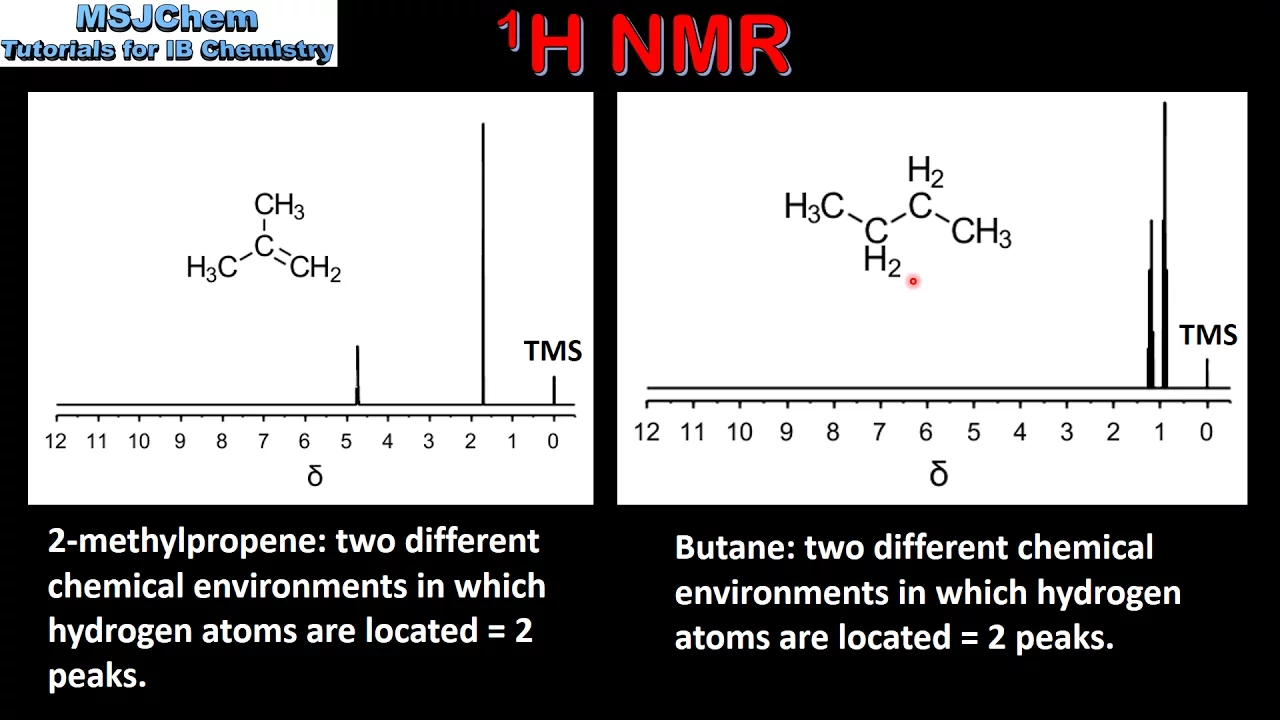
1H NMR: Determining Number of Peaks from Structure
@MSJChem
59.2K views•2017-04-06

17:31
Edible Water Bottles: A DIY Guide to Sodium Alginate Spherification
@ryan
10.5M views•2019-06-21
Related Study Plans & Knowledge Roadmaps
Structured learning paths in Chemistry
chemistry
Nuclear Chemistry: Decay, Meds & Fuel Cycle
01Introduction to Nuclear Structure and Radioactivity
02Decay Dynamics and Kinetics
03Radiation Interaction and Detection
+ 2 more learning modules
24h5 modules
Explore Roadmap
chemistry
Supramolecular Chemistry: Forces & Machines
01Foundations of Chemical Bonding and Intermolecular Forces
02Introduction to Host-Guest Chemistry
03Thermodynamics and Dynamics of Self-Assembly
+ 2 more learning modules
16h5 modules
Explore Roadmap
chemistry
Photochemistry: Excited States & Reactions
01Foundations of Light-Matter Interactions
02Molecular Orbitals and Electronic States
03Photophysical Processes and Jablonski Diagrams
+ 2 more learning modules
18h5 modules
Explore Roadmap
chemistry
Coordination Chemistry: Bonding & Properties
01Introduction to Transition Metals and Ligands
02Crystal Field Theory (CFT) and Geometry
03Magnetic Behavior and Spin States
+ 2 more learning modules
14h5 modules
Explore Roadmap