























Landlords must follow proper legal procedures when evicting tenants, including providing appropriate notice periods and obtaining court orders before removing tenant belongings; self-help evictions without legal authorization can result in significant damages, such as the $25,000 awarded to a tenant who was illegally evicted despite having a history of timely rent payments and a legitimate accounting issue at her job.
The Landlord & Tenant Act: Illegal Eviction Legal Case Study
Added:Basic principles of contract law, specifically how lease and tenancy agreements are legally formed, executed, and breached.
The legal concept of 'quiet enjoyment' and the fundamental statutory rights inherent to residential tenants.
The standard, legally mandated eviction process, including formal notice requirements and the necessity of judicial oversight versus unlawful 'self-help' eviction methods.
The distinction between civil liability (such as breach of covenant or tortious interference) and criminal conduct (such as harassment or trespass) in property disputes.
The methods and legal frameworks used to calculate financial damages (compensatory, exemplary, and statutory) in housing law cases.
A comparative analysis of landlord-tenant statutes across different jurisdictions (such as the UK's Housing Act versus US state-specific landlord-tenant laws).
Legal risk management and mitigation strategies for landlords, property managers, and real estate investors to avoid liability.
The broader socioeconomic impacts of tenant-protection legislation on the availability and pricing of affordable rental housing.
115.6K views2.2Klikes21:39Original Release: 2025-12-12
today on Judge Porter.
>> So, this accounting issue at your job led to your your uh your paycheck being short. Am I getting that?
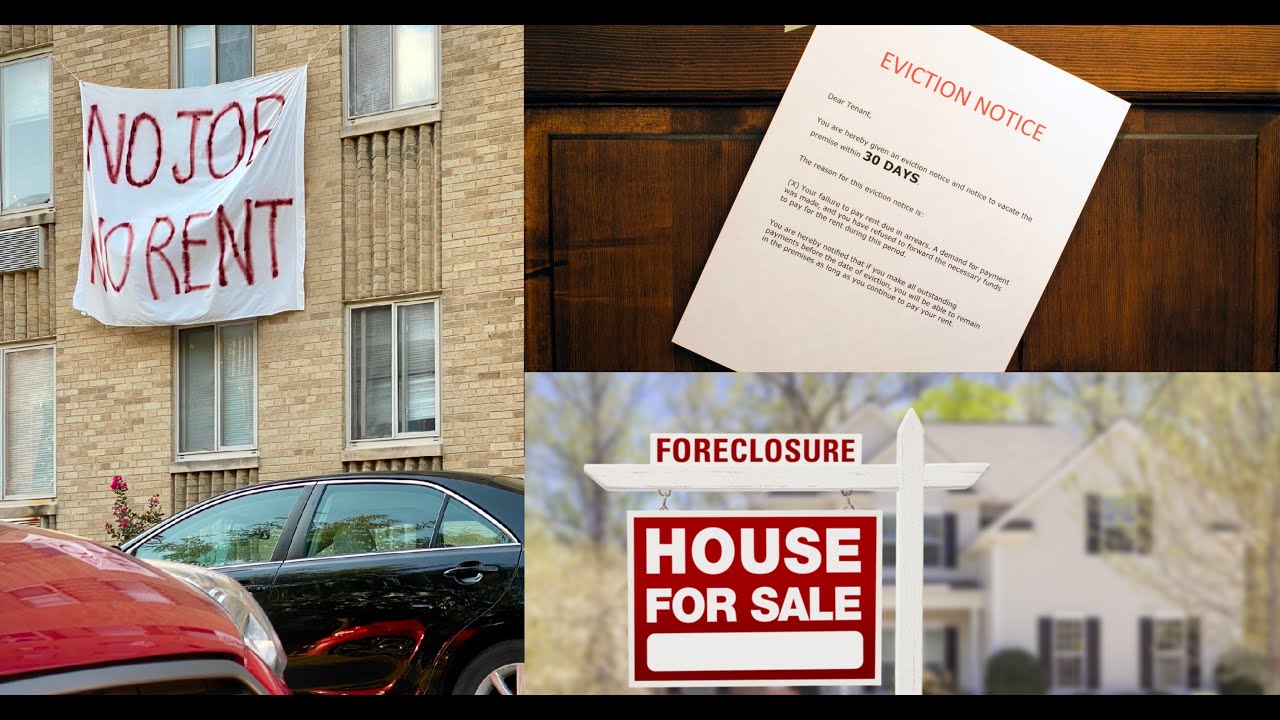
>> So, go back to that eviction [music] notice that you asked about that will serve the day after. Says if you don't pay in 3 days, you are to quit, which means move out.
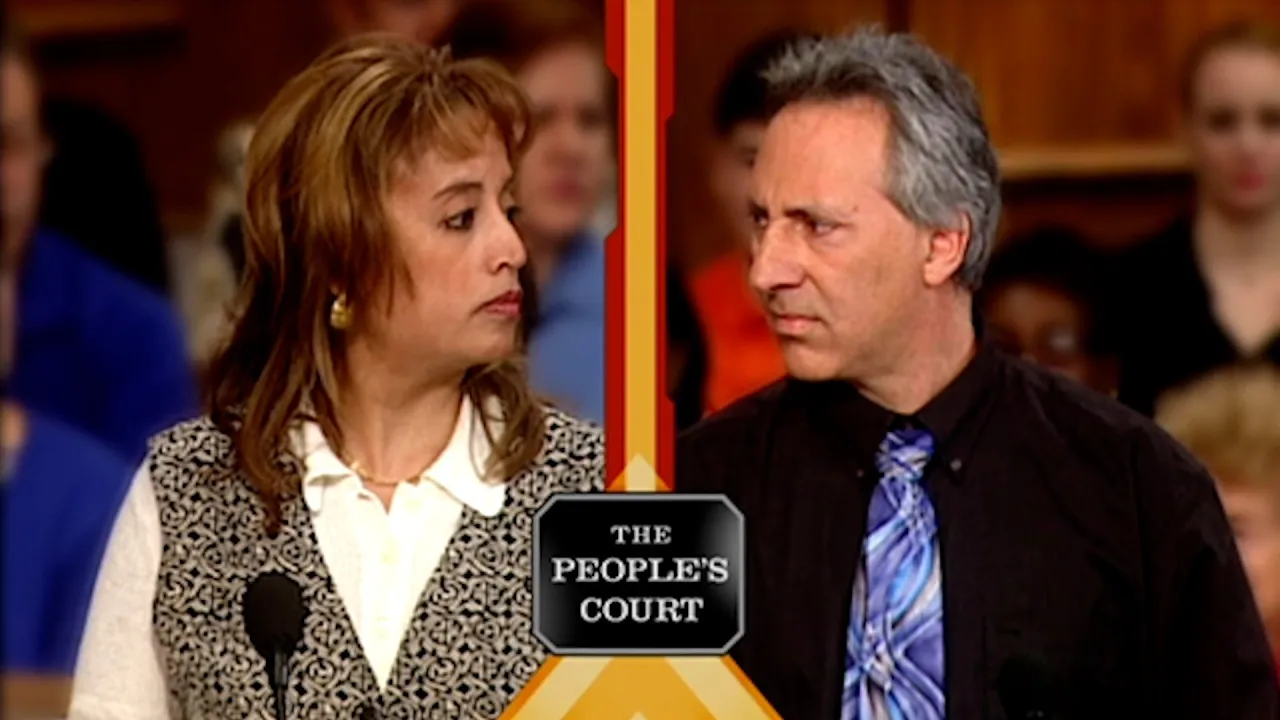
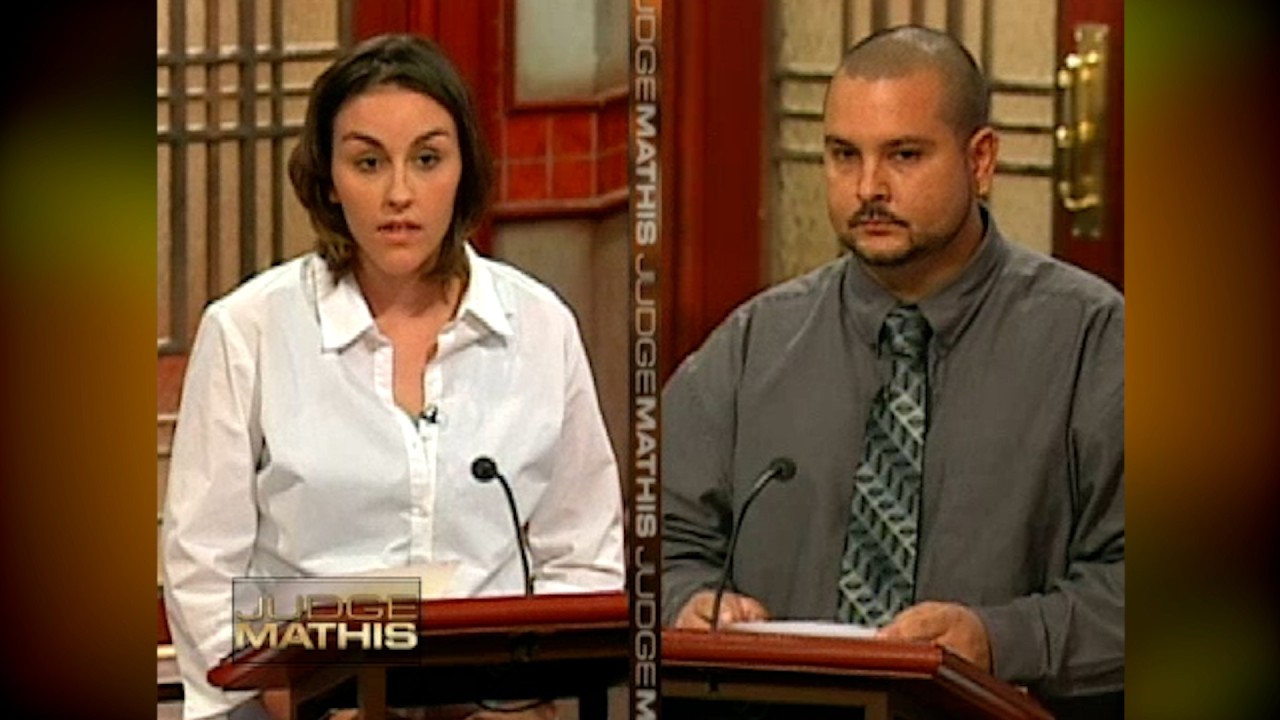
Good morning. We're here for case number 7625, Tanya Diggs versus Meredith Owens.
Miss Diggs, good morning.
>> Good morning, >> Miss Owens. Good morning.
>> Good morning, your honor.
>> Uh, Miss Diggs, ma'am, it shows here that you're suing for $25,000 in damages.
>> Yes. Uh, and there's something here about uh an eviction.
>> Yes.
>> Okay. What what happened here, ma'am?
>> So, she is my former landlord. I lived in one of her units. And um I was late.
I may have been late maybe once or twice, but I've never been more than two weeks late. And I actually notified her that I had an accounting issue at my job.
>> You said an accounting issue?
>> Yes. What what what was the issue?
>> I don't know. I think they they probably just my paycheck was short, so I had to go back to HR and let them know. And so I was just pending the rest of my payment.
>> So So this accounting issue at your job led to your your uh your paycheck being short. Am I getting that?
>> Yes. So, I didn't have the full amount to be able to pay her right away, but I told her once everything had cleared that I would be able to give her the rest of the payment.
>> Okay. Has this ever happened before with this accounting issue and your your company?
>> No, this is the first time.
>> Okay. When you told her that you were going to be short, what did she say?
>> She told me no. Constantly since I've been living there in one of her units, like I've been constantly antagonized and discriminated upon. So, I didn't expect anything less from her. I knew that she was gonna go ahead and make it bigger than what it seemed.
>> Okay. Um, were you able to pay once you once once your paycheck was rectified?
>> I was intending on doing that, but I received an eviction notice the next day. So, she basically >> I'm sorry. I'm my I'm old. I can't hear as well as I used to. Did you just say you received an eviction notice the next day?
>> Yes, your honor.
Hold on a thought. How does she get received an eviction notice the day after? You know what? We're going to get to that. Um, let me get your side of the story.
>> Thank you, your honor. Um, Miss Diggs has been living in my unit for close to three years.
>> Okay. And um she's a really nice gal. I really like her. I do personally. She has a little boy and I get that she's a single mom. Um I am the owner of a fourunit building. That's all.
>> So this is this is a a >> Yes. Yes, your honor.
>> And um there have been a lot of complaints about her, but the main thing, your honor, is that this unit >> What type of complaints?
>> Um that her little boy makes a lot of noise. You know, he's a kid. He's a kid.
And they >> How old is your How old is your This is your son, correct? How old is your son?
>> He's four years old.
>> What's his name?
>> Michael.
>> Michael. [clears throat] Okay, continue, ma'am.
>> So, um, she's also very beautiful as you can see, and she has a lot of friends and and a lot of company. And so, frequently there's a lot of loud noise, a lot of loud music, and the other tenants instead of going to her, they come to me. Um, but let's get back to the rent.
>> Okay. I I >> Wait a minute. Before we get to the rent, um, I'm just curious. These there are four there are four units at this uh on this property.
>> That's correct.
>> Do you reside at one in one of these units?
>> I do.
>> Yeah. The other two tenants when they have an issue with her, they come to you.
>> That's correct.
>> Okay. And what And what is it that they're they're telling you again? I'm sorry.
>> I'm [snorts] sorry.
>> What is it that they're telling you? Um the little boy is screaming and yelling and he's a kid and bouncing balls too loud or mostly the complaints are about her.
>> So you don't have an issue with the little boy as far as his playful demeanor.
>> He's a little boy.
>> Okay. So it's the other thing.
>> He's got no other siblings. So he plays, you know, play.
>> So tell me about these about these other disturbances because apparently that's that's bothering you as well. Correct.
>> Not really. It's more about the um people complaining to me and also the loud music and company at night because your honor, >> this is my only source of income. I have a 90-year-old mother that lives with me who has dementia and I can't work and I take care of her full-time. So, without my rent money, I can't survive myself.
>> Yeah, it puts you in a jam. Okay, I understand that. So, now let's talk about the rent. what's going on uh with with uh is this just one particular incident?
>> No sir, it is not.
>> Okay.
>> So, what I did was I counted up in the nearly three years that she's been there seven times that she has come to me and said that she was going to be late. And I've always acquiescenced. I I said, "Okay, I understand you're working mom.
I get it." You know, when when you're working for a corporations, you're not really in control of how they pay you.
things happen and I get that.
But this was like the seventh time and and and >> the seventh time that she's been late.
>> Yeah. And so it was 12 days late.
>> So So I at this point I realized that in just a little over two weeks, we're going to go through the same thing because rent is going to be due again.
>> Well, let me ask you this. The previous six times that she was late on her payment, did she fulfill her obligation to pay her rent?
>> Yes, she did. But she paid late the next month and I I didn't keep a record of what months were late.
>> Okay.
>> Um >> so at this point I >> So if my math is [clears throat] correct or if my math is correct here um you're telling me that she's late once every You said she's been there for three years >> in in almost three years. Yeah. She's been with me for 34 months. So what's that like once every nine months she's late?
>> So this was like the seventh time. Seven times.
>> Yeah, maybe.
>> Sometimes they were they were, you know, consecutive and sometimes she'd go for a long time with without having any issues.
>> Hold on. I I do not remember my math was wrong on that. Give me give me a second on that. I did my math wrong on that.
>> Well, it's over half a year >> if you look at it. So just take six months off of the seven months off of the 364.
>> All right. But but she fulfilled the obligation. So I guess my question to you ma'am is what happened this time that was different from the previous six times where you felt that you had to do an eviction notice.
>> Uh my bills are getting my mom's um medical bills. I I need the money. I would rather have somebody that can that I know. And the other thing is I don't charge her as much rent because she's been with me a while as the other as I get from the other people. So yes, if I waited the proper amount of time. I went through the proper channels. I had to give her the notice when she told me she was going to be about 12 days late. I waited the three days.
>> What What notice did you receive, ma'am?
>> She gave >> Was it Was it a Okay. Did you Oh, you know what? Let Before I get to that, what type of agreement did you guys have? Is this a yearly lease? Is this monthtomonth? Is it a verbal? Okay. Hey, you can live here if you pay me such and such. What's what's the actual agreement between?
>> It's a yearly lease agreement.
>> It's a yearly lease, >> but it's from the very first year. We never really changed it cuz I never upped her rent.
>> Okay. So, now you've been there for 3 years, >> correct?
>> You gave her the uh the apartment originally 3 years ago.
>> Almost.
>> It wasn't another landlord. It was you.
>> Um was me. May I say something, please?
It was not almost 3 years. It's been 3 years. Okay.
>> 34 months.
>> To go back to that eviction notice that you asked about that was served the day after I told her that I know I went through the legal channels. It has to have three days excluding weekend.
>> Wait a minute. Wait a minute. Wait, wait, wait, wait, wait. I'm I'm I'm going to get to that. I'm going to get to that. But here's my question.
When she told you, look, there's an accounting issue. I'm going my check is not correct. Once it gets correct, I'm going to rectify it and pay you.
>> You guys had that conversation, correct?
>> Yes.
>> Okay. What was the agreement to that?
>> What' you guys come to on that agreement?
>> Well, she agreed to pay me when she got and she didn't give me a date because she didn't know when her uh job would have it um fixed.
>> Okay. And what what was your response to her situation?
I basically told her that I needed to take a few minutes or a little time to think about it, which I did that evening.
>> What What does a little time mean, ma'am? I I need >> I didn't really specify. I just said, "Let me think about it." Basically, >> go ahead, ma'am.
>> And must I say within that little time that she had to think, she later on drafted up that eviction notice and sent it over to me.
>> I waited the two days, your honor.
>> Which, by the way, >> Okay, wait a minute. Wait a minute. Wait a minute. Uh, did you give her an eviction notice or a three-day notice?
>> A three-day notice.
>> No, she gave me an eviction notice. When I went back to my unit the next day, my stuff was out. I had to go to my sister house. Okay.
>> All right. Because And that's that's interesting. Did Did her stuff get removed?
>> Not by me stuff.
>> Hold on. Ladies ladies ladies ladies ladies, no back and forth. No back and forth, please. Here's here here's my here's my issue right now and I'm trying to get to the bottom of this.
You came home, your stuff was outside.
>> My stuff was already removed from my unit.
>> You're saying I don't know how that stuff got outside.
>> That's correct.
>> But and what I don't have in front of me, I don't have a copy of a writ for removal. Now the writ for removal comes from the Mango Park Police Department and that happens when the eviction notice is given to them. It's signed. It's approved. Everything is copetthetic and then they say okay we go in. We can open the door and the person who opens that door is usually the landlord. That's from if there's a writ for removal. I don't have a copy of that. So that never happened. So my question becomes, who removed the stuff?
Was the lock was was your was your door damaged?
>> No, my door was locked. But that's a good question that you should probably ask her because unless a ghost just walked in and just took all my stuff out, I don't know how it happened, but I was not home. So when I got there, everything was outside.
>> Ma'am, >> look, look at me, your honor. I am 67 years old. There's no way I can haul her stuff out and put it on the sidewalk or wherever she said it was. I didn't.
Ladies, ladies, ladies, ladies. Ma'am, I didn't say that you took her stuff out.
>> I didn't say that. Okay. What I am going to say though is I have a strong feeling that you're responsible for that stuff coming out.
>> Yes, your honor. I am responsible for it.
>> So, who did you hire someone to remove her stuff?
>> No, I didn't. So, how did her stuff end up in front of the >> I have no idea, but I did open the door for the police.
>> The police weren't there because I don't have a writ for removal. See, they only show up for for removal.
>> All I know is I don't have a copy book.
I read the lines when when a tenant is three days late with rent.
>> Miss Owens, Miss Owens, listen to me and I need you to listen to me. Well, prior to me calling out this case number, both of you were sworn in. Remember that?
>> Yes.
>> I swear to tell the truth, the whole truth, nothing but the truth. So, help me, God. Remember that?
>> Yes.
>> If you lie to me, it's called perjury.
>> I know that >> I will have you arrested. Not I can, I will. because I'm trying to come to a peaceful resolution with truth. Truth lives in this building right here. In this room right here, truth reigns supreme. And when people try to deviate from that, I get offended. Now, I'm trying my best.
There is no writ for removal from the Mango that was sent to the Mango Park Police Department. There were not police officers there who did that.
Ma'am, police officer here. I know what I'm talking about. We're not going to just show up at somebody's house because the landlord says, "I want her out."
Okay, show me your paperwork. Without the paperwork, the police are not going to go into somebody's house to remove their stuff. So, I'm going to ask you again. How did her stuff end up in front of her apartment?
>> Fine.
I had two neighbor boys down the street take it out and put it on the front lawn. See, >> ma'am, >> but I gave her the notice first three days after legally.
>> Did you give her a three-day notice or did you scribe a eviction notice?
>> I went through the channels. It said the notice must state that the tenant has >> Did you give her a three-day notice or did you scribe her an eviction notice?
>> That's It says if you don't pay in 3 days, you are to quit, which means move out.
>> Uh, no, ma'am. That's not how that works. Not here in this state.
You have to give her a three-day notice when she missed the payment. So, if the payment is on the first and she hasn't made the payment by the fourth, you write the three-day notice to to to leave the premises.
>> That's correct.
>> Okay.
Not an eviction notice. It's not an eviction notice right off the bat. Okay.
That that's you don't get an eviction notice just because the person doesn't make a payment. when they don't make the payment, the eviction notice. You have to go through another process. Hey, look, I gave them a three-day notice. I gave them notification. They haven't done it. I want the eviction notice done. Okay, scribe it up. And usually what happens is they'll call in the tenant. They call in the landlord. You have another court hearing. Hey, tenant, why aren't you paying this? Oh, I'm not paying because blah blah blah blah. Hey landlord, is there some possible way that you guys can work this out so everybody's happy? That's usually how this goes. That's not what happened in this case. No.
>> In this case, you scribed, >> and I'm saying you because I know the courts didn't give you an eviction notice. You scribed an eviction notice.
>> You gave it you you you you gave it to her and then you went and hired some people to move her stuff. That is an illegal eviction.
Well, I've given her plenty chances over the three years >> and and and I understand that. I can't knock.
>> I have my own needs. I need money as well.
>> You know what? I understand that. But you have to do things in the proper way because when you don't do things in a proper way, you suffer the consequences.
And the consequences today, she requested what was it? $25,000.
>> Yes.
>> You're giving her 25 For what do I need?
>> 25,000. I don't have 25,000. I take care of my >> Yes. Please explain. Why do you need 25,000?
>> Listen, >> since the start of me living in that unit, you have constantly complained.
You have antagonized me. I don't know what you're talking about with the other neighbors stating that they do not like me or, you know, they're always coming back to you complaining about my son.
These are the same neighbors that I build a rapport with. I live with my sister now. I still hear from them. So, what are you talking about?
>> Which is why they don't complain to you.
>> I'm just curious. I'm just curious. What happened to your stuff?
>> That I want to know what happened to my stuff, too. Because when I got >> No, no. When you got Is all your property there?
>> No.
>> Oh, it was not. All of my property was >> Well, that's your fault then because it was just there. It was your responsibility to pick it up. You did not have the right to allow anybody to go in my unit and take things out.
Especially while, you know, I'm at work.
I work a nineto-ive job.
>> And this is why you're paying that $25,000.
Had you done it the right way, we could have got a resolution. And instead of you paying her, she'd be paying you.
>> Exactly.
>> And And may I say something? I've never been more than one or two days late.
>> That's not true. this last 12 days.
>> Okay. Okay. We're not going to we're not going to discuss the the the >> the tardiness of payments. Okay. Okay.
Cuz we're past that point. But ma'am, >> you're in the wrong here. And I need you to understand that.
Did you report this? I don't know how long ago this happened, but did you did you report this to a credit bureau?
>> To a what?
>> A credit bureau? No.
>> Okay. All right. Because that was my other concern because I was going to have you to try to remove that as well. But you're going to pay her her $25,000.
>> All I know, your honor, is I have been so kind to her, never raising her rent.
No one has always letting her slip and be a little late.
>> And there's nothing wrong with being nice. Well, that's what she gets.
>> There's nothing wrong with being nice.
But >> it's it appears to me that you got fed up and and your personal financial situation got the better of you.
>> That's correct. But my thing is this, how long before you get another tenant in there?
>> I already uh am advertising hopefully very quickly and it will be more rent.
>> You started an advertisement be >> Yeah.
to at least you know >> you started an advertisement. You started an advertisement once you did an eviction. This you drew up this eviction. You started the advertisement.
>> No, she's been out for two months. Three months.
>> Oh. Oh. So you after she was gone, you start Oh, okay. All right. All right.
Okay. But um yeah, $25,000 you have you owe her and you and to be honest, you're lucky it's not more than that. You're lucky it's not more than that because I don't know the the dollar amount of the property that was was thrown out of the house. If this woman says, "Oh, I had a Cardier necklace that was there for $50,000."
Can you say, "I'm not paying that." I I mean, come on.
you if you do things the right way where there's a paper trail properly, no one can touch you.
I hope this is a lesson that you learned, ma'am. This is the business of being a landlord or in your case, a land lady.
Okay, this case is ajourned. Pay this woman her $25,000.
I'm so thankful for George Porter ruling in my favor today. Um, right is right and wrong is wrong. At the end of the day, I hope that she is good to her next tenant that she moves into her unit. Um, but I do plan on bringing her back because I am missing quite a few things.
So, she will be seeing from me again.
And if not Judge Porter, then another judge. But yeah, she's coming back. This is a really sad day for me. I bought these units so that I could have an income. It's my sole source of income and I've had wonderful luck with my tenants. This young lady was with me for almost three years. I did everything by the book. I treated her well. I let her slip with being laid on the rent numerous times. And this is what I get for it. Maybe I didn't know how to do things properly in the right order, but it was a hard decision for me to make.
But because I have a sick mom, I have to take care of, I need money, too. And you know what it comes down to? If you can't afford the rent, go find an apartment that you can afford.
Up Next

58:31
Eviction Prevention Collaboration: Lessons from Allegheny County (Part 3)
@housingallianceofpennsylva165
225 views•2024-06-06

4:27
US Secondary Sanctions Impact on EU Businesses and Blocking Legislation
@Bureauvandijk
1.6K views•2019-03-20

5:27
Forensic Phonetics: Speaker Identification in Legal Cases
@nptel-nociitm9240
539 views•2025-03-19

24:42
Police Interrogation Tactics: False Confessions & Legal Reform
@LastWeekTonight
7M views•2022-04-18
Related Study Plans & Knowledge Roadmaps
Structured learning paths in Law
law
Self-Defense Law: Imminence & Castle Doctrine
01Foundations of Self-Defense Law
02Imminent Threat & Reasonable Belief
03The Principle of Proportionality
+ 3 more learning modules
12h6 modules
Explore Roadmap
law
Defamation Law: First Amendment & Actual Malice
01Introduction to civil torts and the First Amendment
02Elements of Defamation: Libel and Slander
03Public Figures vs. Private Individuals
+ 2 more learning modules
8h5 modules
Explore Roadmap
law
Hearsay Rule: Trial Evidence & Exceptions
01Introduction to Trial Evidence & Courtroom Basics
02Demystifying Hearsay: The Core Definition
03Non-Hearsay: Exclusions Under FRE 801(d)
+ 3 more learning modules
14h6 modules
Explore Roadmap
law
Medical Malpractice: Law, Liability & Care
01Foundations of Tort Law and Civil Liability
02The Four Elements of Medical Malpractice
03Defining and Proving the Standard of Care
+ 2 more learning modules
12h5 modules
Explore Roadmap