


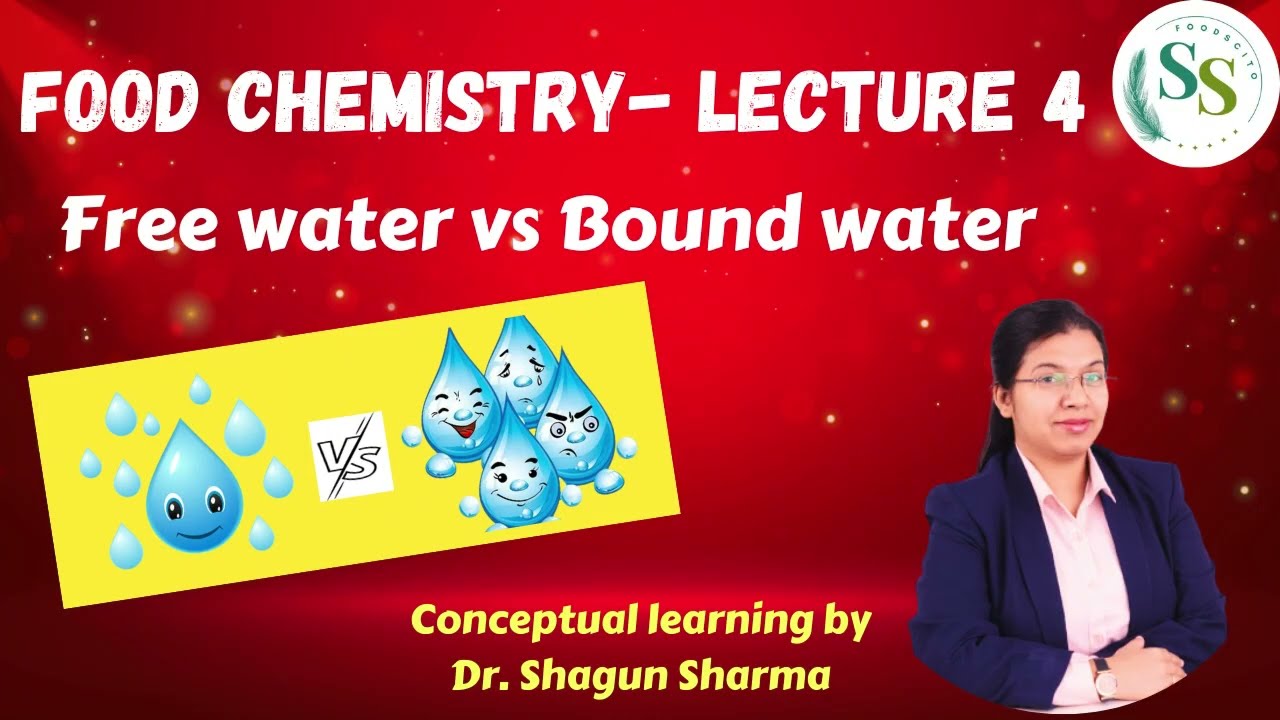















Water activity (aw) is a critical measurement in food science that represents the ratio of vapor pressure of water in a food product to the vapor pressure of pure water, calculated as aw = P/P₀, and it differs from moisture content by specifically measuring the amount of free water available for microbial growth rather than total water content; foods are classified into low moisture (aw < 0.60), intermediate moisture (0.60-0.85), and high moisture (aw > 0.85) categories, with different microorganisms having specific minimum water activity requirements for growth (e.g., bacteria require aw > 0.86-0.91, yeast > 0.88, molds > 0.70), and controlling water activity through methods like drying, freezing, or adding solutes (sugar, salt) helps extend shelf life and ensure food safety.
Water Activity in Food Science: Preservation, Moisture, and Shelf Life
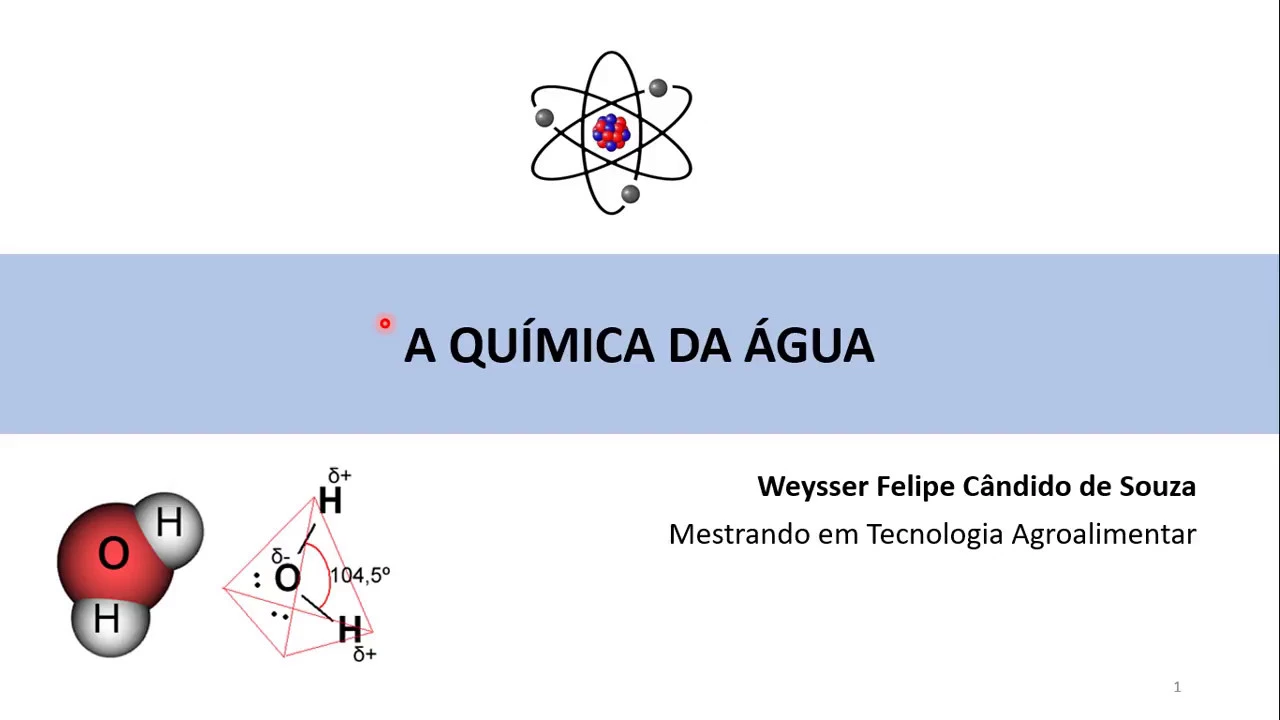
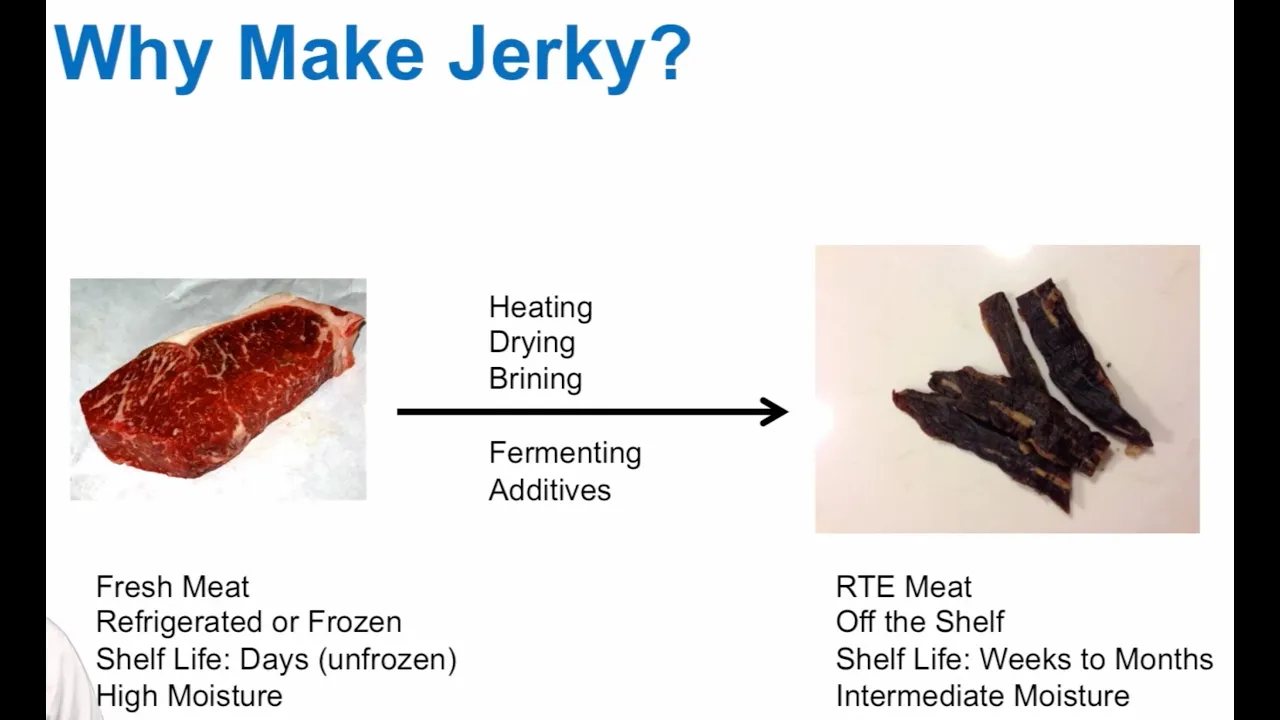
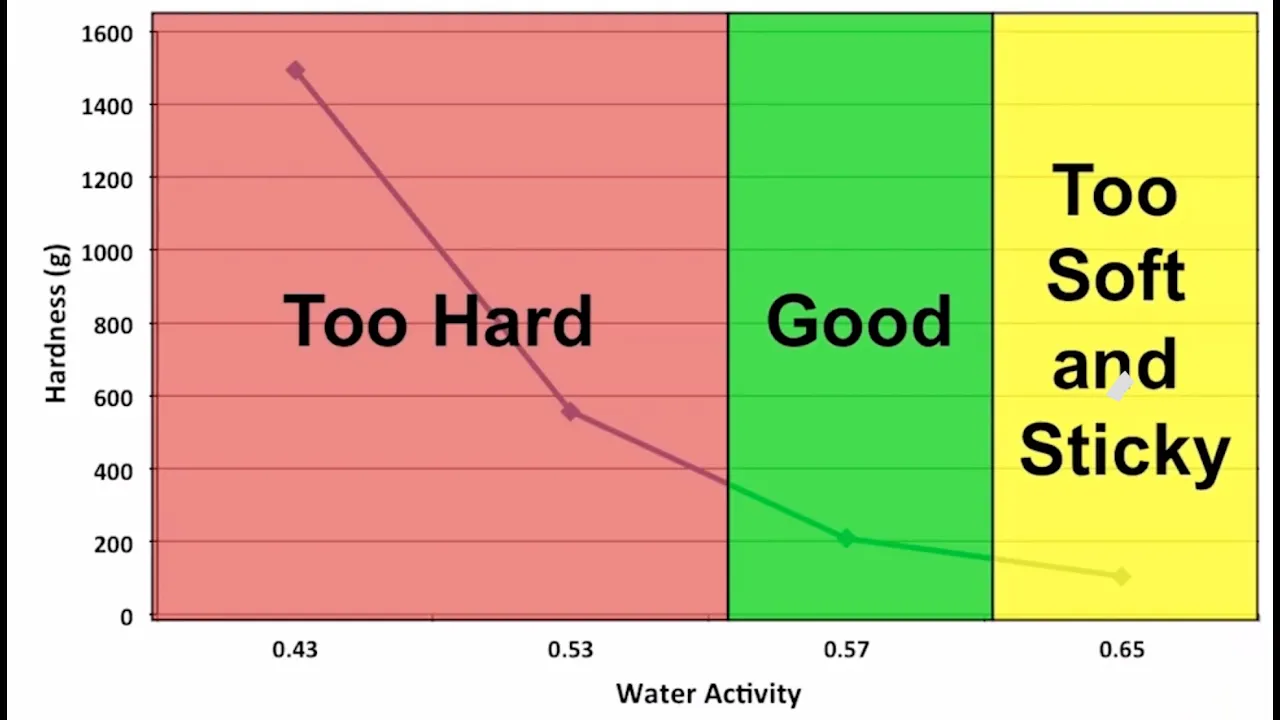
Added:water next to oxygen is the most important constituent of Life a person can live for for a few weeks without food but only for a few days without water it is a most widely distributed compound in the world and it is one of the most important chemicals in food and drinks water is involved in most of the changes that takes place when food is cooked it influences the various properties of foods such as appearance texture flavor many desirable and undesirable changes due to the properties of water as a food solvent so the main aim of food technology is to keep the water content of many food as low as possible to increase the shelf life of that particle of food welcome to the channel food Kita I hope you all are doing well my name is and I am back with another lecture series to refine the topics of food science and technology today we will be talking about water activity in Foods so today we will be discussing about water activity with respect to food so firstly we will learn about introduction of water next what is water activity next water activity for different food commodities and water activity for different microorganism what is the difference between moisture content and water activity and finally why water activity is important so let's take this before getting into water activity concept first let's talk about water importance in terms of food water is one of the most abundant components found in food about 90 or more than 90 percent of water is present in fruit and vegetables if we talk about milk it is 87 percent and in meat it is 60 to 75 percent even dried foods such as figs and raisins also contain 20 percent of water and food such as dried pulses cereals and fruit they also contain appreciable quantities of water water influences the appearance texture and flavor of food water is involved in most of the changes that takes place when food is cooked and food spoilers is also related to the presence of water in food some of the desirable and undesirable changes that takes place when food is cooked are due to the properties of water as it is present in that for example the characteristic flavor of coffee and tea is due to the ability of water to dissolve the flavor material present in tea leaves and coffee coffee powder and too much water in food can be a danger as it was the growth of undesirable bacteria and other microorganisms water is the controlling factor of microbial spoilage so it is required to keep the water content of many food as low as possible to increase the Shelf now water is present in two forms that is in the form of bound water or free water now what is bound water bound water is a water that is bound to some cell components for example iron surfaces molecules protein carbohydrates Etc and which is not available for microbial growth chemical and enzymatic reaction and what is free water free water is a water which is not bound to any cell component and it is readily available for microbial growth and any chemical or enzymatic reaction so it is very important to know the amount of free water for the preservation of food as it is available for the microbial spoilage we can measure water in two way for first in the form of water content and second in the form of water activity so first we will talk about water activity and then we will talk about water container water content and also uh water content is also known as moisture content so let's talk about what is water activity water activity it is one of the critical measurement in terms of food safety water activity is the measure of free water in the food product and it is readily available in food for the microorganism to grow it is represented by aw and it can be expressed by formula that aw equal to P by P naught where p is a vapor pressure in food and P naught is the vapor pressure of pure water so from this formula we can Define water activity as a ratio of vapor pressure of force subset to that of pure water so we can say that water activity is a free water present in food which is not bound and available for microbial growth chemical and enzymatic reaction it can be expressed or determined by ERS that is equilibrium relative humidity where a water activity is erh by 100 various instruments used to measure water activity are work on this principle that is erh by 100 and instruments having RS sensor RS sensor which meases the erh that changes and give the value of water activity if we talk about the water activity of pure water it is right because it will not have any component which will bind to the water so we can say that pure water has a water activity of one and it ranges from zero to one and all it has water activity has no units most of the food fall in the range of 0.2 to 0.99 before talking about the water activity for different food commodities first we will understand what is the difference between water activity and moisture content okay so water activity and moisture content both are the critical measurement in terms of food safety and food Quality Water activity or moisture content sounds similar but they are actually not so here we will clear the difference between these two terms water activity as we as I have already told you in the previous slide that water activity is the amount of free water present in the food whereas moisture content is the amount of water that particular sample contains it is measured by the amount of weight loss upon drawing and can be expressed as a percentage of total weight of that particular sample so here we can say that moisture content is the total amount of water that particular that a particular sample contains and water activity is the amount of free water particularly the free water present in the food for the microbial growth water activity is very important in predicting the stability of food and also it can be used to predict the shelf life and various chemical reactions occurring in food over a Time now now on the basis of moisture content and water activity food can be classified into three categories first one is low moisture food product or food categories for this water activity should be below 0.60 second one is intermediate moisture food category in this water activity ranges between 0.60 to 0.85 and third category is high moisture food in which water activity is more than 8.5 okay means higher the water activity the chances of spoilers are higher and bacteria and other microorganisms have the higher value of water rectity Vector water activity for growth than the fungi fungus so below and also remember that that below 6.0 there is no microbial growth okay so from here we can say that when we talk about the food safety and preservation a common term come across that is moisture content and this moisture can in moisture content includes bound water plus free bot water and thus it indicates the total amount of water in the food and but this self or sorry the shelf life of a particular product can be achieved by controlling the water activity of the that particular food product so determining the water activity of a medium helped in controlling the spoilage due to the microbial growth now if we talk about the water activity of different food commodities each particular food has their own water activity for example for milk it is 0.99 for meat it is 0.99 also for fruits and vegetables it is 0.7 honey 0.25 sorry 0.5 to 0.7 for dried fruit it is 0.6 for milk powder 0.2 for instant coffee 0.2 or jam and jellies it is 0.8 and for bread it is 0.95 these are the some uh examples there are lists of food for which water activity is there apart from this also set uh various microorganism organisms like bacteria yeast moles they also have their own water activity which we will discuss in next slide what are activity limits for microorganism for microbial concept water activity is very important with respect to Food Water activity determine the lower limit of available water for microbial growth it is determined by its water activity means what microbial growth is determined its water activity as it determines the safety and quality of food certain microorganisms organisms like bacteria yeast mold they all have they all have their own water activity in which they can grow so to inhibit the microorganism growth we should know the water activity for particular microorganism or the group of microorganisms if we talk about gram-negative bacteria growth can be inhibited below 0.91 means the water activity we can say that water activity for gram negative bacteria is 0.91 and if we talk about the gram-positive bacteria water activity is 0.86 and for the yeast growth it is 0.88 for mycotoxin it is 0.80 and for moles it is 0.70 but remember that below 0.60 no microorganism growth occur thus we can say that the limiting value of water activity for the growth of any microorganism is 0.60 and below this value the spoilage of food is not microbiological but it may be due to the insect damage or any chemical reactions such as oxidation or any physical damage and in terms of actual microorganism the minimum water activity for uh we can say for E coli is 0.95 if you talk about salmonella it is 0.95 also and if we talk about clostridium botanism it is 0.797 means for different types of microorganic organisms for particular actual microorganism water activity is there now the question is why water activity is important water activity can determine the safety and stability of the food product with respect to microorganism and chemical biochemical and physical properties and when it comes to the food safety microbial spoilers is one of the main concerns especially in the case of perishable foods or high moisture Foods higher the water activity the chances of spoilers are higher so we can say that water activity helps in determining the quality and safety of the force and it control the microbial spoilage now water activity influences the shelf life safety texture flavor and Aroma of foods water activity affects the physical property of the food products the foods with high water activity are juicy moist and sharp so if we increase the water activity of such Foods it will affect the textural properties whereas the food with low micro water activity are hard and dry so if we increase the water activity of such Foods it will become soggy and lose their characteristics so we can say that increasing or decreasing the water activity of these products or any food products can affect the textural properties of that particular food also controlling water activity can help in maintaining chemical stability of the product and it affects the non-enzymatic Browning lipid oxidation protein maturation star and gelatinization and retrograde to gradation process and with the reduction of reduction in water activity the rate of these reaction also decreases now the ways to control the water activity we should also know that by which we can reduce the water activity to increase the shelf life as required and to maintain the quality of a particular food product as we all know that for certain microorganism water activity is also important and in order to control the water activity for certain microorganisms then it is required to know the water activity range for particular microorganisms organism by which we can prevent the microbial spoilers so we are talking about ways to control the water activity so it can be either sorry it can be done by either removing the water or making it an unavailable for the microbes and chemical reactions so first we have to control water activity is removal of free water so and if we talk about another method other another most common and household method for controlling water activity is adding solutes that is adding sugar or adding salt we all preserve vegetable in brine solution of fruits in Sugar syrups the method of preserving food by adding salt and sugar has been used since ancient time but why does it preserve the food the answer is it reduces the water activity of product and it's salt sorry added salt and sugar buying the water molecules making it unavailable for the microorganism so the second way to control the water activity is by adding sugar and salt now we say that we can control water activity by the removal of free water so how we can remove this so for removing the free water we can use various methods such as drying dehydration freezing methods and by adding sugar and salt it convert the free water into bound form which will not allow microorganism to grow for example if we talk about jam and jelly we are adding too much sugar along with the patent which bounds the free water available and thus increase the shelf life of this Jam even also a combination of all of these two techniques work even better for example amla candy it is prepared by adding sugar and then drying so it has also a good shelf life now we can conclude that why water activity is important for preserving the shelf life and the quality of the food we have been preserving food using number of techniques for decades now after having the knowledge of the concept of water activity it helps us in deciding the method of preservation packaging material and self-estability of a product and eventually designing a safe product with high quality which ultimately increase the self-wife of the product and food safety and the finally the food quality thank you for watching this video I hope you find this helpful please like and share this video And subscribe to our Channel also stay tuned for more upcoming videos of food Kira thank you [Music] all the scars [Music]
Up Next

The Science of Emulsification: Homemade Mayonnaise Tutorial | Martha Stewart
@MarthaStewart
153.7K views•2022-09-14

Triumph of Orthodoxy Icon: Byzantine Art & History Explained
@BenCallan
2.1K views•2024-08-06

FastAPI vs Flask vs Django: Choosing the Right Python Web Framework
@TechWithTim
302.5K views•2024-05-26

Game of Thrones Opening Credits: A Cinematic Analysis
@gameofthrones
46.3M views•2011-04-18
Related Study Plans & Knowledge Roadmaps
Structured learning paths in General & Interdisciplinary Studies