
















![Rheology lecture 16, part 1 [presented by Dr Bart Hallmark, University of Cambridge]](https://i.ytimg.com/vi/QuKJhZT4tpY/sddefault.jpg)
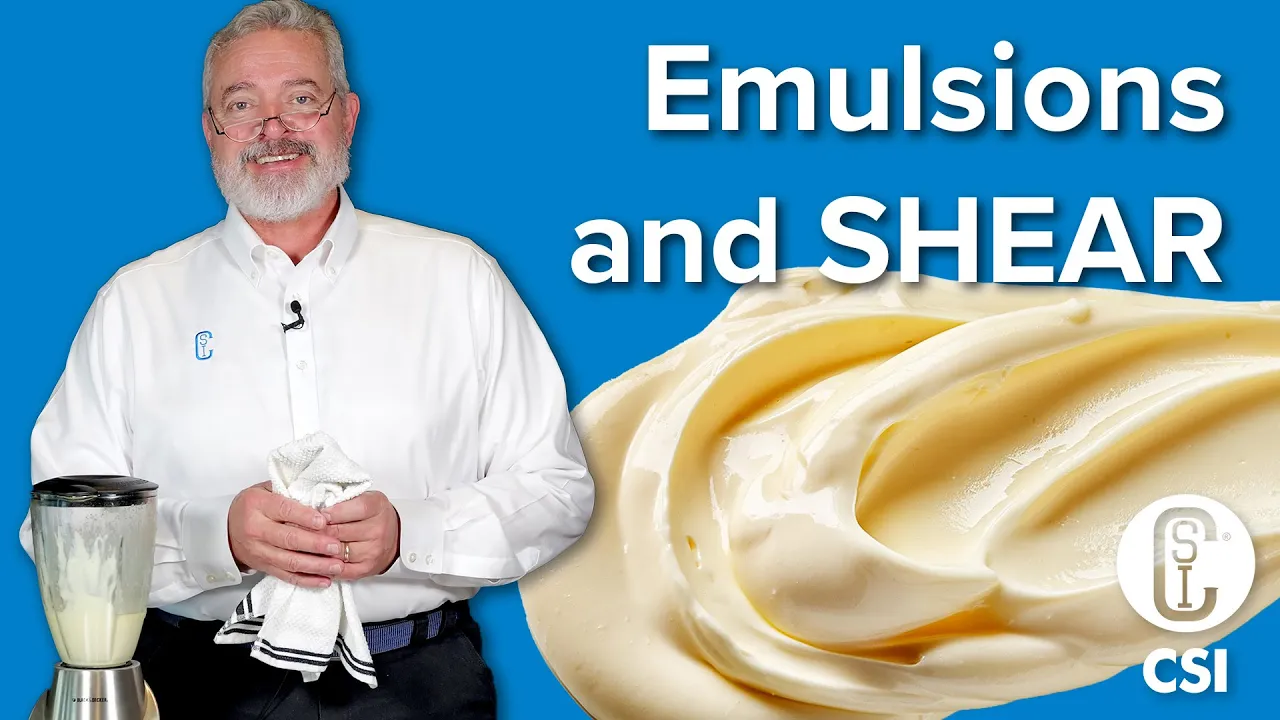
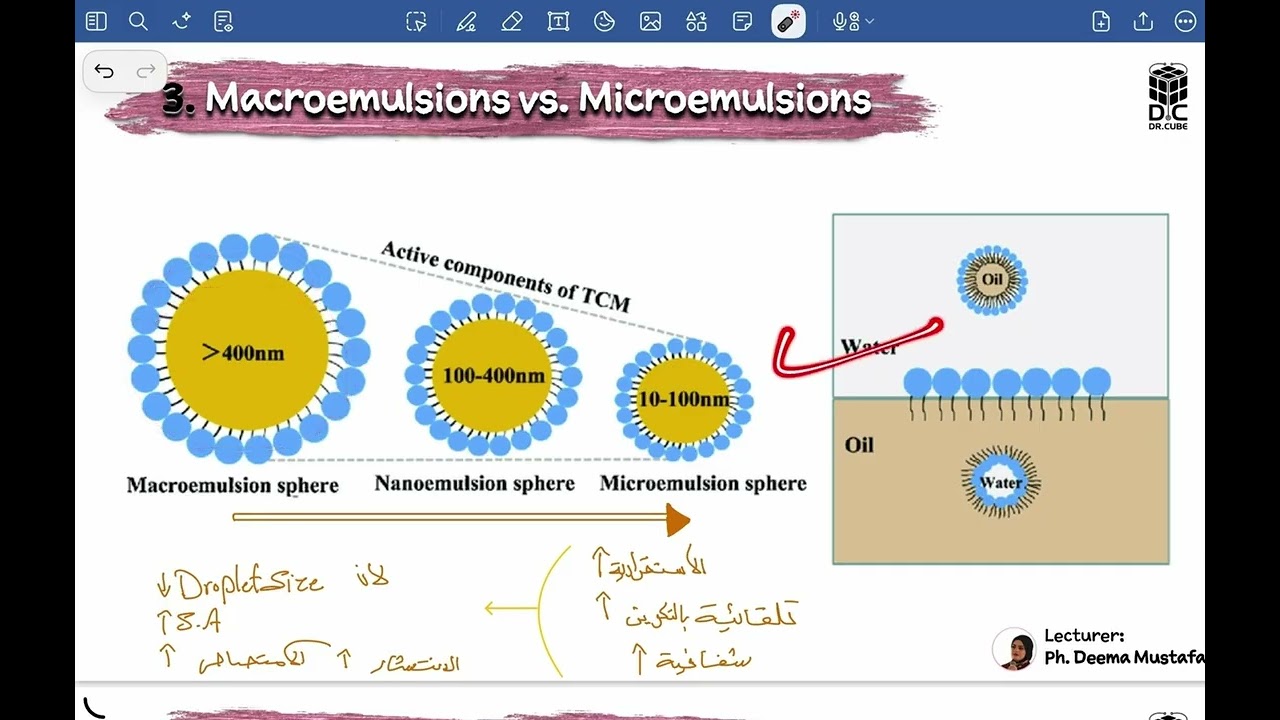



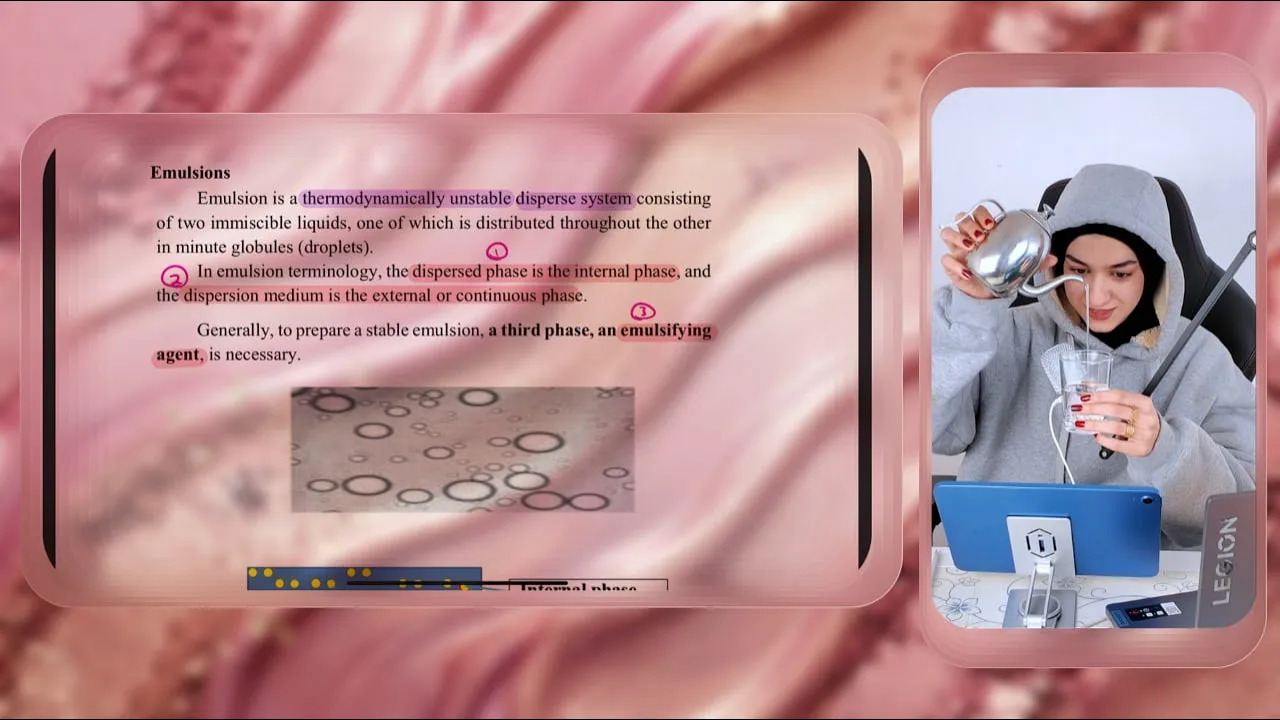
Emulsification is the process of combining two immiscible liquids (like oil and water) into a stable mixture; in homemade mayonnaise, the egg yolk acts as an emulsifier containing lecithin that suspends oil droplets in the liquid base, and the process requires adding oil drop by drop while constantly whisking to create a smooth, silky texture.
The Science of Emulsification: Homemade Mayonnaise Tutorial | Martha Stewart
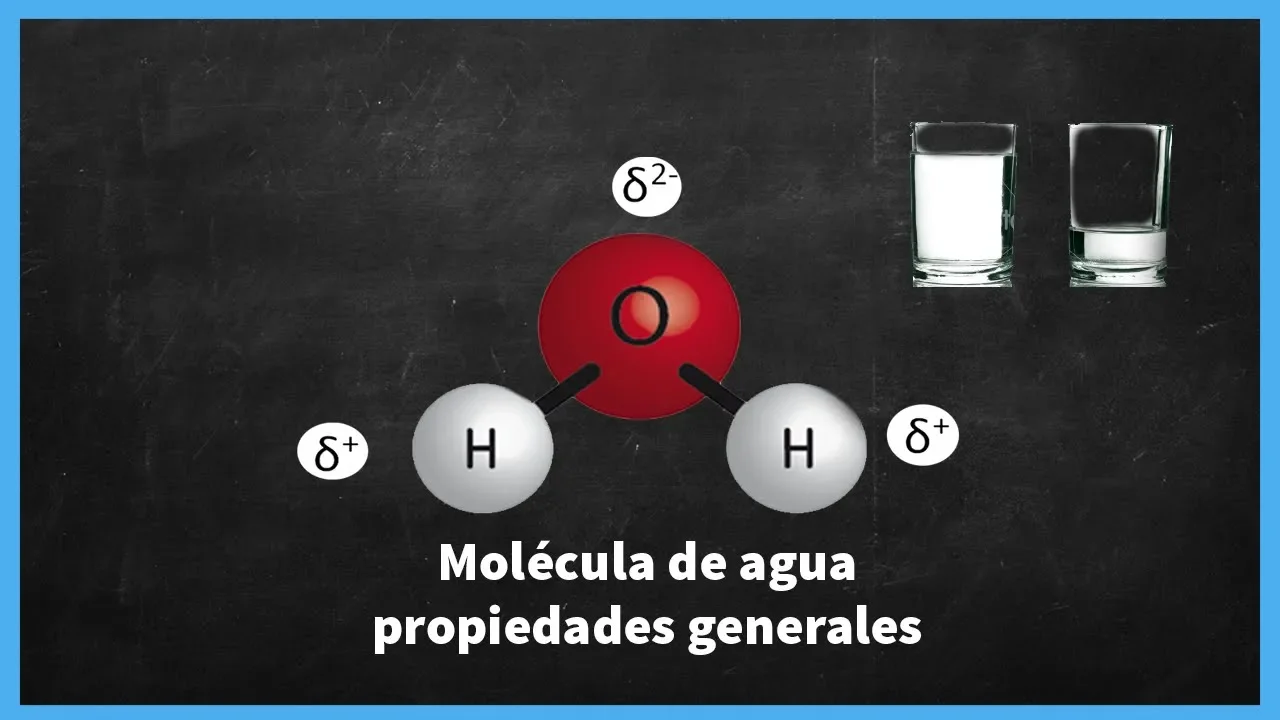
Added:The molecular structure of polar and non-polar substances (specifically water and lipids) and why they are naturally immiscible.
The concept of surface tension and how it prevents different liquids from blending spontaneously.
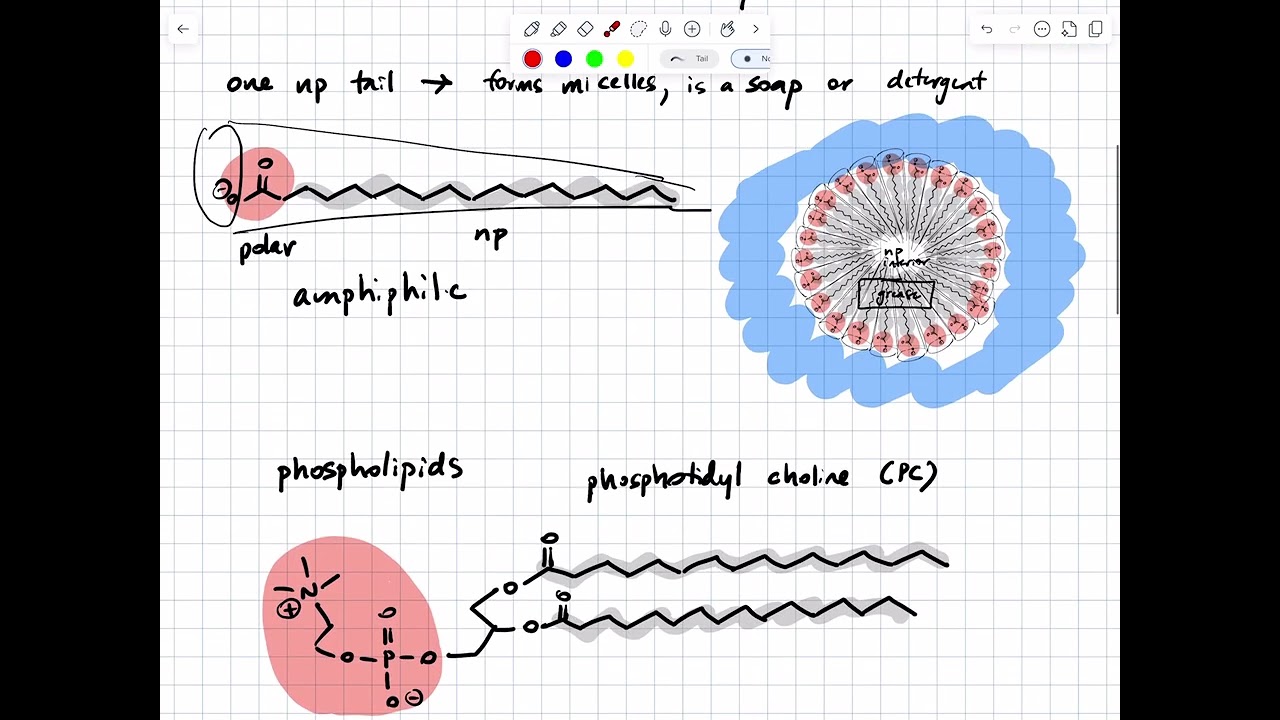
The basic definition of an emulsifier (surfactant) and how amphiphilic molecules (like lecithin in egg yolks) function.
The distinction between temporary emulsions (like simple vinaigrettes) and permanent emulsions.
The classification of emulsions, specifically differentiating between oil-in-water (O/W) and water-in-oil (W/O) systems.
The physical and chemical reasons why an emulsion 'breaks' (separates) and the culinary techniques used to rescue a broken mayonnaise.
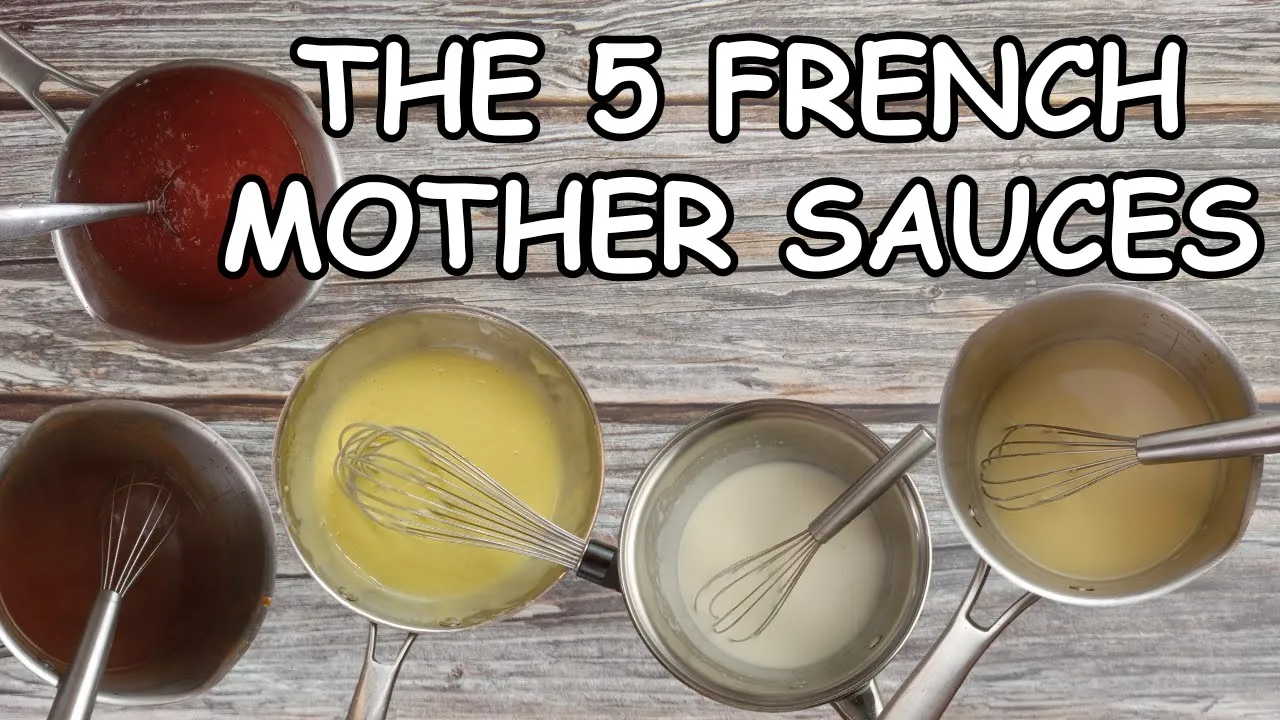
Advanced culinary applications of emulsification, such as hot emulsified sauces (e.g., Hollandaise, Béarnaise) and the role of temperature in stability.
The role of mechanical shear (whisking vs. blending) in determining droplet size and the viscosity of the resulting emulsion.
Industrial applications of emulsification in food science, cosmetics, and pharmaceutical drug delivery.
153.7K views2.6Klikes5:41Original Release: 2022-09-14
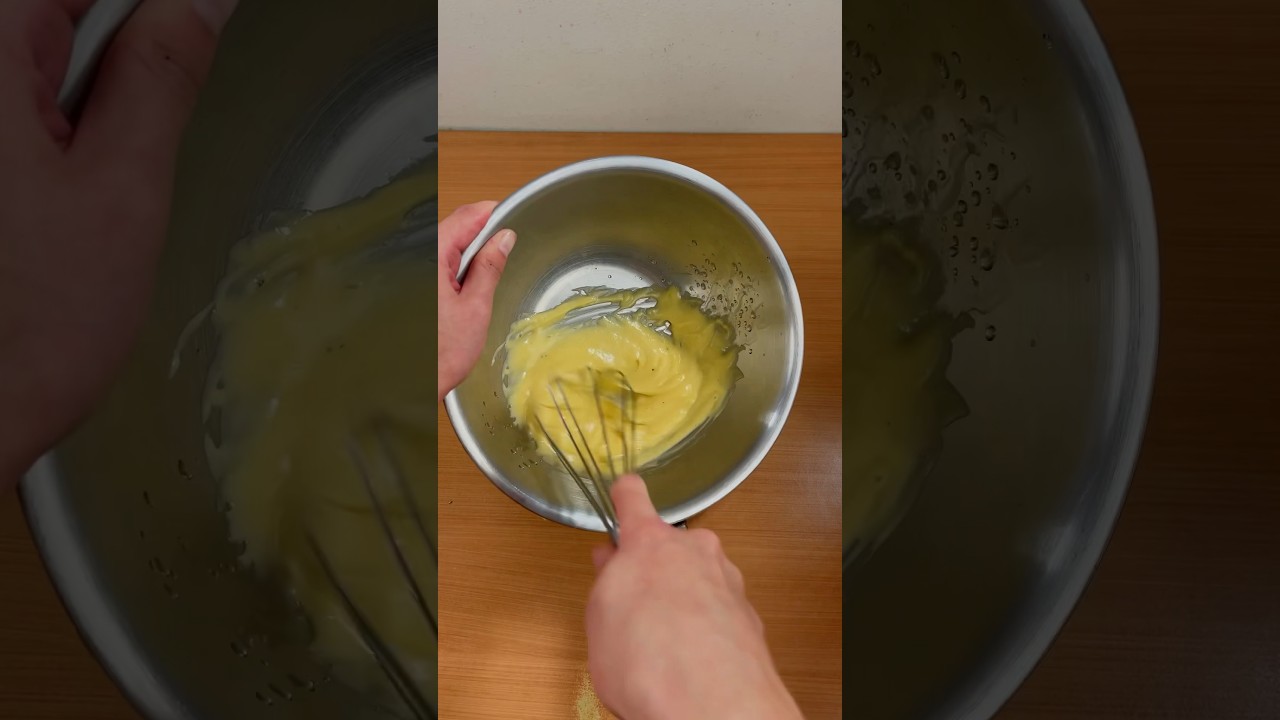
[Music] making your own mayonnaise is a great way to learn the process of emulsification you'll need grape seed oil some djon mustard one egg yolk and some lemon juice and so in one nice large egg yolk here we have it reserve the egg white and all the ingredients for making mayonnaise should be room temperature so we have one egg yolk one teaspoon of djon mustard together the egg yolk the mustard and one teaspoon of lemon juice fresh lemon juice just a teaspoon is our liquid into which we are going to mix our oil and that will be our emulsification really emulsifying is really combining two liquids or in this case egg yolk and mustard and liquid with another liquid in this case oil so that there is a suspension and the egg yolk provides both some liquid which holds the oil droplets in suspension and acts as an emulsifier uh containing lopin now I have secured my bowl on the counter uh with a damp towel just spiraled like this it really gives a good um sturdy base and and we're going to add one cup of oil and I'm using grapes seed oil uh a nice stable flavorless oil which will make a very tasty mayonnaise and drop by drop notice what I'm doing just whisk constantly while you create your Emulsion and don't rush this process it's already thickening nicely that egg yolk must have a lot of emulsifier in it and you can adjust the seasoning you can add a little bit more uh lemon juice if you find the need for it at the end and of course also salt and pepper and we are creating a very pretty mayonnaise don't get tired good arm exercise you can do this in a blender in a food processor or and I'm going to show you how fast it is with a handheld immersion blender now you can see that it is really emulsified look silky smooth looks just like mayonnaise now to rescue broken mayonnaise in case it does separate uh you can start with a fresh egg yolk and carefully work the broken sauce into yet another egg yolk your egg yolk may have been too small or you may have not paid attention while you were adding the oil things can go wrong but it will generally come back together with the addition of yet another egg yolk very nice now taste it definitely needs a little bit of salt qu of a teaspoon and a little bit because we're going to use this on a BLT I added a little bit of white pepper much better with the salt now if it has to be thin if it's too thick uh you can add just a tiny tiny bit of water water room temperature water so there you have a very nice homemade mayonnaise and you can uh keep this I would say oh maybe up to five or 6 days in the refrigerator now let me show you how fast it is to make it with this handheld immersion blender many of you must have one of these at home there's a blade right in here keep your fingers away that acts like a electric mixer and this is great for pureeing and for making soups and sauces but uh use a deep container like this two cup measure and we're going to make it right in here we'll need one large egg yolk use the best freshest eggs of course and a teaspoon of high quality Dijon mustard and a teaspoon of lemon juice and we have yet another cup of grapes seed oil so we're going to incorporate this now watch how quickly the emulsification takes place now drop the oil like right on top and generally you can hear the emulsification take place the sound as the mixture thickens is is audibly different from when you started getting thicker sounds like it's having a little bit more difficulty turning it isn't but it has already thickened up then you can speed up the addition process you have very nice quality mayonnaise so nice so whether you make your Na's Emulsion by hand or with a blender um you will find that the taste is superior and the texture uh absolutely superb
Up Next
9:40
Emulsifying Salts in Mac and Cheese: Two Methods
@aragusea
2.8M views•2020-06-11

12:54
Triumph of Orthodoxy Icon: Byzantine Art & History Explained
@BenCallan
2.1K views•2024-08-06

9:49
FastAPI vs Flask vs Django: Choosing the Right Python Web Framework
@TechWithTim
302.5K views•2024-05-26

1:42
Game of Thrones Opening Credits: A Cinematic Analysis
@gameofthrones
46.3M views•2011-04-18
Related Study Plans & Knowledge Roadmaps
Structured learning paths in General & Interdisciplinary Studies
general-studies
Elevator Engineering: History, Physics & Cities
01From Hoists to Safety Brakes: The Dawn of Vertical Lift
02Hydraulic vs. Traction: The Engineering Physics of Elevators
03Modern Speed, Safety, and Algorithms
+ 2 more learning modules
12h5 modules
Explore Roadmap
general-studies
Rubber: Material Science, History & Geopolitics
01Origins of Natural Rubber & Mesoamerican History
02The Chemistry of Natural Rubber & Vulcanization
03The Geopolitics of the Rubber Boom & Colonization
+ 2 more learning modules
12h5 modules
Explore Roadmap
general-studies
Containerization: Evolution, Logistics & Trade
01Ancient Trade & Bulk Cargo: Amphorae to Barrels
02The Industrial Revolution & Cardboard Packaging
03The Containerization Revolution: Malcom McLean
+ 2 more learning modules
12h5 modules
Explore Roadmap
general-studies
Textile Tech: Evolution, Labor & Global Impact
01Pre-Industrial Textiles: Handloom & Cottage Industry
02Mechanization: The Spinning Jenny to the Power Loom
03The Factory System & Global Labor Transformation
+ 2 more learning modules
10h5 modules
Explore Roadmap