









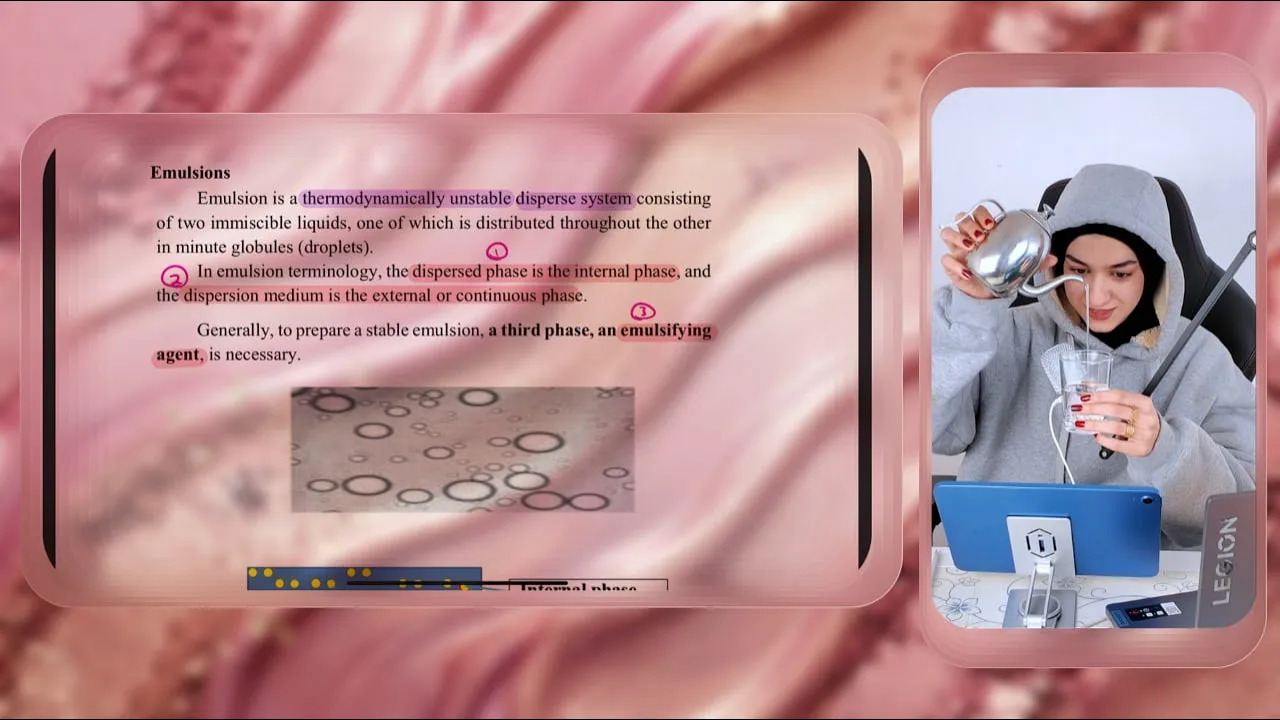


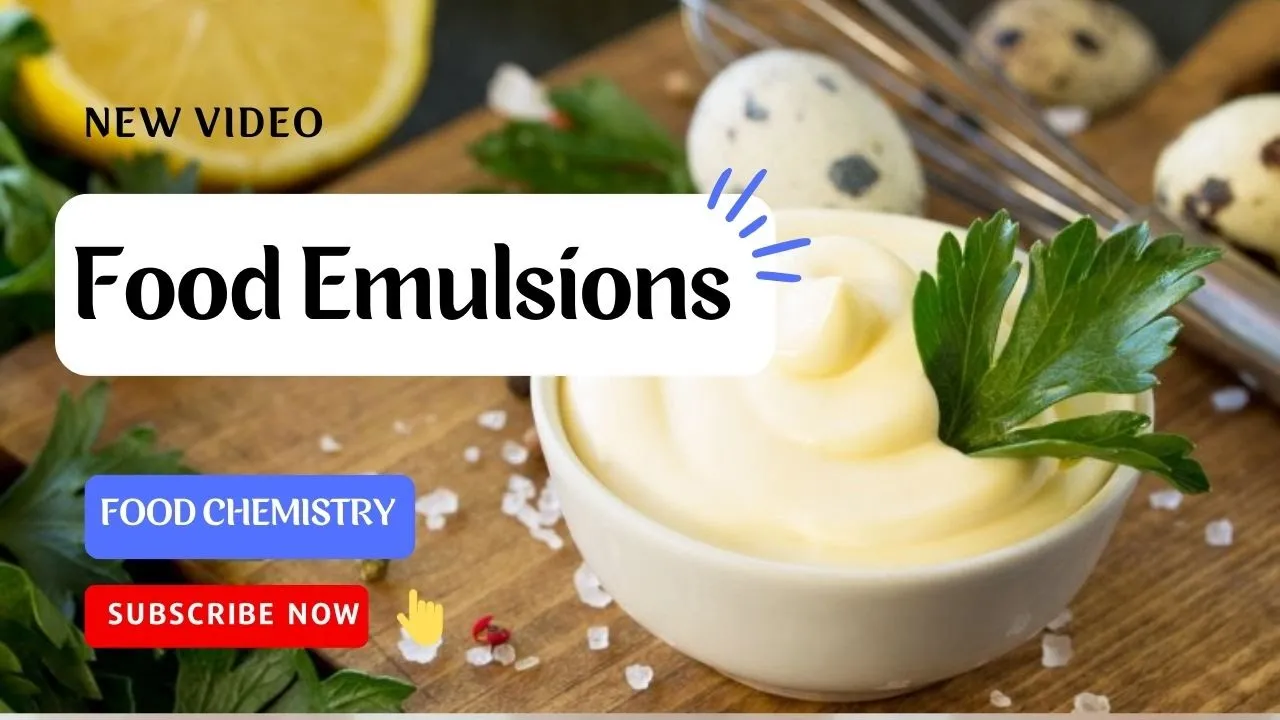



An emulsion is a stable mixture of two immiscible liquids (such as fat and water) where one liquid is dispersed throughout the other in tiny droplets, maintained by breaking down surface tension through shearing power; the smaller the dispersed particles, the more stable the emulsion becomes, with common culinary examples including Hollandaise sauce, mayonnaise, milk, cream, vinaigrettes, and butter.
What Is an Emulsion and How Does It Work? A Food Science Guide
Added:The chemical difference between polar and non-polar molecules, which explains why water and oil naturally repel each other.
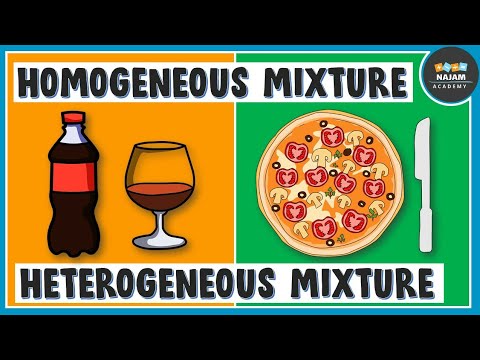
The distinction between homogeneous and heterogeneous mixtures in basic chemistry.
The concept of surface tension and how intermolecular forces operate at the interface of two liquids.
A basic understanding of mechanical energy, specifically how shearing force or physical agitation breaks droplets into smaller sizes.
The molecular structure and function of surfactants and emulsifiers, such as lecithin in egg yolks, and how they stabilize mixtures.
The classification of emulsions into oil-in-water (O/W) and water-in-oil (W/O) systems and their respective culinary properties.
The science of emulsion instability, including coalescence, flocculation, and creaming, as well as techniques to rescue a 'broken' sauce.
Advanced applications of emulsion technology in molecular gastronomy, cosmetics, and pharmaceutical delivery systems.
167.6K views1.2Klikes9:48Original Release: 2011-10-12
Hello there fellow food geeks and welcome to the very first episode of our new video series foodcience101 produced by stellaculinary.com and in this episode and the following episode we will be discussing the science behind emotions.
Now whether you know it or not you come across emotions in your day-to-day life both inside and outside of the kitchen.
And the better you understand what an emulsion is, the better you'll be able to understand the underlying technique and the fundamentals of creating a great emotion. Now, we all understand uh just through basic observation that fat and water generally do not like one another.
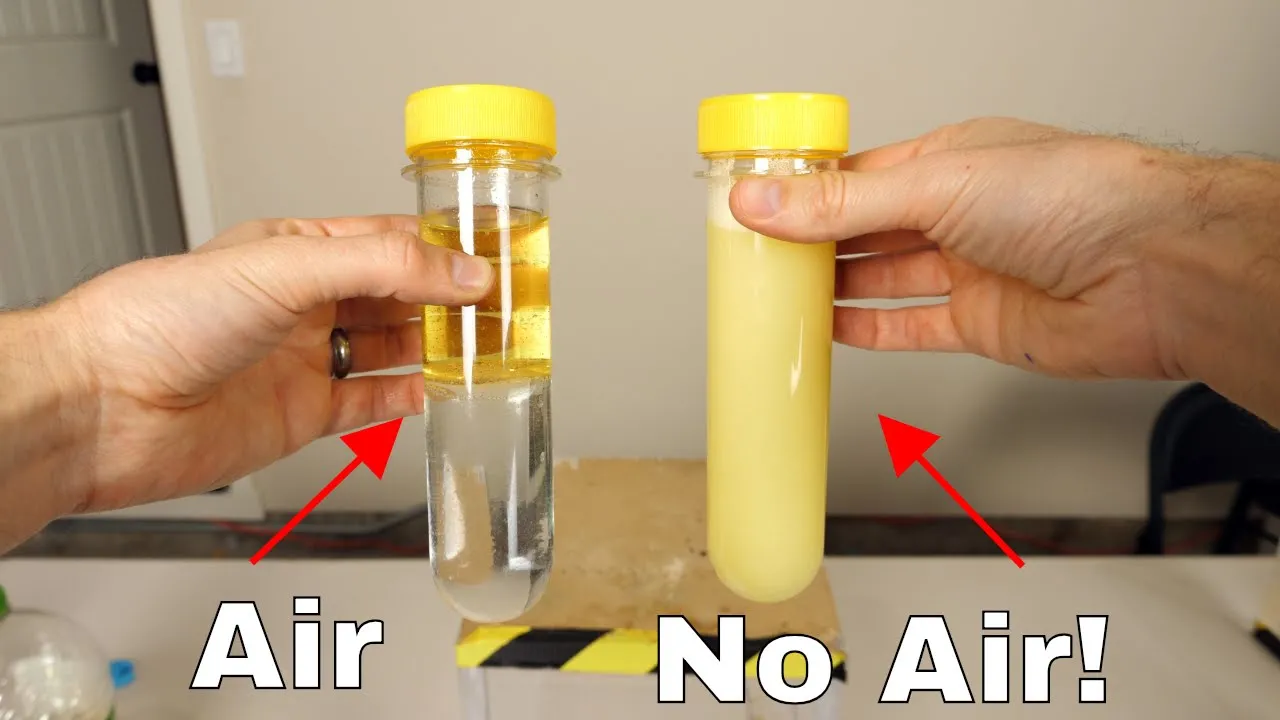
They do not commonly mix together. But when making an emulsion, you can actually take this fat, you can drop it into the water, disperse it throughout the water, creating a homogenized state or an emulsion. Now what makes this special is the fact that we are combining two liquids, water and fat.
Fat being a liquid and water being a liquid. But when these two liquids are combined, they still maintain their distinct characteristics. Now in this example, I'm showing you a basic fat dispersed into water emulsification. And this will cover things like Hollands, mayonnaise, milk, and cream. But also you can have the reverse where you can have some fat and in that fat you can disperse some water and because they're still maintaining their distinct characteristics it is still an emulsion but now you just have the water dispersed in the fat and this is commonly seen in vinegarettes and also whole butter. Now the fact that you are combining fat and water together and they are maintaining their distinct characteristics even after being combined is in contrast to something along the lines of alcohol. We know that alcohol and water they like each other and they can freely mix with one another. So if you take the water and you pour it into the alcohol, you will get a alcohol and water solution. And because alcohol and water freely mix, they can never form an emulsification.
It just it isn't possible. And this is a good thing. This is what makes things like cocktails possible, wine possible, and beer possible. Just stop and think for a second. If fat or if alcohol reacted to water like fat does, then when you go and you open up that nice bottle of wine, you wouldn't have wine. You would have grape juice with pure alcohol floating on top, which would be a bummer. So, you will come across some common culinary emotions in your day-to-day life in the kitchen. And it is important to understand what these emulsions are. Now, some of the biggies are going to be egg based, which is uh you know, Hollands is one of the five French mother sauces and is considered emulsification.
You also have mayonnaise which is a cold derivative of Hollands and also aioli which is a derivative of mayonnaise. Now commonly too you will find milk in a lot of kitchens and milk is an emulsification because does it does contain a small amount of fat and instead of that fat separating or floating on top of the milk it is homogenized throughout the milk and also cream which is just like milk but with a higher fat content. vinegrettes, which you use to dress your salads. Uh, and whole butter, which more butter, more better. And of course, pan sauces, which there's been a couple of technique videos that we've released at stellic corner.com on pan sauces. And normally we will finish a pan sauce by swirling in some fat, usually butter, but sometimes cream. And this is actually to add viscosity and flavor. And it is technically an emulsification technique.
Now there are some common non-colonary culinary emotions that you will come across in your day-to-day life and these include uh you know some paints, asphalt also floor and furniture wax, cosmetic creams and crude oil all emotions. Now to really make a great emulsion and to make this technique your own you first have to understand how an emulsion really works. Now here is a common site where we have a container of water and in that container of water is some fat and of course the fat is floating on top. Now this happens because chemically speaking when two chemicals do not like one another they will align themselves in such a fashion to where they will touch as little as possible. And this is called surface tension. And the concept of surface tension is important to understand because the entire emulsification process is actually there to break down this surface tension which will allow you to form an emulsification. Now as we talked about earlier you can have fat dispersed into water or water dispersed on a fat and they are still both emulsifications. So in this example in the following example we're just going to assume that we are making a fat dispersed into water emulsification.
Think like a Hollands or a mayonnaise or something like that. So what we need to do is we need to disperse this fat into the water which we call the continuous phase and the continuous phase is really just the container. So a good way to remember this is continuous contain continuous contain. So the continuous phase is going to contain the dispersed phased or the contained or the contain.
And so it's important to keep track of which is which phase because when you need to thin your emulsification out, you add more of your continuous phase.
And when you need to thicken your emulsification, you add more of your dispersed phase. It really is that simple. Now, how do we uh break down this surface tension and disperse our fat into our water? Well, you do this by applying shearing power. And sharing power will break up the disperse phase and distribute it throughout your continuous phase creating what we call an emulsified state. Now what is this magical sharing power that I speak of?
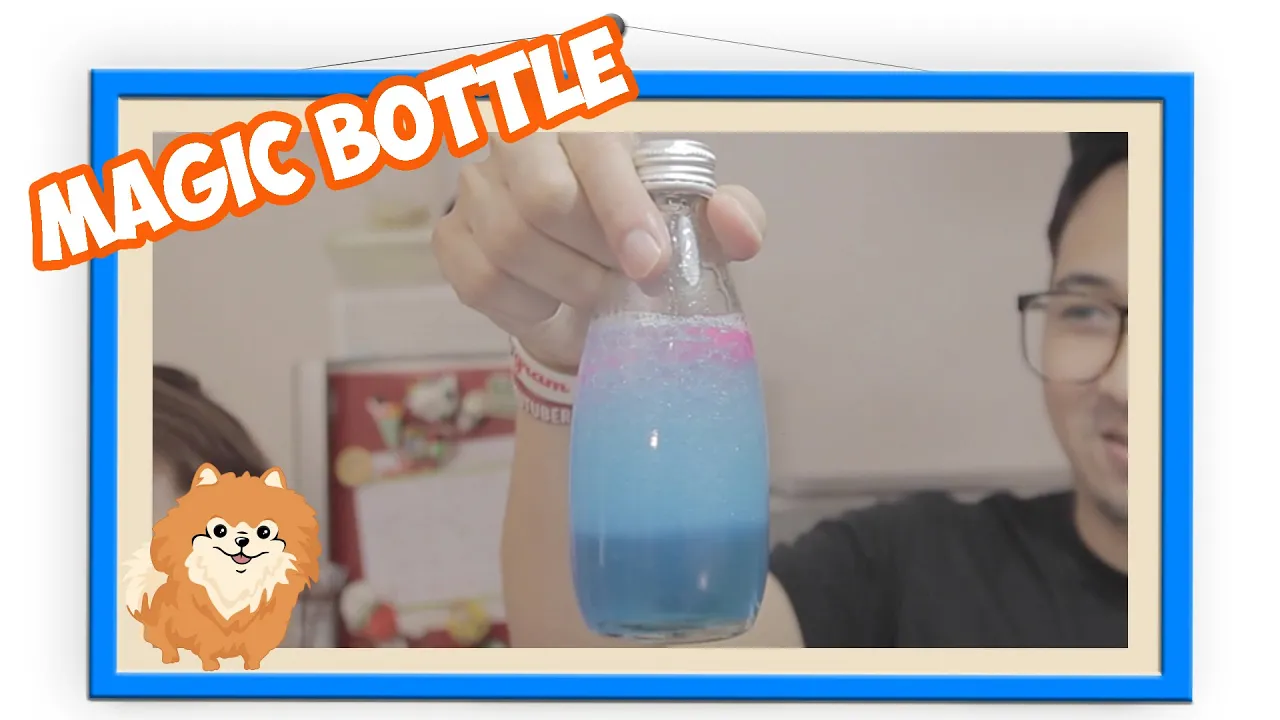
Well, it can be something as simple as just shaking, right? You combine oil and vinegar into a container. You put on the lid, you shake it up. It will uh that shaking force will break up the vinegar enough to where it disperses it throughout the oil, creating a temporary emulsification. And when you set that uh same vinegrett down on your table and let it rest without any sort of movement, they will quickly realign themselves and recreate that surface tension. Now, if you apply a whisk, you are applying a little bit more shearing power. It will give you a little bit more smaller uh particles or uh fat droplets giving you a slightly more stable emulsion. And also a blender or a food processor or a uh an immersion blender, they all have the capabilities, they all have a higher shearing power than a whisk, which gives them the capabilities to break up the disperse phase into much smaller uh particles than a whisk would or a uh shaking motion would. Now this is important because generally speaking uh the dispersed phase will be broken up and it will be as small as anywhere from uh 1,000th of a millimeter across to 10,000 of a millimeter across. And just to put this into perspective, one tablespoon of oil can be broken up into 30 billion droplets just by using a whisk. That's 30,000 of a millimeter across. Now, this is important because the smaller fat particles are, the more stable an emulsion will be and the higher fat content is possible in that emulsion.
Now, the way that I like to visualize this is just think for a second of, you know, grabbing a a hand of very fine soot and throwing it up into the air.
Now, it will take a little while before that soot because it is it's the particles are so fine, it will take a while for that soot to actually settle back out of the air and uh land onto the ground. Now, this is in contrast to something like a handful of sand or a handful of gravel. You pick it up, you throw it in the air, it'll settle relatively quickly to the ground versus the soot.
So, the takeaway is the smaller or the finer your particles are in your disperse phase, the more stable your emulsion will be and the longer it will take for them to settle out of the emulsion or out or out of the continuous phase. But this also has an added benefit of surface area. Right? We've talked about in uh you know some of our lecture series when we talk about uh flavor structure and flavor that our flavor perception usually as much as 70% of it can come from aroma but most aroma molecules are only soluble in fat. So the smaller you can get your fat in your dispersed phase, the more surface area you you will have for those aroma molecules to first dissolve onto the fat surface and then release rapidly uh into your nose when that fat or that emulsification is put into your mouth.
Now you can take this concept too far.
There is a law of diminishing returns because what happens is so you have your emulsified state here down in your uh bottom left hand corner of your screen and the more fat you add the thicker the emulsification will become. Right? But for the most part in most applications the volume of the disperse phase should not exceed three times the volume of the continuous phase. And this is because emulsifications by nature are basically unstable. And what happens is when you have too much of the disperse phase, they start cramming closer and closer and closer together and they'll start knocking into each other, pooling. And as they pull, they'll start to recreate that surface tension. And when that surface tension is recreated, and the the disperse phase, in this case being the fat, will float to the top. And this is what you call coalescing. And in kitchen terms, this is what we call a broken sauce, frowny face, because broken sauces are kind of a bummer. But you can avoid this from happening uh by using emulsifiers and stabilizers which we will talk about in part two of our emulsification video.
Up Next

26:28
Food Shelf Life Part 2: Chemical & Microbial Spoilage
@lusanivhangani2768
212 views•2023-02-19
83:56
Biocatalysis and Catalysis in Islatravir Synthesis | Merck Webinar
@SCIwheresciencemeetsbusiness
675 views•2020-10-08
10:06
1H NMR: Determining Number of Peaks from Structure
@MSJChem
59.2K views•2017-04-06
17:31
Edible Water Bottles: A DIY Guide to Sodium Alginate Spherification
@ryan
10.5M views•2019-06-21
Related Study Plans & Knowledge Roadmaps
Structured learning paths in Chemistry
chemistry
Nuclear Chemistry: Decay, Meds & Fuel Cycle
01Introduction to Nuclear Structure and Radioactivity
02Decay Dynamics and Kinetics
03Radiation Interaction and Detection
+ 2 more learning modules
24h5 modules
Explore Roadmap
chemistry
Supramolecular Chemistry: Forces & Machines
01Foundations of Chemical Bonding and Intermolecular Forces
02Introduction to Host-Guest Chemistry
03Thermodynamics and Dynamics of Self-Assembly
+ 2 more learning modules
16h5 modules
Explore Roadmap
chemistry
Photochemistry: Excited States & Reactions
01Foundations of Light-Matter Interactions
02Molecular Orbitals and Electronic States
03Photophysical Processes and Jablonski Diagrams
+ 2 more learning modules
18h5 modules
Explore Roadmap
chemistry
Coordination Chemistry: Bonding & Properties
01Introduction to Transition Metals and Ligands
02Crystal Field Theory (CFT) and Geometry
03Magnetic Behavior and Spin States
+ 2 more learning modules
14h5 modules
Explore Roadmap