


















The brain's dopamine mesolimbic reward system mediates placebo analgesia, where expectation of clinical benefit activates reward pathways similar to actual pain relief; individual variability in placebo responsiveness correlates with anatomical differences in the ventral striatum and prefrontal cortex, as well as dopamine-related personality traits such as novelty seeking and reward responsiveness.
Dopamine Reward System and Placebo Analgesia | Brain Mechanisms
Added:Basic understanding of neurotransmission, specifically the role of dopamine as a chemical messenger in the brain.
The concept of the placebo effect and how psychological expectations can influence physiological outcomes.
Fundamentals of pain processing (nociception) and the distinction between sensory pain transmission and the emotional perception of pain.
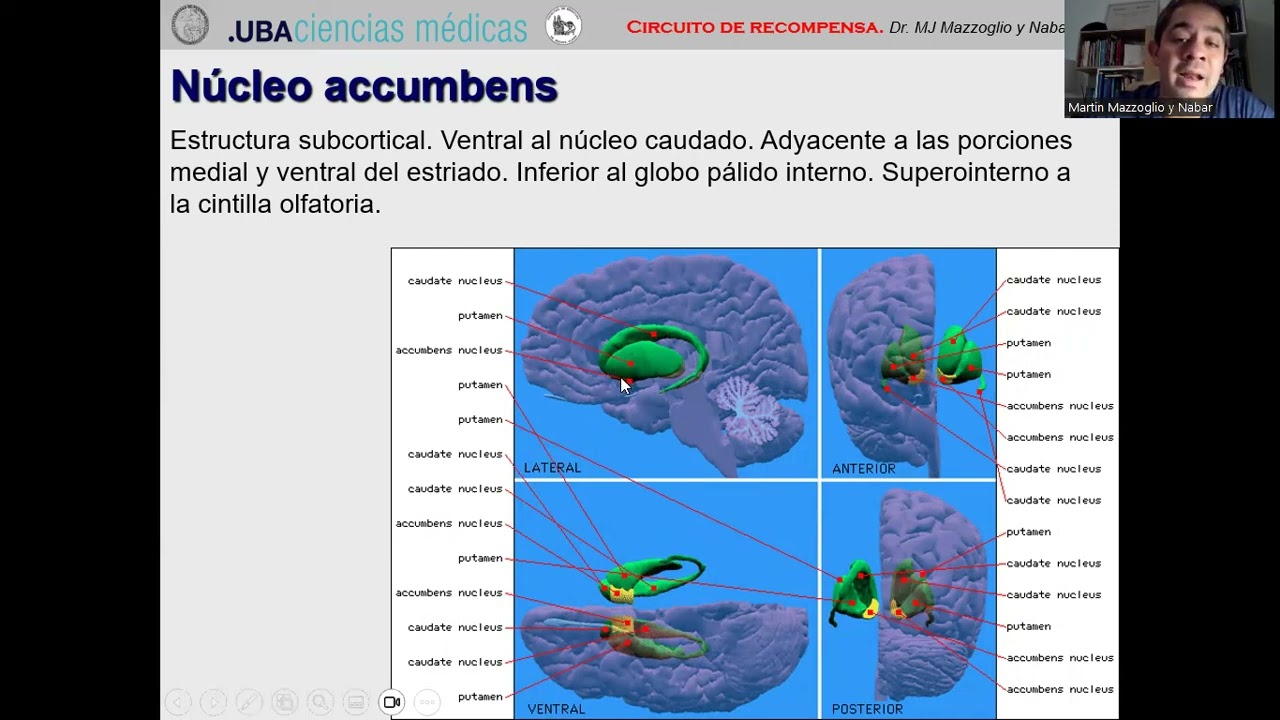
Anatomy of the brain's reward pathway, including key structures like the ventral tegmental area (VTA) and the nucleus accumbens.
Advanced exploration of the 'nocebo effect' and the neurochemical systems (such as cholecystokinin) that mediate negative expectations.
Clinical and ethical implications of leveraging placebo analgesia in modern medicine and pain management strategies.
The intersection of dopamine dysfunction, chronic pain states, and the neurobiology of opioid addiction.
How functional neuroimaging techniques (such as fMRI and PET scans) are used to map and quantify real-time neurotransmitter release during cognitive and sensory tasks.
6.7K views40likes4:09Original Release: 2013-08-26
So we've looked at this in terms of this whole expectation and reward that this expectation of clinical benefit may be a type of reward anticipation. That is, there's a whole literature about dopamine and the reward system, and that when somebody gives you a pill or a shot and says it's going to make your pain go away, it's like a reward. I had pain, and now it's going to get better and that's a reward relative to your state before. And so we looked at how this may involve this whole dopamine mesolimbic reward system. So we did a placebo experiment where we injected hypertonic saline into the anterior tibialis muscle that creates a burning pain (that's me, I was just testing it out). But anyway, it gives a burning muscle pain, and that we've put a cream, say this is a powerful analgesic cream that relieves muscle pain, an analgesic cream for relieving muscle pain. And then with or without the cream, we find that without the cream, here if we had people rate on a scale of no sensation to pain threshold to most intense pain tolerable ready to walk out of the experiment, then you have a pain that's in this range here, and we did the analgesic cream, it goes down.
It's not a huge effect, but then again, this is about the same effect as you'd get with an opiate. So with these types of scales, that's not a bad pain relief. But what we found is that, in fact, that's an average. This is an average of all the subjects.
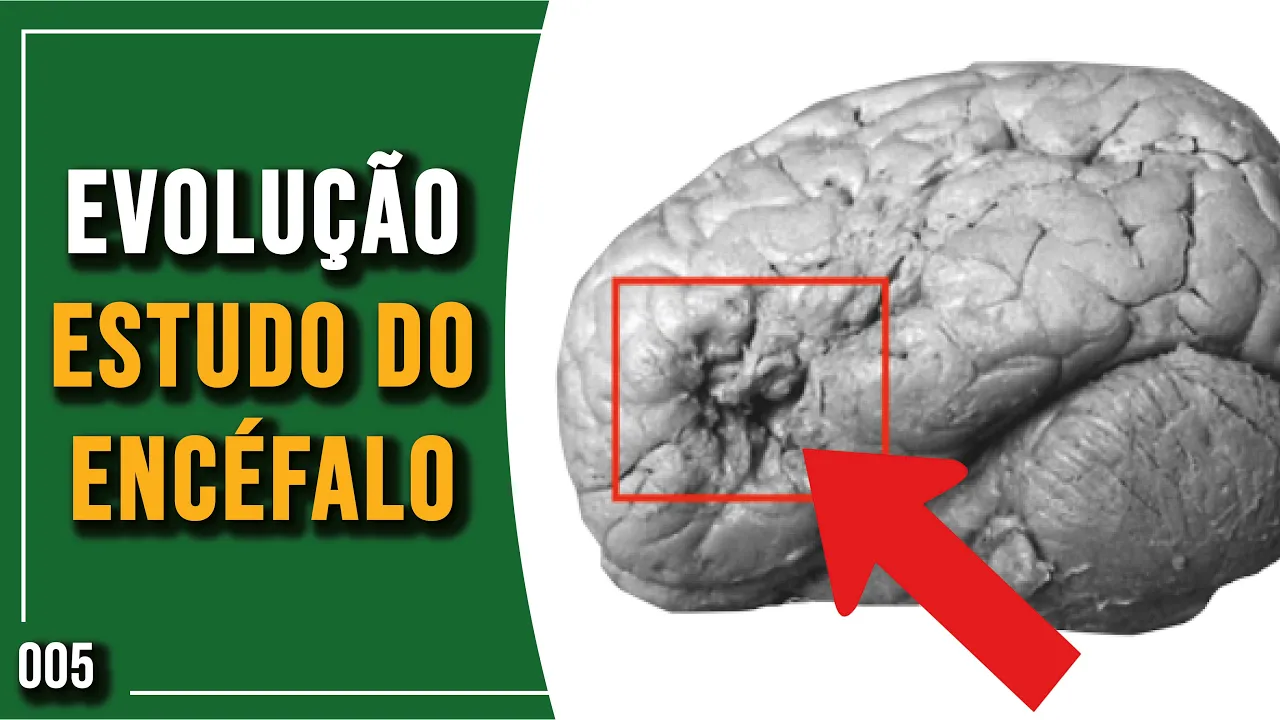
Some people had a huge pain relief. Some people had no pain relief. And this seems to be the case with a placebo experiment, there's a lot of variability in placebo responsiveness. So if we look at - not very good pictures, but anyway, this is showing how much of a placebo effect the person had, and this is looking at taking anatomical scans of the brain and looking at the size and different parts of the brain. And we found that people that had more of an analgesic response to the placebo had larger ventral striati and larger prefrontal cortices than ones that didn't. There's actually an anatomical correlate of how much of a placebo response they're going to get. And then there's various psychological tests - trait - type tests for looking at a person's tendency to - that's related to dopamine transmission. These are dopamine-related traits, and there's such things as novelty seeking, behavioral drive, fun seeking, reward responsiveness, and the opposite of avoiding harm. I have one person in my lab, a skydiver, Lucie Low, that rates really high on this.
But people that rate high on these scales also have larger - anatomically, their ventral striatum and dorsolateral prefrontal cortices are larger than people that rate low on these same scales. And these are the same areas showing - that are involved in the placebo responsiveness. So it kind of comes full circle that the more they respond to placebo, the larger these areas, and the larger these areas, the more they have these dopamine - related traits, suggesting, again, that this whole system is important for placebo analgesia. And also, it's important to explain why some people respond better to placebo than other people. So it suggests that individuals high in dopamine-related traits may be better placebo responders than those who are not. So this is another type of data we want to follow up about the traits of people and why - the factors that are important for placebo responsiveness.
Up Next
59:03
Brain Matters #16: Mapping the Human Mind's Landscapes
@TheHumanBrainProject
286 views•2023-03-09
21:55
Deciphering Neural Circuits Controlling Anorexia in Mice | Richard Palmiter
@AllenInstitute
2.3K views•2011-10-10

4:10
Vagus Nerve (CN X): Anatomy, Nuclei & Functions Explained
@Alilamedicalmedia
305.2K views•2022-10-31
13:03
How Exercise Benefits Your Brain: Science Explained
@TED
11.4M views•2018-03-21
Related Study Plans & Knowledge Roadmaps
Structured learning paths in Neuroscience
neuroscience
Appetite Regulation: Brain Circuits & Hormones
01Foundations of Endocrinology and Brain Anatomy
02Introduction to Energy Homeostasis
03Peripheral Signals: Leptin, Ghrelin, and Insulin
+ 2 more learning modules
14h5 modules
Explore Roadmap
neuroscience
Neuroeconomics: Value, Risk & Brain Mechanisms
01Foundations of Neuroscience and Brain Anatomy
02Introduction to Neuroeconomics and Subjective Value
03Dopaminergic Prediction Errors & Reinforcement Learning
+ 3 more learning modules
18h6 modules
Explore Roadmap
neuroscience
Spatial Navigation: Cells, Grids & Brain Maps
01Foundations of Brain Anatomy and Memory
02Place Cells and Head-Direction Cells
03Grid Cells: The Brain's Coordinate System
+ 2 more learning modules
12h5 modules
Explore Roadmap
neuroscience
BCIs: Neural Decoding & Prosthetic Control
01Neuroscience Foundations: How the Brain Signals Intent
02Signal Acquisition: Recording the Brain's Activity
03Neural Decoding: Translating Brain Waves into Data
+ 2 more learning modules
25h5 modules
Explore Roadmap