









![[ASMR] 1 Hour Full Head to Toe Assessment with my Dad (Realistic Real Person Medical Roleplay)](https://i.ytimg.com/vi_webp/OzXwsAQtxkY/maxresdefault.webp)
![ASMR [Real Person] Head to Toe Assessment (full body annual physical)](https://i.ytimg.com/vi/kqHb5_o4VRY/hqdefault.jpg)


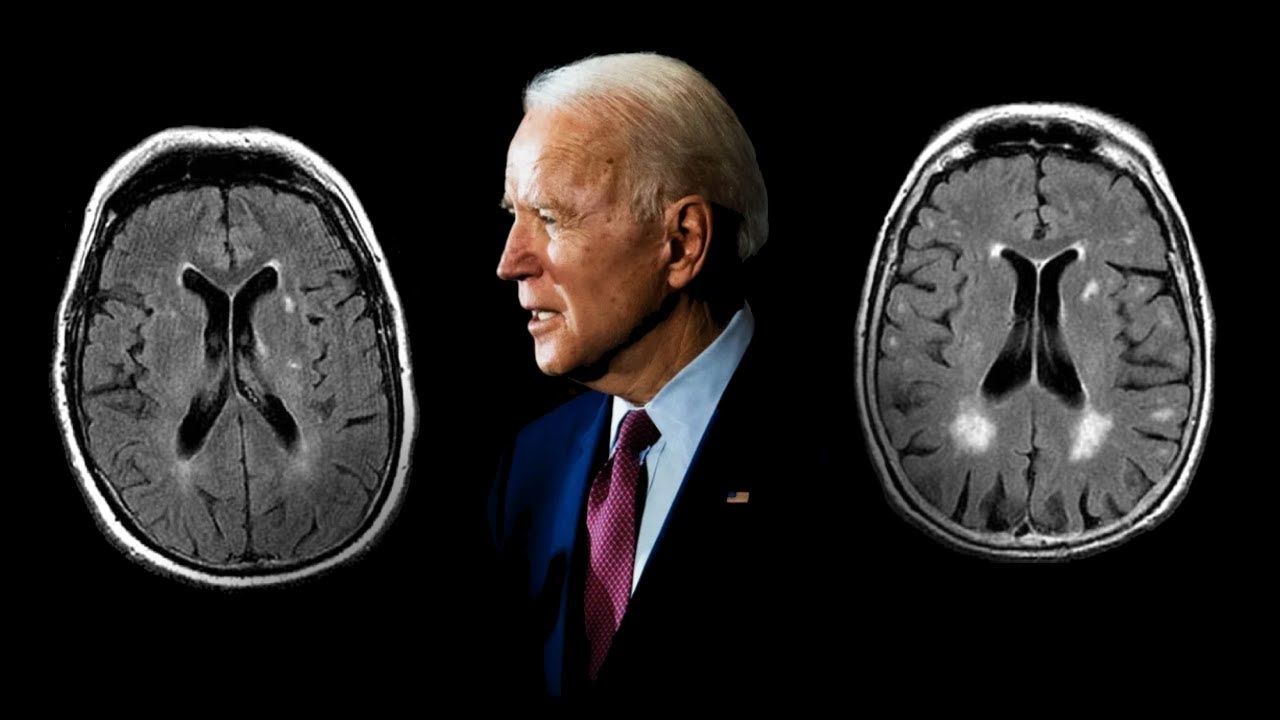


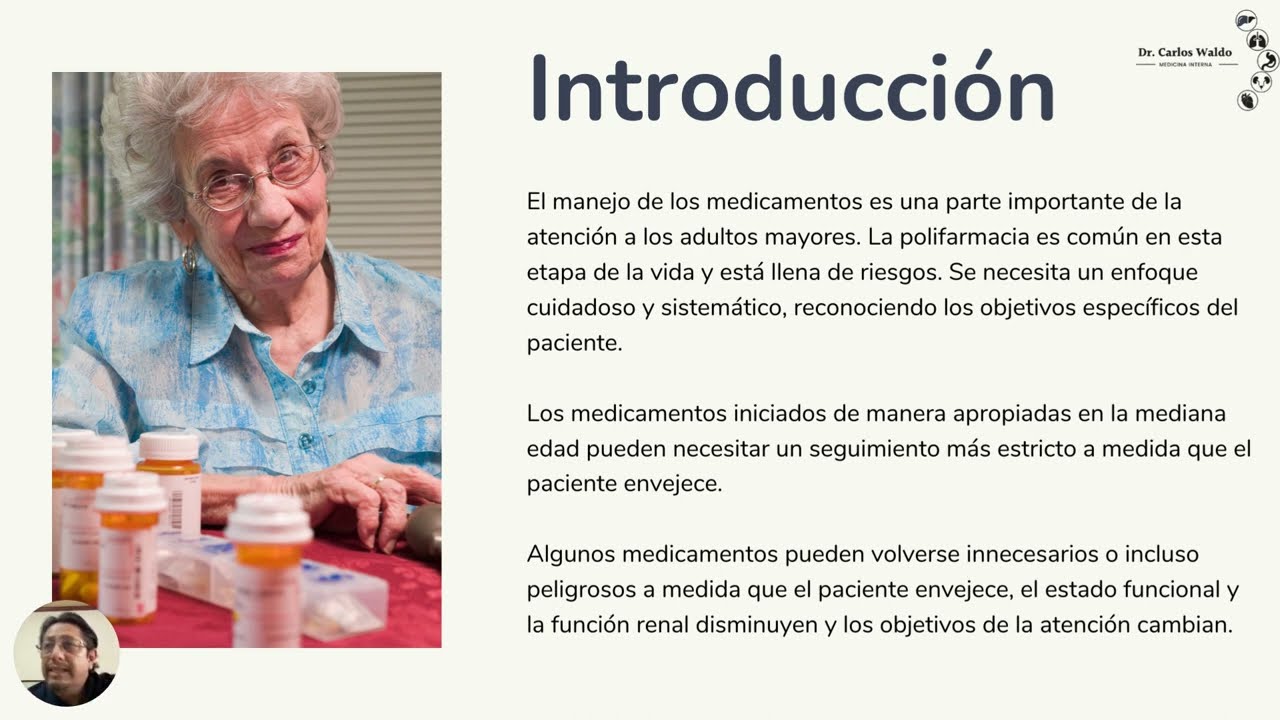








This presentation by Dr. Douglas Drummond provides practical guidance for family physicians on enhancing geriatric assessment skills, focusing on six key areas: (1) Understanding senescent frailty defined by three of five characteristics (self-reported exhaustion, slow walking speed, weakness, unintentional weight loss, and low physical activity); (2) Performing comprehensive gait assessment using the Get Up and Go maneuver, recognizing common gait patterns including cautious/senile gait, Parkinsonian gait, frontal gait, and ataxic gait; (3) Identifying falls risk factors such as antidepressants (68% increased risk), SSRIs, and bifocals, while noting vitamin D supplementation reduces fall risk by 19%; (4) Distinguishing mild cognitive impairment (MCI) from dementia, understanding that MCI involves cognitive decline in one sphere without independence impairment; (5) Recognizing musculoskeletal issues like hyperkyphosis, rotator cuff tendonitis, and lumbar spinal stenosis; and (6) Applying the updated Beers Criteria for potentially inappropriate medications in elderly patients.
Enhancing Geriatric Assessment: Frailty, Gait, Cognition, and Falls
Added:those are my disclosures and there are none and I thought we would talk about some of these issues my intention is just to give you a pearl here and a pearl they're just sort of skidding through various aspects of geriatric assessment is there something else that you would want to cover in geriatrics other than what's there any anybody have any other issues that concern them I don't driving okay we'll try it we'll try to bring that in if we can because it's got a whole hour and it's not it's on its own sure okay so first of all I just want to wrestle with this issue of frailty because I've had trouble with that concept of frailty through the course of my career it's kind of it's one of those very subjective terms like pretty or cool or something exactly how do you define frailty it is frailty a biological entity or not is this man for instance frail this is a man who attended the art day hospital in Prince George how do we define it and what are the implications of frailty I don't know that the Canadian study on health and aging actually did us any favors they made this this scoring system you've probably used it some of you I'm sure and it's basically entirely based on function so for instance somebody is said to be moderately frail if they need assistance with basic ADL's and with with iadls but that you know you could have a say a 55 year old woman with MS who could be at that level of frailty and you could have a 92 year old man with no comorbid disease whose frail and surely those can't be the same thing biologically speaking and I think they're not I think there is specifically a senescent frailty and that's what I wanted to address is the issue of senescent frailty now every organism every organism eventually goes into a senescence a phase of senescence near the end of their life cycle whether it's a fruit fly or whether it's a round worm whatever it is somewhere along the line the telomeres on the chromosomes are exhausted and the chromosomes stop replicating cells stop replicating macromolecule stopped being produced and the organism goes into this phase of in which they are quite vulnerable to morbidity and mortality at least in research this biological there or senescent frailty has been defined by these five characteristics and you must have three of the five present in order to say the person is is as senescent frailty so self-reported exhaustion slow performance usually measured by walking speed weakness usually measured by grip strength unintentional weight loss of 10 pounds per year and low physical activity and we assume that not explained by other sorts of pathology sedessa frailty is associated with a high risk for morbidity mortality hospitalization institutionalization one of the defining characteristics of frailty and you'll see quite a lot of research now going on on sarcopenia which is in particular the loss of the muscle tissue so sarcopenia is one of the defining features of senescence frailty there's only a limited treatment available for it if your telomeres of it have exhausted themselves in your cells aren't divided you can't really change that anyway you can try to remediate to some extent through increasing the intake of calories and protein and by the use of exercise so there are other markers of yes many years ago elderly so well I've tried anabolic steroids is the question and I think I've tried everything I can think of to deal with senescent frailties such as the anabolic steroids usually dello test or something like that I've tried Megas to try to stimulate their their appetite I've tried regular testosterone I haven't found any of that helpful and I basically give it up and just go with diet and exercise now there are other features that occur during the course of senescent frailty and these are some of them the albumin goes down and inflammatory markers like CRP go up and those two usually go in lockstep don't they because albumin is is basically a negative acute phase reactant the total cholesterol level goes down and so now you get into this paradox where in people your age having a low total cholesterol was a good thing with a good prognosis but having a low cholesterol when you're 80 is a very bad prognostic feature so the optimal total cholesterol level moves up to about 6:00 in the in the agent the weight goes down but also the optimal weight for health goes up so that although you know the normal weight is said to be in the Ray BMI range of about eighteen point five to twenty five the optimal range for the elderly is about 26 and you'll see from this that that people who are overweight that is to say twenty-five to thirty as compete as compared to people with normal weight the over weights have a lower mortality rate than the normal weights and the under weights have a seventy-six percent greater mortality than those of normal weight so it's good when you're elderly to have some meat on your bones just don't get it too early in life I figure I've got a point now where I should just start picking out at this point so sarcopenia this man has definite sarcopenia the best place to see sarcopenia is at the temporalis muscles here and I always look for this with when I meet a patient the temporalis muscles there's no disuse atrophy involved it's not like other say leg muscles or arm muscles we all use our temporalis muscles whether we're young or old so when you see these wasted hollowed-out temporalis muscles you know that the patient is sarcopenia so there's one little probe for you and if you were to choose a marker of vitality and a prognostic feature for the elderly let's say you took a bunch of people at age 70 and you want to try to figure out who's likely to live the longest what would you look at what would you measure would it be hemoglobin would it be creatinine would it be cholesterol would it be BMI it turns out in repeated studies that the single factor that that correlates best with longevity is walking speed I often reflect on Amazon walking around the hospital corridor stuck behind visitors and I'm thinking like God your longevity is crap well so let's talk a bit about assessment of gait and I think at this point I might leave the podium of I if I may so just got to make the appeal to you that when you're doing your physicals on your elderly patients you want to actually do the get up and go move maneuver not the time to get up and go that's I don't think there's any point in measuring it in seconds you know just do the get up and go maneuver where you get the patient to walk down the hall and back and watch them but watch them with some discipline you know deconstruct what they're doing and take notes specifically at what they're doing so I thought we just talk about that for a moment if we if we could so let me just come down from here I hope you can still hear me if I do and maybe Lisa just so what I would do is hire for instance don't have my visions we read ahead of time the plans a temple so I am I have to take that away scale so I usually do this as part of my physical exam I've done the history I've done the cognitive testing now we're going off to the examining room to examine the patient and so I'll get them to do this on the way to the weigh scale so just ask the patient to stand up for you so if you could stand up for me a visa and now do you walk fairly grisly you know they're for me okay alright so let's go through it again so stand up for me now a lot of my patients would have a great deal of trouble doing that because these are chairs without arms and my chairs will always have arms because I usually need it but the fact that she can launch from a chair we call that the launched thyroid back she can launch it on the chair without using on it'll be a wonderful I think rarely seen in my in my practice just stand away for a second now the other thing that might see is the typical parkinsonian kind of launch which would be where the patient you ask them to get up and I hear this and usually a third time is a pickup your amplitude each time in five minutes okay they have trouble initiating so just walk down there being with honey so playing it fairly good stay down that way so okay so so the things you want to watch for would be the strategy in order to specifically take note of this product is that a short stride barely mantra fairly clear clearing that or is that a long stride what is the width of the of the bases the person widening the base in order to improve their balance by the arms swinging are they still aiming symmetrically so you know normal people with your arm pressing backstroke alongside it may be a very subtle it may just be that this arm isn't swinging as much as as the other market or a patient with Parkinson's disease or Parkinson's is virtually always asymmetric Parkinson's happens more on one side of the body even than the other so the president with Parkinson's well first of all apartments and patients with the forward flex they would have a narrow base and a short stride with very little attitude today extent and why I would assume lesson and then the next thing you want to watch is is I commanded her to turn round and that was quite deliberate so go ahead and walk the aim precisely okay my parents can cover so a lot of people remember the people on the turn this is so if they turn around and break it into four or five steps we're so pushy of course today nice fast attendance well so look at the turn and it compresses the facts and in classic of course means like staggering drunken standard usually return Parramatta a staggering else decide which come on back now now plumber exactly the next thing I did was when voice exactly because I'm going to do the Walmart and so would you put your people at it touching that for me that will come to the side and they guilty design and just put your arms to your sides now I'm just going to do with eyes open first because a lot of my patients in with their eyes open when they push I think hit her for phone and I right here I'm up and let her break it and now close your eyes instead still I know of course whether they're going to flow and I have to intervene but also hey yes sometimes I'll say wrong birth negative but sweet plus plus plus okay that's fine okay so that's that was for her not for me I'm sure thank you so there are some different gait patterns that you you're going to see and so let's just talk about a few of the most common gate patterns probably the most common would be the intelligent gait so that's a painful gait sometimes that break gait disorders down into lower level gait disorders and higher level gate-to-source that is say things wrong with the legs usually bad joints lower level gate-source higher level gait disorders things wrong with the brain or the with the CNS probably the most common of the abnormal gates would be the ant algae gait a painful gait a limping gait a hobbling gait and just watching the patient do that it's very subjective but I think you'll usually get the idea whether there have it having trouble walking because of bad joints or bad neurology to put it simply okay and keeping in mind to that in geriatrics we often say that in geriatrics the most common cause of anything is multiple causes because we things all mixed up to the mix of different pathologies going out at the same time so we can't expect to see a perfect pure case of any kind of a gait so we've done to get up and go there's a few optional tests that maybe I'll mention these are ones that I wouldn't do on every patient I would do them occasionally now one would be about retropropulsion or sometimes going to tug test and it's specifically used on Parkinson's patients because they have a hard time of it so I come behind after it on the bomber feet apart this thing will kill it up get your balance and don't let me knock you off balance that's the drug test and it's an even measure in terms of number of steps back either a full or the number of steps back Parkinson's patients have a really difficult time with without touch the turtles other optional tests that you might do may include the tenth of the stance and tandem gait so tandem stance is just where you stand one foot in front of the other west handin gait is the one where you do the heel to toe walking dangerous unable to be quite frankly I mean you've got patients of all ages so you might want to do it in your younger patients but you'd be lucky to get tandem stance out of an elderly person and sometimes I might do unit pedal stance so the ability to stand on one leg and then the ability to stand on me on the other leg and occasionally function will reach so and physiotherapists do this they'll have the patient put their hands out it'll actually measure it and say they're functional reach is so many inches because some will just fall over when they try to do that and you're there to intervene so those are a few extra balance tests that's right my tears any questions comments we have ten minutes at the end but I'm very happy we just have the interaction all mixed through this okay so some common gate patterns the intelligent gate we talked about the hobbling a limping gate the cautious or senile gate as it's called is a very common one that you'll see usually in your frail older people and it's the one where people are obviously uncomfortable walking and they'll get up and they'll widen their because they want to keep their balance of both again they'll hold on to just let anything that they can we can hang off to door frames as it fills your doors and they used to have your hands stretch like been waiting for a full and anymore it's not really a neurological gate it's it's a gate caused by the multiple deficits usually a combination of visual problems like macular degeneration a little bit of chronic vestibular difficulty maybe some sensory loss in the feet with proprioception started to go into therapy so the cautious are senile gait then the parkinsonian gait I pretty much demonstrated for you and you know you might want to actually go to the shopping mall and just start looking at people walking up and down it's great funny and there's lots of pathology there and I my wife and I do this all the time and I've got her trained now so she said that one's got Parkinson's right and I sometimes want to go up to people and I want to say to them do you know you've got Parkinson's disease and I bet you a lot of them don't because there's a usual like two to three year delay to diagnosis with Parkinson's disease okay now the frontal gate battered and that takes a little bit of explanation but it's one that you see quite often and we're not totally sure why it's called the frontal gate pattern because it's not usually associated with frontal pathology it's usually associated with subcortical pathology but this is the gate where you got a short stride but not shuffle steps sticky steps sometimes called magnetic like you have to pull each foot up off the ground and then place it down again and you can hear them coming up down the hole behind you because they go plop plop-plop-plop-plop coming down the down the hole usually a manifestation of subcortical ischemic vascular disease now that's what used to be called binswanger disease and so that's and you see it on cat scans all the time of heads they'll say something like there's reduced attenuation in the periventricular white matter consistent with the ischemic white matter ischemia so that's called Lou Clary OSIS that's the proper name for that and then chances are these the patient will have a bunch of those lagoons as well so this person has got in addition to the reduce attenuation like here and here here look who's here here in the corner not here in Bulgaria and so on so this combination of local area similar Coons may be associated it's very nonspecific and there are some people with that who will be actually totally asymptomatic but that is often associated with that so-called frontal gait pattern also sometimes called gait apraxia these people and there's lots them around now because you know back in bins Wangers day it was a rarity because vascular paths died and these are vascular paths and now vascular paths don't die anymore they just gets dented and they go on and on on forever so we've got lots of these people with this subcortical ischemic vascular disease around now they also have this pattern of cognitive slowing in particular so they've got cognitive problems but a different pattern of cognition from that that you see in in Alzheimer's disease Alzheimer's you just get that episodic memory loss did you ask me to remember three words you know whereas these people it's more slowing your cognition and trouble with retrieval so give me a hand oh yeah it was something to wear it it's a shirt you know they have trouble accessing the memory but they can actually make the memory just fine okay the gait I think you recognize that one usually the arm arm held here and laid on that side and doing this usually inverted and down like that right and occasionally you'll see the same thing bilaterally fairly rare but one situation in which you see that that you should probably know about it look for is is cervical spondylitis myelopathy okay that's cervical spondylitis my lobby that that's basically spinal stenosis but at the neck level so spinal stenosis in the low back you get lower lower motor neuron weakness in the in the legs because it's below the conus but if you get it up in the neck you'll get spasticity and an upper motor neuron science ok foot drop you'll see that a lot in the elderly you recognize that because these people will deliberately lift their leg high so that that totally we're the ground and then the ataxic gait which is but the drunken staggering gate which appropriately is nearly always due to alcoholics cerebellar degeneration okay any questions about the get-up-and-go or the assessment of of gait anything about that or Falls for instance but a little bit of information here on the Falls I wanted to mention a few things I get asked to assess people with Falls quite a lot and sometimes you just you do them you've got a negative examination you can't find anything they can do ten and walking their bird balance test is 56 out of 56 when the physio does it but they're still falling in that situation check their cognition because one of the biggest causes of Falls maybe this is a purl for you today one of the biggest causes of Falls is actually impaired cognition and I'll say to my physiotherapist in the day hospital everything's fine why is she falling and she'll say well yeah she does the dumbest things you know she gets to something in her mind to do and she'll just hop over obstacles and not the slightest bit of caution so before you get out the requisition in order hold your monitors and expensive things like that maybe just do a mocha test on on some of these patients so another point is is that in Alzheimer's disease so when I'm assessing Alzheimer's patients what I want to see is an absolute pristine neurologic exam there are no abnormalities and early Alzheimer's disease and their gait is is as normal there are gait problems and later disease but in early disease it should be perfectly normal and it isn't normal if you're doing a dementia workup and you find an abnormal gait look for something else maybe its vascular maybe is normal pressure hydrocephalus but it's not going to be Alzheimer's disease okay cognitive decline we got that here's something I'm not sure if you're aware of this but antidepressants contribute to Falls so this is taken from a meta-analysis so it's got a lot of end behind it antidepressants have a risk ratio of one point six eight so sixty eight years sixty eight percent more likely to fall if you're on an antidepressant and SSRIs are at the top of the list tricyclics SSRIs it doesn't matter and I do worry about this because just about everybody seems to be on site Alabama these days and if you notice that but just about everybody comes to see me is on a proton pump inhibitor and citalopram and aspirin they might as well just make a poly pill it has all of those things in it because everybody seems to be on it and I worry about about that okay so the antidepressants increase the risk of Falls and you'll see that they increase it as much as benzodiazepines do or more as much as sedatives and hypnotics do as much as antipsychotics do and so antipsychotics increase the risk by about one point five nine or 59% typicals and atypicals are the same no difference and if you want two different psychotropic drugs like an antidepressant and an anti-psychotic now the risk goes up by two and a half so um here are some other drugs that that may cause falls howdy hypertensives have a lesser effect on on Falls 24 percent increase and ACE inhibitors actually being the worst of the of the pack and I don't know the reason why beta blockers have a slight protective effect but they do and that's being repeated in several different studies narcotics oddly do not increase the risk of Falls you think they'd be stumbling around stoned but there that is no increase in Falls rate in the average patient on on narcotics and alcohol and Falls well it's just like alcohol and anything else people who drink a little bit seem to do better than the rest and people who don't drink at all are worse and people who drink heavily are worse still here's the latest on vitamin D based on a recent meta-analysis I'm sorry I didn't give you the reference here so vitamin D reduces the risk of Falls by 19% this was based on a meta-analysis that involved over 2,000 elderly patients the number needed to treat was 15 but there is a dose-response and you may need a higher dose like 800 to a thousand units of vitamin D in order to get this this effect so if we are going to have a poly pill I say that we put the vitamin D in the poly pill and and maybe take out the citalopram well there are vitamin D receptors on on muscle there's vitamin D receptors in many many tissues even there's some cancer preventing effects of vitamin D I'm not a cellular biologist I can't tell you all the details but it doesn't boot muscle strength bifocals in the elder hill well they increase the risk of Falls I mean bad vision increases the risk of Falls but bifocals in particular have consistently been shown to increase the risk of Falls and I can see why because you know you when you're walking up and down stairs you're just not at the right focal length down there and trust me I know because these are these are variable bifocals and and in a way I hate them it's true there's that I'm not specifically delivering a talk on Falls here because we could go on for a full hour on that but there's lots of other things too associated with Falls including cats and dogs sleeping cats and dogs seem to be a very major cause of current growth so I thought we just Segway now we do a bit on on cognitive impairment and I know we can't talk a lot about cognitive impairment in a session of this length but I just I want to make a couple of points we're all seeing a lot of people who are complaining about their memory aren't they because people are much more aware now of Alzheimer's disease it's not a shame so much anymore people are bringing it to us early they've heard there's treatment itself so when people come for assessment of their memory basically we could end up concluding there's nothing wrong with them maybe they're worried maybe they've got a family member who's who's had Alzheimer's disease or they've got dementia or they fall into this in-between category called mild cognitive impairment or MCI so are you guys kind of up on your MC are you comfortable with the idea of MCI or should we maybe discuss that at it maybe we shouldn't okay so mci basically means you're not demented but you're not normal so look at this graph here that that I made so you see the top line says normal aging so with age there is a gradual slowing and inefficiency that comes into cognition but it should never get down to the point of interfering with independence so that's the level at which it would start to interfere interfere with adls and iadls and normal aging so dementia is basically defined as cognitive impairment that interferes with ADL's that impairs independence and function MCI is the in between ground where you don't yet meet the criteria for dementia because there's no loss of Independence yet but you're considered not normal for for your age okay so these are the specific criteria for diagnosis of dementia you have to have decline in two cognitive spheres so that can be memory speech executive function attention visual spatial praxis gnosis etc so you have to have deficit in two areas to the point of causing impairment in ADL's that's how you define that's the cutoff point for dementia MCI you have to have cognitive blind in one cognitive sphere it doesn't have to be memory actually but preservation of of independence albeit possibly with a bit of inefficiency in in your in your functioning so that for instance if you kind of know you're forgetful but you can still use strategies to compensate for your forgetfulness will say that's okay there's no loss of Independence yet you fall into the MCI and a territory the reason we want to make the distinction is that dementia we would usually treat with cholinesterase inhibitors but also you know the usual sort of dementia pathway of education and support and and and so on MCI there is no evidence that cholinesterase inhibitors will help you in the MCI stage that's why why we're kind of working with while we're talking about this here is to try to help you define at what point a patient might actually benefit from from therapy but MCI is a heterogeneous kind of category there's a whole mixed bag of people at MCI probably the largest portion of the people at MCI are just preclinical Alzheimer's disease so that everybody who develops Alzheimer's will pass through that phase of MCI on the other hand not everybody in MCI is going to go on to to to Alzheimer's disease about 70% will go on to Alzheimer's or 50 to 70% will some will be non progresses and some will be revertas but very few actually are reverter so an example of a reverter might be say somebody whose cognitive impairment was due to depression and the depression lifted or maybe they've got sleep apnea and you finally talked them into that CPAP mask or maybe you replenish their b12 or whatever their thyroid the non progresses there's often something that gave them the sort of single hit that then doesn't deteriorate so take for instance somebody who went for a cabbage operation cabbages is notoriously hard on the brain and it's not uncommon for the brain to take a bit of a hit from a cabbage in the elderly and then often it will just stay at that at that level but the majority will progress on to to retention okay so what tests should we use what cognitive tests should you order or perform in your offices now the MOCA you know has come on the scene and people have this message that the Moke is the better test so let's all use the MOCA and it's being overused because it has its niche and its niche is in mild cognitive impairment it's meant to be a harder test it's meant to be like a stress test that brings out milder degrees of impairment don't use it in people who actually have established dementia or where the history is telling you because by the time you take in the history and you've heard that there are impairments and multiple spheres of cognition and they're significant in interference with ADL's you know that that patient has dementia already so I would just do an MMSE or more likely a 3ms test that the expanded version of of the MMSE that modified mini metal state so MMSE or three NS if you're pretty sure that you're headed for dementia and MOCA if you're pretty sure that you're headed for mild cognitive impairment any questions about cognitive testing okay here's a little pearl I want to leave you with and that's about the normal results on a mocha so the people who develop them okay and Montreal said that a normal score was 26 or better I think we're learning that it's not so here this is just being published within the last six months the Dallas Heart Study so they enrolled almost 3,000 people and they did mochas on almost 3,000 people and then they published the normative data from their study these were not people who are cognitively impaired these were just people in a population study looking at their cardiovascular health so what they found is that broken down by educational status so let's say a high school education grade 12 in a person in their 60s the mean mocha was only 21 so it's way below what the people in montreal say that your mocha ought to be so you might want to just keep that in mind when you're administering these tests I wouldn't call somebody MC I just because they score at under 26 on a on a moment okay that points being made so let me change topics again I want to go on to one of my favorite rants about depression and demoralisation and I don't think you'll see this in the literature very much I admit it's a pet peeve of my own but I think there's a difference between depression and demoralization depression is a mood disorder demoralization is where an elderly person is bummed out over all sorts of nasty things happening them you know the spouse has died or the spouse has got Alzheimer's disease and they've got painful joints and they can't get around like they used to and I've been told they can't drive anymore and their vision starting to go from the macular degeneration and help life is no fun and being elderly is like that but is that the same as being depressed this patient might come to your office and say doc I I'm feel the pits I'm really low and you do the GDS and they score quite high they maybe scored 9 out of 15 on the GDS but I bring them to the day hospital because I need to rehabilitate them from a number of conditions and they come to the day also and they're just absolutely the life of the party they're having a great time they're socializing they can forget their their problems a person with real depression can't forget their problems they have this pervasive low mood the person with demobilization loves it when the grandchildren come over the person with depression says keep those kids away from me they just can't feel that pleasure anymore I think although there's not a lot of science behind this yet I think that antidepressants will work much better in depression than they will in demoralisation so again maybe think twice before you reach for the citalopram in some of these folks okay that points be made another reason is that SSRIs are associated with osteoporosis so they're there on that list of drugs that that cause osteoporosis so this was this data was taken from the study on an osteoporotic fractures so the normal loss of bone density per year in the elderly 0.47 percent per year it's the same if you're taking a try cyclic but if you're on an SSRI it's almost doubled so it's now well established that SSRIs do contribute to osteoporosis as well as contributing to full so you've got a double whammy going on there a few other drugs that are known to cause or contribute to osteoporosis another one that's in our poly build of the PPI anticonvulsants we've known about that one for four years but even gabapentin is on the list the thiazolidinediones so the pioglitazone for instance the aromatase inhibitor is being used for breast cancer now are are bad at causing osteoporosis and perhaps the worst of the bunch would be androgen ablation therapy is used in men with prostate cancer on the other hand hydrochlorothiazide actually improves bone density and reduces fractures a little bit as does tamoxifen but of course as the tamoxifen because it's basically the same thing as a raloxifene which we uses it as an osteoporosis therapy so musculoskeletal ills how are we doing for time so I think we're okay so I see a lot of of these problems I just thought I'd share just a few with you hyper kyphosis so these ladies who you see usually ladies some men with these crooked backs right and you say okay you've got osteoporosis do you know in fact most of them don't but the majority of people with with these twisted hyper chaotic backs in fact do not two-thirds do not have any osteoporotic compression fractures what it turns out is that that hyper kyphosis is basically another form of frailty that is probably due to sarcopenia with with muscle weakness that has led to the flexors taking over from the extensors the flexion being stronger than the extensors with a progressive curvature it is a potent marker of frailty and predicts demise the way that sarcopenia does for for instance the dwindles okay if you want it to measure the degree of careful assess you would do the wall to occiput distance measure the distance from the person when they stand up against the wall I don't think you you folks would really want to do that but you can measure it here's a key message these people mostly ladies are going to complain a shortness of breath don't give them lasix it's not going to help and I see that happen all the time is that that's the usual response when an elderly person comes in and says I'm short of breath they get lasix these people have restrictive lung disease their lungs are all scrunched in there the bellows can't bellow anymore and if you talk to them they won't actually usually say I'm short of breath on exertion they're more likely to say I can't get a satisfying breath and they'll want to do these signs or breaths so hold the lasers when some of these folks complain about shortness of breath here's something you won't see in any textbook and I have no idea why because it's a terribly common problem and that's a rib on pelvis pain so these ladies with the crooked backs and the scrunchy lungs maybe leaves it just if I could bore you again for a moment you normally just turn your back everywhere normally you would appeal a person go down to their lowest rib and input we can put two fingers that way I can almost do three here now I can do three things that are Condoleeza between the lowest rib and the pelvis these ladies are actually hitting the pillows and it hurts and so when they come in and they say talk to my back aches and usually they say oh dodge my back aches like this maybe don't order an x-ray just just come in here with your hands and reach them for those lowest ribs and the intima bit of a squeeze and see if the patient jumps because they'll tell you if it Thanks they'll tell you that that hurts what can you do about it well maybe you might have to talk to your OT in your PT about it because there's a limited amount you can do you know having having an armchair that has arms on it that they can actually offload a little bit of the weight is one thing and maybe having transfer poles because every time a person gets up from chair or bed you know they scrunch the ribs down there into the end of the pelvis and maybe a transfer pole Knight might help that rib on pelvis rotator cuff tendon awfully so bad shoulder you know so many elderly people have bad shoulders but probably eight times out of ten its its rotator cuff tendon appa the-- two times out of ten it might be glenohumeral joint arthritis but shoulder arthritis is actually not a terribly common form of arthritis whereas rotator cuff tendon appa the--and the elderly is is close to universal so that superspinatus in particular gets gets kind of ratty and partial tears and inflamed so and a lot of elderly people have just mean total you've got arthritis whereas in fact they often do respond well to cortisone injections into the subacromial space they're really probably only two tests you need to confirm that it's it's rotator cuff so there's the empty can test and the drop test so Lisa I'm sorry but I need your gained so on the on the drop test to basically just raise the person's honor you're usually doing range of motion or something then you say okay now lower your arm for me and of course if the rotator cuff is completely torn what's going to happen is just Fenton it's going to fall to the side the other test is the instant answer so like you're emptying a can of beer put your hands in this position way back like that and then pull down on on the arms so resist me when I do that so that will usually bring out the pain of suicide HDMI so those two testers basically all you need to confirm that it's it's superspinatus tendonitis and I inject a lot of these and in general I do a lot of joint and soft tissue injection there's the landmarks you want to just feel the end of the acromion process let's give Lisa a break in thing you just said so just feel the end of the acromion process it is the entry acromion come a little bit to the back because of the shape of the humeral head there's a little bit more access behind so feel free to come in and come back here just a little bit make up left on the skin I use the cap with like my needle to just press and make a little mark on this game and then slide in there and a perfectly horizontal fashion point them in that direction and it helps people especially in the elderly and don't think I don't worry very much about well is it gonna cause a rupture of the of the tendon or not these are people towards the end of life usually these are not young baseball players and and they need that shoulder because you know my physical therapist in the day hospital is telling me dr. Drummond do something eject that shoulder we can't get anywhere in therapy she can't use her Walker because her shoulders won't work properly she can't get her tops on because her shoulders work won't work properly okay any issues around that lumbar spinal stenosis boy is that ever common in my in my world and I bet you it is in yours too I think when I finished medical school I didn't even know this existed but boy you just can't shake a stick at all the people now with lumbar spine and spinal stenosis but maybe you need to look forward in a slightly different place or slightly different way because often they aren't complaining of back pain at the time they will all acknowledge that they've had a bad back for years and years but they're often not complaining a back pain now their pain is down in the legs somewhere sometimes around their ankles or wherever and it's often asymmetrical often one leg hurting more than the other sometimes with paresthesia numbness but not not always you kind of expect them to have lower motor neuron signs like weakness and diminished reflexes they don't usually usually the neurologic exam is completely normal but it's good to identify them because they do tend to respond fairly well to those epidural steroid injections so I I refer them to our pain clinic and one of the anesthetist will do epidural steroid injections which are modestly if only temporarily effective for them here's a few just interesting tidbits about lumbar spinal stenosis because the spinal canal is a little bit bigger in flexion people like flexion they tend to walk a little bit leaning over for that matter and because they like flexion and they dislike extension they don't like to lie on their back because the spine is more extended when you're on you're on your back they like to lie on their side where they can curl up they don't like to walk downhill because you're more extended but they do like to walk up you know where you're your flexed a bit more they don't like to use a treadmill which extends you whereas they do like to use an exercise bike which which is done more in flexion and they love shopping carts and sellers and this is another pet peeve of a not peeve or ranted line is about zellers and the shop and if you walk through Zellers on any given day and you'll see all these these older ladies and they've got their shopping cart there's nothing in the shopping cart or maybe there's one little item in there they've got their elbows on the shopping cart and they're bending over the shopping cart pushing it along like this just zellers is covered with with with with them and it's because they can offload their joints it could be hips and knees but it also could be the spinal stenosis so so watch for the zellers phenomenon I hope target does is well for us I hope they supply the buggies the way that to the sellers this i also inject a lot of pelvic ligaments so this is a very common problem in my world in the elderly where they get n fascitis or inflamed ligaments and in particular the the two that are always getting inflamed are this one here the long dorsal sacroiliac ligaments as follows the sacral a are joint down and this one here which is the iliolumbar ligament goes from the 12 five and you feel just fairly it was a tenderness right over those those areas and it's caused by asymmetrical forces on on the sacrum you know the sacrum kind of like the Keystone and an arch and if the forces on it or asymmetrical cuz your back's crooked or one legs longer or whatever you get a chronic inflammation in these ligaments and I inject them with with cortisone it's a good deep in injection that's quite safe it was anything down there that you're going to to run into and you stay well away from the sciatic notch which is way way down there so I do a lot of those with quite good results and I see a lot of people who come to me and they say I can't walk I've got pain I've got arthritis in my hip and really they don't they have bursitis they've got trochanteric bursitis as their main problem they're all women I've injected hundreds of these every one of them is being a woman I don't think men get trochanteric bursitis as far as I know and the injection works very well on on these folks just you don't use any landmarks you just find the tender area and mark out all the tender region and then you go and infiltrate it down deep just sort of go down with your needle until you just hit bone and then back away a little bit and inject and just keep doing that through the whole area that's involved okay so here's another segue here into into medications which is the last topic but it does anybody want to go back to anything we've covered so far to talk about before we go on okay so I just thought I'd let you know that the beers criteria have just and just in the last month or two being being updated so if you're not familiar with beers beers and his colleagues came up back in 1991 with this list of potentially inappropriate medications for the elderly they revised it in 1997 and now the American geriatric Society has thrown their lot in with beers and colleagues and they've they've essentially done with this what people do with appearances guidelines where they've actually got now to the point of saying this is level 1 evidence level 2 evidence and 3 and grade a grade B etc strength of recommendation so I think we can have a lot more faith in in the beers the AGS beers criteria now so I just thought I'd share with you a bit about that you probably want to bookmark the website where you can find the beers criteria or get the article that's being published in and I forget which journal and the beers drugs are now classified in three group three groups so there's one is the main group of potentially inappropriate drugs for the elderly the other is potentially inappropriate for certain diseases like say heart failure for instance and the third is is a list of drugs that should be used in with caution in the in the elderly now some of the potentially inappropriate medications won't surprise you I think although they'll publicly reflect and say okay I've got quite a few patients on these medications and believe me I have a few too but so the anticholinergics ferns and anything anticholinergic the first-generation antihistamines the tricyclics benzodiazepines of any sort Demerol and NSAIDs and I'm sorry to say that after the last talk who is kind of Pro and say but if you hear it from a geriatrician they're definitely anti and say maybe a few drugs that might surprise you though that are on the beers list of inappropriate medications would be ones like nitro fianto and in chronic administration in chronic administration they don't actually say for acute administration but it's over the peripheral neuropathy issue that you get with chronic administration of nature if you're on tone to raise us in well I bet we've got a lot of patients on on that one amiodarone you see an awful lot digoxin at greater than zero point one two five milligrams spironolactone at greater than 25 milligrams all anti-psychotic drugs typical or atypical Libby ride but Diamox is okay insulin by sliding scale not in hospital but four and metoclopramide and I fully agree with medical pride it's just the most awful drug and I please never give it to an older person just horrible ups syndromes that you get with with medical pride any thoughts on on this it's kind of scary because you've all got patients on these drugs don't you have elderly patients on these transcendant but maybe you know maybe the message is okay they're on one and you've tried to get them off it but you can't okay live with it but if you find that your medication list has got two or three or four of these drugs on it you really have to give your head a shake maybe and another thing is if you work in nursing homes you might actually want to do audits in your nursing homes using the beers criteria to say okay what is our exposure to beers type drugs on average here's the second group the ones with a drug disease and a contradiction so for instance in heart failure not recommended to use a cox-2 inhibitor or one of the are those dhp or non dhp calcium blockers I can never remember or Glitter zones like pioglitazone and if the patient has a syncope history then not using the cholinesterase inhibitors the aricept and so on for senior disorders and I don't think I knew this one but I see that in seizure disorders they say you shouldn't be using either a Lanza P nor tramadol I didn't know that and in Falls you'll see that for patients who have a history of Falls don't use SSRIs and antipsychotics just echoes what we said earlier in the in the presentation and for CKD not to use triamterene now I've known that for a while so that's the potassium sparing agent that's in died and it causes interstitial nephritis and drugs to be is with caution well a si for primary prevention but only a week recommendation at the bigot ran for atrial fibrillation for anticoagulation and I think that's largely based on on the renal issues because there have been a lot of mishaps with the bigoted ramp because you it's really excreted and patients with renal insufficiency of have hemorrhaged badly on on dabigatran and SSRIs and SNRIs and mirtazapine make the list of drugs to be used with caution it's not because it falls or osteoporosis in this case they're actually citing that their tendency to cause SIADH or hyponatremia they also offer a list of what they consider to be strongly anticholinergic drugs that should generally be avoided in the elderly so dimenhydrinate or gravel diphenhydramine and quite a lot of elderly people use that as a sleep aid I think you buy it as what sleepies is that I think sleepies is is is diphenhydramine hydroxyzine or atarax paxil certainly paxil is a good drug I find for the young especially young with anxiety disorders but for elderly people I'd much rather go with something like escitalopram for instance this is products now I can't because it's more of a functional diagnosis than an age but so as I think let's at the first inkling of frailty say or maybe at age 70 or something like that as I get older my definition keeps changing olanzapine is is quite strongly anticholinergic and I've known that life so I've never used olanzapine as some people do for say delirium because some people in hospital for delirium will use a landspeeder zyprexa something Julie I think it's a bad choice for for delirium because it's so anticholinergic locks beam is too for that matter so actually halo paradol wins top honors for delirium oxybutynin told her Dean we were using a lot of that and cyclobenzaprine which would be flexural yes and you have to keep the Monica Zarr I would you think my preference is escitalopram or sup relax yeah and you know if they were on paroxetine and you couldn't find anything wrong there and you didn't have a reason I might not change that but let's say that they've come to me because I've got cognitive impairment and they're on an anticholinergic drug so the part of my treating their cognitive impairment is to get them off everything that's anticholinergic so then I would do a switch say to escitalopram and you know I think we're getting awfully close to the end I don't know that and I don't think anybody knows that yet we're kind of guessing that it does because you know how they've got the two enantiomers and you've got the R and you've got the S and supposedly the S is the one that does the good things in the are just contributes the side effects well so you've got pure s and no R so we're kind of thinking that you're getting the same effect with less drug and probably less less hyponatremia but that's only a guess I looked into that once because I've got some patients who have chronic hyponatremia but really need an antidepressant it seems as though bupropion doesn't cause hyponatremia maybe it's just that it hasn't been studied enough but I can't find any any record of hyponatremia occurring and bupropion treated patients so that's what I've done is is when I've been stuck that way I've I put them on bupropion celexa and their sodium was quite low and she been taken off the celexa to improve her sodium in her mood really deteriorated and so everything I read was like they all can drop your sodium so I sent her to geriatric psychiatrist asking for some guidance and around reveron which does the same thing so token state within normal distance she's been on it but she's on just pinch in your mood but I was like looking at you all day all right yet I think you'll find less with bupropion certainly Remeron does probably at therapeutic doses all of the SSRIs the SNRIs cause like monotreme you okay anything else you want to talk about I think we're right on time okay
Up Next
PSA Elderly & Renal Medicine: BNF Prescribing Tips | Manchester MedEd
@McrMedEd
171 views•2026-01-24

Graphic Medicine: Comics for Collaborative Healthcare Communication
@nationalpatientadvocate
189 views•2023-12-04

Neuroanatomy: Central and Peripheral Nervous System Divisions Explained
@AKLECTURES
136.2K views•2014-09-20
Stages of Labor and Vaginal Birth | Childbirth Animation
@nucleusmedicalmedia
52.1M views•2017-08-18
Related Study Plans & Knowledge Roadmaps
Structured learning paths in Medicine