

![1. Dr. Ahmed Abdel-Rahman [General Pharma]](https://i.ytimg.com/vi/fOmM0BKT62s/maxresdefault.jpg)




![[ BIOLOGÍA FREE ] - CELULA EUCARIOTA | Citología 🌿👉😍](https://i.ytimg.com/vi/LhFpQalsOM0/hqdefault.jpg)



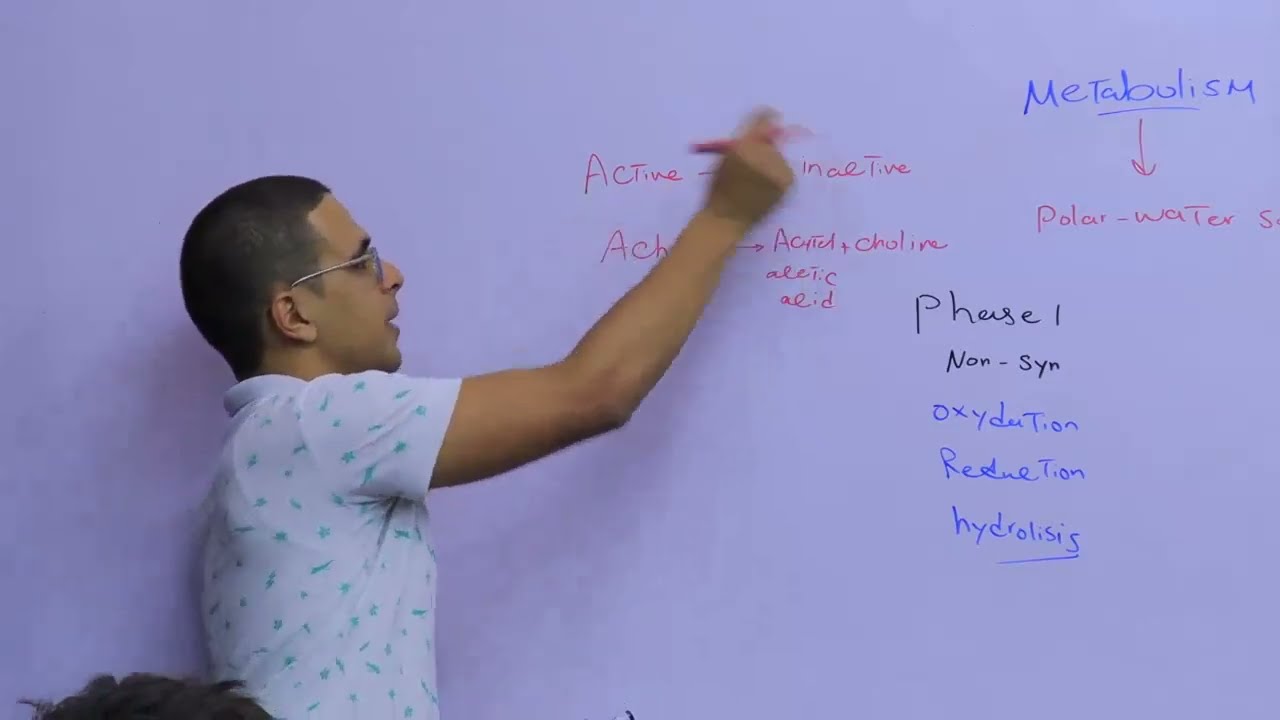







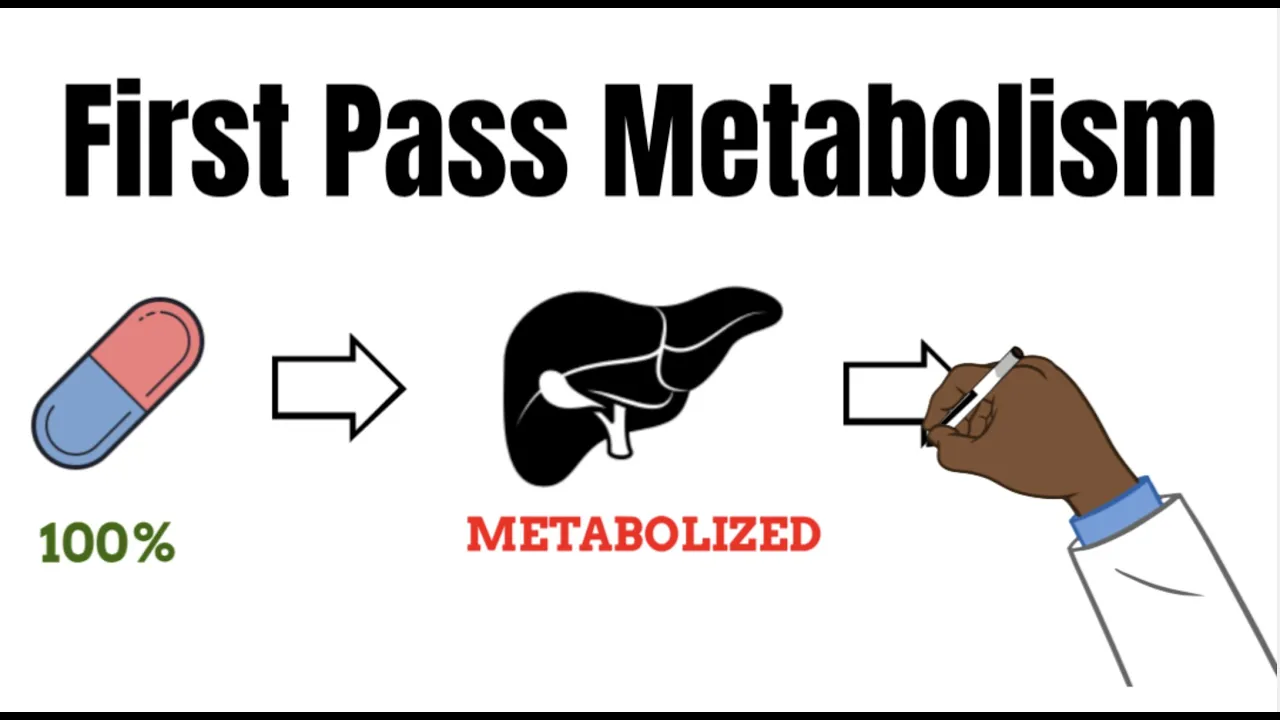


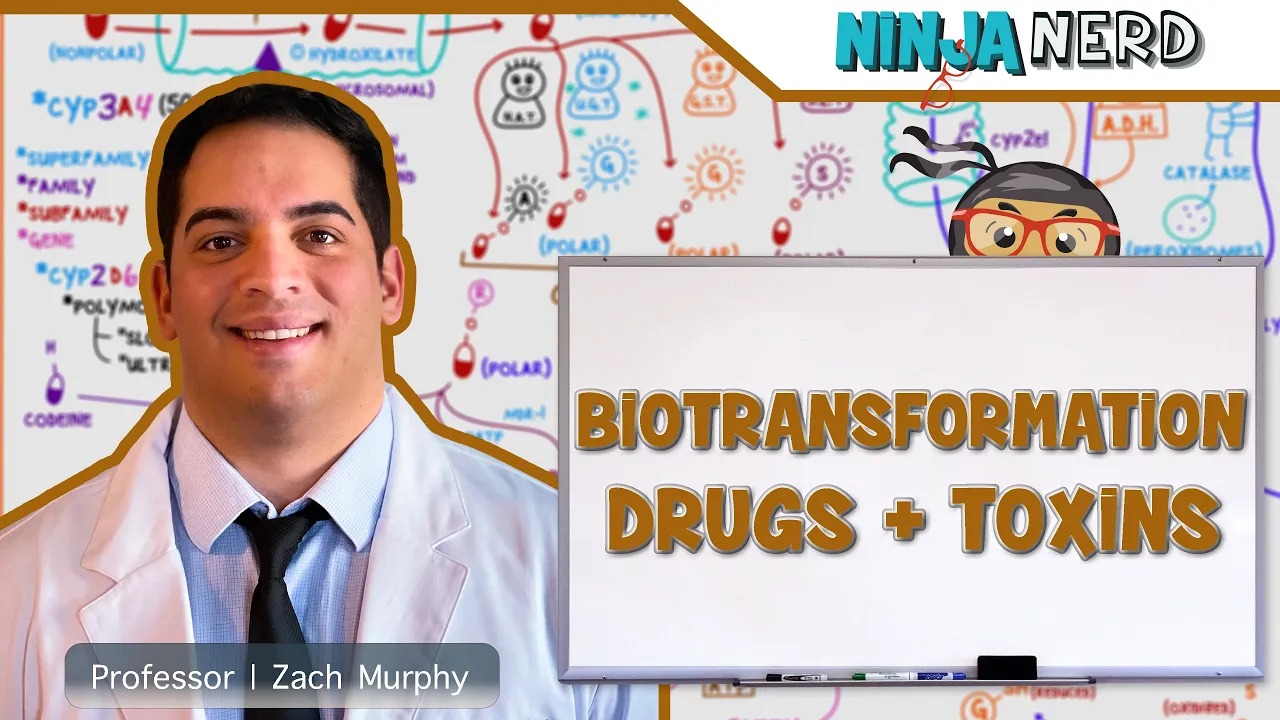

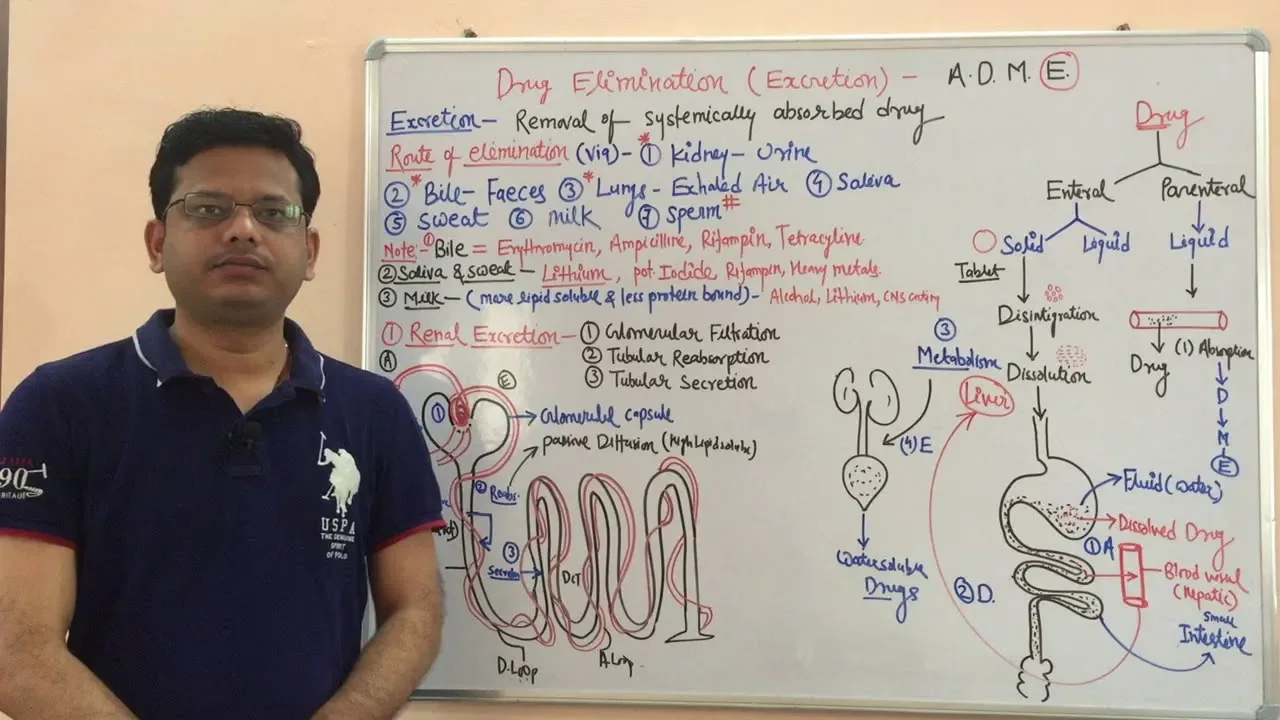
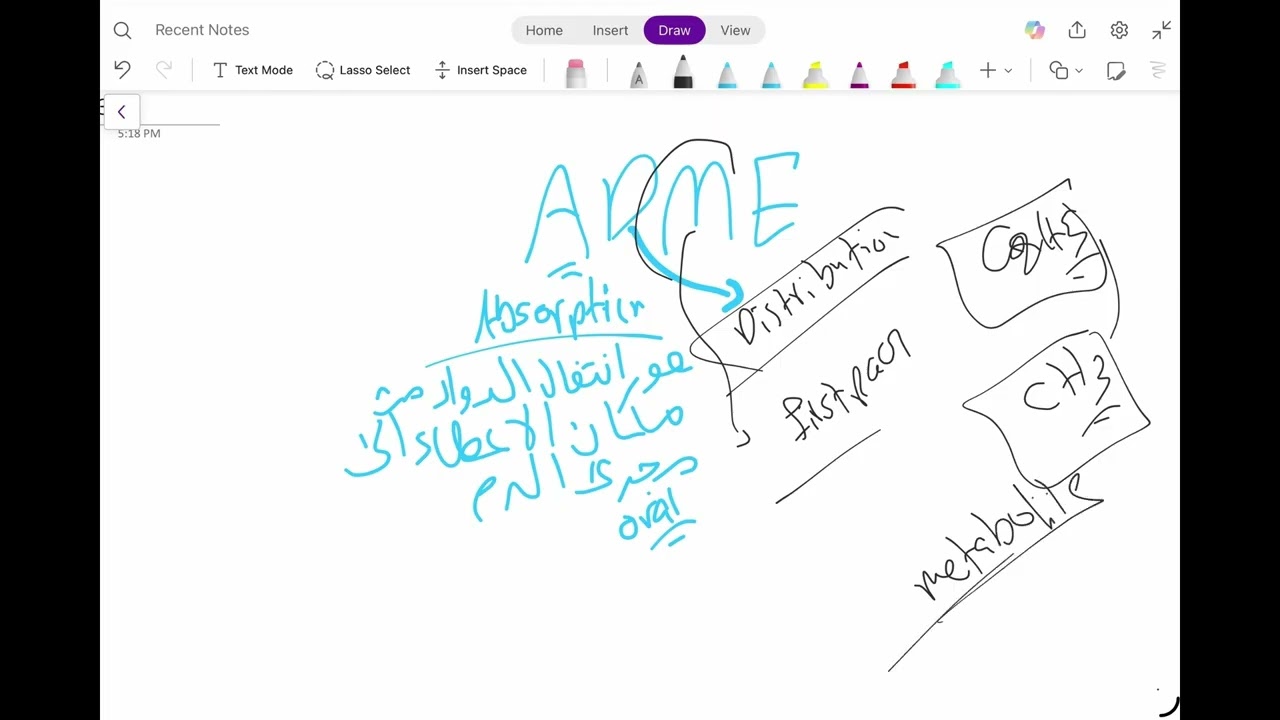
Drug metabolism is the protective biochemical process by which the body converts hydrophobic xenobiotics into more hydrophilic metabolites for elimination; this process occurs primarily in the liver and is classified into two phases: Phase I metabolism involves functionalization reactions (oxidation, reduction, hydrolysis) that add or reveal functional groups to increase polarity, with cytochrome P450 being the primary oxidizing enzyme; Phase II metabolism involves conjugation reactions where transferases attach large polar molecules like glucuronic acid or glutathione to further enhance solubility and facilitate excretion, and the outcomes can range from producing inactive metabolites to active metabolites or even toxic metabolites depending on the specific drug and metabolic pathway involved.
Drug Metabolism Explained: Phase I and Phase II Reactions
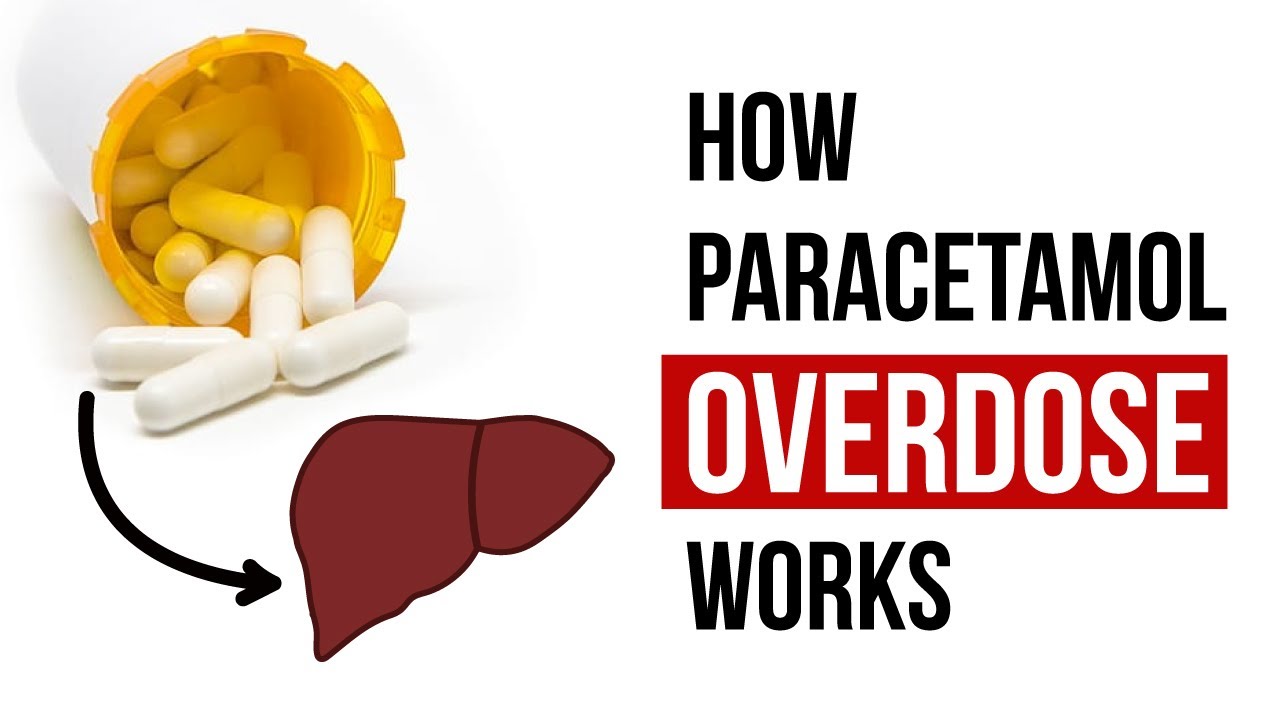
Added:metabolism is the protective biochemical process by which our bodies alter xenobiotic either enzymatically or none enzymatically generally drug metabolism begins with a hydrophobic drug and converts it to a more hydrophilic metabolite to facilitate its elimination an understanding of the drug metabolism process and the potential outcomes is critical for developing safe and useful pharmaceuticals drug metabolism can result in one of two products an active metabolite or an inactive metabolite in active metabolites of the drugs basically have no pharmacological activity of the original drug an example of that would be the hydrolysis of protein into para minor benzoic acid and I a cell is an old mine which results in the loss of anesthetic activity of protein on the other hand an active metabolite can mean that the metabolite can retain the same activity as the parent drug that's a parent when codeine is d methylated to a more active drug which is morphine however in some cases we notice a result known as bio activation where the parent drug is inactive and the metabolite would have a pharmacological activity in this case the inactive parent drug is called a pro drug an example of a pro drug is enalapril which has no activity as an antihypertensive agent but upon hydrolysis it becomes enalapril at which is a potent antihypertensive drug bio activation of a drug can also lead to a toxic metabolite the widely used acetaminophen has a metabolite that is called in acetyl P benzoquinone e mean which is hepatotoxic I have explained the mechanism of toxicity and the antidote in my previous video which I linked in the description below the liver has the highest concentration of drug metabolizing enzymes because of its location between the gastrointestinal tract and the systemic circulation based on the reactions involved in the metabolism process we can classify the metabolic pathways into Phase one metabolism and phase two phase one metabolism is characterized as a functionalisation reaction where they add or reveal a functional group by oxidation reduction or hydrolysis hence leading to an increase in overall polarity of the drug which facilitates its excretion in the urine oxidation is the most common phase 1 reaction cytochrome p450 is a super family of oxidizes that are responsible for the majority of oxidation reactions it's found in very high concentrations in the lever oxidation can also happen through alcohol dehydrogenase which is an enzyme that oxidizes alcohol into aldehydes from primary alcohol and two ketones from secondary aldehydes can be oxidized from carboxylic acid by the enzyme aldehyde dehydrogenase we can see that in the example of conversion of acetaldehyde to acetic acid in the metabolism of ethanol another phase 1 reaction is the reduction reaction there are several reductase enzymes common reduction reactions include the reduction of disulfide bonds in which disulfides would be reduced to free sulfide rails another reduction reaction is done by aldo keto reductases which reduce carbonyl containing compounds back to alcohol in a process opposite to the oxidation than by alcohol dehydrogenase the last type of phase 1 metabolism reaction is hydrolysis hydrolysis is basically the addition of water across a bond resulting in a more water-soluble metabolite a great example of that is Easter hydrolysis which is performed by the enzyme mysteries found throughout the body histories is the responsible enzyme for the hydrolysis of an Easter into a more suitable alcohol or carboxylic acid now that we have an idea about phase one metabolism reactions we can start explaining the phase two reactions phase two reactions are commonly called conjugation reactions owing to the fact that they add a functional group on the drug for the purpose of increase in its polarity the conjugation process requires an enzyme generally termed as transferees that transfers the large polar molecule called a cofactor on to the drug there are a lot of examples on phase 2 metabolism reactions of which we will mention the most common first example would be glucuronidation glucuronidation is the most common Phase two reaction blocker on acetyltransferases is the enzyme that is uses UDP GA as a cofactor to transfer glucuronic acid to several functional groups like hydroxyl carboxylic acid and hydroxyl amides the glucuronic acid adds a significant amount of hydrophilicity to the molecule facilitating its excretion process another popular reaction is glutathione conjugation which results from the addition of glutathione molecule to an electrophilic substrate being a nucleophile glutathione generally acts to detoxify the electrophiles [Music] glutathione is transferees is the enzyme responsible for the reaction of glutathione with electrophiles like epoxides and halides after the conjugation the product is excreted as myrrh capture ik acid in the urine thank you guys so much for watching the video if you liked the video make sure to like it subscribe and tell me your suggestions for any future videos and see you next time
Up Next
Photosynthesis NEET: Photosystems & Quantosome Explained
@NeelaBakoreTutorials
263.3K views•2016-07-15
Bacterial Communication: Quorum Sensing and Biofilm Formation Explained
@JHUAAP
12.6K views•2011-06-28

Enteric Nervous System Explained: The Gut's Brain | Neurobiology Lecture
@alumniu6029
438 views•2018-09-12
Bacteriophages: Earth's Deadliest Killers and Future Antibiotics
@kurzgesagt
34.6M views•2018-05-13
Related Study Plans & Knowledge Roadmaps
Structured learning paths in Biology