



















Successful enterprise software companies scale innovation by organizing as multiple independent startups within a single company, each with its own leadership, accountability, and go-to-market strategy, while maintaining a unified culture focused on solving large problems through great products, strong sales execution, and customer-centricity.
Jyoti Bansal on Scaling Innovation and Harnessing AI in DevOps
Added:Fundamental DevOps concepts, including the CI/CD (Continuous Integration/Continuous Deployment) pipeline and software development lifecycle (SDLC) phases.
Basic concepts of Artificial Intelligence and Machine Learning, particularly how automation and predictive models function in software systems.
The challenges of organizational scaling, such as managing technical debt, developer cognitive load, and maintaining agility in enterprise environments.
An understanding of tech startup dynamics, venture backing, and the transition from early-stage growth to enterprise-level product-market fit.
Advanced AIOps (Artificial Intelligence for IT Operations) methodologies, focusing on predictive testing, automated rollbacks, and self-healing pipelines.
Modern Platform Engineering principles and how to design internal developer platforms (IDPs) that accelerate delivery at scale.
Enterprise AI governance, security protocols, and ethical considerations when integrating generative AI into automated software delivery pipelines.
Strategic leadership frameworks for scaling technology organizations, including Go-To-Market (GTM) strategy execution and managing multi-product portfolios.
10.1K views43likes21:53Original Release: 2025-03-03
[Music] hello welcome to the cube studios here in our P Alto studios in middle of Silicon Valley and welcome to the cubes Tech Innovation cubed Awards where we celebrate the winners of our inaugural program the competition was fierce we got a lot of great entries High Caliber entries showcasing all the Innovation across the industry and today we're joined by joot who's been on the cube many times founder and sea of harness just acquired his other project traceable all Under One Roof recently had on earlier award-winning entry around the Innovation around harness uh and his variety of other projects but he took the category top honors and most Innovative Tech startup leader JY congratulations uh on the award welld deserved um great great career you've had and keep on having and Entrepreneurship and building companies investing in companies thanks for coming on the cube and congratulations yeah thank thank you John and great to be here back again so Innovation obviously was Central to our themes and it's an inaugural event you never know if we're going to have another one it's the first looks like we're going to have another one we had 43 judges um we thought going to be me Dave and a handful of us here at silicon angle in the cube huge Community response um to the cube and what we do and again again real big Community award you've been an innovator um you've had a great career had great success in the past continue to have success with harness you've think you made a lot of projects uh keeping your hands dirty you're building companies uh traceable was just announced recently we had you on the cube with your CTO and and again more success what approach are you taking these days give us a give us a taste of your mindset one in the market we're in and two the lessons in entrepreneurship and Leadership that you've brought along the way and the impact it's had yeah you know I don't think anything changes uh in the world of innovation except like you know the rate of innovation is increasing so I'm very honored and uh you know in many ways like you know thrilled that there is so much Innovation opportunity right now uh for for anyone you know we have uh AI is such a big disruptor in the market uh that creates the room for innovation in in so many significant ways uh so you know for anyone who's uh want to drive businesses build businesses based on Innovation it's it's it's it's a great time you know when I look at my Approach you know to entrepreneurship and Innovation to me it all starts with the you know a problem that you're are passionate about and I look at like you know if you if you are pro passionate about a problem you've experienced some pain somewhere and you really really are convinced that there has to be a better way of doing something that's where the Innovation starts that's the spark of the Innovation there and now you take from there and you really focus on like how do you how do you solve the pain better than anyone else in the in the in the market you know maybe 3x 5x 10x better than you know how people have done it before you really focus on delivering that to to your to your consumers to your customers and that becomes the the the the center piece of everything that that you do now you know Innovation on the tech is not enough right you have to convert it to a business and you know that's uh for me as an engineer ter entrepreneur uh like you know like many entrepreneurs uh uh you have to learn the business part of it which is like you know go to market you know um how to build a scalable business how do we inate at scale and things that I had to learn over time you know you've u in in entrepreneurship there's always the books written people go to school for it I mean I went to school in the 90s when I got my business degree you know coming from a computer science background oh business is easy oh man it's not that hard it's not that easy you got to get customers you got to build out a team so you've uh there's been always that product Market fit conversation and you've written some seminal posts one of them I like the most on was it's hard to sell talk to your customers right because you have to build the business talk about that Dynamic around you know building a great product going to a great Market it's the classic VC thing hey big markets are great I'll take an a market B Team any day or no a b Market an A team however the expression goes but it's not just solving the problem you actually got to go execute talk about some of those um lessons um and then how does that compare to now because we're seeing a lot of acceleration yeah it's there's a lot of acceleration right now like you know how you build products could be much much faster you know you need less number of people less Engineers AI is a big uh Big Driver in in the productivity around how good products could be built and very very fast but once the products are built you got to get it out in front of people and depends on like you know what kind of product it is you are selling to Consumers you're selling to SMB you're selling to large Enterprise you have to figure out the right distribution so as I as you know I talk about it like you know as uh the the product Market fit starts with the not just like you know that you have a product that sols a problem in the large Market but also how do you distribute it in the right way I call it product market sales fit if you don't get you if you can't figure out the distribution channel uh and that aligns with the product that you built and that aligns with the the you know the market demands and the market needs you're not going to succeed uh so I do think uh uh right now it's like products can be built faster The Innovation velocity is higher uh you know you're seeing companies that are growing really fast U uh you know and building products with very small team so that's that's uh you know that's that's very key you combine with with with the right go to market philosophy be the right go to market execution and and iterate over that as well that's uh you know that becomes core of it when when the businesses grow you know quickly you also have to to Al be ahead of what's next you know it's because things are moving so fast and if you're behind on what's next even by like a few months or six months a year you'll you'll be you'll be you'll be left behind you know one of the things um I love about your journey is you've been in the Enterprise right the Enterprise go back 15 years when we started the cube it wasn't that sexy no one was really covering it it was a green field for us as we say um and even the decade before you had the classic B2B Enterprise sales you hire a sales team hope for the best scale up get that round now you're seeing entrepreneurs I was just in New York interviewing a bunch of young entrepreneurs under 30 I was expecting to hear about some consumer some great models yeah there are out there but these young guns they're they're calling on Financial Services they they're selling to the Enterprise so Enterprise has become uh a big market and a lot of these companies have one-year ARR contracts and because they're in these POC Purgatory right so talk about how you see this Enterprise sales motion because you got to get the distribution but getting a POC isn't enough you have to kind of cross over it's like going to the airport and going through TSA right you want to just sail through but you get stopped all these kind of like trigger points talk about that dynamic because the Enterprise has changed talk about that Dynamic how startups focusing on the Enterprise what it takes to be successful yeah if you look at a Enterprise uh what has Chang in Enterprise is the that they are more open to Innovation they're more open to newer Technologies uh than they used to be like you know you used to be like you know 15 20 years ago uh people will say no one gets fired for buying from IBM and that was kind of the mindset in a large Enterprise like you have to go after the the safe choice that has changed a bit you know Enterprises are you know you could even argue like you you could be fired for buying from IBM these days uh if you are if you are a Enterprise that you're not enough innovating or you're not not thinking ahead you're very old school about about some things but it's so that's that's a great thing about Enterprise but a lot of things haven't changed as well like you know it's Enterprises are complex organizations they multiple stakeholders multiple decision makers you know so you go to market is not just about the product and solving the problem it's also about making the business case of how an Enterprise uh uh you know uh what's the impact is going to be for them so a lot of the Enterprise selling is about you know justifying the business value justifying the business case get and and making it a durable business case for them so that's where like you know you go out of the POC to a to a to a real uh implementation in a large Enterprise if you proven out the business value not just a technical uh implementation the business value the business outcome of what impact are your product is going to make and can it make in a sustainable way you know the companies that I built you app Dynamics harness traceable we focus on large Enterprises significantly and you know we we understand like you know to sell to large Enterprises you have to build a product that's flexible you need to build a platform that you know uh it's and take a platform kind of approach to it uh you have to uh you know start small in many companies and kind of grow from there to a pilot you have to show your prove your value you have to combine with like you know uh you know uh coexistence with their existing tools and processes you know they the Enterprises don't have a luxury to replace everything you know in in in in one day so those are some principles if you if you have to to succeed in a large Enterprise talk about the role of the founder um you know I've always been a big believer the founder Le approach um however you need to have real professional sales teams you know gone of the days of you know the VCS taking over bringing in the sales team kind of a hybrid model going mostly successful today that we see that classic Playbook has kind of been recognized as a little bit too slow and sometimes it's do domain expertise yeah you still got to scale up yeah you need an army of sales people once you kind of get there how should Founders and other Business Leaders that want to build and penetrate the Enterprise think about one Team Construction team makeup and two the go to market specifically around how AI is is being um looked at um some of the AI is the hurdle on security high but some of the PC are plentiful so is there an approach you you see today that's viable this gets you a nice Beach head um for an entrepreneur and a founder and not when should the founder not take their eye off the ball orever you know f a Founder can never take the eye off the Eye Off the Ball but really depends on the different stages like you know of of any startup so when you're just starting it's all about product Market fit getting your first you know a first million of Revenue getting making sure like you know your product is solving the problem you're finding your your your go-to Market kind of approach Etc and the founder has to do all all of it at that point you really cannot fully delicate out at that point you know you uh you won't be uh able to even recruit like good sales leaders good marketing leaders at that stage because you're still proving things out but once you start getting from like that initial product Market fit and product Market distribution uh you know uh fit then you can start bringing in leaders and that's the only way to scale like you know you need like you know sales leaders marketing leaders uh and I do I encourage all founders like you know bring in the best people you can like if you a product oriented founder which most Founders are like you know like uh like like I am uh I I I always look at I need to lean on my superpow my superpow is building great products and but I need to bring in my team people whose superpowers are you know very good being very good in selling very good in marketing very good in you know uh uh in in operating engineering you know all kind of functions that we need uh to scale and uh you know sales is very important like if you're selling into large Enterprise uh sales is uh there's there's a lot of work that happens you know having a structured sales process on how do you generate demount how do you run the sales process how do you do negotiations uh you know how do you do uh create a uh a momentum in any any large company you know you have you know for marketing perspective you have to do a lot of things around you know creating your brand your awareness your visibility and over time you have to become a machine around it but as a Founder you want to make sure like you know you have the right people you can lean on and these people can U you know know what to do professionals and selling and professionals and marketing Etc I have to ask you because you know I'm old enough to remember when proprietary software ran the day and open source was just starting now it's like what it was wasn't always free um you're seeing a Renaissance of I call um older entrepreneurs that came from that systems generation and the Young Guns are rising up in the same time Ai and you know these this AI infrastructure whether it's security or you know just raw infrastructure and now the software layer on top you're seeing kind of like a a Confluence of of age uh experience relevant experience coming in what's your thoughts on that what's your reaction do you see the same thing um I'm seeing Founders in their late 40s starting companies you know you know I'm I don't believe in the there's a right age for any founder to me you could be a great founder at 22 you could be a great founder at 62 uhuh it's it doesn't really matter like as long as you're willing to learn as long as you entrepreneurship is all about constant learning yes there are some prior experiences that really help um but prior experiences cannot help sometimes as well like they you know the the the freshness of thinking because you you you have a new lens to something is very powerful as well uh so to me it's like a successful entrepreneur has to has to constantly learn yeah and there is no Edge to it like you know it's it's doesn't mean that you know if you uh you can't learn when you're younger you can't learn when you're older I've seen you know companies uh and fers who are very successful you know at any any any age I do think the the opportunity of dis disruption is very key and the mindset for disruption is very key that you want to uh go after the status quo of how things are done and you're very passionate about doing solving that so it's you know it's great to see like you know people of all kind of Ages are coming together and see the opportunity that is out there in front of us with the AI changing things and opportunity to build new products and new companies yeah I love that great great that Pro tip there yeah opportunity recognition is key you seeing opportunity go after it don't be afraid run into the fire just disrupts go after that market because you can get it opportunity is the is you know it's only the opportunity recognition is the first 2% of the job right it's the 98% is the is the execution on the opportunity after that uh because you know if there's a good opportunity that you recognize there's a high chance that there's another 10 to 15 uh good entrepreneurs have recognized that opportunity as well yeah if no one else has recognized opportunity most likely it's not a very big one uh and so now it all comes down to the execution who executes better and like you know execution is all about like you know speed to Market you know how fast well you do how you scale you know the execution on product execution on distribution uh all of those things would really decide who the who the winner and the loser is yeah exactly go Outlast and then grinder too It's a Grind sometimes sometimes good days bad days I have to ask you looking back at your journey you've had very successful uh exit Okay went back to the back to the ranch kind of settle in start again get back in the get it back in the arena looking back at at at the time in your in your journey here certainly with harness and the work you've done what's been some of the key turning points or point or decisions that helped you um go through this to get recognized today obviously um you got a great great track record but what was in your current Journey what was those key turning points and decisions that helped you um get to where you're at today definitely the you know uh the lessons that I've learned is uh the first part like a lot of times the conversation is about how do you start a company how do you build get a product Market fit how do you uh get a get a successful startup going but that's really the step one the step two is how do you scale Innovation you know when and when I uh look at like you know when I was now doing this uh as a as a repeat entrepreneur that's the problem that I was very passionate about like how do we scale Innovation beyond our first product first product Market fit to a product number two to product number three four 5 7 10 you know maybe like you know that we can build dozens of prod successful products and scale Innovation so the the turning point for for harness you know harness our mission is that there are about 40 million software developers in the world and software developers you know that's the cost of software engineering for 40 million developers is about $4 trillion and out of that 25 30% could be tuned if we can uh and and and optimized if we can bring the right tool chain for devops for quality for application security for you know uh cost management phobs all kind of the work that's not really the creative work of software engineering but really the plumbing and the mechanics that we go go uh you know in software engineering uh we can create all massive productivity gain so we have a big mission big bold Vision right but the the the challenge is like you you can't go and address it all right so you start with like one part find product Market fit succeed and then you have to scale Innovation across the board so we at harness we we we you know we came up with this approach called startups within a startup you know so harness is one startup with you know about thousand employees in in the company and growing very very fast one of the fastest growing at our size Etc but it's internally structured as 15 different startups like so we have different 15 different startup leaders startup CEOs who are working on different you know different products or we call them different modules in our platform and these and they have their ownership their accountability almost operat as a independent uh uh startup will operate in Silicon Valley uh you know with the and how we we we how we build the products how we compete in each of those different areas how we go to market how we package and that's been a turning point and kind of like I would say the the the the center of how we were able to innovate at that kind of scale yeah that's awesome great great tips there I have to ask you to kind of wrap things up and first of all congratulations on the award welld deserved again track record has been phenomenal continuing to innovate I love the approach every successful entrepreneur has that DNA you're born to be an entrepreneur you've been product oriented got you got the experience in the Enterprise continuing it off going on what's your secret sauce what would you say is the most distinctive aspect of your approach has enabled you to push the boundaries of your success well my secret source is it's really simple buildr products I I look at like you know if if you have a large you know I simplify it down to a few things one is like you know go after a large problem space build great products and that's really the you know becomes the the core strength combine it with very strong goto market sales execution you know the and then make sure you really take care of your customer customers and not just say it you really really take care of your customers and then you create a culture of you know oper organizationally that's very inclusive of like you know uh and uh it creates a like we are all in the boat together and solving these problems together and uh innovating together instead of like a very top down micromanaged kind of culture I look at like you know if I do these five things eventually success happens and you know and we will will go after large problem space and build good products and and sell more love the agile approach of the multiple startups within the startups great Innovation there speaking of startups within the startups you actually had another startup um traceable that you merged in with harness talk about that because that wasn't a startup within the startup that was another startup so again mindset there was get a separate team take more territory look Downstream was that intentional was that yeah that sort of like you know we uh I started that as a separate company because the the buyer and user personas were very different like you know and we going after the engineering personas and uh uh you know I wanted to really solve the problems on next generation of application security code security and those personas were more around around the security teams the cyber security ceso teams uh so that's why I started them as two separate companies and you know but yes it was back of the mind you know that some point those two personas May converge and we started to see that convergence happening that like you know the engineering teams and the security teams are coming together and and co-owning you know how do you do secure software delivery how do we build software that is secure how do you uh you know uh uh uh how do you work you know uh in one one function as Dev SEC Ops and that's the reason like you know we decided to combine you know a few weeks ago announced that the two companies come together and they become startups within startup in one single company yeah and that's really a good example of the long game right you had the vision kind of you want to create some cohesiveness but you don't want to integrate too early right so harness had its cohesiveness starts with in startups traceable different persona again little bit of a long game there sounds like yeah you know it's it's uh and you need the flexibility right you know if the if the Mark if those personas and markets were not converging for another few years you know I would have kept them as separate companies for many for few years but the Persona started to converge much faster and it made sense you know we harness we have the startups within startup going and traceable we had startups within startup going as well just starting to but start but that same thing we are doing and now now they can both be together and and bring this giv more value to the market yeah can Better Together bring them together timing was great congratulations we covered that on Silicon angle Jersy thanks so much for coming on appreciate your time and again congratulations love your approach to one building companies um great entrepreneur again continuing to knock it out of the park and again we love covering all the action again as it unfolds yeah hey uh uh thank you and always great to be here with you all right great great job thanks so much all right that's the cubed he's been cubed as the innovating leader in building out companies of course Tech Innovation is part of our cubed Awards and our inaugural first class uh of winners we're going to be doing another one the second half of the year we'll get more coverage coming I'm John furry you're your host of the cube thanks for watching [Music]
Up Next
58:13
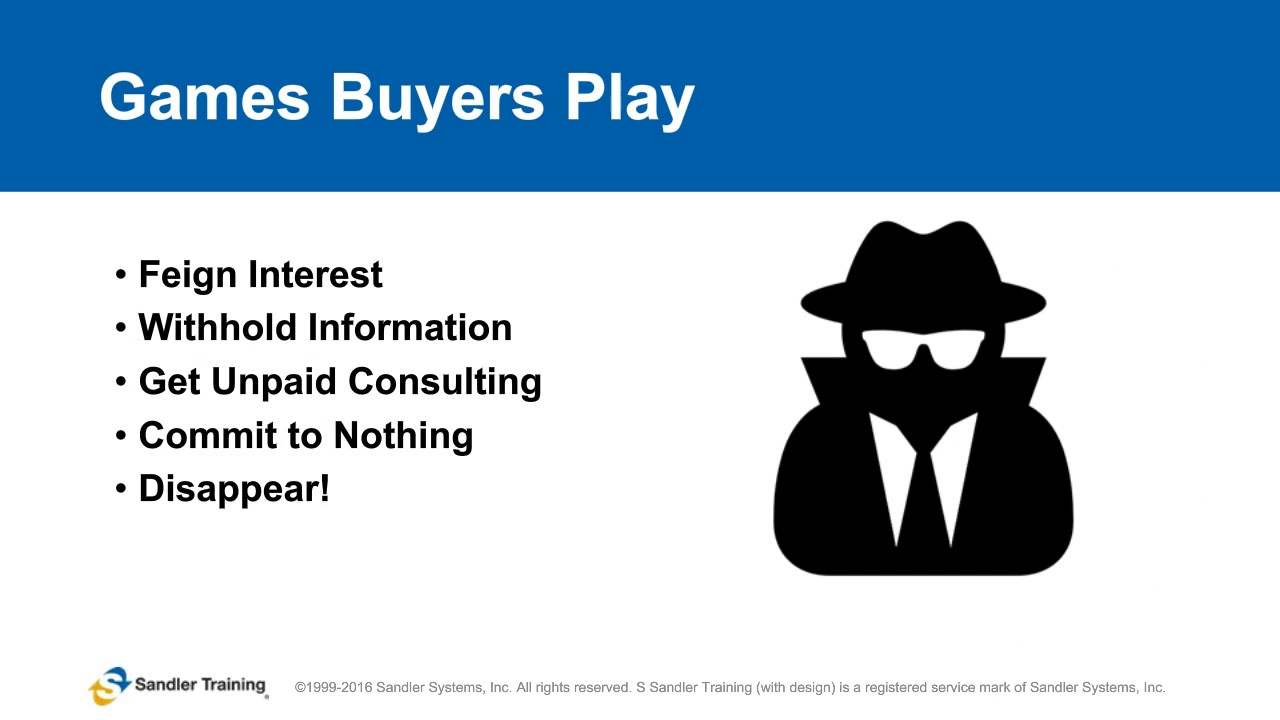
Mastering B2B Sales: How to Counter Buyer Games and Close Deals Effectively
@SandlerWorldwide
7.4K views•2017-04-03
66:41
Web3 Social Decentralization: Farcaster Co-Founder on Crypto Social Networks
@levychain
1.5K views•2022-10-18

15:23
Decoy Effect: How Pricing Psychology Influences Consumer Spending
@bobinvestsUS
90K views•2026-01-05

17:30
The Planned Obsolescence of Light Bulbs and Tech
@veritasium
25.3M views•2021-03-26
Related Study Plans & Knowledge Roadmaps
Structured learning paths in Business
business
CPG Retail Strategy: Pitching & Trade Spend
01Foundations of the CPG and Grocery Ecosystem
02Retail Math and Designing the Pitch
03Securing Shelf Space & Category Reviews
+ 2 more learning modules
12h5 modules
Explore Roadmap
business
Pop-Up Retail: Strategy, Design & Execution
01Introduction to Pop-Up Retail & Strategic Goal Setting
02Budgeting, Site Selection, and Legal Essentials
03Experiential Retail Design & Visual Merchandising
+ 2 more learning modules
15h5 modules
Explore Roadmap
business
Reg CF: Startup Funding, Marketing & Launch
01Introduction to Equity Crowdfunding & Reg CF
02Platform Selection & Legal Preparation
03Crafting High-Converting Campaign Assets
+ 2 more learning modules
14h5 modules
Explore Roadmap
business
Productized Services: Scaling Solo Freelance
01Foundations of Productized Services
02Packaging and Scope Definition
03Pricing and Subscription Models
+ 2 more learning modules
15h5 modules
Explore Roadmap