


















Buyers commonly play games such as downplaying interest, overexaggerating needs, requesting free consulting, and delaying decisions to protect themselves and maximize their negotiating power; salespeople can counter these tactics by following a structured selling system, asking permission-based questions, co-creating proposals with prospects, and being willing to disqualify unqualified leads to avoid wasting time and resources.
Mastering B2B Sales: How to Counter Buyer Games and Close Deals Effectively
Added:Understanding of the standard B2B sales cycle, including key stages from prospecting to closing.
Fundamental principles of negotiation theory, such as BATNA (Best Alternative to a Negotiated Agreement) and positional bargaining.
Basic awareness of the psychological dynamics between buyers and sellers, specifically the inherent tension and conflicts of interest.
Familiarity with the foundational concepts of the Sandler Selling System, particularly the shift away from traditional, high-pressure pitching.
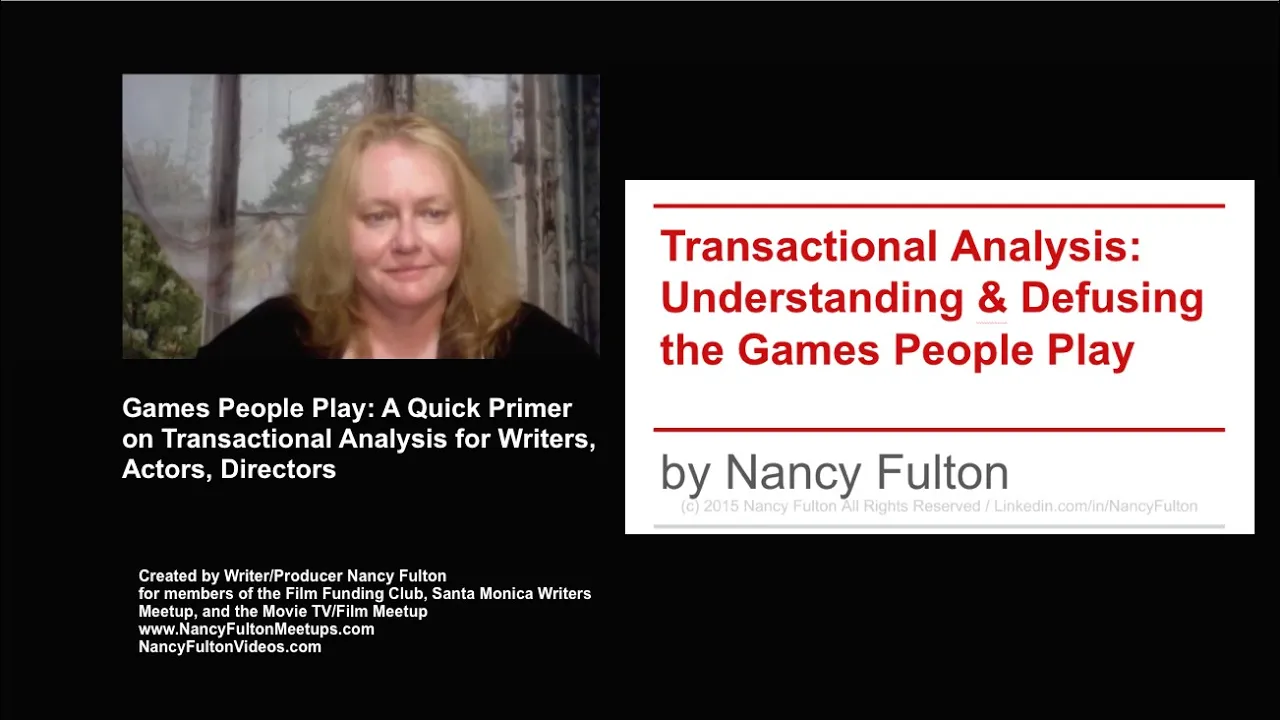
Application of Transactional Analysis (Parent-Adult-Child model) to analyze and de-escalate emotional games during sales interactions.
Design and implementation of 'Up-Front Contracts' to establish clear mutual agreements and expectations at every stage of the sales process.
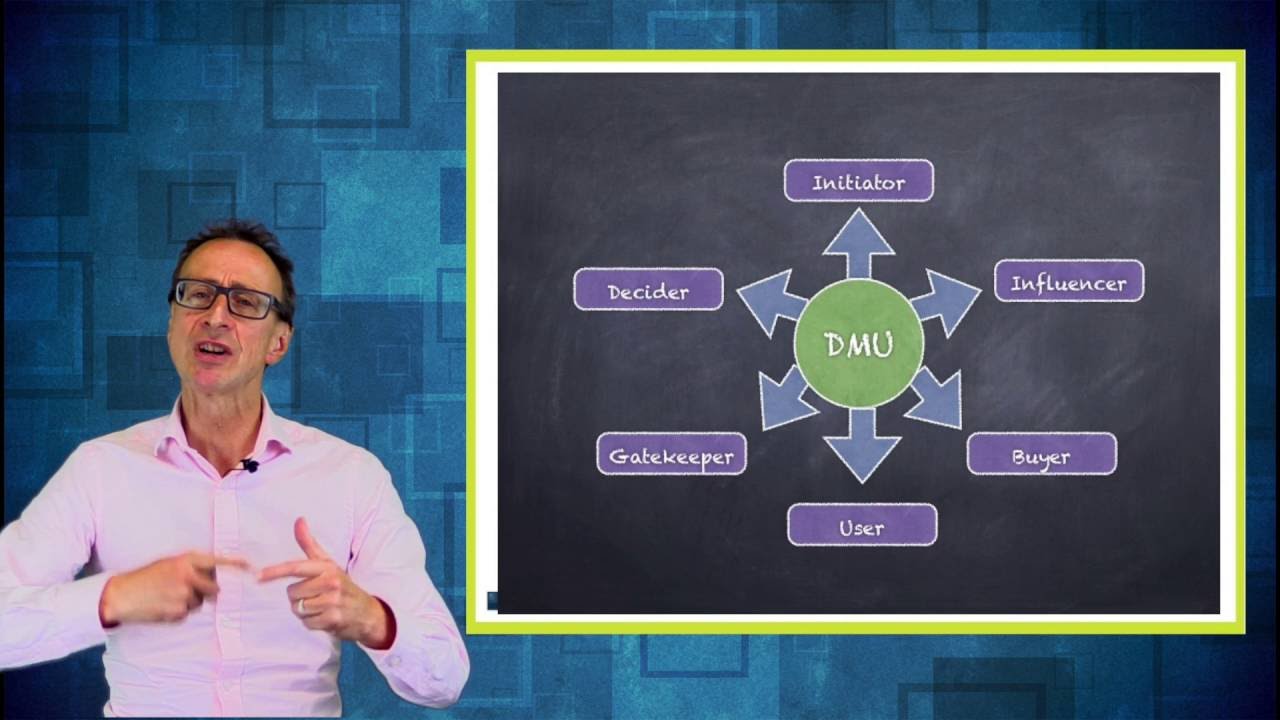
Advanced strategies for high-stakes enterprise negotiations, including mapping out multi-buyer decision-making units (DMUs).
Transitioning from transactional boundary-setting to building long-term, strategic client partnerships based on mutual trust and value co-creation.
7.4K views116likes58:13Original Release: 2017-04-03
Welcome everybody. We're excited for today's webinar. Um we're going to be talking about games buyers play and what you can do about it. Now, we've got a great guest. I'll introduce him and myself here in just a minute. Um but looks like we've got a handful of stragglers coming in. So, we're going to give them just another minute before we get cracking. Um, and while we wait, gonna play a brief customer spotlight of of Docystein and inside sales.com and our our relationship.
Docuign provides electronic signatures to uh both consumers and businesses. So one unique thing about docysine that's different from a lot of tech companies is we're pervasive in so many different industries and every horizontal within all those different industries. So these leads we get are very difficult to manage and and and understand the nuances and complexities of each business to this to the point that our reps were spending so much time on pre-all research. It was like a quarter of to a third of our reps day were just being committed to these activities that aren't driving revenue. They're not driving opportunities. Thanks to inside sales.com, we've been able to eliminate the guesswork from the SDR position.
We've been able to eliminate the biggest issue and the biggest frustration in their day, which is who do I call? So, the inside sales product has pretty much taken out the thinking. So, really what I do is concentrate on my prospect and the conversation. Um, and that's helped improve my productivity. It can be hard to keep things fresh and motivating. So far, I think that's good enough. If you'd like to watch the more uh the rest of the movie, feel free to contact me.
Be more than happy to do that. Couple house cleaning items before we get going here. If you've not checked out our sales acceleration podcast, you are missing out. Uh we talk all things marketing, sales, sales, operations every Monday, every Thursday. Um having a blast. Check it out on iTunes Sales Acceleration Podcast. Now, for those of you who are wondering, um webinar will be about 45 minutes. feel free to use the hashtag inside salesinar.
Um and then we promise we will get this out to you and it will also be on demand. Now with that um let's get into the funds. So um I'm going to I'm going to let let uh you know Dave introduce himself here in just a minute as well, but we're going to be talking about games buyers play um and what you can do about it. And I want to um uh you know me, I'm Gabe Larson. I'm I'm run what we call Inside Sales Labs. That's our research and best practice here at inside sales.com. But we've got Dave Matson who is the president and CEO of Sandler Training. And Dave, maybe you can introduce yourself and then I wanted to to ask the audience one question before we kind of jump in if that's okay. Sure. Yeah. Uh it's Dave Matson as CEO of Sandler Training and I'll give you a quick overview of Sandler Training in a second or two, but happy to be here. Uh personally have trained thousands and thousands of salespeople.
So I certainly have heard plenty of the games, Gabe, and and love to share them with you today.
That's a perfect That's a perfect transition. So before we get in, I wanted to ask the audience, first of all, I want to make sure everybody knows how to use their their question and answer because we want to make this interactive throughout the webinar and also at the end. So if you can go to your Q&A box, type in um uh what games, you know, have you experienced your buyers playing? As we jump into the topic, we want Dave to be able to have some context. And I just want to throw out Dave while some people do this um is my my own that I've seen I was mentioning earlier that you know we had we've just done a research study on kind of what happens at the end of the month and boy I'll tell you what consumers are playing us. They are um they wait till that last day and some of it's on us but a lot of it's on them. they wait till that last day of the month or last day of the quarter and they force us, you know, force our hand um to to drop the price and and and make us look bad. So, I'm seeing some other ones come in here.
You've got um Bart saying, "Call me in a couple weeks." Um let me think about it.
Christine says, "Using us as consultants." Todd says, "It's all about the price when it's really not." Um Ryan said, "These are great ones, you guys. I won't talk to you unless I'm allowed to set the terms for this discussion. Is that right, Ryan? Oh, man. That's a good one. Matt, these these are good. Sorry, Dave. I wasn't gonna go into them, but I'm getting I'm getting hooked here.
Matthew says, "The kick the can game, right? So, buyers are not being direct again." Bart says, "Call me in a couple.
Let me think about it. Hideand seek.
Going dark. We got a lot of hideand-seekers." No, that's a fantastic. So, so with that context, Dave, maybe hopefully you can help some of us figure out what to do about it.
We've all got these games. What What do we do about it? Over to you. Well, let me just put it into context if I can.
You know, so as you said a little bit about Sandler. Um, we have heard those games and many more that haven't been said yet over the last 50 years. And I would put Sandler in an expert in a couple areas. One is selling. So, we believe in a pull process versus push because I think if you push people through the funnel, they tend to resist and you know, garbage in, garbage out.
So, we're we're big on disqualifying, stopping the game, calling the game. And we'll kind of talk a little bit about that in a second. But really, it's a conversational sales model. And, you know, I think scripts are great, but oftentimes sales people, we learn our scripts, but the prospect doesn't have their scripts. And then they say something that we didn't plan for, and we're completely thrown off guard. So, how do we deal with that type of stuff?
And over, you know, our our training centers, we have a lot of people coming in struggling with how do I identify when there's a game, you know, because Gabe, these the people who have have already identified the game. Kudos to them. How many years did it take most of us to realize that they're actually playing games? We had no idea, right?
You know, it's like playing fetch. They threw the tenn they threw the tennis ball and said, "Here's the stall." We ran after it and said, "Oh my gosh, I'm about to close." You know, and they said, "Oh, no, no, no. Let me throw that tennis ball one more time." And you know, it takes a long time to learn these types of things. So, we're just really good at it. And so, I want to share with you really is some things on what what are some of the games that people play? And I'm going to talk about it kind of tongue and cheek, Gabe. But I think that, you know, why do people do it? Is it because they want to be cute? Are they trying to waste our time? I don't think so because their time is just as valuable. And in today's environment, we really have to make sure that we protect ourselves about wasting time on the seller side as well. And that's a good mindset because if we think that we're just getting dragged through the mud, we have to do something to stop this whatever it is in a very nice way because they may not be a prospect today, but they may be a prospect in the future. So, how do we do that? But I would say two things. One, the games that we complain about that you were laughing at, we're reading because we all know we've been there. We do the same thing to other salespeople when we're buying. I mean, it's true. So everything that we just heard that we are victims of, we love to victimize others in a situation when we put our buyer. So true. So true. So true. Yeah.
It's Yeah. I wish I could make that decision. Unfortunately, my wife's not here. Oh, I you know, you know, whatever it is. You can come up with a million of these things. And we do it, too. And that's why it's almost this dirty little secret that we have amongst ourselves.
But I also think it's self-p protection.
I mean, really, if you look at, and I'll even go to Hollywood for a second. How many movies are out there about sales?
You've got a million of them way back when with 10 men and then you got The Wolf of Wall Street and, you know, Boy in the Room, a million of them. No one has a great movie on all the things that we actually do and the value that we bring to society and it's just an awesome profession. They set it up as a predator a predator type environment and people are just saying let's protect ourselves, right? Let's I remember I told my parents I was going into sales.
They honestly thought that I was going to move right back into the house because I must be unemployed. And that's what they had thought because that's not they're not accustomed to that. And so, you know, it's h so how do we do it?
Well, I think there's a couple games that we may have seen. One is, you know, they they fain interest. So, what does that mean? I think there's two different things going on. One is they withhold information. They keep their cards close to the vest. I'm going to call it that because I heard that in some of the things that you say, they don't say when you come in and say, you know, Mr. Mrs. Prospect, hey, thanks for inviting me in today. Can you tell me a little bit about what's going on? A lot of people downplay. They hold their cards close to the vest. They don't want to say to you, "Hey, I'm so glad you're here. We have a real serious problem in service and this is what it's costing us and here's the ripple effect and we're losing clients and it's a real real problem. I need you. We're in trouble." They don't come right out and say those types of things because in their mind they go back to the movies. They think they're that all that information that you openly shared would be used against them, you know, and all of a sudden now the price is going up the more you need them. So they have to downplay that interest. They just kind of say, "Well, I'm not sure.
You know, we may have an interest. You know, things are okay, but certainly service could be better." and they just push it down because again they don't want to tell you how bad it hurts because they think if it hurts badly then that's a high price. I'll even give you an example. Let's do how we do the same thing with us. If I'm if let's say I'm shopping for a red couch and I know it's a red couch. I already I know what color. I know the measurements. I know what I want to spend. I go into a furniture store and immediately one of 300 people waiting for me to walk through the door approaches me and they say, "May I help you?" Now, Gabe, what did 99% of the people say? I'm just looking. Nope. I'm just browsing. Yeah, exactly. But we've already had this discussion in the car, my wife and I. We know how much we're think. And in my mind, I'm trying to get out of there in exactly, you know, 14 minutes because that's that's how I shop. But nope, just looking. Because if I said I had a $3,500 budget, in my mind, you're going to take me to the 35 to $5,000 where I could have, if I was smart, found the exact same thing that I really wanted in my fantasy world for $700 or whatever it is. So, I protect myself. Now, we've all seen it. We've all seen this happen. So, when people say, "I'm not sure I have interest." Unfortunately, the amateur salespeople, we try to throw more stuff on. Well, would you have interest? And then we throw the features and benefits on and then we throw the pricing thing on, right? But you really would have interest if it was so much less, wouldn't you? All that stuff gets kicked in. So, I think that's one of them. But the opposite is true, too. So, we withhold information, but the buyer also overexaggerates interest, but for a different reason.
So, one is I don't want you to know how bad it is because I think you're going to use that information against me. The flip side is they overexaggerate their interest because they want to keep their current vendor partner honest.
They want to see what else is new in the marketplace that they're not aware of so they could do it without you for less.
And so that stuff sounds like, "Hey, I'm so happy you guys are here. We've had this particular, you know, vendor here for about 10 years and it's time for a change. We really are looking for some innovative things to do. So, you can just, I mean, rock our world. Make help us become more innovative. Help us become more, you know, more efficient in what we're doing. We need help. And they just paint this up. And you can see a salesperson, especially towards the end of the month, as you said, they're just going, "Oh my gosh, this is a home run."
You you mean the prospect's mouth's moving. Salesperson's already spending the money. They don't even hear what they're doing. They're talking to themselves on some beach on an island spending the commission and they get excited. They get pumped up because what are they doing? Well, they're hooking us, right? Because they want to know all of the things. Doesn't mean that they're a prospect, but as salespeople, we lose more than we win. I mean, how really think about it as a profession. It's it's kind of we put ourselves into a lose situation. You know, we lose more than we win. So, when somebody says they are excited to see us, they are a prospect. They have needs for what we sell. We're almost like, thank goodness.
You know, when the first time I heard that, Gabe, I thought I was on candid camera. I was looking around for the cameras. I'm like, really? Because that's never happened to me before, you know? So, but I want to be there. It's better than it's better than going getting rejected somewhere else. So, I mean, I think let me ask you, you've seen some of those things, right? Where we're either downplaying interest or we're overexaggerating how bad we need you. It's common. Fair. It is.
Absolutely. I mean, it's I think it's like you said, it's the game we play.
It's the game we play. So, the question then is okay, that's step one. Now, I believe the buyers we have been trained early. Dave. Yeah, Dave, just real quick question on that because we've got a couple questions coming in and a couple people have said, you know, are are these g are they games or now are they just part of the buying process? I mean, this is just um it's just, you know, it's part and parcel of what we have to deal with as we as as sales people and sales leaders.
Well, it depends on how you look at it.
I think if it's just part of the process, then you've just come to accept it, right? So if somebody for instance in my qualifying stage I'm looking for pain money decision if somebody's not going to share a piece of information that I have to make an educa I have to make a conscious decision am I proceeding or not but if I heard no one's going to share their their pain with me no one's going to then I would say oh okay then I should just give my price and give everything blindly and then I'll wait for the phone to ring with all the incoming orders and that's just the way it's done. I don't believe that. Now I for instance I'll give you an example. I had an IT person coming into my office yesterday and they had a they had a PowerPoint presentation. I mean they had a deck they were they wanted to share it with me. You know they were showing up and throwing up all their stuff about how wonderful they were and I had to stop them and I said look let me just qualify myself if I can. Here's my problem. I have no interest in all that stuff. Here's what I'd like to have done. Here's what I needed done. I don't know how you would do it or how you would charge me. Let's talk about that. He was completely thrown off the game because in his mind that really wasn't supposed to happen for another 46 minutes. So what do you mean? Wait, wait a minute. Right. So I think if you just if you have equal business stature in your mind like I bring value, I I deserve to be here versus I'm a subservient relationship where I'm so happy you've made time in your calendar because I inappropriately begged for an appointment. I think if you just change your mindset, it would be great. Hey, does Buffett does he say does he wandering around that he doesn't have the right to be there? What would he say? You know, what would he say if he was across selling something from us worth all that money? Wouldn't he say, "Hey, look, let's waste let's not waste a lot of each other's time here. Do you have any issues in the following couple areas? Here's about what it's going to cost." He would have a very open discussion and we would respond. I think when we start jockeying, it's like carts. Who shows up? And this is what prospects think. Who shows up and says, "I've got a I've got a straight before I put down my 10,000 bucks. What do you have?" And everybody jockeyies. Well, I got nothing. What do you mean you got nothing? Oh, I've got a great hand. I mean, so it's just like a buying situation.
It's kind of amazing.
So, I wouldn't buy into that. I think it's your mindset. But I also think that this process has been going on for a long, long time. And I think it's, you know, it's really gotten down to an awesome system that they follow. And again, we help them become better at it because we do the same thing. Every time I'm shopping for insurance, I overexaggerate my position to the new agent because I want to know if I'm getting taken to the cleaners. If I'm out there shopping for cars, shopping for whatever, I always say I'm not interested. So, this is just how it kind of works. But that but here's what happens. Let's assume for a second I'm in the buyer seller situation and I'm going to withhold. So, I'm going to keep my cards close to the best. And I'm sitting there and they say, "Well, we don't really know if we have a lot of interest." It sounds interesting. I mean, what you said, to be honest, has piqued our curiosity. Um, would you be nice enough to put what you just said in writing, maybe even a proposal, and come back and give us a presentation? And we are so excited because we say, "Oh my gosh, that's interest. We love that."
But that's a game, right? when they say, "Could you gather all that up and put it in writing and how would you solve all these issues that we've talked about?"
And I remind you now they've put about 600 issues on the table because it's really not a singular focused deal. And they and so now you're all of a suddenly this massive business consultant to solve all problems in your area of expertise and they say, "Could you come back and give us a presentation?" Now, we throw all qualifications out the window. I mean, we should say, "Love to do that. Can I ask you a couple questions beforehand?" Because I have no idea what I would put in the document.
See, if we were financially independent and didn't need the business, what would come out of our mouth is completely different than, "Oh my gosh, I got to hit my numbers by the end of the month."
Because when I hear somebody say, "Put it in writing, come back and give me a presentation," which is game on. The salesperson says, "You betcha. You betcha." Because, "Oh my gosh, I was about to have to go out and make more calls. This is so much safer." And they run back. And then and the whole whole group gets excited because I've got I've got one, right? And then I even this is how sick they get. I even beat up my manager to give me a better price to a suspect that I haven't even qualified so they would say yes, even though I don't even know their budget. So, I'm out there. Now, here's the thing.
unpaid consulting. So, this is where we're going to go back and do all of the things that we know because the fact of the matter is we are good at what we do.
Salespeople know your we know our stuff and the prospect wants to know what we know. They just don't want to pay for it. And maybe they'd like to do it internally or do it for less. And that's that's what they're doing.
Self-preservation and I get that. But when we go and do all that free consulting without a commitment, we're in trouble.
We're in trouble. Yeah. And you know, and people don't figure out what it costs to do all this because if you have and say there's multiple people that are going to come back and present this this solution because the bigger the economic deal, you know, the more people get involved, right? This is what happens.
If you have two or three people there now all the suddenly the cost of this sale is going through the roof. So it's there and you know I I always ask salespeople sometimes they say hey I got a big presentation tomorrow said hey that's great on average cost about 35 $36,000 in your industry to do a presentation if that was your money would you be doing it? Oh no way they're not buying what what why would you have wasted all that time?
But who knows? But here's the next stage. Here's what happens. You show up and now they've got a some people probably that you haven't seen before because they want to hear what you're about to share and you do your thing. I mean, you're blowing and going. You're doing your thing and then somewhere we do that trial close that we were taught.
About 46 minutes into it, you take a deep breath and you say, "So, what do you think?" Right? So, that's your close evidently. And then here's the next game that happens, which is awesome. First they give you a compliment. That was that was one of the most insightful really insightful meetings I've been sitting in in a long long time. We have learned so much today. Now salesperson just their self-esteem they're pumped up. You can their shirt buttons are about to pop. They're like yes I am such a content machine and they get so excited.
But they give us that because here's what's coming next, which is they commit to nothing. And it'll sound like this after they say this is one of the most insightful presentations we've seen in a long time. I I really honestly think there's a there's a there's a place for us to do business in the future. Uh I'd like to suggest the following steps.
First of all, I'd like to say we didn't expect to get wild like this, but since we are, I'd like to form a committee to start a study to see how we would implement the things that you shared here today within our company because I really do see a long-term partnership here. That's how it starts. And you're like, yes, but yes was what they committed to absolutely nothing, right?
They gave you a great compliment. I mean, people I I've watched salespeople get letters from the company saying how wonderful they were, which means you're not getting you're not getting any money because that that's what happens. It's part of the game. So, they commit to nothing by saying, "We've got to form a committee to start a study or it's something else like, hey, let us incubate this. There's a lot of information. Let us digest it. Let us do this." All that stuff. And then time goes by, you leave, you're pumped. I mean, you're high-fiing yourself in the elevator. It's awesome. And now you're at your office and what happens? They disappear. There's no calls. You know, you're leaving messages. You almost feel like a stalker, right? You're leaving your cell phone, you're leaving your home phone, you get your manager call, you're dropping the price on voicemail.
True. Anything anything to get a response and that's it. That I mean, those are some typical games. And you'll hear that all the time. And I' I've heard games say, "Hey, we've got a new person starting in their position in three months. We're going to, you know, make sure that they're involved because it's important that they're involved."
That's kicked the can down the hallway there for a little bit. All these things. And by the way, those committees that they're talking about are super secret. You've never met any committee member. I mean, that's what normally happens. So these are people that pop out of nowhere that you've never actually seen before. So I think those are some of the things that popped up on the screen. I think Gabe.
Yeah. I mean, all all over. I mean, we we we'll have to save some of these to the end, Dave, because but there's a a lot of questions because a lot of people are facing these types of situations, and I'm sure you'll get into that a little bit, but you know, we've got Jeff Anderson who said, "Well, you know, I I feel like you've nailed it, Dave, but my competitors, for example, are offering free consulting, you know, and so I don't I don't know how to deal with that when when when I'm faced with an awkward situation like that." or or we got Ryan Walsh who said right but you know I had someone who said you know give me a proposal and then Ryan said sure I'll give you this proposal but what are you planning to do with it and they just say hey give me the info I need to compare it to I need to compare to XY and Z and then then they move on. So it feels like people are trying they're maybe recognizing these games and they're trying to do one step but it ends up still just kind of leading to the same place where you ended. Yeah, I think so.
And maybe we'll get to some of the how do you overcome that stuff? Because even proof of concept when people are doing proof of concept in the technology world, they say, "Well, that's just how we sell." And I'm I'm a big proponent of that. But if you don't have a clear understanding of what's going to happen when that beta goes well and what's what's happening as a result of that, and here's the meeting by which we're talking about it, you never actually close on that proof of concept. And if somebody says, "Hey, listen. I'm going to stack you up against anywhere else."
I'd say, "Awesome. I look forward to that. My track record's great. Can you give me the criteria by which you make those decisions to make sure I nail every one of those? And they don't have one. And you then I always say, "Well, let's create one really quick together."
And now if you can co-create that, you're better. If somebody says, "Dave, could you do a presentation?" I said, "I'm about to do that." I always co-create it with you. Let's start from the top. And you just take that piece and you start creating it with them because once you fingerprint, I love that. Yeah. always agree, but have them participate because when they fingerprint it, when they give it, hey, this is our work product, it's easy.
People never argue with their own data.
Whatever you come up with, they'll edit.
But if they helped you create it, it's great. I mean, we're married. We know this works, right? I mean, if it's a team decision, it's much better. So, that's how it works. But, you know, we step on our own feet as traditional salespeople. We go in, we try to get rapport, but we do it unfortunately the wrong way. We look at pictures. Oh, I went there, too. Oh, yes. This was great. And we think that we're now aligned, right? And then we'll create some interest, which is, hey, hey, would you would you have interest if I could do this? Would you do that? And what we've done is we haven't actually qualified. We do a presentation too early in the process. If you ask most salespeople, you know what they end up doing is they present early in the process trying to wow their prospects and all the games that we're talking about here is because we probably haven't done a good job qualifying ahead of time. See, I I think the value of a salesperson is determined by the information that you gather, not dispense.
And that's where we get into trouble most. Oh, interesting. So a question for then for you Dave we've got Tom here Tom uh Denton from AMI and so we we talked just a little bit about this qualification concept right so a lot of research out there saying hey you know people specifically prospects they're they're further down the sales process because they can do a lot of research themselves so they won't maybe allow us to do as much qualification as we did in the past because again they've they've done the research and they've qualified us. So, um, thoughts on that? Do you believe that qualification is it's in the something of the past or do you do it differently now that buyers are more educated or how do you get around some of these quote unquote newer age concepts? Well, I I think we all have the ability to go on the internet and and research. I certainly research all of my physical ailments before I go see the doctor. Doesn't mean I'm right.
Right. But I don't go in. I am the doctor. Yeah. I say, "Hey doctor, listen, before you do any x-rays, I want to tell you right up front, here's the situation. I'm willing to pay this." And therefore, that's malpractice. We buy into that. So, I'll always say when if I'm with a prospect, I say, "Look, I'm normally in front of a couple different groups. One's done a ton of research and others aren't really sure what the issue is, and you know, there's some discussions. I have a longer speech, but I say, where where do you fit?" Oh, we've done a ton of research. That's wonderful. So, what have you identified as your top two or three issues? You should use the fact that they did it as your beginning conversation versus just checking off the box research. What I found is the majority of people who have done the research sometimes are actually come to conclusion and they're solving the symptom, not the problem.
Yeah, that's that's great. So, that's a little that judo rather than boxing kind of approach there because I do think a lot of reps, right? We and Tom, I'd be interested to hear kind of your your feelings on that response from Dave.
But, um, you know, as reps, we do want to go to our needs audit, our discovery questions that just go, okay, let me go check the box and it doesn't bring in you could actually use that research in a judo play to your advantage. I like it. Absolutely. And I and I would say, hey, look, I know you've done your research. I've got so many different options on how I could potentially solve the issue, which by the way, I'm not even sure I can at this point. With your permission, can I ask you 10 or 15 minutes worth of questions I can really narrow down my recommendation on how to solve this issue? I've yet to have a person say no to me. And so, here's some key phrases. With your permission, they always say yes. You take You don't say, "Hey, can I can I take three days?" No one wants three days. But once you start asking questions, then they're going to start talking. And by the way, that's a great conversation. Sales should be conversational. You should be asking a lot of questions. When my doctor questions, I love it.
Yeah. You know, the thing I like that you said is you can go in um partially with the judo play of of you know, research, but you could actually say something like, "Hey, I you know what I found when people are doing research?
here's some of the things they've run into. Back to qualification, are these some of the things you've run into that I think I like some of those judo plays.
I think they're pretty powerful. Yeah, I think, you know, for us, I think you should go in with your top two or three pain indicators. You know, I'll call them like a 30 second commercial. I've typically found people like yourself are experiencing these types of challenges and you just bang them with those pain indicators and they'll say, "Yep, yep, nope." And it is great. And I think the higher D, you know, those people who just want to cut to the chase, let's not socialize, really don't care what happened about your weekend. That's the those people I love to get into because you just ask a quick question, they'll bang it, they come right back at you. I love that. I think it's when you go into what you said was magical. I as a salesperson have a step-by-step process that I must follow and I cannot deviate.
That's where we get into trouble. That's where the games outplay us because they can adjust like any other sports team.
When we don't adjust our plays, they are going to adjust theirs. And then is who's leading the dance? Really, who is leading the dance? I think salespeople, we need to lead that dance. We need to lead it with our questions. We need to lead it by setting up a good agenda so you have the position of asking those questions which I'll share. It's all in you're also your mindset and we talked about that but I think if you think differently and if you just say to yourself in the car I need to answer the following x amount of questions how you get there you should have that flexibility because every buyer is different but you should stay on your game. you should stay on your playbook.
And if you'd like, let me kind of walk you through a couple a couple maybe tactics and strategies on how people could think about it. You know, for us, I think you should have a system. And most of the people on the phone, if you really asked them, and it was just us, you know, no one was looking over their shoulder, could you write down the system or process that you follow from the time that you're thinking about prospecting to the time you're selling additional products and services to your customer? Jot it down. And I've done this for 30 years, Gabe, and very few people can actually write down their system. And that's why the game well I think the misnomer I think the misnomer is we think maybe we have a system in that we have like opportunity stages but you're not talking about opportunity st that's not a system that's a random process that some guy from ops set up.
Yeah. Exactly. You know I think you should be able to say you know here are this but here are the steps that I follow. Um, and you know, and from that, look, here's quickly, I'll say you should be able to go in and profile what type of buyer you have. I mean, you should be able to do that in a couple seconds. Who's who? And people buy from people and they're going to buy from people who they like. The minute you start falling back to they're, you know, they've got the advantage and they're the robot, I think you're in trouble. I just think you need to humanize it and really uh you separate yourself not by price, not by your products. It's really they buy who's in front of them. You know, they buy who's in front. People buy people, they don't buy product.
Yeah. Yeah. How many I can't tell you how many times I've stopped the games when I say to a prospect based on what I've heard thus far, I honestly I don't think I don't think we may be for you.
And they're like, what do you mean? I said, "Well, we only we're really good at helping people who have these types of problems." And I list, you know, my pain indic, but I haven't heard that and I may not be for you. I may be able to recommend you to somebody else. Next thing you know, wait a minute, now I've got this, this, this, and this issue.
But once you call the game by just saying, "We may not be for you." Then boom, it's a pattern interrupt. And now they're they're right back on track.
It's kind of cool. Yeah. Uh Wow. You know, Dave, real quick, one probably that's probably one of the most empowering things I I've probably heard in the last, you know, month, probably this year. It's such so empowering as a sales rep to take that on and say, you know what, people don't buy products, they buy people. That that takes it's on you to establish that credibility. It's not the the product, but but you. And if you can do that, my goodness, I think you're going to be in a whole different ballgame. I like that. I I got that one written down. Yeah. Well, even if when people say, "Hey, we've got a great service." I think a lot of things that we tout are minimal, you know, entries into the game these days. No one, and by the way, we all sound the same. I mean, if you ask people, "What are the top three reasons why I should buy from you?" And if everyone on the line today answered that question, they'll say things like value, reputation, blah, blah, blah. Right now, you know that your buyers are calling on your competitors. So if I'm saying I have the best service, I have the best product, I have the best reputation, when I leave the room, my competitor comes in and my prospect says to them, "What are the top three reasons I should buy from you?"
"Oh, great service. Oh, we're the best."
I mean, who shows up and says, "Gabe, before we start today, I'd like to tell you a little bit about our company. Our service is terrible." I mean, it is the worst. We have the lowest price because you'll never ever talk to a human again.
You're going to get stuck in our voicemail system and that's the end of that. I mean, we are all great, right?
So, you have to break through it. We play the same games as sellers in a way if you think about it. So, I think you need a system. Now, you can follow our system, but it doesn't much matter. Of course, I'm I'm biased, but you need a process. So, you know, here's the here's the rule. Know where you are and know exactly what you need to do in order to get to the next step. So, well, Dave, question. Yeah. Yeah, question on this.
So, we got Ryan Walsh. Good question here, Ryan. I want to throw out. So, Ryan says, "Okay, so you know, we've got a let's say we've got a system. How how much do I need to man up to a system?"
And I use that word hopefully appropriately, but you know, do I walk away from a meeting if the prospect who before the meeting agreed to an agenda and meeting participants, you know, wants to depart from it and actually, you know, do something completely different? Do I do I try to stick really rigid to my plan or do I do I you know and I'm this is a very tactical kind of question there but do I stick to my system or do I is there leniency to say you know what I'm I'm I'm adaptable.
Well I think it should be adaptable but I'm going to answer his question specifically and then I'm going to give you a slightly different answer. I think by sending somebody somebody an agenda ahead of time isn't good enough. I think you need to start every single meeting covering the following things. After you say, "Hey, thanks for inviting me in and oh my gosh, the you know, the weather's terrible." All whatever you do there, just one, review the purpose. Two, review the time that you have for today's meeting, even though you've sent it. Because what I'm trying to avoid is people looking at their watch 20 minutes into it and saying, "Hey, Dave, this is awesome, but we've got a real fire today. Could you just put this in writing?" I'm going to stop that game. I said, "Hey, on the phone we talked about 45 minutes. Is that still good for today?" So, I'm verifying my time. Next thing I'm going to verify, Gabe, which will fix his problem is I'm going to say, "Here are the two or three things that I'm hoping to cover today. I know we talked about it. I think if you did an agenda ahead of time, here's what you've mentioned. Any additions or subtractions?" Or you say, "What are the top two or three things you want to make sure that we cover today in order for this to be as effective as possible for you?" And then the last thing you should cover is, hey, if things go well, here's what I think some proposed next steps are. I tell people upfront what I'm going to try to close for at the end of the meeting so they're not surprised. If you would cover those things every single time, these agenda bombs that are thrown into the meeting will disappear.
They disappear because you've already dealt with it. Then you can decide, do I want to continue or not? Now, do I have people who aren't going to play ball? If I know in my heart of hearts that if I didn't have, let's say they're not going to give me the decision and budget information, hypothetically, if I know intuitively, if I don't even track it, that there's probably a 3 or 4% chance that I'm ever going to get that business because I can't actually propose anything because I don't know the budget or whatever it is as a valuable piece of information in your selling process. I think you should walk. And by the way, if they let you walk, they're never buying anyways. I've yet to have somebody who wanted to buy from Sandler, regardless of what games they were playing, let me leave. The way that I level the playing field is I say to them, there may not be a fit. You know, I close the file. When I close the file in a meeting, if they let me, I say, guess what? I never even had that deal.
Because you can't lose anything you never had. It's when you're in the hopea sales process, you're going to buy into everything. And I think that's the mistake.
Yeah. Interesting. Interesting. I think, you know, we are all at this with and you know, they see this this slide up there called Wimp Junction. I think we're there, you know, because and that's really what he's asking in a different way. And that it's saying, look, I have the buyer system. You know, they're asking me for free consulting and I've always done free consulting. It hasn't worked, but I don't know another way or, you know, they're they're kicking it down the can or whatever they're doing. And and on the other side, you should adopt a system and be willing to follow it. Like I don't want my my airline pilot to say, you know, today it's it's kind of interesting.
We've had some hail. We've got a company lots of stuff stuck in the engine. Let's just bypass that and take off today. I don't think that's how it works. You know, it's it's in sales that we bypass the systems. But eventually you're going to have to ask yourself, am I going to wimp out and acquies to what I know is a dismal failure of my time and outcome or am I going to man up as you said and say, "Hey, look, I need this information in order to proceed or there may not be a fit and let them decide." See, this is the magical moment. I would tell everyone, let the prospect decide if it's over. You don't have to wonder. You can just say, "I I in order for me to really help you, I need the answers to the following two questions. I don't know how to get it yet." And if they say, "Well, I'm never doing it." That's okay. They just made that decision. But for you to fantasize the conversation, is a big mistake. I think that's where we fall apart.
So you would So you I mean, it sounds like I I love the pilot analogy. I mean, if they're going to run their system, you got to stick to their system. So, we got Andrew here, you know, asking and saying, "Hey, um, and some of these are tactical, David, but he says, you know, I've got these stringers or people that string me along for months and months and months, and they're they can never get around to discuss." Um, I guess the same kind of principle applies. It's like you've got to I mean, not give them an out, but you, you know, kind of throw that out there. Look, if this isn't good, this may not be the best solution.
It looks like it's not the right time or the right thing for you. Um, and you you let them kind of make that decision, but you present it to them. Absolutely. Hey, listen. When I Let me even do a voicemail jail because it's when we're stalking, you know, and they disappear.
That was a lot of the ones that you started off with. I I can't find them.
They're disappearing. And I think they disappear once they get that free consulting.
A voicemail that I know works at least 36% of the time. At least if you would do something like this, because if I lead up to it, you've called, they don't return. You've called, you don't return.
You've tried every trick in the book.
They're just not calling you, right? And so instead, you could just leave a voice message. Gabe, hey, it's Dave. Um, I know I've left you a couple messages. We were talking about XYZ. Um, left you a couple messages. Haven't heard back. I get the feeling you guys have decided to go in a different direction or there's some bigger fire that's popped up.
whatever the case may be. But would you be nice enough to just leave me a voicemail after hours just giving me a heads up that you guys have gone in a different direction? I'd appreciate it.
That's all you need to say. Yeah. And what happens is if if I'm with you for like a two-day boot camp, I'll do that little, you know, trick there at 9:30 the first day and say, "Whoever gets the first response, I'll give you X." You would be shocked how many people are playing voicemails. I've chased this person for six months. They just returned the call. Why? Because here's why. I got the feeling you guys decided to go in a different direction, which is okay. But would you be nice enough to just leave me a voicemail after hours?
No pressure. Right? Because most sales people say, "Gabe, I'm at my desk waiting with my manager. Please call immediately. Gabe, you didn't call. I'm still here. Please call immediately.
Gabe, here are my parents' numbers. I'm going to be with them all weekend.
Please call immediately." I mean, no man, you're basically you're you're basically describing my college dating experience. I was that guy who um you know, I mean, I thought you loved me.
Why aren't you calling me back? Exactly.
Exactly. You must have lost my number.
Yeah. Yeah.
But I guess you're right. Set up these boundaries. Yeah. So, maybe with that, if there's some Q&A and we could talk all day long. I'd love to share the Sandler selling system, but really in essence, if there's something that we can if there's some Q&A that that's popped up that hasn't been there, happy to give them some tactics. I think the bottom line is though, follow a system.
If you trust it, don't deviate from it.
If you don't trust it, adjust it until you do trust it. I mean, that's really I trust mine and I'm going to trust mine and that's the end of it. And if you don't fit in, it's okay. It's okay because I think you also Gabe should get points for disqualifying prospects. We only get points from our sales leaders for what's in the funnel and that is really backwards. That's backwards.
Sandler, David Sandler, when I worked for him, he David Sandler would say I I was on the time I was on a six week selling cycle for what I was doing for him at the time. And he would come in about week eight and say to me, "Hey, what's going on there?" I said, 'Well, these are all happening. And he would say to me, "Guess what? You have exactly, you know, a week and I'm taking all those files away from you." Like, what? So, he would make me call and literally close the file and say, you know, it's obvious something's come up.
There's no way we're going to be doing business. I understand that. And I would have other little tactics. I must have done something. I apologize. I'm not sure what it was. And I would take personal responsibility for it. And the minute I took personal, no, no, no, no.
Dave, Dave, Dave, Dave, it's not you.
There's a new person in charge. Here's what's going on. And so all those little things happened. But the minute I said I had to close the file, which is where I learned the lesson, more business came through the front door. Well, you know, that that concept, I think there's a couple good books out there, you know, about getting to the no or the power of no.
Um there's something in sales, you know, we I fall into this truthfully. I fall into my, you know, my with my wife and my kids and and certainly in sales, but I'm I'm sometimes a yes man. You know, it's like prospect says jump. I just say how high and you know, it's just yes, yes, yes. But there is something about um kind of, you know, you don't have to say no out loud potentially, but kind of sticking to your guns and saying, you know what, it looks like this isn't going to work for you. Um, I'm going to disqualify you you out and kind of almost get to that no rather than always always always pushing yes. I think there again is some some power in that idea.
Well, Dave, I know we're coming to kind of the end here. Um, I we you've answered, you know, already a dozen questions. There's another two dozen in the queue. Let's take a minute and just go through a couple of these. Um, and then we can kind of wrap up here. Uh, certainly for those of you who are still looking at the screen, a great takeaway here. um the the idea of a system and getting some free consultation from Sandler. I will vouch for that 100%. We use Sandler here internally at insidsales.com and we've seen some great benefits from it. Um but some qu a couple questions here, Dave. So, uh Brandon coming from Salesforce says, you know, um I look I feel like this is a lot of this is around um kind of a a direct initial sale. How might some of these apply for existing customers as we think about upselles? Um, does the same concept apply or do you think of it a lot differently?
I don't think of it differently and you know big fan of Salesforce and I think they're Sandler clients as well. I I here's how I would do it. Most of my clients I live with for a long long time. Um, but I I do think I go into it in a conversational way and then I'll say things like, "Hey, I'm not sure this is for you, but can I take five minutes and explain a thought that I had about your particular situation? You can tell me whether it's worth investing time for us to continue the discussion." I think if you were to do little steps along the way and now and if I've known you for a long time, I could say things like, you know, hey Gabe, so there's a disconnect somewhere. I can't figure it out. So either I've gone astray or this is not of interest to you. You know, tell me where we are because I listen, we've been dealing with each other for a long time. I don't want to waste your time if I'm off track. I take it I take the responsibility for saying that I went astray and I maybe I'm wasting the time because you're too polite to you're my client. You're not going to want to hurt my feelings. So I end up doing that. The other thing that he can be doing is when you're talking to an on a long-term client always ask them is this like one of the top two or three initiatives that are important to you for this year? And I always ask that because if somebody says well not really it's like number, you know, I don't even know if it's on the top 10. Chances are they're not doing it, you know. Yeah. And so I would always do that. Always do that. So I think my clients are just like Salesforce's clients are with me for a long, long time. What we're talking about is in a context that sounds transactional, but the philosophies work in ongoing relationships regardless if they're in your personal or your business side. Right. Right. Well, I really like the idea of, you know, um, and this one thing I like about the Sandler system is sometimes even just the word commitment, you know, you get some of these little commitments, um, and it it ends up leading to a larger commitment as we go through and kind of follow a structure and a process. Um, let's continue. We got so many. I want to get a couple more here.
So, um, uh, good question here about being a transactional model. So if if I've got a transactional approach where you know it's more um customers are coming to me or it's a shorter sales cycle did did some of these again does this apply or would you change this slightly as you think through some of some of a more of a quoteunquote transactional sales model? Well, when I put up that slide of the Sandler selling system, the more longer term live with my client, that's the enterprise sales model. The Sandler selling system is baked into that. That's where Salesforce would say, okay, that's where we live.
When it if it comes to a transactional model, people then can follow a portion of that, which is those seven steps in the sub. And honestly, I think it is the same. I think if you're going to do a transactional sales model, the faster you can get this level conversation, the better off you are because you will be commoditized. You know, they're going to just jump to you and the next thing you know because it is a um a transactional sale. You're going to almost fall into the trap of the games much easier because you've already said, "Hey, it's a commodity." Now, commodity and transactional sales aren't necessarily linked, but we tend to abandon our process when we think it's a quick type of sale. I do the same seven steps, whether it's a one-hour sale or it's a one-year sale. It just takes me longer and I add other things into them, but I'm always making sure that I bring value. I know what my agenda is or my upfront contract. I never leave a meeting until I set the next agenda and who's going to be there. Nothing really changes. And I'm super sensitive that I follow my system when I have long-term clients because I tend to abandon my initial process that I had when I got you as a customer. But I think, you know, it's my job to go deep and wide.
It's my job to make sure that I've expanded your thought process and bring new things to the table that you haven't been aware of. you know, I I do all the same things. I live in that Salesforce world, but I grew up in the transactional world. So, it does work.
And Sandler clients follow, you know, they they're they're all over the place, whether there's transactional or more of a enterprise sales. So, I I I say follow your system.
Um, so a couple I love it. So, a couple tactical questions here. Um, couple people asked about, you know, when when having to deal with RFP. So, I'm going to see if I can paraphrase this from Adam Wolf here. So, he was asked to submit um answers for an RFP. Now, he had submitted something similar to a prospect several years ago. When asked, he was told that the decision makers are not speaking or meeting with anyone. Um you can submit questions to the gatekeeper and they'll try to get you some answers. So, he says, you know, my training tells me I probably shouldn't pursue this, but it's a large potential client. um we are qualified to provide these services. I'm not feeling a lot of pressure to pursue it, but I'm not quite sure what I should do. Any thoughts on that?
Yeah. Well, I mean, we're all fall into that camp. So, I mean, I think first you should start to do again your historical perspective. How many of those do you actually win? And let's assume that it's a low number or a high number. You decide what it is. But I know if we don't get to talk to anybody and I'm I'm talking to a gatekeeper who actually has no understanding of the business issues, I have a little or no chance of getting that business and so I waste a lot less time. Now, he may have come to a different decision. Here's my favorite line. You have to decide if it fits. And it fits for me sometimes and sometimes it doesn't. But I'll always say we have to respectfully decline answering the RFP.
We believe we're in a position to add value, but we don't have enough information um for us to respond properly and let it go and see what happens. When they call back, if they do call back, they want you on that list.
And I'm just not one of the three that their company policy says because they've already sent it out to 38 other people, you know, because corporate corporations do have a policy. They have to have three of us. And the minute I start jumping out of the boat, if they let me jump, it's okay. If they don't let me jump, it's easy. And I've got a ton of calls and I said, "I understand you have protocol and I certainly respect it, but we do too. And I cannot propose stuff that I don't understand the business issues. Who can I end up talking to?" And so I'll do it that way.
You also listen in today's technology if our prospects are researching us why don't you research who's buying on that side it's not that difficult you can figure it out and start dripping content and start figuring out who in that organization is most likely purchasing and connect with them through LinkedIn and others and start doing your thing but you have to decide that now you can ask very technical questions you can ask all the questions that you need to make sure that you are a fit and you can decide there's a million ways to answer that we do whether it's government or others but I think you have to come up with a with a what information do you need before you proceed and then how else would you get it I mean most of the time the business people talk to me because I bypass the gatekeeper because and most people say well Dave if you bypass the gatekeeper you're going to upset them I don't really care because I'm never going to see that gatekeeper anyways anyways when it comes to this situation you When I'm when I have one of six committee members and they're my gatekeeper, I've got to handle that a little differently. But when I have somebody just gathering 38 things so they can put it into a metrics of who who's answered what, I don't really care. And if they say, "Hey, you broke the rules. You're out." Okay, that's fine. But because I know my my stats, my closing rate would have gone up. So, you just have to know your business a little and then decide how far you're going to push the envelope.
Yeah. Wow. Interesting, Dave. Well, there's certainly I know we kind of are coming to coming to the end here. Still um a couple more questions. What we'll do, everybody, you know, Ryan, Leslie, David, a couple other questions. We'll make sure that the Sandler team and ourselves that we review those questions and see if we can't get answers back out to you. Um, but we we are going to wrap up here due to time constraints. Again, two offers I just want to throw out one more time. Make sure you do look at the Sandler free training session. Um, you definitely will get value from that. In addition, as we think about outreach strategies, inside sales.com, some great outreach strategies proven to work in your business. Um, and I probably I assume I speak for Dave here, but we definitely would love to continue the conversation. Um, we will be offended if you don't add us on LinkedIn or follow us on Twitter. Um, and with that, Dave, I'll give you uh closing remarks.
You know, once again, I just think be listen, you can't lose anything you don't have. Trust trust in yourself.
It's okay. Have a game plan. Be willing to adjust. At the end of the day, you know, you can make that call. And I and I would just say you can't lose anything that you don't have. And you should go into it with equal business stature. And just realize sometimes when you say yes, hey, I understand that's a game. That's because you do it too, Gabe. And that's the problem. So we are victims of ourselves sometimes. So keep it going. Love it. Love it. All right. Well everybody, thanks so much again Sandler for joining. Appreciate everybody for joining the webinar. We will be sending this out shortly. And with that, have a fantastic day.
Up Next

8:00
RFP Response Template Guide: Key Components in Microsoft Word
@utleystrategies
13.8K views•2021-11-10
46:36
Retention Habits of Top DTC Ecommerce Brands Revealed
@SendItPodcast
44K views•2026-03-03

15:23
Decoy Effect: How Pricing Psychology Influences Consumer Spending
@bobinvestsUS
90K views•2026-01-05

17:30
The Planned Obsolescence of Light Bulbs and Tech
@veritasium
25.3M views•2021-03-26
Related Study Plans & Knowledge Roadmaps
Structured learning paths in Business
business
Pop-Up Retail: Strategy, Design & Execution
01Introduction to Pop-Up Retail & Strategic Goal Setting
02Budgeting, Site Selection, and Legal Essentials
03Experiential Retail Design & Visual Merchandising
+ 2 more learning modules
15h5 modules
Explore Roadmap
business
Reg CF: Startup Funding, Marketing & Launch
01Introduction to Equity Crowdfunding & Reg CF
02Platform Selection & Legal Preparation
03Crafting High-Converting Campaign Assets
+ 2 more learning modules
14h5 modules
Explore Roadmap
business
Productized Services: Scaling Solo Freelance
01Foundations of Productized Services
02Packaging and Scope Definition
03Pricing and Subscription Models
+ 2 more learning modules
15h5 modules
Explore Roadmap
business
Gov Procurement: Find, Bid & Win Contracts
01Introduction to Government Procurement & Business Setup
02Small Business Certifications & Set-Asides
03Finding and Analyzing Contract Opportunities
+ 2 more learning modules
14h5 modules
Explore Roadmap