
















![[Vật Lí 12] Chữa Đề Thi Thử TNTHPT Lần 1 - Sở Tuyên Quang | Thầy VNA](https://i.ytimg.com/vi/C56zYnZk83U/maxresdefault.jpg)












A velocity filter is a device that uses perpendicular electric and magnetic fields to select charged particles with a specific velocity; when the electric force (QE) equals the magnetic force (QvB), the net force is zero and particles travel straight, allowing only those with velocity v = E/B to pass through while others are deflected.
Velocity Filter Explained: Class 12 Physics | Magnetic Effect of Current
Added:Understanding electric fields and the electrostatic force experienced by a charged particle (F = qE).
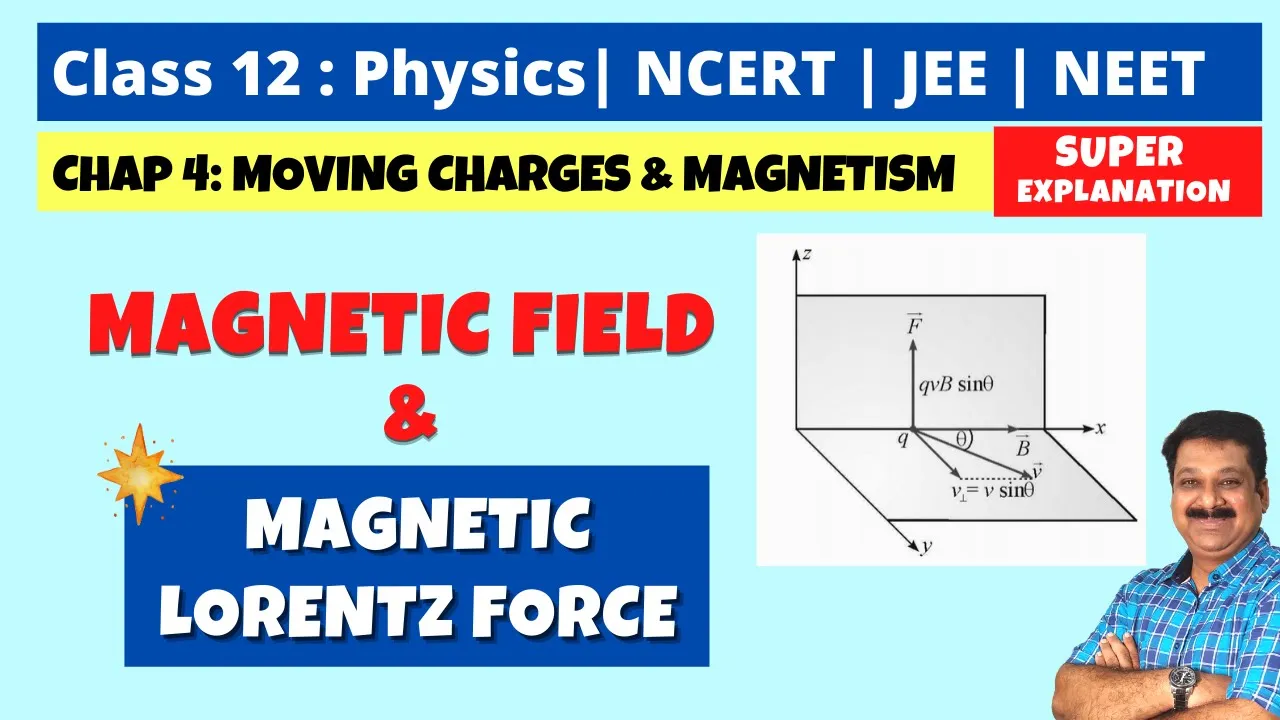
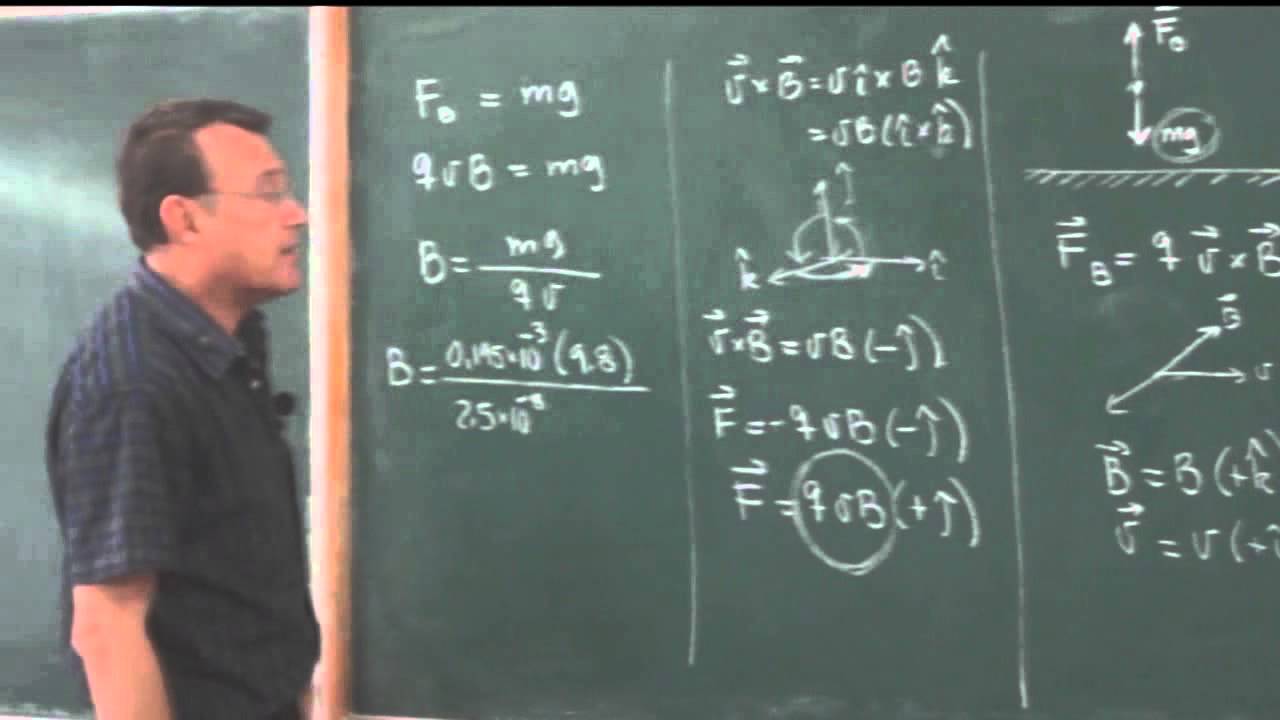
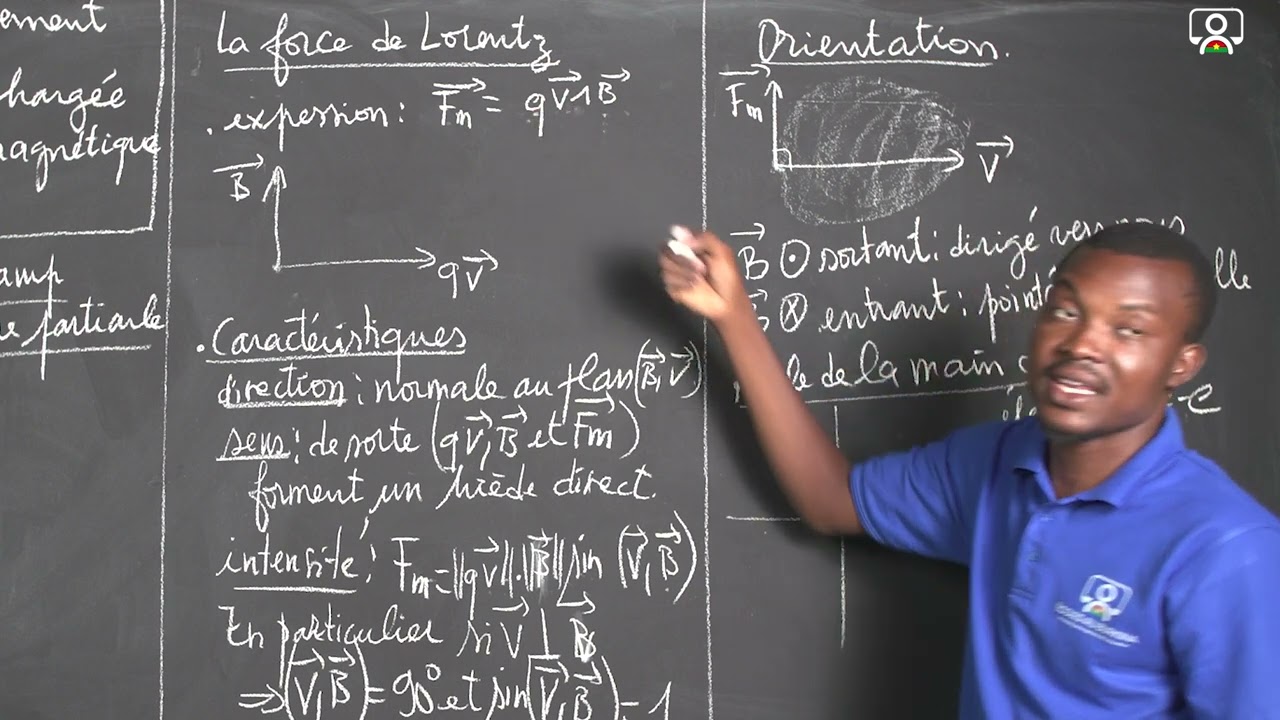
Understanding magnetic fields and the magnetic Lorentz force on a moving charge (F = qvB sinθ), including the use of the Right-Hand Rule.
Basic vector algebra, specifically cross products, to understand the orientation of velocity, electric field, and magnetic field vectors.
The concept of translational equilibrium, where the vector sum of forces acting on an object is zero, resulting in undeflected, straight-line motion.
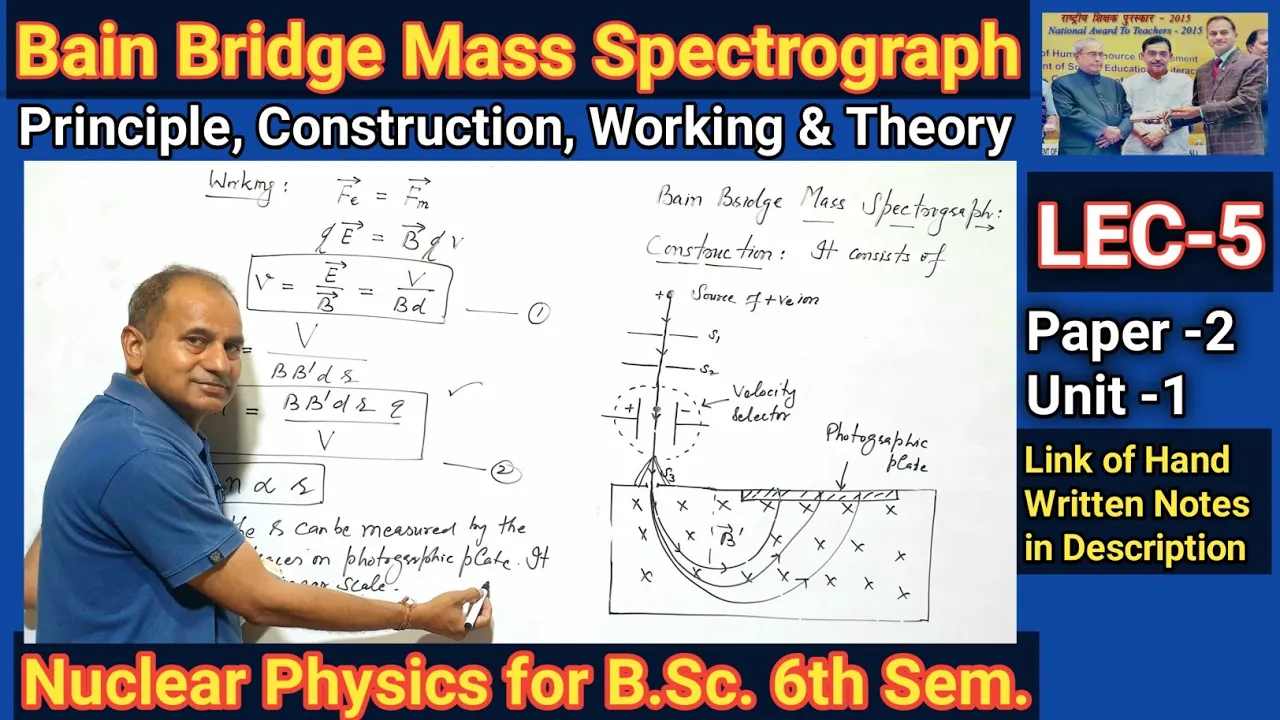
The Bainbridge Mass Spectrometer, which utilizes a velocity selector to isolate ions of a specific speed before separating them by mass.
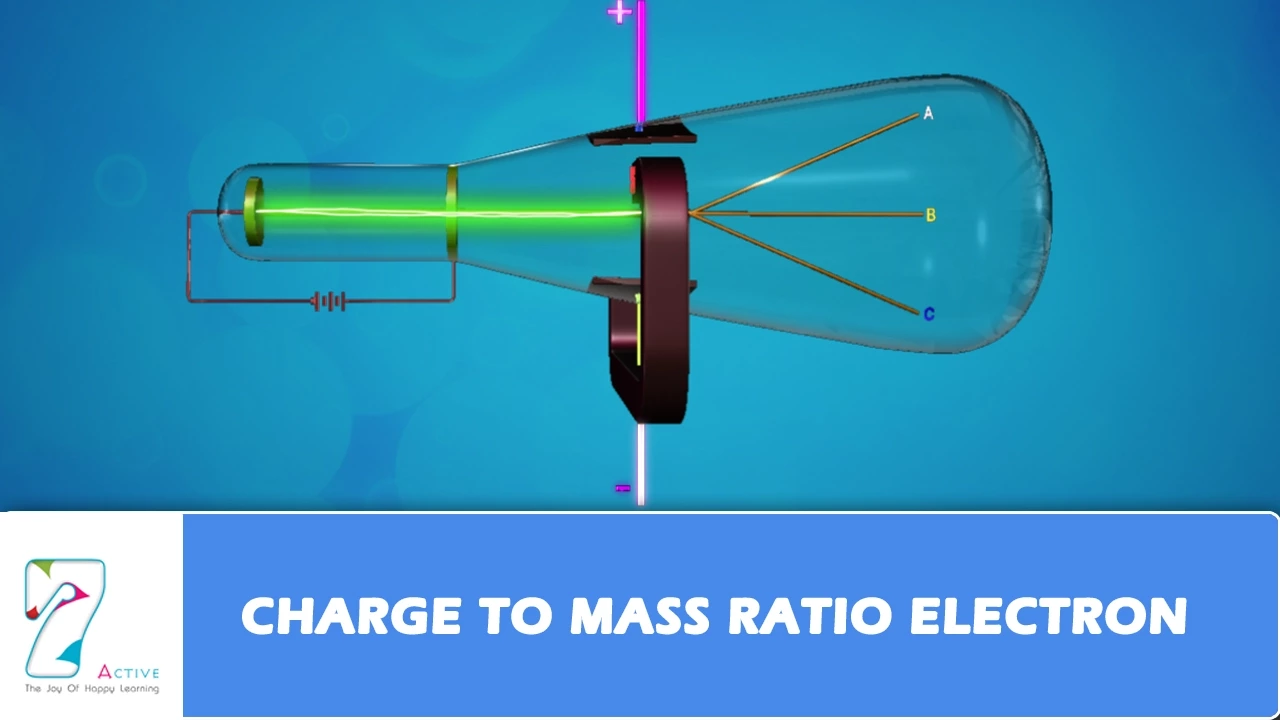
J.J. Thomson's experiment to determine the charge-to-mass ratio (e/m) of an electron using balanced crossed fields.
The Hall Effect, which explores the voltage difference generated across a conductor when a magnetic field is applied perpendicular to the current flow.
The Cyclotron and other electromagnetic particle accelerators that manipulate charged particle trajectories using fields.
30.2K views469likes7:43Original Release: 2018-02-12
velocity filter like a radioactive source and they have got different velocities but for our calculation we need to take certain charge particles which have got a fixed value of velocity say that where u is V naught what we want that all the charges which have velocity V 1 V 2 V 3 V 4 we do not want we want to filter them out and we want only V naught velocity so how can we you make a filter for this okay see the principle we take a space and in that space we have both type of fields electric field as well as magnetic field first there is an electric field let us say electric field has got direction upward electric eel upward so these charges which are coming here experience an upward force which is equal to QE QE and because of this force they have a velocity in this direction they have a force in upward direction which will give them acceleration perpendicular to it this is a case of projectile in projectile we throw a ball it has a velocity straight horizontal but forces perpendicular to it towards ground so it makes a parabola in this way also this is velocity horizontal there is a electrical force upward so it will make a parabola and go like this it will strike so up to this how will be the path this will be a parabolic path parabolic path and when it reaches here after that electric field is over and from here it will go straight this is how an electrical particle will behave sorry a charged particle will behave because of electric fields this path will be a parabolic path and at the end of it it will go straight okay but if we have a window here if we have a window here then it is striking so much above the window whatever it is we are not going to calculate we can calculate with help of project and formulas whatever we have okay but here we know that it will go up and strike somewhere here because of this force how much force QE which is upward now suppose here we have a magnetic field and that magnetic field we take it in direction let us say this is velocity and we want a direction of magnetic field coming out this is the direction of magnetic field B this B is outward now the charge which is moving in this direction get this magnetic field what will happen according to this left-hand formula it will experience a force B is outward this is B I take it outward velocity is in this direction so I will make it in this direction this is B outward this is velocity so the force is downward so it experience a force downward and we know how much is this force this force is Q into V into B where V is velocity of the charge B is magnetic field and Q is the electric charge on that particle this force is downward now suppose there is no electric field what will happen to this charge answer is this charge because of this it will make a circle and come here this is circle this is due to magnetic field and you have seen because of magnetic field a charge will make a circle this makes a circle now we have both the fields together if there is only electric field charge will go like this if it is only magnetic field charge will go like this and now if we have both the fields then what will happen answer it will go towards the resultant suppose we find a charged particle which comes straight with a particular velocity then what is the net force on it upward or down your answer will be no net force that means upward force is equal to downward force that means for this particular charge which is passing through this opening the electrical force QE is equal to magnetic force q vb so this velocity is equal to e divided by b for this particular charge which is going here if velocity become less velocity become less this force magnetic will become less and the particle will go up if velocity is higher than this then this force will be FB will be higher and it will go down because of FB this is f e so for a particular velocity both the forces are equal and how much is that velocity e divided by B so if we keep Y divided by B give it a particular value let us say if this is equal to 15,000 then what will be the velocity of all these charges answer fifteen thousand more than that will go more than that will go down strike this one less than that will go up strike this one so the one which is passing through this has got a particular velocity which is equal to e upon B and setting of E and B are controlled by us so we can always control the type of charged particle which we will get from here and from here we are getting million of charged particles out of that they have got all type of velocities so this they will be able to filter from here this is the principle of velocity filter and this is how we can get all the charges of a particular velocity
Up Next

30:39
Gradient Drift and Curvature Drift in Plasma Physics
@IITRoorkeeJuly
4.3K views•2019-12-23

12:53
21cm Hyperfine Transition in Neutral Hydrogen: Radio Astronomy Basics
@AaronRobertParsons
12.4K views•2011-10-13

32:32
NMR Spin Physics I: Zeeman Effect, Resonance Condition & Larmor Frequency
@nptel-indianinstituteofsci8064
2.3K views•2024-01-17

27:14
Entropy and the Second Law of Thermodynamics Explained
@veritasium
27.5M views•2023-07-01
Related Study Plans & Knowledge Roadmaps
Structured learning paths in Physics
physics
Nuclear Physics (Decay, Fission & Reactors)
01Atomic Structure and the Binding Force
02Radioactive Decay and Half-Life
03Nuclear Fission Mechanics and Chain Reactions
+ 2 more learning modules
12h5 modules
Explore Roadmap
physics
Soft Matter (Polymers, Colloids & Rheology)
01Foundations of Soft Matter & Thermal Forces
02Polymer Physics and Macromolecules
03Colloids, Surfactants, and Self-Assembly
+ 2 more learning modules
38h5 modules
Explore Roadmap
physics
Analytical Mechanics: Lagrangian & Hamiltonian
01Mathematical Foundations: Calculus of Variations
02From Newtonian Mechanics to Constraint Dynamics
03The Principle of Least Action & Lagrangian Mechanics
+ 3 more learning modules
28h6 modules
Explore Roadmap
physics
General Relativity (Spacetime & Cosmology)
01Foundations of Relativity: Special Relativity
02The Geometry of Spacetime: Equivalence Principle & Curvature
03Einstein's Field Equations: The Mathematics of Gravity
+ 2 more learning modules
55h5 modules
Explore Roadmap