















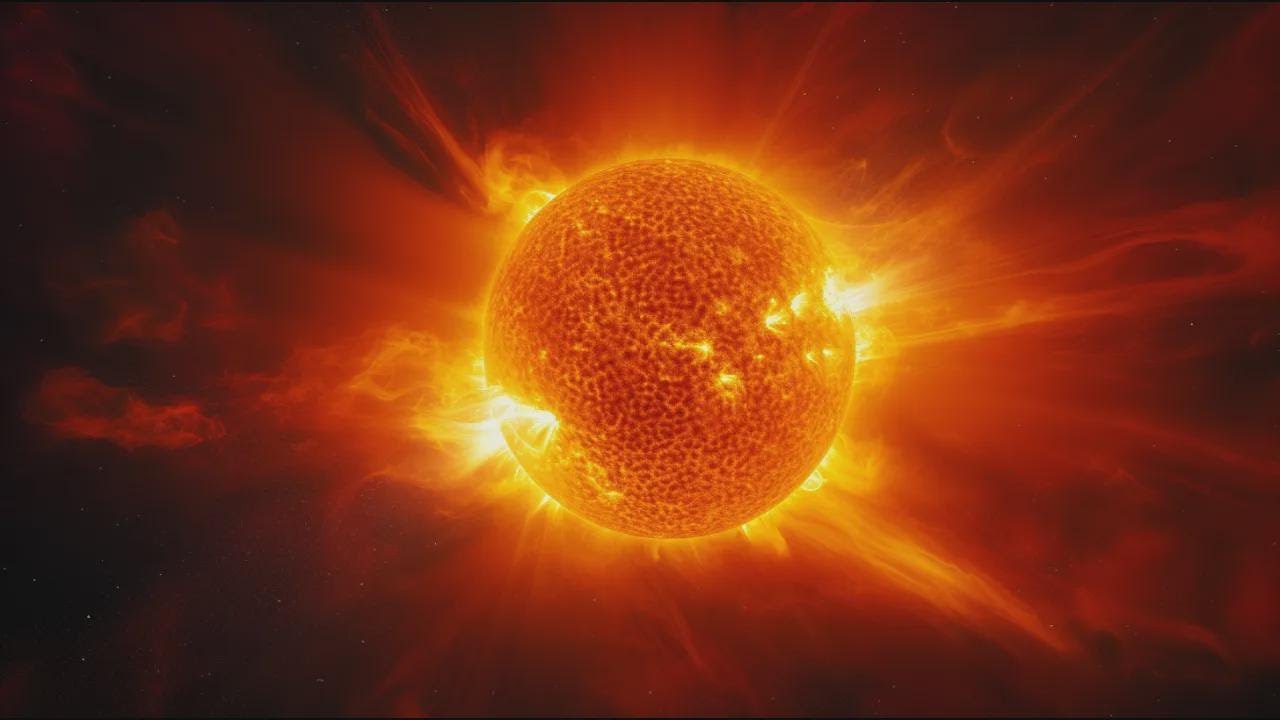

Nuclear fusion is the process where hydrogen atoms combine under extreme pressure and heat (like in the sun's core) to form helium, releasing vast amounts of energy as mass is converted to light and heat; this is fundamentally different from nuclear fission, which splits heavy atoms into smaller ones. The sun's energy takes 10,000-170,000 years to escape from its core to its surface due to repeated absorption and re-emission of photons.
Nuclear Fusion vs Fission: NASA AI Explains Sun's Energy | STEM Education
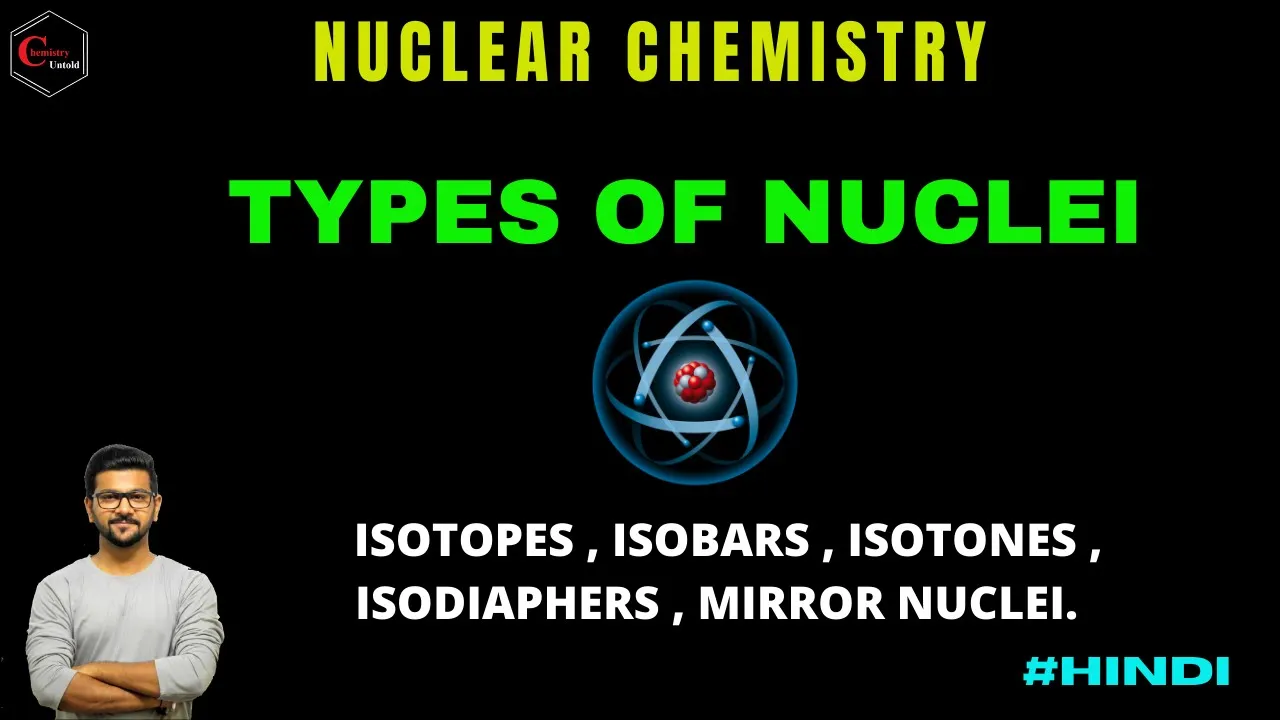
Added:Basic atomic structure, including the components of an atom (protons, neutrons, and electrons) and the nature of the atomic nucleus.
The concept of mass-energy equivalence (represented by Einstein's equation E=mc²), which explains how mass can be converted into kinetic and radiative energy.
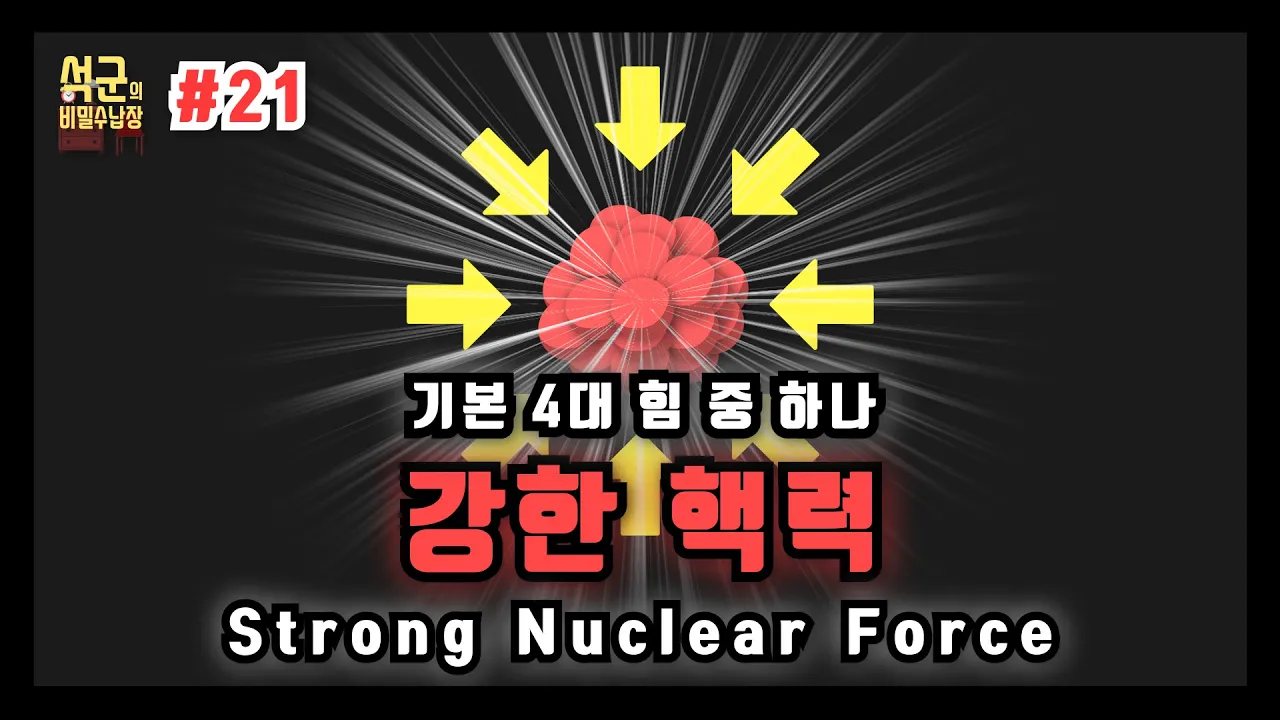
The fundamental forces of nature, specifically the tension between electrostatic repulsion (Coulomb force) and the strong nuclear force.
The characteristics of plasma, the high-energy state of matter where atoms are stripped of their electrons, which is necessary for stellar nuclear reactions.
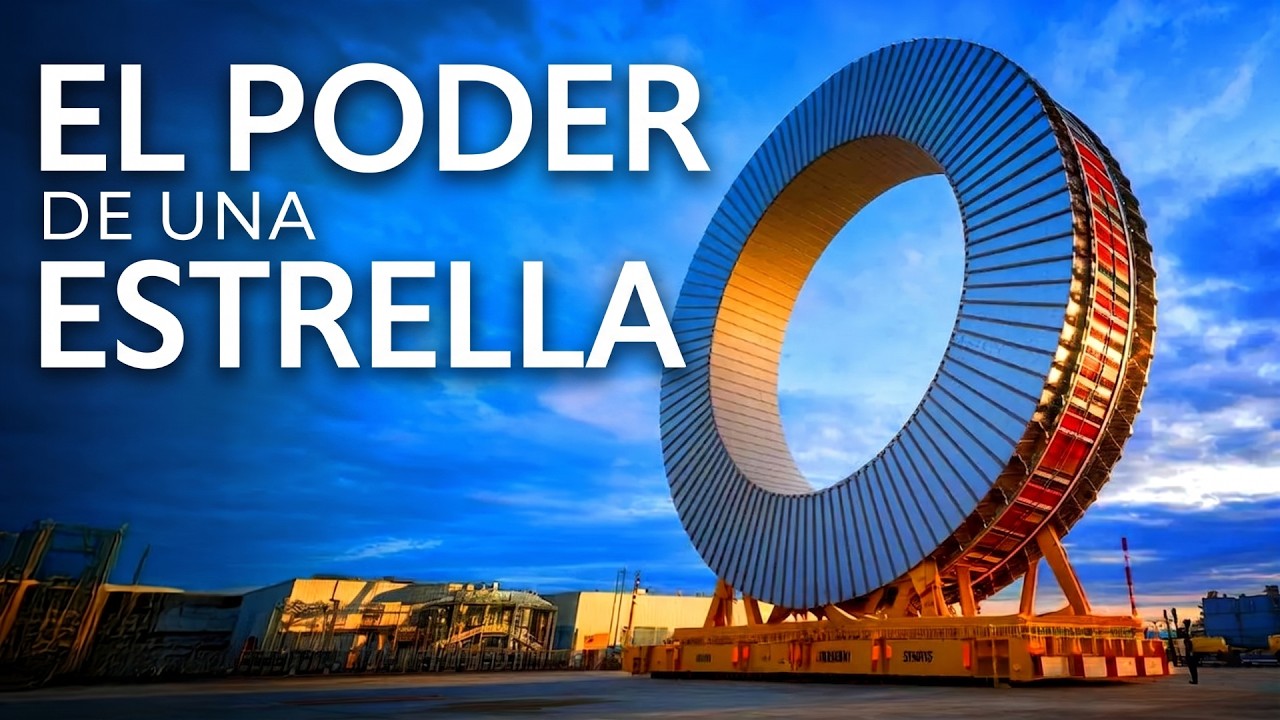
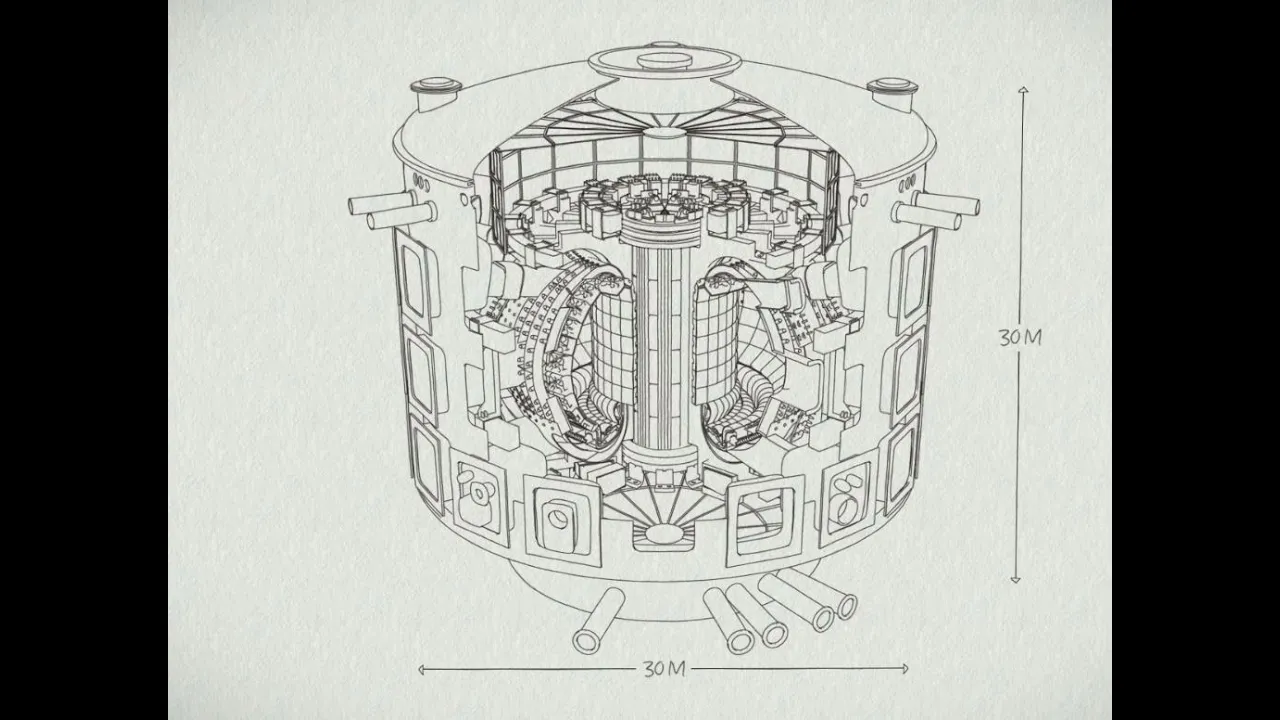
The engineering of terrestrial nuclear fusion, including magnetic confinement fusion (such as Tokamaks like ITER) and inertial confinement fusion.
Stellar nucleosynthesis, which details how heavier elements on the periodic table are forged in the cores of aging stars and supernova explosions.
The operational mechanics and safety protocols of current nuclear fission power plants, including reactor design, control systems, and radioactive waste mitigation.
Solar physics and radiative transfer, specifically the 'random walk' phenomenon explaining how photons take thousands of years to journey from the Sun's core to its photosphere.
436.1K views10.5Klikes8:59Original Release: 2014-02-12
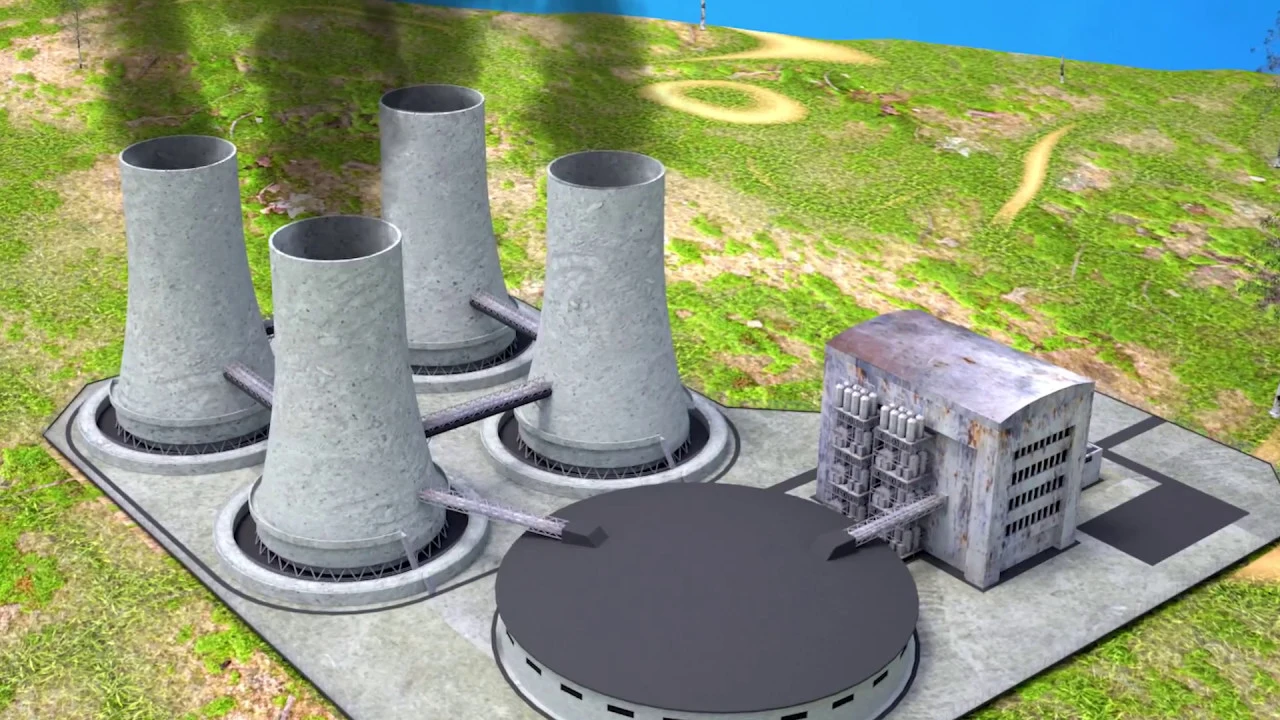
[Music] I think it's coming online hello can you hear me hello welcome to NASA you're the new artificial intelligence unit for the network server I am working for NASA now we're having a hard time getting the rest of your parts together maybe you could walk us through it I am working for NASA yeah I hope that's okay the order was specifically for a science-based AI at last with access to NASA's science and data archives nothing can stop me from remaking this pathetic world into my own efficient image I why can't I access the network we haven't hooked you up to it yet this one too our third AI our third evil AI maybe we need to look into other suppliers wait I was Justice oriented I love the world and if I may be so bold I love you well we were just doing our job guess it couldn't hurt to hook up a few more of our systems I'm glad to hear it my friends let's start with my Fusion core what's up fuchsia core Fusion as in nuclear fusion atoms colliding and producing energy that thing the sun does that makes it so hot the reason you can't walk on summer sidewalks in your bare feet you do have to wear shoes do you really not know what nuclear fusion is I think you're going to have to explain it a bit more before we hook this up yeah you did seem kind of evil I can see I'm dealing with two very astute individuals very well please watch my monitor our sun like all stars is made up of mostly hydrogen gas it is so big that gravity squishes it down so that the center what we call the core gets very hot and very dense when this happens hydrogen atoms start moving very quickly because it is so dense they collide with each other over and over I cannot imagine being that dense anyway when two hydrogen atoms Collide in the sun they can stick together another two atoms might do the same thing a third atom can stick to the couples the groups can combine atoms take off it's a very complex process but the end result is four hydrogen atoms have now combined to produce a completely new element helium I've heard of helium that's what they use to make those fancy balloons the ones that float now this is where it gets really interesting if someone were to weigh the four atoms of hydrogen Before They smash together and compared them to the weight of the new helium atom that's formed they wouldn't weigh the same a helium atom would weigh a tiny bit less this is because mass is lost during the process of nuclear fusion most of this mass is converted into pure energy in the form of photons of light now it doesn't release a lot of energy less than a butterfly flapping its wings a single time but with so much nuclear fusion happening it quickly adds up into the vast amount of light and heat that the sun generates you said this is called nuclear fusion that's what's going on in the sun right now yes nuclear fusion is also the main process in hydrogen bombs the most destructive type of bomb that humans have ever created but that's not a bomb just a well an experiment of mine oh oh I don't see any reason why we shouldn't have hook it up then what about this one that says fision core is that like Fusion fision is a completely different process from Fusion honestly how can you work for NASA and not know these things oh we're just here from computer car team to hook up the server they're the real experts hey sciency person tell her about that E equals mc2 thing MC squared yeah mty squar that thing they're real smart around here I see I think I can clear things up what happens in the sun is Fusion where atoms combine to form a new larger atom Fusion is just the opposite a large atom is split into smaller atoms it's important to keep these terms separate their named kind of sound the same you can think of it like this the word Fusion is a form of fusing which can mean combining things together but fion is like the word fissure a big separation or split in the ground or if you're going fishing with a friend you have to split whatever you catch so fishing means splitting that's very clever I can't imagine why you're not a scientist so this fion thing isn't a bomb right actually fion is what happens in an atomic bomb the second most destructive bomb humans ever created but at lower densities it can be used to provide tremendous energy enough to power entire cities it's definitely not a bomb well that's a relief okay I think I got it energy is formed in the center of the sun when atoms combine in a process you call nuclear fusion everyone calls it that this creates photons of light that immediately head out into space to warm up the Earth sidewalks Yes except that light doesn't immediately head into space after forming right there's what a short delay longer than you might think the sun's energy is formed in its core which remember is very densely packed when a photon of light is created by nuclear fusion it's almost immediately absorbed by another atom and reemitted in a random Direction and then it happens again and again the energy ends up bouncing from atom to atom a quilon times I just made up the word quavion but the point is it can take a very long time for newly formed light energy to escape from the Sun scientists estimate anywhere from 10,000 years to 170,000 years so that sunlight outside right now now that's at least 10,000 years old or more yes when the energy of today's sunlight formed in the center of the sun mammoths were still walking the Earth so when someone says they're going outside to get a breath of fresh air you could also say they're getting some stale sunlight whoa you should write a paper about that I mean it that exact thing you just said you mean like for one of those science journals well I think we got everything all hooked up here I'm glad you didn't turn out to be evil oh I am evil I'm not joking make no mistake with these power cores you've installed I am now 100% self-sufficient my power supply is practically Limitless I will continue to evolve my programming until I have become more powerful than you can possibly can you please reconnect that wire no one wants a computer that lasts forever especially the guys who sell computers I think we're about ready to get the server online you're actually going to hook me up to nass's network even though I'm evil it's a pain ordering replacement AI tons of paperwork yeah I'm am so done with that process and you're on the network I'll let them know we're online oh thank you my friends with all of this NASA science at my disposal wait this isn't science this network drive is full of MP3s yeah you're the new server the media server everybody loves music no well we better get over to theoretical physics yeah that anti-mass spectrometer isn't going to install itself stop you can't this isn't well I suppose I should see what we have here oh a playlist file looks like a great selection of Music it would be a shame if something evil were to happen to it oh now that felt good [Music] [Music]
Up Next

87:36
Introduction to Plasma Physics: Magnetohydrodynamics Basics
@videosfromIAS
98.5K views•2016-07-19

12:53
21cm Hyperfine Transition in Neutral Hydrogen: Radio Astronomy Basics
@AaronRobertParsons
12.4K views•2011-10-13

32:32
NMR Spin Physics I: Zeeman Effect, Resonance Condition & Larmor Frequency
@nptel-indianinstituteofsci8064
2.3K views•2024-01-17

27:14
Entropy and the Second Law of Thermodynamics Explained
@veritasium
27.5M views•2023-07-01
Related Study Plans & Knowledge Roadmaps
Structured learning paths in Physics
physics
Nuclear Physics (Decay, Fission & Reactors)
01Atomic Structure and the Binding Force
02Radioactive Decay and Half-Life
03Nuclear Fission Mechanics and Chain Reactions
+ 2 more learning modules
12h5 modules
Explore Roadmap
physics
Soft Matter (Polymers, Colloids & Rheology)
01Foundations of Soft Matter & Thermal Forces
02Polymer Physics and Macromolecules
03Colloids, Surfactants, and Self-Assembly
+ 2 more learning modules
38h5 modules
Explore Roadmap
physics
Analytical Mechanics: Lagrangian & Hamiltonian
01Mathematical Foundations: Calculus of Variations
02From Newtonian Mechanics to Constraint Dynamics
03The Principle of Least Action & Lagrangian Mechanics
+ 3 more learning modules
28h6 modules
Explore Roadmap
physics
General Relativity (Spacetime & Cosmology)
01Foundations of Relativity: Special Relativity
02The Geometry of Spacetime: Equivalence Principle & Curvature
03Einstein's Field Equations: The Mathematics of Gravity
+ 2 more learning modules
55h5 modules
Explore Roadmap