
















In nuclear reactors, even after shutdown, residual heat continues to be generated (approximately 10% of full power output), requiring continuous cooling; without water circulation, a meltdown can occur within a few hours as the fuel rods overheat and melt, which is why multiple redundant safety systems (diesel generators, emergency cooling systems, battery backups) are essential for preventing catastrophic failures.
Fukushima Nuclear Meltdown: Expert Analysis (Part 1 of 4)
Added:Fundamentals of nuclear fission and how Boiling Water Reactors (BWR) generate electricity.
The concept of 'decay heat' and the critical role of continuous cooling systems in preventing reactor core meltdowns.
A basic timeline of the March 2011 Tohoku earthquake and tsunami, which served as the triggering events.
Basic principles of radiation, including radioactive decay, half-lives, and the biological hazards of ionizing radiation.
Analysis of the long-term environmental and ecological consequences of radioactive fallout in the Pacific Ocean and surrounding landmasses.
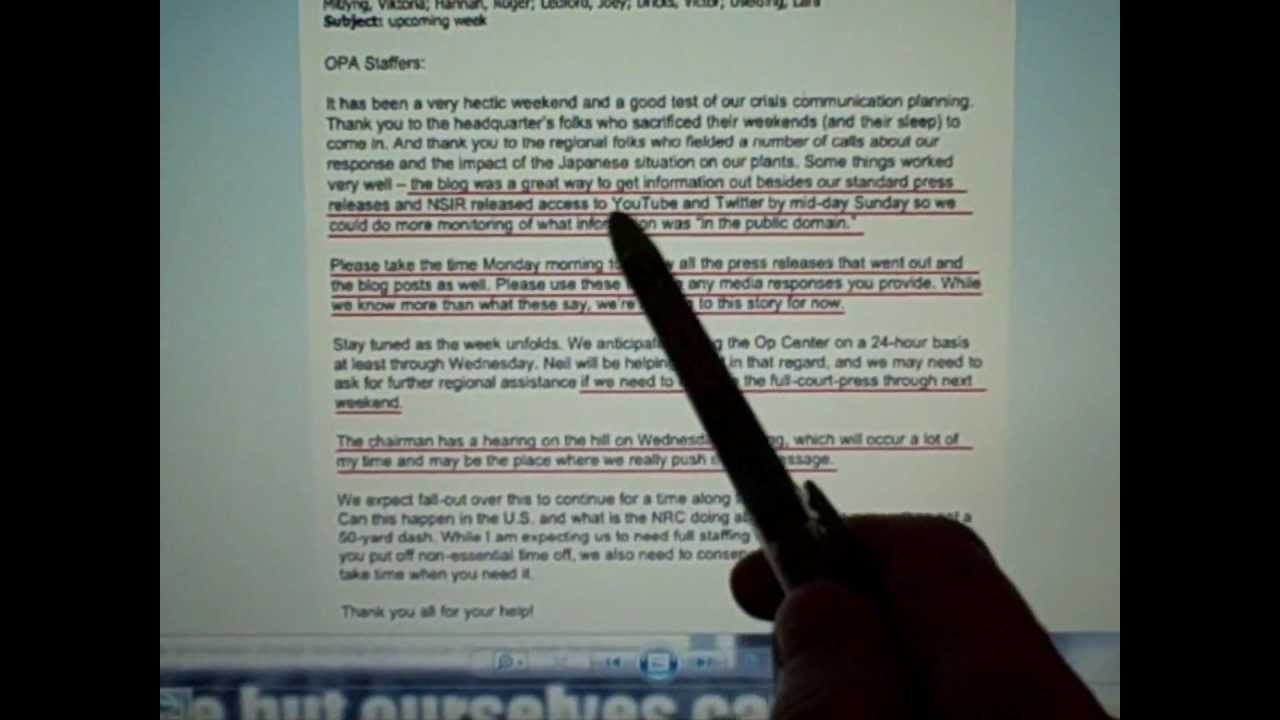
Critical evaluation of nuclear safety regulations, corporate transparency, and crisis communication strategies during industrial disasters.
Exploration of next-generation (Generation IV) reactor designs that utilize passive safety features to prevent station blackout failures.
The engineering, financial, and scientific challenges of decommissioning damaged nuclear reactors and managing high-level waste.
503 views5likes14:49Original Release: 2011-07-27
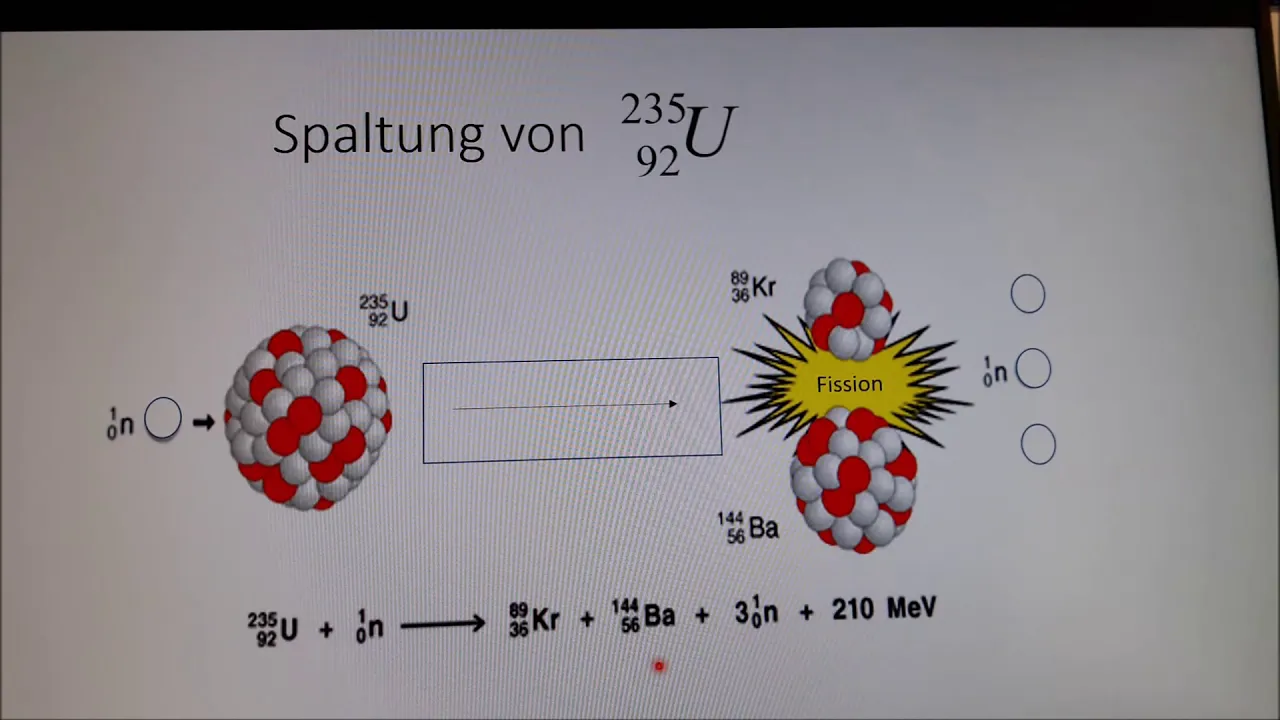
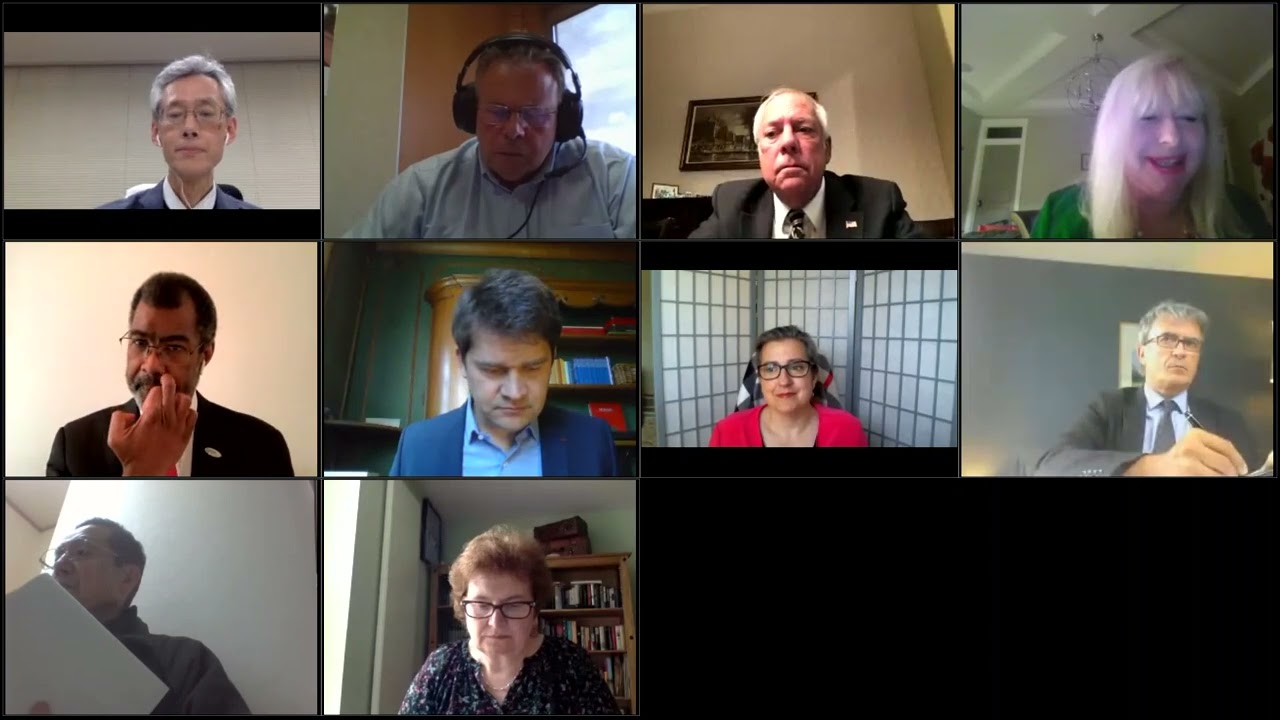
[Music] [Music] Welcome to our show I'm Dr Len Saputo the topic we're going to be discussing today is what happened and what do we face in Fukushima remember back in March 11th when everything went bad we had the tsunami and and the earthquake and and there were the terrible things that happened in Japan there were problems with nuclear reactor and and for about a month that was hot in the news and then all of a sudden things happened didn't they Harry things changed uh it was uh interesting to watch interesting to watch and we're going to explore some of the things that maybe you didn't hear about maybe you maybe you did and we have with us uh Harry Jabs who is a uh nuclear physicist who trained at Texas A&M and also has a diplomate in physics from the University of Hamburg in Germany so Harry tell us a little bit more about your experience in nuclear physics and what qualifies you to be an expert in this particular topic okay well thank you very much for having me Len it's it's an honor uh I was educated in uh physics in Germany I got a degree there in um x-ray physics in a synchron radiation lab and uh then I got another degree in nuclear physics from Texas A&M and uh it I want to note that in both uh Laboratories um uh we worked with radiation and um as uh met of policy we were uh required to take uh ongoing educational courses in uh the damage of uh radiation and you've been experiencing this now for how many years since then uh well I worked about uh five years in the German uh uh nuclear in the German uh radiation lab and about seven years at uh in Texas A&M uh with nuclear radiation okay so you're a qualified expert in my opinion I I want to thank you for being willing to join us for this really this exposure you know back in March 11th uh there was all this talk about the potential damage of radiation because of the nuclear plants were in the northern part of Japan up in Fukushima and it took them a long time to disclose information and yet we know that when you have a disaster like what happened there that things happen quickly and people know the answer about whether there's a meltdown or not very quickly how does one determine what are the what are the things that you need to know about meltdown What's the timing of it and what's involved with a meltdown okay I will give you uh uh my best estimate um which is only derived from um the news that is available to everybody and uh with my background that I have in nuclear physics and uh in in technology I would say that um what first uh I I would have to briefly explain how a nuclear reactor works most of you understand that already but just to put a few numbers on it okay uh your typical nuclear reactor power plant uh has a power output of between 500 megaw to a little over a gwatt and what would that power would that power the state of California oh no no no no what would that power um a big city like San Francisco uh maybe maybe so now we got some relative IDE of how much energy is there yes okay uh now this power comes solely from uh the decaying process of uh the nuclear material inside that's what fuel it okay so a nuclear reactor is basically a water boiler that's what it is and the nuclear Decay processes uh they generate the Heat and the heat boils water and the boiling water turns uh turns to steam um and that is driving the turbines which then in turn make electricity now um the fuel um that fions and produces the energy is in the form of fuel rods you've heard that term before these rods um are about um um half an inch thick and they are in in a casing of zirconium to hold them in place now uh this Arrangement is done because you want to have moderator rods uh that you shove between those fuel rods s to control the rate of the Decay and that's how you uh control the rate of the power that's being generated so you regulate the temperature that way no the temperature is actually kept relatively constant okay but the rate of energy being produced so while the temperature is kept relatively constant um more power from the nuclear process would evaporate more water and thereby create more steam but still at pretty pretty much the same temperature okay so it's the water then that's used to control the temperature and to keep it from overheating the water is there to take the heat away from the nuclear core which produces uh the energy okay so if we go back then to Fukushima when the tsunami hit and we lost the power to those plants uh how long would it take for a meltdown to occur in the absence of power well that's why I alluded uh to my introductory um uh um um remarks what happens when there's a situation like this then uh the normal procedure is that the reactor will be shut down but that's a so-called hot shutdown versus a cold shutdown which I believe is when the fuel is completely removed for refueling for example okay so the hot shut down happens within seconds or no longer than a minute it takes a little longer than a minute and what it means is that the control rods are being pushed into the Reactor Core uh to um bring the nuclear reactions to a minimum you do not stop them because it still continues inside the fuel rods but uh you absorb uh the neutrons which are driving this process as much as possible with the moderator rods which are between the fuel rods okay so uh the most important thing to know is when you shut a reactor down so to speak you do not end up with zero megawatts you end up with um I would say 10% of the of the power so there's still a lot of power and heat coming out yes it is so take the a small reactor 500 megawatts and you shut it down then I would expect that even in a shutdown mode the reactor still produces 50 megaw which is a tremendous amount of power now also consider that the reactor itself is really not all that big it's it's the core is size of uh maybe somebody's living room so if you have now 50 megawatt of heat being generated in a volume this size then uh you can already imagine that it will not take very long before you have a situation there before you get overheating now as long as there are still liquid water um the temperature cannot rise above 100° uh actually that's not true there it's it's a little bit more but not much more because it's under under um uh so getting water to cool is absolutely critical absolutely and in the absence of water how long does it take for a disaster to occur well let me put it this way in the ABS the the water needs to be constantly recirculated for two purposes first of all you want to transport the the heat away because that's your energy that you want to use but more importantly you need to cool the the core if the this circulation stops for whatever reason then uh the uh the the 50 megawatts of energy will soon boil all the water off and as soon as the water is being boiled off and the level of the water uh drops uh and exposes the fuel rods that's when the fuel rods are left to themselves and will uh overheat and start to melt and that is um first a partial meltdown and then when all the water is gone then you're probably looking at a total meltdown how long does that take if you don't have water given the numbers that I just threw out and let's say they are at least uh uh correct in the boil Park I would give it just a few hours so we knew on that first day what had happened at least somebody did it would be hard to imagine that a nuclear physicist with your background uh wouldn't be aware of what you just said I mean it would be almost it would be ridiculous to think they didn't know that information and yet it never came out so I'm not asking you to accuse them of anything but what I'm saying is based on the science you know within 3 hours a meltdown would occur if there's no water that's what I would expect uh and I I was really puzzled when weeks later people were still talking of saying oh um uh we want to check if the temperature uh of the water has not reached too high levels when I thought that after a few hours there was probably no water left anymore but that's just a uh speculation on my part of course know that okay now there are certain protective mechanisms that these facilities have sort of like a fail safe system stage one through three or four or five whatever there is can you briefly tell us what those stages involve well first of all a nuclear reactor um uh the the engineers understand that you're dealing with a very dangerous um uh machine and there have to be me several layers of safety involved and uh especially in Japan uh where the reactors are built on on Shaky Ground literally right um and uh close to the coast where tsunamis are uh well well known they and of course we know that Japan Japanese um are very technologically evolved so they um will have I would expect that they have excellent safety mechanisms so what kinds of safety me mechanisms you would you expect a nuclear plant like that to have from what I heard uh is the first is once the main pumps fail for whatever reason then um diesel pumps kick in or diesel generators um kick in to to continue the pumping so that's the first backup that's the first backup then from what I understand there's a second layer of backup if that fails that uh will not recirculate the um the water through the core but it will uh provide enough cooling so that a meltdown will umay will be either delayed or or U um uh avoided avoided yes okay and I believe there are even more um safety levels um so what what do they involve so we've got two systems here so far now there's a third possibility well in order for these systems to work you have to have electrical power because everything uh works works with with electrical or diesel power so you have to make sure that you have enough diesel all the time that the diesel can get to the generators that the generators are running um they of course have to be above uh water um at least the intake has to be uh you have to make sure that any uh of the electrical Control Instruments have power and that's where the battery backup came in they also had a battery backup from what I hear but the battery backup did not drive the pumps that's not enough power to drive the pumps the battery backup only powered uh the instrumentation to the monitoring instrumentation and the control instrumentation from what I gather all right are there any other backups besides what you've mentioned that you could imagine they might have had well if I would design a reactor like that I would probably put 10 layers of of of safety in there because I do not want to get the blemish uh of uh dealing with the an un safe technology do you know if the if the systems that we have in this country in the United States have a backup system that has as many levels as you s suggested I I I'm almost well I'm I'm almost I'm sure that there there are backup uh levels you have to have those um and so what would it take for all those backup levels to fail well nothing is 100% uh safe or 100% sure so it's a little surprising to see that everything failed and this thing melted down well not only that but you are dealing with a six reactors who had problems and three of them actually exploded and with that uh in light of all of these safety mechanism so that took me personally a little bit by surprise okay so when there's an explosion in in reactors like this what what's exploding and what does it do well we are being told that it was a hydro explosion and um the rationale behind that is that you have an overheated um Reactor Core that boils off water and it gets so hot that uh the Water actually splits into hydrogen and oxygen and then it collects these gases collect at the top of the vessel and then at some point they get ignited and then we get this explosion is that realistic I I had to take their word for it but I have to tell you when I looked at the explosions uh that they showed uh of Fukushima to me it looked like a low grade nuclear explosion what makes you think that because the speed at which uh the shock wave uh propagated I could approximately estimate it the size of um or the speed of the shock wave by looking at the size of the building from the video and compare it uh to how fast the shock wave propagated and while I have not done an in-depth analysis it looks to me as if it's at least going uh with with the speed of sound so you're looking at a nuclear explosion is that possible [Music]
Up Next

15:51
Nuclear Meltdown Risks and Prevention: A Technical Analysis
@techsight247
79K views•2025-05-05

12:53
21cm Hyperfine Transition in Neutral Hydrogen: Radio Astronomy Basics
@AaronRobertParsons
12.4K views•2011-10-13

32:32
NMR Spin Physics I: Zeeman Effect, Resonance Condition & Larmor Frequency
@nptel-indianinstituteofsci8064
2.3K views•2024-01-17

27:14
Entropy and the Second Law of Thermodynamics Explained
@veritasium
27.5M views•2023-07-01
Related Study Plans & Knowledge Roadmaps
Structured learning paths in Physics
physics
Nuclear Physics (Decay, Fission & Reactors)
01Atomic Structure and the Binding Force
02Radioactive Decay and Half-Life
03Nuclear Fission Mechanics and Chain Reactions
+ 2 more learning modules
12h5 modules
Explore Roadmap
physics
Soft Matter (Polymers, Colloids & Rheology)
01Foundations of Soft Matter & Thermal Forces
02Polymer Physics and Macromolecules
03Colloids, Surfactants, and Self-Assembly
+ 2 more learning modules
38h5 modules
Explore Roadmap
physics
Analytical Mechanics: Lagrangian & Hamiltonian
01Mathematical Foundations: Calculus of Variations
02From Newtonian Mechanics to Constraint Dynamics
03The Principle of Least Action & Lagrangian Mechanics
+ 3 more learning modules
28h6 modules
Explore Roadmap
physics
General Relativity (Spacetime & Cosmology)
01Foundations of Relativity: Special Relativity
02The Geometry of Spacetime: Equivalence Principle & Curvature
03Einstein's Field Equations: The Mathematics of Gravity
+ 2 more learning modules
55h5 modules
Explore Roadmap