


























Humans evolved as hunter-gatherers with a meat-based diet, and our biology reflects this through metabolic constraints (the expensive tissue hypothesis) that favored brain development at the expense of digestive systems; archaeological evidence from hunter-gatherer skeletal remains, stable isotope analysis of ancient diets, and Egyptian mummy studies consistently shows that modern agricultural diets (high in carbohydrates, low in protein) cause health problems including heart disease, diabetes, and obesity that were absent in hunter-gatherer populations, suggesting that the current nutritional paradigm based on Western medical research may be fundamentally flawed.
The Science of Nutrition: Hunter-Gatherer Diets and Human Health Evolution
Added:The concept of evolutionary mismatch, where human physiology evolved for a prehistoric environment rather than modern conditions.
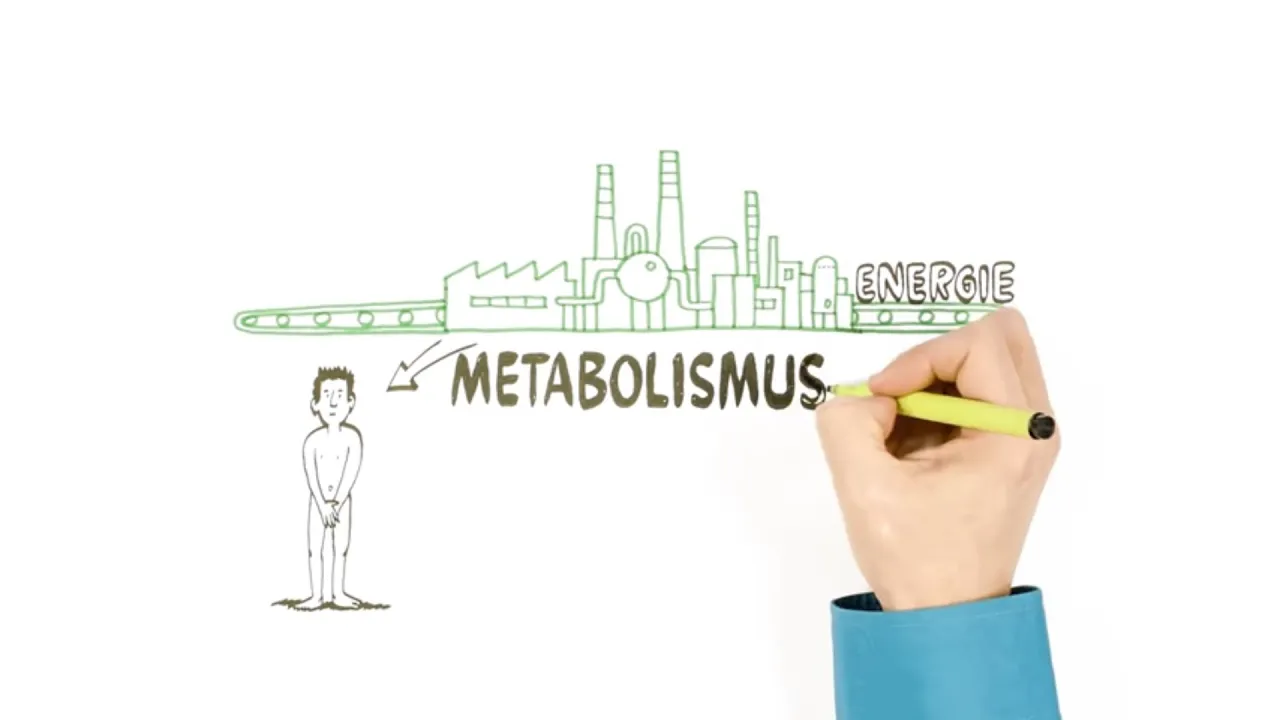
Fundamentals of macronutrients (carbohydrates, proteins, and lipids) and how the body metabolizes them for energy.
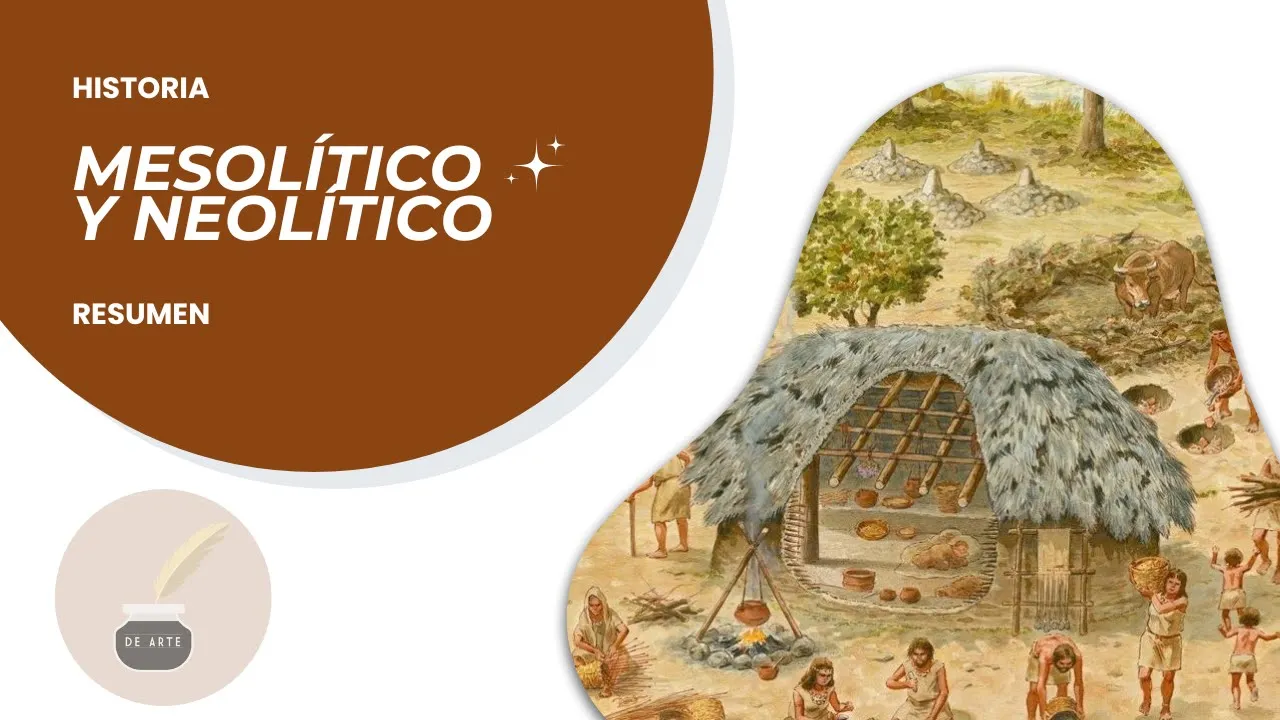
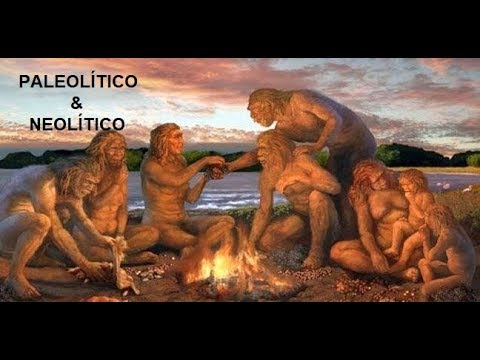
The historical transition from the Paleolithic hunter-gatherer lifestyle to Neolithic agricultural societies.
Basic scientific literacy regarding nutritional studies, including the difference between observational epidemiology and randomized controlled trials.
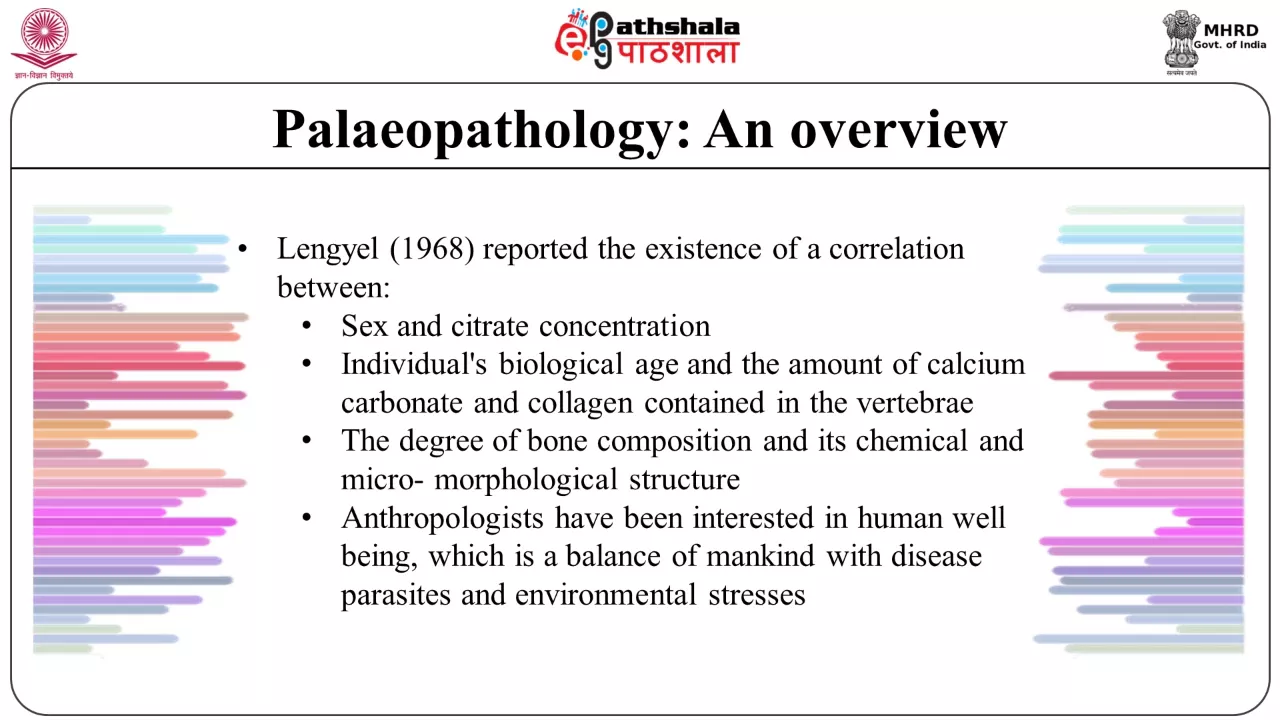
Advanced paleopathology, studying skeletal and mummified remains (such as ancient Egyptians) to identify chronic diseases like cardiovascular disease and osteoarthritis.
Nutrigenomics and epigenetics, exploring how dietary choices interact with genetic expression and ancestral adaptations.
The impact of ancestral versus ultra-processed diets on the human gut microbiome and systemic inflammation.
Critical analysis of modern dietary trends (e.g., the Paleo diet, ketogenic diet) against evolutionary and archeological evidence.
121.7K views2.6Klikes55:42Original Release: 2019-05-27
In this lecture, Dr. Michael Eids looks at 40 years of flawed science and wonders, what can we do to change the world's thinking on nutrition. This is from someone who's been thinking about this for a very long time.
That's actually not what I'm going to talk about at all.
I'm gonna That's what it says. But I think that the speech guy said after the the program, I'm going to talk about paleopathology and the origins of the low carb diet. And I got to clear up a little a little mistake that Dr. Nos made the other day. He said I was from Little Rock. And I I was my wife and I practiced in Little Rock for a long time, but we haven't lived there for about 15 or 16 years. And now we split our time between Santa Barbara and Lake Tahoe. And interesting story about Santa Barbara. I have a really good friend there who's an orthopedic surgeon who trained in Cape Town and when he came to the states he wanted to find a place as close to Cape Town as he could get and he found Santa Barbara. So it now that I've spent some time in Cape Town, it really is close. They really are pretty similar. Uh but anyway, we escaped from Arkansas 15 or 16 or 17 years ago. And there's a saying that there's only two ways you can escape from Arkansas. You either make a lot of money or you get elected.
And fortunately, we had a best-selling book, so that allowed us to escape. Bill Clinton got elected. Now, here's we've been talking about childhood obesity.
So, I want to show you a picture here.
This is a group of kids back in the 50s in Arkansas in a little town called Hot Springs. And if you look at this picture, it's like all pictures of little kids back then. You have little skinny kids and one big old fat kid. And in this case, the big old fat kid is none other than Bill Clinton.
and and this little skinny barefooted girl right here is my wife who grew up right across the street from Bill Clinton. So anyway, we've got pictures all over our house of of Bill Clinton and my wife together and I've interrogated her closely and nothing.
So anyway, if you see her and want to and want to hear a funny story, ask her about the time we showed up at the White House unannounced and crashed the Oval Office. So anyway, I want to I want to talk about uh some other kinds of data uh that that sort of uh justify the low carb diet. Now, this is Mark Nathan Cohen, who's an anthropologist, and he has this great quote that says, "The field of medicine often appears naive about the full range of human biological experience, basing conclusions about human health, even about what's normal, on the comparatively narrow experience of contemporary western society. Now, that's what we've been hearing about the whole time in this conference is randomized control trials, medical science, you know, western medicine."
And so today we're going to look at at some other stuff that I hope you'll find as interesting as I have. And it wouldn't be me if I didn't start out with a book. Now this is a this is a book by an old doctor named Blake Donaldson who's been dead for a long time. This book was written back in the in the early 1960s and and Dr. Donaldelson was a practitioner in New York City and he had come upon the idea that that we as humans had been sort of forged in the crucible of of natural selection. And as he puts it, uh, during the millions of years that our ancestors lived by hunting, every weakling who could not maintain perfect health on fresh fat, meat, and water was bred out. And he had his practice in Manhattan. And he treated everyone with an allmeat diet. If you came in with a weight problem, you got an all meat diet. If you came in with heart disease, you got an all meat diet. If you came in with arthritis, you got an allmeat diet.
if you came with GI problems, you got an allmeate diet. And he had quite a bit of success with it. And that's what this book is about. And you can actually find this book on Amazon for a reasonable reasonable price. And it it makes for very interesting reading. But I've got to warn you in advance if you're females that you will be outraged because he is patronizing and condescending to his female patients, sort of like a lot of crusty old doctors were back in the 50s and 60s. So just be forewarned. Now if you look at uh if you look at our uh evolution the evolution of humanity you can see and this is data that I got from Lauren Cordain. Now you know there's an old saying that if you if you steal from one person you plagiarize. If you steal from a whole bunch of people you call it research. So I've stolen from a whole bunch of people. So I'm calling this research.
And I I stole this from Lauren Cordane.
But anyway, you can see that uh that since the that 99.6% of all homo generations had no evolutionary experience with commonly consumed modern foods introduced during the Neolithic.
So we're basically hunter gatherers at the core. And so what applies to hunter gatherers should apply to us. Now, in order to to get all this data that I'm going to present to you, I had to make this huge sacrifice and I had to get into the anthropological literature.
Now, if you think the medical literature is arcane, you can't believe the anthropological literature. And this is in either case, human operators could be treated as fully determined by the learning context in which they grew up.
Uh, in the extreme environmental determinism, artifacts were merely dead ends. Although they clearly had been produced by humans, artifacts did not need to be integrated into the behavioral systems which humans articulate with, respond to, and manipulate and blah blah blah blah.
That's arch uh anthropology speak. And you get some great things in there. I saw this this one paper where the guy was referring to u elk and bison and bear and moose and instead of calling them that, he called them charismatic megapona.
So anyway, this is this is anthropology speak and I had to wade through all that to dig out this data that I'm going to present. Now the first section I've got four different little sections that I want to talk about and the first one uh is one of the great thought experiments of all time in my view and it it was a paper published by Leslie Elo and Peter Wheeler and it was called the expensive tissue hypothesis and it has its origin in Kber's law. Now CL Max Kber was a Swiss physiologist who uh taught at University of California at Davis for a long time in the full late 30s the 40s and the 50s and Dr. Klyber was really interested in metabolism and he ended up writing a a famous am I pushing the right thing? A famous book called The Fire of Life, an introduction to animal energetics. And that's a copy of of my book right there.
When I was looking this up on Amazon, the only copy they had available was over $2,000. I'm really glad I've got a pristine one. But anyway, what Dr. Klyber did is is he was trying to find a correlation between metabolic rate and weight. And so he measured the metabolic rates of mice and horses and just about everything in between. And he came up with this graph. And this is the actual graph that was published in the uh in the physiological reviews uh back in 1947. back then they were a little bit primitive in their in their publishing.
And so this is actually a handdrawn graph and if you get that article that's what you'll see. And what he found out is that there's a line that there's a correlation that virtually every living thing falls on that's a function of metabolic rate and body weight. So if you can figure out the body weight on that line, you can figure out the metabolic rate and vice versa. And so if you look at it, humans fall right on that line. Human males and human females. So this is where uh Ailo and Wheeler took off on this. And they said, "Okay, let's let's take a look. If we have a primate, okay, a 65 kg primate, what's it look like? What if we break down all the components of its body and measure the metabolic rates of each one, how are they going to be spread out on on this thing?" And here they are. You got the brain's got a little bit of of the metabolic rate. You got the guts got a whole lot. The liver's got a fair amount. The kidneys, the heart. The muscles, strangely enough, in terms of resting metabolic rate, or not very much. They don't make up but about four or 5% of the total metabolic rate, the total resting metabolic rate. The brain makes up a huge amount in humans, and it makes up an okay amount in primates, but there's a lot that the gut takes up because the gut is very metabolically active.
So what what they said is if a hominin, you know, a a prehuman that weighed 65 kg would fit on Clber's line that it ought to be about like this. And what they found out instead was that it looked like that. The brain chewed up a ton more of the metabolic rate and something had to give. And it couldn't be the heart. It couldn't be the kidneys. It couldn't be the spleen. it couldn't be really anything else. And what it ended up being was the GI tract. And so the the these uh prehumans basically sacrificed GI tract for brain because you can't you're constrained by Clber's law. They couldn't just say, "Okay, we're going to keep our guts and raise our metabolic rates because we grow a bigger brain."
They were they were metabolically constrained by basically Clber's law. So this is uh this is what happened. So what happened? What h what what what happened to the guts. Okay. If you look at this picture, you can see that uh that homo sapiens has a hugely high u brain to gut ratio. Uh and and the the metabolic rate of the brain is about nine times higher than the mass specific metabolic rate of the body as a whole.
And you can see the uh that the the homo sapiens is way out here on this end, way from everything. These are other primates. And if you look at the at the chest cavities, you can see again that that this is this is a chimpanzeee over here. If you follow the sort of the line, you can see that they've got big bellies. This is an oralopycus apherenis. That's Lucy. You can see again a a a big belly, but you can see the human the belly starts to narrow because it's not as large because they gave up their guts to develop larger brains. Now, here are a bunch of primates and if you look at them, you can see the same thing in each of them.
They've got, you know, the makings of big bellies and the human has kind of got a waistline. Now if you look at u a gorilla you can see this in action. If you look at uh chimpanzeee you can see the big belly. And if you look at uh an inuit from the late 1930s you can see what a hunter gatherer looks like. Now this this photograph was taken by a Norwegian whose name a Norwegian friend told me how to pronounce it. Irony Huyagur. For obvious reasons, I'm gonna call him Hoygard. But anyway, Huygard took uh he was, as I say, he was a Norwegian physician and he made this expedition that he funded to Greenland to a remote area of Greenland where there were Inuit that had not had contact with Europeans and they were living in their traditional way. And so he ran every test imaginable on these people and he actually took photographs of them which is interesting because I've been a doctor for over 35 years. I've seen a lot of naked people in my time. I've never seen a naked Inuit and I've really never seen a naked Inuit that was living on a huntergatherer diet. And when you see them and he's and the monograph he wrote there are tons of pictures of both male and female and these are people that are eating a very low carbohydrate highfat diet. And uh and this guy is pretty typical. He's a 25-year-old one.
And you wouldn't I mean he doesn't look like a bodybuilder, but that's what all these people looked like. And the females kind of look the same way except they had breasts. And I mean they wouldn't be recruited for uh the Sports Illustrated swimsuit edition. and they were living on a strictly paleolithic diet, which has caused me to wonder if if the body ideal that we have, especially for females right now, is really realistic given our anthropological heritage. But at any rate, you can see the the different waistlines in the different people or the different primates.
Now, the reason they had such big bellies is because they had to they had to eat a lot to sustain themselves if they didn't eat meat. Now, this is a little thing that I created. You know, I went through the USDA uh nutrient database and put all these together. And if you're going to get 65% of your calories from a 3,000 calorie diet, this is what you have to eat. Now, you don't have to eat all those, but you're going to have to eat 10.3 lb of carrots, or you're going to have to eat 23 1/2 lb of tomatoes, 6 lb of potatoes, 26 lbs of celery. And remember, these are all modern uh vegetables. These have been Luther burbanked. These are are made to be big and and more carby. If if you found these things in the wild, they wouldn't be like this at all, and you'd have to eat a much larger volume to um get the calories you need. So anyway, the the only explanation for this shrinkage of the gut to go along with the increase in brain size is that they started to eat meat. And if you look at the if you look at the the uh homminid hominin sort of increase in cranial capacity over time, you can see a real jump that takes off right here that uh corresponds with starting to hunt large game. And so it's it's the hunting, the conversion from a basically plant-based diet to a meat-based diet that allowed brains to grow and cause guts to shrink because we didn't need the gut because meat's a much more uh complete food that doesn't require the same type of digestion that plant foods do.
Now, this is the uh this is what I and Wheeler said is that you've got this this more complex uh you got a higher quality diet because you're eating meat that allows you to have a smaller gut, gives you increased energy availability to let you grow a larger brain. And sort of the old way of thinking is that the there was more complex foraging behavior that that people had to do as they developed uh and that drove the development of the larger brain. But they made the case that they thought it was the switch to meat consumption that drove the larger brain formation. And so what it all boils down to is we didn't really evolve to eat meat. We evolved because we ate meat.
And it was put much more eloquently by a friend of mine who wrote a great book that everyone should read. And she said, "The wild herds of oroxs and horses invented us out of their bodies. their nutrient-dense tissues justating the human brain. That's exactly what happened. And if you know anybody that's a vegetarian that you want to break from it, get this book, The Vegetarian Myth by Lear Keith. It's absolutely wonderful, beautifully written. Okay.
Now, that's the Leslie Aila. Now, this is a great paper and I'm going to have this available on my website if I don't already because everybody ought to have a copy of this, the expensive tissue hypothesis. And I spoke with with Leslie Ailo about it and she had a hell of a time getting it published. Uh, Current Anthropology, which was the journal it was published in, thought it was too complicated for their readers and so she had a tough time getting it published and now it's one of their most, if not the most cited article in the in the journal. Okay, I want to switch gears now and talk to stable about stable isotope analysis. Now, stable isotope analysis. Stable isotope analysis is a way that you can look into the actual hunter gatherers from thousands of years past and tell what they ate. So this is a mass spectrometer right here and this is what you this is the machine you do it with. And so we'll go through a little bit of just elementary chemistry. The atomic nucleus of an element is the protons plus the neutrons. An element is made up of a constant number of protons and a variable number of neutrons. The number of protons gives its atomic weight. So carbon, for example, has an atomic weight of six because it's got six protons. The number of protons plus neutrons equals the atomic mass. So the atomic mass varies a little bit because different elements have different numbers of neutrons. So the carbon atom, for example, has got six protons as I said, so atomic number of six, but it can have either six, seven or eight neutrons. So here we've got it with the uh uh the six six protons and six neutrons. So it's atomic weight's 12.
And this is called carbon 12. If you look at carbon 13, you see it's added an extra neutron. Its atomic weight is 13. And elements with different differing atomic weights are called isotopes. And these can be identified with a mass spectrometer. Now carbon 12 is one that we're interested in studying. Carbon 13 is interesting, one we're interested in studying because those are stable isotopes. Those have not changed over time. Okay. Carbon 14 has changed over time. It has a radioactive decay. It's an unstable isotope. It's what they use to do carbon dating because the rate of decay is known. So, you can tell how much is left. You can work backwards and tell by knowing how much is left. And knowing the rate of decay, you can tell how many years ago it started or it was it was born if you're looking at a you know, an animal. But we're not going to use carbon 14 because it's unstable.
Then we've got nitrogen 14 and we got nitrogen 15. And those are the ones that we're interested in because those are the ones that are going to tell us what the diet was of of ancient man and ancient man's predecessors. So since 12 and 13 are stable, there's been virtually no change in the ratio between them over time, but the ratio differs between different carbon containing substances.
And when a sample goes to the mass spectrometer, it determines this carbon 13 to carbon 12 ratio. And this figure is compared to a standard and the standard is called the relative uh carbon 13 content. That's the symbol for it. This is all leading up to graphs that you can understand. Uh it's measured in parts per thousand. So if a sample has a ratio less than the standard by five parts per thousand, it's called relative 13 C with a value of minus5, whatever you call that. Um, okay. Now, what you find out when you do these stable isotope analyses is that carbon 13 is found in larger quantities in marine animals than it is in terrestrial animals. And what you find over time when you're looking over evolutionary time spans is that there's been a shift uh from terrestrial animals to marine animals. Uh and marine and by marine animals I don't mean just animals that come from the ocean. This is freshwater fish. This is muscles.
This is snails. This is anything that lives in fresh water. And the theory is that for a long time humans had big game to hunt and had high fat content and that's what they went after. and and they were extremely skilled hunters, early man, and they basically hunted this stuff to extinction. It took them a thousand years to go from crossing the Bearing Straight and wipe out all the big game from the Bearing Straight to the tip of South America. I mean, that's how skilled they were. They were very good hunters. And so when they got rid of the large game, they had to turn to the smaller game. So you can see this shift over time from a more terrestrial to a more uh marine uh diet. So this indicates a diet higher in seafood over time. So this is what we've been talking about.
Now so the carbon 13 ratio, the relative carbon 13 kind of tells whether we ate terrestrially or or marine animals. But what the the uh nitrogen the relative N5 nitrogen 15 tells us is what we ate. Did we plant or did we eat meat? Because plants contain a fairly constant uh nitrogen 15. All right. So, if an herbivore eats plants, they concentrate this nitrogen 15 in their collagen. Now, if you if you analyze this, this isn't going to tell you what the herbivore had for lunch yesterday.
This is going to tell you what the herbivore ate over a long period of time because this concentrates in the collagen, much like mercury concentrates in us. If we eat a lot of fish that has a little bit of mercury in it, over time the mercury content uh uh concentrates.
So this is what happens. So when herbivores eat plants, they concentrate the nitrogen 15 by about 5 to 8% in their collagen. And so you can see that.
So you do an isotope analysis of of flora of the area and find out what the the nitrogen 15 is and then you measure the collagen of an animal which you can get from the bone and then you see what it is and you can say okay if it's 5 to 8% higher than than what the sort of the ambient level is in the plant food then it's an herbivore. Now, if the collagen cample sample contains an N15 level greater than than 7% by the local flora, okay, then the animal Oh, wait a minute.
If it contains that, it's an herbivore.
I got ahead of myself. Um, but here is our our paleo family out getting ready to to presumably eat this rabbit that the kid is uh is dressing out. It's going to be a meager meal for the bunch of them, but that was the only picture I could find that was appropriate. But anyway, if if if other animals eat herbivores, they concentrate the nitrogen 15 even further and they run it up another seven or 8%.
So if you see it up another seven or 8% over what the herbivores are, you can say, "Okay, this is a carnivore." And then some carnivores, which I call super carnivores, actually eat not only herbivores, but they eat other carnivores. And so they're even higher on the scale than your regular carnivores like foxes and wolves. So if if you look at this now through this long chemistry lesson, we get to the payoff which shows you know we'll say what do they the Neanderthalss eat. If you look at this you see that the these are all herbivores down here. This is a a bison and a and a deer and another herbivore of some kind. And you see that these are well this is a wolf and this is a fox. So you can see that Neanderthalss fell right in the range of carnivores. In fact, they're kind of super carnivores because they're over this range. And these are studies done by a guy named Michael Richards who's the big guru in the stable isotope analysis for diet of early man. And I met him a long time ago and and we've gone back and forth. Before I did this talk, I emailed him and said, "Hey, have there been any changes? I don't want to tell all these people something that's not right. He said, "No, that's pretty much it." Uh, so the uh this is Ne and now look at early humans. This is from 12,000 years ago. And what you see is that you've got a wild horse here.
You've got an orac which was a a primitive or a deer actually, an orch, which was a primitive uh uh kind of predecessor to cattle. And over here you've got an Arctic fox. And look at the humans. So they're way up on that end of the spectrum. So early humans ate meat.
Now what this doesn't tell you is it doesn't tell you what amount of carb they ate. But by the fact that they ate so much more meat than foxes do, and we know foxes don't eat a lot of carbs. You can make the reasonable assumption that early man that we sort of cut our evolutionary teeth on a low carb, highfat or at least high protein diet based on the stable isotope analysis.
Okay. And here are just some numbers if you want to look at them that are uh and Richard says uh we were testing the hypothesis that these humans had a a mainly hunting economy and therefore a diet high in animal protein. We found this to be the case.
So let's switch to another our third method of looking at this. Now there are a lot of these studies out there.
There's studies all over the place that show that when man converted from hunting gathering to agriculture, his health went to hell in a hand basket. I mean stature decreased, bone cortical thickness got less. Uh signs of disease went up. um uh tooth decay became present really for the first time. perryostial disease, periodontitis. I mean, the whole um sort of array of diseases that we're afflicted with today came when agriculture came. And an anthropologist can look at a set of human remains as they call them and tell like that. Is this a hunter gather? Is this an agriculturalist? And so, there are a lot of studies out here that are telling you what this one is going to tell you. But I like this one because uh the two groups that were studied were similar.
They were um they were two societies with different means of subsistence. The study subjects were skeletal remains.
You had 285 hunter gathers, 296 farmers.
And these the hunter gathers lived in western Kentucky at about 3,500 uh BC.
So 5,500 years ago. The farmers were more recent. They lived there about 1500 AD. But these were all pre-cont societies. Obviously, the first one was, the second one had not made contact with Europeans. And the thing that made these interesting um to study is that they're probably the same genetic material because they're in the same area. And number two, they were non-nomatic. Non-nomadic.
Now, usually hunter gathers are nomadic.
And so when you compare hunter gatherers to agriculturalist, you've always got to take that into consideration because agriculturalists had a lot more disease.
And so a lot of people say, well, they had this disease because they lived crammed together and the hunter gatherers were out wandering around, roaming all over the place, so they didn't get the disease. But these groups both stayed put and they had uh their own little basically cities where they lived for each one about 200 years. And so they've gathered this skeletal evidence. And what they find in this was that the hunter gathers and they get this data by analyzing the remains of plants and animal foods, which is amazing if you read the anthropological literature what they can find. But they ate a low carbohydrate diet composed of river muscles, snails, deer, black bears, small mammals, you know, squirrels, porcupine, raccoon, rabbit, woodchuck, beavers. The list is really a lot longer. Wild turkeys, turtle fish, and the occasional dog uh ceremonially apparently. and they gathered wild grapes, acorns, blackberries, sunflowers, and hickory nuts. So, they had a really basically a low carb, high protein, higher fat diet. The um the farmers ate a low protein, high carbohydrate diet composed primarily of corn, beans, and pumpkin. They also gathered some wild plants and had the occasional deer, elk, or turkey. It just not wasn't it wasn't very often. And corn was the weaning food for young children, which is important. Now what you find when you see the analysis of these is you see this condition called parotic hyperosttosis on the top and cribra orbitalia on the bottom. And if you see this paradotic hyperostois, you see all this moth eaten, grungy uh stuff on the top of the skull and you see the same thing inside the eye socket here, that is a sign of iron deficiency anemia and that you can find on skeletal remains and you know that the person who owned that skeleton was iron deficient. So this is commonly found when society switched to an agrarian lifestyle, especially if they switched to corn. And in the case of of our study here, the hunters and the gathers was present in 50% of children. Now, it's apparently very painful. So, these poor kids had this. So, these these 50% of children under five years old uh in the farming society had this problem and there were none in the hunters. If you look at this, this is called enamel hypoplasia. And these are lines in the teeth like this right there. And that is indicative of a severe nutritional stress. You know, something bad happened. You went without food for a long time. You couldn't lay down enamel on your teeth. Now, that was vastly more prevalent prevalent among the farmers.
And that's typically what you see in agricultural societies because they're dependent on a crop. And if something happens to the crop, they're screwed. And so they're out foraging around, which they're not very skilled at doing. And they have a real nutritional stress. And and and it's evidenced by this enamel hypoplasia that's very commonly seen in in agricultural societies.
Now you have these, they're called growth arrest lines, and these are these little lines that you see radiographically in bones. And those indicate periods of of sort of short-term nutritional stress. And these are actually more common in hunter gatherers because the theory is that they were stressed occasionally, but they figured it out and got something to eat. But they did have these stresses from time to time. You don't see these that often in agriculturalists. You see the severe nutritional stress in agriculturalist. Now tooth decay was absolutely rampant in farmers and you can you can look at this and you can see you know bad tooth decay. You can see up here a tooth abscess. I mean that had to hurt like crazy. I don't know if anybody's ever had a tooth abscess. When people come into the clinic and they're complaining of their jaw hurting and you go around and you tap it with a tongue depressor, you have to peel them off the ceiling. I mean, these things really hurt and and you can see that the that the pus has eroded beneath the the root of the tooth. I mean, these are really miserable and this can convert into a systemic infection and can kill people.
But tooth decay was rampant in the farmers which it always is an agriculturalist. An average of seven carries or seven cavities per skull and there was actually tooth loss in children from severe decay and there were fewer than one carries in hunters and some tooth loss in old age uh secondary to wear. And that's the typical picture when you see the difference between hunter gatherers and agriculturalists.
This is a a a syndrome called perryioial inflammation. Uh and it occurred in both groups and that's an infection uh around the bone and it's probably a trepmal infection uh sort of a variant of yaws.
It was it was really fairly common back then but it was third time 13 times more common in the agriculturalists than it was in the hunters. So what that tells you is the hunters because of their better diet probably were more immune to infection and some of the other findings that you have in this this is a long article. I also have this on my website because I think this is just a great article. Uh the life expectancy was lower among farmers. Uh infant mortality was much higher among the farmers.
Uh where am I? More farmer children infected than hunters. And overall, this is the the lady that did this study, Clare Cassie. This is her summation.
Overall, the agricultural hardened villagers were clearly less healthy than the Indian Nullers. And I've saved you from a lot because I've called them farmers and hunters. If you read through the stuff, they're called hardened villagers and Indian nullers. And I could never keep straight which one was the hunter and which one was the agriculturist. So, I've spared you that by calling them the farmers and hunters.
Anyway, the agricultural hardened villagers were clearly less healthy than the Indian nullers who lived by hunting and gathering. So that's the sort of that's the third u thing we're going to look at today. Now the oh this is Jared Diamond in his Pulitzer Prizewinning book Guns Germs and Steel. The adoption of agriculture supposedly our most decisive step toward a better life was in many ways a catastrophe from which we've never recovered. I like to think of this in terms of of cattle. Now, if you think about cows, I mean, they're big and they're dumb and they're slow and they're, dare I say it, boine. And had they not been good to eat, they would have been hunted to extinction long ago. But we formed this covenant basically with cattle and said, "Hey, we're going to we're going to protect you and save you from extinction." And we've done that. And now there are millions and millions and millions of cattle out there that would be gone. And what the cattle have traded for that is that we eat them, but they've been saved as a species basically, which is probably not a lot of consolation to the the steer this trudging toward the slaughterhouse, but nonetheless, that's the situation. And we find ourselves in sort of the same situation. Civilization was good for us.
It allowed us to have a specialization of labor. It allowed us to free up time for creative people to create because other people were growing the crops and agriculture basically built us as a civilization. If we stayed hunter gatherers, we probably wouldn't be civilized. Uh so agriculture made us a civilization and it was great for mankind, but it was not good for the individual man. So let's take a look at another society. Now, these are the ancient Egyptians, a group that I'm really interested in and the thing that triggered my whole interest in this paleopathology when I read about it in a book and sent me off down this rabbit trail of of finding all this stuff. But the ancient Egyptian diet is basically wheat-based, bread based. You can see this picture. I mean, everything in this picture is involved in in making bread uh and dealing with wheat. Here's a picture from uh Ramsay's bakery and you can see them all in there, you know, baking away. They made millions of different kinds of loaves and I just attended, I don't know, two years ago a a thing in in the Louv in Paris. There was an exhibition of of Egyptian artifacts and I had my camera with me and I started taking these pictures of bread because I knew sooner or later I was going to give this I used to give this talk all the time but I knew sooner or later I was going to give it again and I wanted some fresh pictures and it didn't take long before I had oded on pictures of Egyptians making bread. I mean it was a huge huge huge part of their culture and in fact the the Egyptian diet in general you would consider a modern nutritionist nirvana. So if you think about it if you think about what the Egyptians ate which we'll see in a minute it was exactly what any nutritionist and I'm not talking about nutritionist in this room I'm talking about your mainstream nutritionist. It's the diet that any mainstream nutritionist would recommend to a patient who came in with heart disease or obesity or diabetes. It was exactly the diet, okay? It's a modern nutritionist nirvana. They had they had no sugar. Sugar was still 7 or 800 years away from being discovered. Uh they had no polyunsaturated fats, you know, they had no bad oils. They had no trans fats.
They had stone ground coarse whole wheat bread, vegetables, fruit, a little bit of honey, and a little bit of meat. So, we can see I'm going to bore you with some of the stuff at the Lou.
These are pictures or these are little statueets of of Egyptians making bread.
And I mean, we could be up here all day looking at these. Uh but but it's just really prevalent. uh that was the staple of the ancient Egyptian diet and it was coarse ground whole wheat bread and it was difficult to grind the wheat and they used uh emmer wheat which now people are going back to because they want to especially since the book wheat belly because they want to get rid of this new dwarf wheat they don't want to eat that so they want to eat emmerwheat well that's what the Egyptians ate and so they ate this emmer wheat it's difficult to grind and so they they had to do this thing where they went out on this um rock thing to grind it and it was even difficult then.
So what they would do is they would mix sand in with it to make it grind more easily and so they would get it ground and then the big task was trying to sift the sand away. So the bread was always a little bit gritty and when you read the the Egyptian stuff, they're always talking about, you know, so and so sells gritty bread. And so, you know, that was a big deal back then, being able to sift as much of the sand out as possible. And there was a real consequence for this uh from this, as we'll see. So most important food was bread.
The fondest objection was for bread was so well known that they were nicknamed, I'm not even going to try to pronounce it. I think it's art of faggoy are eaters of bread and their military was actually rationed four pounds of this bread a day as a food. Now the Egyptian did eat other things. If you look uh you can see that they you know they would snare these migratory water foul uh plus they had their own chickens but they snared these migratory water foul as they came along.
And most of the you know the big animals they used as as um beasts of burden. I mean, those were too valuable to eat. They speared fish uh in the Nile and they grew a lot of wheat and so their diet was composed primarily of carbohydrates, breads, fruits, vegetables, honeys. They did have oils, olive oil, flax seed oil, safflower, and sesame. And then they had fish and water foul and the occasional red meat.
And some animals were raised to rise, you know, power for agricultural operations. Others were raised as source of food, thus adding a modicum of meat protein to the monotonous m monotonous basic diet of carbohydrates and foul appear to have been abundant. These are quotes from books on the ancient Egyptian diet about hens and roosters. We can say only that as is still their want today. They seem to have been all over the place. Now these are books, this is important.
These are books from historians that have studied the ancient Egyptian diet because we're going to see a little turnaround in just a minute. But these are the people that have studied the ancient Egyptian diet based on what it really was. Now, what happened from the ancient Egyptian diet? Well, they got fat. And if you look at the the drawings on the tombs, those are all idealized. It's just like if you looked at uh you know Better Homes and Gardens or Sports Illustrated today, you would think everybody today was thin. It's the same there. It was the same way in ancient Egypt for but for whatever reason their statuary was more accurate and depicted what they really looked like. And so if you look at the statuary, you can see a lot better. And what you see too is this guy has got gynecomastia, i.e. man boobs, which they all did. And this is from the phytoestrogens. and all the wheat that they ate and they had a female kind of body habitus from the phytoestrogen. And you can just see example here again, same thing. Where is he? See the guy with the belly and the boobs. Another one. There's uh you know an overweight female and this guy is great. This is in the museum in Berlin that I took that and he Wow. What where did he go? Wait a minute. How did that happen? That's my favorite one. Oh no. We're going to have to go over this all again. Okay.
Sorry. My clicker finger got ahead of me.
This guy's great. Look, I mean, it's like he's sporting this belly. It's like he's pregnant. Look at that. And you know, for all I know, for all we know, that was a sign of great affluence in Egyptian society. I don't know, but all of these men that appeared like this, they have, you know, the belly and the boobs. Same thing, the droopy belly, the boobs.
same thing. I mean, it's just there are tons of of this statuary that you can look at and see this. Now, if you start looking at Egyptian paleopathology, which is really interesting, which is really what got me intrigued, uh, you start looking because unlike the last study, the hunter gatherer studies, mainly anthropologists have skeletal remains to study. with the Egyptians. They've got this massive quantity of soft tissue because they've got all these Egyptian mummies. And these Egyptian mummies are thick on the ground. In fact, it's estimated that they're as many Egyptian mummies as there are living Egyptians because for centuries they mummified them and buried them away. And in fact, back in the late 1800s, you could go to Egypt and buy a mummy. And here's a guy selling them right here. And they were used uh you know, they were used for all kinds of stuff. They were used they they powdered mummy mummy powder was was used as a as an aphrodisiac for I mean a million different things that mummy power was powder was used for. I tried it and it didn't work but it that's what it was used and they had uh and they also used these things to make paper you know they would shred these mummies and make paper out of them. So these mummies were were purchased on the market and there were tons of them and uh along comes this guy named Sir Mark Armand Roofer who was a doctor and he started doing autopsies on these mummies to see what was going on to see if he could find anything and he had to hydrate the tissue. So he developed a solution called approprial enough roofer solution and it's still used today to hydrate mummy tissue to look at although they don't autopsy him as much today because they do it more with scanning as we'll see in a minute but Rufer did autopsies on probably over a hundred mummies and he uh actually drew if you can believe this he drew what he saw. I guess he had one eye on the scope when he did these hisytological sections and drew them.
And these are these are pictures of arterial disease in mummies. So back then, not only did you have to be a doctor, you had to be an artist. And my looking at these hisytoologgical sections is kind of like a a hog staring at a wristwatch. Uh I'm not likely to get a lot of information out of it because it's not ideal, but I'm sure that people that that do know what they're looking at realize that this is a picture of heart disease in the ancient Egyptians. And what Rufer said about it is he said, "I cannot therefore at present give any reason why arterial disease should have been so prevalent in ancient Egypt." I think, however, that it's interesting to find that it was common and that 3,000 years ago it represented the same anatomical characteristics as it does now. So these guys that were eating the diet with no sugar, no p, no trans fats, low in fat, high in carbs were all getting heart disease. And actually, if you look at the the mummy data, you see that they had diabetes. They probably had hypertension because you can see arterial thickening and they were obese.
They had folds of skin that they wrapped into their their mummy wraps eating the diet that every nutritionist would recommend today. Now, we've got some other evidence. Uh we got the the Eers Papyrus, which I just love.
And this is an ancient document from whatever this is 3,500 years ago. And if if you read what this says, it says, "If thou examineest a man for illness in his cardia, and he has pains in his arms and in his breast and in one side of his cardia, it's death threatening him." I mean, that could come right out of a medical textbook today. These guys anticipated Hebdon by, you know, 3,000 years. Um, so that's the definition of of uh cardiac disease. Right here is what they are calling the first the earliest record of sudden death possibly. And you can see it's hard to see uh but here's the guy that's collapsed. This is the the universal uh Egyptian symbol of despair. They're comforting his wife. This is obviously something that just happened. And so the guy that wrote this medical paper said this is probably the first recorded case they could find of of sudden cardiac death. And remember you got the Evers Papyrus talking about this. This was something common back then on a diet that every mainstream nutritionist would put you on today to prevent heart disease. Now let's look at a at a couple of famous mummy. This is Shepsuit who was a mummy from uh come on Shepsuit jump up there. Okay. From 1500 BC and she uh had as you can see some some dental problems.
and she had and this is what she looked like.
This was the idealized version of her.
But she was died at age 50 and she was an obese diabetic female. Now this is what tooth disease in ancient Egypt looked like. And this is really the characteristic look of it.
The teeth are ground down from eating all this wheat that's not very well ground and that's mixed with sand. I mean it just ground their teeth down.
And this is a common thing that you'll see in every every picture picture of an ancient Egyptian mouth. Now this is actually a kid. This is a 10-year-old kid. And you can see already that the teeth are starting to be ground down at 10 years old. And so the time that these people were adults, they were really ground. And you can see that's a characteristic look here. Uh here you can see it. This is a better picture from a scan. You can see all these ground right down to the pulp. Now this had to hurt. And I guess they just lived with it. That was a part of life for them. And here yet another picture of it. Uh there you can actually even see a little enamel hypoplasia.
Now, as I say, nowadays we don't uh uh we don't autopsy mummies as much as we scan them. And there have been uh a number of groups that have scanned mummies and they've gotten a lot of information from this actually Lady Ryan. She was autopsy, both autopsied and scanned. She was 1530 BC. She was a lady in waiting of a famous Egyptian uh queen. And what you can see in her and she died at age 30. What you could see in her was already she was getting a calcification of her aorta [Music] and they think that this is a an old this is calcification of the anterior wall of the heart and they're thinking that that's um um that's from a previous heart attack that she had uh the healing of it. And this is a 30-year-old woman. You don't see heart attack three. You're a woman women a whole lot. Now this is another uh radior. This is another scan and you can see again this is the you can see the the typical Egyptian ground down tooth pattern for meeting the sand and the and the wheat.
But you can also see in this calcification of the corroted arteries and the subclavian arteries.
And if you look over here, you can see that he had calcification in the coronary arteries as well and the uh the uh iliacs. Now, so he he had a lot of calcification, a lot of arterial disease. And as I say, that's a common finding in these mummies that ate the diet that people would have us eat to avoid heart disease. And if you look at the mummy data, this is what it looks like. Now this isn't actually this is a study of all kinds of mummies but the Egyptian data uh mirrors this and that's that under 30 under 30 years go that under 30 years uh you know 15% had it you get up to 30% from the 30 to 39 40 to 49 got a bunch of people have it and over 50 those are the people that somehow avoided it maybe they had good genetics I don't know but there are a lot of heart disease in Egyptian mummies now because of these scans. And these are all recent. All the old uh all the old autopsy stuff back from Rufer's time back in the preWorld War I because he was killed in a ship he was riding and was torpedoed in World War I. But the a lot of these old uh autopsy studies were done back then. Uh then there was kind of a little surge of it back in the 70s and it kind of went quiet and then when people got the ideas that they could scan them they started scanning the heck out of these things and then they were really finding all these all this heart disease and these were mainstream docs that were doing it and it was sort of interesting their take. Now remember the old papers the old things that we talked about the historians that talked about the Egyptian diet based on their research into the history of the Egyptian diet.
Now let's look at what the new the the modern medical docs have to say about it. This is a paper right here.
Atheroscerosis and diet in ancient Egypt. And I call this a post hawk analysis. Person writing this paper says the vast bibliography associated with the examination of Egyptian mummies provides overwhelming evidence that atheroma was seen in a variety of vascular beds. Okay, it's common. Clear evidence of vascular calcification. What we just saw finding associated with accelerated atherosclerosis and increased incidence of coronary artery disease. All true. Here's where we go off the rails. The explanation for these frequent pathological findings almost certainly resides in a diet rich in saturated fat that was confined to the elite while most of the population remained vegetarian. So, they're trying to make the case that, okay, all these mummies that we're looking at, they're royalties. They were faced down in in red meat every day. Uh they ate a lot of saturated fat. They deserve what they got. I mean, they're sort of reverse engineering this thing.
And she says there is unequivocal evidence to show that atherosclerosis is a disease of ancient times induced by diet. That's true. Just not the diet she think that induced it. Induced by diet and that the epidemic of atherosclerosis which began in the 20th century is nothing more than history revisiting us.
And I took inspiration from Dr. Jay Wartman's talk [Music] yesterday. This is it is incredible.
And so anyway, just for grins, because I had never really looked at it, I went back and thought, hm, I bet there's some stable isotope analyses of ancient Egyptians. And I started looking in that uh on those pulling up those papers. And sure enough, there was. And what does it tell us? Here's a paper from uh 2014. And what this paper says using isotope ratios the contribution of animal protein to the total dietary protein was estimated here at 29 plus or - 19% corresponding to an oval lacto vegetarian diet. Now this is the percent of protein. This is not the total protein. This is the percent of the protein they ate that was animal protein. So about a third of the protein that they got was animal protein. And it says taking into account potential biases the proportion of protein of animal origin may have reached 50%. So in some cases it could have been half the protein they got was of animal origin. Uh both estimates are lower than the average value of 64% characterizing modern omnivorous Europeans. So you say okay well you know who cares that these are all the poor people that are out there. Um uh what about the royalty?
Well, there was another study that popped up that says a rather surprising observation is the lack of differences between isotopic composition of remains of different social classes spanning from the very poor village of Gibbleine to the middle class of the rich town of Asute to the distinguished people who underwent mummification process after their death. They were all the same.
They all ate the same amount of protein.
The rich people didn't gorge on protein.
This is like the old historian said, they basically a carbohydrate diet. If the rich people had eaten all saturated fat, they wouldn't have screwed up teeth like they do. And their teeth were as screwed up as everybody else's. So, these people ate a low-fat, high carbohydrate diet with no sugar and no trans fat. And they got heart disease and they got diabetes and they got uh obese and they had high blood pressure.
They had all the same things that we have today when we kind of eat that similar diet. And if you compare them with the hunters who didn't have any of of that stuff, you can only come to one, you know, one logical conclusion. So if you look at these different data sources like Mark Cohen recommended and not just the western uh data sources, you find the metabolic constraints that we talked about with the expensive tissue hypothesis, the the driving us toward a meat diet in order to develop our enlarged brains. You look at the stable isotope studies that we talked about showing the the high meat diet, the super carnivore diet of our early ancestors. You look at the hunter verse farmer studies. You look at the ancient Egyptian data and you look at the 25 randomized control tiles trials that I showed at my last talk and they all point in one direction.
I mean to me there's no other conclusion. So, I thank you very much for your time and I I ended up on
Up Next

53:53
Time Team: Top 3 Burial Grounds | Anglo-Saxon & Roman Discoveries
@TimeTeamClassics
197.4K views•2023-02-10

12:54
Triumph of Orthodoxy Icon: Byzantine Art & History Explained
@BenCallan
2.1K views•2024-08-06

9:49
FastAPI vs Flask vs Django: Choosing the Right Python Web Framework
@TechWithTim
302.5K views•2024-05-26

1:42
Game of Thrones Opening Credits: A Cinematic Analysis
@gameofthrones
46.3M views•2011-04-18
Related Study Plans & Knowledge Roadmaps
Structured learning paths in General & Interdisciplinary Studies
general-studies
Elevator Engineering: History, Physics & Cities
01From Hoists to Safety Brakes: The Dawn of Vertical Lift
02Hydraulic vs. Traction: The Engineering Physics of Elevators
03Modern Speed, Safety, and Algorithms
+ 2 more learning modules
12h5 modules
Explore Roadmap
general-studies
Rubber: Material Science, History & Geopolitics
01Origins of Natural Rubber & Mesoamerican History
02The Chemistry of Natural Rubber & Vulcanization
03The Geopolitics of the Rubber Boom & Colonization
+ 2 more learning modules
12h5 modules
Explore Roadmap
general-studies
Containerization: Evolution, Logistics & Trade
01Ancient Trade & Bulk Cargo: Amphorae to Barrels
02The Industrial Revolution & Cardboard Packaging
03The Containerization Revolution: Malcom McLean
+ 2 more learning modules
12h5 modules
Explore Roadmap
general-studies
Textile Tech: Evolution, Labor & Global Impact
01Pre-Industrial Textiles: Handloom & Cottage Industry
02Mechanization: The Spinning Jenny to the Power Loom
03The Factory System & Global Labor Transformation
+ 2 more learning modules
10h5 modules
Explore Roadmap