


























Propaganda films use carefully controlled visual narratives to manipulate emotions and beliefs, as demonstrated by Triumph of the Will (1935), which employed techniques developed since cinema's origins—including selective framing, repetitive messaging, and religious symbolism—to advance Nazi ideology without presenting factual context or critical analysis, showing how emotional appeals can overwhelm rational thought and why media literacy is essential for recognizing manipulation tactics.
Triumph of the Will: Nazi Propaganda & Film History
Added:The historical context of the Weimar Republic's collapse and the rise of Adolf Hitler and the Nazi Party to power in 1933.
Fundamental film terminology and techniques, including camera angles (especially low-angle shots to project power), montage editing, and the use of diegetic and non-diegetic sound.
The definition and core mechanisms of state-sponsored propaganda, particularly how mass media is used to manufacture collective national identity and consent.
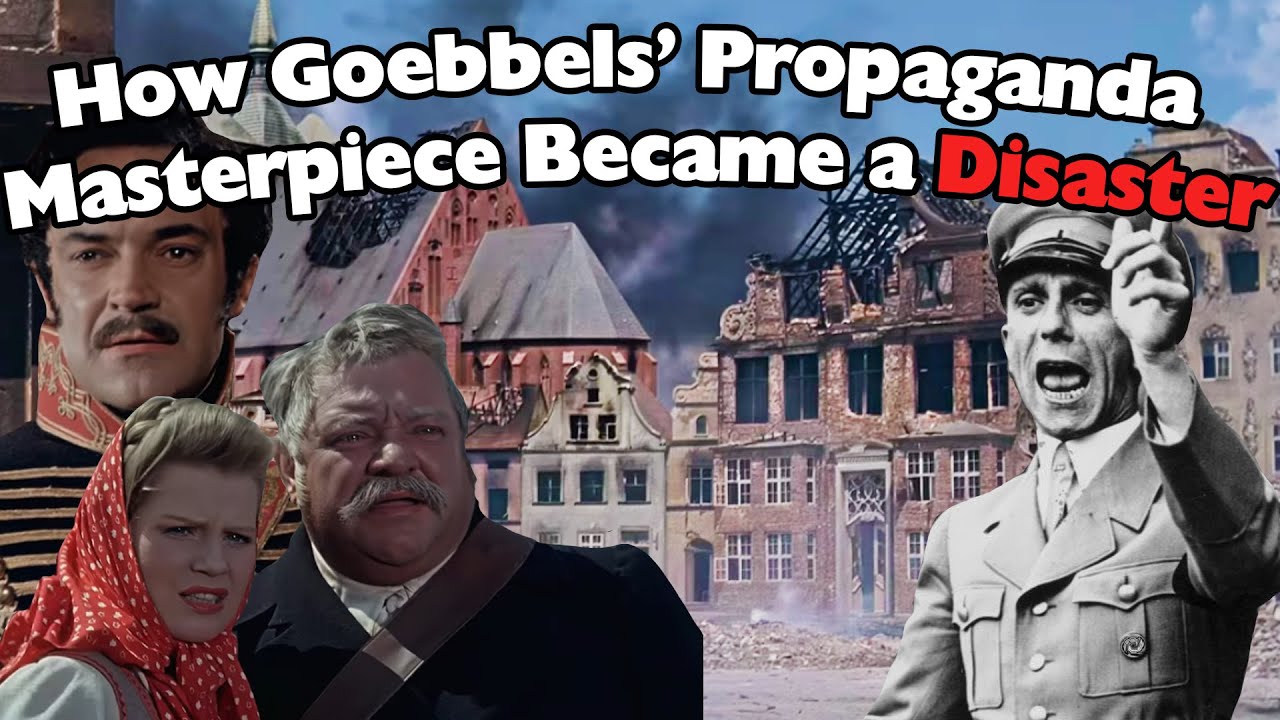
The role of Joseph Goebbels and the Reich Ministry of Public Enlightenment and Propaganda in consolidating control over German cultural output.
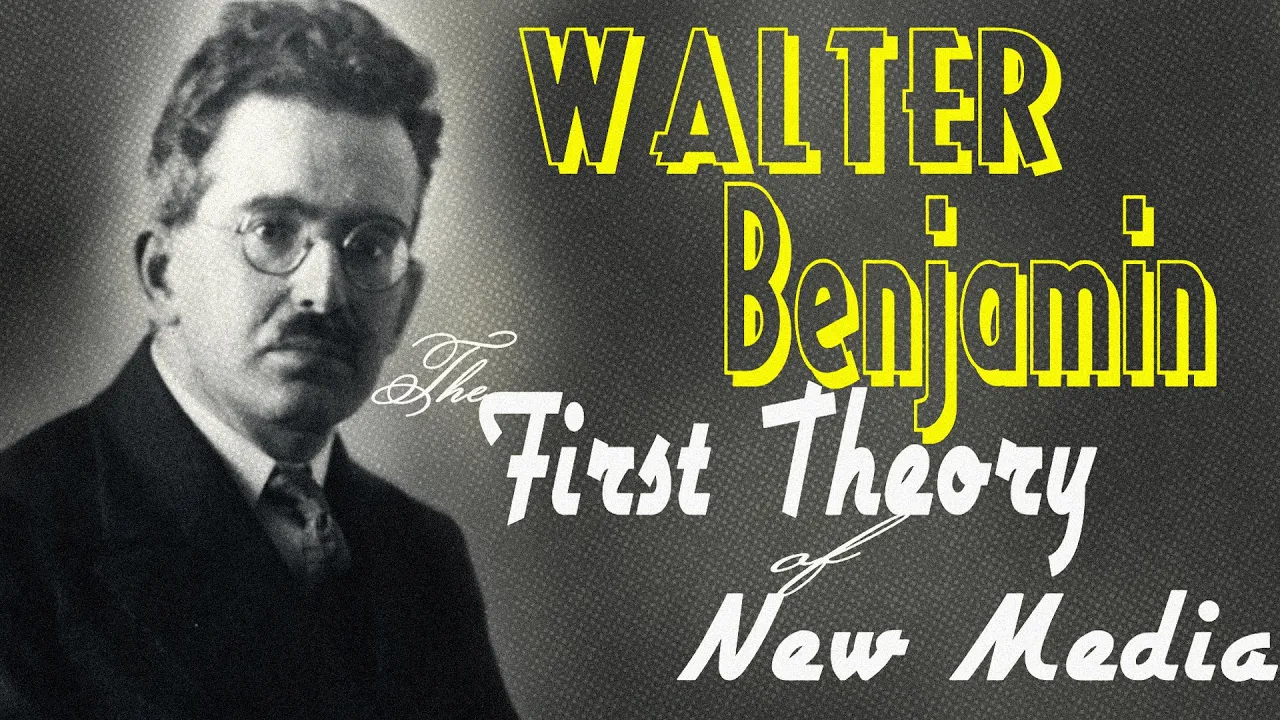
The philosophical and ethical debate surrounding art versus ideology, specifically Walter Benjamin's concept of the 'aestheticization of politics' under fascism.
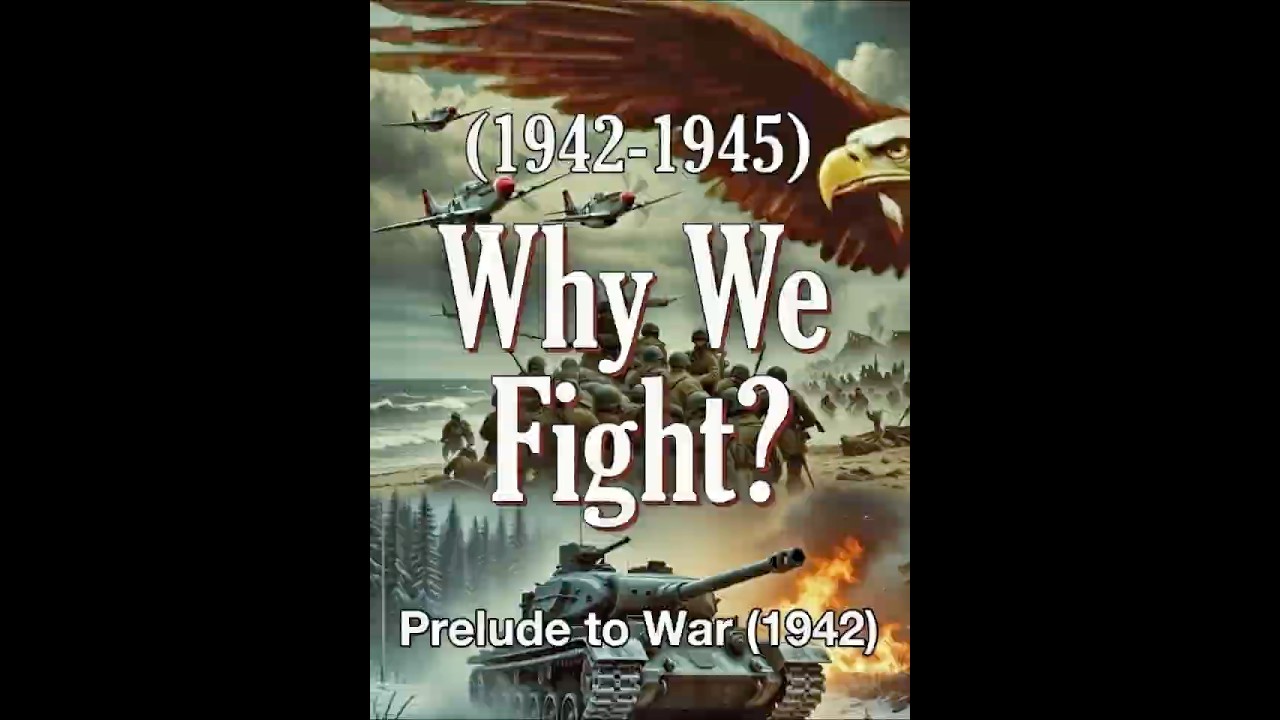
Comparative analysis of Allied counter-propaganda films, such as Frank Capra's 'Why We Fight' series, which directly appropriated and recontextualized Riefenstahl's footage.
The post-WWII denazification trials, the censorship of fascist media, and the controversial legacy and career rehabilitation of Leni Riefenstahl.
How modern political movements and authoritarian regimes adapt early 20th-century cinematic persuasion techniques for contemporary digital media and state-sponsored disinformation campaigns.
459.4K views5.3Klikes18:20Original Release: 2018-01-21
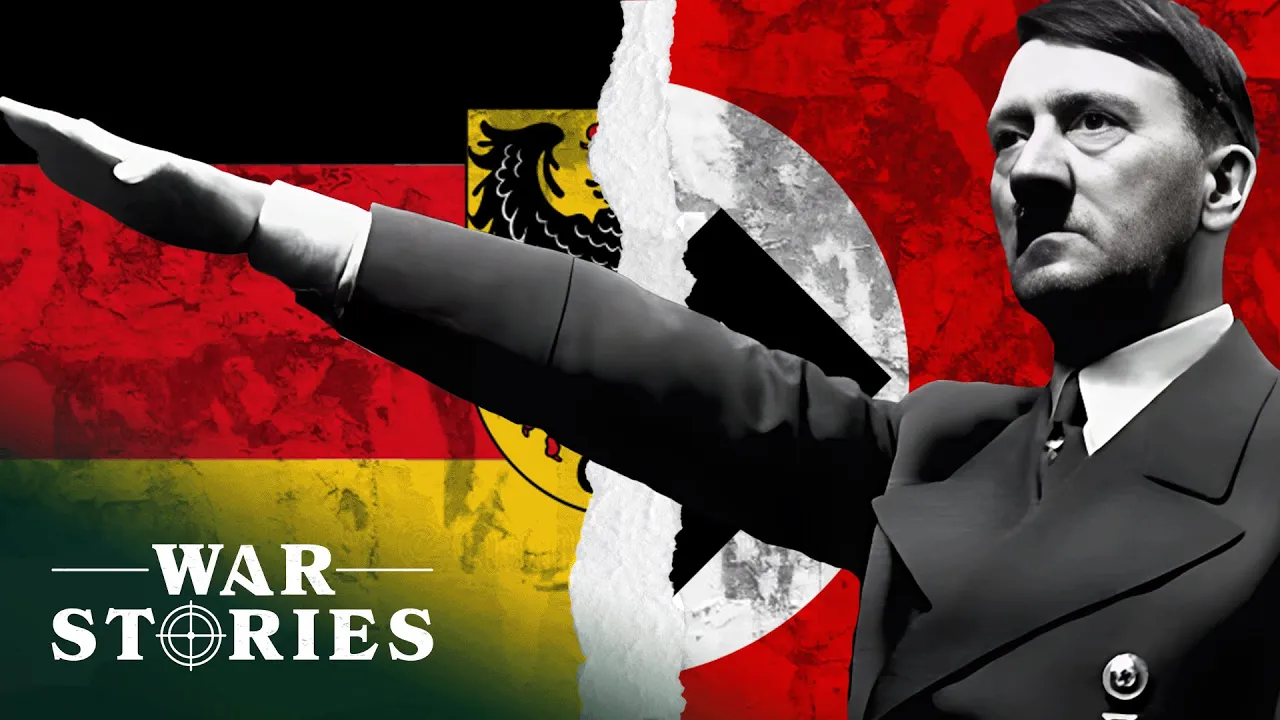
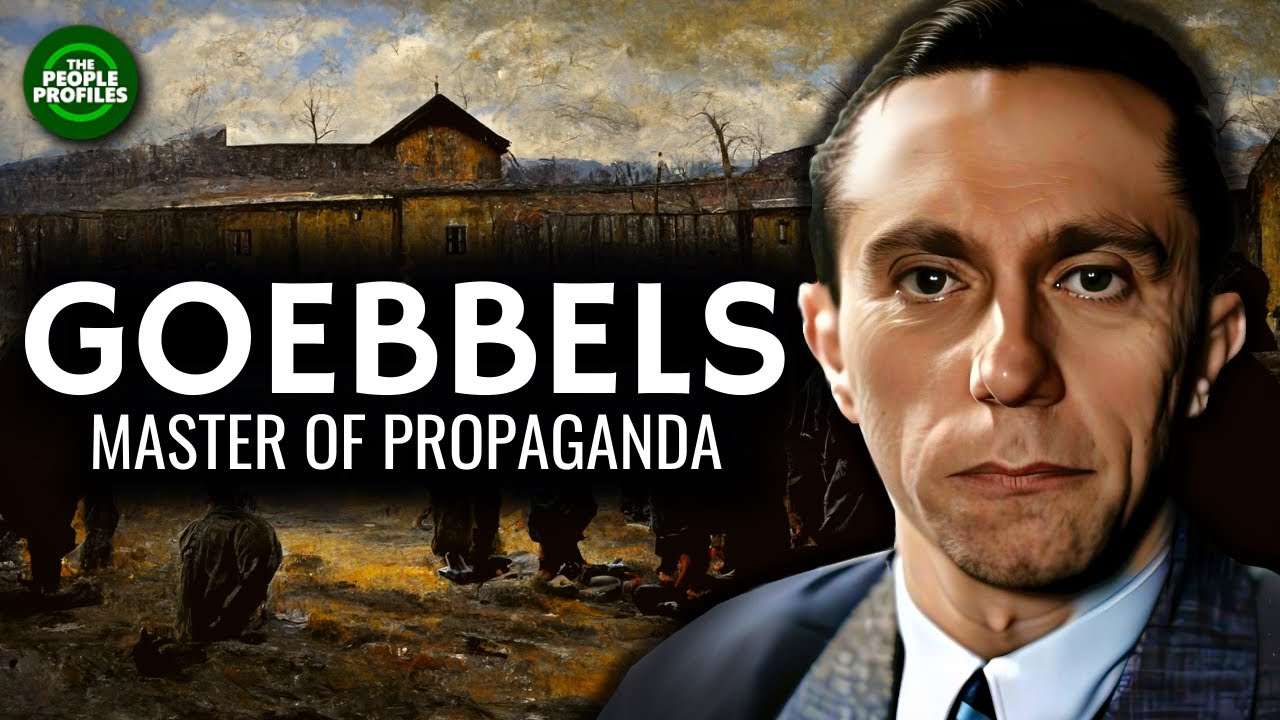
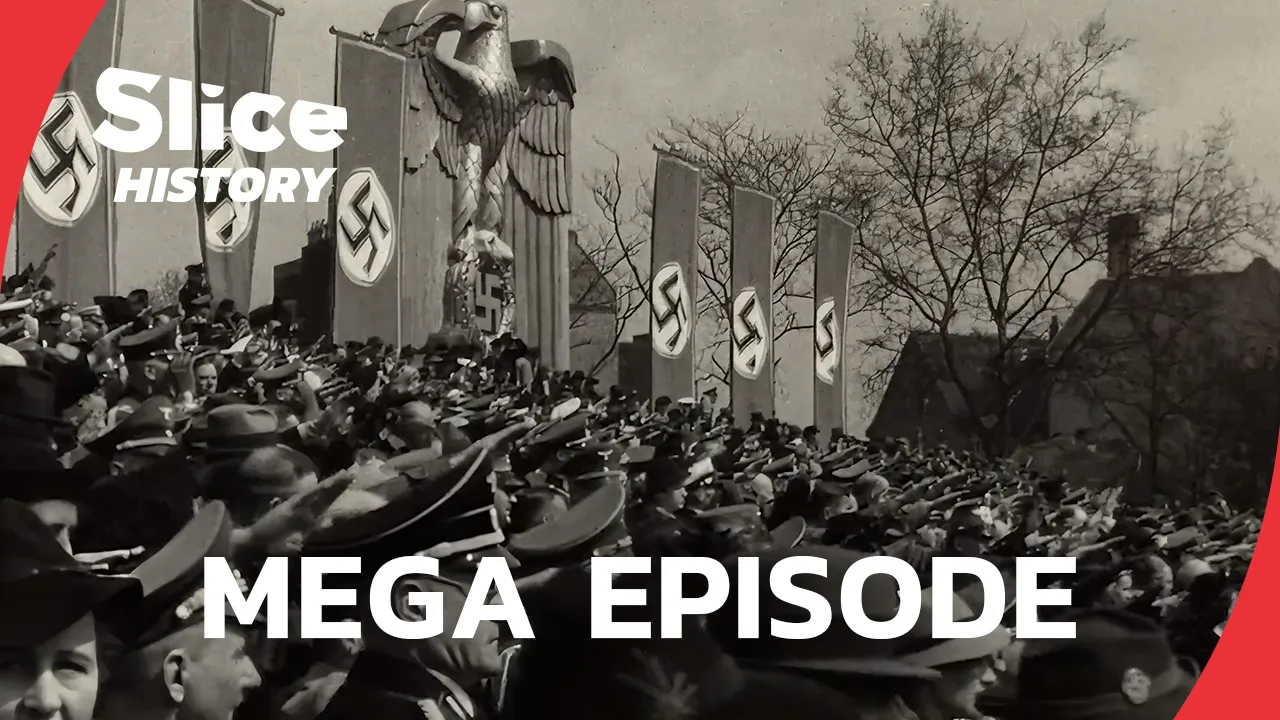
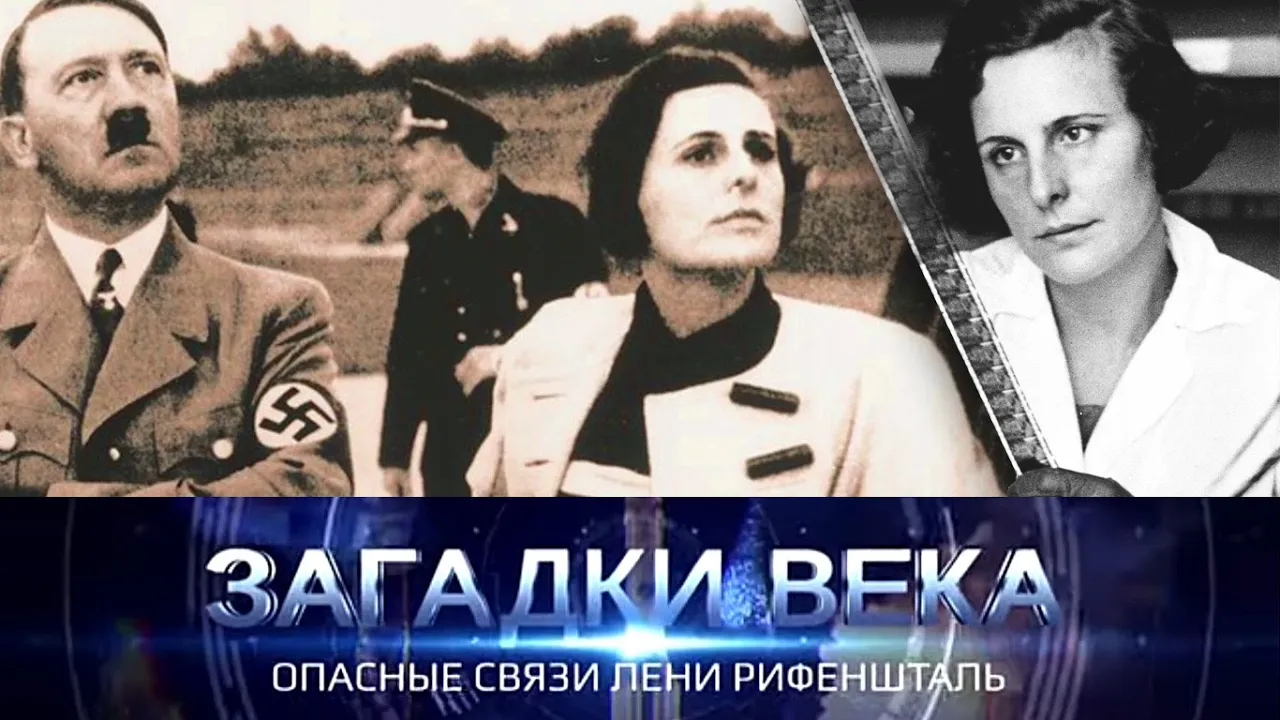
propaganda is everywhere the word can basically be applied to any kind of media that's designed to change the way you feel or influence your actions and this means it can range from simple things like environmental messages adverts and political slogans to far more harmful ideas like appeals to authoritarianism or the systematic dehumanization of entire groups of people since its inception the cinema has played a role in the dissemination of propaganda of all kinds and the silver screen has frequently found itself as the battleground in the modern war of information one of the most famous propaganda films ever made is the triumph of the will from 1935 it wasn't the first propaganda film but it was a huge leap in a scale and scope of cinema as a means of political persuasion and it showed just how effective the ah-1 can be in influencing and even brainwashing its audience although the film is praised for revolutionising propaganda it really invents very little for itself instead borrowing on techniques that date right back to the origin cinema and magnifying them with an unprecedented level of top physical support and a huge production budget let's take a look at the triumph of the will and how it was used by the Nazi regime to further their anti-semitic and authoritarian ideology but first let's take a look at the origins of cinema as a tool of propaganda and how it's been used by governments and individuals to influence the hearts and minds of its audience welcome to a hundred years of cinema we'll be taking a look at at least one film each year from 1915 onwards to track the evolution of film over the last century propaganda films go right back to the beginning of cinema to give you an idea of just how far back the Lumiere brothers displayed the first-ever film projection in 1895 and what it considered the first propaganda films were being produced by vitac raff in the form of newsreels three years later in 1898 one such film was the tearing down of the Spanish flag and although it only lasts 39 seconds and is extraordinarily simple it can actually tell us quite a bit about the nature of ghandar for one thing although it was purported to be shot in a real battle and it was displayed mixed in with real footage from the war it was quite obviously faked filmed in a studio in New York it also reveals a second truth about the nature of propaganda the only important information that the audience receives is what's contained within the borders of the frame this might seem obvious but let's examine what it means a Spanish flag goes down and it's replaced with an American flag and it's designed to give the audience a euphoric patriotic sense of victory but the film is stripped from its context it tells you nothing of the bloodshed poverty or death caused by the war it instills in the mind of its audience the idea of victory while avoiding the inevitable human cost that it would require this is one of the simplest ways the propaganda can work by controlling their narrative the filmmakers can control the audience's emotional response and in the long run condition in them a deep held belief or outlook in this case a jingoistic sense of victory leading to support for an overseas war a cinematic language developed phones increasingly turned towards feature-length fictional stories and so too did the propaganda the first purpose made feature-length propaganda film was released in 1912 called independent err Romani it tells the story of a young couple torn apart by the Romanian war of independence and it was written with the express purpose of instilling national pride in the young people of Romania reminding them of Romania's military victories and shifting public opinion in favour of Romanians involvement in the Balkan Wars the film was proof positive at the power of narrative fiction film to win the hearts and mind of its audience and arrived just in time for World War one the real development of wartime propaganda came not from the Germans but from the British one of the first acts of military action in World War one was to sever the transatlantic cables connecting Germany and America the British knew very well that success in the war would rely on turning the America public opinion against the Germans and ensuring the strength and stability they came from having America as both the trading partner and a military ally the British government set up the National warrants committee to produce propaganda of all kinds including the immensely popular newsreel which brought images from the front into theatres at home inserting patriotic sentiment into mass entertainment the British government even went as far as to hire American filmmaker DW Griffith to produce the propaganda film hearts of the world in which in American and his French lover are brutalized by the German Army World War one was a new kind of war rather than affecting a select few victory would require both the combined effort and sacrifice of the entire country and therefore wartime propaganda will be aimed with the whole population from a listing new man soliciting war bonds and convincing men and women at home to sacrifice for the war effort over in America stars of the day like Douglas Fairbanks and Charlie Chaplin appeared in trailers encouraging the public to buy war bonds and a newly established Hollywood work to the war cooperation Committee of the motion picture industry to produce films like the little American or the unbeliever to build anti-german sentiment the same messages and the same depiction of the German people was repeated again and again the British and American war films established what would become one of the most important aspects of the propaganda film the constant reinforcement of the message continually hitting the same emotional responses and repeating the state-approved narrative until the audience believed it once the First World War ended the British government scaled back their propaganda offices but in 1917 a newly formed Soviet government in Russia would take propaganda to new artistic heights the commiserated the Enlightenment was established to spread agitprop a combination of agitation and propaganda to help educate the Soviet people in what the government wanted them to believe facing a largely illiterate population who spoke a variety of different languages the Soviets turned to cinema to create a universal language in 1919 the Soviet national the film industry and established the Moscow Film School and it saw the development of new cinematic language in theory from the Kuleshov effect to montage theory sergej Eisenstein used these techniques to spread the Soviet message rebellion in the battleship potemkin and glorify the 1917 Soviet revolution in October intellectual montage allowed filmmakers to implant ideas almost subconsciously into films the oppressive Sarris forces beating down on unarmed civilians gave the viewer an insight into the government's brutality regardless of which language II spoke films like these legitimize the revolution and therefore legitimized the Soviet regime new theories of cinematic metaphor allowed propaganda to be easily inserted into popular entertainment such as one of the first feature-length science fiction films in 1924 Aelita which saw a soviet-style rebellion against the ruling class of mars thereby proving the glory of the revolution that took place on earth the Nazi regime took power in Germany in 1933 and they set about establishing the most comprehensive and all-encompassing propaganda machine that the world had ever seen world war ii wasn't just a war of military might it was a war of ideologies between the Democratic freedom of the Allies and the authoritarianism of the Third Reich Hitler was well aware of the power of propaganda so much so that he dedicated two full chapters of his book Mein Kampf to his usefulness he highlights the effectiveness of Allied propaganda in winning the first world war praising its repetition repeatedly appealing to the emotions of the British people and painting the Germans as beastly Huns he also looked to the masterful use of propaganda in the Soviet regime in appealing to all aspects of society in my account Himmler outlines what he sees as the key principles of effective propaganda it should be focused and one-sided it should be consistent across multiple platforms it should never be weakened by objective analysis and it should be boiled down to a few key themes or phrases which it continually repeat he used this style of propaganda first to justify his dictatorship and later so legitimize or at the worst atrocities in human history in book eight of the Republic philosopher Plato describes a fictional democratic city Plato asserts that the freedom of democracy could be undermined by a cunning manipulator who by using the language of freedom and the disguise of the people's protector coerces them into voting against their own self-interest willingly trading the democracy for authoritarianism and tyranny in the case of the Third Reich this cunning manipulator wasn't Hitler but Joseph Goebbels head of the Nazi Ministry of propaganda what separated the Nazi propaganda machine from the British or American was that the nazis operated total media control with the goal of complete indoctrination of all the citizens every meaningful aspect of culture that could be consumed from the press radio theater art music and cinema was produced or approved by the regime and it all pulled towards the same goal of conditioning the German people into believing the racist authoritarian ideology of the party it's the propaganda of gurbles that gives us the images of Nazi Germany that we have today he's responsible for creating the depiction of Hitler as a master orator and a genius political tactician and his campaign of indoctrination helped transition Germany from the relative freedom at the thigh Mar Republic to the tyranny of the National Socialists and one of the tools that he used to do that was the triumph of the will triumph of the will is a semi documentary take on the 6th annual National Socialists conference in Nuremberg in 1934 by director Lenny rifle style it covers four days worth of speeches parades and citywide celebration it's added together out of hundreds of hours of footage and it unveils the core message of the conference without commentary or inter title although it's often praised as a revolutionising the art of film propaganda it actually adds very few techniques of its own instead drawing on the decades of development in propaganda they came before let's take a look at the propaganda techniques in the triumph of the word and how they used to advance the Nazi ideology sometimes when looking for the aims of a piece of propaganda you needn't look much further than the aims of the people who produced it Hitler was appointed Chancellor in Germany in 1933 in February he used the burning of the Reichstag to suppress civil liberties and remove political opponents from power in March he passed the Enabling Act allowing him to enact policy without approval of Parliament and in June he took one of the final steps towards complete consolidation of power in the country the night of the Long Knives a systematic slaying of anybody who might challenge him including those from within his own party having secured political power Hitler looked to use propaganda to downplay the violent treachery they gave him his position and inspire unconditional loyalty and support for him and his party although it's presented as an objective fly in the wall documentary this is the true aim of the triumph of the will the opening shots give us a glimpse into the kind of imagery that we can expect from the rest of the film aerial shots a pure white cloud give way to the city of Nuremberg we see the st. lawrence cathedral draped in the Nazi flag and immediately the parallel is drawn between the regime and religion then as the plane lands Hitler emerges as if descending from heaven the very first depiction of Hitler engenders him the divine status rifle style shows us seemingly endless crowds of loyal awestruck supporters all looking to Hitler as Savior Hitler is adored by all adults and children civilian and military the arrival of Hitler in Nuremberg is that of a messianic figure borrowing from British propaganda this point is hammered home look at these million supporters again and again and again and again low shots of Hitler paint him as the supreme leader towering above the masses almost godlike in his own challenged Authority the film hits the same notes over and over camaraderie obedience loyalty an intellectual montage lifted directly from Saoirse Eisenstein and Soviet propaganda show Hitler as he walks to the crowd shaking hands with his troops intercut with repeated artillery fire the parallel is clear through unity and loyalty to Hitler comes military strength and victory the strength of the German military is repeatedly shown to us through parades and demonstration even the reich labor service operate with military efficiency military superiority isn't just implied it's inevitable this is a depiction of a holy army graced by God with their racial superiority a common tactic of propaganda is to create a nostalgic appeal to a prior golden age and suggests that this form of glory can somehow be recaptured in the case of the triumph of the will this golden age is Germany from before World War one the film opens the title card reminding the audience of the horrors of the war that started 20 years earlier were later introduced to people marching in traditional German dress and as they shake hands with Hitler the suggestion is that this is the Reed awning of Germany's pre-war glory building on this we're constantly reminded of the sacrifice made by those who fought in the war traditional folk tunes are slowly replaced by more militaristic music comparisons are drawn between sacrificing yourself for your country and immortality the film is calling on Germany's young to give themselves for the cause of Third Reich and with Hitler rebuild Germany like a phoenix from the ashes the entire film is pointed to one message and it can be summed up by the closing lines at the salon trying for the will is often heralded as a crowning achievement in cinematic propaganda but it is hard it's no more than an elaborate version of tearing down the Spanish flag from 1898 though it borrows from the authenticity of the document median and rifles talents assisted that the film was an unbiased representation but true events the truth is that the whole conference was staged and orchestrated specifically for the film writen self helped organize events had a hound in the overall design and even had bridges towers and ramps built in the city centre to magnify the effect of the conference and screen the film is a carefully staged and managed event designed to pull the national socialist ideology from its context all the information that the audience receives is contained in the frame and anything external to the borders of the screen has been important the film does not deal with policy or arguments every frame is designed to appeal to the audience's emotion while willfully disregarding the violent thuggish behavior that helped get hit with the power though the film does mention the ideas of racial purity he purposely does not reflect the persecution of Jewish black disabled homosexual or Roma people there was already well underway by 1934 this kind of propaganda is so effective the even today more than 80 years later there are still people who purposely disregard the unprecedented horror of the Holocaust the systematic slaughter of over 11 million people and allow themselves to be swayed by an unthinking staged appeal to their emotions far from the genius work of art than its reputation would have you believe try for the will stands as a testament of the ability of blunt emotional attacks to overwhelm rationality and it's evidence to the necessity of media criticism propaganda still affects us every day although the technology behind it is much more developed it still operates on the same basic principles so for piece of media particularly one from the government or a political group has made you angry or scared or elated ask yourself what information has been included on what context has been left out why was that particular emotional response targeted and who stands to gain from exploiting it hey thanks for watching 100 years of cinema my name's Charlie I want to say a massive thank you to all the people that support me on patreon including my later supporters Brian Martin tobias Johnson and Willie nibbler if you want to learn more about propaganda I want to recommend some of the books that I used in researching this video including munitions of the mind by Philip M Taylor which looks at the history of propaganda going all the way back to ancient Greece the Third Reich's celluloid war is a pretty comprehensive list of Nazi propaganda films and how propaganda works by Jason Stanley is a really relevant book talking about the propaganda tactics used by modern governments and how they were also definitely check out the folding ideas video on the triumph of the will and a cinematic language of propaganda everybody on that channel is really engaging and informative but this one's particularly good and I'll put a link to that at the end of this video this time for a patreon bonus video I'll be talking about one of the last great silent films from 1931 and you can find a link to that by clicking here you can subscribe by clicking here watch that following the ideas video by clicking here and you can find more of my stuff by clicking here thanks for watching and I'll see you next time
Up Next

8:33
Exploring Don't Look Up: Review and Cultural Critique
@BeyondTheTrailer
137.4K views•2021-12-11

12:54
Triumph of Orthodoxy Icon: Byzantine Art & History Explained
@BenCallan
2.1K views•2024-08-06

9:49
FastAPI vs Flask vs Django: Choosing the Right Python Web Framework
@TechWithTim
302.5K views•2024-05-26

1:42
Game of Thrones Opening Credits: A Cinematic Analysis
@gameofthrones
46.3M views•2011-04-18
Related Study Plans & Knowledge Roadmaps
Structured learning paths in General & Interdisciplinary Studies
general-studies
Elevator Engineering: History, Physics & Cities
01From Hoists to Safety Brakes: The Dawn of Vertical Lift
02Hydraulic vs. Traction: The Engineering Physics of Elevators
03Modern Speed, Safety, and Algorithms
+ 2 more learning modules
12h5 modules
Explore Roadmap
general-studies
Rubber: Material Science, History & Geopolitics
01Origins of Natural Rubber & Mesoamerican History
02The Chemistry of Natural Rubber & Vulcanization
03The Geopolitics of the Rubber Boom & Colonization
+ 2 more learning modules
12h5 modules
Explore Roadmap
general-studies
Containerization: Evolution, Logistics & Trade
01Ancient Trade & Bulk Cargo: Amphorae to Barrels
02The Industrial Revolution & Cardboard Packaging
03The Containerization Revolution: Malcom McLean
+ 2 more learning modules
12h5 modules
Explore Roadmap
general-studies
Textile Tech: Evolution, Labor & Global Impact
01Pre-Industrial Textiles: Handloom & Cottage Industry
02Mechanization: The Spinning Jenny to the Power Loom
03The Factory System & Global Labor Transformation
+ 2 more learning modules
10h5 modules
Explore Roadmap