





![The Earrings of Madame De... [1953]](https://i.ytimg.com/vi/wvANAN9mXu4/maxresdefault.jpg)




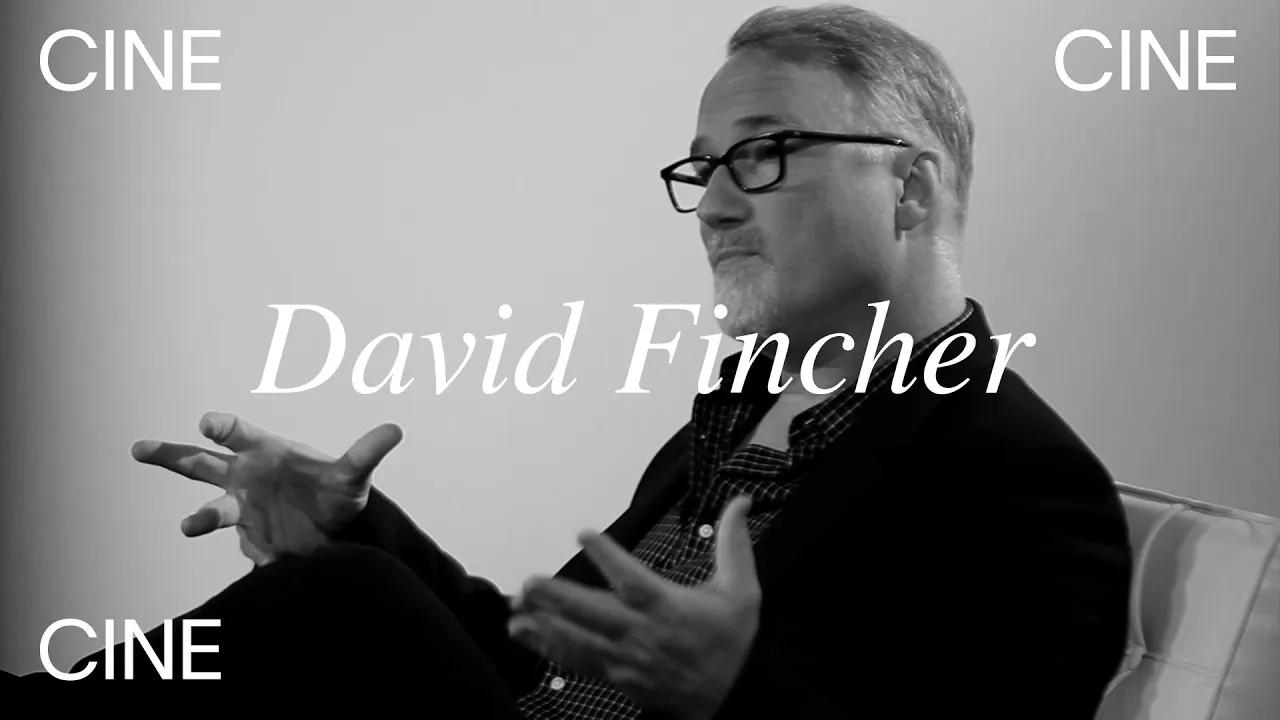
![Fincher on Fincher — How David Fincher Directs a Movie [The Director’s Chair]](https://i.ytimg.com/vi_webp/dljfMoCXnSk/maxresdefault.webp)



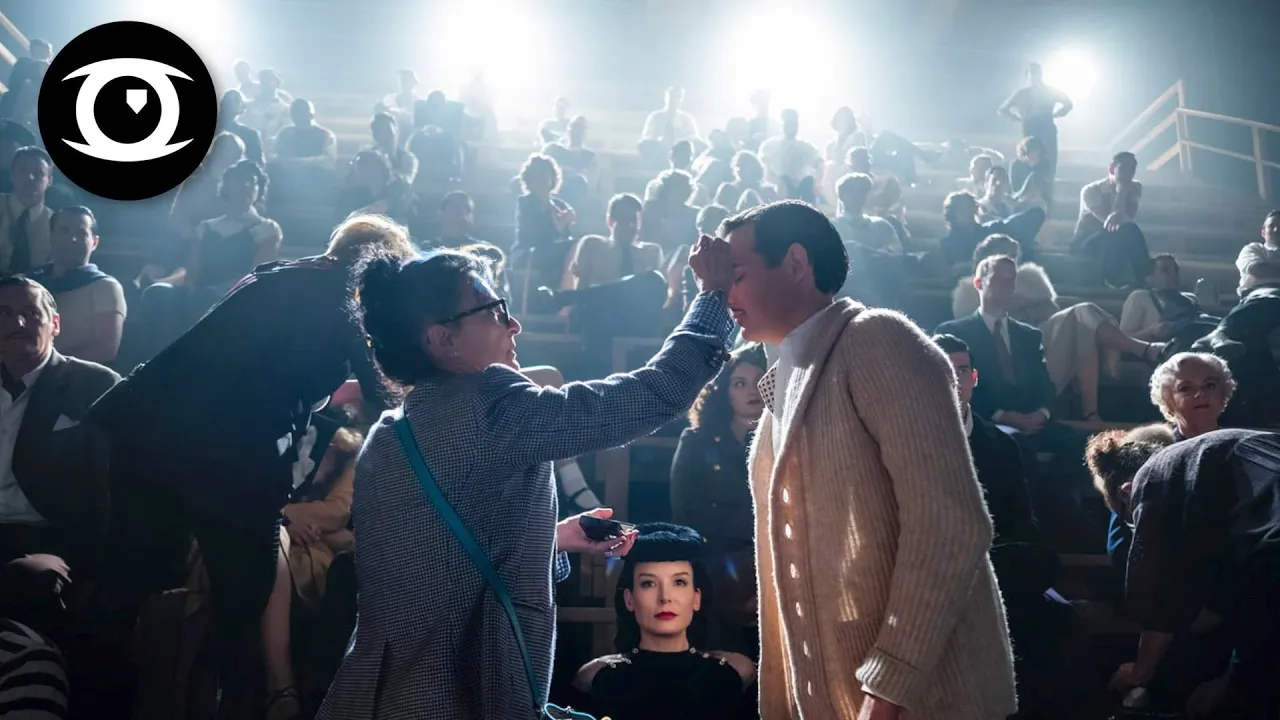

David Fincher's directing style emphasizes visual storytelling over dialogue, using character positioning, staging, and camera angles to convey emotional states and power dynamics before words are spoken; he employs wide shots to establish environmental context, uses close-ups sparingly to punctuate important moments, and creates immersive experiences through low-key lighting and minimal camera movement, all shaped by his belief that limitations foster creativity and that audiences should feel emotionally connected to the narrative rather than observing it from a distance.
David Fincher's Visual Style: A Directorial Analysis for Filmmakers
Added:Basic cinematography terminology, including shot sizes (close-up, medium, wide), camera angles, and standard camera movements like pans, tilts, and tracks.
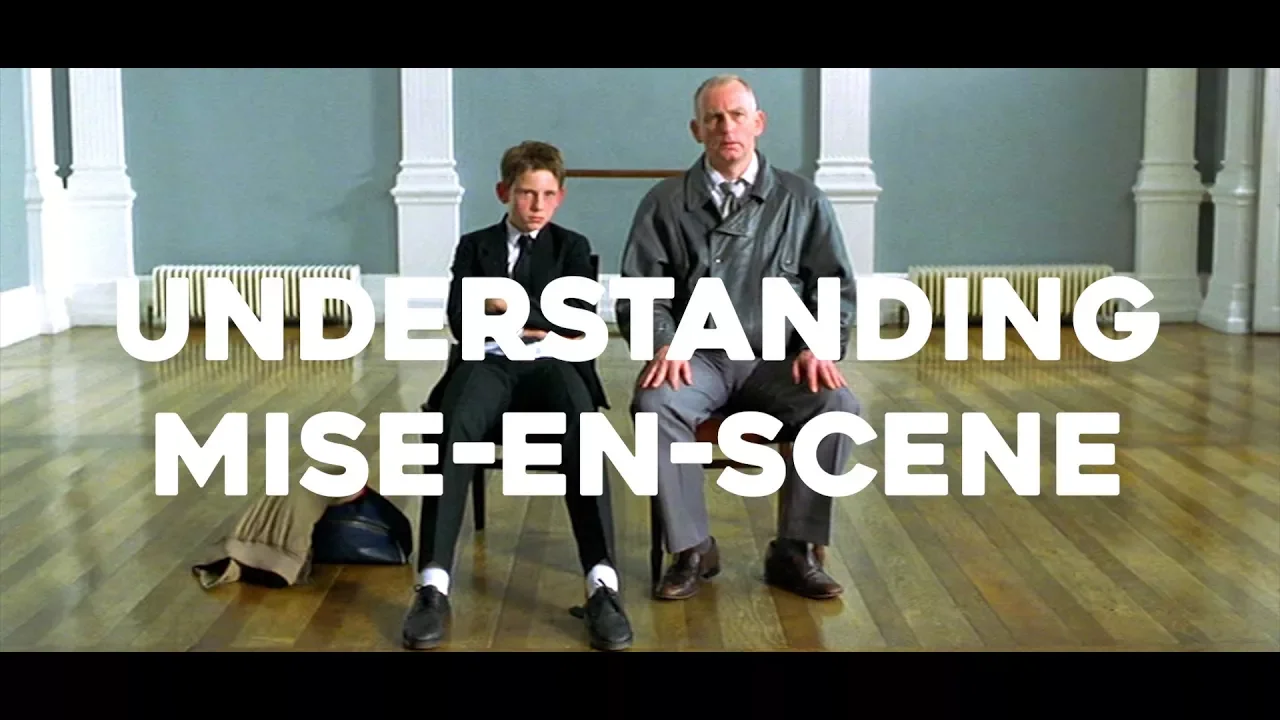
The fundamentals of mise-en-scène, specifically how the placement of actors, props, and set design within the frame communicates narrative information.
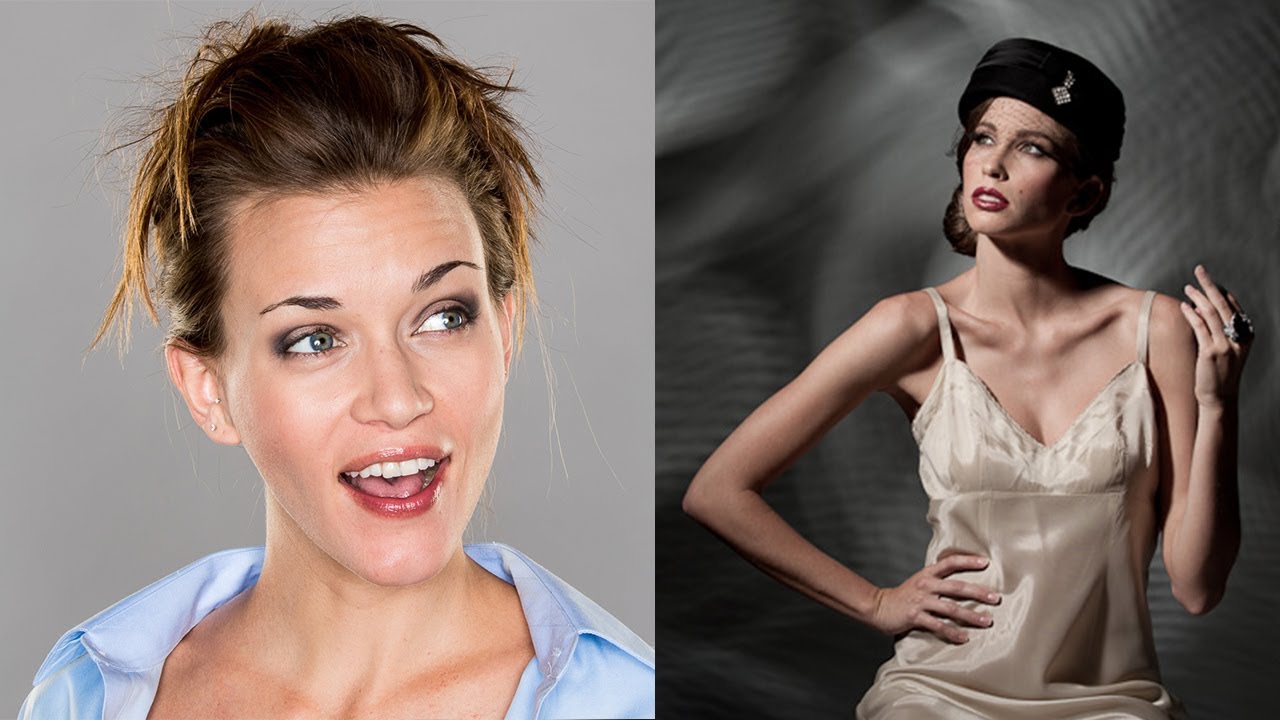
An introductory understanding of film lighting principles, particularly the distinction between high-key and low-key lighting and how they affect mood.
The concept of visual subtext, or how a director communicates psychological states and thematic elements implicitly through imagery rather than dialogue.
Applying Fincher's techniques of locked-off, tripod-based camera movement and precise, motivated tracking shots to your own visual storytelling projects.
An in-depth study of the collaborative relationship between director and cinematographer, specifically analyzing Fincher's work with Jeff Cronenweth and Erik Messerschmidt.
Studying the psychological impact of color theory and digital color grading, focusing on Fincher's signature low-saturation, yellow-green, and deep blue palettes.
Analyzing the integration of invisible VFX (visual effects) and split-screen compositing as tools for performance alignment and environmental control in post-production.
275.7K views7.6Klikes14:41Original Release: 2016-12-14
If you liked this video Share it on Social Media This is [a] new channel And it helps us a lot it is often said that the reason we watch movies is because of escapism Movies can allow us to escape the mundane 'Ti of life to another time or another place They often [encouraged] us to believe [that] our world will eventually be okay David fincher doesn't make those kind of movies Hey, you drew here. I'm reading on behalf of the film guy and today we are attempting to break down the visual directing style of David fincher the good the bad and the In-between in 1992 David Fincher was given the opportunity [to] direct his first film Alien 3 in which [foxx] as the studio Producing the film did what they are known for doing then and now pushing new directors around being mismanaged and not knowing What kind of movie they want to make?
Of course the movie ended up being terrible and all this left fincher broken and almost made him quit filmmaking altogether In my opinion the experience left venture with a pSychological standard for his future work firstly having a fear of making another bad movie and secondly being extremely cynical and Nihilistic about everything he has since become one of the most sought-after directors working today So let's look at why this is wait David Stager seems is to tell you how to feel or how the characters [are] feeling so you can more easily Understand and empathize with them. It's often said that there are 50 ways to shoot a scene But David thinks there is two ways and one of them is wrong So let's look at what he means by that and break down David's blocking in this scene in zodiac where this group of investigators?
Led by Mark Ruffalo's character David Toska may have a big break in [the] zodiac killer case We will refer [to] these guys as tuskys team they are trying to work out the validity of some information. They were given They do this by flying to Riverside California to talk to homicide Investigators about a past homicide as the theory is that this murder was also committed by the zodiac killer We will refer to these guides as the Riverside team So what does the staging of characters in these shots tell you about them?
Well first Let's examine toss [Keys] team They are all sitting at the end of the table at the same wire level facing each other Surrounding their case files this is to subconsciously tell you that they are all on the same Mental level United towards one goal Solving the case now let's look at the Riverside team neither of them are sitting on the same I level their bodies are facing away from them even before a single word is spoken We can subconsciously pick up they aren't interested in what [toss] [gives] team is saying also They don't really want to help them it is the comparison of these two Different sets of staging that tells the audience the nature of the characters in the scene To little surprise toward the end of the scene we find out the riverside Have a personal interest in the homicide not being committed by the zodiac Killer and are willing to put that above actual evidence This is fantastic staging and direction that puts fincher apart from other directors It's all about showing the story before you actually tell the story it's 100% Substance before style fincher understands their audiences generally are smart enough to pick up on body language and positioning and directs his actors accordingly such as in this phone call scene in the social network if we look at Davis Direction of the actors movements and positioning during the Scene we see that. It's very complex generally with phone call scenes act as a place looking in the opposite direction of each other in their Corresponding shots just like any normal dialogue scene only in different locations This is to give a visual clue to the audience that the characters are talking to each other and not just being on the phone At the same time this is a tried and true storytelling method that is used in 99% of films and TV shows But in this scene David uses the direction that a character is facing to show their emotional perspective to the person they are talking to We start the scene with the edoardo character receiving an angry call from the Mark character But when Eduardo answers we see that they are [facing] away from each other in their corresponding Shots this is done to [show] the conflict in their friendship both not wanting to show respect towards each other after a little bit of fighting mark tries to be vulnerable with Eduardo Opening up to him at the same time We see mark turn and face where eduardo would be standing and [watteau] acknowledges this and starts apologizing to mark Notice that now he has turned and is facing towards mark Both characters are now facing each other's positions and subconsciously showing that a respect between them has been regained But when [mark] brings up the company the shot moves and they end up facing away from each other again This is finch's visual clue that shows us the company will always stand in between their friendship constantly pushing them apart There is [a] lot more to this scene such [as] the fire and the meaning of the ending so I do recommend you watch it But overall it's a [fantastic] example of the amount of thought David puts into shooting a simple dialogue scene You can find this pure visual storytelling in most of his films using shot choice active positioning and frame Composition to show a characters emotional mentality or who in the scene is holding the hypothetical power?
Are too many directors today use the crutch of telling instead of showing?
David learned from the lessons passed on by the Era of silent films where filmmakers were limited by actors not being able to speak on Screen the directors were forced to show the story not tell it But as the author mark foster once said it is very difficult to be creative when anything goes and you have no limitations Because it is the limitations that actually encourage creativity So being limited and being forced to learn to tell a story without dialogue will allow a director to tell their story more Creatively with dialogue. This is also connected to how he shoots and composes the shots in his cents he mostly shoots wine angles as he wants his audience to constantly see the Environment a character is operating in as he believes It's a powerful way [for] the audience to get to know a character without them needing dialogue in Fact he loves shooting with wine angles so much so that most of the reshoots that his films have had are because he shot too Wide originally despite this obsession with wide shots He does use close-ups But he uses them very rarely and very carefully as he we use them to punctuate a line of dialogue in the scene [and/or] Show What's important in the scene?
Keep in your mind that fincher wants you to experience the movie through a particular perspective And when a director uses a close-up the audience subconsciously knows that this shot is being shown to them on purpose It's a director saying this right here this thing that we are showing you is important and nine times out of ten you would find The character wouldn't know that yet thus disconnecting the audience slightly out of the narrative perspective Director is trying to tell the story through this belief is proven correct in the mystery thriller the game where David uses close-ups to play with the audience's expectations throughout the film Fincher constantly cuts to close-up to make you think they are important to figuring out the mystery of the film when they are not This was done to serve two purposes Firstly to keep the audience guessing and secondly to give the audience a similar emotional and mental state to the main character Which is one of Paranoia and confusion, but it shows the power a director has through close-ups this ideology of avoiding disconnection of the audience from the narrative also extends to how fincher moves the camera unlike directors like JJ Abrams It seems David hates unnecessary movement shooting scenes with up to three cameras at once Will compose several shots and build the scenes around those shots But just as before fincher will break his self-appointed limitations and actually move his camera the way David moves the [camera] [sits] somewhere between Robotic and omnipotent as he wants to take away from the feeling that there was a person behind the camera Shooting what you see on screen as he feels stylized camera movements make movies feel like movies This is why towards the end of gone girl when amy arrives home the camera pans up as amy falls into Nick's arms its Stereotypical and a cliche, but it was all done on purpose And it's meant to feel fake as to amy this is all a performance in general venture would rather show you a cinematic window into a perspective on a believable story if Spielberg is a director who mostly shows you the perspective of a main character in the story Experiencing something and kubrick is a director who mostly shows you the perspective of [different] people stumbling upon advances They unfold then finch's cinematic perspective seems to be somewhere in between almost as if a person is following the characters Experiencing the events but not quite being involved in them directly and he crafts that perspective with immaculate detail Especially with his use of CGI if fincher using cGI sounds odd to you. It's very likely that you are not alone in that thought Surprisingly he uses a lot of it in a way most filmmakers wouldn't his main uses are to improve upon [what] was already shot or to add visual styling to a scene getting it closer to what he sees in his head?
It's not something he ever relies on please forgive the quirky metaphor here But if CgI in Hollywood movies is like a cake Finch's cake is made of storytelling and is icing is made of CGI as if to say he doesn't need it But it is used to improve [the] flavor of the final product This is also shown in David's reputation as he is often said to be an [obsessive-compulsive] perfectionist about his filmmaking Often making his actors play out one-minute scenes over 50 times with the cameras only being turned on after the 30th run-through This is made David's shooting ratios extremely high in fact one of the highest of any director ever With the average shooting ratio across Hollywood filmmaking being 10 to 1 meaning 10 hours of raw footage Shot for every our of screentime one of David's more recent films gone girl has a shooting ratio of and this is crazy 201 to 1 that's 500 hours of raw footage for a 2 hour and 20 minute movie But according to fincher himself being a perfectionist isn't why he does it [his] belief Is that actors should get past the point of where they are trying to act he wants them to stop trying to give a performance?
And the only way to get them to this point is to have them do the scene over and over and over again despite How many times they may technically act the scene out perfectly he wants them to pass the point of acting?
Past the point of frustration to the point where the actors have a full Realization of the characters in their scene whether this belief is right or wrong. I'll leave that up to you This isn't the only way fincher practices getting perfect Performances from his actors a huge portion of it comes right down to the editing room since moving over to digital filmmaking Fincher and his editors have used an editing process called split composition time remapping [in] almost every scene of every movie Here's make this is a powerful process of manipulating the timing of individual events within a frame to improve upon What was already filmed on set most commonly used to tweak with the timing of multiple actors?
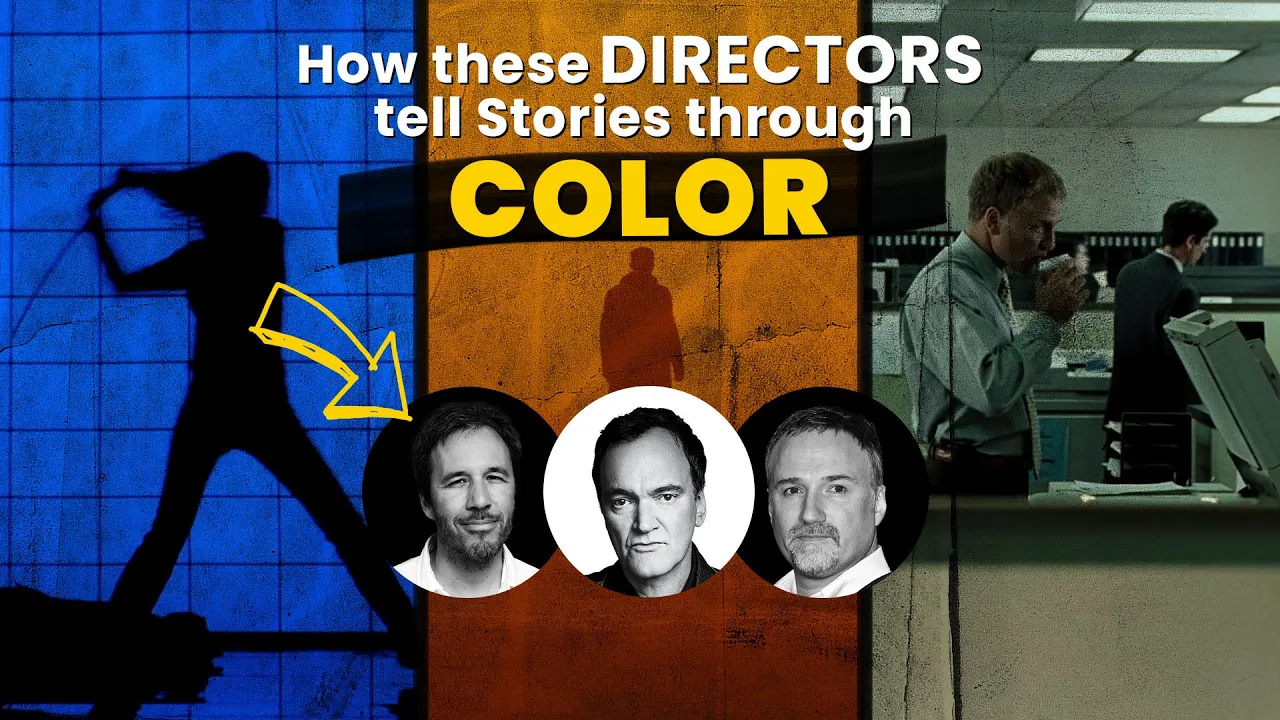
performances or to combine different takes of a performance This is achieved by layering multiple tapes on top of each other in compositing software and then masking out the unwanted Performances and replacing them with the ones wanted if you'd like a more detailed look at how this is done I'll link to a video down below But the important thing that you pick up from this is how emily is about what he shows on screen I also feel that finch's visual style is Arguably most known [for] his use of color and lighting his movies often feature deep yellow or blue color tones with low contrast lighting it would appear fincher finds more visual interest in Shadows than in light as he will often shoot a scene with characters barely lit at all even in direct sunlight characters are saturated in levels of low light most likely taking influence from Gordon Wills the cinematographer on the Godfather films and nicknamed the prince of darkness Wills would often lightish scenes under exposing the actors often not showing any light in the actors eyes But David will often take it a step further Barely lighting an actor's face at all given the subject nature and tone of most of his films One could assume this is to show the darkness and bleakness of the worlds David as a nihilist creates It's also possible [it] is something completely different as personally barely being able to see a characters [face] during a scene because of the lighting Reminds me of what David did in the social network [man]. I like the idea of it. You know the way girl legs Cowboy In both the bar and especially the club scene the background noise and rave music is edited to be very loud Making it slightly difficult to hear the dialogue This was done because firstly it's realistic and secondly it makes you focus Extra hard to hear what the characters [are] saying thus being more likely to take in what is happening?
Perhaps David's use of low level lighting like the previous scenes is a way to make us pay closer attention to what we can see Making us more likely to understand and empathize with them as we are more likely to be engaged [this] is what David fincher as a director does he creates movies that above all other things [make] us feel and that's something that I think is very rare in Modern Cinema Unless I'm watching a film about tragic true events like Racism war or disaster I don't often feel on a deep or real level sure I can get excited about watching the latest Blockbuster Seeing some guy in a leotard punching another guy in a slightly different leotard But I can't remember the last time one of these films made a personal emotional connection with me Now when [I'm] watching finch's movies more often than not they make me feel [seven] made me feel deep disgust and dread Surprisingly both zodiac and the girl with the dragon tattoo genuinely made me feel extremely uncomfortable To the point where on rewatching Z-- I had to skip scenes in the social network fincher made me relate to mark Zuckerberg Someone who by his very nature should be an unlikable character but I felt the disappointment in my own attempts of connection with people in my pursuit of success and Gone girl gave me feelings of genuine anxiety about my own relationships and made me question those I trust It all goes back to the cinematic perspective of his films We aren't experiencing his films events nor are we watching them from afar we follow them [we] [connect] with them. We are disciple button, and that's what makes David fincher the amazing director. Here's Anyway guys this has been drew reading on behalf of the film guy if you want to choose the next director that we break down Please check out his Patreon campaign Also, if you are new [to] the channel then hit that subscribe button and alert fun If you want to see more director style breakdowns you can check out this one on zack snyder or this other one on quentin Tarantino you can follow him on [Twitter] and [Instagram] At the real film guy or if you like my voice you can also follow me on Twitter at Tes [Jury] That's it for now. We'll see you again soon you
Up Next

10:59
Parasite and Bong Joon-ho's Cinematic Language: A Video Essay
@AccentedCinema
582.8K views•2019-11-07

23:14
Visual Analysis Essay: How to Analyze Graphic Novels in College Writing
@nataliepleimann5941
1K views•2020-10-14
4:55
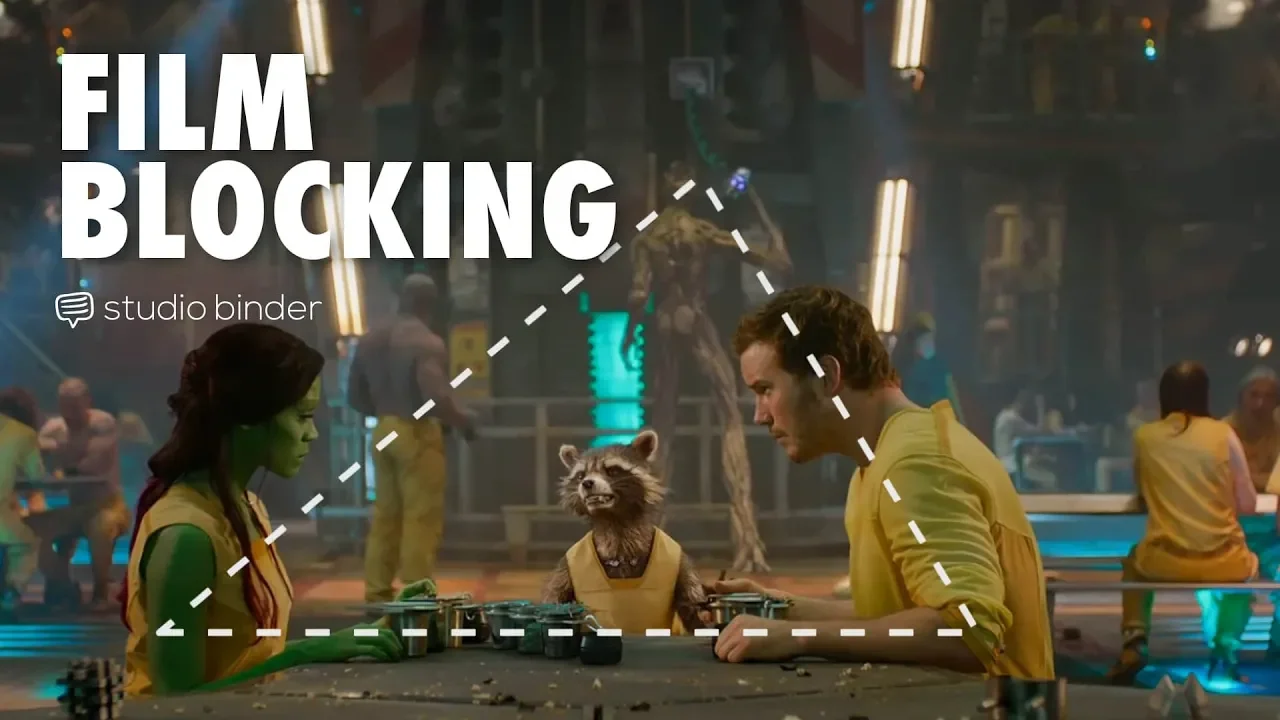
Film Blocking Techniques for Directors: Space, Shapes, Lines
@StudioBinder
1.9M views•2018-07-23

4:00
Evolution of Darth Vader: Anakin Skywalker's Animated Journey Across Star Wars Films
@TellItAnimated
13.4M views•2019-03-30
Related Study Plans & Knowledge Roadmaps
Structured learning paths in Film Analysis
film-analysis
Sensory Cinema: Foley, Haptic Sound & Texture
01Introduction to Film Sound and Foley Artistry
02Micro-Sounds, Textures, and Extreme Amplification
03Haptic Audition and Film Phenomenology
+ 1 more learning modules
12h4 modules
Explore Roadmap
film-analysis
Breaking the Fourth Wall: Mockumentary & Satire
01The Invisible Wall: Basics of Cinematic Illusion
02Looking at the Lens: Direct Address & Character Glances
03The Mockumentary: Satire, Realism, and Complicity
+ 2 more learning modules
12h5 modules
Explore Roadmap
film-analysis
Analyzing the Long Take: Cinema, Space & Ethics
01Foundations of Film Grammar: Montage vs. The Long Take
02Choreography and Mechanics of the Simulated One-Shot
03Phenomenology of Film: Real-Time Spatial Continuity
+ 1 more learning modules
14h4 modules
Explore Roadmap
film-analysis
Anachronistic Music: Period Drama & Subversion
01Foundations of Film Sound and the 'Needle Drop'
02Traditional Authenticity vs. Revisionist History
03The Rise of the Anachronistic Soundtrack
+ 2 more learning modules
12h5 modules
Explore Roadmap