





















Pediatric systemic lupus erythematosus (SLE) presents with characteristic features including malar rash sparing the nasolabial fold, perorbital puffiness indicating renal involvement, oral ulcers, and arthralgia, with a strong family history of SLE; diagnosis requires careful clinical evaluation including ANA testing (high titer with homogeneous pattern), anti-dsDNA and anti-Smith antibodies, complement levels (typically low), and renal function assessment, with urgent investigation needed due to high risk of renal involvement (80% in pediatric SLE) and the need for aggressive immunosuppressive treatment including hydroxychloroquine, steroids, and mycophenolate mofetil.
Juvenile SLE With Lupus Nephritis: Case Presentation | PG CLUB RHEUMATOLOGY
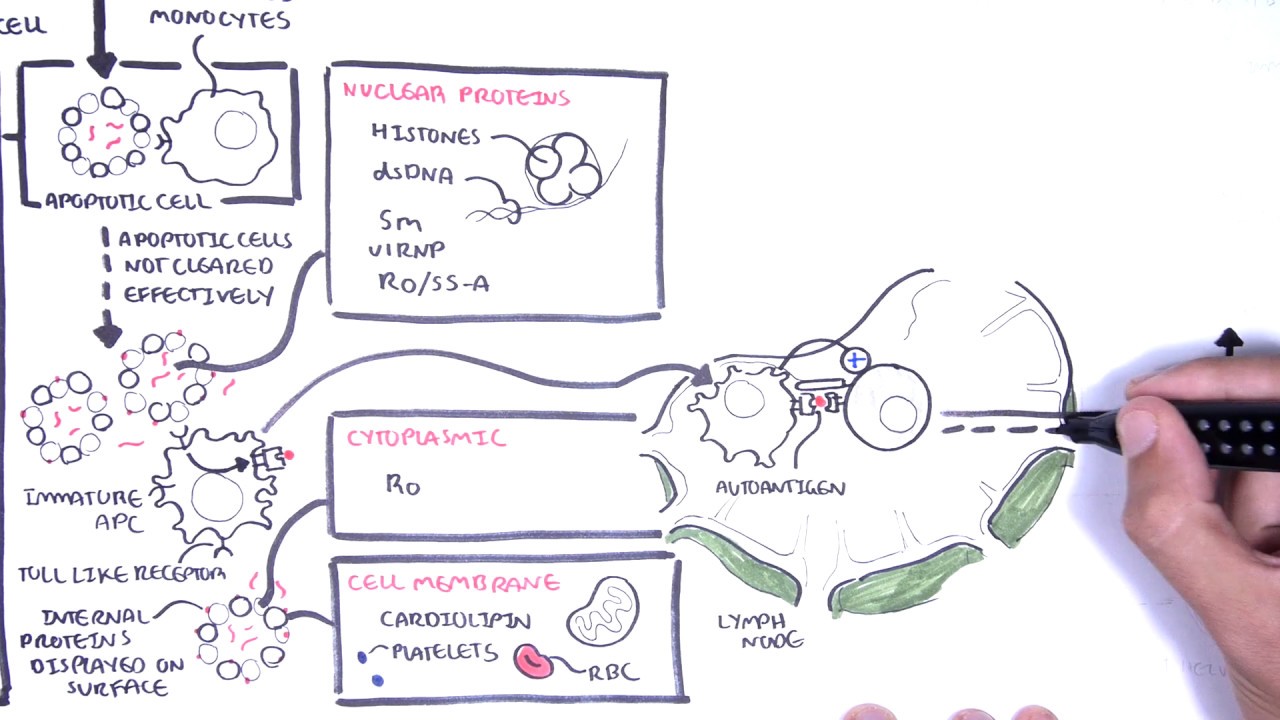
Added:Basic pathophysiology of Systemic Lupus Erythematosus (SLE), including autoantibody production (such as ANA and anti-dsDNA) and immune complex-mediated tissue damage.
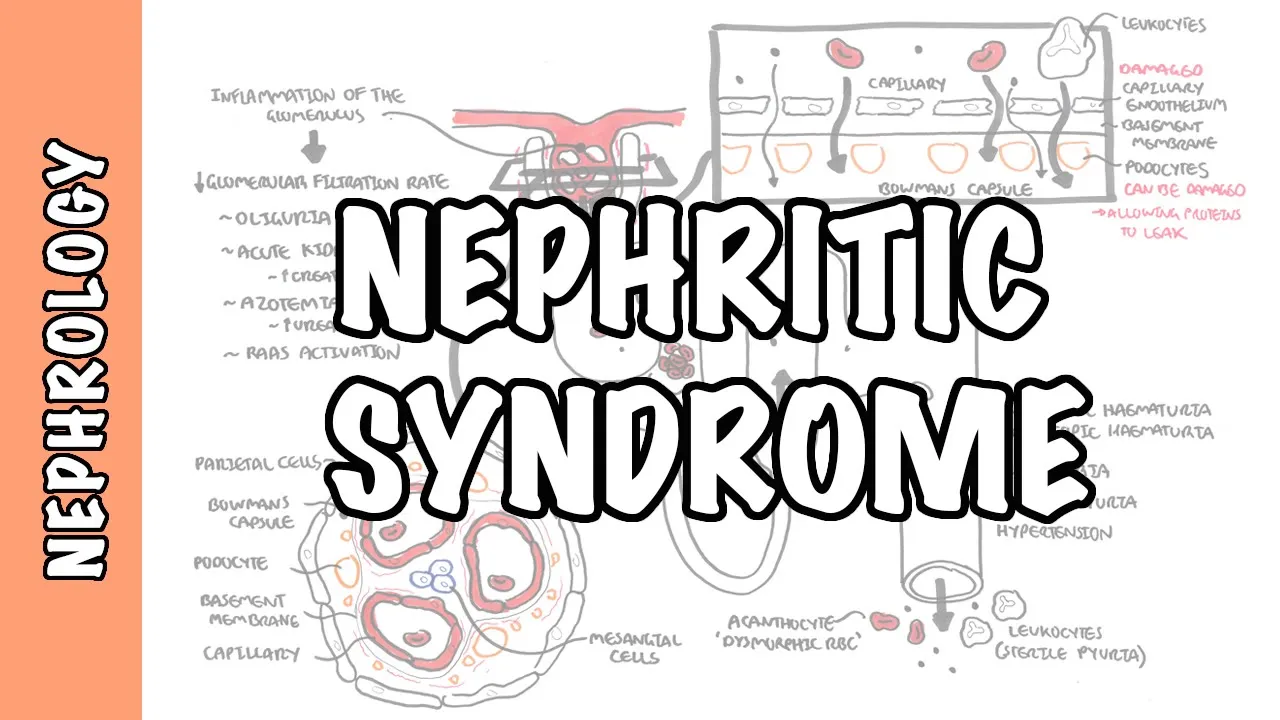
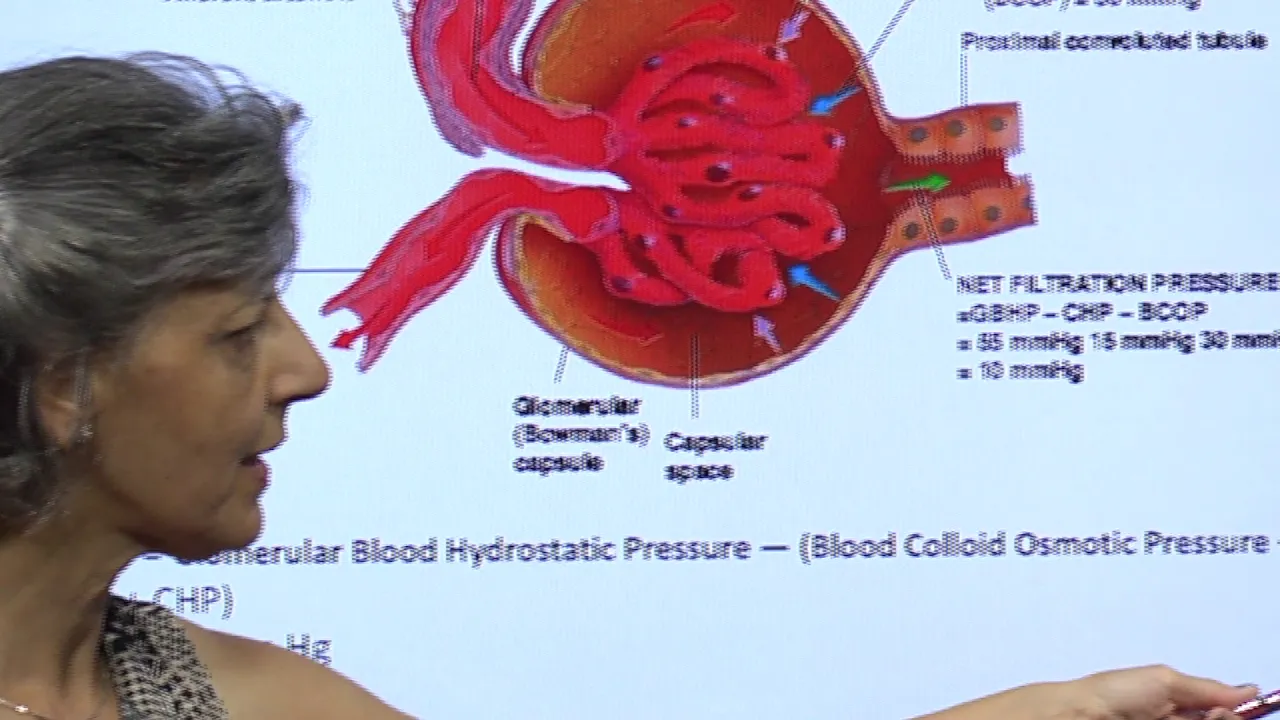
Fundamentals of renal physiology and glomerular filtration, specifically how inflammation (nephritis) disrupts normal kidney filtration and leads to proteinuria or hematuria.
Familiarity with the ACR/EULAR classification criteria for SLE and the basic diagnostic utility of laboratory tests like serum complement levels (C3, C4) and urinalysis.
General pediatric clinical assessment skills, including the recognition of constitutional symptoms (fever, arthralgia) and classic dermatological signs like the malar rash.
Detailed study of the International Society of Nephrology/Renal Pathology Society (ISN/RPS) classification system for Lupus Nephritis (Classes I-VI) and how renal biopsy guides prognosis.
Advanced pharmacological management strategies for juvenile lupus nephritis, comparing induction and maintenance regimens using immunosuppressants (e.g., Mycophenolate Mofetil, Cyclophosphamide) and corticosteroids.
Monitoring long-term complications of juvenile SLE, including growth impairment, cardiovascular risks, osteopenia, and the side effects of chronic immunosuppressive therapy.
The clinical protocols and psychosocial transition strategies for moving adolescent patients with chronic autoimmune diseases from pediatric to adult rheumatology care.
349 views10likes1:28:26Original Release: 2026-04-03
to paracetamol and every fourth hourly he used to get high-grade fever spikes and one week later the onset of fever he had knee pain. It was not associated with the swelling or redness of joint and it was more during the daytime. No history of any morning stiffness. No history of night awakening. No other joint involvement was seen and pain was not relieving with oral paracetamol and there was no history of any hair loss. No history of difficulty in raising hands above the shoulder. No history of difficulty in climbing stairs. No rashes over the upper lips or knuckles. No history of any blurring of vision. No history of bone pain or loss of weight. No history of any red lips or red eyes or red tongue. No history of any abdominal pain, nausea, diarrhea or vomiting. Past history there was no history of any prior hospitalization and history mother had history of hypothyroidism and mother was on tap thyroxine natal history born by LSS with birth weight of 3.7 kg cried soon after birth and indication for LSCS was failure to progress postal history he had history of neonal hyperbolinia on day of life three and photothapy was given for one day development history attained age appropriate milestones and now studying in UKG. Immunization history, he's partially imunized as per national immunization schedule up to 1 and a half years of age and diet history on family port diet and on 24-hour dietary recall getting adequate calorie and protein.
And on family history he is the firstborn child of a non-conagnus marriage and father was diagnosed with the SLE at the age of 30 years and panel a had chronic kidney disease and her presentation was at the age of 20 years he had she had kidney disease and no other details were available with us and they belongs to upper middle class family according to modified kopusami scale Coming to general examination. Child was alert, active and sitting in the bed comfortably. Par was present. No scrubbing. Generalized lympodinopathy or pedal edma. Vital. Heart rate was 100 per minute. Regular rhythm normal volume. All peripheral pulses felt equally on both sides. Blood pressure was 92 or 58 mm of mercury falls on 50th cent. and respiratory rate was 24 per minute. Saturation was 98% on room air and CFT was less than 2 seconds and temperature was 99.2° F.
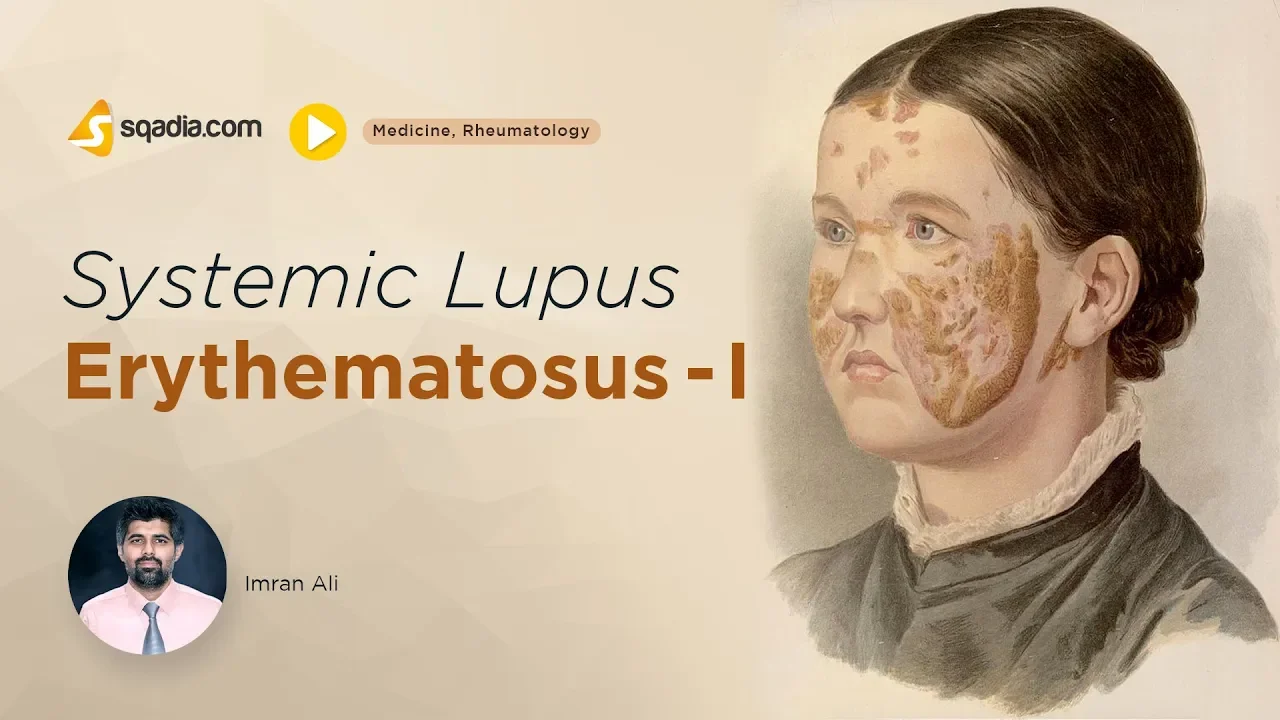
Head to foot examination here there was no alopeesia no disco lupus and on the face perorbital puffiness was present and edythematus rashes over the ears forehead and cheek which was pairing the nasol labial fold and no rashes were seen over the upper eyelid. Oral cavity healed ulcer and edythemma was present in the hard pallet. Skin edthematus macular papular leions over the face upper lip and trunk. Nail there was no nail pitting no t injectsia and smr stage two and other weight was 18 kg between 10th and 25th centil and height was 118 cm between 50th and 75th cent on growth chart. And >> do you know where is the inhaler?
>> We proceeded with the muscularkeeletal examination on pas gate was decreasing walking speed was noted and on arm examination he was able to make a fist and able to keep the fingers and thumb close together and uh while pinching there was no tenderness was noted. uh and able to keep the arms overhead and able to touch the shoulder with the both the uh ears and the mouth opening was normal and able to put his uh three fingers inside and on knee examination uh there was no eusion and there was no redness or um redness over the knee joint and on active and passive moments pain was present and hence uh we noted the child to have arthralgy of both the knee joint with no involvement ment of any other joints and cardiovascular system examination was within normal limits and on GAT examination oral cavity oral ulcers were noted there was no abdominal distension or no heptogali respirator system reds were bilaterally equal and clear system examination higher mental function was normal cranial examination was normal motor and sensory examination was normal on summarizing we He had a 7-year-old boy firstborn in non-contagonist marriage apparently normal 1 month ago when he developed arythmatis rashes all over the body fever and bilateral knee pain for past one week and he was developmentally normal and partially immunized immunized and with the family history of SLA in father and a chronic kidney disease in panel and on examination he had parorbital puffiness malar rash and maculopar lesions and painless pallet ulcers and on pal evaluation and gate with arthraio bilateral knee joints.
>> Okay. So that's a lovely presentation Dr. Rose. U what are at the end of see rheumatology is all about evaluating history very carefully and then doing an uh examination. So from your history what u what was your differentiate? What was your differential diagnosis?
>> Uh from the history ma'am the child had a rash of one month uration fever for 2 weeks and knee pain. Initially we thought of infectious causes. Ma'am, >> how would you think of infectious block infection would fit into this? Uh >> it's a rare possibility of myoplasma bruosis were considered.
I mean uh this child has uh mea rash perbital puffiness parala and what is the differential diagnosis for those painless paranal ulcers in fact the mother is giving you time it is asymptomatic this is this particular finding >> ma'am >> yeah so what else what other diagnosis do we have >> other differentials are juveniois was considered madam.
>> Okay.
>> Then >> but there was no features of any proximal myopathy.
>> Okay.
>> And also the rashes there were no rashes over the upper eyelids and no paples were seen.
>> Okay.
>> So it was also >> rash in juvenileis ma'am.
>> Do you get me rash in juvenile?
>> No ma'am.
Yes, you do. What's the difference between the ma rash you get in juvenile dermatitis and what you get in >> the nasol label nasol label will be sparing >> you can't hear me well please stop sharing this slide please stop sharing so that we can see each Now can you hear me better?
>> Okay.
>> Okay.
>> Okay. Sure.
>> So what is the difference between the mela rash in lupus and in JD?
>> Uh in lupus the nasol label fault will be spared. Madam.
>> Yeah.
>> And what was it like in this child?
>> And then most likely only >> you know. Uh yeah. So was the nasal labial fold spared or was it involved?
>> Spared.
>> It was spared. Okay. So what other things I mean uh what what treatment had this child already taken before they came to you because it was two weeks of fever, one month of symptoms. Surely they have seen other doctors.
What has happened?
>> Twice they consult an OPD basis outside and they were managing on citrus and paracetam.
>> Okay.
Uh what is your impression about that in the sense? Do you think this is a rash that would have been written off in OPD with symptomatic treatment?
>> No ma'am. No, >> because this is the mother is also giving those classic uh see it's very very rare to get a history of those >> most of the time we have to examine and find them because they're asytomatic.
>> Yes.
>> Still not here any better can you hear me?
>> Yes. Yes ma'am. Yes ma'am.
>> Dr. Mandas was saying not very clear.
>> I think you can close to the mic if possible.
>> Yeah. Yeah.
>> Okay.
>> I think he Okay. So basically uh see um what what kind of fever would you describe in this child? Would you call this an acute illness or a chronic illness?
>> Acute illness only one month story is an acute illness or a chronic illness.
>> The rashes were present for the one month till the fever was of two weeks duration. Um, >> but when you look at this kind of a presentation, uh, would you would you put an infectious disease first on top of your list or would you put a connective tissue disease first on top of your list?
>> Connective history has come.
>> Tell me connective tissue disease. Correct. So that uh should be actually this is almost like a textbook presentation. Uh we don't get uh children coming reading the textbook. So well most of the time it's a very good case because it's like a textbook presentation of the illness actually. Uh and what are the things that we need to what is a perorbital puffiness worrying you about? What is it telling you?
>> The renal involvement.
So did I maybe I missed it, did you mention the blood pressure?
>> Blood pressure was on the 50th centale.
>> Okay, good. And so in your summary, okay, in your summary, you have not given the diagnosis. No. So tell us your diagnosis. Tell us what is your diagnosis and differential diagnosis.
>> So the first the different diagnosis the on the top of the list will be juvenile SLA.
>> Yes. Because because from the history child had rash, fever and arthralgia. Along with that on examination child had a perorbital puffiness, malar rash and palatal ulcers.
A bit family history strongly of um SLA in father and a pet and a lot even though the age group was uh seven years little bit uh less likely to be SLA still we considered SLA on the top of the list.
Is it less likely because it's 7 years?
>> Usually ador >> Yeah, it can come at um it can start earlier can start in the preubital age group to you. And what is special about the pre preubital age group in SLA which is something you can explain in your history here?
>> Any genetic causes of SLA?
>> What's the gender of your child? male.
>> And what's the common gender associated with lupus?
>> Female only.
>> And in the pre in the pre-tribal age group, what is the male to female ratio?
>> It is one is to one.
>> Okay.
>> So a lot of the male lupus will have actually started pretty early.
>> Otherwise it is once post pubertal it is 1 is to eight.
>> Okay. So that much difference is there when you're in the preubertal age group.
>> So if you ask me with the history with the findings you have presented the differential diagnosis here is only a connective tissue disease. Nothing else would actually enter this differential diagnosis because this is not you cannot explain this kind of rashes in any form of infections.
It will not fit in for infections actually.
So good. Now what's your next step? So uh dermatioitis yes has to be considered as a differential but like you correctly said most of the features are like uh there is only the ma rash all the other what are the other rashes that you tend to see in dental >> uh other rashes are held rashes which are seen on and go purple and sh sign >> char sign b sign what else >> what is the difference between do you know got startles and got sign.
>> That's okay. That's all right. Gautran sign is when you find similar findings on the knee joint and on the elbow you can see peripheral alsis you can see many other skin features too in dumptoitis but the classic other than the nailar rash which is also more suggestive of lupus in this particular case most of the things that you see in dumpitis are not there. And there is no muscle weakness also. So that is definitely not the diagnosis that we are thinking of. What about the other connective tissue diseases? Would you think of any of the other connective tissue diseases? Which are the other connective tissue diseases that we might see?
>> Arthritis ma'am.
>> Okay. That's not actually a connective tissue form of arthritis. Do you think JI is a differential diagnosis here?
>> Uh the the duration was also only four weeks duration.
>> Uh >> less likely >> that is true. But um if JIA less likely here okay you said not enough duration. I'll give you that.
What else?
other there was no lympadopathy.
>> If you don't have lymphopathy, it's not J.
What are the uh what type of J would you associate with such a presentation?
>> So the first thing in J what do you need? You need to have arthritis. Does your patient have arthritis?
No ma'am only arthrology was present.
>> So that itself is against and what is the nature arthritis? What is the outstanding symptom that they get in J?
>> Hypo fever.
>> Uh okay you said oligo articular j do they have fever in oloarticular j?
>> No >> no they don't have fever. If they have fever and what type of ja do they get fever in >> so >> systemic j okay we we won't go to that now but since you said u see so in systemic ja what kind of do you think this picture can represent systemic j also you get fever you get a rash what is uh how is that different from your presentation here >> usually in a systemic concept Child will be having rash. It will be more during the fever spikes and it will be vaccine and winging course.
>> So what is what nature of fever do they have?
>> Quattly fever spikes will be there >> daily how many fever spikes.
So it may not necessarily be one spike.
It can be one or two or three even. But what is characteristic of putadium fever is that you get a very high spike of fever which completely comes down to normal sometimes even below normal before the next spike comes and between the spikes of fever the child is actually very well.
Okay. They don't look unwell. When they have the fever they are very unwell.
When they don't have the fever they actually are quite mobile and they look quite well. Okay. And you said the nature of rash is evaniscent. What does that mean?
>> Uhinent rashes the rashes will be more present during the uh the fever spikes and it will be reducing when the child becomes ephemeral.
>> Correct. So the rashes will be present only during the fever spike. And what is the nature of the rash? What where do you tend to see it? What kind is it? A palpable rash? What kind of rash is it?
uh it will be salmon colored lashes ma'am and it's usually seen in the trunk.
>> So it's usually seen in covered areas.
So that means you need to undress the child to see it. So usually the insides of the arms, the thighs, the uh chest, the back, these are the places sometimes you can even see on the face. And uh what kind of rash is it? Is as I asked is it a palpable rash?
nonpal.
>> It is usually a macular papular rash.
Macular rash actually more most of the time it's a macular rash. It can occasionally be an articarial rash.
>> Okay.
>> Yes.
>> Right. So why is this not systemic?
>> The features are not suggestive of arthritis.
>> So the fever pattern is not suggested.
The rash you have in this child is fixed and it is not a rash pattern that you see in systemic jail.
And uh does there have to be arthritis?
Can you make a diagnosis of system J without arthritis?
>> Uh yes ma'am without arthritis also can make >> Yes. So uh 40 to 50% of the patients at presentation will not have arthritis.
Arthritis can evolve much later.
Okay, that's fine. So, this is not systemic J. That's pretty clear. So, what are the other connective tissue diseases?
So, you said SLE, you said juvenile dumpitis. Do you know any other connected tissue diseases?
Have you heard of something called Shogrin syndrome?
Shogrren's disease.
>> Shog. Yes ma'am.
>> Have you heard of something called mixed connective tissue disease?
>> Yes.
>> And have you heard of sterodma?
>> Yes ma'am.
>> So these are the other connective tissue diseases. Um this I think it's it's just something you need to think about. But what this child has is not the presentation of any of those conditions. Okay? Those conditions do present a little differently. Okay. So this when you're taking history, you have to take all this history. You have to know that. Is the nec is a family history necessary for the diagnosis of SLE?
>> No ma'am.
>> No. And uh so the fact that there is a family history of SLE here uh it's not necessary for that to be present to make a diagnosis of lupus but it is important. Why is it important >> genetic ethology like monogenic lupus can be considered?
>> Yes. So this is so there definitely will be some kind of a genetic polymorphism in this family that is actually you know making them vulnerable to SLE. There's no doubt about that. Okay. Um, so good. So, what are you going to do now for this patient?
>> Uh, from the first from the investigations, I will do a complete blood count.
>> So, the first question, will you admit this patient or will you investigate an outpatient?
>> As the child is hemomically stable, I will manage on OPD basis.
>> Would you?
What is the one one very important finding here that tells you that this child has to be approached in a matter of urgency? Real involvement.
>> Yes. So this is a child who needs to be admitted and needs to be treated and needs to be investigated with urgency and treated aggressively.
Okay. How common is renal involvement initially in pediatric purpose? In pediatric it is 80% mam about 80%. But it's pretty high. Is it higher in pediatrics or in adult?
>> In pediatrics >> is much higher in pediatric lupus and especially the younger a child presents with lupus. The younger lupus presence the more likely to be a severe difference. Okay. So that is something we have to take. So this child has to be admitted and investigated with a sense of urgency. What investigations will you do?
>> First I will do the complete blood count to look for anemia.
>> Show this child. What did it show in this child?
>> Uh from the investigation part the hemoglobin was 10.1 g. Then total counts are 4,100 neutral neutrfil was 48 with a lymphocy of 46.
>> Okay.
>> And platelet was two lakhs.
Okay. And what does that tell you?
>> Uh there is uh anemia and lucopenia is present.
>> Okay. Normally what is the uh you know what is form of lucopenia do we see in lupus?
>> Lymphopenia.
>> Does the child have lymphopenia?
>> No no no.
>> Doesn't the lymphosy count was 48%age.
Wow. So that is how much?
Take it as 50%.
>> Okay. The >> will be around 2,00 4,800 ma'am. 2,400 will come.
>> Yeah. That is lymphopia. Less than 2,500 would be advised lymphopenia. Okay.
Yeah. Then the platelets are okay but they are on the then you're thinking of an inflammatory pathology. You're not seeing high platelets.
Okay. So if you're thinking usually vasculitis, you're thinking of systemic J even infections, you'll be expecting to see higher platelet counts which you're not seeing here. And so that is what kind of anemia would you expect to see in this?
What would be the cause of anemia?
>> The causes of anemia can be the disease activity itself and the others can be hemolytic anemia. Then >> disease activity means >> the baby because of this hemolyis.
>> Yeah. So hemolysis isn't necessarily disease activity. It's hemolysis is due to a specific antibbody against the RBCS.
So it is due to an autoimmune process against the RBCS that you tend to see anemia. So that is one cause of anemia.
There are other causes of anemia also which can be probably more present in this child. What are the other causes?
>> Uh the other causes can be associated deficiency, anemia.
>> Okay. Not that what in in lupus context not that what else? What is something that's very important again?
Renal disease, nephritis can cause any okay due to that >> because of the decrease production from the CKD but even generally in nephritis also you can get anemia if you can get a chemo dilution if the child is matis and has a very active um nephroic state which I don't think this child had but u from your description but we can get Okay. Right. So there are many causes for me.
There are more causes but we won't go there. What else after uh what else will you do after the CDC? What else will you do?
>> The ESR was high ma'am it was 47.
>> Yes. Yes. For this child it was a diorphic blood picture with a microcy hypogchromic and normic blood pressure.
Okay. What was the MCV?
>> MCV was a 78 ma'am.
>> Not very low actually.
>> Okay.
Then >> fine. Then what makes you say ESRS?
>> ESR was 47.
>> Okay.
>> And CRP was low. It was less than one.
>> So what what does that tell you? Does that worry you why the CRP is so low?
>> It's more in favor of a SLA.
>> Why? uh because in SLE the ESR will be elevated and CRP will be low uh because uh because of this interferonopathies the the the the CRP that is produced from the liver will be less okay is essentially a type one interferon mediated disease yes so basically you don't have very high IL6 production in lucas unlike a condition like system where very high IL6 production which lead to you have a cytoine mediated stronger more than okay. And then what else did you do? So CDC, ESR, CRP.
>> Then urine routine was done.
>> Okay.
>> And the urine routine showed one plus alamine and there was no hematuria, pyora, no cast was seen.
Total what was the uh protein reactance ratio?
>> It was 1.73.
Does that tally with aluminum?
>> No. Subnafrotic range of in in your PC ratio >> 1.73 is subnotic >> more than two will be nephro from 2 to2 >> you should actually you can't have a single number in pediatric you have to do milligram per me square per hour >> and uh she'll definitely have aotic range of protein 1.73 is pretty high.
>> Okay. Yeah. So then what else? But he didn't have any active urinary sediment.
>> No. No.
>> What is when I say active urinary sediment? What do I mean?
We talking about RBC's RBC cast and >> what are the casts?
>> Granular cast.
>> Okay. So casts in the urine are what refers to the active urinary sediment and they indicate the active methodic process. Okay. See unlike a minimal change disease which is essentially uh uh you know it is a not so much of an inflammatory disease as this this is a nephritic process. So you you do the time to get past >> ma'am. Sorry to interrupt. I think >> I think you are not clear or >> again >> I'm just breaking I think. Is it my problem? I don't know >> for you again. Yes.
>> Is it clear to others? I don't know using no something like that.
Is it I'm using only one device. I've not connected on the other one. Is it better now? I shift back a bit.
>> I do one thing. It's better.
Better.
>> Yeah, it's better.
>> I can do I can take off the earbuds completely and just speak over. That may be better. Let me try that and see what happens.
Okay.
>> Okay. Can you hear me better now?
Is it better?
>> Now I think it's better.
>> Okay.
>> I feel so >> I think the earbuds might have been the problem.
>> Okay. Now better.
>> Sorry about that. So basically >> ma'am, can you repeat after that? ESR CRP point I think from that the net went off.
>> No I she was perfectly right. So SLE is essentially a type 1 interferon mediated disease and that means that this is a disease in which we don't have much of a CRP rise. It's not intellucin it's not an intucan cytoine kind of mediated disease as you see in systemic ja etc. So it is perfectly normal to have a high ESR and a low CRP in lupus. There are some exceptions to this. Do you know the do you know when you can get a high CRP in lupus?
>> Associated infections get causes are there.
>> So bacterial infection very very important then cerositis.
So if the patient has active eusions plural eusion, pericard eusion, uh acitis etc. The second cause another cause would be arthritis. So if there is inflammation of the sino in lupus and if there is uh cerositis or there is a bacterial infection CRP goes up but usually lupus disease activity CRP doesn't rise only the ESR rises. Okay.
So you said uh so urine routine so this is nefotic range of proteinura that your patient has is very significant. What else what other test did you do?
>> Uh the renal function test was normal.
The serum creatine was.3.
>> Okay.
>> And serum electrolytes was also normal 138 and 4.2 sodium and potassium.
>> Got it. And the then we did serum C3 and C4 compliment levels >> and it was on low and since we suspected juvenile SL we did compliment levels.
>> Why why do you do compliment levels in lupus? In lupus the compliment levels will be low because of the increased formation of antigen antibbody complex and it will be deposit and increased utilization of this compliments will be there which leads to low compliment levels >> immune complex mediated okay so what what were your C3 and C4 levels >> C3 was 17.1 and the cutff was 90 to 180 and C4 was 2.98 >> so extremely low >> right yes Okay. Then what else did you do?
>> Uh then we did ANA minofllorosense.
>> What did you do? Liver function test.
>> Liver function test was normal.
>> There was no transitis.
>> What was your serum algam?
>> Serum alg was 3.8.
>> Okay. And serum globulin >> 1.9.
>> Okay. Right.
Okay. Then uh then you did your ANA.
>> Yes.
>> What what does what ANA did you do? What ANA test did you do?
>> We did ANA imosence initially.
>> What is that? What is that test?
>> It's a it's for the diagnosis of SLA. If >> what does it tell you? What was your report and what does that mean?
>> Uh the our report the value was one is to it was positive 1 is to 100.
>> Uh to 100 and they usually give some pluses there.
>> Three plus homogeneous.
>> What does that mean?
>> Uh if it is more than one is to 1 is to 80 it will be positive.
>> So you're getting a report of 1 is to 100 3 plus homogeneous. Okay. What do you understand by that? Is this a low tighter positive? Is it a moderate tighter positive? Is it a high tighter positive?
And why is it important?
This is a high titos. That means with significant dilutions also there is a very strong intensity.
Okay. What does the ANA tell you? What is this ANA ifa actually telling you?
Uh so there are two tests. No, you do an ANA if you do an ANA profile.
>> Which is the first test you tend to do normally? Do you do ANA if first or you do an ANA profile first?
>> ANA first followed by ANA profile.
>> Why?
>> It's for the diagnostic.
So ANA IFA tells you if there are auto antibodies in the nucleus of the cell.
The ANA profile tells you which antibbody in the nucleus of the cell is.
So it is the extracted nuclear antigen that you are going to see and there is a uh pattern associated with that. So depending on what CTD you're dealing with, what manifestation you're dealing with, there are correlations there. So there is a uh tends to be a practice where people do ANA profile directly.
That's not a recommended practice because just the presence of an ENA on its own without knowing what an ANA is actually makes very little sense.
Okay? and plus an ANA profile is a much more expensive test than an ANA screen.
So, uh in this kind of case where your patient is a picture perfect lupus, it would be quite fine to go ahead and do all these tests up front because you need to speed up the investigation to treat the patient properly. Okay? So, it would be fine. But uh generally textbook wise you do the ANA IFA first and then do the uh extracted nuclear antigens.
That's how we tend to do it. Okay. So um there is also ANA you can do by Elisa.
Is that available in your hospital?
>> Yes ma'am. Both Clea and Elisa are available. Would you um recommend doing ANA by Eliza?
>> No ma'am. We do by clea.
>> So doing by im imunofllororesence is the right way to do an ANA. That's the recommended way to do an ANA. ANA by ELISA can have it's a very non-specific test. It can it can actually bring up low positives significantly and it's not a test you can rely on.
It's not at all recommended to do an ANA by LIS. Okay, it's not a recommended test. Now at the same time if you had another child with a fever >> had pain one week fever.
>> Okay.
>> Knee pain no rash or oral ulcers.
Okay. Who had uh a total count of 10,000 hemoglobin same um you know 10.8 eight or whatever with neutrfil 60% lymphosytes 39%.
Uh platelets three lakhs ESR 40 CRP 20 um this thing and he also had somebody did an ANA on him.
He also has an ANA of three plus.
Would you call that child also to have lupus?
No.
>> Why?
>> From the uh history also it's one week history of fever with arthritis and counts were also on the >> Did he have arthritis? I told you he had knee pain.
>> Knee pain.
Then >> counts were also there's no lymphopenia and CRP was elevated.
>> So clinically itself he did not have features of lupus. You shouldn't be doing an ANA at all in that scenario.
The what is most important when you do an AMA is a pre-est probability.
It is not actually a particular cutff that is significant.
Okay. It is the whole clinical picture.
So the child you presented is a very classic first diagnosis in this child as SLE and in this child definitely you have to do these tests up front. it's very highly indicated and the test is very very uh representative of the condition whereas in a child who doesn't have clin clinical features of lupus even if you get an ANA positive that is not suggestive that he has so it's not the ANA that makes the diagnosis it is the pre-est probability of doing the test that is significant okay the that's very very important because many times people think that is the test that gives you the diagnosis. It's not it's your history, clinical examination and the basic initial investigations that gives you the picture and then teaches you to match the test to the picture.
So a child suppose same child two weeks high-grade fever cedian fever with uh evanicent rash two swollen knee joints is coming to you very high ESR very high CRP neutrfilic gluccoytosis anemia thrombocytosis would you send an ANA for that patient?
No ma'am the features are in more favor of a systemic on JA.
>> Yes.
>> So you there is no value in sending an ANA for such a patient. So it's really important to know when you send what you send and how you interpret the result of what you get.
Okay. Very good. Then what other test did you do for this child? And then uh we did an ANA profile and in the ANA profile it was Andy Smith antibody was positive.
>> Uh ribosomal protein was positive and uh and DSDNA was negative with the KU3+.
>> Okay.
>> We expected a DSDNA and Smith to be positive. We got Smith positive and K3+ and ribosomal protein also positive.
>> Okay. So if your DSDNA is negative, does it mean it's not lupus?
>> No ma'am.
>> DSDNA can be negative in patients and the blood detects only. In fact, if you do a Elisa antidsDNA on this patient, you may get a slightly lower tighter positive.
>> Probably it was the titer wasn't enough to be detected on the block. That's all Smith positivity. What does that mean? A definitive diagnosis of SLA is very specific for SLA and is also associated with which involvement in lupus Smith.
>> It is strongly associated with renal disease.
Okay.
>> Okay. Now uh what about R&P?
What does that mean? ribboucle protein.
>> It was positive for this child.
>> Okay. What does it mean?
>> Uh it's mixer connective tissue disorder.
>> No.
when you have Smith and R&P positive in the context of SLE, it stands for SLE.
Okay.
>> Uh and uh when you have the clinical context of a mixed connective tissue disease, you will get an R&P positivity without the Smith usually that's called a U1 R&P and that is very specific for MCTD. MCTD has a different it can also present as a PU but there are some very typical features like uh you know they have very uh puffy fingers they have reords phenomenon so they have some very typical features it's not a common connective tissue disease in children okay it's not usually associated with renal disease it is more commonly associated with lung disease and pulmonary hypertension okay right so now what else is important here for this child.
What is a very important test that needs to be done?
>> Renal biopsy.
>> Okay. Uh there is before we go to renal biopsy, there is also another group of antibodies that needs to be checked.
What is that?
>> That uh appla antibodies we did and >> that and phospholipid antibodies.
>> What are these antibodies? anti beta 2 glyoprotein IGM anticolipin IGM and lupus anticoagulant.
>> So what what do these antibodies represent?
>> The chance of thrombosis.
>> Yes. So these are basically antibodies against clotting and vascular homeostasis proteins and they can increase the risk of coagulation. Sometimes they can also increase the risk of bleeding. The term lupus anticoagulant is a misnomer. Why?
Because one it is not exclusive to lupus and second because it is more associated with thrombosis than bleeding.
Okay. Right.
Good. So you did did you do the uh antifphospholipid antibodies?
>> Yes ma'am. It was negative for all the three.
>> Okay, good. And so what about the renal biopsy?
>> Renal biopsy it was a class three lupus nephritis with activity score two and chronicity score zero with the on daf it was full house.
>> Okay. What does that mean?
>> Uh it means that there's a deposition of IGG IGM and all the complnt C2 C3 and C1 Q.
>> Okay. So why did we do a renal biopsy on this child?
We know that there is lupus nephritis, right?
>> Yes.
>> This child has lupus. He has significant protein ura.
>> What the indication for renal biopsy in lupus?
>> The indication sir.
>> Yeah. Tell me what >> associated nephritis or nephrotic syndrome and acute kidney injury.
>> Okay. So how would you define nephritis or nephrotic syndrome?
So this child has a protein creatinine ratio of 4.46 with uh 10 to 15 RBCs and uh two plus blood and two plus protein.
Would you do a bio? Would you do a renal biopsy?
I would do a urine protein excretion per day or somewhere for this child.
>> No, no. I'm telling you uh he he has a protein cent. Okay. You did urine protein excretion and it is telling you uh 460 mg or 500 mg in 24 hours.5 g in 24 hours.
Would you do a renal biopsy?
>> We'll do ma'am. you should do a renal biopsy. Okay, because um it is it doesn't mean that once there is evidence of renal disease the threshold to do renal biopsy should be very low. There is not a direct correlation.
Okay, you uh it's important to know that because with children aggressive renal disease is significantly high and it's something that can cause significant morbidity. What is actually the use of doing a renal biopsy? We already know they have lupus nthritis.
No, I mean we already know we have to treat them aggressively. But what how does a renal biopsy help us >> for the staging of the disease?
>> Staging of what?
>> Uh for the lupus nephritis. It is >> what does it what difference does it make?
>> Everybody know he's got lupus nephritis.
What difference does the staging make?
Uh it's for the determine the specific therapeutic regimens for each of the stages >> like tell me more. uh in uh the if it is a first and second stage uh we usually give uh uh oral predicolon and usually in a mild case if it is a class one I don't know specific therapy is required uh and in uh three to four >> specific therapy for from the nefritis perspective the child definitely has to be treated for lupus.
>> Okay.
>> Okay. Yeah. And if in case of class three and four we take the severe nephritis and steroids alone are sufficient in this uh classes and we need induction therapy followed by maintenance therapy.
>> Okay. Are steroids alone sufficient in any form of lupus?
>> No, we do not treat any form of lupus with steroids alone.
That was 30 years back and we had many patients go into CKD dying etc. Now every form of lupus gets uh secondary imunosuppression.
Okay. What and to what grade is the question. So class 3, class 4 and to some extent class five because class five has what is class five? Um >> what is class three? What is class four?
What is class?
>> Uh class 3 is a focal proliferative.
>> Class 4 is >> is diffused proliferative. Then class 5 is membraneous.
>> So what does membranous mean?
>> They usually have heavy protein urine.
Actually the way you described your child I was expecting to find a class 3 plus class 3 plus class 5 in the renal biopsy.
um because he has quite significant proteinura with less sediment. I was expecting to see that combination in the renal biopsy actually. So uh membranous nephropathy is often associated with IV proteinura in addition to they can also have inflammatory uh parts too. So membranous nephropathy the approach has to be not only imunosuppression it also has to be directly addressing the proteinura. So proteinuric medications also have to be used. That's very very important. Okay.
So you don't uh need to know the further details but it's enough that in your biopsy you found that the child has proliferative lupus nepritis. What does proliferative lupus nepritis mean to you? that we have to manage this child very aggressively and with dual imunosuppression and if not this child can progress to CKD.
Okay, good. Then what other test did you do?
Did you do anything else?
No.
Okay. Now this is a 7year-old child.
Right. So how did you treat him?
Uh >> initially we started him on uh oral steroids at a dose of 1 mg per kg per day associated with this hydroxychloroquin was started at at 5 mg per kg per day.
Uh and uh mmf was also started associated with >> okay right.
Say for the proteinor we have started AC inhibitors now.
>> Okay. How is he doing >> currently? Uh he's asytomatic.
>> How is his followup going? He's uh >> how he manage now what what do you see in his medication for the future? What do you understand uh in his medication for the future?
It's a chron it it takes a long duration for the hydroxychloroquin will be lifelong and oral steroids we are planning to give for 6 months and we are starting to taper from four to 6 weeks onwards.
>> Okay. So at 6 months you'll be completely stopping oral steroids will taper and stop ma'am. Yeah, it'll take a little longer than 6 months. But yes, the idea is to stop oral steroids in these patients. But what about the microphone >> in the pediatric population? Now we are using mmf as a steroid sparing agent. So it will be continued >> for how long?
For a very long time.
Okay. Among all these drugs, which drug causes him maximum side effects, maximum problems?
Steroids.
>> Absolutely. Okay. So, microfenolate is often a very well tolerated drug. It has to be followed up properly. It has to be managed properly. That's important. But u So, how would you how would you follow him up?
uh the based on the drugs we are using we will follow for any side effects and uh we will follow >> side effects what side effects are >> for hydroxychloroquin we want to do an annual ofthmological evaluation to look for any maculopathy >> okay >> and for steroids also the uh the steroid side effects should be looked for >> what >> any Cushing features hyper hypertension elevated sugars >> then >> then osteoporosis so we have to calcium supplementation and vitamin D supplementation.
>> Okay.
>> Then they will be more prone for infections. So we will have to take care of the infection part and immunize with the non-live vaccines. All vaccines will be given.
>> Okay. So what vaccines currently would you recommend for him? He's 7 years old.
So most of his primary immunization would have hopefully gone in. What additional vaccines would you want him to have now?
Hepatitis vaccine.
>> Okay. Hopefully he's got that new also.
>> And >> new vaccin >> and influenza.
>> Influenza.
>> Okay. You can have that, right?
Good. Then what else would you um uh what else would you want from mmf? What do you want to monitor him?
So it's the counts. It can sometimes cause a neutropenia can cause a depression of the counts.
Okay. And sometimes it can be associated with gastrointestinal upsets. Some patients when you give MMF you ask when do you ask them to take it? before food or after food.
It's a very important thing. MMF has to be taken before food. It needs a gastric acid for good absorption, not after food. That's an important uh point to tell them. Okay. Um good. Okay.
Now, these parents are very very worried.
What are you going to tell them about the disease?
So uh uh the the the the long duration of the disease should be informed to them like chronic nature the flare and remission should be informed to them and the need for regular followup and the need for prolong >> about this flare and remission. Tell me more about this. This is what our textbooks say.
What do we need to do these days?
What is one drug that significantly reduces the risk of flare?
Hydroxychloroquin. So most of this flare and remission and all have been written in textbooks before proper uh you know guidelines for lupus management came into place. Today we should treat lupus like a chronic disease where you the initial phase when you have lupus nephritis is induction therapy where you're done with highdose steroids and with microfenid and you may monitor the patient to see that they are responding. If say in 1 to two months time as you start tapering steroids you find that the nephritis is worsening the proteinura is increasing what would you do?
>> Consider any resistant cases uh like uh like partial response.
>> Okay. So what will you do?
We need to change therapy. Before we change therapy, we have to check compliance.
The most common reason is often non-compliance.
And often we have to sit like CBI and make uh strong inquiries and find out and you'll be surprised non-compliance can be a reason otherwise it may be that mmf is not working for that patient and you need to see at the end of the day you have sampled the kidney in one particular area that may not be representative of the entire kidney. There could be focuses where there is actually diffuse proliferative or a more aggressive disease not common but that is also potentially possible. So if if there is no adequate treatment response, you need to think of changing the drug from microfenlate to cycloposomide or whether we add in bell inhibition that kind of uh we need to make treatment decisions that point. Okay.
But the goal is to get the patient into remission. The first goal get the patient into remission. Second goal get the patient off steroids.
Getting the patient off microfenit is not a goal.
Okay. They can be on maintenance dose of microfenit with hydroxychloropin for quite a long time without a problem. And that keeps them without flares without waxing and veining without flares and remissions. That allows them to grow well, their organs to stay normal, have a good life and reach adulthood in a good shape.
That is the uh principle of treatment today.
Steroid is the bad drug. That's the drug that we use it to help us initially but we definitely want to take it off. The days are gone when patients with lupus stayed on steroids forever. That is no longer something that we do. It's not acceptable.
So when the parents ask you does he need to be on medication forever? What will you tell them?
I need will counsel for the need of prolong therapy.
>> Yes, we always have to be upfront and tell them that hydroxychloroquin is a lifelong therapy for these patients.
Other drugs we may we may be able for a long time. We may be able to take it off later. Generally it is seen that when patients enter if they've had well controlled lupus for a long time then they may actually go into a stable phase but they definitely have to stay on hydroxychloricquin for a long time.
That's very important. Okay, this is a boy but if it was a girl the parents have other questions. What would those be >> regarding the pregnancy? Yes.
So what do you tell them? What are the risks?
>> For a baby born to an SLA mother, there's high chance of conduction cardiac conduction defects are there.
>> Is that the first thing you'll tell them? Parents, they want to know about this child. What are her chances for pregnancy? What are her chances for a successful reproductive life in the future?
If this child if it was a girl is only seven years old it's really really too old to be discussing those things but you can definitely reassure them that many patients with lupus are having very good lives and having children and you know they are doing pursuing all sorts of professions.
um they have even been the president of certain countries for a very long period of time. Okay. So uh you can even tell them things like that. Okay. So uh the important thing is to empower them get them to understand accept the diagnosis know that it is long-term and that medications also some medications will be very very longterm.
That is very that is a piece of information you have to reinforce at every clinic visit.
Okay. And so if you are the uh pediatrician who's following up this patient locally in their hometown, what do you need to be aware of?
>> Uh want to treat the intercurrent illness in between and never stop any substance. So with the medications that the child is on, the child comes to you with a highgrade fever, cough and cold, >> what do you want to do?
>> I will treat the resist aggressively ma'am.
>> Will you do a basic count for this child?
Yes, there is CRP will be elevated if there is intercurrent factory illness.
>> What if there is a significant lucopenia on that count?
What are you going to do?
>> Um to rule out the flare at that time >> can be because of viral infection.
What is what drug is a child on that you need to be aware of?
The child is on microfen.
>> Okay. So you need to speak to the rheatologist who's treating the child.
Tell them the child has come to you.
He's got highrade fever looks like a viral illness has a lucopenia. What should you do with the MMF? Don't stop it yourself. Ask them because they will understand the extent of child's problem and give you an advice. It's always best to liase directly at that time.
Okay. The treatment can be done locally but do the liasan if there is a problem that is important. Okay. Yes.
>> Um if the child comes to you with u mother had chickenpox and now the child has features of chickenpox.
What are you going to do?
>> Basically will be administered.
>> Is it available? It's it's not available and if it is not available we'll give IV ag >> would you the child is not sick what are you going to do >> can start a cyclloverus profile activity >> absolutely immediately start a cycllover if the child is you're concerned about the clinical condition of the child admit and give IV a cyclloid once again contact the treating rheatologist and tell them about the condition many times they might ask you to withhold mmf for a few days.
Okay. So these are very very important things that the treating pediatrician should be doing.
Okay. Don't stop medications without discussing with the person who's treating the patient.
Okay. Very good.
Thank you ma'am. Can I ask you couple of questions for gold medal for distinction?
H.
>> Yes ma'am.
>> So what are uh you mentioned so this child has a strong family history of lupus. Again it's his father who has lupus. Is it the father's sister who has CKD?
>> Yes.
>> They have not done a biopsy.
>> Actually their details are not available.
She's on hemodilysis, but we couldn't.
>> How old is she?
>> She's now 38 years.
>> 38 years CKD.
>> What do you think she could have?
>> It can be also a lupus.
>> Absolutely. Okay. So, what do you think you really need to do in this family?
>> Uh, the genetic testing we did, ma'am.
>> Huh.
>> But it was negative for the family members and for him also. It was negative.
>> Okay.
Uh okay. There are further questions I can ask you but they get very technical. I think it's not fair. You've done really well.
>> Thank you.
>> Very good presentation. You've done really well.
>> Thank you ma'am.
>> Okay. So we'll now let other people ask you questions. I bombarded you enough.
>> Actually Rosemary agreed in the last moment. I told her only 3 days back. So it was really commendable on her part.
>> Absolutely. She needs a nice clap.
>> Okay.
>> So anybody else has questions?
>> And her mentor also Dr. Roshni.
>> Absolutely.
>> From master.
>> I would recommend that this child is seen by your pediatric rheumatologist who comes there. It's a 7-year-old child.
>> He's under followup ma'am from the pediatric rheumatology.
>> Pediatric rheumatology.
>> Yes.
>> Good. Okay.
>> They need to be okay.
>> Ma'am, one suggestion I would like to say is uh whether she should be subjected to as a pediatric exam PG u she should have done the pals examination.
I maybe I didn't hear >> not for this child actually. I mean I it's okay to find this thing but because this is not the primary problem here is not the joint. The primary here is the systemic disease with fever, rash and all the other findings. So uh but it's okay. I mean that's all right. She general examination is the main examination here.
>> Okay.
Hello.
>> Yes. Yes sir.
>> Can I ask one question?
>> Of course, sir.
>> To the uh to uh the PG who presented.
So can you name few conditions where uh the child presents with the perorbital fullness?
This child presented like that. No.
>> Yes.
Nefro syndrome was the first possibility.
Okay.
>> Any uh associated articia?
>> Okay.
No.
>> Any other rheumatology condition?
>> Any other rheumatology condition?
>> She said actually you said it in your first dermatitis.
>> Okay. Data I guess then any endocrine problem >> hypothyroidism.
>> Yes.
>> Okay. One more question. You did compliments in this child. Say this child did not have fever, did not have aralgia. This child just has recurrent episodes of uh swelling.
And uh when you did your compliments, the C4 was low, your C3 was normal.
But the child has perorbital swelling that comes and goes quite frequently.
It comes once a month last three days >> even deficiency.
>> Yeah. Good. Okay.
Can you get in infectious monucleosis?
>> Yes, ma'am.
>> What's the sign called?
Hogland sign. H O A G L N D. Hogland sign. My grandchild had that so I remember.
Uh Rosemary uh you did a wonderfully well uh the one that the most important point madam was highlighting gold medal standard I'll give you because uh the way >> the waying confidently to all the questions you're not prepared but I was asking based on the case scenario all the questions you are answering very intelligently so that's well appreciable in the uh history part I think for a postgraduate general pediatrics uh there were uh some problems in the history part you jumped from the family history without mentioning going into the other parts of the history which are important when you're presenting an DMV or MD the immunization history that was discussed only at the end during madam's discussion you didn't mention about the immunization history part that's so important in any case like that the socioeconomic history is also important because this is likely to be a chronic disorder lot of investigation hospitalization that's very important the family history again a little inadequacy is there. The details of the two family strong family history is the aunt and the father.
When was the problem starting in their case? Because they surviving up to 38 years. At what age it started?
>> 20 years for the >> things need to be mentioned. Family history need to be a little more detailed about those two affected persons. the onset, the progression, how it is controlled and the their kids maybe whether the aunt is married, they're having kids, was there any abortions, all those things are important that may be giving import and maybe don't jump to the conclusion that just because today's discussion is when a patient is coming to you with the complaint in the complaint analysis you should have this systematic approach.
This is a 1 month or more duration problem. There is fever, joint pain and rash. So systematically what possibility group of possibility you consider common things always common infection. Next the connective tissue results and malignancy.
Here fever and joint pain only was there. You could have considered but very important thing there was a rash very significant rash and it started with rash without fever without joint problem and rash only for the last first two weeks. So that is very important because very unlikely that you are dealing with a case of malignancy and commoner rash with fever infections but still there are possibilities of few infections where the rash can persist for long like IM cytogallo virus but there again there was no fever at the initial two weeks that almost rules out the infection group. So what remains is the two groups malignancy and the connective tissue disorders. There again there's a strong family history and multiple reasons malignancy also is less likely. So you are coming to the first possibility you are most likely leading with a connective tissue disorder. The next points in the history we should be including what is the most likely connective tissue disorder. There again you are not justified to jump into SLA. Madam was rightly telling what are the clues which you should be including in the history which may point to other connected disorders also at the level of the history. Then if you have got strong points for SLE then the third thing what is the level of complications. So all these points need to be including when you're taking the history few of the points affecting the organs as well invariably will be affecting many of the organs. Negative points need to be there in your points in the history and examination. You didn't tell about the ocular involvement the visual problems and the claudications and you didn't include in the examination possibility of vasculitis the peripheral vessels all need to be palpated and for brewy the renal brew is important don't jump to and olude CNS is normal the cardio is normal the other things normal so you need to consider those things and rule out angle jerk is important the neurological The higher functions in the cran nerves and in the peripheral angle in the cardiovascular rhythm is important. Rub is important. Child is not sick. The exertion dis is important. That is how you rule out the complications and other systems involved. So the all these things need to be included in the history because when you're presenting to an MDNB, it's not a rheumatology case. It's a case of rash, fever and arthralgia which is prolonged and then comes the family history. So don't jump to the connective tissue disorder directly. Okay. In the investigation one point you forgot was about the possibility of a lis m was talking lot many reasons are there for the low hemoglobin.
One of the possibilities is positivity.
So you need to include LDH, reticular site count, peripher normal blast and combs test also. Madam I have got a few doubts in the last part I enjoyed very much because we we people are not facing the followup of these cases. Uh about the longest duration of the safety of mmuffer we are also convinced m is one of the safest of the same. So how long you can continue if it is needed. Second thing is about the the pregnancy part in the first trimester. Uh how safe is hydroxychloroquin and mmf will you be uh stopping it for that initial 3 months if you're uh under control you're guiding a situation of pregnancy. Second thing is in a case where the drug is not much a comparatively safer way the tissues and systems are controlled and you are asking them to continue conceive after doing the the the anticard the anti antibodies antifphospholated antibodies. So antifos antibbody negative well controlled situation.
So how safe it is to what is the chance of getting conceive conception?
>> You want rosemary to answer sir >> sir madam?
>> Okay >> I want your expert opinion.
>> Sure. So no microfenate is territogenic.
We wouldn't um so in a patient with lupus once they reach adulthood we usually would transition them to the adult rheatologist and uh they they make sure before they can advise pregnancy they have to actually make a decision for pregnancy after discussion with both the rheatologist as well as the obstitrician and that will involve the workup like you said look at u you want to know the roastivity you want to know the applaosterity.
If there is significant applaustity, there are certain precautions to be taken in the pregnancy. Ecosperin uh maybe hearin whatever depending on the obsetric history if uh we would definitely stop myate prior to the pregnancy. So the patient would have to be well controlled disease move to aathoprine. Both hydroxychloroquin and are fairly safe in pregnancy. Lupus has a very high risk of flaring up in pregnancy if not treated.
So it it is very important that the patient should not be stopping these the pregnancy compatible therapies and uh that is an advice we often tell them because they get very scared. The mother-in-law says stop all your medications that kind of thing. It's pretty common to see that happen and uh unfortunately I've actually seen women die during lupus because of a very very bad flare and that has happened just because they stopped their medication.
So uh the it's a it's a very important aspect of managing lupus. Managing pregnancy in lupus is an extremely important part of managing lupus actually. And on the same note, when we use if if you give me a 15year-old boy with lupus and proliferative nephritis, 15year-old girl with lupus and proliferative nephritis, I don't mind using cyclophosmide in the girl. I don't want to use cycloposmide in the boy if I can help it because at that stage you're more likely to shut off spermatogenesis more significantly rather than the risk of actually ovarian failure at 15 years of age in the girl is much much lower whereas if they are 28 and 30 years old that risk is a lot higher. So age is an important part of it. So this is something people don't think they don't think about the risk of cyclloposmide in a postpubertal boy and uh if it is life-saving we do use it. We tell the parents that there is a potential risk we are rendering them infertile and about uh you know talking about things like uh sperm conservation prior to uh this thing it's an extremely difficult thing I mean the most of the time these if you're using cycloposmide in an adolescent male it's because they're very sick you cannot expect them to be uh able to you know produce sperm at that time um unless Unless we go for a you know get the surgically get them to take out the sperm or something like that and most of our parents are not interested in that kind of level of interference. So but these are important things to think about actually >> one more point.
>> Yeah. Yeah. One more one more thing about madam the last part when there is a nonresponse uh during this period madam was mentioning about the endox adding endoxin cycllosmite or btoxin >> depletion therapies >> which which will be superior endoxin or thetoxim >> it depends on the clinical context that we have so if I have a class five disease Actually in a class 5 disease I would add in calcinurine inhibitor first uh because that combination works well for a class 5 disease like tacrolus and microfenade club together. If I have a patient where disease itself is very active other aspects are also very active. Uh the family refuses cycloposomide I would go for adoximide.
If I don't have much time and I want a very quick action, I would go for cycloposine.
>> Palin inhibit will take how much time will it take? Retoximab of course within days. The other one can take more more time than that. Especially on the kidney it can take more time than days.
Cycloposmide usually you get effects within a week. It gets it's faster.
>> In that case you give a a monthly pulse therapy or >> Yeah, I prefer monthly pulse therapy.
The eurolupus therapy actually when they did the studies the that 350 mg per meter square every uh fortnight for six doses when they did that study they did not have very sick patients.
So they when you have very sick patients you're probably not suitable for a ural lupus and um monthly and we escalate the dose when we give monthly therapy. So depends on that. I have one question for you.
This is the gold medal question. Okay.
So basically so you have now made this diagnosis. you started treating the child. She's on high dodos steroid. She's on microfen.
She's on hydrochloricquin.
He wants to know if he can go back to school.
>> What's your advice?
You're discharging him. He's going back to school. He wants >> based on the disase, his daily activity should not be interfered.
I will consider him uh without affecting his school activities.
>> Correct? We should not hold him back from school. We want him to go back to school and attend school normally. A very very common thing that happens is many of these children with chronic diseases they you know they become the parents actually medicalize the disease even more.
And then all sorts of other psychological problems start coming in.
They go home, they develop a mobile addiction, then they say they have aches and pains, they don't want to go back to school. I mean it sets in a vicious cycle. So definitely we would send back to school unless somebody was on say very triple imunosuppression and they had very low counts or other things. I would not keep them off from school.
There's a one more question actually. If the child is on cyclloposomide and steroids or toxumab and steroids I would actually add in separaxis as well for numo assist with microfenate and steroids you can still potentially add in but it's not that much of a risk.
Okay, good.
>> Contact we are discussing about the contact with the viselah. If you are sure that contact happened today in that situation the chemoprilaxis you need not start on that day ideally can start on 7th to 8th day. If it is not sure you're having a contact any time you are not sure then of course you need to start early because it is working at the time of the vmia. So in the first week it may be a waste definitely you should be starting but that time is there thing monoglobin is not available and iv gamma is not the answer chemopal and that should be a little higher dose not the usual dose of cycllo should be much higher dose during that period >> but most of these patients need only a cycllover they don't need anything else they get better >> maybe vocylo will be a better choice because the high dose the the absorption which Five times that is there will be a better choice.
>> Good. So shall we stop?
>> Yeah. Excellent. Ex excellent Rosemary.
You deserve the appreciation.
Congratulations.
>> Excellent.
>> Excellent discussion also.
Okay. Thank you for the excellent uh discussion led by Dr. Madam and Dr. Madam and uh very good presentation by the presenter also and uh I sincerely thank each one of you and the coordinator coordinator teams and our state office various and the host team secretary and all the delegates for making this a valuable and useful and informative session. Thank you.
>> Thank you.
Oh, I got a Thank you. Good night.
Good day, sir.
Up Next

41:22
Rheumatology Pearls: Antibody Testing, Emergencies, and Prevention
@MaryGreeley
10.3K views•2021-10-20

48:47
Graphic Medicine: Comics for Collaborative Healthcare Communication
@nationalpatientadvocate
189 views•2023-12-04

10:28
Neuroanatomy: Central and Peripheral Nervous System Divisions Explained
@AKLECTURES
136.2K views•2014-09-20
3:05
Stages of Labor and Vaginal Birth | Childbirth Animation
@nucleusmedicalmedia
52.1M views•2017-08-18
Related Study Plans & Knowledge Roadmaps
Structured learning paths in Medicine
medicine
Abnormal LFTs: Diagnostic Workup & Pathology
01Liver Anatomy and Basic Physiology
02Introduction to Liver Function Tests (LFTs)
03Hepatocellular vs. Cholestatic Patterns
+ 3 more learning modules
12h6 modules
Explore Roadmap
medicine
Analyzing Blood Smears: RBC, WBC & Platelets
01Introduction to Blood Components & Smear Preparation
02Normal Morphology of Blood Cells
03Erythrocyte Pathologies & Morphological Variants
+ 2 more learning modules
12h5 modules
Explore Roadmap
medicine
Mechanical Ventilation: Waveforms & Alarms
01Anatomy and Physiology of Breathing
02Introduction to Mechanical Ventilation & Core Modes
03Ventilator Settings and Waveform Interpretation
+ 2 more learning modules
12h5 modules
Explore Roadmap
medicine
Neuro Exam: Localization & Stroke Syndromes
01Foundations of Neuroanatomy and Vascular Supply
02The Neurological Examination: Step-by-Step
03Principles of Neurological Localization
+ 3 more learning modules
18h6 modules
Explore Roadmap