






![솜뭉치가 은하로 보이는 기적의 개안술. '주변시' [미드나잇]](https://i.ytimg.com/vi/ORQEtiQjF6g/maxresdefault.jpg)


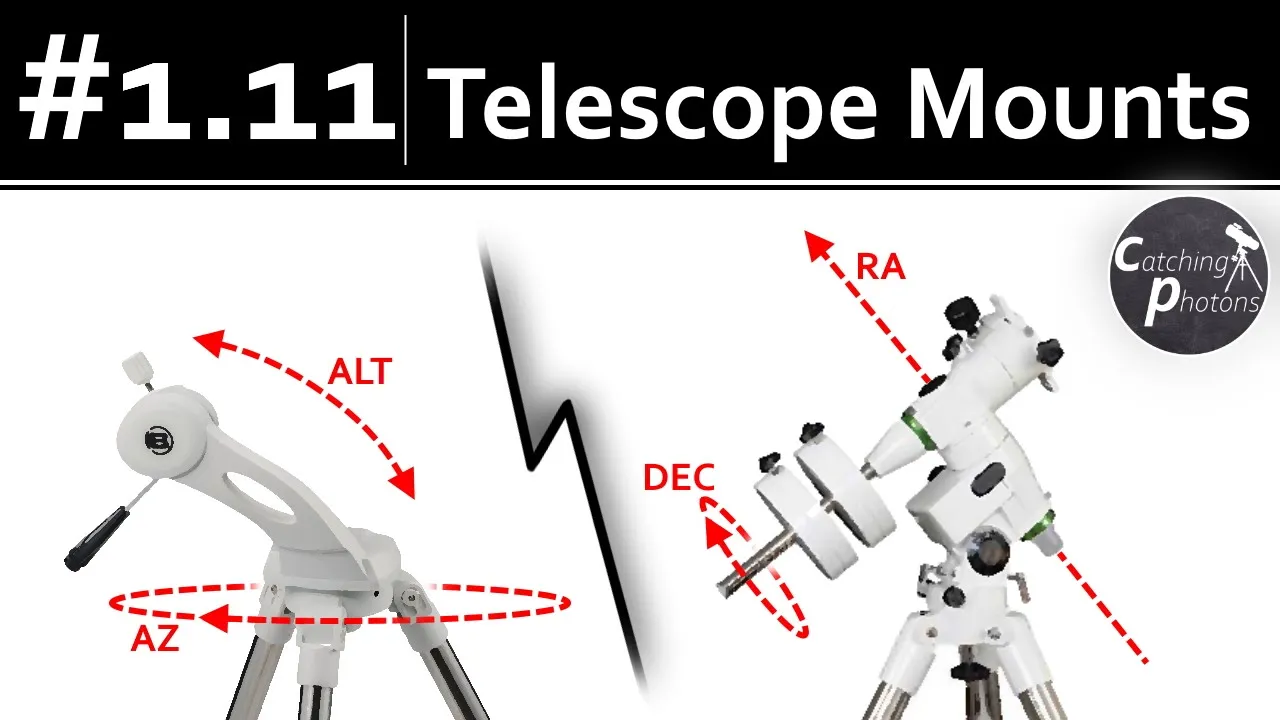



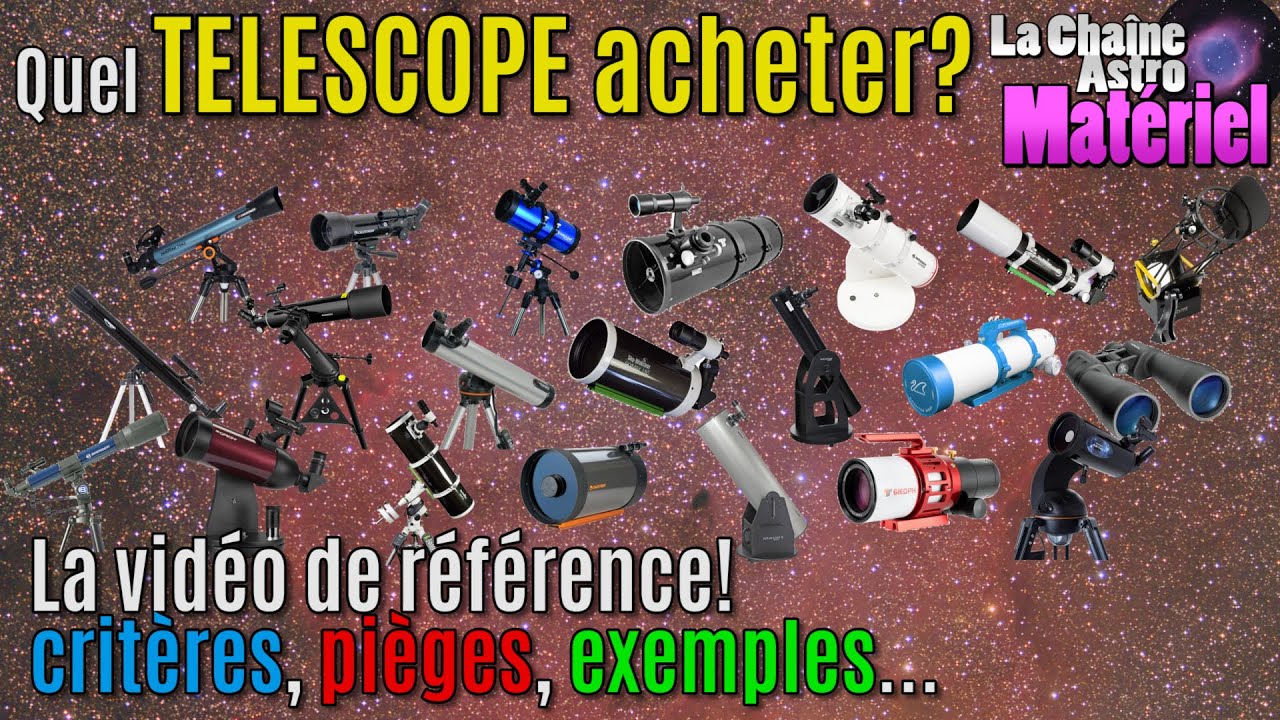
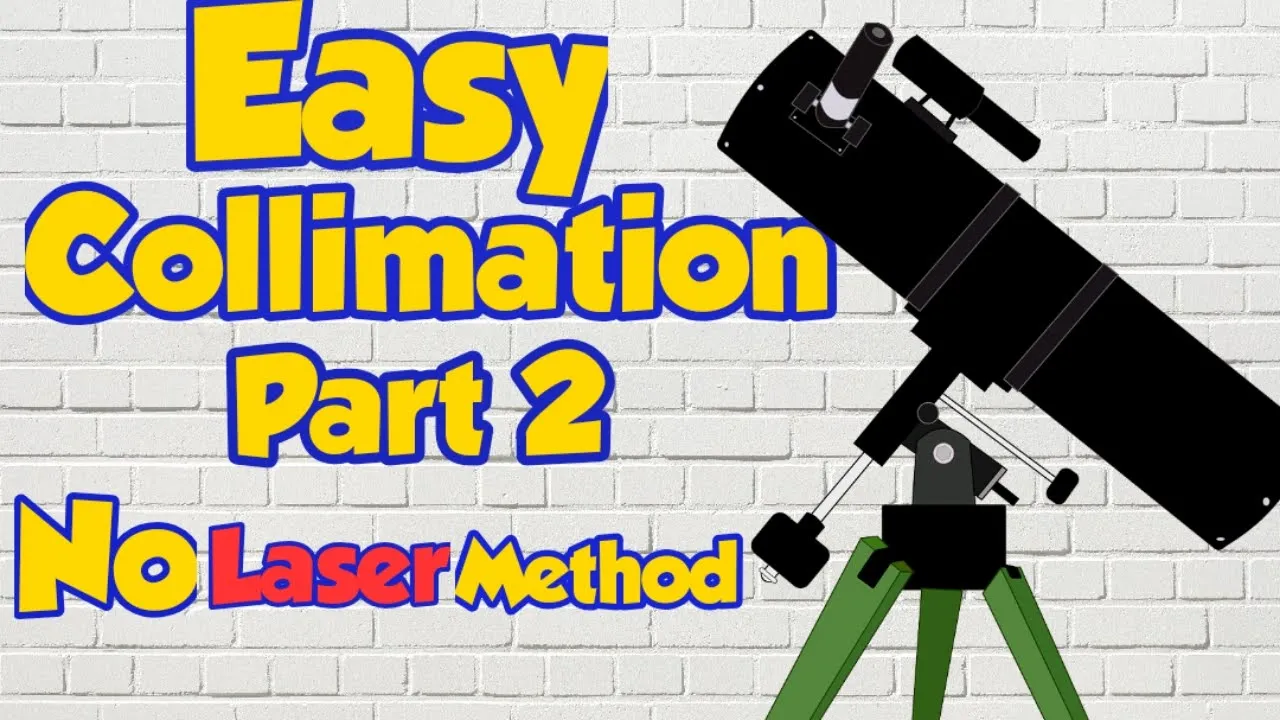
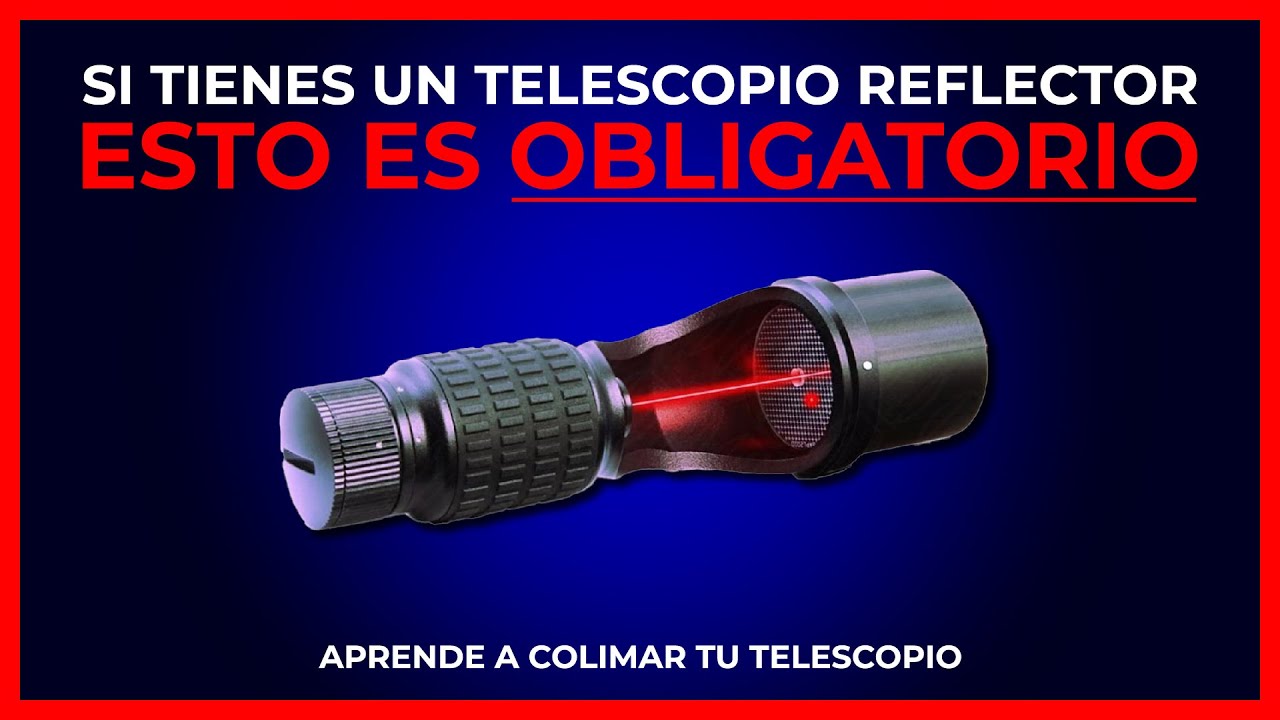

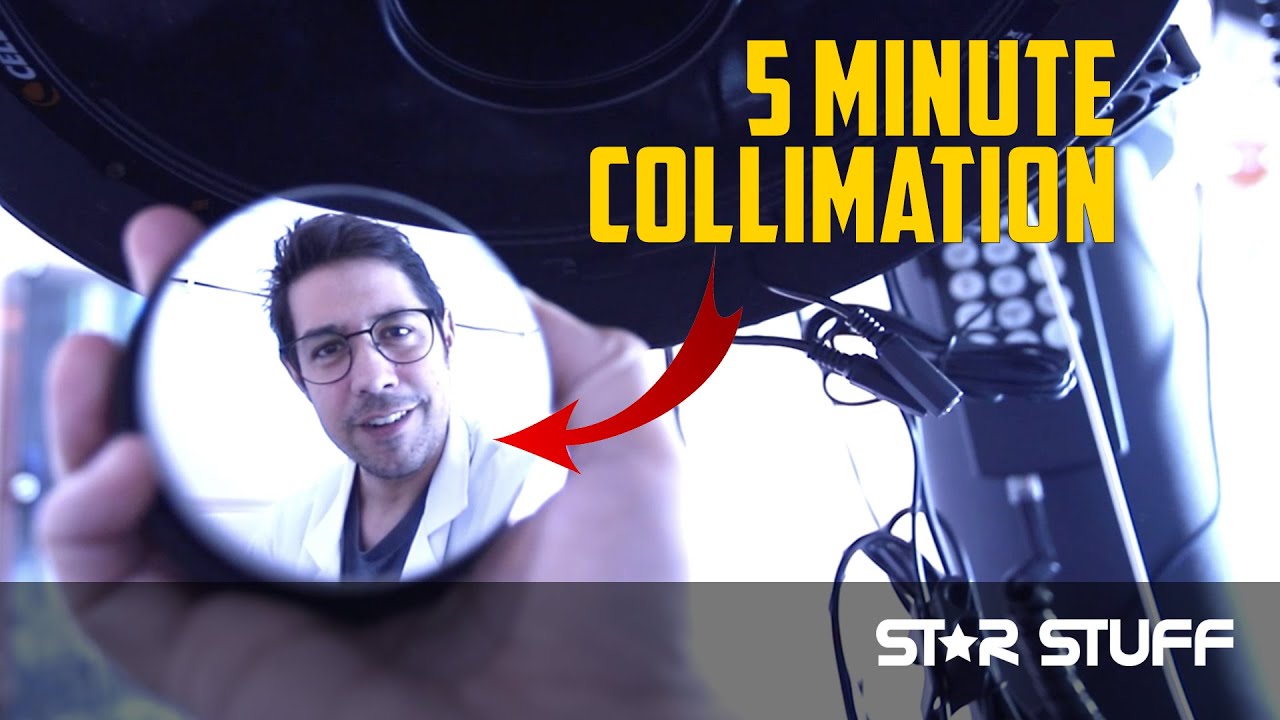
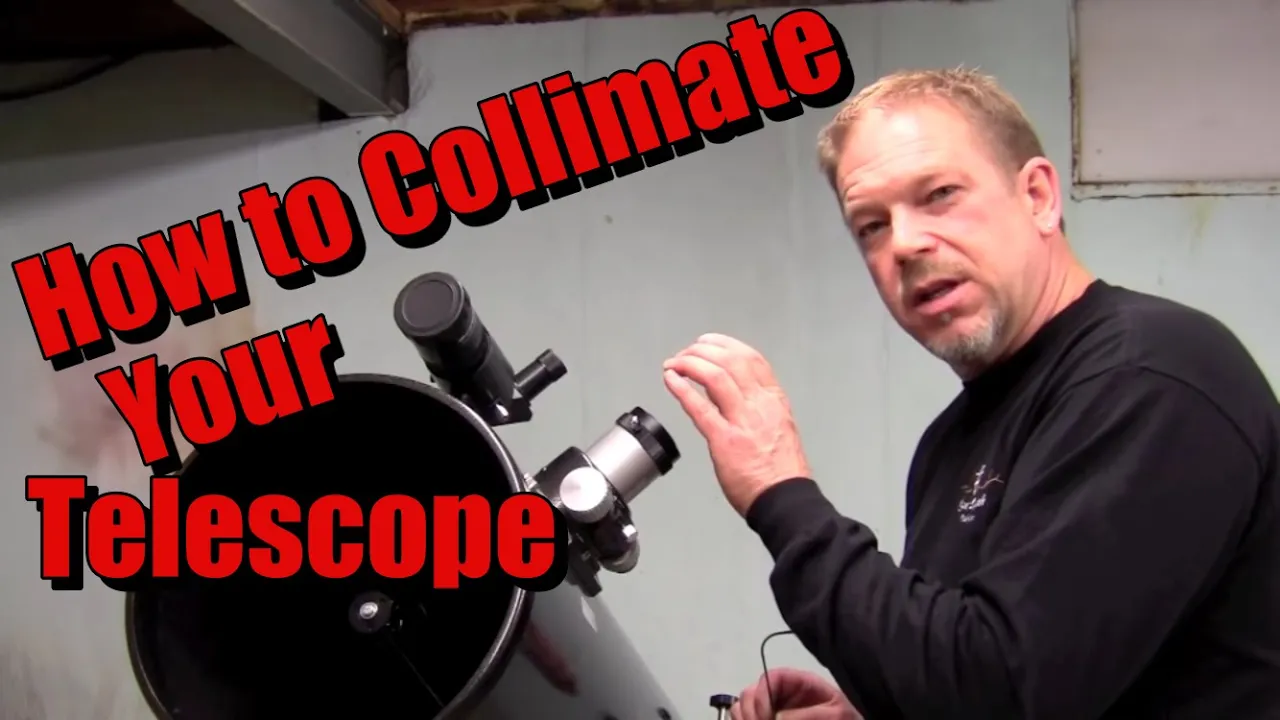




This lecture introduces the essential principles of telescope selection for amateur astronomers. Aperture (diameter of the objective lens or mirror) determines light-gathering power, with larger apertures collecting more light and revealing fainter objects. Angular resolution (Dawes' Limit: 11.6/diameter in cm) defines the telescope's ability to resolve fine detail. Atmospheric seeing conditions and transparency significantly impact observing quality. The three main telescope types are refractors (lenses, high contrast, limited to ~6-inch aperture), Newtonian reflectors (mirrors, cost-effective, require collimation), and catadioptric telescopes (Schmidt-Cassegrain and Maksutov designs, compact and versatile). Beginners should prioritize learning the night sky and using binoculars before purchasing a telescope, and should avoid department store telescopes which are typically poor quality.
Choosing Your First Telescope: Refractors, Reflectors, and More
Added:part four of the introduction to amateur astronomy lecture series is is entitled telescope tutorial or as i like to call it the one you've been waiting for so if you've been watching the lecture series you have been extremely patient uh for me to get to us to this part because many people would like part four to be part one because this is the one a lot of people really care about uh but before we really jump into the telescopes let's do a little bit of review so another name for the introduction to amateur astronomy lecture series is richard bell's four-step program to become a star hopping sky master and so that's been my goal during the course of the series here so i mentioned way back in part two that your first step as an amateur astronomer is not to buy a telescope it is the worst thing to do if you are just a beginning amateur astronomer because if you do get your new telescope i mean sure you'll look at the moon you'll look at jupiter saturn maybe a few bright deep sky objects but eventually you'll wonder what else is there to look at or as is usually the case you'll just buy the wrong telescope all together get frustrated with its poor performance because you bought kind of a junky one and it ends up in the closet or in the case here uh the weight room and you'll end up selling it in a yard sale for maybe a few bucks or try to sell it on craigslist or something like that so as we started with part one your goal is to educate yourself part one was all about a kind of crash course and basic astronomy kind of uh hour and a half uh version of a 11 week or 12 week course to you know learn astronomy 101 so it is important to learn basic astronomy because it just gives everything you view through a telescope more meaning when you understand the nature behind it and of course there are books that can teach you the the basics of astronomy you can just get a good old-fashioned astronomy textbook but i really recommend the backyard astronomers guide or night watch uh the practical astronomer is a pretty good uh resource as well but i prefer the latter two or the the former two the backyard astronomers guide and night watch uh they do give you a brief introduction to astronomy the science of astronomy but they also uh are great resources for the beginning amateur astronomer they cover everything we talked about and so uh now that you taught yourself the basics of the science of astronomy and the hobby of amateur astronomy you need to learn the night sky it's really important to learn the night sky with your eyes alone so if you look at a picture like this you should immediately recognize the three stars in the handle four stars in the bowl of the big dipper but if you look at this picture and didn't quite realize hey look i can use the pointer stars to point to polaris if you didn't catch that fairly quickly then perhaps you're not quite ready to work your way up to a telescope yet you've got to learn the night sky because if you have a telescope eventually you won't know what the point of that because you don't know your way around the night sky and if you kind of know what you might want to look at you might not know how to find it because you don't know how to navigate your way around the night sky so get yourself a monthly all-sky star map or a planosphere and learn the bright stars and major constellations of every season and then of course buy yourself some binoculars that's what part three was all about so binoculars are the halfway point to a telescope they fill that gap between what you can do with your unaided eye and a telescope they teach you how to find deep sky objects and frankly they're just a lot of fun to use so get yourself a pair of binoculars you can get some 7 by 50 or 10 by 50 for handheld astronomy or eventually you can put them on a tripod as shown here or you can get more advanced and use a binocular chair or a parallelogram mount and then finally after all that once you feel comfortable finding stuff with binoculars then you're ready for a telescope and that's where we finally are today but before we talk about the telescopes themselves we have to talk about the terminology behind telescopes because of course there's terms you might hear that you don't understand and also it's a great way to learn about the basic principles and most important features of a telescope so by far the most important term for a telescope is its aperture so the aperture of the telescope is the diameter of either the objective lens or primary mirror because as you might know and as we'll talk about today some telescopes have lenses some telescopes have mirrors and so if i say i have a 8-inch reflector that means i'm referring to the size of the primary mirror the primary mirror of my reflector is eight inches in diameter or if i say i have an 80 millimeter refractor then i have a refractor that has a lens 80 millimeters in diameter and as you noticed we always refer to aperture and either millimeters or inches in the us but probably in say canada and the united kingdom they probably use uh centimeters a bit more than we do and so aperture directly relates to light gathering power or light gathering capacity it means the same thing so light gathering power is basically the ability of a telescope to collect light a very common slang term for a telescope is a light bucket and that's a really good analogy because imagine you have two buckets you know one bucket you know it's very tiny maybe no bigger than a cup and uh and the other bucket is you know bucket sized and if it rains of course which one is going to collect more rain that of course is the bigger bucket so the bigger the lens or mirror the more light you gather and the brighter things will be and so in astronomy this is very important because pretty much everything we look at in the sky with the exception of the sun with a proper filter uh the moon and planets are bright but everything else is faint so uh in short bigger the better but there are other considerations to take into account and that's what we'll talk about today now i'm sure you're wondering hey richard uh how could i express light gathering power mathematically well let's go ahead and do that so yes today there's a lot more math than what you may have seen before but don't worry if you're a bit of a mathophobe i will walk you through it so here we have the equation for the area of a circle so the area and diameter of a circle are related by the area is equal to pi times the radius squared now of course the radius is half the diameter so here we have the diameter divided by two so the radius is equal to d divided by two and of course d divided by two is all squared so we get pi d squared divided by four because two squared is four okay so there we go this is the area of a circle using its diameter instead of radius now let's compare the light gathering powers of two telescopes and so to to compare the relative light gathering power of two telescopes we take the ratio of their diameters and it can be calculated by this little equation here so this is actually a ratio so instead of a we have like the area of telescope a or the light gathering power of telescope a and divide that by the area or light gathering power of telescope b so what happens is the pi's and the fours cancel out and we're left with the two different diameters so we have the diameter of telescope a divided by the diameter of telescope b and all that is squared so let's do an example so for example how much more light will a 10 meter telescope among the world's largest we're talking about you know the famed keck telescopes in hawaii here how much more will they collect than a 10 inch or quarter meter telescope because our units have to be the same we can't mix meters and inches they just don't mix together so we're going to convert 10 inches to meters because you know 10 meters it's like what 300 inches but who cares so we'll do uh 10 meters and a quarter meter there so what we have is 10 meters divided by one quarter meter or one fourth and of course the units cancel we lose the meters because we're just doing a ratio and we basically have uh one quarter here and so that becomes 4 times 10 which is 40 and 40 squared is 1600 so a 10 meter telescope will collect 1600 times more light than a common amateur 10 inch telescope that's why professional astronomers want their telescopes big because the bigger the mirror or lens the brighter things will become another very important term is angular resolution also known as resolving power and this is the ability of a telescope to reveal fine detail and angular resolution alpha in arc seconds if you don't remember you know arc minutes arc seconds and degrees just go back to part two that equals 11.6 divided by the telescope's diameter in centimeters and we get this little equation here now if you're curious if you're the curious type and want to know everything here uh this equation here for angular resolution is called daws limit d-a-w-e-s and it was named after the english astronomer uh w r dawes who came up with this and it basically describes the finest detail that can be observed through telescope under ideal scene conditions and you might wonder what it's seeing but we'll we'll get to that and so we use 11.6 when the diameter is in centimeters if you want to use inches then you replace 11.6 with 4.56 and you might wonder where these numbers come from in the first place they are not numbers like say the speed of light you know they're not you know uh measured or derived uh but they're determined empirically uh by actual field testing um that was done and so w r dawes or william rudder dawes as his full name is uh he observed many many double stars uh at various separations and so uh this is based on basically hundreds of field tests of many and varied separation of double stars so uh you know it's something he determined uh observationally in the field so it's not something you can put pen to paper and derive or something like that okay so anyway for example what is the angular resolution of a 10 inch or in this case 25 centimeter telescope gosh i love the metric system you know 10 inches is equivalent to 25 centimeters which is one quarter or 0.25 meters it's the metric system is such a joy to use i don't i don't know why we use the system we do in the us it's stupid but but anyway i digress so we have 11.6 divided by 25 centimeters and that gives us 0.46 arc seconds and remember for for reference here going back to part two one arc second is equal to one thirty six hundredth of a degree and one degree is your pinky the width of your pinky finger you know the short width at arm's length so that's a very very fine uh amount of resolution and that sounds pretty good right but you know uh there are uh certain things that get in the way but before that you might wonder well what limits the resolution of a telescope you know and the answer is something called the the diffraction fringe and so the diffraction fringe is a blurred fringe that surrounds any image and it's caused by the wave properties of light itself so you might know if you've ever had you know science or especially a physics class that light can be treated as either a wave or a particle but for astronomy it's really only relevant to talk about it as a wave so that's the only way i'm going to talk about it today and um so when light passes through your telescope you get maybe a nice image like this this is called an airy disc or you know a diffraction fringe and this is basically a sign of perfect optics if you see something like this you'll have the star here and you get these little funky concentric rings around it and hopefully they're nice and evenly spaced and that tells you your telescope is uh very optically sound and well uh aligned um i've seen this with refractors i've owned uh but with the conditions we have around here in michigan i've never seen it with reflecting telescopes but basically it's this airy disc the diffraction fringe uh that limits the resolution of any given telescope but what you can do of course is get a bigger telescope because the larger the aperture you know the bigger this number the smaller this becomes so uh aperture has two advantages things are brighter and things are sharper you collect more light and your resolving power is greater but what really limits the angular resolution of your telescope is something called seeing and seeing are basically the atmospheric conditions on a given night so if you're out at a observing session or star party with other amateur astronomers and you hear someone say oh the scene is terrible tonight uh they're referring to the atmospheric stability and so uh the scene is said to be poor when the atmosphere is unsteady producing blurred images now during the summer we've all been out in like a parking lot of like a shopping mall or something like that and you may have looked over like the roof of a car and you see you know basically heat rippling upward and how it distorts your view of beyond so what happens in these sky above is very similar but not nearly as severe as looking over the roof of your car so light from jupiter say is nice and steady uh during its long journey here to earth you know it travels uh by like four astronomical units four times the distance between earth and the sun to get here and all that way its light is nice and straight true and steady but that last short trip through the atmosphere causes it to get bent and distorted and it ripples like this now here is actually a pretty decent night of scene sometimes the scene is so bad the image gets really distorted here and you can hardly tell what it is but when you see jupiter do the hulu like this it's not caused by jupiter itself it's basically the light from jupiter being bent and distorted by our atmosphere and so of course what can limit your scene is temperature fluctuations between day and night especially during the winter your telescope may be inside all day where it's 70 degrees and then you take it outside where maybe it's 30 degrees and so your telescope can actually give off heat and distort the views through your telescope so that's why it's important to set up your telescope ahead of time and allow it to reach thermal equilibrium you know let your telescope basically cool off so you're not seeing bad scene in your own telescope but of course uh the ground itself may give off heat during the night that it collects during the day not so much in the winter but definitely in the summer and that can distort your scene or what else can distort your scene to something called the jet stream which we've all heard of the jet stream is created by the convergence of cold air masses descending from arctic regions and rising warm air from the tropics so it's you know basically really cold up here really hot down here uh the warm and cool air converges and gives us this kind of river of turbulent air called the jet stream now quite often this jet stream passes right over us here in michigan and we often have bad scene here so a good place to live or go is like say florida for example because they basically have like 70 degree water with 70 degree air passing over 70 degree land and the scene is really good down there i've experienced really good scene at the winter star party in the florida keys and have been able to observe you know like saturn at really high power which is great i've only been able to do that you know a handful of times in michigan because you know we have big fluctuations between day and night time temperatures and the jet stream often passes overhead so that's why many amateurs call a latitude of 40 degrees the roaring 40s because of the turbulent scene we often get now another term related to seeing is transparency and transparency refers to the clarity of the sky the more transparent the sky the more stars you can see so of course what can limit transparency of course clouds they can really cut transparency down to zero but even you know uh lesser degrees of moisture you know humidity can lessen transparency you know in michigan it can get pretty humid in the summer and that can really wreak havoc on our transparency and you can have you know maybe uh smoke you know because of climate change uh fire uh wildfires out west are much more common now and so every summer uh now it seems we get smoke even in michigan that limits the transparency so uh you know humidity or you know fog or haze and smoke uh can really limit uh transparency so for those of you that live at high altitude you're much better off because if you live in a high elevation not near sea level number one you're above more of you know more of the atmosphere where the sky's thinner so there's less air to dim starlight and there's less air to be distorted for seeing so that's why astronomers build their professional telescopes on mountaintops because the transparency and the scene are far superior than what you can have at sea level okay back to the telescope terms after aperture the next important term is focal length and i'll just read it straight here so the focal length is the distance usually given in millimeters for amateur telescopes in an optical system from the lens or primary mirror to the point where the telescope is in focus called the focal point or in short it is the distance light travels in the telescope to come to a focus to reach the focal point so the longer a telescope's focal length generally the more power it has and the larger the image but the trade-off is the field of view is narrower so it all depends on what you want to look at if you're obsessed with looking at the moon and planets and double stars you want a longer focal length telescope if you want to observe wide field vistas of deep sky objects you want a short focal length telescope so let's do another example here let's say we have two uh eight inch reflectors we you know both telescopes have eight inch mirrors so their light gathering capacity is exactly the same but one telescope has a focal length of 2 000 millimeters and that would have twice the power in half the field of view of your 1 000 millimeter focal length telescope okay so if you want to observe the moon planets and double stars you want that eight inch 2000 millimeter telescope if you want wide field vistas of deep sky objects you want that eight inch 1000 millimeter focal length telescope so there's not really one perfect telescope uh many advanced amateurs like you know me for example have more than one i currently have uh four telescopes but one's only for the sun more on that later all right so this gets us into magnification everyone knows what this is it's basically the ability to make an image bigger and so here's how you find the magnification of a telescope and out of all the equations that i will show you today this is the one you should know because i guarantee you if you're if you set up your telescope at like a public event they're going to ask you what is the magnification of your telescope and here's how you can calculate it so the magnification of a telescope is equal to the telescope focal length divided by the eyepiece focal length we'll talk about eye pieces later but yes eye pieces have focal lengths as well so last time we talked about you know 7 by 50 or 10 by 50 binoculars they always have a magnification of seven or they always have a magnification of ten but with telescopes of course you can interchange the eyepieces and get a whole range of magnifications it's always good to have at least three eyepieces in your kit you know so so you can get a whole range of magnifications low power for deep sky a little higher power for planets so let's do a sample calculation the focal length of my first serious telescope a 10-inch schmidt caster grain telescope it had a focal length of 2500 millimeters and let's say i want to look at the planets and i throw in a 10 millimeter eyepiece so what happens here is the millimeters cancel so this uh answer would be what we call in physics a dimensionless number you know it doesn't have any units and we cancel a zero here a zero here and yep we get 250 power and you can see because the units cancel uh we we put in the little x there so we know it's magnification so it magnifies 250 times which is pretty good for michigan because the general rule of thumb is 50 power per inch of aperture for maximum magnification so if you have a 10 inch telescope you shouldn't be able to use more than 500 power because as you increase the magnification you know things become uh fainter and also you magnify the bad scene so if the scene is really bad uh you do nothing but magnify that with really high power but in michigan it's really half this it's about 25 uh power per inch of aperture so with a 10 inch scope uh you can't really use more than 250 power around here on an average night but you do get those rare nights where the scene is perfect and you don't want to go home because you can view like mars as big as a quarter and that's how that whole mars myth started uh where people thought mars would be as big as the full moon because a nasa press release said mars will appear as big as the full moon in your telescope and people cut out the in the telescope part and so uh those of us that do a lot of public education have been terrorized by the mars hoax ever since but i digress now there is also a minimum magnification and this has to do with something called your focal ratio which we'll get to here shortly and basically you multiply your focal ratio by seven so if you have an f5 telescope uh you can't use an eyepiece any uh longer focal length than say 35 millimeters so the limit to how high you can go is dependent on your aperture and the you know the scene conditions but the limit to how low power you can go depends on the like focal length or focal ratio of your telescope now with magnification we get into nonsense like this uh every so often not terribly often but you know once in a while i like to go to craigslist and see what junky telescopes that people are selling and one day i spotted this on there and i just kind of roll the eyes and back of my head because you don't see this too much today but back in my day you know when i was a kid and just getting started back in the 70s and throughout the 80s you stuck you saw crap like this all the time where people like uh tasco or bushnell uh posted this on their box that this little dinky telescope here a 60 millimeter refractor uh could go to 675 power you know sure technically with the uh overpowered barlow lens that it comes with more on those later and the eyepiece you might actually be able to reach this power but will you actually be able to see anything of worth through the telescope the answer is no uh so if you still see stuff like this you know like on craigslist or in a yard sale this is absolute nonsense uh not even a 10 inch could really get this high only on the absolute finest nights of scene you might experience once a decade so again this has been pretty much eliminated with the telescopes you find in department stores today but still just insane okay so i mentioned focal ratio so it's quite simply the ratio of a telescope's focal length to its aperture so to calculate it you divide the focal length by the aperture so for example you have that 10 inch schmidt cassegrain which has a 2500 millimeter focal length and an aperture of 10 inches or 25 centimeters or 250 millimeters again i love the metric system our system in the us stinks i hate it so you basically do 2500 divided by 250 and that gives you 10. so this is specified as f10 now this is really only important for astrophotography but for visual use referring to your focal ratio is just a really short hand to talk about the focal length of your telescope so you might hear someone say yeah i have a 10 inch f10 and someone might say oh i have a 10 inch f5 so of course the 10 inch f5 has a shorter focal length than a 10 inch f10 but for astrophotography a f5 would be faster than an f10 you know it would record light faster than f10 because of a larger light cone but it's not really important for visual use i mean it is but in a way it isn't okay so now finally with the terms out of the way let's talk about the types of telescopes probably when you think of the word telescope in your head this is the type of telescope you're thinking about the refracting telescope or for short a refractor so this of course was the first type of telescope to be developed we're not really sure who invented the telescope but most credit goes to a a dutchman a german dutchman named hans lipperhey uh who in 1608 tried to uh obtain a patent for the telescope but his patent was rejected because other people you know showed them similar designs before uh but because he was the first to apply for a patent he often gets credit but because his patent was rejected that means people were using kind of toy telescopes you know just for fun before that and so when he filed this patent on october 2nd 1608 he says it was for an instrument used for seeing things far away as if they were nearby so that's that's basically the definition of a telescope and so hans lipperhey uh was uh a spectacle maker and the speckle industry started in venice and florence in the 13th century so we've been using lenses you know since at least you know the 13th century and the term telescope was coined by giovanni diminissani in 7 1611 so he's credited with developing the word telescope and it basically means to see you know things far away up close but i've always kind of liked the term that thomas harriet came up with thomas harriet was kind of like the galileo of england he he did many observations uh before galileo but galileo published his observations first thomas harriet called the telescope a perspective tube and i've always liked that term so uh from here on out i will refer to it as a perspective tube no i'm just kidding but anyway i digress here again here is the refracting telescope and we always say it has a lens but really uh it has an objective lenses because you never have uh just one lens up front you have at least two some have as many as five uh or at least four up here maybe one back here but you know uh refracting telescopes today have you know two or more lenses and quite simply the light comes straight in and it's bent or refracted by the lenses so that's why it's called the refractor because refract means to bend and the lens bends light so here are some typical amateur astronomer telescopes and remember we always refer to telescopes by their aperture so this for example is a 76 millimeter refractor so it has a lens almost three inches in diameter and this might be a six inch refractor which has a lens six inches across or 150 millimeters then uh you can see they have different focal lengths you know this little teleview here uh teleview 76 this one's very short so this has a short focal length and so this is meant for more wide field views but this long one here or maybe even this one here this one would be better for planets than this little guy here because it has a longer focal length because you can tell that by the length of the tube so the longer the tube the longer the focal length the better they are for planets so you know refractors uh aren't just for one thing for short ones they're for wide field vistas of deep sky objects longer ones are you know maybe more for planets uh but they can do pretty well on deep sky objects as well so let's talk about the pros of a refracting telescope first they are the easiest to use and reliable due to the simplicity of the design you know basically you take them out of the box and they're ready to go no uh special alignment uh needed so that means there's very little or no maintenance you know if your objective lens up front gets uh pretty dirty you know from do many dewy nights you might have to clean it once in a while uh but not too often but the objective lens is permanently mounted and aligned if your objective lenses do need alignment or collimation you might have to send it in to the manufacturer and the sealed optical tube reduces image degrading air currents and protects the optics at least inside the the side of the optics that are exposed to the sky again might uh need the occasional cleaning but otherwise uh they are very low maintenance telescopes and you have a clear lens up front so refractors are really known for their high contrast images because they have no central obstruction and you might wonder well why would a telescope have an obstruction and we'll get to that let me get to the next type of telescope so because they they are known for high contrast images especially in longer focal lengths or larger f ratios they are excellent for a lunar planetary and binary star observing especially in larger apertures so if you're obsessed with the moon and planets and double stars you want to get yourself a pretty decent aperture focal length refractor but maybe not we'll we'll come back to that and the color correction is good and the acromatic design and excellent and high-end apple chromatic designs so yeah there are different types of refractors they seem so simple you know you basically have a couple of lenses up front but those lenses can be different now an acromat is the lesser design and uh they were developed around the 19th century the mid-19th century or so and they basically have a concave flint glass and convex crown glass but they are not perfect and we'll we'll come back to that but high-end apo chromatic refractors they use more exotic types of glass like ed glass or extra low dispersion glass e.d extra low dispersion fluorite no stuff like that so uh they're of course much more expensive too and um but again i'll i'll come back to all that and refractors are good for uh distant terrestrial viewing in fact many refractors and like you know sporting shops are sold as spotting scopes now a dedicated spotting scope might not be great for astronomy uh but you know many small refractors meant for astronomy can be good spotting scopes as well you just have to buy an extra accessory called a 45 degree diagonal but i'll come back to diagonals later as well so these are the pros of your refracting telescope now let's look at the cons they are the more expensive per inch of aperture especially for the apo chromatic refractors because they use such expensive exotic types of glass so the cost and bulk factors limit the practical usefulness uh the useful maximum size of the objective to smaller apertures so today you really can't buy a larger refractor than a six inch they are available from roughly 50 millimeters to you know six inches you know roughly two inches to six inches so if you're really obsessed with observing the faint fuzzies you know faint deep sky objects especially galaxies a refractor is not for you you want something you can get in a larger aperture but again refractors are great for wide field views of deep sky objects especially shorter focal lengths but good for longer focal lengths with the planets and still really good for deep sky objects too and uh they're heavier longer and bulkier than equivalent aperture reflecting telescopes because light comes straight in the uh tube basically with just a little bit of bending from the lens up front so a six inch you know refractor can get pretty long it's still pretty portable but when you get uh to seven inches or eight inches uh they just get so long uh they become really expensive and difficult to transport you know a a tenants refractor would need a pretty large dome uh to be housed in you just you can't transport a 10 inch refractor plus they're ungodly expensive and as mentioned uh they are difficult to collimate if the optics are knocked out of alignment if you somehow drop it or you're on a really bumpy road out in the middle of nowhere uh you might have to send it in some refractors can be collimated on their own uh by the user but odds are you'll have to send it in which is uh quite expensive and the achromatic designs that use the crown and flick glass they have color aberrations and that's what we'll get into now so the these color aberrations are called chromatic aberration and only acromedic refractors suffer from this no maybe to a degree lesser apple chromatic refractors do but it's pretty much been eliminated in higher end apple chromatic refractors at least at visual wavelengths so here we have a single lens which no refractor is but this is just for an example so what's going to happen here is the white light comes in and we all know white light is made up of different colors you know roy g biv red orange yellow green blue violet there is no indigo by the way that's a whole other story so red light is longer focal length than green or blue light so long focal length intermediate focal length uh short focal length and so because of the different focal lengths they're bent or refracted at different angles and you'll have red light come to a focus here green here and blue here now uh what this looks like is maybe something like this uh but not quite uh it's even worse with a single lens here this is with uh this is a picture of the andromeda galaxy with a uh acromatic refractor now acromatic refractors use two different types of glass as mentioned they use crown glass and flick glass because they focus the light differently so with the two lenses together they bring uh basically red and green light together but not really so much the blue light so when you look through an acromatic refractor or take pictures with it you get these little kind of purplish or blue halos around them and the overall symptom of this is called chromatic aberration again but when you see the purple glow this is called a secondary spectrum now there are filters you can screw on your eyepiece called like minus violet filters that can obscure this but that's all they do is they hide it what's happening is the three main colors you know red green and blue are not coming to the same focus so it degrades the image a little bit and no filter can correct for that the way to correct for that is to get yourself an apple chromatic refractor because they focus all the colors at one point but it's expensive to do that so for visual use it's not too bad but if you do compare an acromatic refractor to an apple chromatic refractor i mean there's just no comparison you know apochromatic refractors are like the the lamborghinis or the ferraris of refractors they are spectacular so if you can afford an apple chromatic refractor go ahead and get one but they are really expensive now let's get into uh probably the most common type of amateur telescope the reflecting telescope the specific ones shown here because there are lots of different types of reflecting telescopes is a newtonian reflector and yes isaac newton the isaac newton built the first practical reflecting telescope in 1668 which still exists to this day i would love to see it one day so um he basically used you know mirrors but his his his first mirrors and the first mirrors were made of speculum an alloy of tin and copper but today mirrors are coated with like aluminum or or silver if you can find that the silver is better but no one really does that much anymore unless you special order it so in this case the light comes straight in all down the tube there's no lens up front to bend the light in fact the only lenses are in the eyepiece so the light comes straight in and because we have a concave parabolic primary mirror it has a bit of curve to it the light is reflected in a cone to a flat secondary mirror at a 45 degree angle and that goes up into the eyepiece where you view it with your eye so instead of viewing to the back you view the side of the telescope so it's a very simple design still but a little more complex than a refractor so here are some uh various amateur newtonian reflector telescopes it's basically the only type of straight reflector i'm going to talk about and again you can see they come in a variety of apertures and focal lengths here's a small aperture short focal length telescope i have one very much like this but uh i use it for tabletop displays at public outreach events and you can see you know some are still very short but they're longer focal length and they look because again the light goes down back up and up up up through here so the light travels a little further than it would in a refractor of this length and you can see they got various you know apertures again and various focal lengths so this would be like a wide field reflector great for visual use and astrophotography and this one is a bit longer focal length and uh is uh for closer views of deep sky objects but would do pretty good on the planets too this is from parks optical by the way which i uh believe is now out of business unfortunately and here's the famous uh astro scan from edmond scientific those are fun little telescopes as well so let's get into the pros of a newtonian reflector so i am specifically talking about a newtonian reflector here the first pro is with your pocketbook they are the lowest cost per inch of aperture the exact opposite of a refractor because newtonians are by far the easiest type of telescope to make that's why many you know manufacturer many telescope manufacturers make newtonian reflectors because they can make a lot of profit because they're cheap to make and you can you know bump up the price a little bit in fact they're so easy to make many amateurs still prefer to build their own they grind their own mirrors they construct their own telescopes that used to be a necessity up till the 1960s or so but after uh cheap imports and stuff like that uh and the price of telescopes has gone down you know most people buy their telescopes today as opposed to building them but before the 70s uh pretty much everyone built their telescopes because it was far cheaper to do so so because newtonian reflectors are the cheapest per inch of aperture they are available in a wide range of apertures so if you are obsessed with the faint fuzzies you want to observe you know faint nebulae star clusters and galaxies or you want to really bring out the brighter nebulae star clusters and galaxies you want to get yourself a newtonian reflector because you can buy a big one for a relatively low price i mean yeah the really big ones are still expensive but relatively speaking compared to a refractor they're dirt cheap so yeah they are available in a huge range of apertures i think the smallest reflector is that little tabletop telescope i mentioned that's about 70 millimeters and the largest you can get is about 32 inches big and they are low and optical aberrations and deliver very bright images because you can buy them in large apertures so they have no chromatic aberration because there's no lenses the light passes through except for the eyepiece that doesn't really give you any uh color unless it's a really old uh low quality eyepiece which you don't see anymore they do suffer uh from coma or maybe a little spherical aberration uh but that can be easily corrected out well at least the coma can not so much the spherical aberration you know hence the hubble space telescope so uh the longer focal lengths like say an f7 are reasonably good for lunar and planetary work so if you do have a longer focal length you know uh reflector you know it is good for the moon and planets so they can do a little bit of everything but your shorter focal length ones are the ones that are really good uh for deep sky viewing and that's what that's what most reflectors are sold for for viewing deep sky objects and because they're you know shorter than your equivalent aperture refractor they're reasonably compact and portable up to focal lengths of about 1 000 millimeters as you get to 10 inches or bigger they can become very difficult to transport but there are ways around that and we'll see some examples of that here shortly and the really higher end models are excellent for deep sky astrophotography so we will save that more for part 5 next time now here are the cons they are not suited for terrestrial applications because all newtonian reflectors show you images that are upside down now many people hate that but the only thing you really notice it on at least up in the sky is the moon otherwise you don't notice so the the basic advice i can give you is get over it you know for nebulae star clusters and galaxies you'll never notice that the image is upside down you can correct for that but it degrades the image so why do that why not just view it upside down as we always say you know there is no upside down in space so it doesn't matter but you just can't use them during the day to look at wildlife you want to get a refractor or the next type of telescope to do that and of course the open optical tube design allows image degrading air currents and aired contaminants you know every so often you'll have to take out your primary mirror and clean it and that can scare beginners you know i don't enjoy doing it myself the best bit of advice for cleaning your optics is don't do it unless you desperately need to i mean if it's really bad you have to and if you use your reflector a lot and it gets dewy a lot you might have to send in the mirror for re-illumination or re-illuminization every so often that's easy for me to say uh there are places you can send in your mirror to get it recoated but you shouldn't have to do that every so often and if you take really good care of your reflector make sure it never gets due keep the optics covered up when not in use you might not ever have to send it in to get it re-aluminized and because of that secondary mirror you know that does block some of the light that comes into the telescope so there is a slight light loss due to the secondary mirror so if you compare a six inch reflector with a six inch refractor the images to the refractor will always be brighter and sharper than the reflector because again that secondary mirror blocks some of the light and it reduces contrast but you save a lot of money for the reflector compared to the refractor and here's the one that really scares many amateurs away or many beginners away from a reflector is they require frequent collimation basically uh if you have a six inch or larger you basically have to collimate it every time you take it out if you want you know your violin or your piano to play properly you get it tuned if you want your telescope to perform properly in the field you want to make sure it's aligned properly or as we say collimated the secondary and primary mirror must be in alignment and that frightens many beginners you can collimate your mirror mirrors with a star but there are uh cheshire eyepieces and laser collimators that make it easy to do before it gets dark i get into that a little more with astrophotography but not not too much here uh faster reflectors like a f4 can suffer from what's called off axis coma where the stars look like little comets near the edge of the field of view but the really good part is is that's very easy to correct for there are devices called coma correctors that can fix that teleview optics has one called paracore and battered planetarium has one i think they just call it the coma corrector uh but you know there are devices you can buy to to correct for coma that's really a necessity for astrophotography and you know it's nice for visual use tube to get you know stars very sharp to the edge of the field of view and of course large apertures over eight inches can be very you know bulky heavy and tend to be you know fairly expensive but there are ways you can get around that and again we're we're getting to that you can make a big reflector that's very portable the third type of telescope is a catadioptric telescope or a compound telescope the most common type of catadioptric is the schmidt cassigrain which is shown here another very popular design is a maxsudov casagrain so in the schmidt casagrain light travels you know nice and straight until it hits this thin slightly aspheric schmidt correcting lens it's so thin we call it a corrector plate instead of a correcting lens because again it's so skinny so when the light comes in it's slightly bent like with the refractor uh and then it goes off reflects off the spherical primary mirror up to the secondary mirror down through a hole in the center of the primary to your eye or via a diagonal which you would have back here so you might wonder or say you know there's a hole in the middle of the primary mirror you know yeah why not because it's in the shadow of the secondary mirror anyway so why not put a hole here no direct light comes here anyway and the really great thing about catadioptric telescopes or especially schmidt caster grains and even mech suit up castle grains is they are very compact and very portable and that's why these became very popular uh starting in the early 1960s when tom johnson at celestron uh marketed the first uh schmidt casa grains and of course uh celestron built their fortune at least originally with the c8 which had orange tube kind of like this one because you know i i think the orange tube came about in the 1970s i think the first ones in the 60s probably had a white tube uh but you know orange was kind of the the color of the 70s for some reason and so you can see many celestrons older celestron schmitz that have orange tube like this so here's a collection of schmidt casa grains and you can see uh the orange one of course and these two are from celestron and these are from mead or also orion today because orion now owns mead instruments so they're kind of one of the same now and uh here with this uh mead you can really see the corrector plate here and you can see it's kind of purple because it has coatings to make the uh correcting plate much more transparent to light because you don't want the corrector plate to reflect light away you want light to pass through and you can see they're all again really short and they really look like light buckets because they they basically do have kind of a bucket tube and they were made like this because they're extremely portable but i'm jumping ahead here so here are some mexuda of casa grains now i gave you uh all the great benefits of your longer focal length refractor i mentioned how they are great for the moon and double stars and planets but of course the apochromatic designs are really expensive but if you want to try to save some money and observe the moon planets and double stars get yourself a maksudov casagrain now years ago i compared a seven inch macsuda cassegrain from mead which they don't make anymore with an astrophysics refractor a very high-end refractor and the mac which is what we call maxeud of caster grains for short really performed you know almost as well as the astrophysics i mean so macs are really great for color correction and contrast they are just really really excellent for that so we have the famous questar here which you know cost thousands of dollars even in the 1970s and they cost many more thousands today but they are beautiful uh beautifully constructed they are just gorgeous telescopes but you have smaller ones here from orion that make great spotting scopes you can see the 45 degree diagonal here is so it's sold as a spotting scope and both ioptron and mead here have six inch max that are pretty good i don't know if anyone that makes a seven inch but if you can find that mean seven inch on the used market i would get it and these came about by the way uh after they were invented by dimitri maksudov in 1944 and instead of a corrector plate they use a deeply curved you know full diameter negative meniscus lens called a correcting lens so because it's much thicker it's referred to as a corrected lens as opposed to a corrector plate and they are again great for spotting scopes or uh nighttime use with the planets or you know higher resolution deep sky objects like planetary nebulae so here are the pros they are considered by some to be the best all-around all-purpose telescope design you know uh they do give excellent uh views you know they have excellent optics with razor sharp images over a wide field especially the newer ones made today that are coma free because they have a little coma corrector in the back uh they do planets really well this is not as well as a maxodov cast a grain or a well-made uh refractor they do deep sky objects pretty well this is not as well as a good reflector so they're kind of the uh all-purpose telescope they're not the best for any specific application but they're pretty good uh and so you know that they're good for lunar planetary and binary star observing this is not as good as a mac or a well-made refractor especially your uh apochromatic refractor and they are really really good for deep sky observing or astrophotography this is not as well as a well-made reflector they do have closed uh tubes which reduce image degrading air currents on the inside uh if you get gunk on the inside of your telescope that means you're not treating it very well you know you should always keep the back end of your schmidt like this is a schmidt casted range showed here when not in use you should always have a little cap on the back and because of the correcting plate up front you know you never get anything inside so it stays nice and clean now the outside of the corrector plate that's a different uh matter but uh we'll we'll come back to that and the the whole reason that schmidt casagrains exist is they are extremely compact and portable because today the term backyard astronomer is kind of an oxymoron because many of us cannot observe in our backyard because we live in light polluted areas so many of us have to travel you know maybe a half hour or as many as three hours if you live near a big city to get to relatively dark skies and you know today we have smaller cars because gas prices are high and so you might want a telescope that's very portable and that's where a schmidt casagrain comes into play because you can get a big one that's really really portable they are they are also very durable and virtually maintenance free they hold collimation very well you might not have to collimate it every time you take it out but you know it doesn't hurt to check every time you take it out but they do hold collimation pretty well and you know every once in a while every couple years you might have to clean the the front of the corrector plate if you get do on it but you can avoid that now here are the cons they are more expensive than newtonian reflectors of equal aperture because they are a lot more complex to build than a equivalent newtonian reflector so you'll pay more for a 10 10-inch schmidt cassegrain than you would a 10-inch newtonian reflector there is a slight light loss due to the secondary mirror obstruction it's a little bit worse than with your newtonian reflector at least for the most part because the secondary mirror is a bit larger than your typical newtonian they do take longer for the optics to reach thermal equilibrium when you take them outside so it's always good to set up your telescope at least 30 minutes in advance to let it cool off so because they got more glass they take a little longer to cool off than your typical newtonian or smaller refractor and probably the biggest drawback especially with larger apertures is the way they focus is there's a little focus knob in the back and as you turn the focus knob it moves the primary mirror you know like a little up and a little bit back and uh with larger mirrors the the mirror shifts a bit when you're focusing so you're looking through the eyepiece here you're trying to focus but the image is jumping around on you a little bit now my club used to have a 12-inch uh schmidt uh schmidt cassegrain in our observatory and they had the worst case of image shift i have ever seen you know the it would jump all over the place and when you did get it in focus the mirror would like slip back a little bit and lose focus so you'd have to adjust the focus again and then it would shift around a little bit there are ways you can get around that and i'll i'll come back to that but it's a big problem with schmidt cassegrains and that's image focus it's better than it used to be uh but still pretty much every schmidt is going to have some kind of image shift even mexican grains will suffer from this if you use your standard uh little knob focuser uh pretty much all schmidt caster grains are f10 except for the ones uh met specifically for astrophotography mead has some for example that are uh f8 that are used for taking pictures with but they pretty much all have a narrow field of view compared to faster newtonians because most newtonians are between f4 and f8 and the larger apertures 10 inches and up are pretty heavy i could handle my 10 inch on a fork mount because you know and that weighed about 60 pounds but uh i could handle that i still could 12 inches gets a little difficult to carry at least if it's on a fork mount uh the optical optical tube by itself isn't too bad but anything bigger than 12 inches with just the optical tube you know like a 14 or 16 inch schmidt you need help uh from someone to set it up or you put it in a observatory where you don't have to worry about stuff like that your telescope no matter how good it is is nothing without a good telescope mount so the first type of mount we'll talk about for telescopes is a good old german equatorial mount so here we have a nice uh celestron this looks like a celestron nine and a quarter inch uh schmidt casting green but that's not really relevant and you can see uh we have a counterweight on the opposite side here so there's the counterweight you might need more than one though for a scope this big but you always have at least one or more counterweights here on the counterweight shaft to balance off uh the telescope and you can see uh this is the declination access and then the the way i can't move it is the right ascension access so remember right ascension and declination is a longitude and latitude for the sky you know every city has a longitude and latitude every deep sky object has a specific right ascension and declination so you can see we have the polar axis here and this part points up toward the north celestial pole near polaris and you can see the whole contraption here is that a bit of an angle so imagine we have the horizon here and the the angle the telescope is at depends on your latitude so you set the angle of the telescope here you can see there's like a little readout here you can barely see you just put in your latitude you know if you live at a latitude of 42 degrees like we do here in kalamazoo you have your amount angled at 42 degrees and place it so this end points toward the north star and that's how you properly align a german equatorial mount now for visual use it's not really critical but if you get into astrophotography you really want to learn how to align your german equatorial mount you can start doing that on your own at first and you know it doesn't hurt to learn how to do it that way but there are plenty of uh you know computer programs that can help you uh polar align your telescope but i won't get into that for visual use you just kind of roughly point it toward the north star and that's more or less good enough maybe a little better than that if you have a computerized telescope but it's not super critical so that's why i love love it when i see images like this i got this from uh terence dickinson you know the author of night watch some time ago over 10 years ago when he gave a talk for us and uh he he pulled this out of a uh like shopper for sears or something like that and my goodness uh this this this telescope is just really messed up uh so hopefully by now you can realize uh the equatorial mount here is set for the equator uh you know maybe they do live on the equator but you know i sort of doubt it so the the mount is uh uh not angled properly it's not set for a typical latitude where you would find a sears anyway um the uh telescope is pointed toward the ground because of course the light comes in here off the primary up the secondary and this is where you view through it and they have the finder scope on backwards and they're looking through the finder scope which i guess find by itself but uh they're looking through it in the wrong direction but the thing that always bothered me is or uh surprised me is i never knew mitt romney sold telescopes uh so so here's uh probably the most uh easiest mount for an amateur to use one that's getting started or you know for just casual observing too is your good old all azimuth now because they're very simple they're called all azimuth mounts because they only move an altitude you know up and down or azimuth you know in different directions in the sky so basically they move you know up down left right very intuitive very simple for the beginner because with your german equatorial amount because the whole telescope is at an angle it's not quite intuitive how to move it and point it at different parts of the sky so for if you're really just a visual observer then you might want to get yourself a really nice all azimuth mount and they got quite a few today uh back when i first started you know you really couldn't find any good all azimuth mounts uh but today they are plentifully uh available and you know some are really hefty there's one like this from lost mandy you can even see it has uh dual mounts here so you could put two different telescopes on it and that's the same with this one here you can have a refractor on one side maybe uh schmidt casagrain on the other side you know why not why not have two telescopes together of course it costs more that way but there you go and uh you know most only hold one though here's a nice manual one i forget who makes this one but this is a very nice looking all azimuth mount and of course some are even computerized uh this is a really small one here from skywatcher you can buy a keypad for it but it's mainly meant to be controlled from your smartphone has like a forty thousand object database it's for smaller refractors you know ones that lay way less than 11 pounds but it's very portable and here's a bit more robust one from ioptron so again there are a wealth of all azimuth mounts available today but probably the most famous of all the all azimuth mounts is none other than the dobsonian mount in fact the mounts are so famous many beginners think a dobsonian telescope is a different type of telescope but all dobsonians are newtonian reflectors but when they're on this rockered type box they are known as a dobsonian because this style of mount was invented by john dobson who was a monk and became kind of a telescope builder he could have made a fortune marketing this design but he basically gave it away freely and you know became very famous because of it so you know people always ask you know what telescope should i get i always try to tell them you know the the steps no read books learn the sky use binoculars but some people just want to get a telescope so if this is you if you're just saying i just want to get a telescope richard tell me which one to get if you really want me to tell you i want you to get either a 6 inch or 8 inch dobsonian you cannot go wrong with a six inch or eight inch dab these don't have the fancy go-to stuff you could buy it but i i wouldn't recommend it i would get a six inch or eight inch manual dab because they do deep sky objects really well and they do planets really well they're very easy to set up and take down and once you learn they're really easy to collimate you know that freaks out beginners but it's not too bad i really like this one from skywatcher it has a flex tube it basically has this you know collapsible tube and that makes them very portable our club recently ordered one of these uh for use uh during our public observing sessions that we'll keep in our observatory it's still on back order but uh we we hope to get it by spring so these are great because they're very portable you know the solid tubes not so much but you also have ones you can take apart in this truss tube design here so we have like a couple six inches here i think this is also a there's a six there's an eight this is a ten inch and this is a sixteen inch from mead and yeah this whole thing with the truss tubes can be taken apart and makes it very portable so that is the great thing about dobsonian telescopes is they make very large aperture telescopes extremely portable or you know relatively speaking so here's this taken to the extreme at least a few examples taken to the extreme these are obsession telescopes i mean you might be thinking well yeah they got to be obsessed right but no that's the name of the company called obsession in wisconsin they make very good large aperture dobsonian telescopes and uh this is a 20 inch and these are 225 inches now there is one affliction you have to worry about if you ever look through one of these and it's called aperture fever it is extremely contagious because when you look through one of these especially you know a big 25 inch you immediately think to yourself i gotta get me one of those but you know for people like me you know you look at your pocketbook and say nope i'm too poor so uh the cure or kind of vaccine for aperture fever is poverty and uh and i suffer from that in the extreme well maybe not the extreme uh but i definitely can't afford one of these big guys here but i have looked through some pretty big dabs in my day i have looked through a 20 inch and here's an example of what i saw i was at the 2005 winter star party in the florida keys and one of our members brought his 20-inch obsession and he said uh you know richard come take a look at this because uh he had uh without telling me omega centauri in the eyepiece of his you know and the eyepiece was a 31 millimeter nagler type 5 with a 2x power mate i'll talk about all those later and so i look in the eyepiece and i lost control i screamed you know holy you know with a little expletive afterward and people came running and they were like what's wrong what's wrong and the guy i was with you know with the 20-inch obsession said oh nothing richard just looked at uh omega centauri and my scope and then of course we had this huge line of people you know coming to look at omega centauri through his 20-inch die because it was unreal it was just stars from edge to edge and this is as close as i could get to reproduce it i didn't quite see the colors but just from one edge to the other it was packed with finely resolved stars it was incredible but you can't buy this from a session anymore they don't make them this big anymore uh but here's a 30 inch i saw at the 2010 okie tech star party i never did go back to look through this one at night and i kind of wish i did but i have looked through bigger telescopes than a 30 inch here here's the famous yard scope this telescope is owned i think still by crazy bob summerfield who runs astronomy to go kind of a public outreach astronomy thing in the uh pittsburgh area i think in pennsylvania and he's a frequent uh site at star parties like the winter star party or the texas star party and here's his uh scope at the winter star party obviously not the texas star party but i first looked through this at the texas star party in 2001 and i saw the whirlpool galaxy and it's been hard to look at the whirlpool ever since because it was just so alive and vivid bright and detailed through this big scope but here again at the 2005 winter star party i looked through uh the scope at the horsehead nebula and you know ahead of me were many you know novices and he kept having to describe you know what the horse had looked like and where to look and stuff like that many of us have been in that same position where we have to describe you know the view over and over again but i get up the ladder because he had a ladder set up and look through the eyepiece i'm like oh there it is because it was so easy to see the horse head in a scope this big now here is the worst case of aperture fever i have ever seen this gentleman here is named mike clements and this is a homemade 70 inch 1.8 meter dobsonian and that's 70 7 0 inches it is the world's largest backyard telescope it was featured in national geographic some time ago and i'm still pretty sure the record holder for the world's largest amateur telescope i mean look at all the finder scopes on this thing so obviously you only have you only have the setup under clear skies because i would not want to have this thing set up in a lightning storm but you know what why would you have it out in a lightning storm anyway but you know big knobs have one advantage that no one ever talks about that can give you shade too during the day so i i saw this guy at the uh 2010 okie tech star party uh using his big knob maybe uh 17 or 18 inch you know for shade you know sure you can use that but seriously uh this is what your big knobs or your big aperture telescopes are for and so here here it is in summary the larger the mirror the larger the aperture the brighter and sharper things become so yeah here's the view through an eight inch schmidt cassegrain your classic c8 for example and here's the view through a 25 inch obsession of the famous globular cluster m13 it is the finest globular cluster in the northern sky but compared to omega centauri you know it's nothing so that's why you get the biggest telescope you can afford you know uh portability is a very important factor but you want to get the the biggest most portable telescope you can handle for some people that gets really big but not everyone can do that so let's go through some purchasing advice number one as i've been talking about over and over again you gotta educate yourself that's why you're listening to me talk about this stuff today uh so i'm helping you you know i'm trying to pass on a little bit of my experience to you um and that's great you know you made an excellent choice by checking out the introduction to amateur astronomy lecture series but when it's over you're going to be on your own again so you know there are lots of great websites you can check out of course there are many fine books to learn the basics of this wonderful hobby and of course you should join your local astronomy club and attend their observing sessions let me back up and do that again join your local astronomy club and attend their observing sessions got it because i've been in an astronomy club for a long time and the usual reason that people let their membership lapses oh i'm busy i don't have time to attend your club meetings and so i've heard that i don't know how many times but if you like astronomy you should always support your local club because you know they do lots of outreach in the community they might help support dark sky advocacy and you just help their other programming you know with observing sessions or bring in speakers so if you have a local club in your area join your local astronomy club and support them maybe you can't go as often as you should but if you love astronomy you should support it membership for most clubs is really cheap and of course if your club has one take advantage of the club's telescope loan program we have one we don't have as many telescopes as we used to have we used to have a short tube 80 but someone someone stole it out of our coordinator's uh garage that's terrible which we haven't replaced but we do have a nice uh celeste r8 that's available for loan so if you live in the kalamazoo area and you're a member of the kalamazoo astronomical society you can check out a 8-inch schmidt casagrain a very serious telescope it doesn't have go-to but still a really good telescope and we do have others available for loan one's a solar telescope the other is a big pair of binoculars and so on now aside from local star parties or local observing sessions uh you can attend you know maybe larger local or state or nationwide uh star parties like you know the texas star party the winter star party the oaky tech star party you will see every type of telescope you can imagine at one of these big star parties it allows you to you know check them out talk to the owners and look through some big ones at night you know to see what they can do and you'll get aperture fever and either spend a lot of money or cry because you're poor like me a new thing i added here is read reviews of course uh magazines like astronomy sky and telescope sky news sky at night they always have equipment reviews of course they're kind of few and far between they might not review the telescope you're looking at but you can get on websites you know like forums like cloudy nights they got great forums or the stargazers lounge they've got great forums you can look for other reviews on you know websites or club newsletters uh so look for reviews and of course there's reviews on you know uh websites where you buy telescopes read the reviews but you know when it comes to reading reviews on uh telescope dealers websites now always take them with a grain of salt because sometimes you wonder if they make those up and the one thing you should really remember and pass on as much as you can to other beginners is never ever buy a telescope at a department store you know like a walmart uh or you know kmart if you can find a kmart and so on they are all without exception junk you will throw your money away maybe you did buy one and you're a little offended by that i've had people that told me that like you you offended me richard i i bought one of these but hey i can talk my first telescope was a 60 millimeter jason refractor i always tell people that's the telescope that taught me how to swear because it was so difficult to use they are garbage never buy a telescope at a department store purchase a telescope from a reputable dealer and a knowledgeable salesperson if you can buy yours in person but most of us will have to buy it online today because we might not have a local telescope dealer you're very lucky if you do because there aren't many of them around today but if you can buy your telescope in person i always recommend the first question you ask the salesperson is what telescope do you own if they don't own a telescope don't talk to them because they have the freaking clue what they're talking about all right now let's transition into accessories if you're wondering by the way uh this is my telescope this is my nine and a quarter inch uh schmidt casa grain and this is my old uh celestron seed gem mount but i don't own this mount anymore i sold it for astrophysics mach 1 a very good german equatorial mount i just just in case you're curious so here's the most important accessory eyepieces also known as oculars some you know some beginners or a lot of beginners call them lenses it's it's not wrong but you know they're either referred to as eye pieces or oculars not like a lens because you know they have many lenses inside of them at least two and as you can see from the picture here there are a wide assortment of lenses some are you know good quality some are great quality and of course there are some stinkers out there so let's talk about the basics first and that is the barrel size they they of course vary the smallest barrel size i'm talking about the barrels here like here or here the smallest size is uh 0.965 inches just a little bit bigger than a quarter these are what the department store telescopes come with even still today i've seen department store telescopes that come with 0.965 inch eyepieces and by and large they are garbage so if a telescope comes with 0.965 eyepieces uh don't buy it and if you already have a telescope with small eyepieces like this you know you can't upgrade so the most common size is inch and a quarter and again any inch and a quarter eyepiece can work in any telescope that's the great thing about eyepieces is they are interchangeable you can use any manufacturer's eyepiece in any telescope out there it's not like a windows mac thing where you know there's not really much in the way of compatibility but eyepieces can be used on any other telescope it's totally fine so the most common size is inch and a quarter but more and more telescopes are coming with two inch eyepieces now when i bought my new schmidt cassegrain my nine and a quarter like 10 years ago uh that came with a two inch eyepiece like like this one here but i sold that pretty quick because i'm a teleview guy i love uncle al i'm sorry uh so so the so two inches is the most common large eyepiece i do believe it's explore scientific that sells a three-inch eyepiece i think they only have one but there is at least one three inch eyepiece out there but a three inch eyepiece means you have to get a three inch diagonal so you could do that if you want though but the most common sizes are inch and a quarter and two inch with still inch and a quarter uh probably being far ahead of two inches and of course with two inches you get really wide fields of view so that's why somebody would bother to get a two inch eyepiece because they can be pretty expensive so really fast here let's go through the different types of eyepieces just to introduce you to these because you know it's called introduction to amateur astronomy uh but i want you to be familiar with all the eyepiece types out there uh the the the very first compound or multi-lens eyepiece is the huygens eyepiece invented by christian huygens the famous dutch astronomer and scientist in the late 1600s and they basically have two lens elements with kind of a plano convex lens and a a a convex a plano lens and a convex lens here and you know they have very narrow fields uh lots of distortions uh they can be good for solar projection if they're good quality for uh kicks i mentioned i bought a a tabletop telescope one time for a display that came with plastic huygens eyepieces so i thought i would try one for solar projection and guess what it it melted it was actually pretty cool uh so you know that's okay for an experienced person like me but uh make sure your eyepiece isn't all plastic if you want to try to use it for solar projection but it was pretty cool to watch an eyepiece melt uh so basically if you have huygens eyepiece and you can tell if you do because it'll have a little h on it uh you want to replace it there you know it's you know 360 years old we've obviously came up with better stuff since then um the ramsden eyepiece came about in 1782 by jesse ramsden and it's basically just a huygens eyepiece with the field lens here uh flipped so you can i can go back and forth here and you can see it's pretty much the same this is that this lens has been flipped over uh they basically it's basically no major improvement over the huygens eyepiece so if you have a you know a r next to it or an sr that's a rams and eyepiece and you want to replace that as well now back in the uh 1980s and even up into the 1990s i would always tell people to replace the huygens eyepiece with the kellner eyepiece because they were kind of the the really good minimum uh level quality of eyepieces and that's kind of changed a little bit since then so uh this design was uh came from carl kellner in 1849 it's basically the first modern acromatic eyepiece it has a little wider field than your huygens they are very cheap if you can find them they do have of course some field curvature and they are also pretty good for solar projection as long as they're not plastic now this design the orthoscopic um was really the eyepiece of choice throughout the 70s and the 1980s these were invented by ernest abbey in 1880 and they can be really excellent for planetary views they have a narrow field of view you know bigger than a huygens or kelner eyepiece but still who cares about field of view when you're looking at the planets you know it doesn't matter maybe with the moon but not with the planets field of view is irrelevant when you're looking at the planet so um these are really good for planets but they're they are hard to find today uh there used to be a company called university optics in ann arbor michigan that made these and they shut down some time ago but i heard they were back open but i'm not sure if that's true or not today the minimum quality eyepiece is the uh invented by george simon possible in 1860 but it's teleview optics that made them really popular starting in 1980 because they sold like the first commercial colossal eyepieces and today you can buy possible eyepieces for 20 25 brand new so on the used market uh you can get them for even less but you know of course if you pay a bit more like you know 50 bucks they'll be really good quality so they have acceptable fields of view they might have some reflections but they are still today the industry standard you know many telescopes still come with colossals at least the higher quality ones not the department store garbage and then there's the granddaddy of wide field eyepieces which kind of dominate the market today and that is the erful eyepiece invented by heinrich erful in august of 1921. you can see they have multiple lenses now up to five or more they have really wide apparent fields of view 60 to 70 degrees they do have some stigmatism you know little little funky stars on the edge uh but if you can find an earful they're pretty good but again like like orthoscopics they're a little hard to come by today but kind of the successor to the earful are the nagler eyepieces from teleview optics many companies have kind of reproduced these but they are not as good as the uh you know as the daggers so uh they have multiple lens elements this is just an example for one naggler they're all very different all naglers have an 82 degree field of view most have very few aberrations if any this is the major drawback is they are pretty heavy so if you have a a dab uh it might throw off the balance and uh they could be pretty expensive you know the this eyepiece which i mentioned earlier is the 31 millimeter type 5 nagler eyepiece that cost nearly 700 today you could buy a 10 inch dobsonian for the price of this eyepiece but it is awesome to look through oh boy uh this eyepiece is so famous it has nicknames some people call it the terminagler or um some people call it the holy hand grenade i've always called it the warp core eyepiece because to me it looks like the warp core from the enterprise d but that's just me and this was invented by none other than uncle al himself al nagler uh and patented in 1979 and of course they're still really really popular today but television's flagship eyepieces are now the ethos these were developed uh principally from paul de la chay under the guidance of uncle al himself and uh they also have six to eight lens elements most have a hundred degree apparent field of view while the the the shorter focal length ones can have a 110 degree field of view and when you look through one of these you have to tilt your head back and forth to take in the whole field of view this one here the 21 millimeter ethos this is a 900 dollar eyepiece we have one in our observatory and it is fantastic i love it so i've mentioned uh these apparent fields of view so how can you calculate the true field of view of these eyepieces with your telescope so the true field of view can be approximated from the following formula so you can uh calculate the actual field of view with the apparent field of view you know as stated by the manufacturer with your magnification with that eyepiece so remember magnification is focal length of the scope divided by focal length of the eyepiece so for example what is the actual field of view of a 31 millimeter nagler uh used with a 200 or 2000 350 millimeter focal length telescope this by the way is the focal length of my uh nine and a quarter inch schmidt caster grain so all daggers have an 82 degree field of view this magnification is 76 power and that gives me a true field of view of 1.1 degrees so for reference the moon the full moon has an angular diameter of one half degree so i can fit a little over two full moons in this eyepiece that's pretty good that's a pretty decent field of view for a nine and a quarter inch schmidt casagrain and looking through these wide field eyepieces is like you know looking through the porthole of a spaceship it is awesome you know they're expensive but you know you get what you pay for they are all really good quality now all refractors or uh schmidt casagrains come with a diagonal but you know maybe you want to upgrade or see what diagonal your telescope comes with maybe it's kind of a junky one and you might want to upgrade so there are different kinds of diagonals uh pretty much all uh diagonals for nighttime use are 90 degrees so all of these are 90 degree diagonals except this one here so uh with a refractor or a schmidt caster grain the diagonal is what gives you a mirror image you know left and right are flipped but again get over it uh it really only you really only notice it with the moon uh so as you can see from the picture here i i show orion because they nicely print what they are on the diagonal instead of being blank but you can see there are uh mirror diagonals and there's a prism diagonal i'm sorry this one's a prism and this one has a mirror so with mirror diagonals they cost less to produce uh the high quality views compared to a prism uh they do not introduce any color errors to the image because you know with prisms light passes through a prism you might have uh color issues where you might not have none before and pretty much all mirrors today have dielectric coatings uh that don't deteriorate so you know you'll never have to replace your diagonal so long as you keep it covered up when you're not using it but with prism diagonals uh they either use like a pentaprism or an amici roof prism that's not really important uh but again they may introduce chromatic aberration with short focal length refractors that's why they're kind of falling out of favor today because many of us buy these short focal length refractors that the the prisms can give more false color than what might be there uh so prism uh prism diagonals work best with longer focal lengths like with you know schmidt casa grains or mexudo casa greens now if you want to turn your small refractor or uh schmidt or maksudov into a spotting scope then you want to get yourself a 45 degree diagonal because they give you a correct image so nothing's upside down or mirror imaged so you can use your telescope during the day but you can't really use a 45 degree diagonal at night because try to point your telescope at the zenith and see how comfy it is to look through a 45 degree diagonal so 90 degree diagonals put the eyepiece in a more comfortable position to view through so there are also uh focusers you can uh buy to replace your current focuser now if you have one of these schmidt caster grains with image shift you can try to get one of these replace the uh focus knob that it comes with with one of these but what i really recommend if your mount can handle the extra weight is i would get myself either a rack and pinion that has gears or a crayford focuser that has no gears you can put these focusers with this with the proper adapter on the back of your schmidt caster grain and you don't have to worry about image shift anymore you might have to occasionally you know uh use your focus knob to focus with the camera or short focal length eyepiece but by and large uh you can use just a rock and pinion focuser so yep some focusers have gears some are gearless for astrophotography uh crayfords can be better because they don't have any you know like uh uh like slop in the focus because it might take a second for the the two gears to engage with a rock and pinion focuser with really well-made ones it's not an issue the these two here are from starlight instruments and these are feather touch focusers and they are the best focusers on the market today but uh moonlight focusers which are all crayford focusers are pretty good as well and you can see there's even low profile focusers for like newtonians so uh we're getting a little short on time here but i'll quickly go through the other accessories available if you can't afford lots of eyepieces you can maybe get one long focal length eyepiece like maybe a 26 millimeter or a 40 millimeter and you can use a barlow lens barlow lenses have negative lenses that kind of artificially stretch out the focal length of your telescope these were invented by peter barlow who was an english mathematician and physicist and i mentioned that because people often give barlow a lower case b but it was invented by a person so uppercase b now there's also a power mate from teleview and they basically do the same job as a barlow they they give you extra magnification in your eyepiece but these use a positive lens as opposed to a negative lens of a barlow they have less uh vignetting and they do give a little better quality you're right your your telescope may come with a focuser already but some smaller telescopes might come with like a six by thirty finder scope the minimum size you should get is probably an eight by fifty eight by fifty or nine by fifty some do have corrected images you know they they don't show you things upside down like most finders do because most finders don't have a diagonal so they show you things upside down so this one would be upside down this one would be mirror imaged so yes some do have little diagonals and these are great for dobsonians not so great for schmidt caster grains unless you keep them really low on the tripod anyway so 8 by 50 is the minimum finder scope you should use and so you could replace larger ones if you want to but much better at least for non-go-to telescopes uh are one power finders uh based off ones used for rifles uh amateur astronomers started using uh red dot finders for telescopes so now many telescope manufacturers have these little red dot finders so quite simply they do not magnify so that's why they're called one power finders and they have like a little dot projected on the screen here that you look through from like say this side and you point your dot in the part of the sky you want to look at but a little better or much better really are tell rad finders uh so a short story here i once sold an agent knob back when i sold telescopes and one day he came into the store and said i can't find anything with this dab i think i might want to return it but i said buy buy one of these towel rads buy these telered charts from skyspot.com that i talked about in part three on binoculars and uh he came back and said i can find things like crazy now because these are great they give you these little concentric circles for a bullseye many uh uh planetarium programs like you know starry night or the sky can help you create custom charts with a telerad site to scale or again you can buy those charts from skyspot.com they are great check the notes for a link either part three notes or part four now sometimes you don't have room for a long tail rad so uh rigel quick finders have a shorter base so these can be better for binoculars many people do use these on binoculars or maybe uh shorter uh refractors the moon can be mighty bright in uh telescopes especially uh pretty big telescopes like eight inches or bigger so you can get yourself a moon filter you know basically uh you you thread these onto the eyepiece and like you know they they cut down light from the moon some are polarizing that you can adjust to different brightnesses you know because the moon can really change in brightness it could be dimmer for a crescent bright brighter for a gibbous or full moon so uh some can be adjusted when you look at the planets you can spend time switching out color filters they do allow you to see different features even if i had time i wouldn't bother to go through the benefits of every color but it's in the notes so check the back of the notes for the you know the differences uh color filters can do but there are special planetary filters for like mars uh orion telescope and binoculars has a special uh mars filter uh and it is really good i tried it uh during the last opposition in 2020 for the first time because 2018 was uh dust stormed out and it is excellent so if you want to view mars during the next opposition here and like a year or so or later this year uh get yourself a dedicated mars filter from orion but all these do uh something for basically every planet there are lots of deep sky filters and again all these filters moon filters planetary filters deep sky filters these all thread onto the bottom of your eyepiece so there are deep sky filters or broadband filters that help filter out natural sky glow or light pollution uh narrow band filters or uhc filters they're for like emission nebulae or you know supernova remnants o3 filters are for planetary nebulae and h beta filters are for you know some specific nebulae like the california nebula the horsehead nebula so they each have their different applications they can be a little expensive but sometimes they're worthwhile there are nights when i couldn't see say the veil nebula with no filter but put on a narrow band or uhc filter there it is and of course you can get a solar filter for your telescope but remember these solar filters go over the front of your telescope over the front objective of refractors or with the front of newtonians or schmidt casagrains never use a solar filter that threads on an eyepiece if you have one of these uh sun filters for eyepieces get a hammer smash the thing so it gets destroyed forever and ever never use one of these they do not block out heat and they could crack on you and flood light in your eyes and damage it permanently but these filters block out 99.999 percent of the visible light in all infrared and uv radiation the screw-on filters don't do that so don't use them so they are uh great to view solar activity like sun spots or you can view the partial phases you know of a partial solar eclipse or the entirety of an annual eclipse or the partial phases of a total solar eclipse so of course we have two coming up we got the annular eclipse in 2023 and the total solar eclipse in 2024 by your filters early because come late 2023 2024 they might be a little hard to come by but you can also observe the sun and hydrogen alpha this allows you to observe the chromosphere a layer above the photosphere of the sun your standard solar filter shows you the photosphere these show you the chromosphere and so this allows you to view uh the visible portion of the spectrum but at specifically a wavelength of 656.28 nanometers specifically hydrogen alpha or 6500 uh 62 angstroms but that's not important so this makes observing the sun dynamic because prominences and filaments can change within minutes sometimes pretty much everything we look at through a telescope is static but not the sun and hydrogen alpha most uh today are dedicated solar telescopes but you can buy filters uh separately but you need the filter called an ethelon and you need the diagonal in this case called a blocking filter you got to have both and of course they come with both so uh this one here the 90 millimeter from coronado this threads directly onto a teleview 101 because with these uh separate filters you need like a an adapter for your telescope and sometimes those are you can't really find them you got to have them custom made so i would get yourself a dedicated solar telescope for minimum i would get one of these little 40 millimeters i prefer the lunt over the little uh coronado pst myself we have one of these for loan in the club here but that was long before they had this one here if we did again today we would get one of these now real quick here uh there is this really cool dedicated solar mount these only hold telescopes or you know h alpha scopes or you know white light scopes with a solar filter up to 11 pounds but they make you know solar observing very quick and portable because you know sometimes you don't want to haul out your massive telescope you know uh just to look at the sun because you know with the with the h alpha scope that's all you can look at is the sun so i want to get one of these i don't have one but this one is specifically meant for the sun uh there's one sold by skywatcher in fact they're the ones that kind of came out with it and theirs is called the solar quest and but orion has one that's identical i mean it's the same thing made in the same factory just with different labels on them for some reason the solar quest costs 530 currently while the orion version is 400. why uh skywatcher sells theirs for 130 bucks more i don't know but if i get one i'll probably get one from orion and save myself 130 bucks they have a built-in gps they have auto alignment and tracking they do have a little joystick on the back that you can uh press to precisely align it and they have this little sensor to you know seek the sun you know it it finds the sun automatically so again observing the sun and hydrogen alpha is spectacular because you can you know view uh filaments and prominences and see them change in real time okay finally for accessories i've mentioned you might have to clean your lenses or corrector plates or mirrors once in a while because of dew but you can avoid that by using do prevention and of course in michigan we got tons of do here and do occurs when the actual air temperature falls to the dew point and you you basically get wet there are nights i have gone home soaking wet i can remember some nights out observing where a beginner brings a schmidt casagrain with no dew cap and he was done in 20 minutes because of dew so at minimum get yourself a dew cap uh many places sell these but it's really easy to build one too you can build one out of like a sleeping bag pad i did that once it was great until my dog ate it your tail rad might do up so there's these little flip shields you can use to cover up the telerad when you're not using it but the best thing to do is to get yourself a do prevention system many companies like kendrick thousand oaks or astrozap sell do controllers that you can uh hook up these little uh dew heaters to they're basically ropes with wires that heat up the optics just above the ambient uh temperature so dew doesn't form on your lens or corrector plate or uh you know your your your mirror now with newtonians you can use a secondary heater of the secondary but even your primary might do up so they have uh versions of this that you can put on the back of your primary as well because my primary and my newtonian has newed up plenty of times and if you do get due you can use one of these little do guns they use these to remove frost from the inside of your car window you can use one of these to try to get the dew off or if you are at home you can use you know a hair dryer so do is one of the great menaces of the night and here's the other one they are pure evil now i am kind of going along here but i'm going to go through this really fast because you might be thinking is he really going to talk about the mosquito in a lecture on telescopes yeah i really am uh so they evolved to their present form about 46 million years ago they've been around a long time and they ain't going anywhere there are over 3 500 species they occur everywhere in the world except antarctica it is the female mouth parts that are adapted for piercing the skin and sucking the blood so women am i right guys but you know women mosquitoes so yeah it's the females that bite you and uh they are considered the most dangerous animals on earth because like around where i live we have triple e the eastern equine encephalitis that some people have got someone that i worked with in the planetarium here uh passed away from this a few years ago so you know um this was what we were worried about before covid uh and we'll have to worry about tripoli i guess and and coven now but oh well and of course they do have their natural predators like dragonflies fish if you're near near a lake and bats that are account for about one percent of their diet and we all know ways you can deter mosquitoes so here are some wmds to use which are weapons of mosquito deterrent there's mosquito repellent most of us use deet you only need 20 to 50 percent when you're out three to four hours anything more than 50 doesn't do anything but if you don't like deet and all those chemicals you can use picardian lemon eucalyptus oil or ir3535 but if you don't want to try to put any of the stuff on at all you can try one of these mosquito repellent appliances called a thermocell they have these little pads uh that are scented uh using a chrysanthemum plant and they have a little butane canister that you ignite so they so that the pad gets hot and lets out a scent that repels mosquitoes if you've seen one of these and wonder do they work i can personally attest they do work uh it takes time to build up a perimeter but they do work there are lantern versions but they're all white i've always wondered if you can convert these to red lighting for like you know star parties or group viewing sessions and of course uh there's plenty other uh things to do as well but i'm not going to get into them here i know there's mosquito repellent clothing you can get but so on and so forth i'm not going gonna spend too much time on these i never do but i always like to mention books i love the deep sky companion series by stephen james o'meara one of the great visual observers around today he has at least four that i know of today uh on the messier objects the caldwell objects hidden treasures and the secret deep uh every time i observe something uh new or maybe for the 100th time i like to go to these read what he saw and he talks about the history behind them and sometimes the science so again it helps you to understand what you're looking at you know through a telescope it makes the views more meaningful there's the herschel 400 guide after the herschel 400 program from the astronomical league uh there's the annals of the deep sky which is currently still in production there are eight volumes thus far they don't describe every deep sky object in a constellation but most of the big ones like of course the orion nebula but he hasn't gotten to orion yet so i have no idea how many volumes there are going to be but there's going to be a lot the night sky observer's guides basically has you know you know basically short observing notes for most targets there are two volumes for you know uh the northern hemisphere for all seasons but there are there are other volumes for you know the southern hemisphere now there's even a fourth volume but i don't recall exactly what the fourth volume is for just the the last thing you gotta remember is the best telescope is the one you use most often right it may not be the biggest it may not be the most expensive it may not have the best mount uh you know it but if it's the one that gets you to drag it out under the stars and observe it is the best one you could use someone might say why don't you get so and so telescope and you can say well i like using this one and so that's great if it gets you under the stars looking through a telescope instead of your tv or smartphone or computer it is the best one you can own
Up Next

Mastering Astrophotography Focus: Techniques & Automation | Ken Daly Insights
@TAIC
1.9K views•2021-05-10

Triumph of Orthodoxy Icon: Byzantine Art & History Explained
@BenCallan
2.1K views•2024-08-06

FastAPI vs Flask vs Django: Choosing the Right Python Web Framework
@TechWithTim
302.5K views•2024-05-26

Game of Thrones Opening Credits: A Cinematic Analysis
@gameofthrones
46.3M views•2011-04-18
Related Study Plans & Knowledge Roadmaps
Structured learning paths in General & Interdisciplinary Studies