

















Responsive judicial review is a theory of constitutional interpretation that requires courts to address three key democratic challenges—democratic blind spots (legislative failures to recognize rights violations), democratic burdens of inertia (legislative failure to respond to evolving citizen demands), and democratic backsliding (threats to democratic institutions)—while being mindful of their own capacity limitations and potential backlash; this approach advocates for a nuanced balance between judicial implication, proportionality review, and judicial finality rather than adopting extreme positions of either strong or weak review.
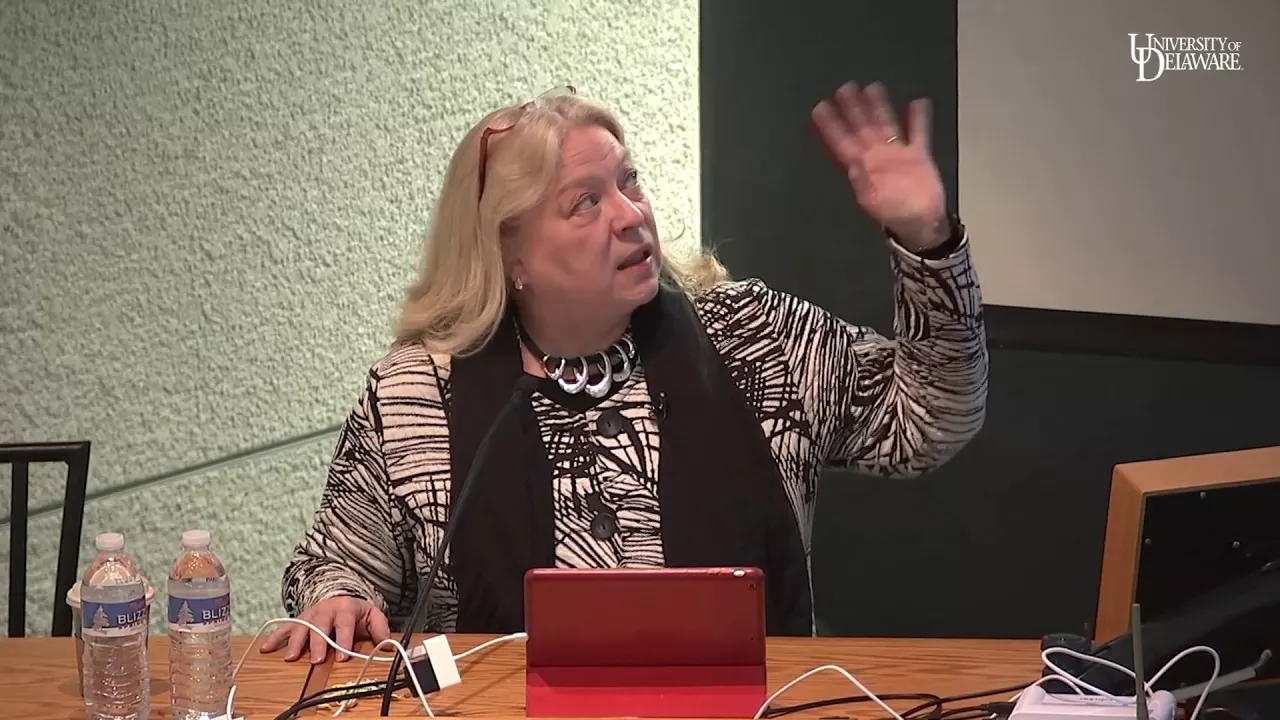
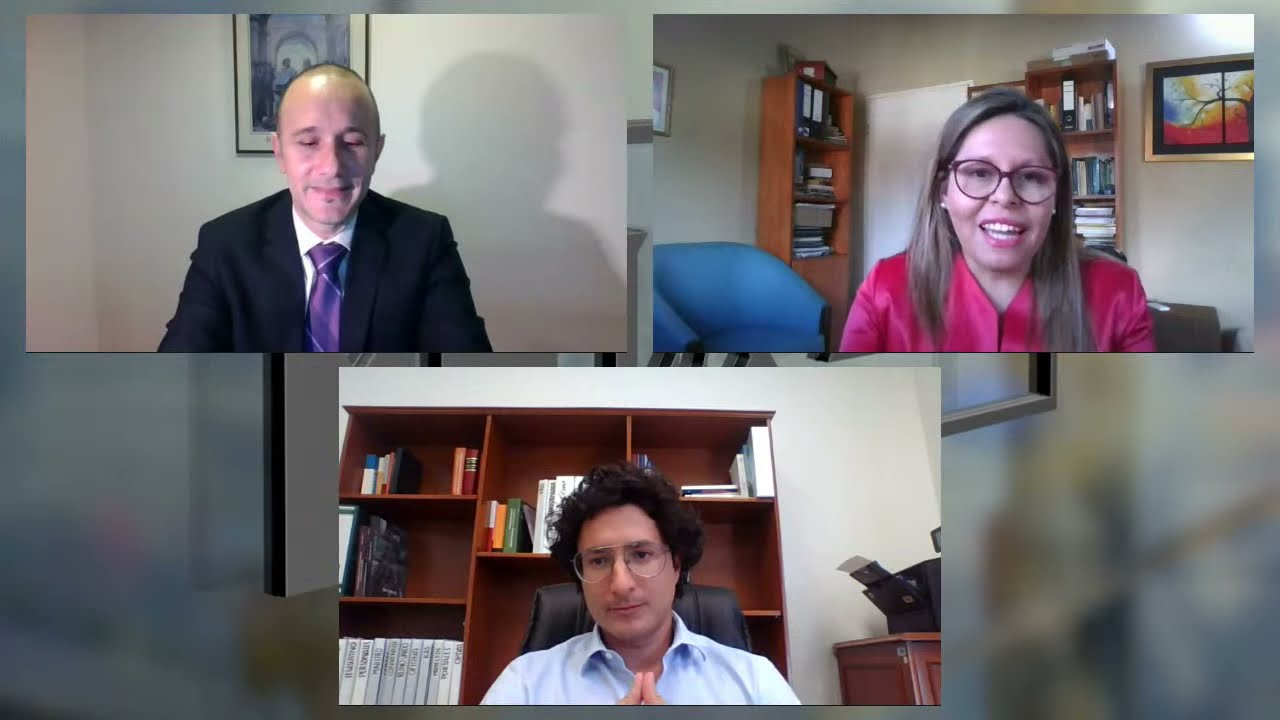
Control Judicial y Receptividad Democrática | Rosalind Dixon | Conferencia ICON-S
Added:The fundamental concept of judicial review and its role in checking the power of legislative and executive branches.
The 'counter-majoritarian difficulty'—the tension between democratic self-governance and the power of unelected judges.
John Hart Ely's 'representation-reinforcing' theory of constitutional interpretation, which argues courts should focus on fixing malfunctions in the democratic process.
The definition and mechanisms of democratic backsliding, wherein democratic norms and institutions are eroded from within by legally elected leaders.
Rosalind Dixon's complete monograph 'Responsive Judicial Review' to deeply examine her comparative framework and case studies.
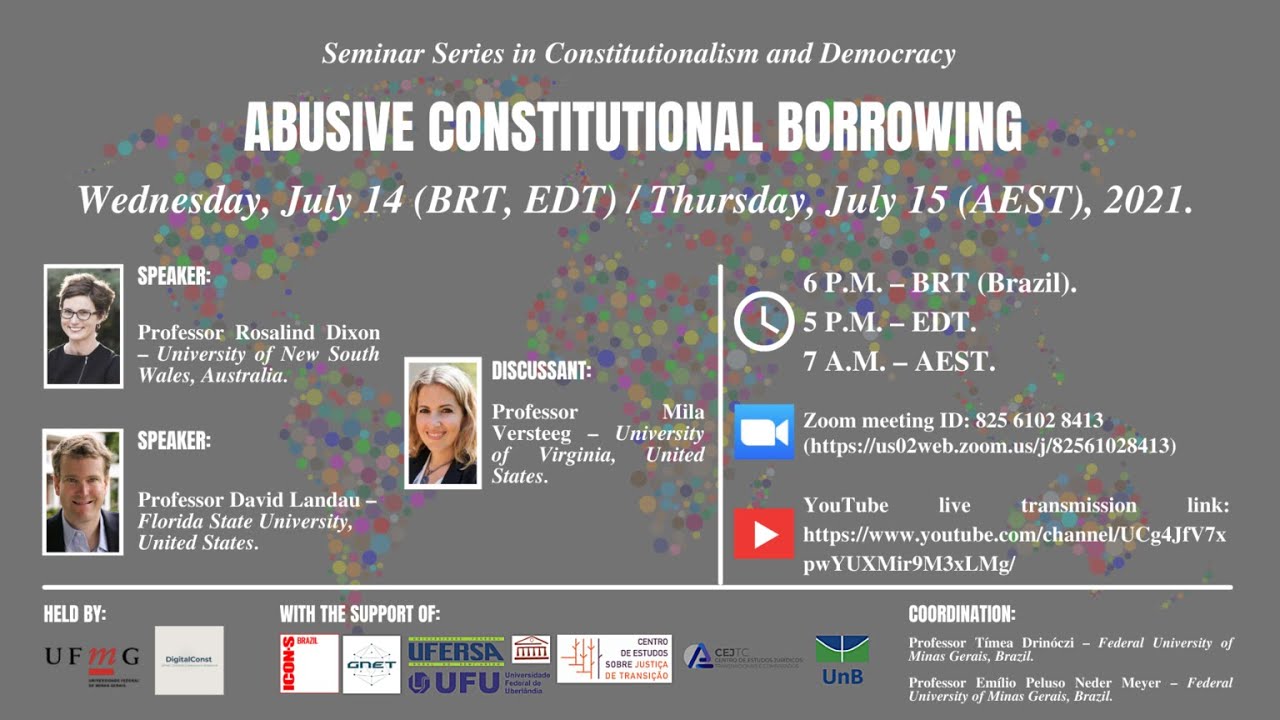
The theory of 'abusive constitutionalism' (often co-authored with David Landau) and how autocrats use constitutional tools to subvert democracy.
Comparative analysis of constitutional court decisions in the Global South (e.g., Colombia, South Africa, India) regarding socioeconomic rights and legislative inertia.
The debate between 'strong-form' and 'weak-form' judicial review and the concept of dialogic constitutionalism.
2.1K views111likes1:18:02Original Release: 2020-06-25
[Music] [Music] [Music] [Music] [Music] many of you many deaths I stay seminary oh so very controlled foolish shall be receptive e da democrática a Callebaut Delap restaura Rosaleen Dixon legrasse Amos he knows a company is gusto you know north Kostecki Rosaleen if professora the loners we have the New South Wales they Sydney Australia you have a masses presidenta de l'association icon s as which has shown a I live the lamas importante semester mementos over the Rachel Poliquin El Mundo he went up on party list if they went to Freiburg and asado poor language shown an elder Les Mis institutional ease people's interest to his conception Alice is react or animal awara CML additional minister precision Turturro saliva a canal is también ik a nozzle Tony sank a llama todo lo ji Adele event o es la siguiente habrá una conferencia de aproximadamente Cuarenta minutos parte de Rosaleen e le dijimos que no very honest Janos preguntas m el mismo durante la conferencia left way nearest window and on Facebook life come on YouTube bellacourt a I left la puente de viento y nosotros el Ashley Ramos a al finale fell class session when up with similar pram we all a lagares Co a critique on a soft rose e mg Co ostrich well as yes I want to start by thanking the chief justice for the very generous invitation and the opportunity to be part of this webinar series and of course to Roberto for that very generous introduction we are living in difficult times around the globe but one of the silver linings is that we have the opportunity to meet in this new way via a webinar and you can see behind me I have put a picture of Bondi Beach which was famously overcrowded at the beginning of the pandemic and I have it there with no one on it to remind us of the challenges of social distancing but of course this webinar is overcoming the large gap of distance to bring us closer together in a virtual way to talk about public law and public law challenges that we share between Mexico and Australia but all constitutional democracies around the world share the same or at least similar challenges and it's a great pleasure to have the opportunity to talk to you and share ideas about these common challenges so the work I am doing is to propose a theory of what I call responsive judicial review and I want to explain to you today a little bit about what that theory means for courts and public law and invite you to then give me suggestions about how this would operate in Latin America and then whether constructivism is more and of course in Mexico itself so there are many theories of judicial review that you will have heard of if you are a lawyer or law student and of course the members of the court will have contributed to the development of as well as read and absorbed in their own training my attempt is to develop an account of judicial review that is explicitly democracy sensitive in that sense it's in the tradition of a well-known u.s.
theorist johnhart le the Roberto himself has written about in the Mexican context and to develop a theory of judicial review that takes rights seriously and operation seriously but is explicitly democracy sensitive and the kind of approach I am advocating is one in which courts try and promote and protect democracy and democratic responsiveness when we understand democracy to include rights and deliberation but also an acknowledgement of what people like Jeremy Waldron called reasonable disagreement about rights and other constitutional norms and guarantees so on the one hand we want democracy to infuse the Constitution to help give it meaning and yet we want the Constitution and the protectors of the Constitution such as the court to promote a greater responsiveness in the protection of Rights and the demands for deliberation so my argument is ultimately quite simple it is that in interpreting a democratic constitution courts should orient the process of constitutional construction and implementation to promoting or responding to three challenges one what I call democratic blind spots two Democratic burdens of inertia and three threats of democratic backsliding I'm going to explain what I mean by all those three things but I also suggest that courts have to be mindful of limits on their own capacity and legitimacy both in the political legal and sociological sense their actual and perceived legitimacy in undertaking these tasks this translates into a concern or commitment on the part of courts to be mindful of the danger of what I call reverse burdens of inertia and Democratic back lash against a court and its authority and decisions so to reprise there are three things courts should seek to counter and to dangers courts should be mindful of in undertaking this process this I argue translates into three broad councils two courts a nuanced approach - judicial implication or the implication of guarantees under a written constitution - a carefully calibrated approach to proportionality or forms of tiered scrutiny and three a weak strong rather than wholly weak or strong approach to judicial finality so let me explain what some of those ideas mean in more detail before we pull those together and think about the final chapter which is about how courts can contribute to their own sociological legitimacy in more in a more active and reflexive way the idea of democratic blind spots is quite simple it is that when courts are reviewing legislation they have a difficult different institutional vantage point to legislatures legislators act under time constraints they have to pass large numbers of pieces of legislation often under time pressure and with a limited capacity to examine the legislation in detail to consider policy alternatives and to think about how the legislation will apply in a range of concrete contexts the executive dominance of many legislatures today only exacerbates this difficulty and it can lead to legislation being subject to three kinds of blind-spot lines lots of application not realizing how legislation might impair or infringe rights in particular concrete contexts blind spots of accommodation not seeing how legislation could do more to accommodate rights or minority rights claims at minimal or at least tolerable cost to the legislative objective and furthermore blind spots of perspective which are more intrinsic rather than outcome oriented and that are failures of inclusion or argumentation a failure to hear from those most directly affected by laws my argument is that courts are well placed to counter and spots of all these kinds often they hear concrete cases in a country such as Mexico that takes a particular form they empower in other countries there are concrete case limitations that cavern and round the way in which courts hear appeals but courts often look at things after the fact in context and are able to see how laws apply to particular cases and what forms of context specific accommodation might be possible they're also open to a wide range of civil society actors and parties who can bring arguments about their own experiences and the impact of laws on them that don't depend on the raw power of those movements politically in that way courts are also able to counter blind spots of perspective the second democratic blockage or failure or pathology I are sometimes called dysfunction democracy and dysfunction is a title I am working with in relation to this work the second possible blockage is what I call Democratic burdens of inertia the failure of the legislature to keep pace with the evolving understandings and demands of a majority of citizens for constitutional recognition to certain rights or other claims think of abortion think of same-sex marriage these are issues that you have grappled with in Mexico and in many other democracies around the world there are parallel stories often these are deeply divisive issues the mere fact of the divisiveness causes many let politicians or legislators to want to avoid consideration of the issue for fear of alienating or antagonizing supporters or voters who might be considering the issue as part of a broader set of decisions about electoral choice that very concern to avoid an issue can lead to what I call burdens of inertia of a particular kind coalition driven burdens of inertia a desire to not split a legal or political coalition around issues to try and focus on the issues that unite a party rather than divide it and that can lead parties sometimes in a multi-party system multiple parties to avoid issues that have the capacity to vie to divide a party as well as the public the result being however that there can be demands for change from the public that are simply not met within the legislature an even more benign and common form of burden of inertia is where legislators are forced to prioritize claims amidst a wide variety of other legislative business and they simply failed to put at the top or near the top of the list the rights or other constitutional claims of small and relatively politically powerless groups I think a good example of this is often claims brought by transgender citizens often those claims are not strongly opposed by a majority in recent years there has been more opposition as part of a kind of a liberal populist wave in many countries including neighbours of Mexico but is often a subject that does not invite the same passion as others but yet it is one that affects a small group of people where others in support of those rights are equally not passionate about supporting the right and so there is an inner tension or a failure to prioritize what are deeply important constitutional claims that kind of priority driven burden of inertia is a common feature of capacity constrained legislatures and between coalition driven and priority driven inertia you see the capacity for legislators to fail to update and respond to legitimate democratically supported claims that both sound in majority understandings of democracy and will rights protective deliberative understandings my claim is again that courts are well-placed to help counter these forms of blockage they have the power of persuasion and there is a big debate in legal science about how much courts ultimately persuade but one thing we do know is that courts have a powerful capacity to draw the attention of the media and the public to an issue even if the public does not ultimately have the opportunity to read the court's judgment it is drawn to reflect on and debate an issue simply by virtue of her court talking about and ruling on issue so the very fact of a court taking a case can be sufficient to mobilize attention and overcome legislative inertia courts usually or often have powers of strong remedial authority that allow them to overturn a prior legal status quo to invalidate or reading will make some change to the status quo that effectively directly overcomes legislative inertia by substituting a new legal equilibrium or status quo again courts will vary in their capacity to do this based on their formal design and powers and the degree to which they occupy a prominent place in the life of a country in the way that your court does and many courts do around the world but is not universally so but again you see the capacity of courts to play a role that is both respectful of democracy and promoting of democratic responsiveness and I argue should be at the core of any notion of judicial review the third threat to democracy is one that is reasonably familiar for those who study constitutions globally and one that we are talking about more and more and this is the threat of democratic backsliding many people have different labels for this threat it is sometimes called democratic erosion democratic rot abusive constitutional change is a phrase my co-author David Landau has used and we have adopted together in the context of formal change that what we call the democratic minimum core but this is the kind of change that threatens free and fair elections the role of independent institutions many Electoral Commission's are the independent institutions and of course courts in supervising and protecting the democratic minimum core of a competitive vision of democracy and attacking a whole range of others institutions including federalism and other guarantees of political freedom necessary for a minimally competitive democracy we see this in Venezuela in Hungary in Poland in Thailand in some would say Turkey even in neighbors of Mexico like Brazil and the United States to a lesser but real degree these dangers are ones which are much harder for courts to effectively counter because they involve mobilized political parties often in a combination of the legislative and executive in ways that raise raise challenges for courts in seeking to protect and promote democracy but my argument is that if the right level of caution and prudence is applied courts do have yet again an important capacity to counter these risks courts must be very mindful of timing in when they intervene if they intervene too early the political forces that they are seeking to counter will be too powerful for courts to succeed but if they intervene too late those forces will have destroyed so much of the independent institutions and safeguards of democracy that it will be too late for courts alone to stand up for democracy effectively but if courts act at the right moment and can mobilize civil society and and whatever political opposition is there they may be able to play an important role in protecting democracy I show this in my work with David in relation to the first and secondary election cases in Colombia the first case was a time where the threat was not yet ripe or fully realized and where president was very powerful and therefore it was the wrong time for the court to act but by the time President Uribe was seeking a third term the threat to a whole range of independent institutions and their true independence was much greater because the president would have had the power to control the appointment of almost all those institutions and president Eva's personal popularity was somewhat lower economic conditions were harder therefore the argument for his re-election was a little bit less powerful and the of the institutionalization of a political party around president BAE had begun so that it was possible for president Santos to step up and both continue Arriba's legacy but differentiate and create change at the same time that is the kind of intervention that I think is possible for a court and very effective in helping slow down or deter democratic backsliding so those are the three key risks or threats to democratic responsiveness that ir urge courts to focus on in their attempt to create a democracy sensitive approach to judicial review when courts interpreter written constitutions they have to do many things democracy is not the only thing they're interested in rights and express guarantees are key parts of what they do but these are three important ways in which courts can orient judicial constructional choice and help promote democracy in doing so I argue they must be extremely mindful however of limits on their capacity and their legitimacy in terms of capacity these are very familiar concerns courts are doing law and they are not doing political science or statistics they can be assisted by evidence and information from government and experts but they will never have the same capacity as the executive they are not as representative in a direct sense as the legislature and they need to be mindful of that in making judgments about what people are willing to support or not in the burdens of inertia sense and equally they are not politicians professional politicians who will be trained in judging the window of opportunity for intervention in ways that help counter Democratic backsliding but courts are very skilled lawyers and states people in many cases the judges have real experience in leadership and states are men like axe and my suggestion is that if they are mindful of those limits they will often do a good job they need however to always bear in mind their own limitations and limitations on their perceived legitimacy as well as actual legitimacy and that translates into a concern about reverse inertia and Democratic backlash reverse burdens of inertia will arise where courts misjudged the degree of Democratic support for a particular contested claim rights claim or other claim under the Constitution the topic is one that is open to reasonable disagreement not just disagreement reasonable disagreement among free and equal citizens committed to showing respect and concern for others and there is no practical Avenue for the legislature to respond to the court and modify the effect of its decision reverse burdens of inertia pose a threat to the political legitimacy of judicial review in my view if you take reasonable disagreement seriously in the way that scholars such as Jeremy Waldron have done and encouraged us to do the the related form of reverse inertia is one that could be labeled debilitation this is one that people like professor mark pushed it for you will also be hearing from I believe in a webinar have highlighted in a u.s. context if judicial review is too strong too all-encompassing it can sometimes discourage appropriate attention to issues of constitutional significance by the legislature that itself can cause new and reverse forms of inertia of a kind that courts should be mindful to avoid courts have the opportunity to consider only a subset of the issues that come before legislative incentives to legislators to consider their legislative business and the bills before them in ways that are constitutionally mindful and constrained not simply rely on courts to do all of the work of enforcing constitutional norms as to backlash this word is a very interesting word that no doubt translates differently in Spanish to English and is used very very differently by different scholars and I don't share the view of some well-known us scholars such as Mike Klarman that all backlash is always bad nor do I take the view of professors Segal and post at the Yale Law School that backlash is good I think backlash can be troubling for a court but only under certain conditions where it threatens the capacity of the court to deliver constitutional justice where it undermines the courts authority and ability to enforce judgments and to do so both now and in the future that is the notion of sociological legitimacy or perceived legitimacy I think should animate courts in their concern to respect limits on their perceived legitimacy and when backlash disagreement with a court threatens that form of legitimacy seek legitimacy that's when I think courts should be concerned and responsive to those potential dangers not simply where there's disagreement or attacks on the court or where people might then press for change in the political sphere that it makes judicial review counterproductive in my view that is something that is uncertain and not properly for courts to consider but courts should consider the danger to their own authority and perceived legitimacy as part of a concern about Democratic backlash well what do these five things translate into so on the one hand courts are concerned to overcome legislative blindspots berlin's of inertia and threats of backsliding but the other to be mindful of limits on their own capacity and legitimacy they're translating to a concern about reverse inertia and Democratic backlash my argument is that this translates into at least three practical areas of guidance for courts as they shape constitutional decisions in light of a concern about democracy as a constitutional value first it translates into a nuanced approach to judicial implication some constitutional theorists particularly those who identify as original ist's suggest that the scope for judicial implication should be exceptionally narrow implications should be necessary but necessary in a very tightly defined sense of almost impossible to implement the Constitution without an implication my view is that an attention to blind spots burdens of inertia and backsliding suggests the political legitimacy of a broader view of implication that allows courts to effectively counter those risks but it counsels courts again to be mindful of limits on capacity and legitimacy and therefore calibrate or accommodate the scope of their implications to how urgent and systemic their threat to democracy is in the case of a real threat of backsliding that threat is significant it is urgent and in systemic and requires courts often to act in a way that relies on implication in order to counter the risks sometimes that will mean implying doctrine such as a substitution doctrine or equivalent forms of unconstitutional Amendment doctrine without significant support in the text or prior case law that I suggest is still legitimate for a court however when it comes to other risks like blind spots and burdens of inertia sometimes the risk is less urgent certainly for some forms of burden of inertia or blind spot there is always the possibility of correction at a later day not always but often and secondly the threat is less systemic and this means that the court should be more mindful of limits on their legal legitimacy what support is there in the text in the structure and in the culture as prudence of the court for such a doctrine and they must balance or accommodate legal support or legal legitimacy and political legitimacy because the argument for the necessity of the implication from a democratic perspective is real but less urging less urgent or pressing or powerful that suggests a nuanced approach to implication implications are sometimes fully justified sometimes demand quite careful legal and political justification in order to count as legitimate the second implication is one that pertains to constitutional doctrines such as proportionality or in the u.s. the equivalent in terms of the tearing of judicial scrutiny between strict scrutiny intermediate scrutiny and rational basis review in this context I argue that our concern to overcome the threats of backsliding in particular but also blind spots and burdens of inertia means that it would be inappropriate for a court to take a wholly deferential approach to the legislature a completely differential approach in the manner proposed by some scholars such as James Bradley Thayer would be too deferential to the legislature given these very real Democratic blockages deference will be appropriate in this context only where the legislature has engaged in recent and reasonable deliberation about an issue and one that is at least to some degree not subject to patent blind spots similarly in making judgments about necessity or minimal impairment under a test of proportionality that will be familiar to many of you a concern about blind spots can be very helpful to a court in determining how exactly our strongly or deferentially to apply that test if there has been no attention to relevant Policy Alternatives or to the arguments of affected groups in the blind spots of perspective sense this suggests that it will be helpful and appropriate for a court to apply a quite rigorous or demanding notion of minimal impairment or necessity conversely if there is active attention in the legislative process to alternatives and to excluded perspectives or non representative perspectives that would suggest a more deferential approach and finally taking an account of threats to the democratic process and paying attention to the proximity to electoral choice of certain restrictions on freedoms can allow a court to calibrate proportionality in an extremely context-sensitive but useful way so the argument is that proportionality is an extremely useful framework but that it has further scope for development and nuance or calibration in light of a concern about burdens of inertia blind spots and backsliding on the one hand but on the other a concern about reverse inertia and Democratic backlash infusing a structure or doctrine of proportionality with those concerns gives it more particularity and more context sensitivity yet within the general logical framework that proportionality is so valuable in providing the third concrete doctrinal lesson pertains to the degree to which judicial review should be strong or weak this is again a term coined by professor mark push net who you are hearing from in another of these webinars and by week in this context professor Trish that simply means revisable or subject to legislative override as Professor Tasha and myself have written jointly dominant party systems often have a higher degree of de facto weak review because of the capacity of the legislature to marshal the votes and support necessary to even amend the constitution where necessary to express disagreement with the court decision but there are many other forms that week review can take in England it takes the form of a limit on judicial remedies as well as the adoption of what is essentially a constitutional document in the form of a statute in Canada it takes the form of an express provision for constitutional override known as the notwithstanding Clause or section 33 of the Canadian Charter of Rights and Freedoms of 1982 all these are important design features that are weakened the finality of judicial review but courts themselves make choices that effect they are the finality of their decisions they make decisions about the breath or narrowness of their reasoning 1 2 they make decisions about the remedies they employ and how coercive and immediate versus declaratory and delayed they are they also make choices about precedent and what constitutes a binding precedent Mexico is one of the most interesting systems in the world in this regard about the number of decisions that must be announced before you have a binding precedent and there is huge variation globally in this approach and one of the things that courts can do is that they can choose to weak in their prior precedent or decision and allow for an accommodation of legislative disagreement in the face of clear dialogue with a court all these are choices open to a court my argument is that a concern about democratic blockages blindspots burdens of inertia backsliding and conversely reverse inertia and Democratic backlash suggests that it would be dangerous to make judicial review wholly final or wholly non-fun if it is too strong it ignores the danger of reverse inertia and Democratic backlash if it is too weak it fails to create enough safeguards against Democratic backsliding in particular and if you think about remedies it will often be too weak to counter blind spots or burdens of inertia that are powerful and without significant coercive intervention cannot be adequately cured either generally because the Parliament really doesn't want to act or in a specific context for an individual so they other doctrinal lessons that I suggest are available from a focus on these five democratic blockages blind spots burdens of inertia back siding and then on the other hand reverse inertia and Democratic backlash the final chapter in a theory of responsive judicial review turns a court's attention to the way in which they might be able to build or generate increased sociological legitimacy generally beyond these features of decision making applying doctrines of proportionality how weak strong their decisions are courts have to some degree a fixed set capital in terms of their legitimacy but they also have some capacity over time to shift or build on their political capital or perceived legitimacy and one way they can do that I argue is in how they frame their decisions and in making sure that they frame their decisions in ways that are sensitive to those who lose in a case and not just the party who loses but the section of civil society or politics that loses in a particular case and that where it is possible courts can make choices about who authors and opinion the narrative that they adopt in their reasons and the tone may adopt in their reasons in ways that promote the ability of those who moves from a decision to accept it what does this mean it means choosing a judge to write for a majority who has something in common with the losers it can be many things it could be shared life experience they might come from the same region they might be identified with the same cultural religious or political background in some way but a judge who says I understand you I've heard you and in this way it ties into very interesting work by Helen her Ellen and Matt many others about the right to a hearing in constitutional law one of the things constitutional law does is provide parties disappointed by decisions with the opportunity to be heard and this both promotes the actual and perceived legitimacy of government decision-making and that kind of right to a hearing is more powerful when people feel actually heard and that the person speaking to them says I understand you but you still have not persuaded me and my colleagues of the merits of your argument in this case so choosing an author who has something in common with visible or non visible the losing party both in the case and in civil society secondly using a narrative to explain a decision that is both Universal and particular istic that appeals to traditions within a country that are truly global and universal traditions but also grounds those arguments in particular values that are only relevant to that community Mexico is obviously very adapted this thinking of its place in the world as well as thinking through the specific historical narratives that resonate with Mexican citizens into crafting opinions and the third is about time about showing respect in one stone and not unnecessarily casting doubt on the motives or good faith of the political or you know parties losing in a case and that form of reset respect can elicit reciprocal respect for the court I have done work in the past on what I call constitutional drafting and distrust where I show that if drafters show disrespect for the judges they will often be less purposive less cooperative even subconsciously then if there is trust and respect there is a huge amount of social science there for this dynamic and one can imagine a court deploying the same respect and hoping for reciprocal respect in how they treat parties finally this has implications for the balance of cases in a particular hearing or how courts think about aggregating a tutela action or some other kinds of choice of case principle it's important for courts to try and maintain a sense of balance in the appearance of their political valence of their decisions and that the courts could be mindful not only of tone and narrative and authorship but of balance in who wins and loses in a particular term or set of cases without in any way suggesting that they should ever change how they rule to accommodate those concerns they might choose to aggregate cases or time cases in order to overcome a mistaken perception about partisan bias and allow for the grouping or aggregation of cases in a way that overcomes that the project I'm embarking on is a big one and it has lots of examples which I'd be delighted to share with you in written form or in our question and answer session but for now that provides you with the overview or the framework of the ideas that I am developing and I look forward to hearing from you all about how this could work or what the refinements that are needed based on your own Latin American and especially Mexican constitutional experience thank you all so very much for being part of the discussion estamos de regreso gracias por accompanied our nose yo recibido muchas preguntas entonces ahora procedure our lectura a las preguntas por un par de preguntas porter no DA Remos despacio para que Rosaleen context a contest a sale Ramos adelante la première pregunta Cressida Mo's for face book De Rosa Maria Gutierrez TM preguntas y los jugadores los jueces tambien pueden tener Punto Ciego Sal resolver he la segunda pregunta is the jose guadalupe lopez tamil a super facebook TM pregunta SI las políticas inclusive a stone into yentas in serie nel control vishal TL Rosella receptively a democratic adenine a Chien CK arrows Allen lamb taken estados de más preguntas so I'm gonna say again thank you muchisimas gracias a todos los que nos a companion para este seminary o en especial a la soupe Rima court a host a siete Mexico por esta maravillosa oportunidad Agra Desco tamanna Roberto miembro nee embro por todo su trabajo y por hacer esto possible less grandiose attended oportunidad legs connectedness como daehan seminary o preg ravallo say kiss on tiempos difficile as no solamente para mexico para nuestro spices para todo el mundo es maravilloso Toninho oportunidad a connect our nose yob lar sobre sus temmuz supreme ents la primera pregunta yesterday acuerdo yo creo que los jugadores pueden tener Punto Ciego C precisamente por esto debe most inner una corticon multi plays miembros en que cada who s Delaware inform Independiente feminine form I collect Eva's Saba a most effective the last the ideas the la tarea lost areum as the Condors es que es muy posible que se by an aluminum to respond to see us individually Sarah loves puntos the best individual services said well kiss us about the sea ownership as in de manera mucho mas generally 7 terminus there's políticas information kara Steven sobre la ley his decisions in tourniquet player informa cuidado hace casi los jueces pueden tener Punto Ciego Sparrow Secada ways daily Vera en forma Independiente pero también collect IVA Estrin menos sujeto CSO's Punto Ciego z-- pero sobre casos a por ESO meter area ah saying cap en importancia de si el de grado de rêve easy on the last SEC onus de los huesos para siempre divorce are los compromises constitutionalist por ejemplo cuando I don't OCA goes tammyandevan most depend aired a voter's institution as doesn't agree Dallas a rendition de Quinta's inclusive institution s director Sarah quarter Rama II tammyandevan Mo's defender terror associate severe and Segundo de más cerca de contas sobre las políticas inclusive as it was said TV data per se que tiene que then con la manera que se for mullen last políticas e an impact on a democracy toronto and terminals Inc - CEO need esta we do that for example l three years ago that retro cell so democratic oh they don't cambio constitutional abou cos my silly rather than a key associated and bein as política some time in aesthetic me that inclusion tammy income wiki that which of holden me as possible second a mr. Y estamos trabajando juntos para el mismo in una forma mass Democratic angry int no solamente DeVito so important sia entry in second duration la Justicia pro n-terminus instrumental c el liberalize no eras política sono suficiente meant a into yentas vamos a protege democracia del ruiz go don't retro says oh oh de los ríos vez que estamos observe and om brasil differente también en estados unidos en europa del Este hace que una canción importante entry inclusion in CA goes y yo somos la pregunta las a Alejandra Sanchez poor you to a decent o'madden cuenta el hecho de que una parte importante de la población say informa sobre la decisiones de las Cortez so tribunales median de los medios de comunicación I'd raised opinion a opciones tiene su al-khansa las Cortez para Sircar a la gente de una manera Madrid Ekta los argumento skate alistun en su sententious Alcantara star o lo que hace muchos a you it's a fascinating question fasten integrity as Alejandra obviamente parte de la respuesta lo que estamos haciendo Rita noon estamos en un seminary of judicial casa transmitted on trade associate se llamas las posibilidades de las cortes de los tribunales deca Monique RC directamente con el público mass amplicons professionalism interesante skate a parte de la perspectiva there sa paracin traditional de poder s is 50 silk Ellis Cortez in Manila proactive applaud and a garrulous audience de forma directa pero el globo constitutionalism on America latina e in hemisphere EOS or gnosis today most rondo Kate Palmas nuevas egg Nova Dora's de calais cortessi communicant directamente con el público Charlie so implica ciertos peligros porque los meses wedding excellor SE NS a am be top row is mucho Cervantes para a difficult supporter Democratic oh la la sociedad Severus para con la corte ParaPro mover la democracia es el caso in indonesia cuando initio la corte constitutionally in indonesia también la corte Suprema brazil any attend either éxito TVs and all television eerily sociales Mexico lo hace una manera un poquito mas attend you a decay me parece a de quoi de las cartas en todo el mundo lost an viviendo Tammy endeavour decir que parte de lo que pueden hacer los Cortez promo ver la compra nyan they're so sexy Onis he this was the terminus units con respect all those medios para que los medios para entender lo que estas en dress Cortez it overlooks Flickr el público Musante me for a second - residentes muchas muchas cortez and a signal council scenario de comunicación last entered a court he lost medios de comunicaciones de nosotros no se DoCoMo's en estados unidos yo somos casos de Estados Unidos siempre recuerdo la explica sein de la barra brown el caso de esta greg basic regazzi on the report a IE la reina Dora warned he saw who the cathode teniendo and mental los Estados from Terry so si no hay una decisión Yuna Konfrontasi on tampoco por que estaba SP be and overcompensated si de Torres they patio de cosas en los estados from Teresa's peracare Spaulding Anacortes si que podemos see llegar a los medios de público nina for mamas directed reverses from a stroke from ovarian respeto pottery dolly policy Sione's then you don't maintain that separation the rose father as he does limiters de la independencia who the CLK mary tank ellis courtesan su momenta cuidado porque no Devon tratar de de fun dears a con las demmas rama's Ren gobierno en su manera de communicating involucre a la población de el de body classes last year the pregunta is the Fernando Martinez and he se como podría H up for Facebook he say como podía for chanel la preocupación de los puntos a goes Democrat because para terminar la Grado the deferentially Devon tener a Montes a proportional yeah cuando se trata de derechos economic Oh socialist will to release champion pals holidays Christos derechos try kill him this year today Forenza para su relación pero también tiene protection which are removed phalange thank you for that question and ah muchas gracias por la pregunta obviamente compartir MOS nuestra forma de pensar cerca de estas preguntas porque parte del proyecto the control hood in CL e receptive ear a tiene que ver lo que con lo que usted está diciendo las cartas tienen argumento spirit rata share los derechos democracia especial men takes an r es como derechos whom a knows that I chose sociales para choose ambiental SI e Sarah Kiera dirección governmental complex I years on the swirly that's la marea por ESO iron argumentation fuerte para intervention judicial pero también la capacitive who DCL tiene que tomar in cuentas implication is less restriction espressoo post area da Toma decisions casi lo gran establecer limitation s attention and tre control octavo e product Evo impart a yo quiero estar less aroun Marco para que les Cortez piensan que momento pueden controlar un poco más y cuando sir master activist yo creo que cuando el a stress day energy Oscar mess robusta cuando el evidential day today partition the record shows I kiss her mask rocked Evo's into sewing on a poster on poco más feed made event of Marian cuenta less possibilities there or que puede hands here tamartian Aldi a logo or respuesta el as dramas políticas and essentia de acuerdo con el articulo that those media take a publican icon soon via logo they control incompletion complejo proceso de balance owed a calibration pero creo que el desafío de to Alice Cortez y espero que los conceptus que soy desta Rolando la presse Canales Cortez see at orientation NSA gir CCO naval an seed upon duration gracias a la sientese por in Carla Alvarez life support youtube this is según la experiencia con parada Qualis podrían ser los días para que una Corda constitutional cocido cope tada bueno el cáncer el campamento de los tres a ciose dimensional you although this is an excellent point Carla my Parisienne Punto su momenta Valley doper Cunha precondition importante they will control who they'll eat precepting he Delta independencia who this he'll seal escort SS tank op Tadas no puede hacer este tipo de control de hecho is maestro balakay again located in Atlanta Georgia ma'am assumed control receiver whom people they control kappa perentie sir Lahey Timo en tres Kendra lead eres una consolidation authoritarianism turret areas una vez que una cortecito cocked ah de la in power who the CL Sarah master control investor reset people ilanic accion que podemos esperar ie Aeschylus Cortez fairly Mitton investigation mass active as a caboose conformist the rest are all independent a judicial my para second step in a toda la razón a signal are important la independencia una vez que una Quartey Acedo cop tada Oh cuando Vito Corleone cuando la control who decisional a little disposed Ramos responder a dependent institution as de la cuarta Quinta Rama II suppose sl4 que hemos visto demonstration as important--is they'll be unable público in ecuador por ejemplo con el Amanda - del Presidente Correa who instance esta en in Colombia and he welcomed Venezuela on the to be rude - éxito pero el público say manifesto encontrar los cambios constitutionally says he can público sleep with a paler pola constitution pero cuando la cancion de la corte as he doped Odyssey solution is negative I know positive a lo que podemos hacer como Minnie Moses / RK sir / story and tendentious so preguntas sobre la importancia de que no de Gama SUNY comment a que de vida que las cartas putting ayudar a protocol a democracy entonces toilers a terminus unity decision as a rock or tips protection a la democracia nacho cada vez en masse position Polonia Venezuela hungrier they mas que las Cortez so on mekinese know there's a possibility Clouseau celebr ando el gran potential positive okay tiene más para para la democracia debemos tambien said sensibles el riesgo existent a de que las Cortez cop Tadas podrían erosion era la democracia la siguiente preguntas a Jose Ignacio in facebook TV Sicilian dos us argue mentos sobre como las Cortez Padrino mint are so legitimate Percilla de foncier entonces que dream Jose preocupados más por la composition de las puertas constitutionalist a Lac des amis to suppress entity Adela Scioscia is a thank you for that question I agree yes what separates a preguntas Tony acuerdo see in no solamente poor care mental are legitimate at perceive it as you know poor Kelly O'Donnell can say man your parent volunteer say in creation de respuesta the receptivity that contorno narrative effective era para promo ver la hitting me da de la corte es una carta my mo genius era muy difícil Maria la Torre Adele as decision is Knesset people the technical side maintain a success see complimented acuerdo con instead therapy Sarah a Gregor una singular edad star okay i engraft o the day in Doheny da de esta pregunta CD l-pod Lacovara la diversidad entonces una carta de versa es una parte necesaria de la ley hit Amiga Casa Vida pero si el público no scribble or in the diversidad entonces desierto Munira no es importante para la ley hit Amin Dada la corte por otro lado la corte es una institution receptive a potential mental institution kappa a history cambio a puede demonstrated by Lord he las built two days de la diversidad hace que como que una spec toda kept o primeiro and en este problema associated s divas ek criminal valor de la diversidad entonces Claro una court ad versa s-sarah mascots Aveda como legitimate our ma Paris important to TV sir a la palabra de ver su una manera nor representative a porque obviamente los meses no Devon services come out represent antes de un grupo in particular case Tana apparent pastor who still operate interpret our Constitution ferret ambien hacer elecciones constructivist in terminus the Rose banner is constitutional is Kali where Tara Dignidad like a key dad in opera represent our own sector in particular he may be the I guess the Ramos Carlos who else's incorporate 'no i'm playa maderas pecked Eva's see yo father who has no habla de una comida komomo head Charles en de mujer identity Carmen con isolated and judicial sorry importante pero igualmente contrary she own I'm his experiences de vida a philosophy a political me studios coprocessor hecho constitutional I see Kate Crockett in a toilet isandro debemos tener cuidado and they bet she can have elevated a little as manifest as units into yendo le well see that philosophica intellectual cos menos visible para el público al igual que la diversidad visibly he también la nación de la palabra de representative edad terraeum esotropia lo para las llamas políticas elgu bien en la gente pregunta las and Rica Mendoza poor facebook pregunta de papel quail or Remedios who eg Alice the character via logic o en la promisin de la de libération democrática Uriel control crucial crystal proponent Ricky thank you it says gracias Enrique Asuna pregunta Kyra desk local Italian and bastante stretcher and people control capra Pongo is the dialogue oh yes stay in delay the dialogue Ock soon Alison Moyet stretcher emphasis de trabajo Sema's una de cada Sandow and row to low del Diablo go to Manila explicit I'm a Percy Connecticut uh booty sin embargo novellas difficult Alice okay hello I'm friend Todd oilskin ocasion s se trata de una manera de herself el control who the CLK no respon de la pregunta de que van a ser los Cortez she knows indica como se dice el el control judicial mez no and propósito William spoken they'll control judicial Roberto gargle Ella por ejemplo see zealous unconstitutionally stirs contemplated the Aloka ah servicio de la de libération in la aguada creo que no concept of deliberate evil dialogue oh no solamente NOS indica cómo SE debe ser la control judicial proto take ramos que las Cortes Pro muy buena de libération me concepción de democracia convener el compromiso ana de libération IL compromiso a la competencia me parece que la estructura is democratic a sentinel ParaPro mover los derechos y la de libération pero también para promoter la responsabilidad de la revisión de cuenta de la competencia la tarea de contrôle judicially receptive edad me parece que es una mezcla deliberation ideale Waseca see revenues pensar en el metro say so ellos las Tres de la area hitam en el intervention todo como como si fuera un todo el como es el dia Lobo el porque es el control judicial ela receptive EDA as TNT pregunta is the Giro Romero a Chopra Facebook DC police opinion Ella clouds are not stamped in the more crashes in retro says Oh Asuna when idea and context of Lowell hey guys thank you for that question muchas gracias por la pregunta que interesante and I'm SS una pregunta complicado see my permit a kiss a empezar I respond della in tell me you know same context Oh in women to enemy until specimens orders context in retro sesor a new context oh they're going from tsunami and ordinary o una Clouseau Lenovo Stanton CA hair say una Fangio New Deal Perkin blabbering de una mentor know al D a logo Democratic appear another very exclusive oh the rain wound read in Canada por ejemplo inclusive picanha converts Indyk and Kayla section trained tight race they lack Carta Canadians es el único de cool apparel D Oliver Nicola conical Solano's gente para matar a circus una era me enter hotel como lo Sinatra's e tambien see reveille nutriskin Texas important espera yellow go I reckoned relational Amira parte de la pregunta la pregunta de fernando anterior acerca de la diferencia and parece que les courtesy tienen que ser de Parente's para aboard our LD olive oh yeah co Harold yeah Ella go and seek a disposition is kamala Klaus Villeneuve Santa Sony importantes Messner sonic soused Eva's parody a logo in unison democrática Devon tsunami ento Arab lemmas the receipt Aussie honest don't they I reuse go koi well I sense a minima community cinemas Londo yo Stephen Gaghan D CK per meter una bola de seguridad is devil or para proteger Alice Cortez is función básico and he's put as a contrast those resolution the controversy yes o différentes manifestation el estado de hecho el mismo momento para pagar para dentro no constitutionally decir que estaba el gouna des kappa o de seguridad nose permit a un cierto tipo de conciliation de la Torre Turismo in a canal context toda la preservation de la independencia judicially Delacorte yo pienso sin embargo cases atashi o nosso precisamente necesitamos can control who else Emma's robusto NSSE Thomas can control who dis Le la corte se puede puede port olisar como por ejemplo Korea on Tuesday was correct as Edmund Otto Oh antes de Mucha citizeness a muchos by Isis como el caso de Uribe and SS Caleb algunas seguridad para ser un problema pero las cortes de Vence ermua strategy ascend términos de la coordination and trail control ela interventions his case intervention debe ser Affectiva in brazil actual mental in my grandma magic an ostrich well decays muy importante para las courtesan tender its those tiempos for arraignment at and net effect Aveda my paris i can assess it was he owned a sonic laurenobst antes must problematic a peligrosa como intend a louisville no podemos redacted minato constitutional indica que ella Clausura knobs tantus revolt ELISA and los momentos - you know necrosis now any common areas they're well maintained Olivia retention skse last court assess and disc West's act work want a hundred roses so democratical parinama your interpretation leave a most rattled in bucharest a poder la corte de la india is maestra in there in a siesta tipo de lectura lamentablemente in india loo hicieron la de que ellos en cuenta centre de manera bastante problematic ax para avanzar nest vision capitalist neoliberal de Reforma Agricola de la tierra pero SI las cartas pueden tener una scheming el que estaba lula de seguridad in different s tiempos para otra vez de Technica's interpretation gracias muchas preguntas a in you to be on Facebook parallel city Paris even icon cheap Western a tres cuatro meses preguntas Yurman ahmo's con esos a von solo Herrera nos preguntan Facebook consider a que las Cortez constitutional is established Amadas para crear principio no expresses in the Constitution Godzilla Christ question thank you and the Cabana pregunta gracias si s el tema the totem capital o the liberal kuraha says the seminary o si mas depended L a legitimate political implication me argument ASEAN Haskell a legitimate uh as real or perceived as it and summons another hit immediately al as innocent or legally political he does the me Pontellier Vista your croak assumed continued interest miles like hitting me that legal tiene una decisión menaces necesario and a bizarre suit like hitting me de política mean Transkei the entrez Moz devil s-sarah más fuerte laceration que do de de su legitimate uh political in my opinion cuando no I universe a text well Clara / el principio de bello cerca passes explicar porque as a principles necesario a frame the contrary star una amenaza preemie ante a la democracia in términos de un proceso cuando tenemos las tres de inertia o puntos y ellos es us principio simply and para responder communally Simotas intricacy onus the CMOS scalpel or ela Valadez there are simply casio nays Devon estará allí welcome una posibilidad de una board a key massless tequila si no I am and NASA al lows below desde la democracia entonces no I like hitting me that political suficiente como para host epic our own efficacy own kcals cala bassa clara en el texto when in scriptura instructor ahsoka Rondo sulla hit Amira política SE que realmente depending I Prince CPS Kisan muy kleros and destructor ax k ho stiffy Carlos terminals Legolas in Tamara in cuenta los Dolores politico's pero por otro lado cuando una espalda de support a story cava structural enlarged amento para la legitimate Edoras efficacy own esteem a guitarist regimented in Calado al grotto dello a pen Manasa a premie ante gentle democracia de acuerdo con otros ESO los puntos CA goes los las Tres de la la pregunta la solana Cardenas poor YouTube y la preguntas cual es el papel que puede jugar los tribunales internacionales para que las Cortez kun Blankman estos treasure Sophia's so little great question thank you when a parent amateurs gracias personas como Tom Daly and The Alchemist and a Chandra Qin thought they control who they shall accept occurred they last Cortez locales promise optimistic and respect all as Ruben Ali's internationalist Yo no veo el contrary o pn shocking had near Alice Cortez Nacional soon as effective as para contraire estar el asunto CA goes he lossless rezulin SEM en tres y a los tribunales Internacional lesson menos so menos capacitors pero no she up replica a court a inter-american Ocho muy bien and SS Pharoah time in a quarter rupiah here ladies and on comentario they in Rica several dialogo SI las Cuates transitional as a nationalist when mental Sonny versus Indiana hasta que los puntos see a ghost last rest day liner see lettuce a certain hardness effective Edith SS institutions inform Independiente and pardon me argumentation escape odors el control judicial as la maestra the two potential purse was steve-o Oh communicative entosis para ESO que una institution transnational static TV tiene que tener characteristic as constitutional lesson ask a young potential koel sativa in communicative in Latin American a lot in Latin America la la doctrine and ecology - constitutionalism are 300 con Olsen que los tribunales intimacy narration and poder corset evo direct oh I see las institución s sovereign major relevancy Libya Casey s un Punto positive el valle de perro la actividad de pena de las casas uno see ACTU and de acuerdo con dialogo con los doctores national racino por su cuenta those son Draconis here a single Marco domestic or pursue capacidad de orden are three courses effect evils in America latina see I just am detective Adele Perot and notice how FES no Keenan muchísimo mineral select Aveda Wynn lacin pregunta a chopper YouTube DeCarlo Luka revolta las puertas latinoamericana z-- m pisces entradas tradición de Presidente's econ dynamic Assoc a learner's very desk australia poor ahem bro cómo pueden add a koala yarmulke destatte Oread el control crucial so I I think really interesting question I think it has Ultimo interesante creo que se des dog lento Sparta's primero la parte parliamentary oppression NC ra la segunda cerca de la spray condiciones de un control judicially receptive e da democrática anodic added ellos noventa initials delude me logo intento it socio-political take AI on the bottom today gobierno presidency le parlement re o yo creo que smoothy facility under SS preguntas affirm abstract up orchid on sec wireless el sistema de gobierno perfecto yellow soupy eros really peaceful test and are low on systemic on limited experience her name is aqua lazy and rosemary toes el gobierno parliamentarian australia el gobierno critique oh no creo que que ese tipo de tres plaintiff on scenario necesaria Mendte sino que tenemos que de t care about leaders for today so the loosest a must exist and estaba con can use incrementalism base declare que se puede transplant aroun system eat a cinemas yes / RK funciona mejor que el otro Segundo pregunta es interesante cerca de l'esprit condiciones de un control cool is highly effective Oprah's minge Sarah an ATAR algo en si context o el sistema Australian or som sistema past and a single airing to so Tamara studio por que realmente gran controlled rallies mo Duru separación de poder espero prácticamente no I control judicial para los derechos cuando contempo a pandeiro estos temmuz influence each other for me experiencing Estados Unidos or trabajo in South Africa and India Oh Columbia vajrasana spray condiciones para que una uncontrolled foodie Sal efectivo trial meant a metaball de la pregunta de Carla na precondition la independencia los residential independientes it everywhere tradición de independencia Israeli siient ambien like a las llamas political as patent line dependence acronym character being cool and a young girl estado de hecho a my rep is Latin America no staining asset ratio Nancy a Madeira um cuando a video very honest clarity cutters condiciones I am a Mississippi monsoon associate Seville Yoona structurae bro booster para in corporal Casas implement Arlo's esto applica especialmente cuando preocupaciones de derechos sociales porque si nos dimittimus Alfonso ok mention Oh Fernando s difficile a zoomin difícil para el control judicial and a chaos context Oh st. captain I own story el éxito so the control booth is here condo he associated seaweed hello deli implementation acondo a quarter septic divas except where the lograr e love SSO difficile una vez que estar 2s2 in March is mass fastened as mucho mas facil que creer lo es el trabajan dough in capacitor a los who else's the lakota constitutional damian Mar al-sudais testico : Rita una transición hace la democracia lo que me sir Brenda's que cuando m-pesa con la capacitation no a via casos previous hasta que no solamente say necesita una cultura boosters in una cultura you know Sociedad seville killed' a supporter los casos I see yo creo que l'on pero la tutela Oh Susie Valdez amigo muchísimo una pijama Lepus Latin America knows para estar UN control judicial éxito so porque la corte no solamente tiene la oportunidad Saro dr who dis prudential sino también a lo largo del proceso I'm a suppose Paul Bartel associate Seville okay David Landau your present a manta monsters to the other SL devatta cerca de los derechos sociales he cs- o campuses come on Colombia he brazil algunas veces decision as must be M beneficial a class a media in all those progress no argument as soon as cattle best la mejora stories prudential de derechos sociales hair alguna Kevin FEC la classe media e allows for bracing no solamente los pobres porque porque tenemos una mejor coalition case a beneficial control who is he al vamos a tener una coalition mass amply que la espalda is he as soon occurred una carta que tenga member anneristo so vamos a tener pelo menos una coalition crow boost up Erica so ponga as llamas políticas half evolved a recording would add as many as in que podemos which are entirely controlled food is she alpacas L 2 stable easy as cuando su beneficia wound a sexy on Musante el público and me trabajo a circle controls mood in CLE receptivity either who Mentos hair stop Lika tambien param control who the CLK beneficial anima your gamma director is political yes difficile is a systematic any area entrada de cuarto de vida and separation de poder espero an argument over psychos que para que una Corda ting éxito con el paso del tiempo de vidal victorious at todos los grupos de la política sea shepherd silica solamente beneficia yesterday he Manuel opposition ya know Sara res patada common are vitro partial de la constitución e the rest rho IC cabinet ER I won't come to my sample an associative bells of sector associates s muy importante olive oil tiempo now we need company rank una cultura for ESA is into selección de Casas said en la cual ou can be our loss decenas de los casos estoy captain our own entity que la única for Tunisia para calcio C so Sarah s otra vez de a selectivity a casa su casa let's bring them the opportunity red indicate driving the car las reclamaciones de los actores muchas gracias Rosalind and Celia excellent position a fragment a hemorrhage view muchas preguntas gmos Cano co2 opinion tanto and ms de Castilla constitutional como el derecho constitutional messing criminal resume Sutras que estar aqui y @ au dessus todos que nos a companion on a gracias por ayudarnos in Tunisia hasta level 1 a stance [Music] [Music] [Music]
Up Next

12:55
Contract Law Explained: Offer, Acceptance, Consideration | A-Level Law
@SarahHarwood
4.6K views•2016-04-04

4:27
US Secondary Sanctions Impact on EU Businesses and Blocking Legislation
@Bureauvandijk
1.6K views•2019-03-20
5:27
Forensic Phonetics: Speaker Identification in Legal Cases
@nptel-nociitm9240
539 views•2025-03-19

24:42
Police Interrogation Tactics: False Confessions & Legal Reform
@LastWeekTonight
7M views•2022-04-18
Related Study Plans & Knowledge Roadmaps
Structured learning paths in Law
law
Self-Defense Law: Imminence & Castle Doctrine
01Foundations of Self-Defense Law
02Imminent Threat & Reasonable Belief
03The Principle of Proportionality
+ 3 more learning modules
12h6 modules
Explore Roadmap
law
Defamation Law: First Amendment & Actual Malice
01Introduction to civil torts and the First Amendment
02Elements of Defamation: Libel and Slander
03Public Figures vs. Private Individuals
+ 2 more learning modules
8h5 modules
Explore Roadmap
law
Hearsay Rule: Trial Evidence & Exceptions
01Introduction to Trial Evidence & Courtroom Basics
02Demystifying Hearsay: The Core Definition
03Non-Hearsay: Exclusions Under FRE 801(d)
+ 3 more learning modules
14h6 modules
Explore Roadmap
law
Medical Malpractice: Law, Liability & Care
01Foundations of Tort Law and Civil Liability
02The Four Elements of Medical Malpractice
03Defining and Proving the Standard of Care
+ 2 more learning modules
12h5 modules
Explore Roadmap