












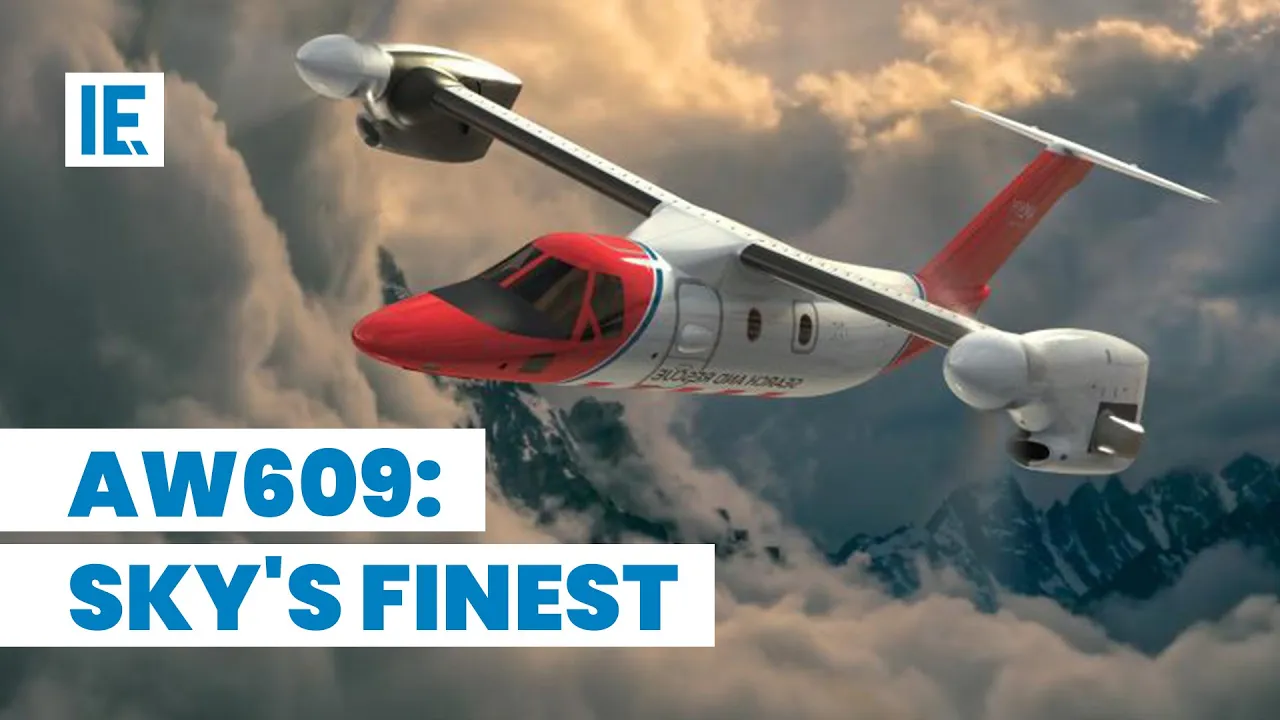





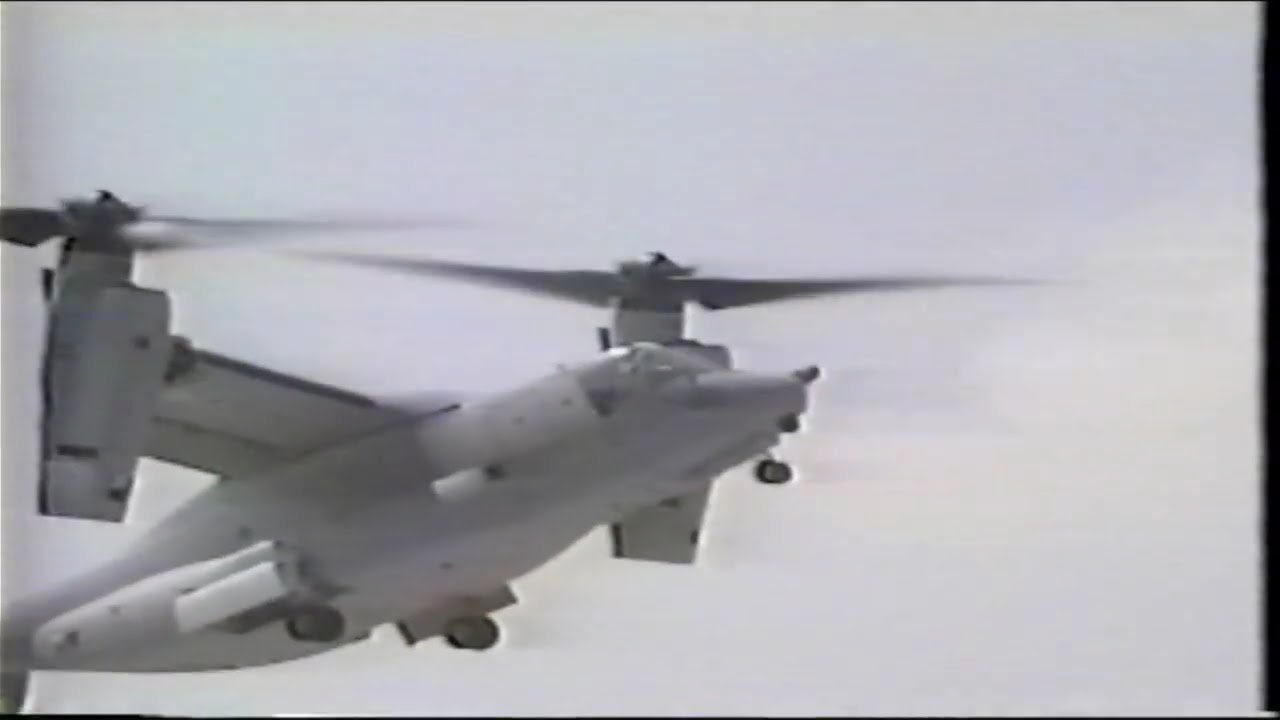

Tiltrotor aircraft like the AW609 combine the speed and range of fixed-wing aircraft with the vertical takeoff and landing capability of helicopters, enabling operators to complete missions that would otherwise require multiple aircraft types; the aircraft features a helicopter-like control system with a nacelle controller that acts as a speed controller at low speeds, and includes redundant safety systems such as a drive shaft connecting both rotor systems and electronic engine controls that allow continued safe operation even with one engine failure.
How Leonardo's AW609 Tiltrotor Combines Helicopter and Airplane Capabilities
Added:Basic aerodynamics of fixed-wing flight, including how forward velocity generates lift via airfoils.
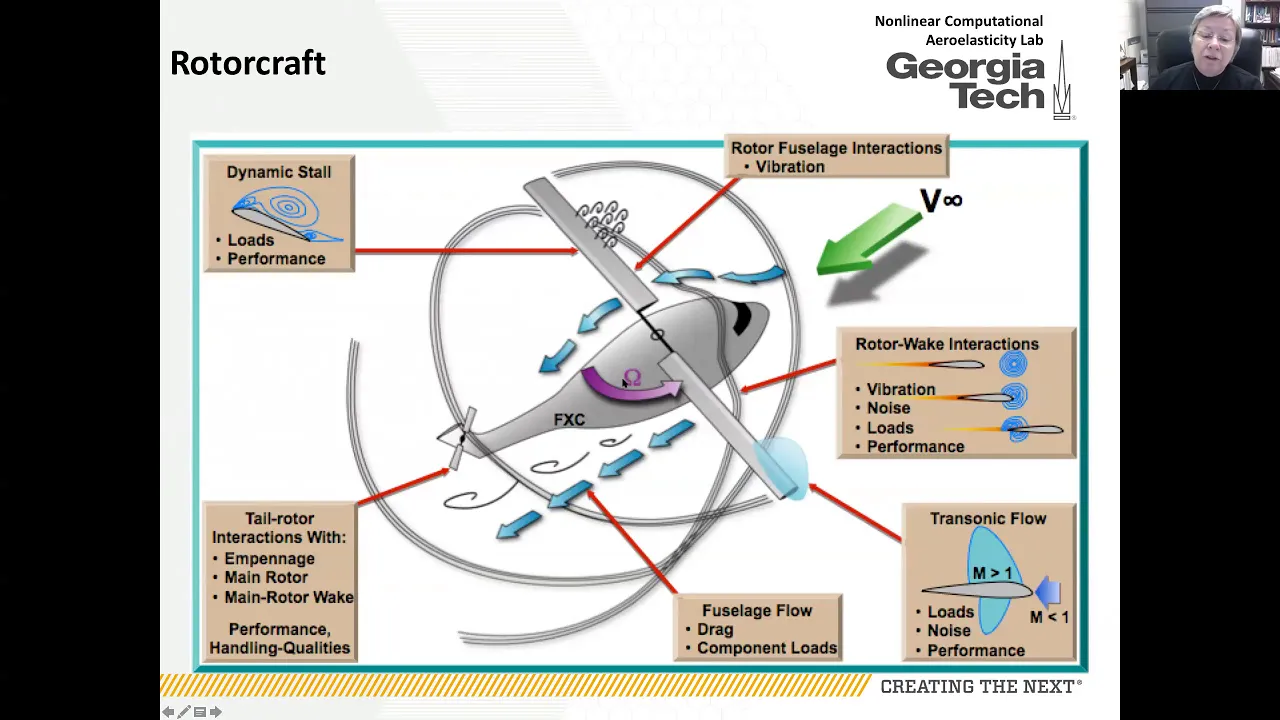
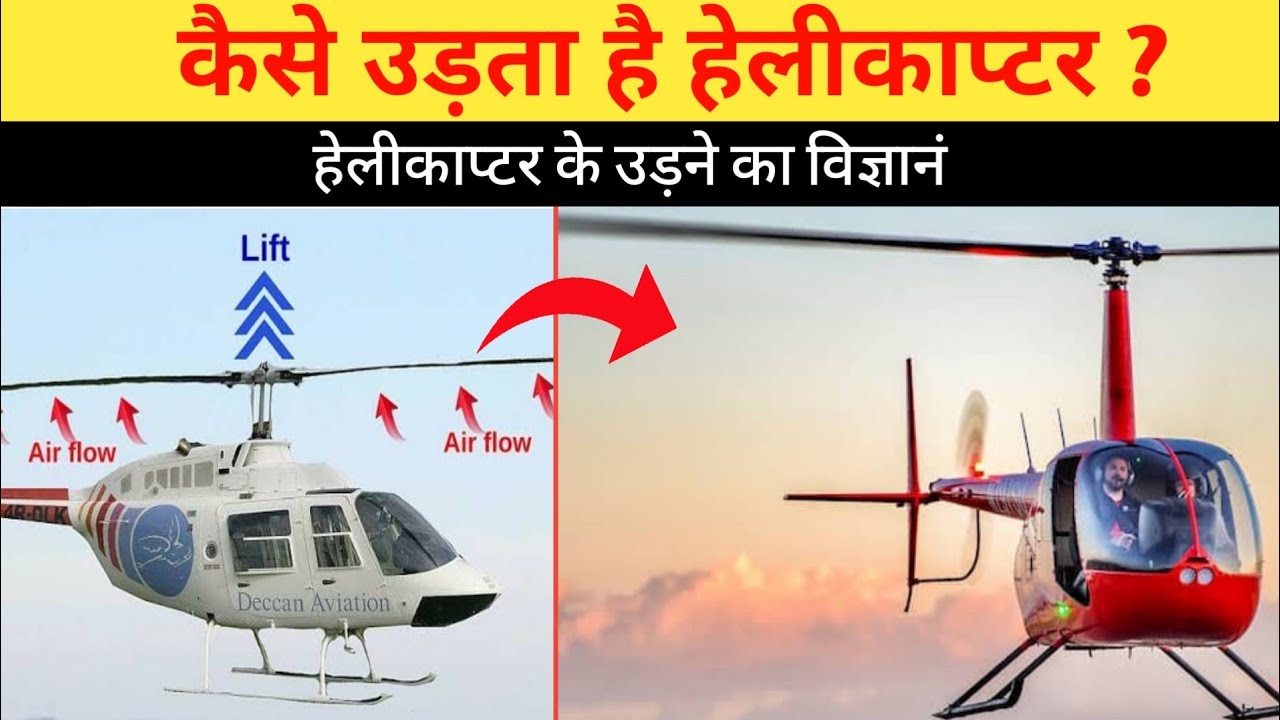
Fundamentals of rotary-wing aerodynamics, specifically how helicopters achieve vertical lift and hover control.
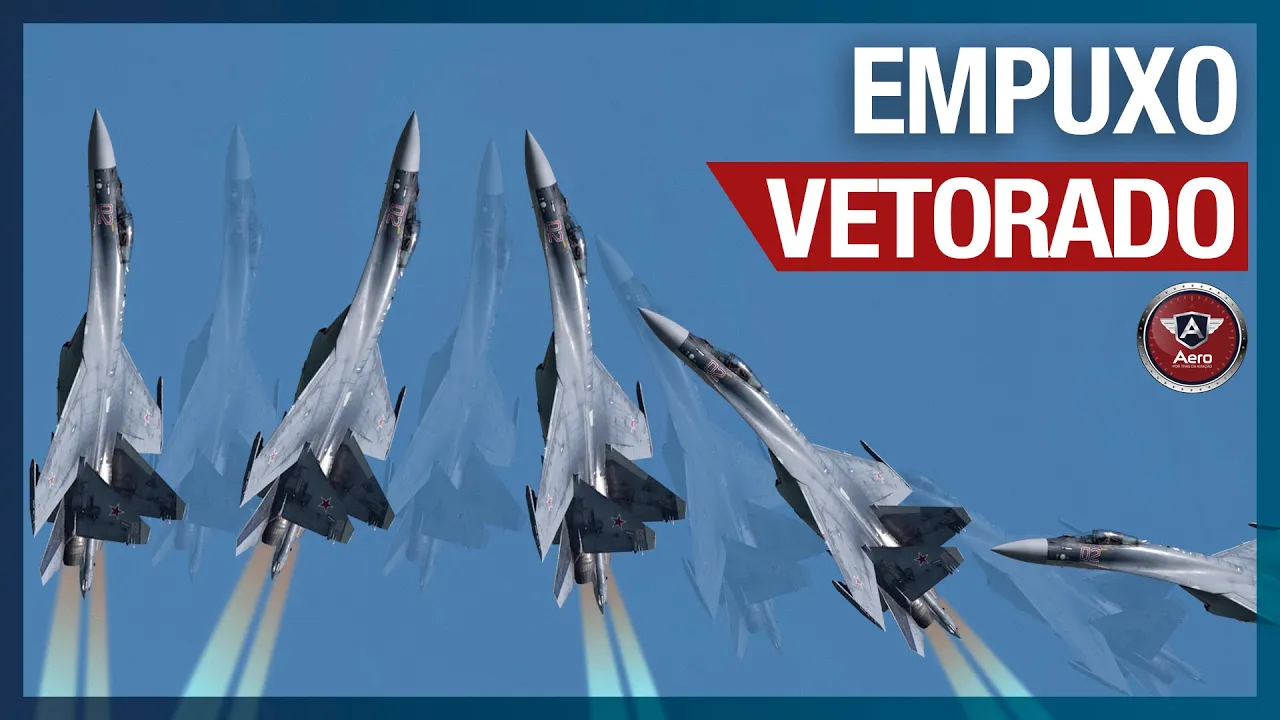
The concept of thrust vectoring and the mechanical challenges of changing the direction of thrust in mid-flight.
Introduction to turboshaft and turboprop engine mechanics, which power rotorcraft and prop-driven airplanes.
The engineering behind Fly-By-Wire (FBW) flight control systems and the complex transition-phase control laws of tiltrotors.
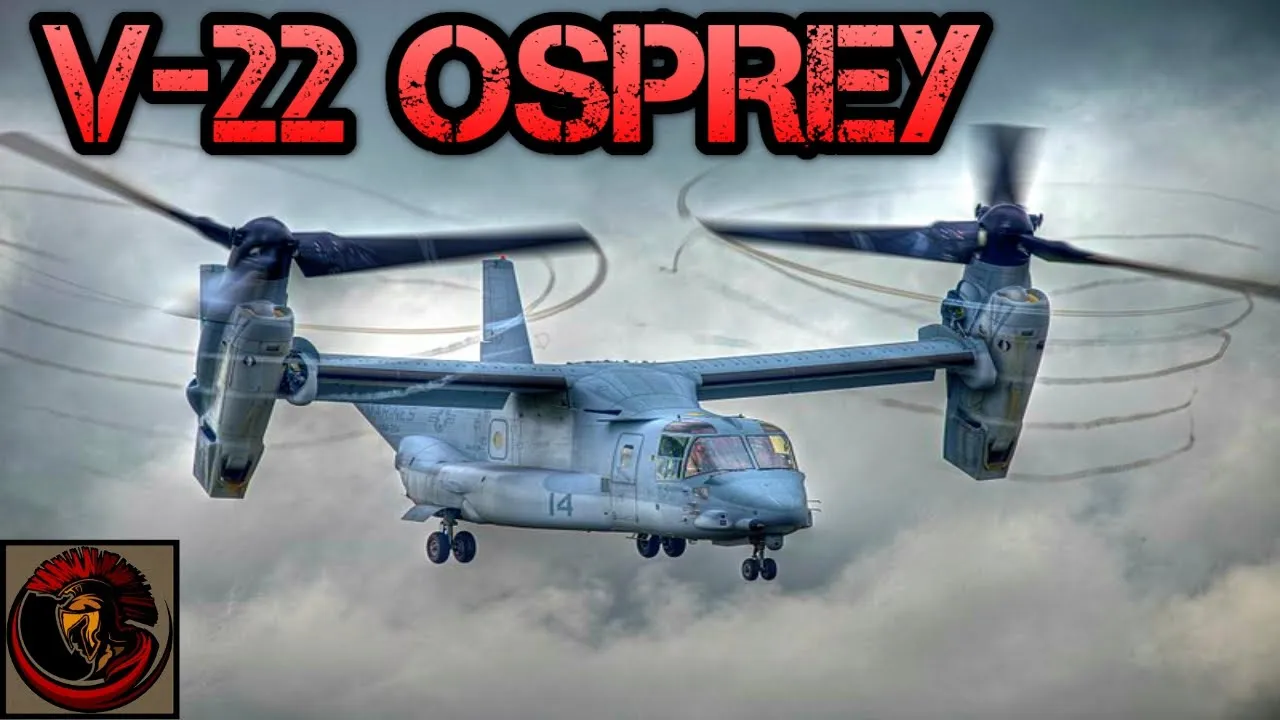
Comparative analysis of military vs. civilian tiltrotors, such as the Bell Boeing V-22 Osprey versus the Leonardo AW609.
Aviation certification standards and regulatory frameworks (FAA/EASA) for the novel 'powered-lift' aircraft category.
Economic and operational feasibility of tiltrotors in modern logistics, emergency medical services (EMS), and executive transport.
615.6K views3.9Klikes4:45Original Release: 2015-03-05
[music] [music] The speed and range of a fixedwing aircraft and the operational flexibility of a helicopter. That's the promise [music] of the long- aaited AW 609 tiltrotor. And Austa Westland says it's now barely 3 years away from making the first deliveries. Augusta Westland Test [music] Pilots flew the 609 in from Dallas where the program is based for now ahead of a planned move to Philadelphia where the production line will be located. They told AINTV about the difference a tiltrotor can make to an operator and what it's like [music] to fly it. I've been flying this aircraft for about 3 and 1/2 years and it is a lot of fun. The advantage of a tiltrotor over a business airplane or a helicopter is the fact [music] that we can do the entire mission of each of those aircraft. So, for instance, to come to this trade show, we actually left out of Dallas. We picked the aircraft. We climbed up to 23,000 ft. We flew at 250 knots true air speed.
[music] And then we landed to a hover here at the convention center. We didn't have to use a runway. And yet, we made it here in just a little [music] bit more time than an airliner would have made it here. We can get out to the offshore oil well at twice the speed of a helicopter. We can [music] go out much farther. So now with the deep water rigs getting farther and farther offshore, we can make it there without refueling. We can make it there over the weather. If there's bad weather, we'll just go on top of it and we can make it there efficiently because [music] we're taking advantage of the high altitude. And we can still come to a hover and land on the helellipad on the oil rig. Or if you [music] look at for instance a hospital, we could fly organs from an organ donor at one hospital, leave the helellipad and fly to another helellipad, another hospital where the where the recipient would be. No need to to put them in an airplane and fly them because we're going to fly just as high and just as fast as that airplane would have anyway.
But we're going to completely eliminate the trip from the hospital to the airport and from the airport to the other hospital. Basically, our control system is very helicopter-like. So in the critical modes of flight where you're taking off and landing, we are just a helicopter and our and our flight controls act like a helicopter. However, on the left hand collective grip, we have a NL controller and it's controlled by your thumb and you push it forward, the cells go forward, rotate it a cells come out. And what you find is that in the lower speed ranges, the NL controller becomes your speed controller. So instead of pitching up like you would on a helicopter, you just rotate the NL's aft and you'll slow down. And we tend to fly with a very level pitch attitude and we use the N cells to slow us down or on takeoff we use the N cells to begin the takeoff. So we're at a hover, we just rotate the N cells forward to 75° and away we go. And it climbs out very quickly because we get through effective translational lift so fast. When you're first taking off, your your lift is being created by the rotors, not by the wing. And the wing is not going to become effective until you reach about 100 knots or so. So you can't rotate the N cells as fast as you possibly could. You have to rotate them at a certain speed. And what we've done for that is we have preset N cell angles. So when you hold the the N cell controller forward, then the cells go to 75 and you're going to build up speed rapidly and you're eventually going to get wingborne lift, but it won't go past 75. And if they did, you could feasibly lose altitude or even it would it wouldn't be safe. So it's very very safe to have [music] this 75° stop that we have on on the aircraft.
Beyond this, engineers have also taken steps to protect against the danger of one engine failing.
We have a drive shaft that connects our two rotor systems. So if one engine were to fail, [music] both rotor systems continue to operate completely as normal. And then our engines, we have electronic control on our engines, computer [music] control of course. So if one engine fails, the other engine automatically resets its limits to allow us to go into 30-second power. And that vastly increases the power of that one engine. And [music] therefore, we can actually lose an engine at a hover. And at a at a a lower gross weight, just slightly lower than our max gross weight, we would continue to hover. Even at our max gross weight, we would actually just land very softly. [music] So, but there's nothing dramatic about having an engine failure. At this year's Heli Expo show, the Italian manufacturer signed a key partnership with the Bristo Group, [music] which will cooperate with the remaining development program for the 609 as a prelude to an anticipated order for the aircraft.
Up Next

9:51
V-22 Osprey: The Engineering and Controversy Behind the Tiltrotor
@ProjectDaVinci
869.4K views•2018-05-29

12:54
Triumph of Orthodoxy Icon: Byzantine Art & History Explained
@BenCallan
2.1K views•2024-08-06

9:49
FastAPI vs Flask vs Django: Choosing the Right Python Web Framework
@TechWithTim
302.5K views•2024-05-26

1:42
Game of Thrones Opening Credits: A Cinematic Analysis
@gameofthrones
46.3M views•2011-04-18
Related Study Plans & Knowledge Roadmaps
Structured learning paths in General & Interdisciplinary Studies
general-studies
Elevator Engineering: History, Physics & Cities
01From Hoists to Safety Brakes: The Dawn of Vertical Lift
02Hydraulic vs. Traction: The Engineering Physics of Elevators
03Modern Speed, Safety, and Algorithms
+ 2 more learning modules
12h5 modules
Explore Roadmap
general-studies
Rubber: Material Science, History & Geopolitics
01Origins of Natural Rubber & Mesoamerican History
02The Chemistry of Natural Rubber & Vulcanization
03The Geopolitics of the Rubber Boom & Colonization
+ 2 more learning modules
12h5 modules
Explore Roadmap
general-studies
Containerization: Evolution, Logistics & Trade
01Ancient Trade & Bulk Cargo: Amphorae to Barrels
02The Industrial Revolution & Cardboard Packaging
03The Containerization Revolution: Malcom McLean
+ 2 more learning modules
12h5 modules
Explore Roadmap
general-studies
Textile Tech: Evolution, Labor & Global Impact
01Pre-Industrial Textiles: Handloom & Cottage Industry
02Mechanization: The Spinning Jenny to the Power Loom
03The Factory System & Global Labor Transformation
+ 2 more learning modules
10h5 modules
Explore Roadmap