


















The Bell-Boeing V-22 Osprey represents a revolutionary tiltrotor aircraft that combines the vertical takeoff and hovering capabilities of a helicopter with the speed, range, and efficiency of a fixed-wing airplane, featuring two Rolls-Royce engines providing over 6,000 horsepower each, 38-foot diameter rotors, a maximum speed of 360 mph, a range of 1,000 miles, and three distinct flight modes (VTOL, fixed-wing, and conversion), though its development history has been marked by significant safety challenges including over 40 deaths and 50+ injuries attributed to design flaws and mechanical failures, raising important questions about whether its unique capabilities justify its controversial safety record and $70 million flyaway cost.
V-22 Osprey: The Engineering and Controversy Behind the Tiltrotor
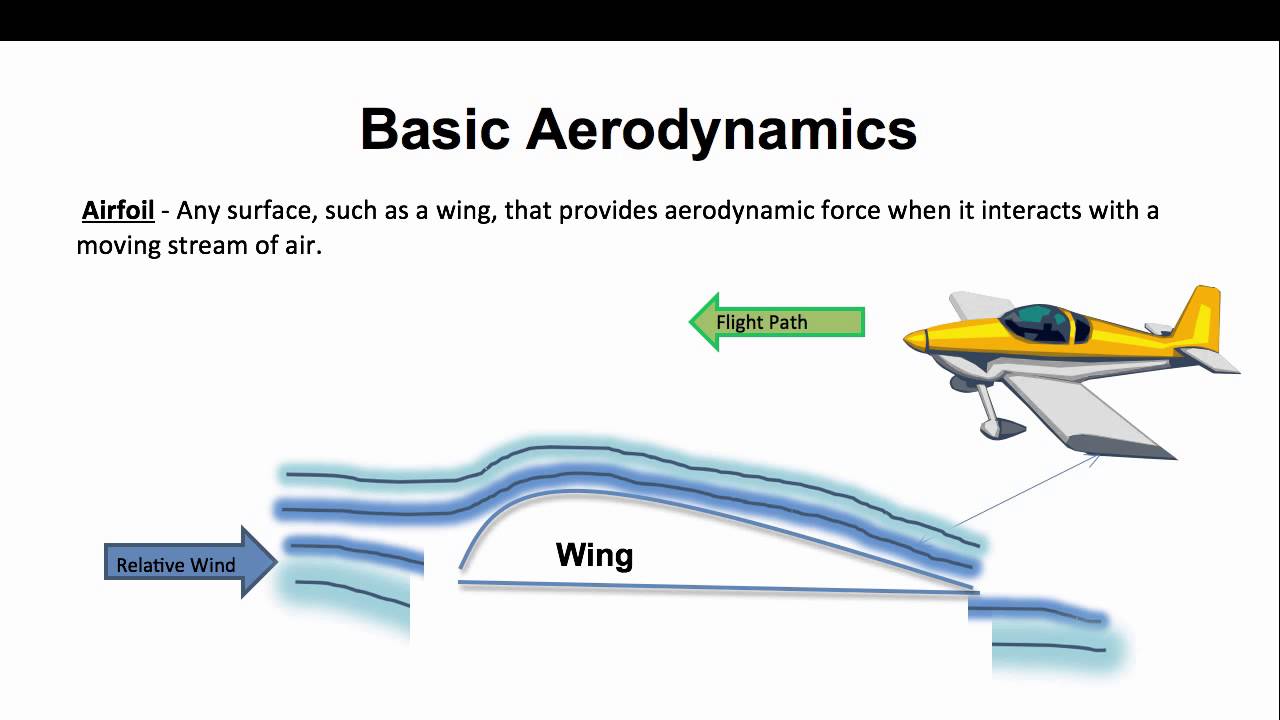
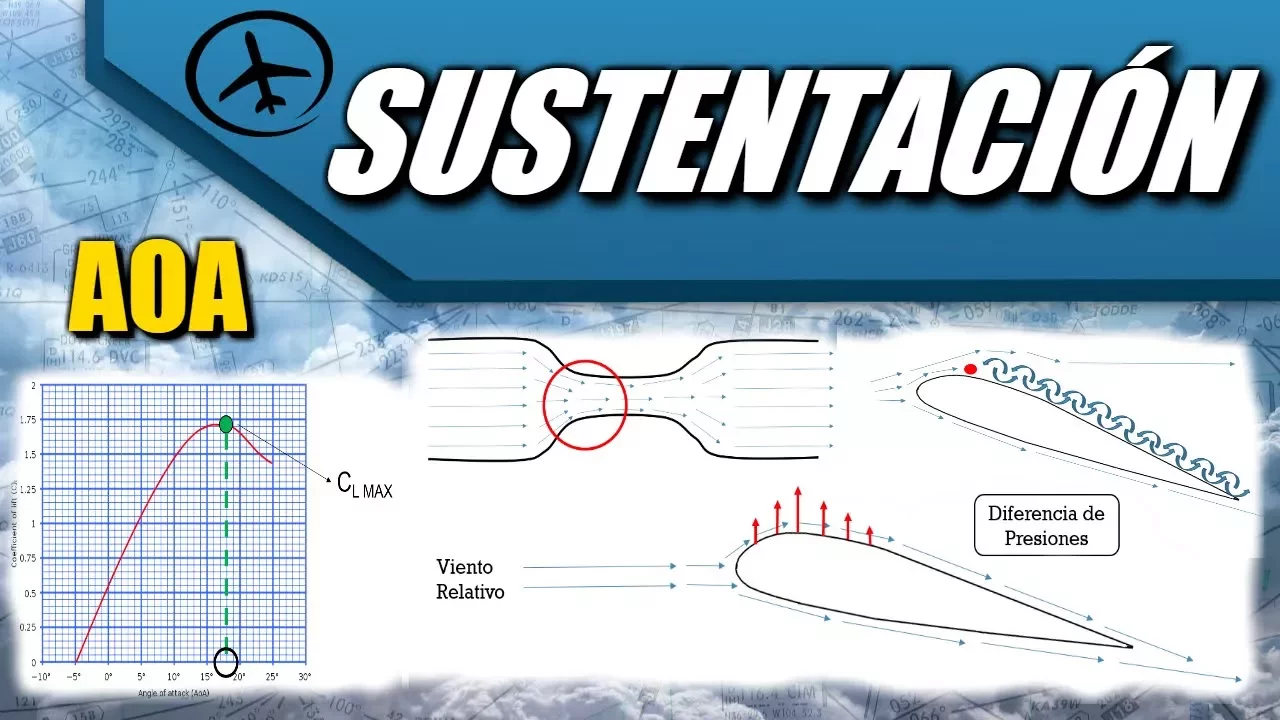
Added:Fundamentals of Aerodynamics: How lift is generated differently in rotary-wing (helicopters) versus fixed-wing aircraft.
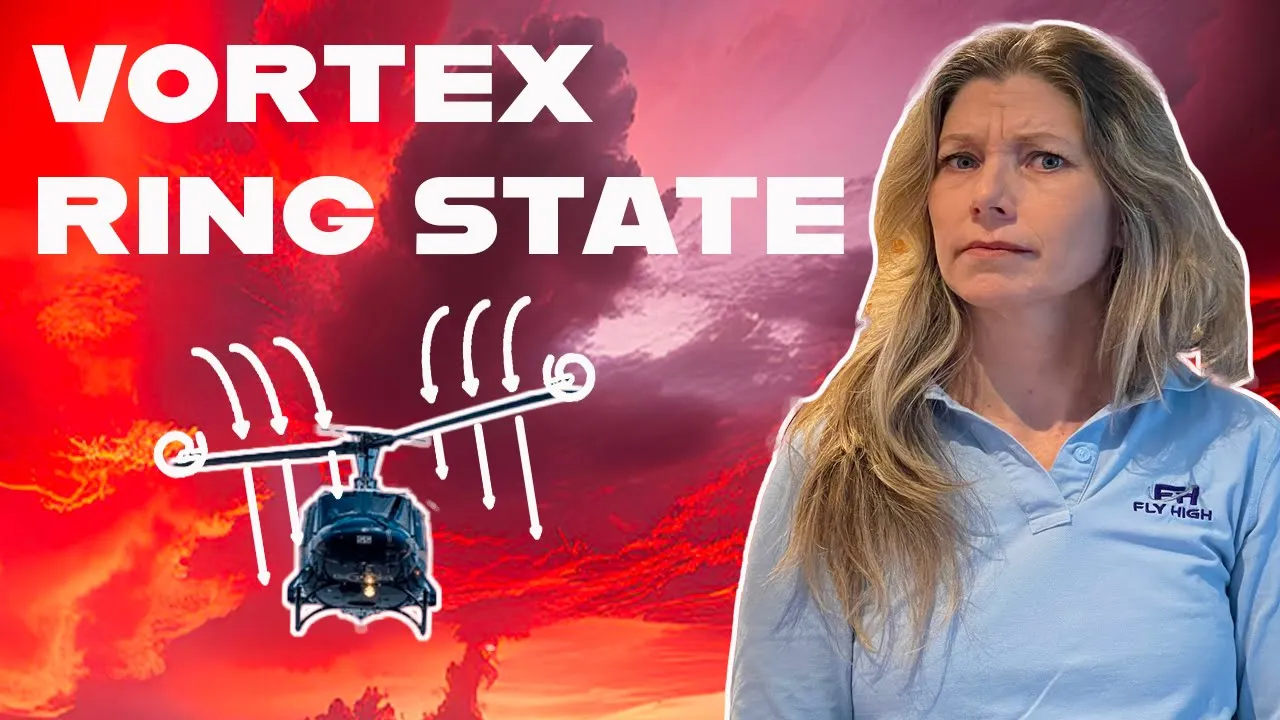
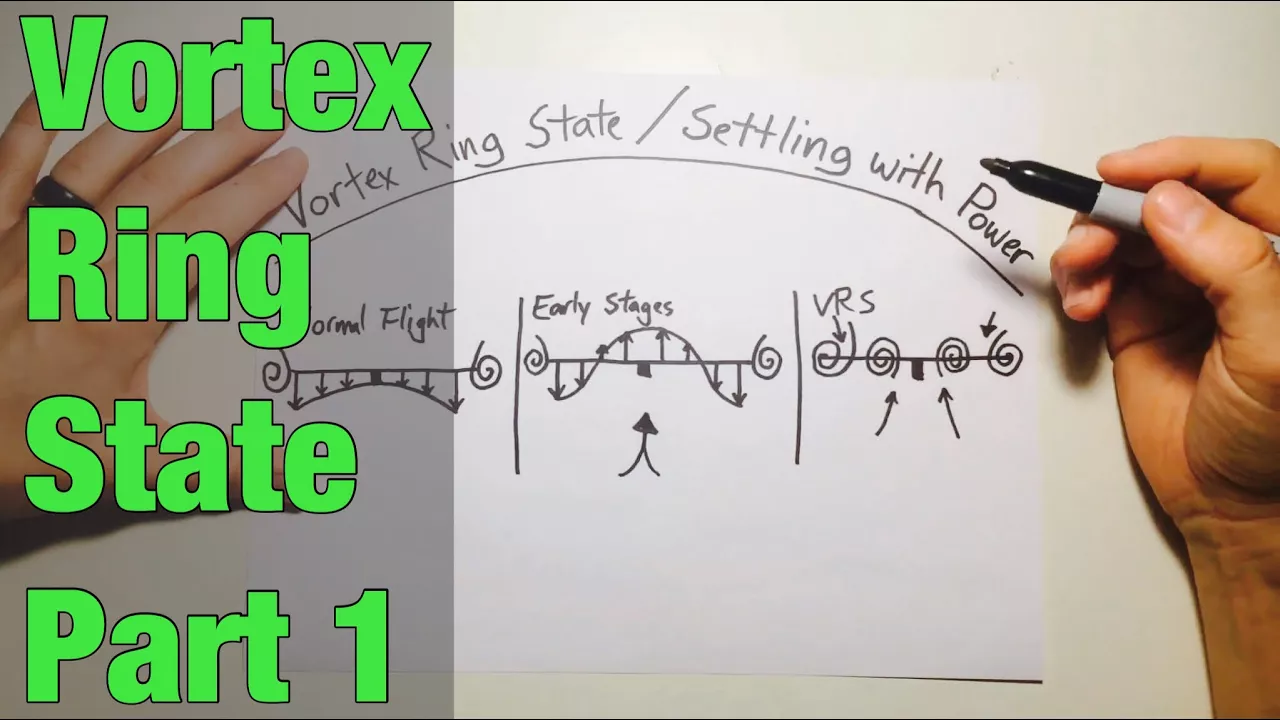
The concept of Vortex Ring State (VRS): An aerodynamic hazard where a rotorcraft settles into its own downwash, causing a severe loss of lift.
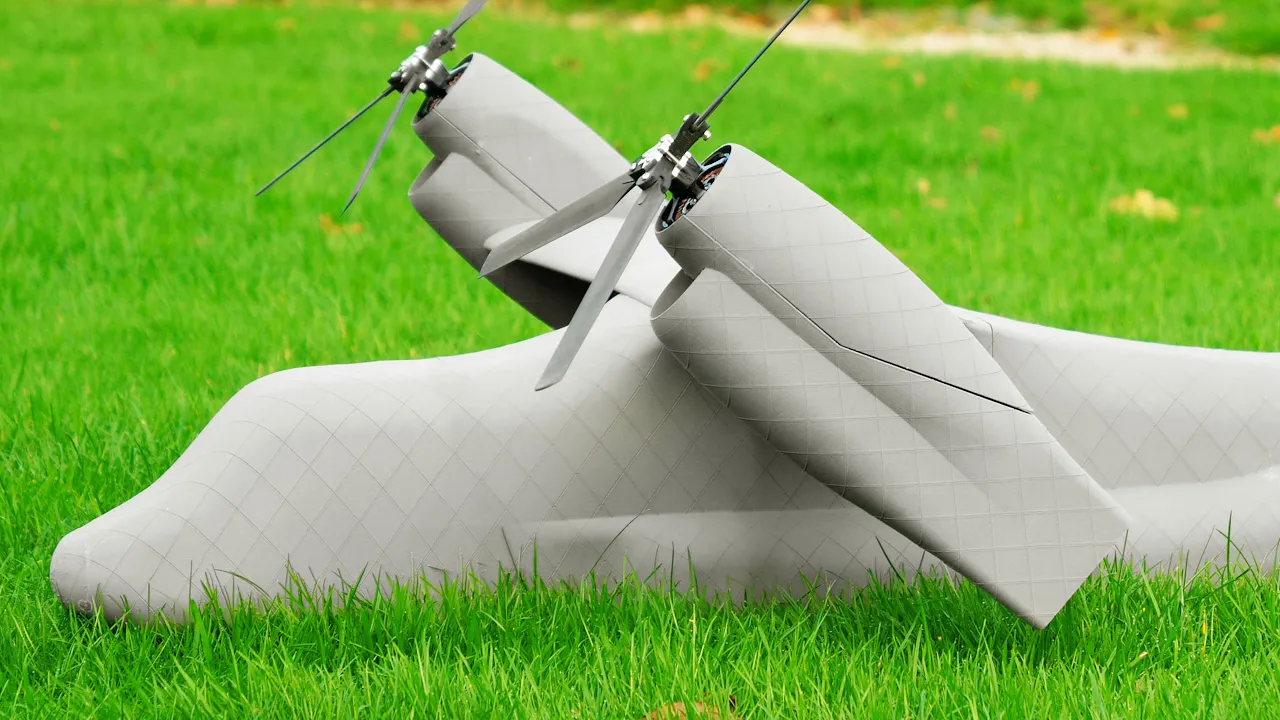
Basic principles of propulsion and thrust vectoring, specifically how pivoting engine nacelles redirect thrust vectors.
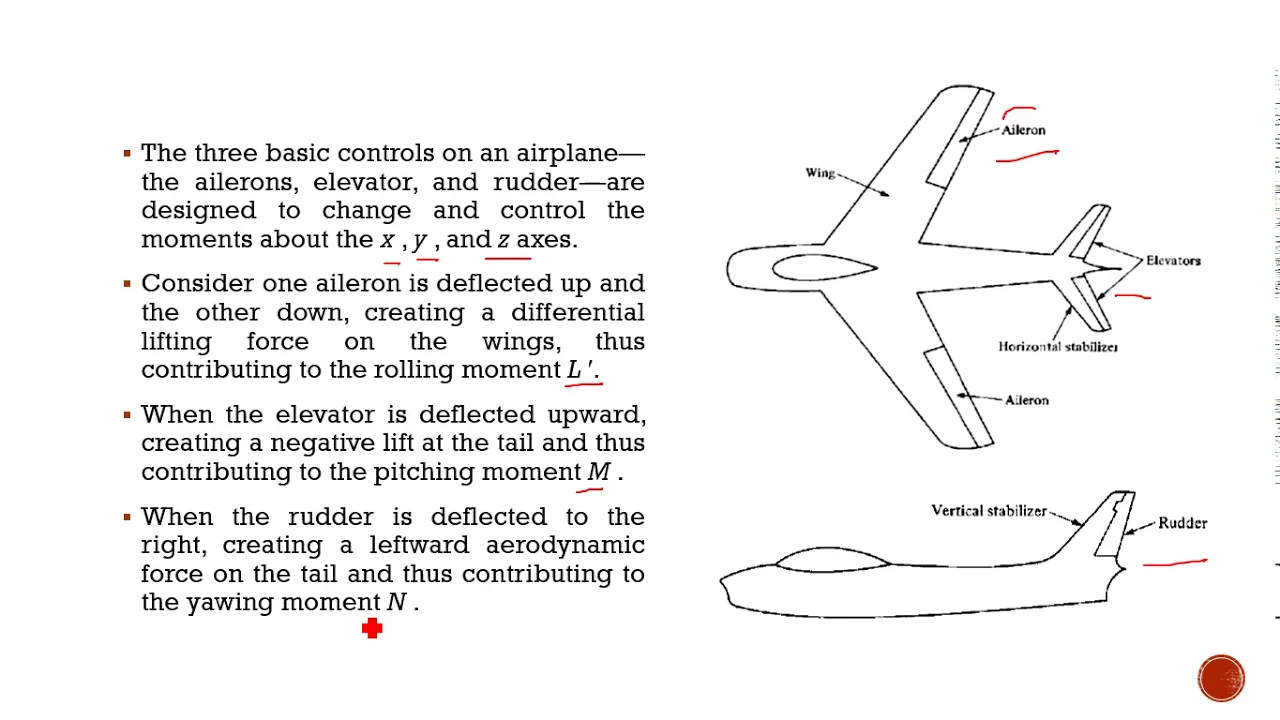
Introduction to aircraft stability, control surfaces, and the aerodynamic challenges during the transition phase from vertical to horizontal flight.
The evolution of next-generation tiltrotors, such as the Bell V-280 Valor, and how they address the V-22's mechanical vulnerabilities.
Deep dive into Fly-By-Wire (FBW) flight control systems and the role of automated software in managing complex, unstable flight regimes.
Case studies in military procurement, defense bureaucracy, and the ethical dilemmas of continuing troubled aerospace programs.
Civilian and commercial applications of tiltrotor technology, including regulatory hurdles and certification challenges with the FAA.
869.4K views17.4Klikes9:51Original Release: 2018-05-29
If you want to talk about dreaming the impossible dream, how ‘bout a mashup of an airplane AND a helicopter.
Imagine designing a single aircraft with the vertical takeoff & hovering abilities of a helicopter, that can also climb high, fly fast, and go far, just like a fixed-wing airplane.
And it can carry a buttload of people and gear.
As it turns out, engineering something like this is damn hard.
And if you have a “Howard Hughes” level of insanity, and are crazy enough to set out in actually building such a complex machine…well…actually, someone did build it.
Look no further than the Bell-Boeing V-22, more commonly known as the Osprey.
This beautiful-ugly marvel of aviation stands alone in its design, and is unmistakable in both sight and sound… But it in it’s 30 year history, it has been associated with over 40 deaths and more than 50 injuries, many attributed to design flaws and mechanical failures.
And yet the Marines who fly the Osprey, are some of it’s most passionate proponents.
They love this bird, and want to keep flying it.
But Why?
What makes them so willing to risk their lives to an aircraft that has such a dubious past?
We need to go back to why the Osprey was dreamed up in the first place, and the problems it tried to solve.
In 1980, US President Jimmy Carter ordered operation Eagle Claw, an attempt to rescue 52 embassy staff held hostage in Iran.
In a very intricate plan involving over 100 special ground forces, several Helicopters and Airplanes, and a slew of other supporting military might, things...did not go well.
Pre-rescue, only 5 of the 8 helicopters even made it to the staging area, the others succumbing to mechanical breakdowns and a dust storm.
Carter wisely ordered the mission aborted.
But during retreat, things only got worse.
In an effort to get much needed fuel to both a Sea Stallion helicopter and an EC-130 plane that were running low, dust and fate set off tragic events that are still chilling today.
You see, the sheer number of aircraft required to transport so many people both in and out, the frequent refueling needs, and mechanical fragility, made it clear that using so many aircraft of the day, was just not working, and lives were being lost.
This tragedy made it undeniable, that a speedier, multirole aircraft with vertical takeoff & landing capabilities, increased range & fuel efficiency, and more robustness in extreme conditions, were something the US Military desperately needed to ensure success.
And to save lives.
In 1983, the experimental JVX program was given lead to the Marines and Navy, also taking in requirements from the Air Force and the Army, although the Army was later to drop out.
Boeing and Bell were ultimately given the shared contract, and throughout the 80s and 90s, several prototypes, test flights, & design changes were made.
And despite complicated budgetary battles between the White House & Congress, and even 7 deaths in 1992; by 1999 some considered it a success, and it’s future bright.
But in 2000, tragic events would call into question the entire Osprey program, putting the future of this insane engineering feat into severe jeopardy.
We’ll come back to that in a moment.
But first, let’s take a look at some of the Osprey’s impressive features & capabilities.
Now these V-22 specifications will be different depending on the variant.
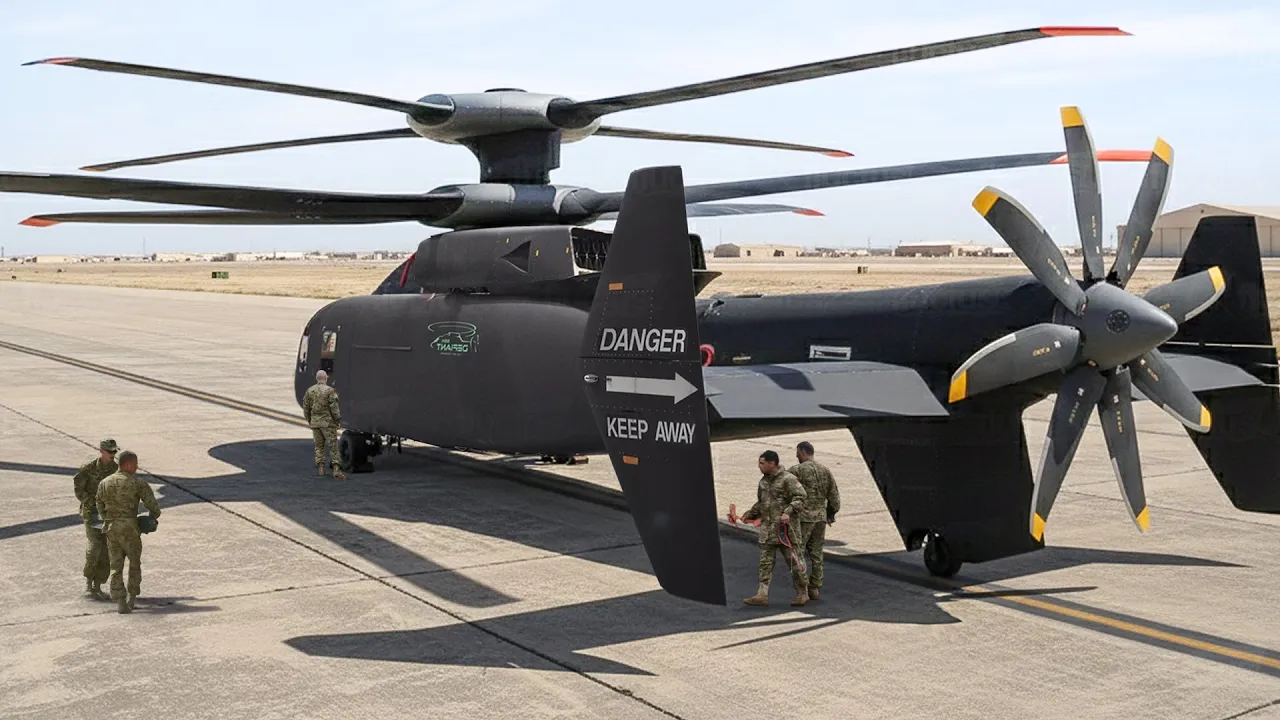
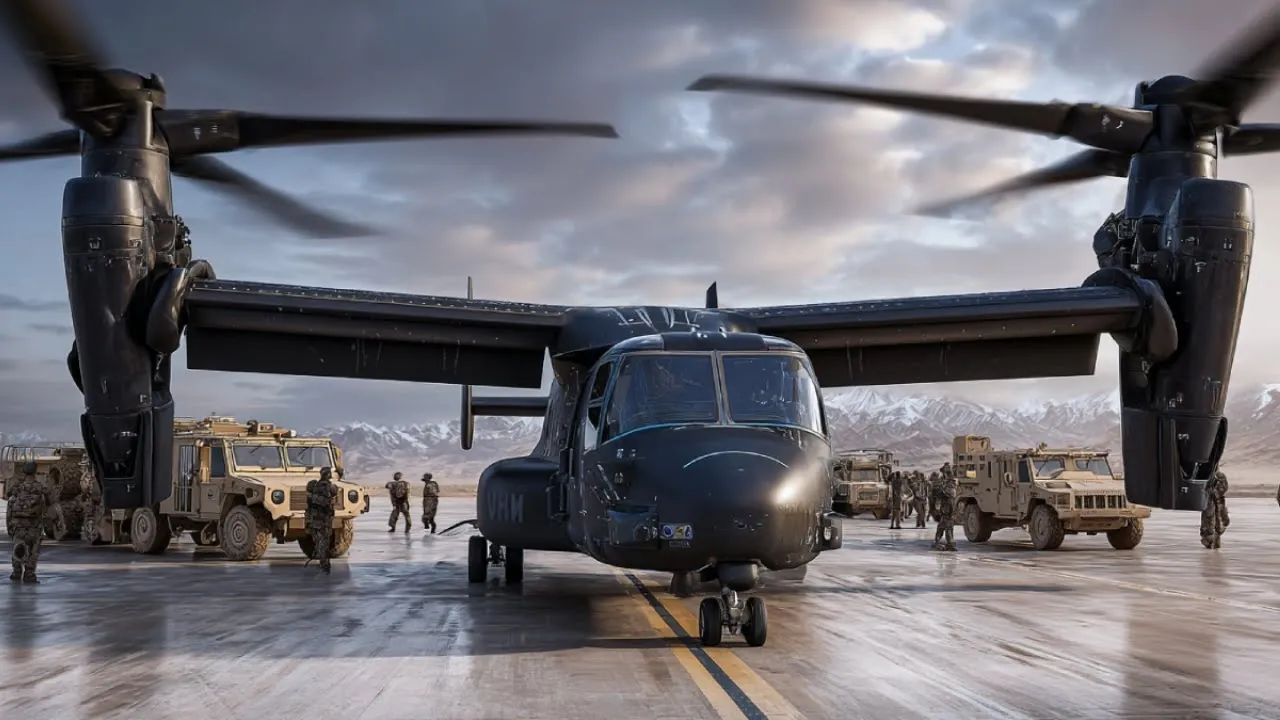
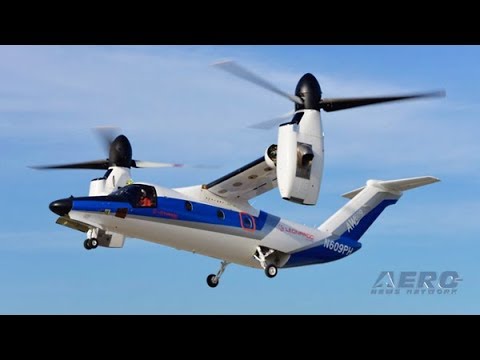
The Osprey is powered by two Rolls Royce Engines providing over 6000 Horsepower each It’s Tiltrotor design uses Nacelles, which are mechanisms that can be rotated like to act like either helicopter blades or traditional turbo props These massive blades are 38 Feet [11.5 Meters] in diameter, and can even be folded for storage It has a capacity of up to 32 troops or 20,000 lbs [9070 kg] of internal cargo There are flares & carbon fiber construction for better survivability and it sports a single.50 Caliber or 7.62mm Machine Gun It also has something called EAPS, or Engine Air Particle Separator, basically a dust filter for extreme conditions A Max Speed of 360 MPH [580 KPH] An impressive range of 1000 Miles [1600 Kilometers] with a climb rate of up to 2400 Feet per minute [12 Meters per second] And a Service Ceiling of 25,000 Feet [7600 meters] It can also be refueled in-air with something like a C-130 Compare that to something like a Chinook CH-47 Helicopter with a: A top speed of only 196 Miles per hour [315 km/h], a 400 Mile Range [643 km], With a Climb rate of 1,500 ft/min [8 meters per second], and a service Ceiling of 20,000 Feet [6100 meters], and of course helicopters generally cannot be refueled in-air So you can see the Osprey has some advantages over the Helicopter it aims to replace.
The Osprey has 3 flight modes: Helicopter or VTOL mode, where the nacelles are vertical and props horizontal Airplane or fixed-wing mode, where the nacelles are horizontal and props vertical And Conversion mode, where the nacelles are somewhere in-between for Rolling Takeoff and Landing The V-22 has a variety of uses: Rescue Missions, Medevac & Casevac Operations, Transport of troops & equipment, even on carriers at sea, Transport of light strike vehicles, like the Growler, Humanitarian efforts, and more.
Alright, so the Osprey has a pretty impressive sales brochure, but what about its history and safety record?
Remember the tragic events of 2000 we mentioned earlier?
Well in April of 2000, in a simulated rescue attempt in Arizona, during landing, the Osprey descended too fast when it's right rotor suddenly stalled, resulting in a crash & explosion that killed all 19 on board.
The cause was determined to be VRS, or Vortex Ring State, a dangerous condition where the aircraft descends rapidly into it’s own downwash.
And just 8 months later in December of 2000, in North Carolina a flight control error caused a V-22 to crash, killing all 4 aboard.
The cause was determined to be twofold: First, a wiring harness chafed against a hydraulic line, causing a leak and subsequent alert.
But a software bug caused the Osprey to decelerate each one of the 8 times the pilot attempted to reset the alert.
In 2001, a Pentagon appointed investigation into the Osprey, essentially found the aircraft to be fundamentally sound, yet some design changes were subsequently made to make the V-22 easier to fly and maintain.
Between 2010 and 2017, there were a various other deaths on the V-22.
So is the Osprey a military technological wonder, or a $70 Millon Dollar death trap?
It depends on who you ask, but what do the Marines have to say about the aircraft they risk their lives to fly?
They are not ignorant to the deaths, injuries, & design issues, nor are they blind to it’s capabilities.
And what they have to say certainly gives pause for thought.
“We all have families, I have 3 kids.
I have a beautiful wife.
None of us have any desire to be flying an aircraft that we think is going to kill us.” Sergeant Joshua Deboer CH-46 Sea Night Frog Helicopter Crew Chief “Just off Faloujah, we took RPG fire, and one of the RPGs hit us.” “We hit the ground, the impact threw me into the cockpit face first, smashing my face against the instrument panel.” “30 percent of my body had 3rd degree burns and lacerations to my face.” “I feel safer flying faster and higher in this aircraft, than I do at 200 feet, even at half the speed.” “It has some unique capabilities to land in desert terrain, that would be very difficult for a helicopter to land in, which is going to enable Marines to get into places that we couldn’t get into before.
So the Osprey can do some things that no other single aircraft can do, and it seems to be finally proving itself, with successful humanitarian, capture, and rescue missions completed over the last few years.
Even HMX-1, the Helicopter Squadron that flies Marine One, has 12 MV-22 Ospreys that move Press Pool, White House Staff, Secret Service and Dignitaries during the President’s travels.
The Marines and Air Force have dozens of Ospreys in service, with the Navy slated to have another 40+ delivered by 2020.
But remember that most military aircraft are products of their time, AND defense budgets of the time, which often change by the time they are put into service many years later.
So with an average $70 Million Flyaway cost, is the Bell-Boeing V-22 Osprey worth keeping around?
Does it’s future potential, outweigh it’s sins of the past?
And what about the Army-driven baby brother to the Osprey, the Bell V-280 Valor, that is supposed to address many of the design concerns of the V-22, in a smaller, less expensive package?
And what would you like to see from us in future Aviation videos?
Let us know in the comments below.
If you enjoyed this video, we would be honored to have your subscription.
We’re Two Bit Aviation, Thank You For Watching.
Up Next

17:42
ArduPilot Tiltrotor VTOL Setup Guide | T1 Ranger Configuration
@windfpv
43.1K views•2022-06-25

12:54
Triumph of Orthodoxy Icon: Byzantine Art & History Explained
@BenCallan
2.1K views•2024-08-06

9:49
FastAPI vs Flask vs Django: Choosing the Right Python Web Framework
@TechWithTim
302.5K views•2024-05-26

1:42
Game of Thrones Opening Credits: A Cinematic Analysis
@gameofthrones
46.3M views•2011-04-18
Related Study Plans & Knowledge Roadmaps
Structured learning paths in General & Interdisciplinary Studies
general-studies
Elevator Engineering: History, Physics & Cities
01From Hoists to Safety Brakes: The Dawn of Vertical Lift
02Hydraulic vs. Traction: The Engineering Physics of Elevators
03Modern Speed, Safety, and Algorithms
+ 2 more learning modules
12h5 modules
Explore Roadmap
general-studies
Rubber: Material Science, History & Geopolitics
01Origins of Natural Rubber & Mesoamerican History
02The Chemistry of Natural Rubber & Vulcanization
03The Geopolitics of the Rubber Boom & Colonization
+ 2 more learning modules
12h5 modules
Explore Roadmap
general-studies
Containerization: Evolution, Logistics & Trade
01Ancient Trade & Bulk Cargo: Amphorae to Barrels
02The Industrial Revolution & Cardboard Packaging
03The Containerization Revolution: Malcom McLean
+ 2 more learning modules
12h5 modules
Explore Roadmap
general-studies
Textile Tech: Evolution, Labor & Global Impact
01Pre-Industrial Textiles: Handloom & Cottage Industry
02Mechanization: The Spinning Jenny to the Power Loom
03The Factory System & Global Labor Transformation
+ 2 more learning modules
10h5 modules
Explore Roadmap