





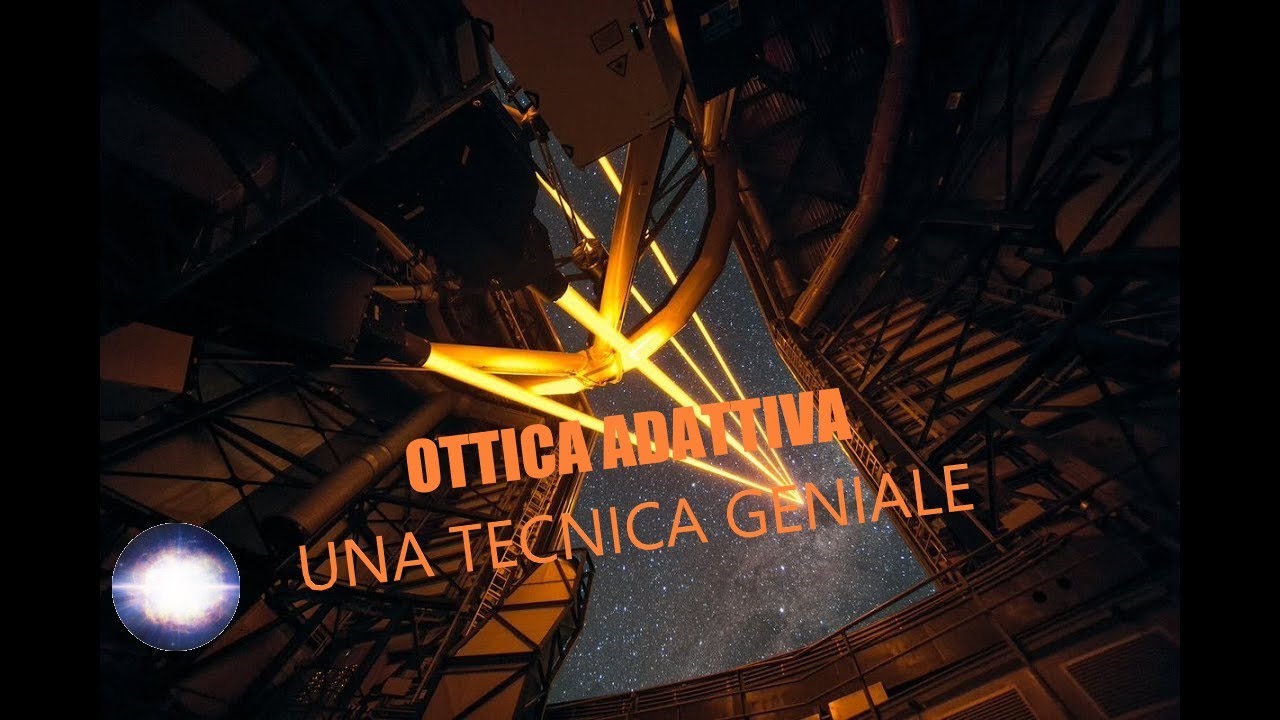










The Extremely Large Telescope (ELT) with its 39-meter primary mirror represents a revolutionary advancement in ground-based astronomy, combining unprecedented light-gathering power (100 million times greater than the human eye) with adaptive optics technology that compensates for atmospheric turbulence using laser guide stars, enabling astronomers to achieve diffraction-limited resolution and observe objects 13 billion light-years away with clarity previously only possible from space.
The ELT: 100 Million Eyes for Stargazing | Prof. Thatte
Added:Basic principles of optical telescopes, including how mirror aperture size determines light-gathering power and angular resolution.
The concept of atmospheric distortion ('seeing') and how Earth's turbulent atmosphere degrades astronomical images.
Fundamental understanding of the electromagnetic spectrum, particularly visible and infrared light, and why redshifted light from the early universe is studied in the infrared.
The basic concept of adaptive optics, specifically how deformable mirrors can be adjusted in real-time to correct for atmospheric turbulence.
In-depth analysis of specific ELT instruments, such as the HARMONI spectrograph, to understand how raw light is converted into physical data.
Advanced studies in exoplanet atmospheric characterization and direct imaging techniques enabled by high-contrast imaging systems.
The study of 'First Light' and the Epoch of Reionization, exploring how the ELT will detect the earliest stars and galaxies in the universe.
A comparative study of ground-based extremely large telescopes (like the ELT and TMT) versus space-based observatories (like the James Webb Space Telescope).
403 views9likes1:15:36Original Release: 2020-11-22
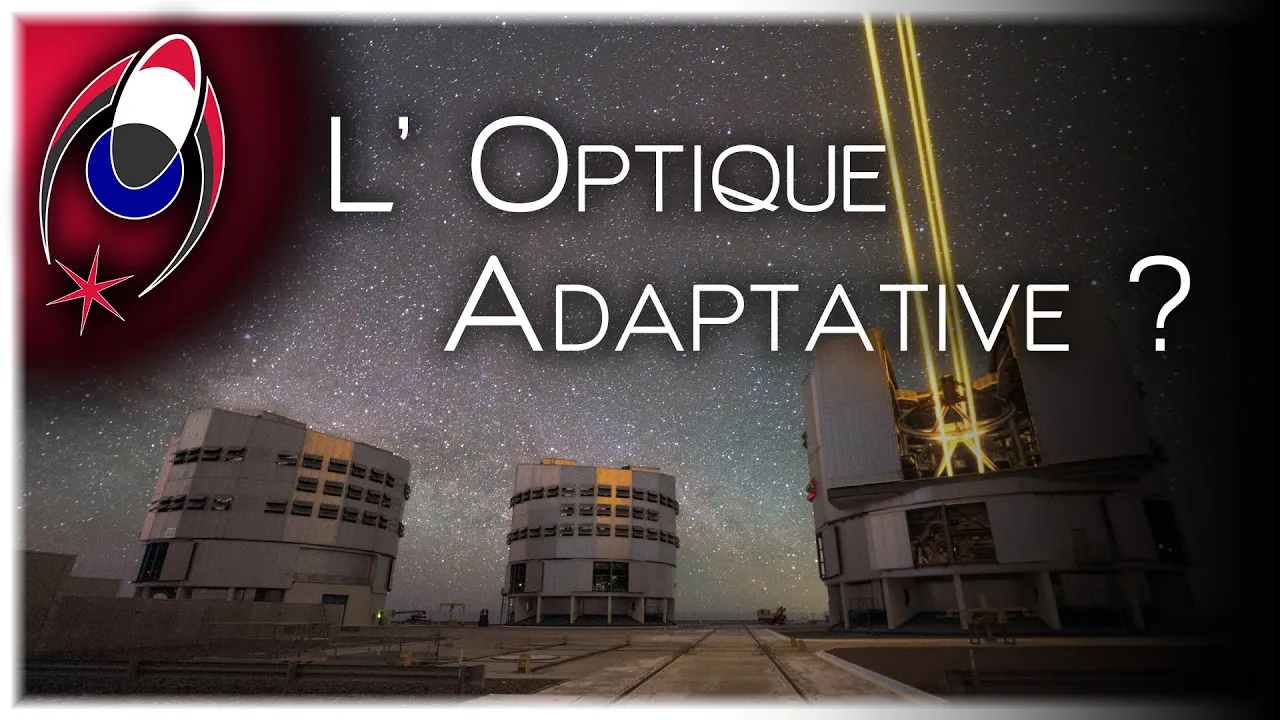
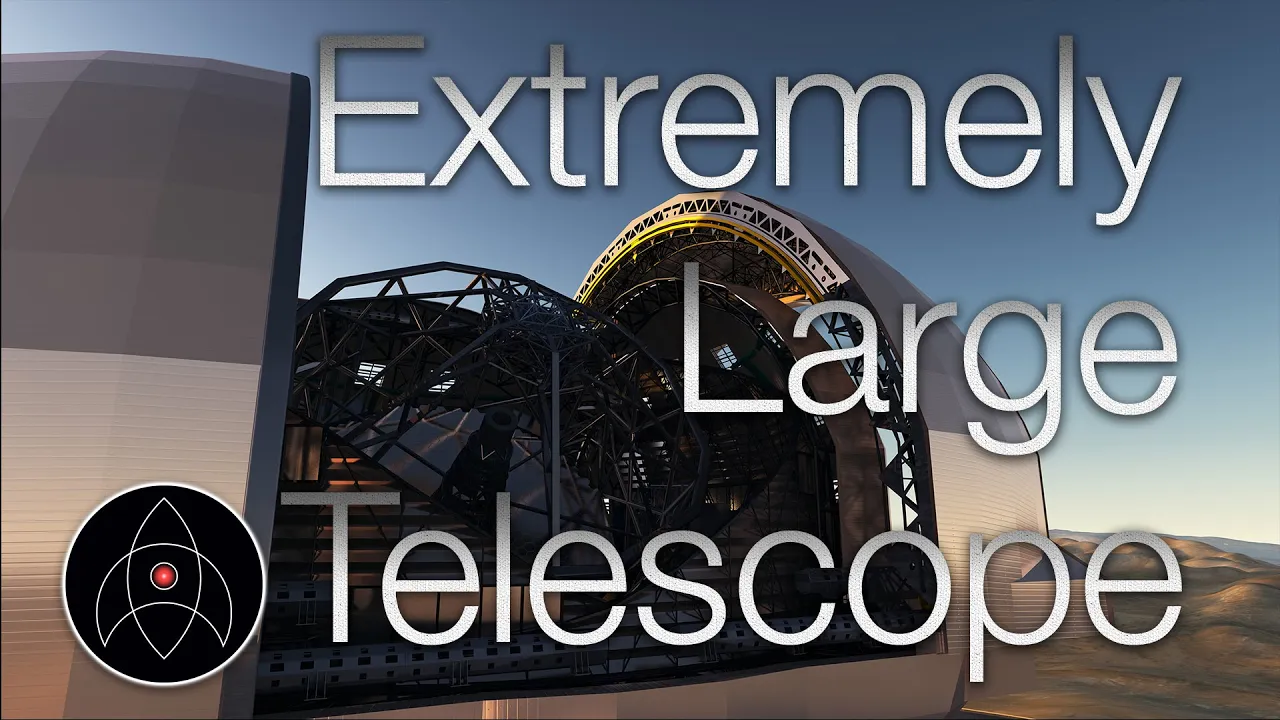
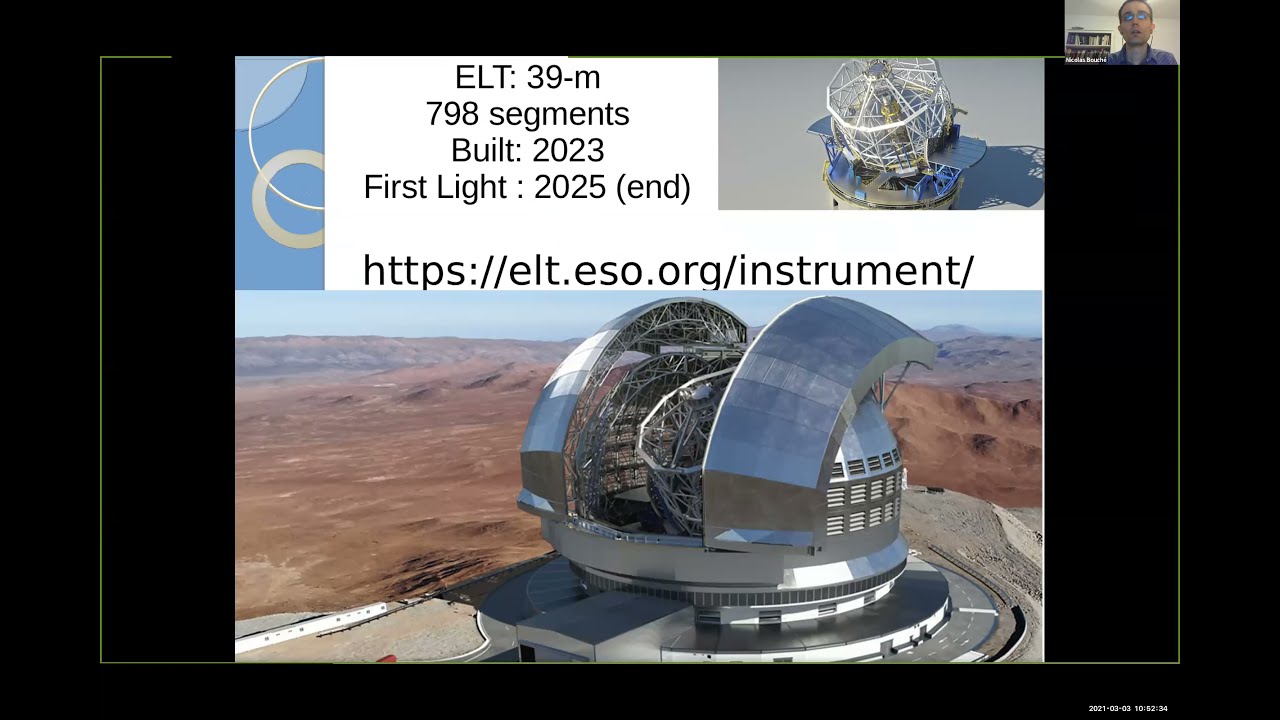
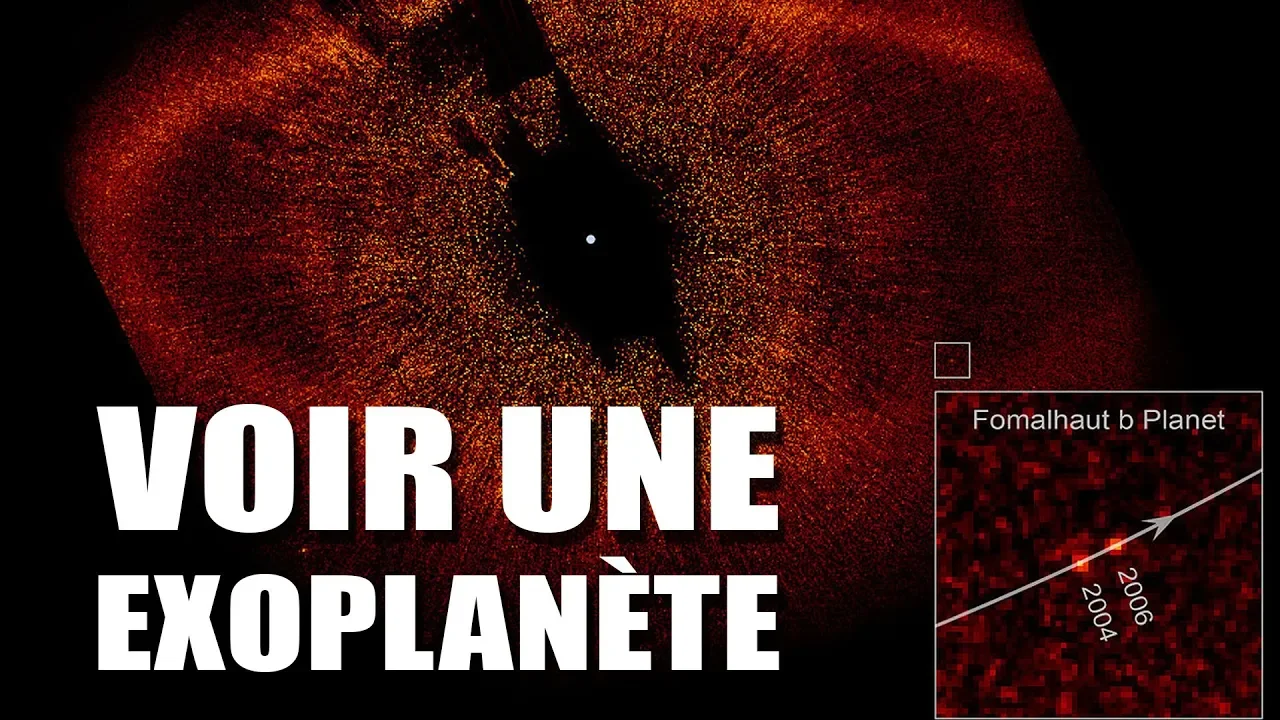
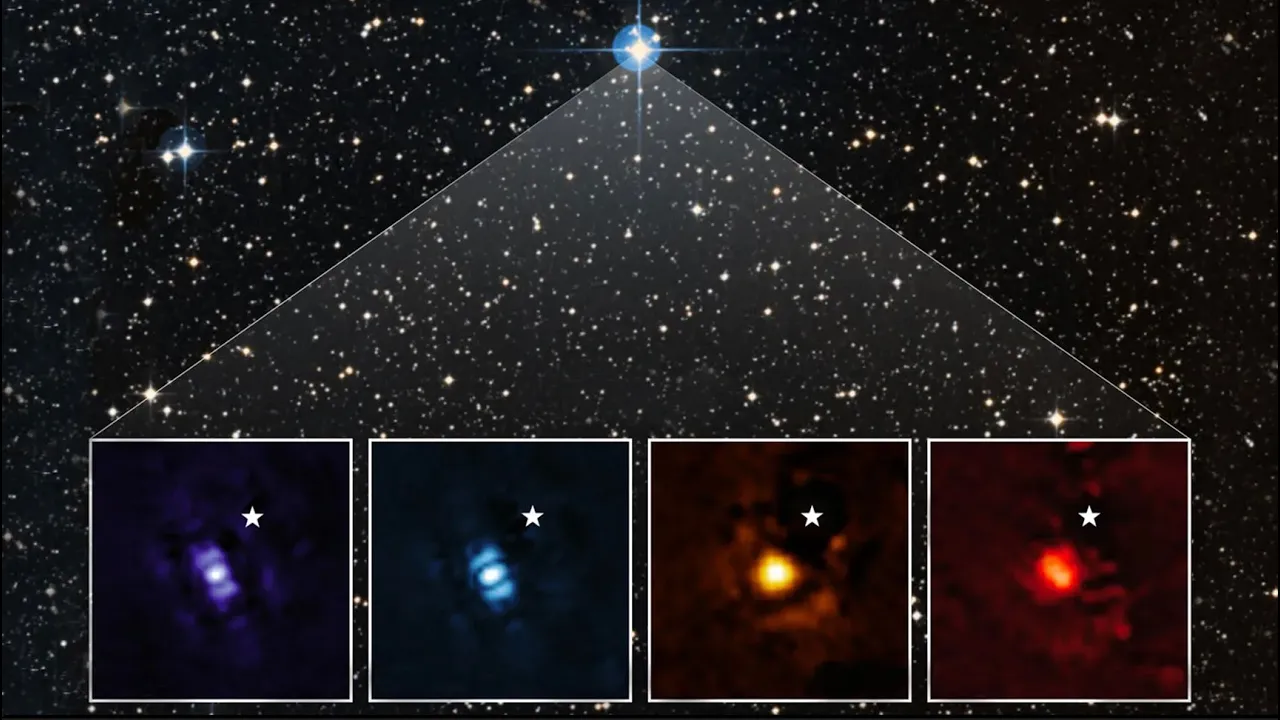
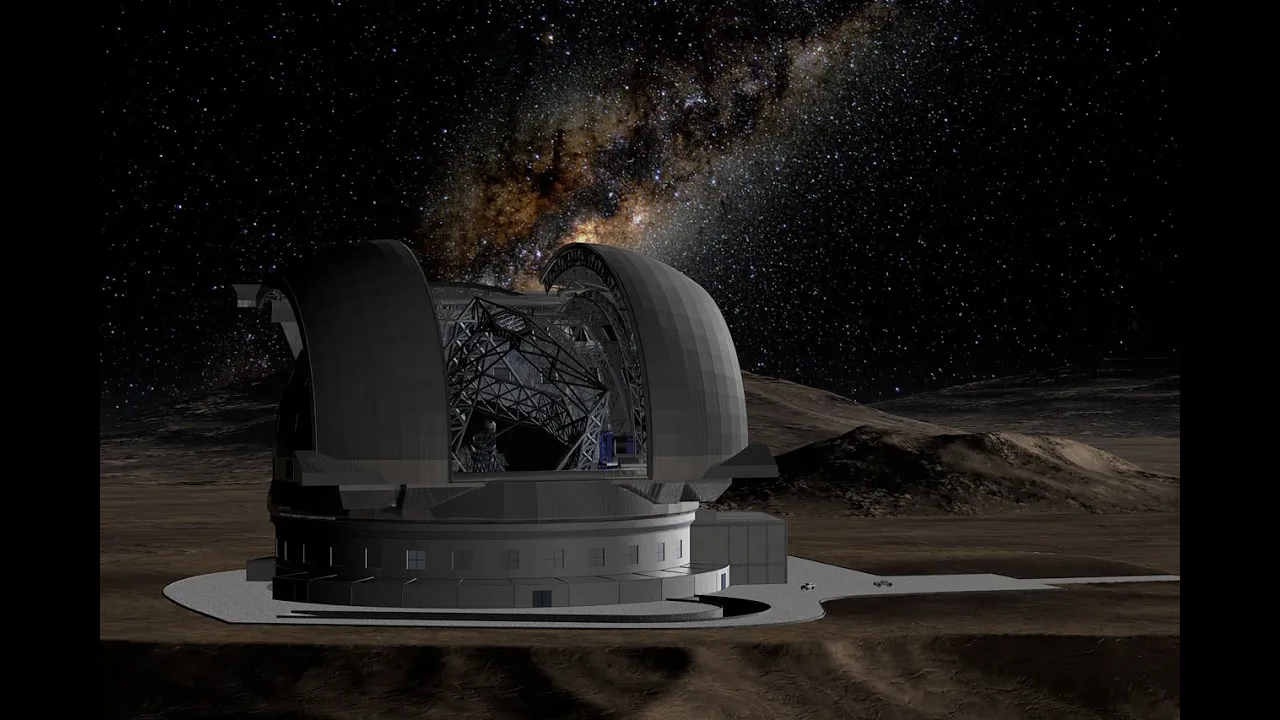
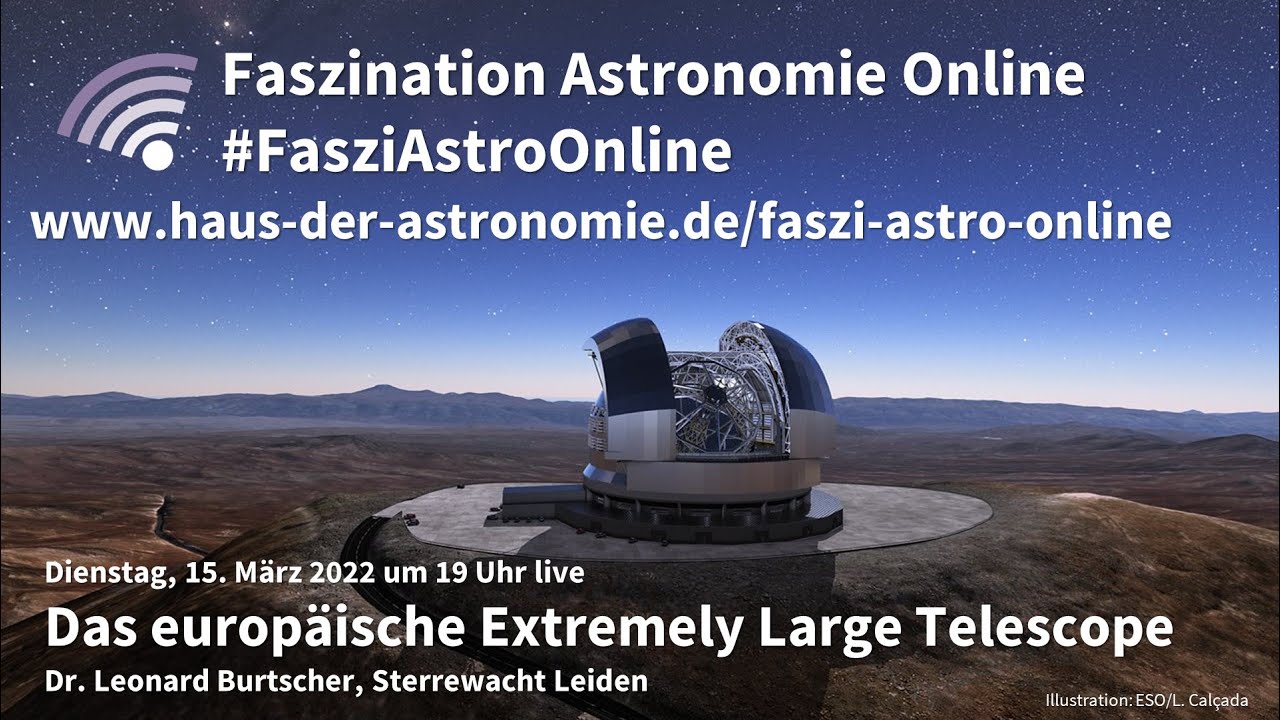
[Music] the primary mirror diameter so it will have a its main mirror will have 39 meters diameter that's about half the size of a football field and the whole dome and structure is is really the size of a football stadium so you can see some people in the at the bottom of this artwork and some lorries and cars so that gives you a rough idea of the size of the structure that we are thinking of building and so the main purpose of my talk today is going is twofold i'm going to explain to you a little bit about the elt but before i do that i'm going to try and explain to you why astronomers build such large telescopes so why do we build ever larger telescopes and somebody was asking me before what does it feel to look like with an eyepiece with through one of these and unfortunately we don't use eyepieces with professional telescopes we just take pictures or spectra so nobody's actually looked through a large telescope to see what it feels like okay so this is a sort of rogues gallery of the telescopes that are out there at the moment today the most famous ones are the four vlt telescopes here in the southern hemisphere in chile also run by the european southern observatory then there are the keck telescopes that are on a mountaintop in hawaii and the lbt or the large binocular telescope which is in the continental us on mount graham and a lot of smaller telescopes as well so unfortunately i think astronomers are not very imaginative in terms of the names we give these so the current generation which is already working for 20 years in chile is called the very large telescope the one i'm going to be telling you about today is called the extremely large telescope and in fact we did have one which was even bigger there was a plan for a 100 meter telescope a few years back and that was named owl which stood for overwhelmingly large all right and the joke today is that because that was cut back because of funding um and we is now essentially become the elt and that our joke is that owl now stands for originally was larger so why do we build enormous telescopes two reasons one is that bigger telescopes have more collecting area so more light gathering power so this allows us to study objects that are fainter and i'm often asked how far can you see with a given telescope and there's no real limit to how far you can see it really depends on the brightness of the object so if we have a very bright object we can see it all the way to halfway across the universe but even sometimes there are faint objects which are really close by like planets orbiting other stars which are fairly close to our own uh and so in that case again the power of a large telescope allows us to see these really faint objects so fainter usually means more distant but not necessarily but in the case when it does mean more distant because the light has taken a long time to travel from this very distant object to us we see these galaxies or stars as they were a very very long time ago so the light travel time is of the order of uh billions of years and so we see these as they were in their youth in their infancy so to speak and so we see these objects as they were younger and so by looking further and fainter it also allows us to use these telescopes as a kind of time machine that allows us to see objects all the way back to the very early history of the universe so you can see here on this plot for example this is today over here with our satellites and space telescopes and the earliest that we can see which is the the first generation of stars that lit up the universe after some 400 million years after the big bang we can see all the way back to there with the newest generation of telescopes that i'm going to be telling you about so here's another way to see where the elt fits in with respect to the the telescopes we have today and you can see that one of the axes here is just the year in which the telescope has been built and the others altitude simply to sort of separate the the points but if i put the the elt on the same plot you can see that it dwarfs all existing telescopes in fact it dwarfs them to a point where if you combine all the collecting area that mankind has ever built to date then that area is almost equal to that of the elt so you can see that the elt is going to be a huge step forward in terms of how faint an object we could see okay so let's do the simple calculation that has gone into the title of my talk if you look at the pupil of the human eye it's about four millimeters in diameter when you are when it's dilated for nighttime stargazing versus roughly 40 meters for the elt aperture so that's a factor of 10 000 and if you do it in area because indeed that's what the light gathering power is connected to then the area of the circle would be about 100 million times larger than that of the human eye so essentially the elt has the collecting area of 100 million human eyes right we measure some of you who are amateur astronomers would know about this that we measure stellar brightness in magnitudes with one being the brightest and six being the faintest that the unaided human eye can see and it's a logarithmic scale so five magnitudes roughly corresponds to a factor of a hundred so if we looked at a hundred million that would correspond to twenty magnitude so that would mean that if with the naked eye we can see a sixth magnitude star with the elt we should be able to see a 26th magnitude star furthermore we can actually expose for longer right because the human eye because it's designed by evolution to look for change in the scenery we can't actually even if we stare at something effectively our eyes only collecting light for something like a tenth of a second after which you start to sense image motion the your eyeball moves around with the elt if we have a camera we could easily expose we don't use photographic film anymore we use ccd detectors or near infrared detectors but we could easily expose for something like a thousand seconds so that's buys us another factor of ten thousand uh so that would tell us that we should be able to see things that are thirtieth or thirty more than thirtieth magnitude uh in fact we can't quite get there because we are limited by the background of the night sky so the night sky is not really as dark as we would like it to be but perhaps more about this a bit later okay so that was one reason why we built big telescopes is because we want to collect lots of light the other is because we can get sharper pictures the bigger the telescope the sharper the picture you can get and this is the only equation i'm going to put in my talk which says that the angular resolution so the angle over which you can discern that there are two distinct objects that you are looking at is connected to the wavelength of light divided by the diameter of the telescope so if you use the same units for these this becomes a dimensionless angle and astronomers usually measure these angles in what we call seconds of arc so one second of arc is 1 3 600 of a degree or you can think of one second of arc as being one part in 200 000 roughly so the the elt's resolution limit will be something like point zero one arc second so uh ten milliark seconds and to give you a feel for what this is this is about uh the size of a one rupee coin held at a distance between mumbai and pune okay so that's the sort of angular resolution that our telescopes can will provide when the elt is built but there is a there is a problem the problem is the earth's atmosphere so we have this enormous telescope but sitting on a high mountain top in chile but nonetheless it is limited by the earth's atmosphere so we can't quite get to this perfect image why is the perfect image not just the point but is even limited by that equation that i had in the in the slide previously here so this has to do with the wave nature of light and this is called the diffraction limit and i'll try and give you a very simplistic explanation of where this comes from so imagine this is my very cartoon telescope with a big primary mirror a parabolic mirror and this is light from a distant star that is being reflected off the primary and is coming to a focus here at the focus of the telescope and that's where the the blue star image would be now what we astronomers like to think of is in terms of what's called a wave front because light is a wave so this ray picture is not quite correct and a wave front is so it is denoted here by this horizontal black line at the top the idea is that a wavefront represents a line joining the crests of all the waves right so the waves at different points in space if you join all the crests of one wave remember light has a very high frequency it's about 10 to the 15 hertz so these waves move very quickly um at the speed of light if you join all those crests what you would get is called a wave front so that would represent this black line and you'll see in a second why that is important so the parabolic mirror has the property that the total distance that you measure from this horizontal line along this ray reflected off of the primary mirror and up to the focus is the same for all different light paths so i've drawn two of them here but if you drew many other light paths uh the total distance traveled coming down to the primary and then back up to the focus would be the same so if because of this very property then if all of the crests of the waves would line up here at the top then because the path length is the same they would also line up at the location of the focus and what we say is that we get constructive interference from all of these different parts of the mirror to form the telescope sharp image at the focus okay so this is what it would look like if you took an idealized telescope or put this telescope in space you would get this kind of image of the star this is what's called a airy pattern after it's the person who first discovered it and you notice that it's not a sharp point but instead it it has these rings that go around it that are called the area ring so let's try and understand where these are earrings come from and let's look at this first dark ring around the bright circle here if you now think of the light as a wave and only consider these two parts of the mirror and that i have now drawn in green then you can see that the light from these two parts of the mirror is going to constructively interfere to form the image of the star but remember that because light is a wave actually the light reflected from these two pieces of the primary is not just arriving at the focal plane it's arriving at every point in this in the focal plane of the telescope so i've drawn some red lines these are not rays in the sense that these are not obeying the law of reflection now because i'm thinking about it as a wave but you can think of the path length that is from this black horizontal line that the red lines represent which is looking at some point slightly off to one side of the star and now if we compare the lengths of these two arrows and the red arrows you'll see that they are not equal unlike the blue ones which are equal and if you now think about the wave nature of light you will find that at one point as you move away from this blue star at one point these two red arrays will have such a path difference that the waves will now destructively interfere rather than constructively interfere and that will cause a dark ring to appear some distance from the star the bigger the telescope the shorter this distance has to be and therefore the sharper the image or the sharper the the smaller the size of this white circle so that's a rather simplistic explanation of where the diffraction limit comes from and why no telescope can get give you a perfect point like image of a star note that this is different to what you would see if you had a real star at located at a different position in the field of view because for that different star the wave front or the rays would appear to come from a different direction now shown in green and they would focus following the normal laws of reflection at a point which is slightly offset from the main one if the distance the separation between these two stars is equal to the separation between the bright center of this image and the first dark ring then we have a criteria which we call the rayleigh criteria which tells us that actually we can separate the light from these two stars and say that they are two different two separate stars rather than just being merged together to form one big blob of light so if you look with a small telescope you might see this one blob of light on the right because the small telescope has a broader diffraction limit whereas a larger telescope would allow you to see them as two distinct stars so this is resolution on the sky angular resolution and this is the main other reason why we try to build bigger telescopes so if you had a telescope like the vlt today and you had a eight meter diameter then at visible wavelengths your limit would already be only 15 milliark seconds almost as good as the elt and that i told you about earlier but we can't achieve anything like this from the ground typically and the reason we can't is the atmosphere right so the atmosphere causes the stars to twinkle and in fact if we did look at the images this is what we would see so this is taken with a with a tv camera at the focus of a telescope and what you would see are what we call speckles and they dance around very rapidly and this is all caused by turbulence in our earth's atmosphere so let's look at what that is and what happens so imagine that it's the same reason why the stars appear to twinkle at night so imagine you threw a stone into a pond on a quiet day you would see these circular ripples or waves emanating from the point where you threw the stone in and they spread out over your lake on a quiet day these would be nice perfect circles and if you went very far away from them you could approximate them by straight lines which is what we do for stars because our stars are so so so far away from us but on a windy day the presence of the wind breaks up these nice circles into something that looks much more turbulent and in fact we have the same issue that happens to starlight when it arrives at the earth's atmosphere so out in space a hubble space telescope can see these perfectly round waves of light coming emanating from distant stars or galaxies whereas an earth-bound telescope like the elt has to suffer these aberrations that when the light goes through the atmosphere and so if we zoom in we start to see the the impact that these has so what does this do to our nice perfect image that we talked about earlier so let's go back to our cartoon telescope model and look at the impact of the earth's atmosphere so this is now our plane wavefront that we would expect from this very distant star as i said it's a circle but it's a circle with a radius of several light years for the nearest star and many 100 million times that for the most distant objects so for all practical purposes it's a it's a straight line however when it goes through the atmosphere imagine now that the left part of the primary mirror has a cell of atmosphere or a piece of atmosphere above it which is at a slightly higher temperature than the one on the right so the the one on the right is denser because its temperature is lower the one on the left is more rarefied and therefore has a lower refractive index now the refractive index is the ratio of the speed of light in vacuum to the speed of light in a medium so when the refractive index changes which is all due to temperature changes and these are small temperature changes we're talking about 10th of a degree centigrade or something like that then the light takes longer to travel through this bit of atmosphere sorry through the right bit of atmosphere than it does through the left right so now the wavefront instead of arriving at the telescope as a nice straight line and now gets aberrated and different parts of this wavefront arrive at different times depending on what the refractive index or the temperature of the atmosphere in above the telescope is and this is high above us it's about 10 kilometer altitude typically so maybe a bit less for the telescope on a high mountain top but nonetheless it's that sort of altitude where jet airplanes fly and this is continuously changing with time as well because this is driven by the wind and at high altitudes or the jet stream if you're unlucky to have the jet stream go over your observatory we typically try not to have our observatories at locations where things like the jet stream would plague us but nonetheless we get this aberrated wave front and that means that now you can see that this idealized picture we had earlier which said that the total path length from the straight line as reflected by the parabolic primary to my star image was constant that is no longer satisfied so now instead of getting constructive interference which would make a nice image of a star which was a sharp point i get these little speckles the speckles come about because different parts of this of the light reflected by the telescope now interfere either constructively or destructively and this constantly changes with time at about 100 times a second or so so unfortunately we don't get this wonderful diffraction limited imagery which would allow us to see a one rupee coin from that was held up in mumbai from pune but astronomers have a way around this right we have a technique which is called adaptive optics and adaptive optics allows us to fix this turbulence of the earth's atmosphere and we do it by using what's called a deformable mirror so here's a movie made by the gemini telescopes and that shows you how adaptive optics works which allows us to get really sharp pictures from a large telescopes even in the presence of a turbulent atmosphere and as you'll see we are now looking at the light collected by the telescope coming in here from the top and this is my adaptive optic system so i'm going to just pause uh here for a second and explain to you what is going on so this is the light coming from the telescope it comes to a focus here i have a lens over here which collimates the light and makes it into a parallel beam so ideally the wave fronts which would be perpendicular to this beam of light now would be flat here but in the presence of the turbulence of the earth's atmosphere they are not but i have a mirror which is called a deformable mirror so this mirror is made up of a really thin sheet of glass about a millimeter thick and behind this sheet of glass i have several thousand actuators with which i can push and pull on this piece of glass in real time a thousand times a second and i can change the shape of this piece of glass to will such that i can combat uh the turbulence from the earth's atmosphere so let's see how it's done so the light is split into two part of it goes to my science camera with which i want to take images and you can see that these are these blurred images with the speckles that i showed you earlier but the other part of the light goes to something called a wave front sensor so this wavefront sensor is measuring continuously these distorted wavefronts that are coming in from the uh turbulence in the atmosphere from a distant star and now if i close my control loop and i start changing the shape of my mirror in real time i can turn these distorted wavefronts into nice flat chapatis right or tortillas if you're giving the talk in mexico and so now i've turned my speckly image into something which looks perfect or almost perfect back into this airy pattern that i showed you with the nice rings okay so that's the principle behind adaptive optics so i tried to show you what all these different components are so the key is to measure the wavefront here with what's called a wavefront sensor so that looks at the answer you're getting and compares it to the ideal answer that you would have which would be a flat wavefront for a star and then applies that correction to this key component which is called a deformable mirror which turns those wavefronts into flat wavefronts all the time so this system is running in real time at our telescope all night long correcting the turbulence from the atmosphere a thousand times a second over the whole telescope's aperture and with the with that uh added in now you can see what the impact would be on our image so instead of seeing this this very speckly image that i showed you earlier now if i turn on the adaptive optics it does two things one is it actually removes the image motion first and then if i do what's called the high order correction and then i've turned this into the airy pattern you can see the airy ring there sorry you can see the the nice airy ring here with the first dark ring that i was trying to explain to you and this is the next bright ring and the further air earrings are broken up a little bit into speckles because the correction is not perfect but nonetheless it does a pretty good job and so now with the advent of adaptive optics which is about 20 30 years old now astronomers have finally got to the point where with these systems we can now get diffraction limited or extremely sharp images and realize the full potential of our very large telescopes now those who've been listening very carefully may find that i have pulled the wool over your eyes a little bit with this adaptive optics business because what i haven't told you is that in order for me to correct the wavefront i need to know what the answer is right i need to know that the wavefront was truly flat to begin with but if i know what the answer is already then what's the point of taking an image with my telescope because i know i'm going to see a star right if i if there was some structure to my star then obviously the wavefront would no longer be flat because all of that information is indeed encoded in the incoming wavefront the reason adaptive optics does work despite this limitation is that we use what's called a reference star to do the adaptive optics correction and that correction then applies to something else which is the object of interest that we are looking at which is located very close to that reference star but not too far away and i'll explain in a second why so what we want to do essentially is to correct the turbulence for this blue cylinder above my telescope assuming the telescope is looking straight up at zenith in order to collect correct the light from this galaxy now very near this galaxy i happen to have a reference star and this reference star now shows me this tilted cylinder and it's the tilted cylinder that is being used to there i know the answer i know that the wave front should have been flat so i can use this reference star to do the sensing of the wavefront put that correct correction through my control loop into the deformable mirror and what i get back then is the perfect image not only of my star for which i knew the answer so it was a bit pointless but now i that same correction also applies to the galaxy and that gives me the answer that i want which is a very sharp image of the galaxy on my science camera but notice that it didn't quite work perfectly right for example this little area up here which is now in light blue which was light from the galaxy which i ought to have corrected didn't really correct perfectly well um because i wasn't able to sense it because that part is not we're not passing through that part of the atmosphere for the reference star instead it is there is another bit of the atmosphere here which only belongs to the reference star but not to the galaxy which we are correcting for but that doesn't really hurt us but that's not useful to us because what we're interested of course is in the galaxy so you can see that the adaptive optics correction would work on the galaxy but it would work as long as the galaxy was really really close to this bright star which i could use as a reference well unfortunately there aren't enough bright stars in the sky they need to be bright because i have to do this collection a thousand times a second because that's how fast the atmosphere changes and the turbulence changes above my telescope so while astronomers have been successful in using adaptive optics for two or three decades now we have been limited in which part of the sky we can apply this adaptive optics correction too and it's really only in the very near vicinity of bright stars that it works so that's a pretty serious limitation for a big telescope because you can only see less than one percent of the sky and with this exquisite angular resolution that we are after but astronomers have found a way around this as well if we don't have a real star in the sky we'll make our own and this is the idea behind laser star adaptive optics okay so instead of having a real reference star oh sorry i have jumped too far ahead of myself i wanted to show you this first and this is a mock animation to show you the difference that you would get with adaptive optics between what you would get in that with the presence of turbulent atmosphere so this is what we call seeing limited so that means without any correction whatsoever and this is now this one arc second size which is about one part and two hundred thousand uh so this is uh uh eighteen hundredth of a full moon that we're looking at here okay so now if we look with the hubble we would see a much sharper image of course because hubble is above the atmosphere and it doesn't have any issues with the turbulence but hubble is a small telescope it is only 2.4 meters across for its primary mirror and so its diffraction limit is not that great and therefore this is the picture we would see if we now had adaptive optics on our current generation of telescopes the 8 meter telescopes that we have the vlt for example this is the sort of image you would see and if you applied the adaptive optics technique to a 39 meter telescope this is what you would see so you can see the difference between that and that right so it's a huge difference uh in terms of with what clarity we can see all the details of the distant galaxies or exoplanets or whatever it is we are looking for in the universe uh with these extremely large telescopes fed by adaptive optics okay uh so yeah back to sorry that slide was a little bit out of place with my thoughts but coming back to the point of adaptive optics and the paucity of reference stars so we don't have as many reference stars as we would like so as i said what we astronomers do is we create our own right and so this is the principle of laser guide star adaptive optics so actually we shine a laser from the back of our telescopes that is tuned to the line of sodium this is the same orange line that is emanated by street lamps and sodium vapor lamps that you see on the street and because this the solar wind the rays that the particles that come from the sun create a layer of sodium atoms in the upper ionosphere of the earth at a height of 90 kilometers then when these when this laser shines into the ionosphere when it encounters the sodium atoms it creates a bright spot thus creating an artificial star the neat thing about this artificial star is because i'm shooting the laser from the back of my telescope it is always there exactly where i need it right it is right on top of my galaxy and so now i don't have to worry about the fact that my reference star is not close enough i can make my own reference star and with my own reference star i can get a beautiful adaptive optics correction right at the location in the sky where i want it it almost works perfectly not quite perfectly because of what we call the cone effect or focal anisoplanetism this is to give it its proper name this is the effect that because the star that we have created with our lasers is not at infinity but at 90 kilometers it actually doesn't sample the whole cylinder of atmospheric turbulence that we are interested in it only samples this cone and so now still there are little bits of turbulence on either side that we cannot sample but nonetheless it does a pretty good job in fact for the elt we will use not one laser star but what we call an asterism of six laser stars in order to stitch together uh the information about the turbulence of the wavefront from these multiple laser stars and this is why you may have seen images of laser star lasers coming out from telescopes the laser light is very narrow band it only exists at a fixed wavelength and a very narrow range of wavelength and so it doesn't really bother us because we can filter out that particular wavelength from the images that we're taking so we're not overwhelmed by the laser light even though it's it's way brighter than the galaxies that we are looking to see uh so here now is the second part of the gemini movie that now shows you how things work with the laser stars and here on the side of my telescope i've got this solid-state sodium laser megawatts of power all in this one line of of sodium and so now we'll zoom out from the gemini telescopes you will see the slit open of the gemini dome and from the louvers on the side to equilibrate temperature and wind and that's the gemini telescope now pointing where it needs to be and there you can see the yellow laser being shot from the back of the secondary we will now zoom out to look uh head down onto the telescope itself that's the island of mauna kea in hawaii now coming into the picture where the telescope the gemini north telescope is located and now if we go up into the upper ionosphere at high altitudes and that's where planes fly 10 kilometers and this is way above that uh right way above the turbulence and at 90 kilometers in the sodium layer you see this really bright spot uh it's about 11th or 12th magnitude not bright enough for the naked eye but adequately bright for the things that we want to do okay so that was mostly the principles of adaptive optics and of laser guide star adaptive optics and it highlighted the two main reasons why we are building this enormous telescope one is to collect lots of light so we can see really faint objects and the second is to have a very uh narrow diffraction limit so that we can see take really really sharp pictures or spectra where is it going to be located it's in the chilean atacama this is a picture of the the northern desert in chile we like desert because that means it never rains and we can observe all year round it's cloudless sky most of the time in northern chile high up is good because it's above most of the turbulence the turbulence is actually worst closest to the ground because the ground heats up during the day under the sun's light and that's what causes the the turbulence in the in the atmosphere so the higher up you go the better off you are elt will be located some 25 kilometers from an existing observatory which is where the vlt or the very large telescope is located today that's cerro paranal and this will be located on cerro amazonas which is the next mountain inland from cerro paranal and construction has started right this was the view from a webcam a couple of years back when the first concrete was being poured in to create the structure unfortunately currently because of uh covered uh the cranes are gone all the work has stored on cerro amazonas we hope it will start back up really really soon but chile is having quite a large incidence of covid at the moment so unfortunately work has come to a halt about four months ago uh at the at the site okay what's it gonna look like when it's finished okay so here's the a light path view of the elt so i've taken away all of the structure the tube etc all the mirrors are floating in space and the primary mirror is actually made out of 798 hexagonal segments because we can't build a single monolithic mirror that's 39 meters across so we sort of make these little hexagons and we close pack them so that they will all form the shape of one single huge mirror and that light gets reflected to a secondary and then normally it would just the secondary would bring it to a focus where the science instruments the camera or the spectrometer would harness the light from the telescope and in this case we need that adaptive optics deformable mirror which is now built into the elt so that's this mirror here m4 which is 2.4 meters across and will have five and a half thousand actuators on its back to continuously change its shape in real time and to get the light to m4 we need this extra mirror m3 which is a spherical concave mirror and then a flat mirror m5 sends the light out to the side which is here where the science instrument platform is located so that's where we have the instrument that i'm in charge of harmony is going to be being is being going to be located along with a few other instruments this platform here is the size of a tennis court to give you a sense of scale and the instrument that we're going to put on there weighs about 36 tons and so it's not going to be a a small piece of kit okay so here's the light part from the elt that shows you how it works so light comes to a focus from the primary is then a secondary is a convex mirror goes through m3 the m4 which is the deformable component and then the m5 flat mirror which sends it this light to the instrument so let's look at each of those mirrors in turn and see what it looks like so that's the overall structure as i said it's about the size of a football stadium with the 39 meter primary mirror and the overall thing you can see is about two and a half thousand tons of steel which are located with the the precision of a fraction of a millimeter the top of the tube 65 meters above the ground and it has to be kept there despite the wind that blows across the the telescope or indeed the desert so wind loading is one of the biggest and the vibrations it may cause is one of the biggest headaches that we have to contend with when designing and building the ert okay so i told you already about this so here's the the 39 meter primary mirror as i said it's made of the 798 segments and each segment is a hexagon they are made in families so there is a six-fold symmetry here so they are made in families of segments but otherwise each segment in one petal one section one sixth of the primary each one looks slightly different because it has to all form part of this huge enormous parabolic or actually hyperbolic in this case a primary mirror that is a continuous sheet so we must try and get these edges to line up precisely to a fraction of the wavelength of light so that's you know asking for a sub micron precision in aligning the the edges of these segments with respect to each other and keeping them aligned under the gravity deformation so as a big telescope like this turns in order to follow different stars in the sky the self gravity of these pieces of glass causes things to flex and causes things to deform so that we need this enormous system of actuators underneath each segment in order to constantly calculate and counteract the effects of gravity as the telescope is is moving across the sky in order to keep the shape of the mirror be precisely that what we want in order to get very sharp images the segments will be coated with something reflective like a silver coating but the silver coating wears off under dust and other things that degraded over time because it's sitting there exposed to the elements all night long so we need a re-coating plan and you can imagine that if we only were to re-coat a couple of these segments every day it would still take us over a year to re-coat the entire mirror so it's a bit like the legendary fourth bridge in scotland that you started painting one side of it by the time you got to the other end it was a time to paint the first side it's time to start all over again so it's the same with the elt in that we have to keep on iteratively re-coating a couple of segments every night so there is a very involved piece of mechanics that is located under each of these primary mirror segments that i'll show you in a second in this movie so every morning each of these segments or the two that are due for recoating are lifted up and a big overhead crane comes in and grabs this segment takes it away for to the recoating plant and a spare segment is installed in its place realigned to a fraction of a micron with all its other neighbors so this is now the m2 unit which is the convex mirror at the top of the 65 meter height at 65 meters height above the ground at the top of the telescope tube and that is reflecting the light to m3 and then uh m4 is this really difficult to fabricate deformable mirror so this is also made in six petals and you can see these voice coil actuators five thousand of them that are slowly being populated uh in order to build a mirror uh which has this very thin face sheet so that there is a very thin sheet of glass about one and a half millimeters thick and on back of the sheet of glass we glue these five and a half thousand permanent magnets and then the voice coils uh which are the same that you have in your loudspeaker at home are used to actuate and pull and push on these permanent magnets on the back of the mirror so that we can change the shape of this mirror in order to do the adaptive optics correction in real time and so this is interferogram showing you how good the the quality of the mirror is and how well we can adapt its shape in real time and that's the the final mirror is m5 which is uh going to just be a flat mirror but it does fast tip and tilt or image motion correction and that allows us to to finally direct the light exactly to the instruments sitting on the on the naismith platform on the side so these are what the instruments are so this is a mock-up of all the instruments that are currently planned for the elt one of them on this side this blue and yellow structure is harmony which is the instrument that i've been working with for the last five years and will take us another five years to have it built and ready uh to harness the light from the telescope the picture on the other side just shows the current telescope the vlt placed next to the elt and you can see the vlt fits neatly on the instrument platform and so that gives you again a sense of scale for somebody who has seen the current generation of telescopes in operation okay well what are we doing all this for of course is to do wonderful science with the elt so i'll just give you in the few minutes i have left and give you a brief whirlwind tour of the kinds of things that we are going to be looking for with the elt the science case for the elt rests on three pillars one is what we call contemporary science cases which means science we know uh already or knew even already before we started building the elt that we would want to do the second is to combine the information we'd get from the elt with other facilities telescopes at other wavelengths alma which works in the submillimeter the square kilometer array which is a giant radio telescope which is currently being built in partly in western australia partly in south africa james webb space telescope which will be the successor to the hubble and so on but then i think the most important pillar is the discovery potential so that's to say things that we don't know how to do yet right we don't know what we're looking for if you just increase the capability that you have to collect light and to make sharp images you will discover lots of new things things that you haven't even thought about yet and that's i think one of the biggest drivers for the elt is its discovery potential so i can't really tell you much about what we will see on the unknown but i can tell you something about the contemporary science cases and those themselves are split into three overlapping themes planets and stars stars and galaxies and galaxies and cosmology so we start with planets and stars which is the closest to us in distance and of course we all want to know and understand how planets form how our solar system formed and now we have discovered about 4000 or exosolar planets or planets that are around other stars mostly by indirect inference techniques known as radial velocity or as transit imaging or transit spectroscopy but with the elt with its exquisite diffraction limited resolution we will be able to take images and they will still show up as single dots of light because we still won't be able to resolve planets around other stars but we will be able to see the light from the planet separately as from the light from its parent star and that will allow us to look for the presence of elements in its spectrum that we know could perhaps harbor life you all heard the talk recently at kagola mandrel about phosphine on venus so that's one example of the kinds of things we could try and detect on other planets around other stars and then more broadly of course the formation of stars themselves and the circumstellar disks that lead to solar systems and how stars form and what we call their birth function so how many massive stars do you get and how many sun-like stars and how many dwarf stars do you get moving on to galaxies both nearby and distant to date the capability we have with our telescopes can only resolve individual stars in our own galaxy in the milky way we do not have the capability to resolve individual stars in other galaxies with the advance that the elt will bring with the advent of the 39 meter generation we will for the first time have the ability to resolve individual stars in galaxies nearby like andromeda or centaurus a which is pictured here and that will give us a big boost in our ability to study the stars because once we can identify individual stars and image them separately from their cousins we can then look at their properties and study their properties in in a lot of detail moving further away we can study in the phenomena and that we know most galaxies harbor enormous black holes in their center and we can study their physics their kinematics their dynamics the nobel prizes you know was awarded to black holes this year finally in cosmology we can look at the galaxies that are really really far away and with instruments like harmony we can measure through the doppler effect we can measure the velocities at which the stars and gas in these galaxies is rotating and that gives us an estimate of the mass of these objects so we can essentially weigh galaxies that are 13 billion light years from us or close to uh or octal and that can tell us sort of how massive they are and how the universe evolved over cosmic time when the first galaxies were formed when the first stars were formed those are the sort of questions that the ert will help us answer then as i said discovery space is one of the primary reasons why we are doing this and so the elt excels in both its collecting power which is as much as all the telescopes mankind is built put together and it will excel in spatial resolution as well so the ability to take really sharp images thanks to laser star adaptive optics and those two together will mean that it will herald a completely new era in astronomy so i've gone over my time a little bit apologies for that i'll stop here and i'll just leave this movie which is available on the eso webpage and who want for everybody who wants to look which is just a publicity video for the ert and i'll leave that running and i'm happy to take questions well thanks a lot uh sir thank you for the very very excellent talk i'm very glad to go through the adapt optics once again after so many years i have heard about that after this there are quite a few questions and um i would like to start with some uh simple ones uh dr sujatha deshpande has asked her question and she would like to know for example there could be many celestial objects between us and the object you want to see with the telescope for example a star cluster between a telescope and the galaxy now how are you going to correct for those kind of you know objects which are interfering in your observation um we can't really see through other objects occasionally if there the background object is is bright enough like a quasa we can actually see the light of it through the outskirts of some intervening galaxy and that usually actually gives us enormously important information about relatively cold gas gas that is not emitting light by itself but is absorbing the light from the background object but if it is absolutely head-on then we can't really see through it we can sometimes benefit from an effect or gravitational lensing which if the cohesar is exactly behind a foreground galaxy it will split its image into multiple images or even into what's called an einstein ring and that would give us additional information so occasionally we can look past other objects but most of the time we can't but thankfully space is pretty much empty so the chances that we get something else interfering in our line of sight is very small except if you look straight through the plane of our own galaxy our milky way and so most of the distant galaxies we observe are typically in the direction perpendicular to the plane of the milky way as seen from earth because looking through the milky way it's really difficult because it's not so much the stars that get in our way it's the it's the gas and the dust which scatter and absorb the light so that really gets in the way of us but yes and that is indeed a huge problem uh for astronomy oh i've answered the question yeah sorry i was mute so ashirawad has asked a question is that since the artificial laser star is only of only one wavelength is it good to have switched capability for the laser and normal distance star yes so we we do both actually i didn't tell you a little bit of detail the the problem with the laser star is that it doesn't correct for something called image motion so the one of the effects of the turbulence of the earth's atmosphere is that the entire star image appears to move left right up and down in our focal plane because the laser star suffers that same movement uplink as it does on the down link and we actually don't see that image motion to first order and so even with the presence of laser stars we do need a natural star in order to sense that image motion and correct for it separately thankfully in those cases that natural star can be a lot fainter and so they're having a big telescope like elt actually helps because the stars can be enormously faint 19th magnitude or thereabouts but so the natural stars are needed so when we can use a natural star we do use it because it gives us superior correction but most of the sky is not covered by the bright natural star so then we use a combination of these lasers guide stars plus really faint natural stars in order to to do the correction that we need so i should stop my sharing and perhaps switch to this view you can see that two more questions from ashland and those are mostly related to the operation of the telescope yeah the elt being so huge are the other issues due to the minor vibrations say earthquakes which are happening that's one question and the second will be there will be temperature variation across the mirror segment so how are these issues uh addressed that's what actually one wants to know the temperature variations first so we try really hard to keep everything equilibrated at constant temperature this is why we enclose things in a dome because well we don't need the dome at night time we try and take as much of it away as we can and to let the air circulate freely otherwise we could create our own turbulence we air condition the mirror we the entire dome actually not just the mirror when during the daytime so that it doesn't heat up during the day under sunlight that's also why we paint the outside white because we don't want them to sit and collect lots of heat from the sun we air condition them we also work really hard to keep the glass of the segments all at a constant temperature which is equal to that of the ambient if there is some residual turbulence the adaptive optics can actually correct for it provided it's a slow enough or large enough scale and the other question was [Music] vibrations so earthquakes are a big problem chile is seismologically active so we have to build all our telescopes and instrumentations to survive the really big earthquakes but then the really minor ones well it's okay if our operation is disrupted during the earthquake what we don't want is for the operation to be disrupted after the earthquake so that implies that we have to build really stiff and earthquake resistant structures wind vibrations during the night are a big issue and we have to work really hard in order to make the structures really stiff to reduce the the effect of the wind vibration so in fact the very early days of the elt i was at a big review of the telescope and one of the reviewers said you know where's the dog walking across the telescope and people sort of looked at him what's he talking about it turns out that the weight of a dog is about the wind loading that you would expect on any given segment and due to the wind blowing on the telescope primary at night so if you can keep the shape of your primary mirror intact whilst a dog walks across the primary then you've got the right level of mechanical mechanics to keep your mirror in shape during wind loading interesting quite interesting uh rupesh sangoi has her question and he's saying how is the field rotation taken care of because at such high magnification because of the ultrasound design wouldn't the field rotation be a problem for the 15 minute exposure that you explained indeed it is the field rotates it rotates at this on time scales much shorter than the 15 minutes so we have to rotate all our instruments or at least our detectors to compensate so we we do that harmony will rotate about a 10 ton cryostat about a vertical axis continuously in order to correct for the field rotation so we have a very good question field does rotate and it is it is an issue for anything other than a very quick snapshot so you could take lots of quick snapshots and add them together later but unfortunately our detectors are not noiseless and so we have to expose for a long time in order to combat the noise the intrinsic noise from the detectors otherwise we could just take lots of snapshots and put them together afterwards but yes we do compensate for field rotation actively by big bearings and big so we essentially got a four meter telescope inside the harmony instrument because it's it's turning about one axis all the time in order to follow the field rotation wants to know if the mirror pieces are identical and does that affect the parabolic shape of the mirror they are not identical because as you step away from the center it's actually hyperbolic slightly but that's detail of the optical design to keep the aberrations minimum each segment has to have a slightly different curvature as you go across if if it was spherical then they could be identical and we worked hard to try and build them spherical but the aberrations get to be too difficult to control uh spherical aberration for those of you know optics uh the owl which was the hundred meter concept did have a spherical primary because there was no way you could make different shaped segments for that concept but for the elt there are families so there are six identical segments at 60 degrees apart if you look top down on the primary uh but other than that each segment it does look a little bit different and so yeah you have to keep track of which segments where in the same line uh there's a question from um aditya and he wants to know why the mirrors are hexagon and why not others but i guess you just now said so well yeah so you have to close pack right you want to close pack in order to get a complete face sheet which has as few holes as possible because every hole causes an artifact in that perfect image that i showed you in that airy pattern so the fewer holes you have the the better your telescope would work so yes you could think of close packing with a square or any other regular figure that can close pack but of course with a square because the dimension along the short side and the diagonal is off by a factor of 1.4 it makes it much more difficult to to deal with so you want something that is close to a circle easy to manufacture easy to keep track of the edges with edge sensors etc so the hexagon is the is the shape of choice this question from melinsa and he wants to know periodically we hear that discoveries of stars with planets that are very far away from us and they may have atmosphere conditions life so the question is that you said we don't have capability to resolve such individual stars from distant galaxies so how do we reach that conclusion about atmosphere for this far away stars uh it's difficult to explain very quickly but it's through a technique called transit spectroscopy so essentially if you if you think about the star going sorry the planet around this distant star going in front of the star as seen from our line of sight then the planet blocks out a small fraction of the light it could be as for the earth it would be a fraction of a percent uh for something like jupiter it would be a few percent um for a star which is for a planet which is fairly close to the sun and very big like jupiter and the so-called hot jupiters it could be nearing 10 percent if that planet has an atmosphere then some of the light filters through that atmosphere and the characteristic features of the atmosphere in terms of absorption and emission get imprinted on the stars light or onto the few percent of the stars light that goes through the atmosphere during the transit and if we are able to disentangle which we are that light filtering through the atmosphere of the distant planet while it goes in front of the star in a sort of eclipse situation then we are able to infer something about the the planet's atmosphere so that's how it's done but it's mostly still planets within our own galaxy there are rare cases when people have talked about doing this for objects in other galaxies but so far really most of the exoplanets discovered have all been in the milky way this question from aditya and he he says that you know we know that the expansion of penis is there and the objects are very far away so does the expansion opinions cause any difference in light emitted and the light we perceive yes it does so it does affect it it provides it gets red shifted right so because these this because the universe is expanding these objects are moving away from us at seemingly very high speeds and astronomers call this redshift because the light from these objects is shifted to longer wavelengths and in fact because we want to study these galaxies these distant galaxies in what was emitted as visible light but which is now shifted to much longer wavelengths in the near or mid infrared a lot of the telescopes that we are building and the instruments we are building operated infrared wavelengths so for example harmony works out to two and a half microns where visible light stops at about 0.75 microns so that's a factor of a few relative to the edge of the visible spectrum and the james webb space telescope which is the success so the hubble will go all the way out to 25 or 28 microns because we want to see light which is rest frame visible was emitted in the visible but is now observed by us in at much longer wavelength so that's the biggest consequence of the expanding universe of course the other is that they are very far away and the light gets fainter and the further away the object is face who's who's there from mehta is having having two questions one is if you have a laser star which is simulated at the edge of the telescope why not simulate it at the harmony optics itself that's what is the question uh guess i don't understand whether you want to i don't know if you can be unmuted if you can explain better just question the question is if you have a laser star which is simulated at the edge of the telescope why not simulate it at the harmony optics itself go ahead josefa i'm just trying to unmute i'm just trying to only okay she's admitted no engine very nice talk it just uh so you have a laser star which is right at the edge of the mirror and which is uh actually simulating uh providing the differential but why why take it to the optics why not simulate it right at the harmony level because the turbulence has been created by the atmosphere so unless you get the light from this laser star to go through the atmosphere you can't so it has to be created above the atmosphere right in order for the the turbulence to be sensed okay and then the so it is created at the edge of the ionosphere and also at the edge of the cylinder the reason it's at the edge of the cylinder is that we have multiple stars like that and together the cones of all of those stars that i showed you earlier overlapped to fill that cylinder over which we are wanting to sense the turbulence if that makes sense okay okay and the mirrors are they made at the university of arizona which made the remaining atacama mirrors also the magellan mirrors were made in university of arizona no they're not so arizona makes monolithic mirrors that are six or up to eight meters in size and these are smaller segments they are 1.4 meters each and they are made by shot in germany and they are polished by saffron rios in france it's a european project [Laughter] okay yes joseph if you have any more questions you can please ask or else we'll move ahead for two more questions are there um one is from and he wants to know does using multiple laser star reduce the drawbacks of the cone effects it does yes so and in fact the bigger the telescope the more laser stars you need so with a small telescope if you had a telescope there was two meters across one laser star would be perfectly adequate if you had a 40 meter telescope you need we think you need six you could think of so we have an asterism which looks like a hexagon of the six laser stars and there is you could also think of having a seventh one in the center which might help and if you do if you want correction over a wider field of view you need even more laser stars uh so yes we have to stitch together the wavefront so it takes a lot of real time computing because there is a a matrix which has to a matrix multiply which a computer has to do which consists of 6000 odd measurements for each laser star so we have six of them and those uh all those measurements have to be turned into corrections for about five and a half thousand actuators and this is done with a ginormous matrix multiply uh which has to take place within a millisecond because otherwise it's too late and the correction you applied no longer is relevant more questions i'm sorry it's getting too many uh one is from million and he says what is integral field spectroscopy and its importance uh um our topic for probably an entire talk itself yeah so integral field spectroscopy is the idea that that's the kind of instrument harmony is going to be and it's the idea that in a single exposure you can take an image of a modest field of view in several thousand colors at once so several thousand wavelengths at once and it's very efficient because the telescope of course collects all the photons of all colors all the time and it's the ability of normally the detectors are two-dimensional so we can only our detector arrays only allow us to take a picture in one color the pictures that you see in rgb are actually done by filtering inside your iphoto or whatever you are using to take your pictures of an intrinsically black and white detector so most detectors only measure intensity so if you want to measure color as well then you have to do something quite fancy and that's the whole science of integral field spectroscopy it's also called hyper spectral imaging for people who do it in earth earth observation the last question is from brushan and he has a question so to construct such big telescope is adaptive optics always necessary or there are some any other techniques well it's it depends right i would say yes but it depends on whether you are building the telescope simply to gather more light or also to take sharper pictures usually the two go hand in hand but there could be some specialist cases where you are only interested in light collecting area and not interested in sharpness of image i'd be hard-pressed to find one of the top of my head but in which case you could of course not use the adaptive optics there may also be cases when we can't use the adaptive optics because sometimes there are planes flying overhead and then we have to turn the lasers off because we don't want to shoot them in the pilot's eyes and other things happen sometimes the atmosphere is just not kind enough to us to allow the adaptive optics to work so occasionally we will want to be able to use the elt also without adaptive optics but the expectation is that for this newer generation of telescopes almost always that we can we will use the adaptive optics it's getting more and more common on the smaller telescopes that we have deployed today but today's telescopes i would say about half of the time is now used for adaptive optics or with adaptive optics rather great great well thanks a lot it went on for quite a long time i'm sure uh you enjoyed it we all need indeed enjoyed ashirawat are you there yeah i shared here uh i got one question from audience and that's from aditya the question is uh when was adaptive optics technology invented and is it deployed in telescopes in space probably hubble um it was i think the first one was about 30 year odd years ago and i think the very first adaptive optics was on a telescope in france in observatory provost if i'm not mistaken uh but yeah it has really come into its own for the big telescopes you per se don't need it in space because there's no atmosphere and the main purpose of adaptive optics is to correct for the atmosphere the one reason you could use it is to correct for small slow deformations of your optical train either due to flexure or heating by the sun etc but typically that is on much much slower time scale so it's something we call active optics rather than adaptive optics because it's working at much slower speeds there is no need to do it a thousand times a second you can do it once a minute or something so that's a different kind of correction but that is useful and is indeed thought about for space telescopes but otherwise typically not unless you have a space telescope which is looking downwards and there have been talk of adaptive optics for those kind of applications but that's not astronomy great well i think more or less the questions have been done and you know it's good to have so many questions are coming from the audience and the lecture was extremely well received and flooded with the messages that kindly convey that it's very nice to hear about this topic and you know all astronomers we all just like telescopes we just love to have telescopes all around us and when i hear about a 39 meter telescope it is mind-boggling it's indeed mind-boggling so it's great to listen about uh the latest developments and it's great to hear from you uh on behalf of google mendel i wish to thank professor niranjan thank you for such an excellent talk and i'm sure uh she also enjoyed the session and we wish that you'll come back once again with a talk in some near future with a new idea which you might like to share with all the students and the seniors who are joining this kind of sessions on behalf of all of us thanks a lot to be here thank you for all the audience for uh participating in this talk and asking so many uh good questions to the speaker well that's it from goldman for the time being thanks a lot thanks niranjinti thanks very much now a pleasure absolute pleasure happy to see so many people interested in elt okay thanks a lot now goodbye everybody and please take care
Up Next

73:39
Directly Imaging Habitable Planets at Alpha Centauri | SETI Talk
@SETIInstitute
36.1K views•2015-10-26
61:17
First Billion Years of the Universe with the Square Kilometre Array
@iaaudc
121 views•2022-05-26

6:25
Kepler's Laws of Planetary Motion Explained (Educational Astronomy Video)
@Peekaboo_Kidz
404.9K views•2023-02-17
6:10
Gamma-Ray Bursts: Cosmic Snipers Explained | Astronomy
@kurzgesagt
15M views•2016-07-31
Related Study Plans & Knowledge Roadmaps
Structured learning paths in Astronomy
astronomy
Reionization: Pop III Stars, IGM & 21cm Line
01Foundations of Cosmology & the Early Universe
02Population III Stars & Cosmic Dawn
03Physical Mechanisms of Reionization
+ 2 more learning modules
17h5 modules
Explore Roadmap
astronomy
Planetary Rings: Dynamics, Roche & Resonances
01Foundations of Gravity and Orbital Mechanics
02Tidal Forces and the Roche Limit
03Structure, Composition, and Collisions
+ 2 more learning modules
10h5 modules
Explore Roadmap
astronomy
Asteroseismology: Stellar Waves, Ages & Cores
01Foundations of Stellar Astrophysics & Wave Mechanics
02Stellar Oscillation Modes: P-modes and G-modes
03Mathematical Framework of Asteroseismology
+ 2 more learning modules
35h5 modules
Explore Roadmap
astronomy
Adaptive Optics: Physics, Engineering & Control
01Foundations of Wave Optics and Wavefronts
02Atmospheric Turbulence & Optical Distortion
03Wavefront Sensing Technologies
+ 3 more learning modules
35h6 modules
Explore Roadmap