











![9.3 Estructura en la adaptación [Curso de guion | Cine | Series | Dany Campos]](https://i.ytimg.com/vi_webp/7Uhsg8K0H5w/maxresdefault.webp)

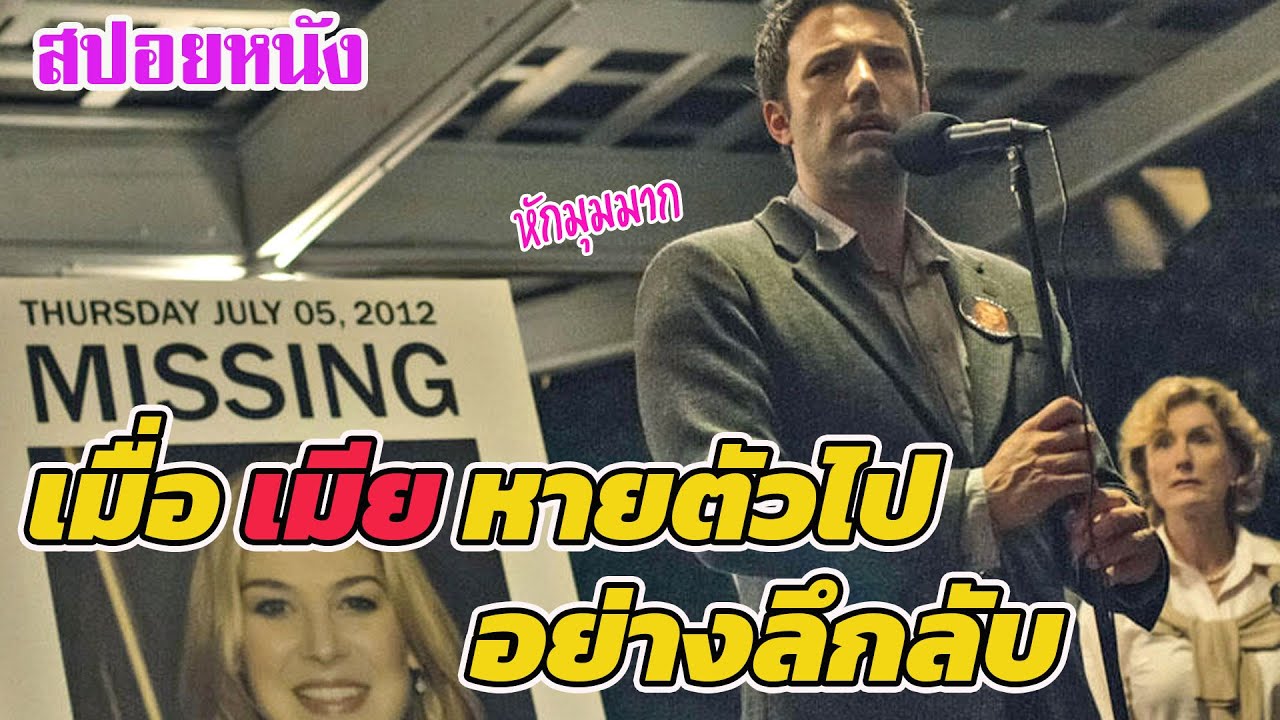
Amy Dunne from David Fincher's 'Gone Girl' (2014) exemplifies how childhood trauma and environmental manipulation can shape a character into a compelling, morally ambiguous villain; her parents' creation of the fictional 'Amazing Amy' character, which overshadowed her real self, drove her to seek control over others as an adult, demonstrating that complex villains often emerge from understandable psychological origins rather than inherent malice.
Amy Dunne: Villainy and Narrative in Gone Girl
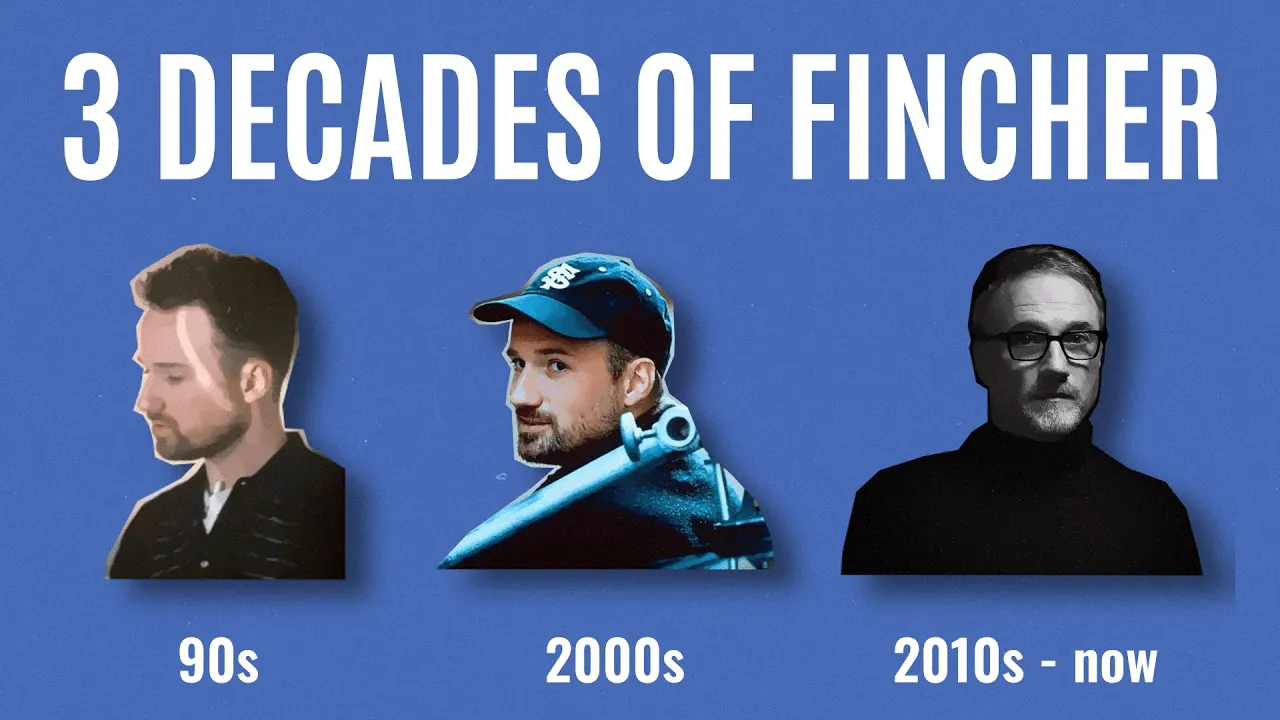
Added:Understanding of 'Auteur Theory' and David Fincher's signature cinematic style, including his use of clinical framing, low-key lighting, and precise pacing.
The concept of the 'unreliable narrator' in literature and film, particularly how shifting perspectives alter audience empathy.
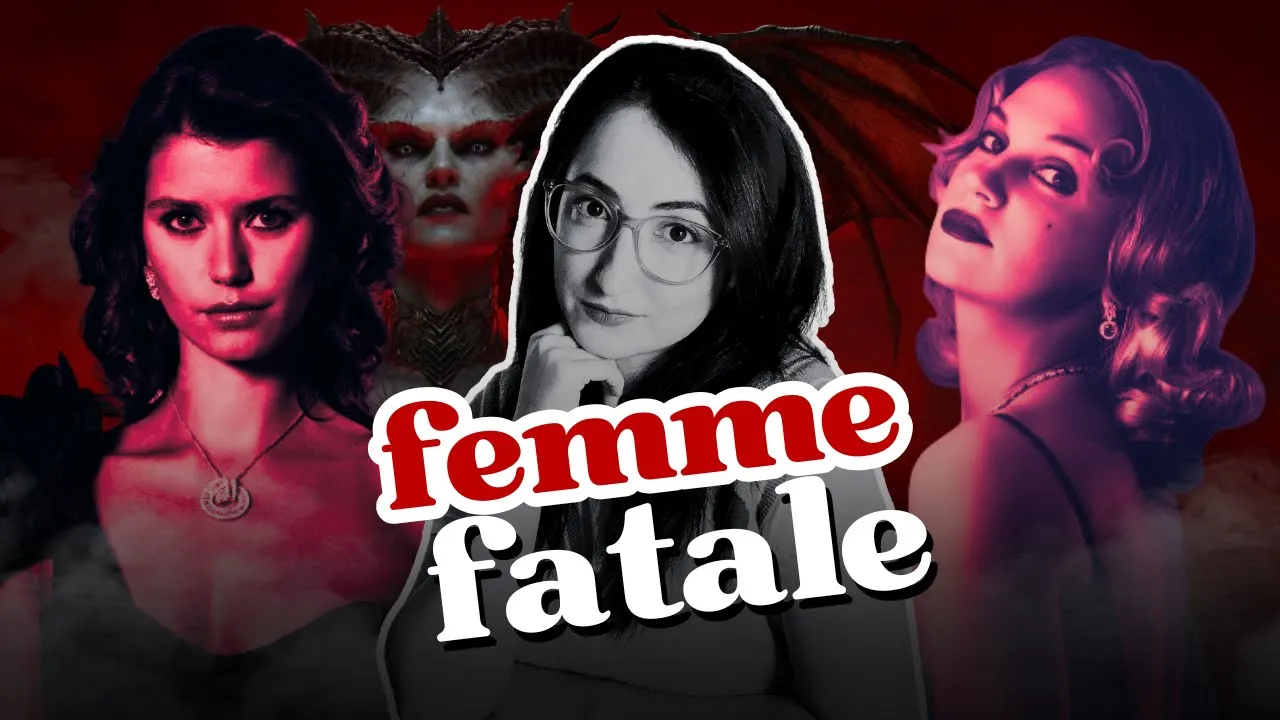
Familiarity with the 'Femme Fatale' archetype and the historical evolution of female antagonists in psychological thrillers.
Basic psychological concepts regarding personality disorders, particularly antisocial and narcissistic traits, as they apply to character analysis.
Advanced study of Feminist Film Theory, specifically looking at how the 'Cool Girl' monologue deconstructs societal gender expectations.
Analysis of media manipulation and public relations as narrative weapons within modern satirical thrillers.
Comparative character studies contrasting Amy Dunne with other contemporary female anti-heroes, such as Villanelle in 'Killing Eve'.
Exploration of screenwriting techniques used to adapt complex, internal novel structures into visual cinema.
6.8K views170likes1:03:28Original Release: 2023-11-29
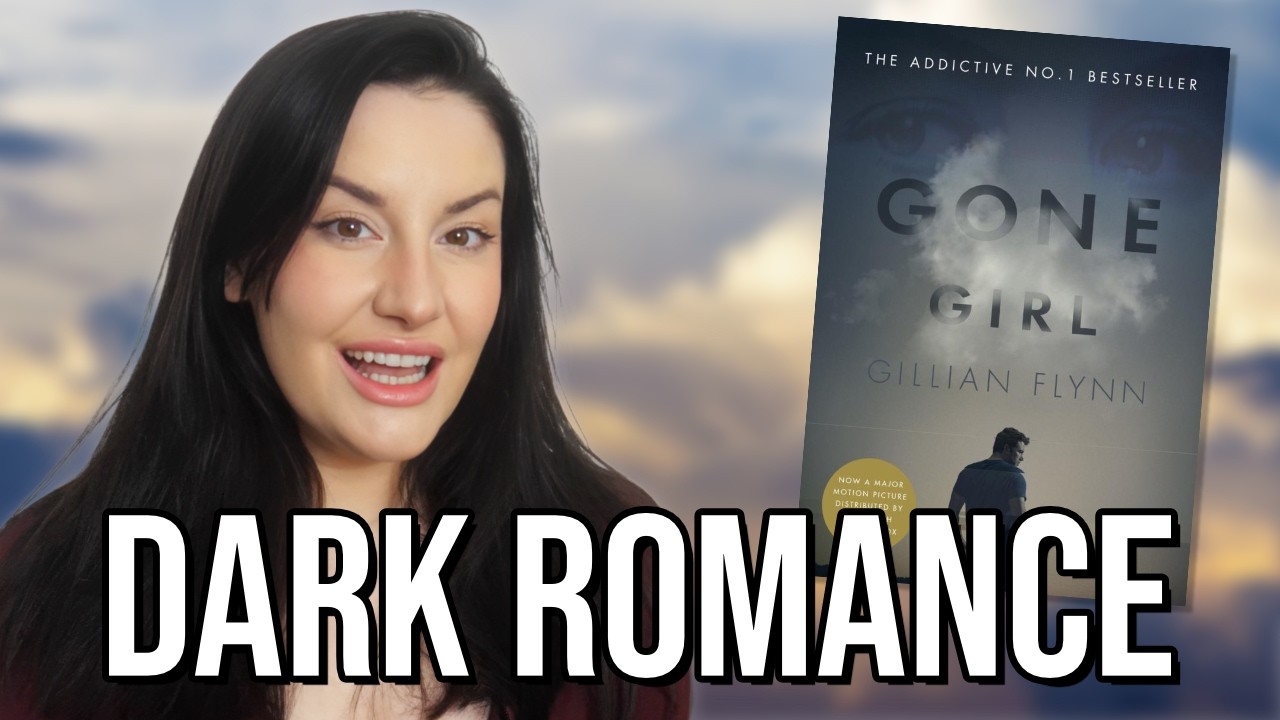
Amy Dunn is one of the most fascinating antagonists in cinema the last 10 years David Fincher directed The Incredible gong girl back in 2014 we're so excited to explore this Sinister conniving highly intelligent and sometimes very evil character with Izzy from Be Kind Rewind hi Izzy how are you I'm doing very very well how are you Fant excellent fantastic happy to have you here and welcome back to another episode of rers of lust podcast everyone we're doing an episode of evil expl of one of the greatest characters in contemporary Cinema Amy Dunn from gong girl and I just love talking about David Fincher movies in general we just saw the killer we did an episode on that last week have you seen it yet I haven't seen it yet but I'm I'm excited to see it I'm a big finer fan you're You're Gonna Love It I think because it has the aesthetic and tone of gong girl and Dragon Tattoo and I really love the style he's been creating but the character focus on his films is one of his greatest strengths as a filmmaker and the character piece and study of Nick Dunn and Amy Dunn both in gong girl is just sets it apart it makes it one of Fincher's best and one of my favorite Thrillers suspense movies of the last decade hands down Amy Dunn is one of the best written characters I've seen on screen this decade this this century and Jullian Flynn's book is incredible it really comes down to the writing and then the incredible performance by Rosman Pike she's absolutely dyn dynamic in this film and really makes the film work because it's a character who's like is she a villain or is she an anti-hero it's kind of like this gray area where you're not even sure I mean she's she's wicked and evil and she does horrible things but you know she was kind of created out of her out of her childhood and basically became this like kind of monster inside and you kind of really feel for her and understand everything that she's doing and where she's coming from so it's really comes down to her performance in the writing by Jillian Flynn oh absolutely um and I I think it's so impressive that this was her first screenplay I mean I Ro it again last night just to prepare for this podcast and there were so many moments where I was like this is so you know it's like groundbreakingly clever but it is a very well putut together kind of mystery strange subversion of the kind of psychological Thriller that um fer likes to do so yeah just the way that she kind of layers these stories together and puts you one way and then drags you another really quickly it's really fascinating so I was I was very impressed I was kind of the first I was kind of the perfect audience for this movie when I first saw it I don't even think I knew what the book was and and they were very clever about not putting any of the um spoilers in the marketing so when I when we get to that final twist and like the halfway point or whatever I was absolutely blown away I had literally no idea that it was coming so I really got the full experience of it it's great that you point out it's great you point out the marketing because the first image they released was an Entertainment Weekly cover and it was Ben afflac holding Roseman Pike's dead body in the morg and then the trailer ended with her body floating down the river so I walked in this movie thinking that she was going to die for sure so the twist halfway through absolutely floored me and well we don't want to spoil it right away or we kind of can I mean if you if you're listening to this episode you probably would you probably yeah youve probably seen Gone Girl but before we get more into it Izzy can you tell us and our listeners about you and your show and your your channel and everything what you do oh yeah for sure so um I run a YouTube channel called Be Kind Rewind which basically looks at Hollywood history and broadly through the stories of different actresses um it's not only that you know I do a lot of videos like comparing different adaptations of of novels or different film versions of things that have been made but um broadly speaking I just like to I guess keep the stories of Hollywood history alive and kind of use things like the Oscars as a McGuffin to tell stories about like different film movements or like how film and politics related to each other in the 50s and things like that so um if you enjoy that kind of thing yeah definitely stop by my channel I think and besides YouTube where can they find you yeah where can they find you besides YouTube uh yeah I'm on all of the social media apps um I don't use Tik Tok that often but I'm on there technically I'm BK rewind on Twitter and Tik Tok and then bore rewind on Instagram Tik tok's basically like a job requirement if you make cont whether you want to be on there or not these days it's like our bread and butter I I just don't have like the brain for like I don't know how to tell a story in like 60 seconds it's so hard for me it's tough but we we've managed to work it out for ourselves but let's get back into gong girl and everybody go check out Be Kind Rewind on YouTube and all the socials and like Anthony said one of the best parts of the character Amy dun is she a villain or an anti-hero and I think that it might be a misconception that she's an anti-hero because anti-heroes are redeemable and even though Amy Dunn has a lot of empathy built for her and her backstory her trauma and being used by her parents to create the Persona and basically of a Amazing Amy or competition which will obviously break down she's not redeemable because she does horrible things in this film commits murder and so I think for that fact she has to be labeled as a villain no matter how much you root for her and I root for the whole film every time I watch this I've seen this movie like nine times and it's because of Amy Dunn I don't think she can be a anti here I don't know what you guys think about that and what's interesting I I would get behind her being more of a villain than an anti-hero and what's what's so fascinating is she's a villain that wins in the end she gets what she wants she gets the husband Nick dun on on her leash and she's able to be able to control him now finally by the end of the film so she's able to mold finally be able to mold the guy she wants for the public perception of basically becoming the real life version of Amazing Amy really getting that husband locked down with the with the boyfriend from the past she was never able to really control them that much and they were able to break away and then obviously she she destroyed Tommy and we don't know too much about how she destroyed Desi but we can assume there's a little bit there because he says she kept him on a leash that's like the only line of dialogue we get from that but she's always been searching for the man that she can uh mold into her unrealistic expectations that were created inside of her psyche because of growing up with an amazing Amy Shadow so at the end of the film she's a villain that gets what she wants which you rarely see in movies yeah I think the answer is she's kind of all of these things at once like she is a villain she's an anti-hero she's a fem fatal um and not a lot of f Fels survive either so just a strange film in that way to see her kind of succeed but also kind of leave open the possibility that you know maybe 10 years down the line or 18 years down the line when their kid is able to leave home like that's exactly what Nick is going to do too that's kind of what he talks about with Margot at the end um so yeah I I don't know she's so strange and I think that's what's so compelling about her is you not only do you rarely see a villain win period but you rarely see like a female villain win and you just love it very violent yeah great point I love it so much and the thing with her I would love to just break down and we can all talk about the origin of this internal rage this internal monster that's been buried deep down that we see glimpses of eventually and that she's been giving glimpses of in her life but finally unleashing completely on Nick Dunn her husband which clearly started in her childhood where her parents created Amazing Amy based off her this book series however Amazing Amy is amazing at everything even though Amy Dunn's a highly intelligent person and very she's terrific at so many things she charismatic and but Amazing Amy was better than her at everything not just better than her at everything whether it was playing music or Sports she was a prodigy and like YY said she lived Amy lived in the shadow of Amazing Amy never being being able to achieve the things that amazing Amy could so her parents had a favorite child and it was a fiction fictionalized version of her yeah like great villains in of film and villains of the real world they're created through their environment and Amazing Amy was the creation of the real Amy because Amazing Amy wasn't just a proy wasn't just great at everything she succeeded at all of the real Amy's failures and all the real Amy's problems and then living in that shadow and in a way Amy parents took that away from her they took her successes away they took the things she wanted away from her and they took love attention um creating Independence in individuality and they gave it all to the fictional Amy and so that created this construct of a need for attention and insecurity and also the need for these unrealistic expectations because she's competing her entire childhood with this perfect version of herself on paper and so as an adult she's trying to create that perfect version of herself in the real world hence tring trying to find a man she can mold and trying to have a surface level version of the perfect life so that in that way everything that her parents took away from her she's trying to build as an adult yeah I think it's interesting that you kind of talk about Desi and kind of not being clear exactly how her manipulative tactics were used upon him um and thing that I found interesting this time around and that I never really gave a lot of thought to in Prior viewings was like when he gets when she gets to his lake house how it's sort of like she he's kind of mirroring her behavior so like he's really interested in her cutting her hair and like being the perfect version of Amazing Amy and it's only okay when she is like attempting to be that when she's in control of that versus like when somebody else is imposing that Vision upon her the way that her parents might have then that's when she's liable to kind of rebel and push back and even as we see get violent um so I thought that was really interesting to see kind of how she rebelled against that not not only with like her parents but also just in this very immediate kind of dangerous situation for her where she once again kind of loses control that's a great Point yeah because she wants to control it not someone else control her and he said he says the line I just want you to be you again yeah yeah exactly yeah and what's interesting about Desi on the surface he you kind sort of look like he's already what she would want in terms of the perfect person he's very wealthy very intelligent connected on the surface it's like that's the guy that Amy is trying to take all these other guys mold them into but probably because he's already fully formed in terms of that she can't mold him and like uh Izzy said that he's controlling her maybe that's why she's not attracted to and she broke up with him too that's exactly why Desi became this version of himself on his own whereas he this is why she goes goes back to Nick because she realizes Nick's the guy I can control and Nick's the guy that I can have do whatever I want and become the person that I can keep on a leashing away whereas Desi she've quickly found is going to be the one in control and the one in power in the situation if she's in a relationship with him she would be completely powerless yet again and so with Nick she can have the power so that's one of the reasons why she goes back to Nick that's a great Point yeah and I think part of it this is why the casting of this film is so smart to me I mean I really think every single person it's just so on point like there's kind of this boyish glamour about um about Ben Affleck or like every girl I knew had a crush on him in like 2000 you know what I mean so did I there it's just like he was that kind of guy and like that kind of face and so there's something about like being able to mold that man specifically into your ideal versus like Neil Patrick Harris has hasn't is kind of beloved I think but not that in that way so like her kind of being able to find like that cute guy that everybody wants to get to know or like has a specific type of charm um is kind of part of the the package too where she's looking for a very specific kind of victim as a easily follows her yeah not to mention Ben had so much controversy with the press and tabloids for 15 20 years and he already kind of was sort of a Nick Dunn character where Nick Dunn's placed in the public eye everybody either loves or hates the guy Ben had that for like 10 years and we've always loved Ben Affleck and we're so great he had such a incredible Resurgence as a filmmaker and actor the last 10 years but in the 2000s he was just tabloid material he's making some very mediocre Mater movies and everything and also I mean Nick dun Amy made a mistake by marrying Nick dong thinking that she could turn him into the perfect guy but what she didn't really understand is uh once she lost the power in the relationship he just is going to be that same guy he always was like the guy the selfish guy narcissist who likes to drink beer and watch Adam sailor movies but she felt that she could change him after becoming the cool girl to attract him she could turn him into the husband she wanted but then she lost the power in the marriage to the point where she was just there and he was the one in power and he was the one using her for his own own narcissistic needs and own selfish desires so she completely became powerless and she didn't realize and that's the reason one of the reasons why she ended up hating him is because she didn't realize that this guy he really couldn't be changed until she got the power over him in the Final Act the third Act of this movie is incredible where she impregnates herself with his stored seen locking him in and basically take s taking away any of the power that he had so then now for the rest of the their marriage she can probably turn him into that perfect husband but at first the first time around with the marriage she didn't realize that she wouldn't be able to have the power to change him into what she wanted him to be so she was blinded by she's always been blinded by her unrealistic expectations which are put upon her by Amazing Amy and so when she looks at a man she's like she doesn't look at his flaws she doesn't be she doesn't think like oh would I get along with this person can we have a good marriage it's like how can I turn him into what I want him to be and that's that was the M mistake she made with every relationship and with this marriage at first I think it also shows the ending kind of shows the shortcomings of like a psychopath's love I guess I don't know how else to put it but it's sort of like she feels the way that Rosman Pike kind of performs the last couple of minutes it's like she's very secure in the fact that she won you know it's like she's making this breakfast and she's like I need you to do this so I can feel safe which is a threat basically tucking him into bed yes yes yes exactly but like clear like he can f fake it like it's very obvious that he knows like how to manipulate her because he knows what he wants so it's almost like by being so aggressive about her own standards she also reveals like the ways that she can be manipulated too um and that's kind of what he does in the interview with the journalist where he's sort of like I I know exactly what I can say to bring her home um so it is kind of that push and pull between the two of them knowing each other so well I I like to always look at their marriage and wonder if they even loved each other because multiple times Amy talks about how they're playing roles you know they both played and act in this marriage and Amy became cool girl and then Nick became the guy that she wanted and I have a great line from her that I would love to to read out so Nick teased things out of me I didn't know existed a lightess a humor and ease but I made him smarter sharper inspired him to rise to my level I forged the man of my dreams we were happy pretend ending to be other people we were the happiest couple we knew and what's the point of being together if you're not the happiest but Nick got lazy he became someone I didn't agree to marry he actually expected me to love him unconditionally then he dragged me Penn penniless to the naval of this great country and found himself a newer younger bouncier cool girl you think I let him destroy me and end up happier than ever no [ __ ] way he doesn't get to win so they both know they're playing roles in this marriage but what happened was Nick stopped playing that role and became lazy and then found someone new and it's really like that perfect Persona the perfect front it couldn't it it's in incapable of surviving hardship so they both lost their jobs and then his mother was sick with cancer and ended up passing away so the real life hardships made these P these uh personifications of themselves crumble basically with no Foundation yeah I think that's totally on point and I know like I I'm really fascinated by the debates that have kind of sprung up about that monologue specifically I mean I feel like that was a big talking point when it originally came out in 2014 of does the cool girl even exist what does that mean is she right is she wrong is she actually misogynous it's all of those kind of debates wrapped up into one but I think what's kind of valuable about the film is that it makes us ask those questions like what is driving her crazy what is this standard that she's looking at like how does it play out in our own lives so I think it's maybe like flawed when that debate happened to frame it as like is she right or is she feminist or all those kinds of things it's just kind of like better to engage with those ideas and see what kind of conversations come out of them yeah I think the cool girl I actually related to it when I first watched the film because I think we all do that until we find ourselves because when we're young and we're trying to court someone we're trying to attract someone's attention especially if you're like a teenager or even even in your early 20s before you're confident in yourself and this is maybe because she didn't have any semblance of a normal childhood if you're interested in someone you're like oh maybe if they if I listen to the same music they listen to they'll like me more maybe if I dress similarly to how they dress maybe they'll like me more so in a way well I personally definitely when I was a teenager would change things about myself to attract the person I had a crush on I can confirm that and so I think that's an actual that that's a reality that I think a lot of people face and then this just took it to the extreme because because she never really grew out of that childhood sense of needing the per the perfect husband and I think that I think for me personally I really myself related to the cool girl monologue in that regard not to that extremity but in some ways totally I mean I think what's interesting is like the examples that she uses she you know she's driving down the highway and she looks at the other women in the car and kind of guesses what men they're trying to attract based on what they look like and what I think is really interesting is that like she doesn't necessarily form herself to what she thinks Nick would want like she she she talks about it but we never see that happening like she talks about you know watching the Adam Sandler movies and stuff but when we actually see her in flashbacks she's like pretty contemptuous of everything that he does by himself um and so it is just sort of this looming like parental societal standard that she's actually more concerned with than actually like what her husband is doing and interested in yeah it's actually kind of connected to Barbie with the societal standards of the men and women and like what we're told from like a corporate level and from media of like what the perfect version of ourselves would be to attract someone else that's actually interesting and one of my favorite parts of the film and I think one of the great strengths is the nonlinear storytelling as well as the unreliable narrator which we love in a finer movie you know Fight Club is one of the best examples of the unreliable narrator but Amy Dunn is very much an unreliable narrator because we get a great job of of reality in terms of the journal entries and the diary entries of things that really happen that morphs into fictionalized versions with a Sprinkle of reality and truth but as the audience your first time watching it you think it's all real because she's such she she's been reliable for the First Act telling the story of their courtship which is very sweet and Charming I love the way they meet and everything and how they eventually get engaged it it's very cute and I like that it's the library stuff and everything like that the the the powdered sow his chin it's really Charming stuff in the I like the courtship phase because it's very endearing and we believe Amy and everything she's telling us in her journal entries we believe that Nick is becoming emotionally abusive which he eventually does and physically abusive which there's probably no confirmation that that actually happened but when we're watching it we believe everything that Amy's telling us in her journal entries it's not until she disappears that big twist the reveal of fading to Black we hear the great shift in music and after Nick opens the garage and finds everything in there and she's on the freeway living her life and just her plan has succeeded and we're like oh my God Amy's alive it's incredible and then you you can't trust to the rest of the film but you root for it entirely it's interesting that you point out the the writing because we learn in the second half of the film she started the diary as a whole plan and she says I get to include everything even the good stuff uh for this master elaborate plan but the thing is what's interesting is fantasy and novelization of things is ingrained in her entire life obviously Amy Amazing Amy the novels that her her mother wrote about the perfect version of her then also we see Amy reading a lot and this is before she was even doing her plan she's a voracious reader has a book in her hand exactly so she lives in the fantasy Skelter Yeah Yeah it's a kind of a weird one um so she's always been invested in fantasy and there's another great hint of that when they're doing the first scavenger hunt this is the first after they just got married and they're doing the first clue hunt back when Nick enjoyed it and they were a happy couple and one of the clues is found in a Jane Austin novel in the library this is basically showing that she desires that Fantastical romance from those novels that real that fantasy F passion that fantasy Romance the unrealistic romance but she's obsessed with fantasy and she's obsessed with maybe attaining that kind of unrealistic version of a romance and a relationship and so that's why she puts it in the Jane Austin book I think so the idea of fantasy and creating these out of fiction it all lends into the writing of the diary and then being a child and being in the shadow of this fictional version of herself and I think Fincher's style of film making is like the perfect vehicle to kind of deliver that fantasy because it's never I mean Fincher has a very specific like mode of film making and it is very it is unreal to me and it is a little like like scary by style like not in an intense way but it's like intimidating and a little bit cold and calculating um and so to like tell that story through his lens specifically where it does feel like something's a little bit off it's not ever going to be a happy ending like that kind of slow shots held shots uh the Trent Ross attakus I'm not sure if I'm getting their names right but attus Ross yeah resar attakus Ross yeah yes like that kind of music imprinted on it like there is something so just uncanny about it that makes it feel Fantastical but in a way that is not like this is a romcom it's like this is going to go sour quickly somehow yeah he actually asked them to make a their version of spa music was that was that was his direction for their music and there you get that sense of it's soothing but also kind of like puts you on edge at the same time yeah yeah and then when eventually Nick starts to get all the clues and starts to finally before he starts opening the garage and then the the music starts to get really dark halfway through the film it's really powerful stuff because like Izzy you're just saying he creates this tone not a lot of filmmakers can create their own kind of tone cubric could do it uros Lanos we've talked about multiple times is able to create this sort of tone like they're all URS Fincher is an artour but not many filmmakers create their own world it feels like you're in a different reality sort of and you just know something's wrong something bad's eventually going to happen no matter what movie you'll see of a Fincher movie obviously you're going to feel it when you eventually watch the killer for the first time that tone is still there great but you just know it's a finer film just from the feeling of it and what he's doing directing wise and I think you're right I think that he was the perfect director for this story and he really did a great job portraying Amy Dunn psychopathy because I would say she's psycho a psychopath and the biggest piece of evidence is that she has no real personal relationship so she never has had any friends the only friend she makes is the neighbor and she only makes that friend because she's manipulating her as a piece of evidence in her story other than that she's never had any actual friends and the only the only Rel relationship she's ever had in her lives are the men whom she tries to control and turn into the version of themselves that she wants them to be so that's been every single version of a relationship in her entire life she's never really looked for any kind of personal Mis any kind of personal connection or a human connection to another human being ever good point how about I run through Amy's plan real quick yeah and then we'll head to our intermission and have some fun trivia games does that sound cool to you guys let's do it all right so Amy's plan basically is months of work putting this master plan together which involves creating relationships and fak fake friendships like Anthony was just talking about with people months of mostly fictional journal entries which describe Nick as a continuing emotional and eventually physical physically abusive husband as well as a cheater and neglecting her using her credit card to buy a garage full of things under his names also upping the life insurance policy under Nick Dunn's name elaborate clues for the treasure hunts which are all basically an attack on Nick's personality and Nick's nature a way to degrade him and connect him to his fallacies basically uh like putting the panties in the office of the cheating and then the punch Judy dolls he draws her own blood to Stage her own murder a ridiculous amount of blood hides the diary inside that burning stove at her at his father's house as well as plans to eventually kill herself in order to Nick dun to put Nick Dunn into prison that's how far she's going to go she's going to kill herself to frame her husband for murder so that he suffers and fits a punishment she deems worthy of what he's done to her it's a master plan it's awesome it's wild really I mean okay also I think we should we need to mention I don't know if you feel this way but I think this is one of the funniest films I've ever seen yeah I crack up in this movie I crack up so funny a little Post-It note that says kill self kill self kill self kill self and then eventually her plan changes where Nick starts to get a little control in the situation getting the favor of the public by going on the television program she shifts her plan and goes back to Nick by Framing Desi as a rapist and basically kidnapp her and holding her hostage in his home murdering Desi while he's climaxing covering herself in Blood and then eventually going home to Nick keeping the portrayal of her being this victim of both parties of Nick and Desi but getting control not only over Nick killing Desi the person who's been obsessing and following her for years that she fed into but then G also maintaining the public eye of her being Amazing Amy it was a masterful improvisation and show that she always had this amount of intelligence and capability and and motivation and will but both her parents and then Nick kind of pressed that out of her and dominated her and prevented her from ever really showing how talented she was in the final part of the plan the contingency plan that NY talked about of impregnating herself trapping Nick for at least 18 years in the marriage yeah it's genius it's like I I wish you had you just used your talents for other things be a party planner well you can blame her parents really I think that's where it comes down to blaming her parents so yeah we can get into her parents in a little bit Yeah but let's go into our intermission but before we continue the best way to support Raiders of the Lost podcast is to become a patron at patreon.com Raiders ofthe lost podcast every Patron has access to bonus episodes of our show every single week as well as an adree experience of every single episode of the show for a minimum $5 tier that $10 tier gets you access to our Discord we have $2 $5 $10 $25 and $10000 they all come with Incredible perks so definitely sign up today you can also help us by spreading and sharing the word of our show it's the best way for a podcast to grow is word of mouth and leave those five star ratings on Spotify and apple we're at400 on Spotify almost at 2,000 on Apple they help us get seen and rank on these apps really high so thanks to everyone who's left us those reviews and thank you so much again for all of our patrons and again you can get the adree experience on our show on patreon and Spotify with the $5 tiers up and of course our episode is sponsored by our friends at movieposters.com the number one place to get your posters online today be sure to use our promo code Raiders 10 movieposters.com to get 10% off your order right now they have a huge selection of pretty much every movie and TV show imaginable in their poster Library as well as all sorts of sizes Framing and even backlighting for your poster needs they make a great gift for the movie lover in your life the holiday season's coming up so be sure to go to movieposters.com for all of your poster needs and use our coupon code Raiders 10 to get temption off your order right now all right let's head into our intermission everybody Izzy this is your first time joining us so we're going to do some fun games and the first one is a movie quote competition everybody I'll go first y'all ready let's hear it all right I don't know man I woke up this morning to a tape of you slicing your arm open and punching the mirror you seem pretty [ __ ] up to me oh say it again I don't know man I woke up this morning to a tape of you slicing your arm open and punching the mirror you seem pretty [ __ ] up to me I have a secondary if you guys need another quote I'm gonna guess Nightcrawler you got a guess is he uh no I don't have a guess it's going to be well I'll give I'll give you another quote so I have two because that might be tough come on buddy after a long day of Turing tests you got to unwind the imitation game no oh um X moina yes oh nice [ __ ] great good one great quote okay here's my quote no matter what anybody tells you words and ideas can change the world say one more time no matter what anybody tells you words and ideas can change the world is this like a biopic of some kind it's not but it's an awesome pick I I feel like V for Vendetta but we just did that I don't know I don't know I can give you I can give you a hint sure Ethan Hawks in it oh is um freaking formed no um Captain my Captain what's it called societ Society oh damn damn carpium yeah O Captain by Captain was too easy yeah I feel like that is actually the exact opposite of what something he would say in first reformed now um okay mine for you is I will speak for you father I speak for all mediocrities in the world I am their Champion I am their patron saint now that's a good one could you uh say it again please yep I will speak for you father I speak for all mediocrities in the world I'm their Champion I'm their patron saint I'm stumped I don't know stumped give you a hint sure spoken by a musician of kind of yes or someone involved with music it's not helping me is he is it um is it a Wolf Gang I mean is it amadas yes yes oh man nice yes good job good quote all right you I love that movie guess this movie release year what year did Big come out three 91 1988 oh damn that is an old movie 80s movie damn really misjudged that wrong decade all right what year did Dead Poet Society come out oh I've literally no idea try to think of like how Rob Williams looks in that 1992 uh$ one Bob no I don't know I'll just go with that 1989 wow so close see that's my weak spot is the 90s and 80s especially around the late 90s early late ' 80s early 90s it's easy to mix them up yeah yeah film all kind of look the same jeez yeah I guess so okay what year did beston Show come out I'm gonna go 1997 19 992 2000 oh my god wow wow oh goodness I was way off we all we all suck let's move on to the movie pop quiz maybe we'll have better luck so we all talk about movies for a living what all right Scarlet Johansson has two Oscar nominations can you name the films that she was nominated for marriage Story one and JoJo rabbit to you guys did it there you go nice job air five air five hey I'm surprised she doesn't have more she was in the MCU for a while you know yeah that's what MCU does yeah what was Ben Affleck's feature film debut as an actor now he was an extra in a couple of movies but I'm not going to count those this is him actually performing being an actor what was the first movie he was an actor in I'm going to it's is it the one with Matt Damon Matt Damon is in it School Ties School Ties well I mean the way I said that it's like that could be seven pretend that's what I was talking it was it was actually ER that just came out this year so when did um moratz come out like after that marats was 97 I think right Marat was right before Goodwill Hunting two years before goodwi hunting so M was like 9495 and then School T was early like 9394 yeah they actually so Damon um Chris o Connell Ben Affleck every a bunch of people went up for the lead role that Brendan Fraser plays is a bunch of like now famous celebrities big- time actors but Fraser is the one who won the lead role yeah I don't think I've seen that so oh it's great it's great got that question right yeah you got it and help yeah Philip seamour Hoffman as well is just Philip seamour Hoffman's first movie too that's cool oh wow yeah he's great in it all right according to Ellen Burston how many deaths are associated with the making of The Exorcist in 19 in terms of like casting crew or like in general uh well Associated it's like all of this kind of happened around like during the production Yeah we actually did an episode last year for we did Exorcist a curse production and kind of broke down all the curses involved with the Exorcist I need to watch that one I need to I'm going to say if we're talking about like cast and crew and stuff like that I'm gonna say four four JS she says nine damn a lot yeah like I think they're count I think they're stretching it a little bit she might be including the serial killer who was in it yeah gaffer whose mom died of like yeah long she was 98 she she was 106 died out of nowhere like coincidence I think not it was the devil exactly all right uh next up we're gonna do let's go uh some fun things from the film what is your favorite line from gong girl best line oh favorite line from gong girl can I curse on here yeah go ahead perfect okay I mean clearly mine is I'm that [ __ ] that's a good one mine was I'm so much happier now that I'm dead I love it yeah mine would be I forgot to do this one sorry um you forgot your superlative man I thought we were just doing the the intermission part not the superlatives wow I will wing it right now you got this man you're a smart guy my [Laughter] favorite my favorite line should I know my wife's blood type no no I think octopus and Scrabble is a real runner up for me too all right next up what's your favorite scene from Gone Girl my favorite scene has to be the the Montage of which kind of not so much a scene but the Montage of Nick discovering everything the truth but then opening the garage so the garage the garage door reveal with the music and then it's just a shocking sequence it's incredible that's great that's like the reveal of the twist for you oh mine's definitely the Desi murder um specifically the little hair shake she does where like somehow her face is the only thing that has zero blood on it it's so I love it I love how for like a second she's like what did I just do but then she's like nope everything's cool I think she's I think they did that to fool the audience and being like Oh does she feel bad like no she doesn't care at all she never had it and then my favorite scene was the reveal of Amy being alive in her car and then that Montage of her narrating her the SE series of events that led to her um framing her husband I think that that's like that three minute sequence is incredible unbelievable all right now let's move on to our streaming recommendation for a listeners James what do you recommend people watch this week so my stream recommendation is going to be a movie that's on Max Fargo the Coen Brothers classic love this movie don't you know yeah it's great murder mystery as well oh yeah yeah yeah good on my recommendation is the killer on Netflix we just did a review of it so check that out it was a great episode and I love the film um mine is Jericho which is on movie um it's directed by Christian petzold it's an adaptation of postcards from or not postcards what is it called um oh God hold on I feel embarrassed that I'm Mis remembering what this is called um what what what what else did pencil do he recently did a he did like an Indie comedy he did Phoenix um he did oh I'm thinking of a I'm thinking of a different penil I'm thinking of James pencil Postman I'm thinking postcards but it's Postman it's an adaptation of um Postman Always Rings Twice But it takes place in like modern Germany and if you're into like scheming against your shitty husband oh it's it's a relevant pick I love it I think it's relevant I'm adding it to my list it's about like bad marriages and cheating and uh you know trying to get rid of somebody you don't want around anymore so I think if you like this film it's it's a like artsy kind of foreign film that's a version of that a little bit check it out put it on the watch on my list very cool all right let's get back into our episode breaking down Amy Dunn from gong girl everybody and how about we talk a little about a little bit about Nick and did he deserve what he got from Amy D now Nick is far from a perfect husband he stopped putting in effort like we talked about he makes Amy move to St Louis without even asking her obviously his mother's sick and she goes of course but she says that line if he I would have liked to be asked I wish he would have asked uh he becomes unfaithful to Amy starts kind of using the same courtship te techniques that he does with her especially the the sugar storm the sugar clouds and the chin thing he becomes emotionally abusive and an Amy's perspective effective he milks her for every scent she has takes everything away from her the the woman she was and the woman she was trying to be for him and for that she plots this insane wild master plan of extreme revenge against him framing him for her own murder sending him to prison and even the death the the electric chair or injection and just the life sentence yeah so I mean does he deserve all this absolutely not what he deserves is a is a divorce that's what he deserves but but I think that Amy's entire childhood and how she's developed into this psychopath is really like it seems to make sense and all everything is fueled by rejection so Nick's rejection of her Tommy's rejection of her Desi I'm assuming didn't never rejected her but there's I it's just really fascinating the the great area of not really knowing too much about that but we just get he's just too he's obsessed with her that's the thing stalks her exactly so but what but Nick does reject her you know he he starts dating another woman he takes her kiss from their kiss from her and Tommy rejected her in terms of breaking up with her not wanting to be with her anymore and so she can't deal with rejection because her entire life was rejection so in her eyes this is what he deserves obviously yeah nobody deserves what happened to um yeah I mean I think um divorce probably would have been nice for both of them and it's a they never really came around to that but you know yeah I think um I mean I think it's interesting just kind of thinking about Nick since they're both kind of exploiting and playing with stereotypes about men and women um it's interesting to think of Nick as like a representation of that and like these I guess weak kind of manipulative men who like aren't um who would like to find like easy routes to things I guess uh and how that plays off of her kind of being the strict does she she uses the word true I think yeah or like Harpy or something like these very stereotypical like harsh words to like describe herself and who she kind of has become um so yeah I think Nick is really fascinated for that reason but yeah I don't think he necessarily deserved either the death penalty to be sentenced to that kind of jail marriage that he he leaves us with know but Nick is just as much a narcissist as she is and really is the center of his own world in a lot of ways but what's interesting about Amy is she always pursues weak men and like unformed men because she could she she could date like fully formed very responsible great guy successful doing his own thing but she chooses to avoid that and there's actually a hint of that at the party where they meet she's getting a beer for the guy she's there with and Ben Nick Dunn even jokes like oh which one is it so she's clearly doing a favor for a guy like shouldn't the guy get the beer really like shival she doesn't care about chivalry she's already serving the guy she's there with and he's probably like a loser that she's thinking I can mold him into what I want so she always goes for like underdeveloped Manch Childs to try and be turn them into the men she wants and I think that party of her she's on the way to bring a beer to that guy is a great hint that she's always she always goes for weak unformed men in not completely unformed but someone beneath her like that's why she says I I brought him made him sharper and smarter and brought him to my level so someone beneath her that she can control because she needs to she needs to feel Superior over somebody because she's always been inferior to Amazing Amy the fictional version of herself yeah great Point yeah that's the narcissist in her I think that's also that I think it's interesting that Nick writes at a men's magazine like a men I think it's it's some kind of men's health or like men's I don't know lifestyle magazine yeah it also kind of implies like he moldable but he also understands the standard to men should be molded there's kind of like a fluency that you would need to write for that kind of magazine to say like oh this is like what a fashionable man looks like or this is what like the fittest man would look like or who Charming men are you know um so it's like he can kind of is he's more equipped to play her game than some of the other men that she's he's help yeah he's helping mold readers yeah he's telling readers how a man should dress and how a man should drink a beer that's a great cor what kind of watch they should wear so that's the kind of things he's writing ironically and her revenge is always personal no matter who's it on so Tommy he didn't like one of the things that she was doing for him was getting those ties that he didn't like that he wouldn't like to wear and what she do when he starts to distance himself from the relationship she ties him up with the ties or ties herself up with the ties and Frames him for rape with the ties that he bought that she bought him that he wouldn't want to wear I love when Nick asks Tommy did you do it and Tommy goes did you so her revenge is very personal and then that stretches even more to Nick the revenge is the treasure hunt leading up to this insane reveal of the garage all these Clues which have always been a sweet part of their courtship their anniversary tradition doing these Clues and it's very sweet like we're so cute I want to punch Us in the face when they get themselves the accidentally the exact same gift but using the clues as a personal form of Revenge just adds so much more to the character that she takes it so personally and I think she takes things personally because she she loves fantasy and she lives in fantasy and so she can't cope with reality and that's why the marriage falls into disillusionment one of the reasons why is because when the real world hits them like I said earlier they lose their jobs his mom dies they have to move they have to basically change their entire lives that's real life real life has troubles real life has hardships and problems and fantasy can't handle that and so when she's brought down to reality she can't cope with it at all and I think that's partly why this since we were talking about how funny it is like I do the there's kind of a like the way that we talk about camp or something is kind of that intersection of where reality kind of meets like parody of reality and because she is so focused on that fantasy it does like Verge into par and unbelievability so quickly like this isn't I don't think a film where you're meant to take anything exactly literally like everybody's a little ridiculous and everybody's a little like strange and not serious and that's why I love that line it's like a very blunt I don't know punch line where Tyler Perry's character it's just like you two are the most [ __ ] up people this is just like it's so true like you know you sit there the whole time and somebody finally says it you know like you y'all are crazy just relax I love how he immediately believes Nick dun he's like I believe it this is some crazy [ __ ] but what's so great about Amy with the film making is the bookend obviously of the different Expressions on her face leaning on Nick's chest The Identical shots but also Amy Dunn is like I we I love characters that transform but for Amy it's not like she's transformed it's more like she's been in a cocoon her whole life and now she's finally let out of that cocoon she's finally showing who she truly is inside she's been taming taming this monster inside this rage she's only let out pieces of it at a time but now at the third Act of the film when she gets back to Nick after murdering Desi Desi murdering Desi is probably the final step of her kind of me her metamorphosis into her true identity so now she's out of this cocoon out of this shell and she's finally this is who I am you married me this this is it baby you wanted this and I'm I'm the best thing that ever happened to you and basically this is who I am and she can finally be herself which is beautiful in a way but also horrific when it's a sociopath murderer yeah she she can be herself in front of Nick but not around anyone else so she can she's finally free in the house but on the surface she's be it's it's ironic because to the world she's become Amazing Amy she's become a star she's become a success and she's become famous just like Amy amazing was and it's interesting because at the end Nick obviously says he stays with her for the kid but I also think there's part a part of Nick wants to stay with her like he's choosing to for his own reasons too I think there's a part of him that maybe wants to be in this marriage now not just for the child what do you guys think maybe in the sense that like the ruse is up you know it's just at at a c it's like they've shared this extreme almost trauma together where honesty is now the only way to maintain the game and it wasn't before before it was we're lying and we kind of know that but we can't say that to each other and now it's like everything's on the table cars and there's kind of a Clarity in that but I wouldn't I don't know that I would go as far as to say that he's um like looking forward to their marriage but maybe that is a sigh of relief a little bit to just be like I know exactly what this is that's actually a great point because the the first things we hear are the narration what are you thinking how are you feeling what have we done to each other what will we do so there's a sense that even in a marriage you don't fully know the person you're married to and clearly both these people misread the other person absolutely and then at the end of the film you're right that look of this time in the first shot she kind of glares at Nick when she looks at him and then the final shot of the film she smiles with a sense of contentment uh and so I would say maybe that's a great point that they're all cards are on the table now so maybe the marriage will go differently I don't yeah but I don't think he's happy to be there and wants to be there because now he has to play the role that he didn't want to play when they were married before everything happened and started to phase out of it now he has no choice he has to put on this role forever and he's trapped because not only with the with the pregnancy but the world the country are all rooting for this couple and Nick is the target if he messes up he's going to be a horrible person he's going to be labeled a cheater and an abuser and everything and the world will go after Nick Dunn if he [ __ ] up abandoning his wife who was kidnapped so he has no choice he will have no life if he leaves Amy that's a good point yeah I think it's really telling to kind of think back on what might have actually happened in their marriage um because we're kind of LED with that unreliable narrator through their Origins and things like that but I think it's really telling that like almost from her first entry into the film like Margo hates Amy and clearly and Margo's kind of I think like the voice of reason like her and um Rhonda Kim Dickens as the cop two of them are kind of I think interesting to frame against Amy because they're so grounded and um well-meaning and like thorough um and a little bit cynical but they contrast her really well because they kind of I think pull the film back from just being like aren't women terrible yeah they they balanced that out quite yeah it's import yeah I think it's important to have them because if it was just Amy and there were no other strong female characters that were normal it would kind of be like is that what the film's saying but then you especially Ronda who is so good at her job and commands every scene she's in and then ends up seeing the holes through Amy's plan and tries to question her and everybody yeah she's the only one everyone else is like offended that she's even questioning this woman who's been through so much abuse like how dare you even question her story that doesn't add up I love I love the character of Ronda I think she's vital to the film working because her partner just goes along with whatever he's presented and doesn't really think formulaically and try to look inquisitively at what's going on like she does and I feel like a pro an issue that a lot of people have when they watch films or or misinterpretation is they'll see a specific specific kind of character like a female character like Amy Dunn and attribute her characteristics to like every female character in film and or or women in general same thing can happen with male characters and attributing all those traits to men in film or men in the real world where it's just at the end of the day it's really just one character and it's a Fantastical character that we love to watch and she does horrific things but it's not reality and I think it's a problem when people try to associate like Amy Dunn is sort of like a problematic ironic anti-feminist character in a lot of ways where you see that online a lot people say is she a feminist character is she an anti-feminist character you brought up earlier is she a misogynist character where really at the end of the day every person's different so I think it's wrong to attribute just one one character from one movie to an entire gender of characters in film and Cinema and TV yeah I mean you don't want to say like all women are psychopaths because of this movie and then and then it takes away the possibility of having really interesting great characters like Amy Dunn but you can also have really great interest interesting female characters that aren't murderers at the same time so I think you can have it all but it's it's an error and judgment I think a lot of people and I've seen online a lot where you connect Amy Dunn with oh she's an anti-feminist character or a feminist character she's a mix of everything that's the great irony of the character it really comes down to Jillian Flynn and her writing so strong that it it creates that kind of reaction because it's such a well-written character and such a well-written story it's one of it's one of my favorite screenplays of the last uh couple of decades it really is that great of a story and she's such a talented writer I think it's when the writing is that strong people will have strong reactions to it good and bad totally I mean I do I think like especially when the film was released I think there was a lot of there was like some validity to it that I felt was necessary and a lot of critics pointed out at the time where um like it is it is an individual film but it's also part of like a Trope like the Fatal Attraction Trope and that kind of thing but it was Al I think especially in the minds of critics at that time because there was what was that there was like a um a guy who went on like a murderous Rampage and he like murdered five women who like didn't give him enough attention oh my God like that like right before the film came out and so everybody was kind of on this like very attuned to these conversations of like violence with respect to like art like our women lying and all of these kinds of things so I think like that is a valid conversation to have but sometimes I think um Barbie actually pointed this out really well where it's like really like this is a doll yeah you know what I mean like it can't this is a film it can't hold everything about this culture and like what is wrong with it in one place and sometimes like you have to take into consideration like the tone of the film and what the film is trying to say like this isn't a literal film it's not I don't think it's a political film even in that sense like there's some sociological things to take from it but I don't think it's like David Fincher sitting there being like like women lie yeah like you have to go to it I think with a little bit of Grace and not take it quite as literally as maybe some of the scenes are and that's why I love tar so much the film tar St and so Lydia tar is another great female character that's flawed and I feel like Hollywood was has been afraid to tell stories of great female characters that do have flaws or aren't perfect but I love movies like that because that's we're all flawed we all have our great character traits and negative character traits and I found Lydia tar to be an insanely refreshing character she's obviously not a murderer but she does have she does do bad things I bet she would if she had to she could she would do anything for her success she tormented a child okay yeah lar she's pretty messed up but she's also a great character at the same time and people are complex in Amy dun's a complex character lady Atara is a complex character I think they're both connected somewhat in a way but that's why I love the character so much and I'll be thinking about these characters in 10 years in 20 years 30 years revisiting these movies I mean yeah that the Amy Dunn is going to go down as one of the great villains in film history I think in the century absolutely it's already regarded as one of David V's most loved films and he's got such a crazy track record of great movies it's hard to even rank them but when you w when you watch this movie and I watched it again a couple weeks ago and I was like man this this is such a great movie it's incredible yeah I mean I totally agree with you I was I'm a big tar stand myself and I I think like I think gong girl gets compared to Fight Club a lot where um it's sort of like a finer film where people often take the wrong message away and like um and but in that sense I think there is something like a little fun in taking the wrong message away too I don't I mean maybe like inappropriate to say but sometimes there's a little bit of catharsis in just like seeing someone act out and like do the wrong thing um that's what Fiction's for yeah like that could obviously never happen in real life it shouldn't happen in real life I would never endorse it but also it's fun to watch it's like horror yeah that yeah that's Entertainment it's it's entertaining to see when you see especially with villains to see they're doing things that I would never do and that society would never approve of but it's fun to see it on screen it's fun to read it and that's just the entertainment and that's just that's what Fiction's for that's what the it's a fantasy going to the movies is engaging in a fantasy and engaging in something Fantastical as an escape and so we we we find it appealing to see monsters on screen and it reminds us of you know the goodness of humanity to be like okay that's I'm not at least I'm not that bad no but I think the thing with FES always attracted the stories about the the perverseness of humanity a lot of his films cover that obviously M isn't really like that but a lot of his movies whether it's about a serial killer or killers in general the perverse nature of humanity the dark parts of humanity are enticing to watch we can't look away I mean True Crime podcasts are the top podcasting genre on the planet serial killer documentaries are insanely popular on Netflix and there's shows being made about them all the time so there's something about the perversion of humanity and the dark seeds of what we are capable of that we just can't help but watch these stories and just find them so fascinating yeah yeah we're doing an episode on evil person exactly exactly yeah I this is inspiring me to actually read the book that's the only one of her books I haven't read it's great I haven't read girl in the train but this one I read girl in the train is an awesome book it's way better than the movie the movie is okay but the yeah either it's a really good it's an excellent book I haven't read gong girl I tried to because I watched the movie like six times and I'm like I want to read the book but it's tough when you know everything from seeing the film already but girl the TR and I watch the I read the book then watched the movie but it's an excellent excellent book yeah I watched all the dragon tattoos before I I saw the movies yeah actually have it right here so do any of you have any final thoughts on Amy Dunn and gong girl before we wrap up this episode I think Amy Dunn is one of the most fascinating characters put on screen in recent memory and gong girl is one of the most rewatchable films that Fincher has made and it's very rewarding the more times you see it it's endlessly entertaining perfectly crafted did and it's just such a unique kind of special movie that you there's nothing you can even really compare it to it's that special of a film is he I agree um rosin Pike should have won an Oscar for this I agree I I think I think what's what is also so excellent about it is that like I think after Gone Girl quite a few films meant to replicate Gone Girl have come out and none have been as good or even I think ranked near to what it achieved EES which I think is just such a testament to um Gillian Flynn's writing and to David Fincher's Direction and just like the the Perfection that he kind of called from all of these different actors um doing some of their career best work in this film so yeah it's I would agree it holds up really well check it out it's on Max right now yeah it's a good point because everyone's still trying to copy the social network with all these Tech everyone TR to do social Tech movies these origin stories of companies and products and you can't replicate Master everyone tried to do seven after seven came out yeah yeah seral killers were H after that but David Fincher is one of the best filmmakers of the century the last 30 years he's been so consistent and so reliable as a terrific Storyteller and we can't wait for you to watch the killer let us know how you enjoy it if you haven't seen the killer yet everybody check it out we just did an episode on it last week Izzy from Be Kind Rewind thank you so much for joining us this was such a good time we'd love to have you back on the show some other time in the future take care again you can plug your stuff right now for our audience if you want again sure first of all thank you for having me I have such a good time this is one of my favorite movies so it's always a pleasure to be able to talk about it with two very knowledgeable people um yeah you can find me on YouTube at beind rewind and BK rewind on Twitter and Tik Tok and bkor rewind on Instagram all right Izzy everybody thanks for tuning in again become a patron at patreon.com raters ofthe lost podcast leave those five star reviews and thanks for tuning in everybody see you next time this episode was executive produced by our chosen one patrons Cody mowen Andrew Hagen Benjamin cook Calvin Murphy Griggs Daren Tyler McFly and S cotching our chosen one patrons are our biggest supporters thank you so much thank you for watching Raiders of the Lost podcast be sure to hit that subscribe button hit the like button as well notifications for sure listen to the show on Apple podcast Spotify everywhere you can listen to podcasts and be sure to check out this other content we have on our YouTube channel
Up Next
10:39
Memento Ending Explained: A Detailed Analysis of Christopher Nolan's Film
@JoBloOriginals
887K views•2018-08-31

23:14
Visual Analysis Essay: How to Analyze Graphic Novels in College Writing
@nataliepleimann5941
1K views•2020-10-14
4:55
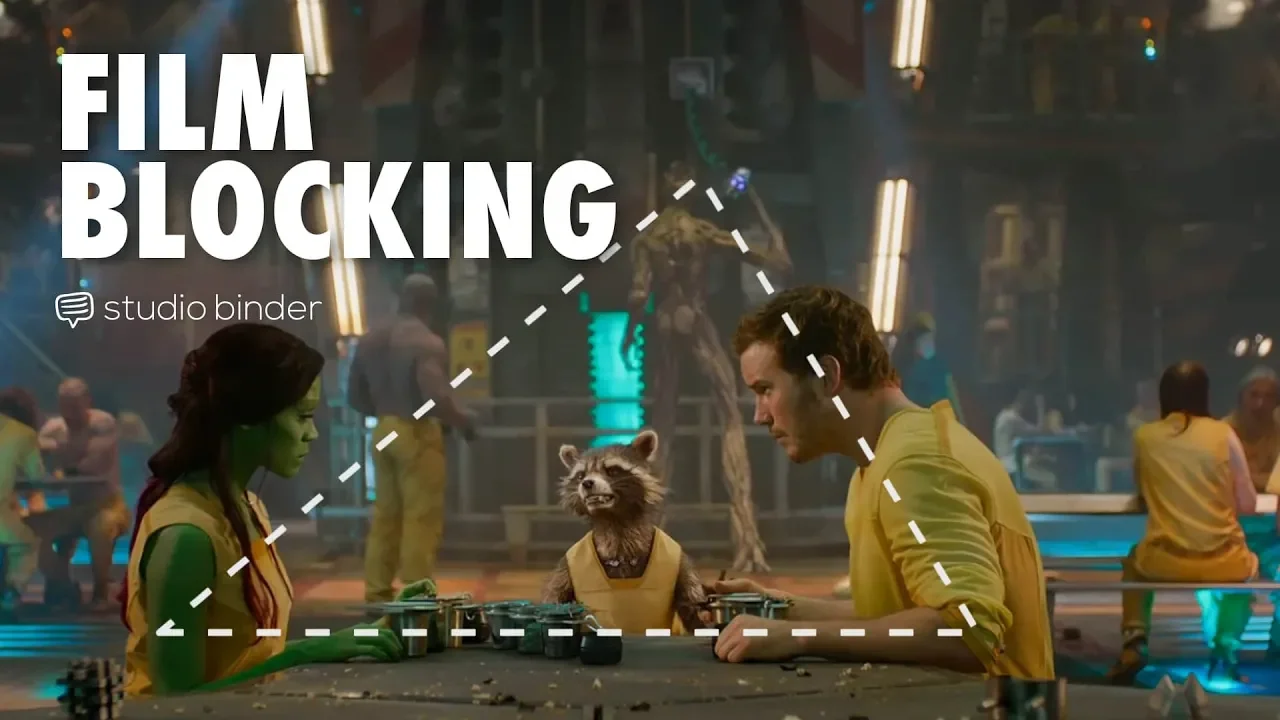
Film Blocking Techniques for Directors: Space, Shapes, Lines
@StudioBinder
1.9M views•2018-07-23

4:00
Evolution of Darth Vader: Anakin Skywalker's Animated Journey Across Star Wars Films
@TellItAnimated
13.4M views•2019-03-30
Related Study Plans & Knowledge Roadmaps
Structured learning paths in Film Analysis
film-analysis
Sensory Cinema: Foley, Haptic Sound & Texture
01Introduction to Film Sound and Foley Artistry
02Micro-Sounds, Textures, and Extreme Amplification
03Haptic Audition and Film Phenomenology
+ 1 more learning modules
12h4 modules
Explore Roadmap
film-analysis
Breaking the Fourth Wall: Mockumentary & Satire
01The Invisible Wall: Basics of Cinematic Illusion
02Looking at the Lens: Direct Address & Character Glances
03The Mockumentary: Satire, Realism, and Complicity
+ 2 more learning modules
12h5 modules
Explore Roadmap
film-analysis
Analyzing the Long Take: Cinema, Space & Ethics
01Foundations of Film Grammar: Montage vs. The Long Take
02Choreography and Mechanics of the Simulated One-Shot
03Phenomenology of Film: Real-Time Spatial Continuity
+ 1 more learning modules
14h4 modules
Explore Roadmap
film-analysis
Anachronistic Music: Period Drama & Subversion
01Foundations of Film Sound and the 'Needle Drop'
02Traditional Authenticity vs. Revisionist History
03The Rise of the Anachronistic Soundtrack
+ 2 more learning modules
12h5 modules
Explore Roadmap