


















![[Eng Sub] จะวิ่งได้กี่กิโลเมตร กับ ORA Good Cat 400 Tech/Pro, 500 Ultra? NEDC, WLTP, EPA Explained](https://i.ytimg.com/vi/H_B-UrEfCB8/maxresdefault.jpg)

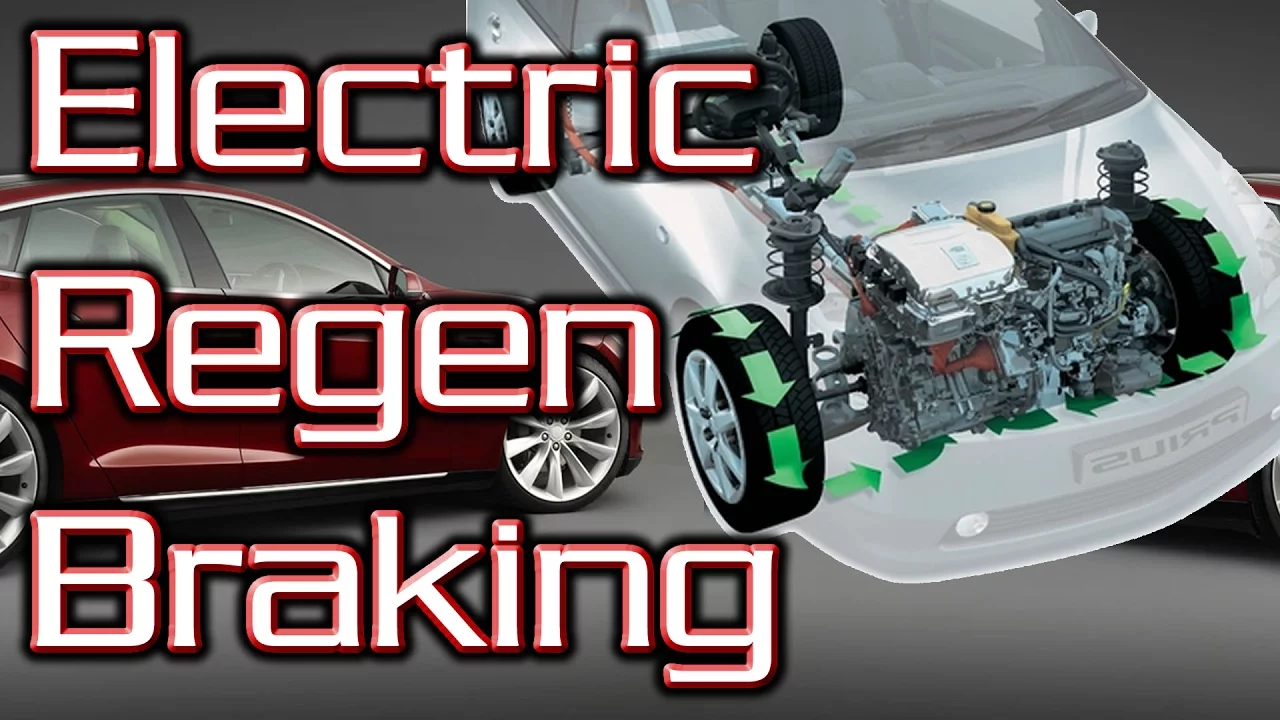
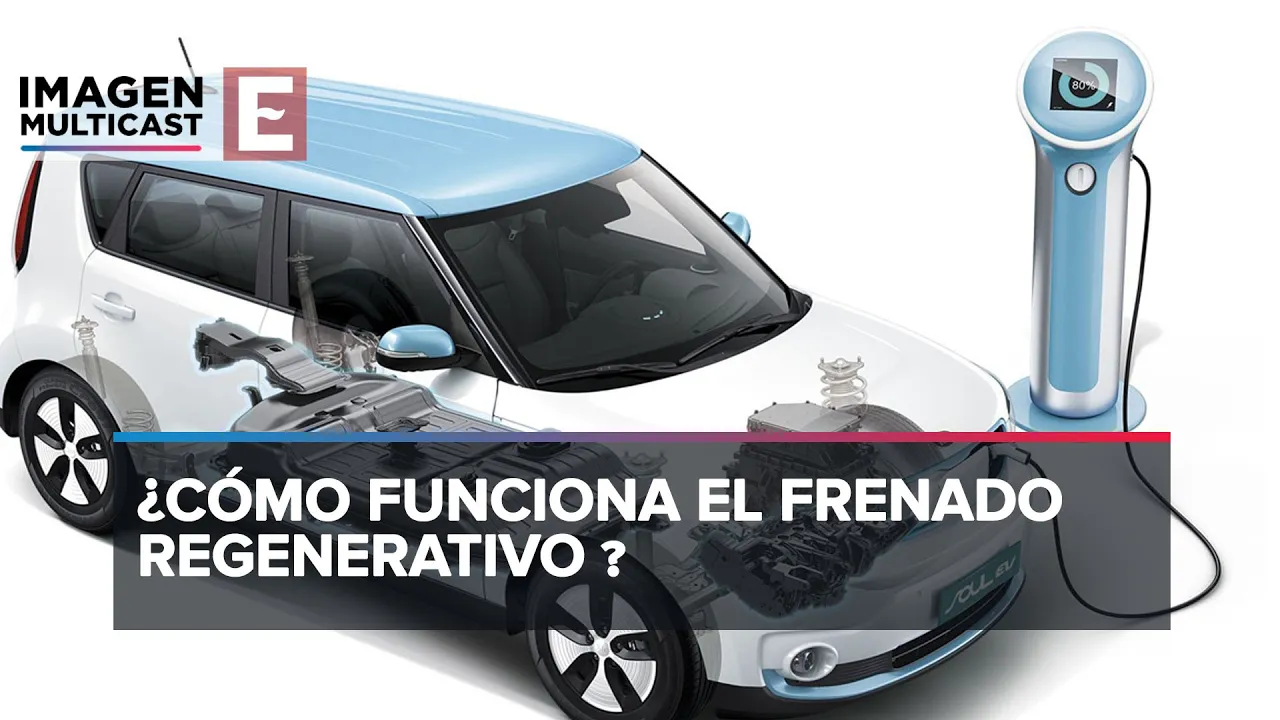
Regenerative braking in electric vehicles works by using the electric motor as a generator when the driver releases the accelerator. The rotor continues spinning due to kinetic energy, which pushes current in the opposite direction through the stator, converting the vehicle's kinetic energy back into electrical energy to charge the battery. This process captures energy that would otherwise be wasted as heat in traditional friction-based braking systems, extending the vehicle's range and reducing brake wear.
Regenerative Braking in Electric Vehicles Explained
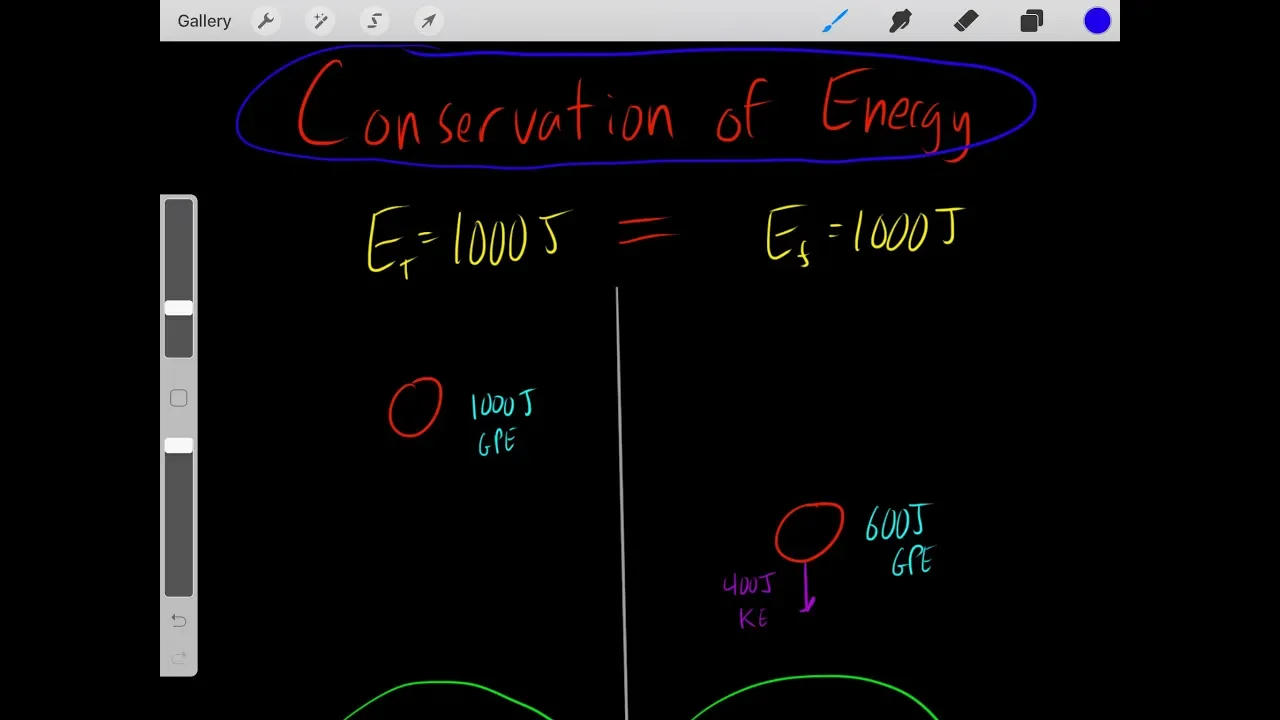
Added:The Law of Conservation of Energy, specifically how kinetic energy can be converted into other forms of energy rather than being lost.
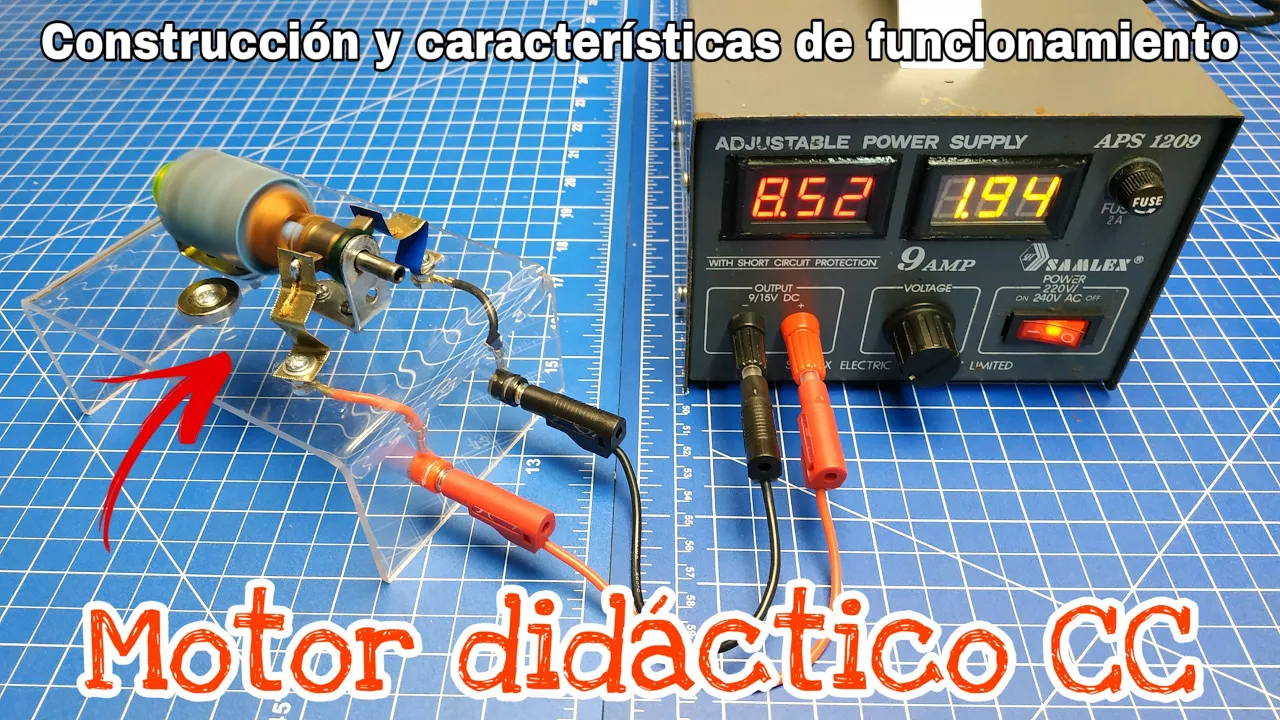
The fundamental principles of electromagnetism, specifically how an electric motor can also function as a generator (Faraday's Law of Induction).
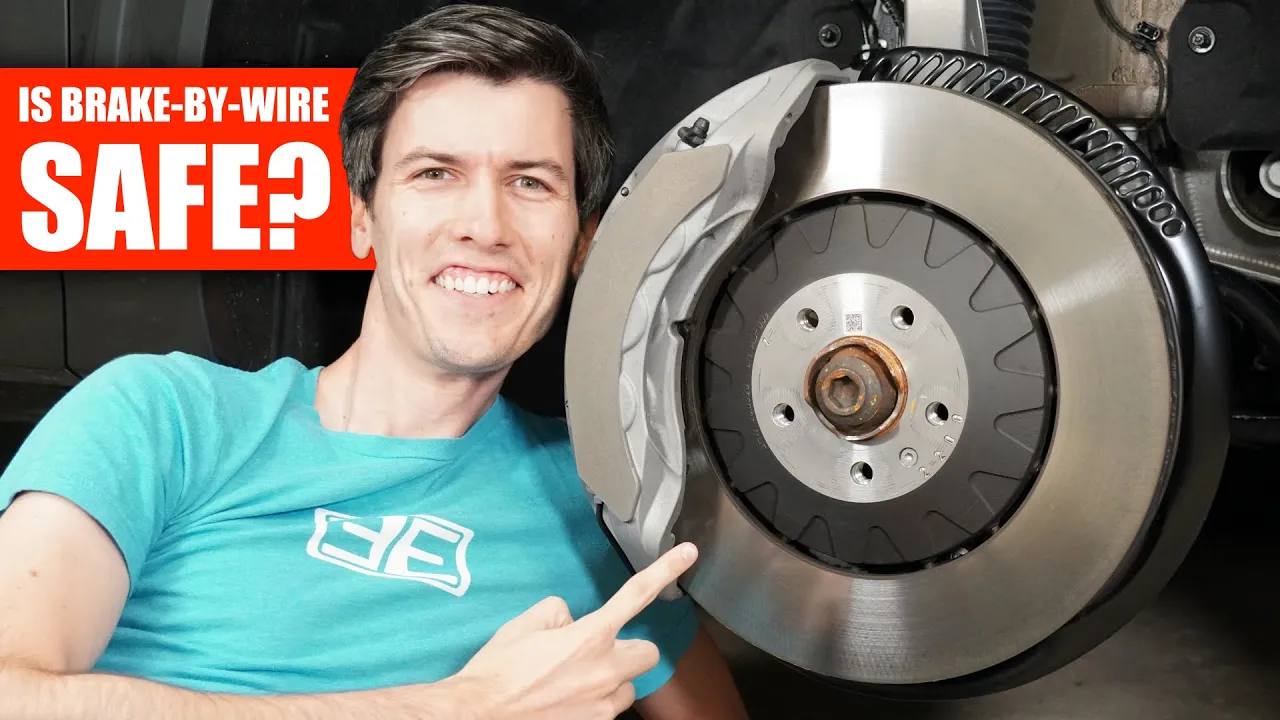
How conventional friction braking systems work, converting kinetic energy into waste heat through brake pads and rotors.
Basic battery chemistry and charging concepts, including how direct current (DC) flows during charging versus discharging.
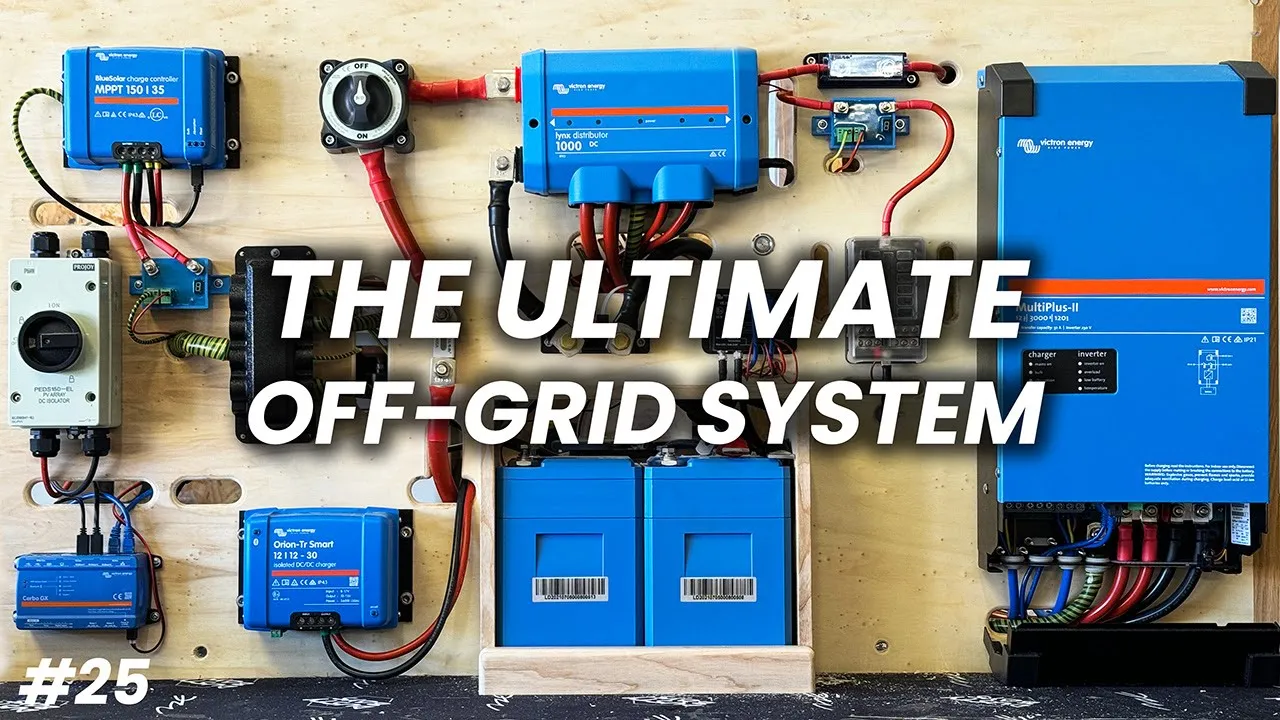
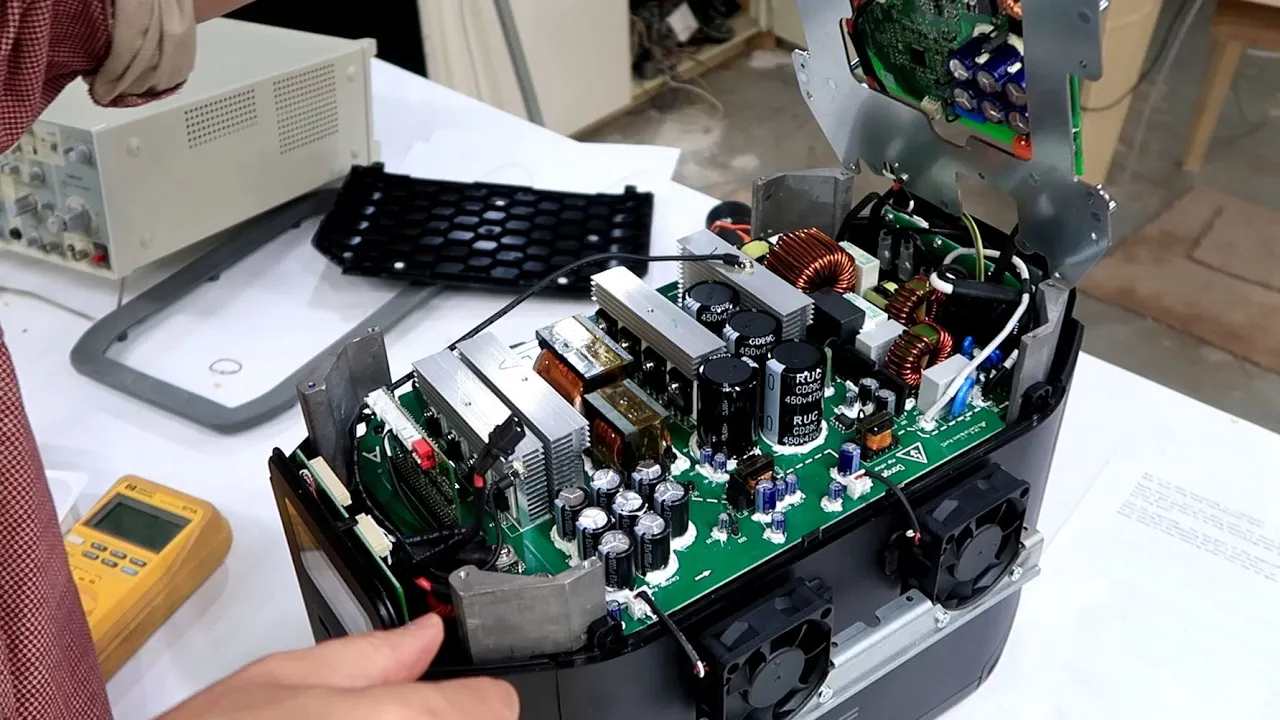
The role of power electronics and inverters in managing bidirectional energy flow and converting AC from the motor/generator to DC for the battery.
Brake-blending control systems, which dynamically balance friction and regenerative braking to ensure consistent pedal feel and safety.
How high-rate regenerative charging affects battery health, thermal management, and state-of-charge (SoC) operating windows.
The mathematical modeling of regenerative efficiency and its impact on vehicle range under different standardized driving cycles (e.g., WLTP or EPA).
80.1K views1.3Klikes4:05Original Release: 2019-10-13
this is the world's largest electric vehicle it's a dump truck very creatively named the e dumper weighing in at 45 tons this thing is a beast with six foot tires 55 tons of capacity in a 600 kilowatt hour battery pack that's equivalent to around 6 model essence but besides being absolutely giant this thing is also incredibly efficient and never needs to charge all thanks to regenerative braking so this truck climbs up the hill with a full charge it loads up its entire bed completely full and then goes back down the hill and recovers a ton of energy from regenerative braking but how exactly does this work you've ever driven an Eevee before you know that regen braking is that sensation you get when you let off the accelerator the car almost instantly starts to slow down instead of coasting like a normal gas car so before we can understand braking in an Eevee let's talk about how it works in a gas car so let's imagine you're traveling down the road and you see a stop sign up ahead you let go of the gas so you're no longer putting energy into the car to make it move but the car is still rolling because it has kinetic energy and you could just let it run until that kinetic energy wears out and there's friction and air resistance slows you down but that's not very practical and wouldn't be very kind of the people you're driving around so you press on the brake and that causes a system to essentially close a set of pads around a disc that is next to your wheel and that causes your car to slow down using friction applied directly to that disc next to the wheel and this works great we've been using it for over a hundred years to stop cars moving at high speeds but if we shift over to EVs we can see that this braking system is actually built directly into the electric motor so without getting into a bunch of physics terms and explaining a bunch of equations and things like that there's a couple things you should know about an electric motor if you want to understand regen braking so there are two major parts in an electric motor and that is the stator and the rotor the stator is the stationary part and the rotor is the part that moves or turns in the electric motor so how an electric motor works on a very basic level is that you push current through the stator this creates a magnetic field that then turn the rotor so when you press on the accelerator in an Eevee you're essentially just pushing current to that stator but when you let off the accelerator in Eevee your car is still moving and has energy to keep moving so that rotor continues to turn this actually pushes current in the other direction of the motor so the motor becomes a generator and actually charges up the battery normally this energy would just be wasted to friction using brake pads but an Eevee you can actually capture that wasted energy and use it to charge up the battery which is very efficient and this is a big reason why Eevee brakes don't wear out as often you really don't have to replace them hardly at all but this has a lot of advantages beyond brake wear this actually extends your range a little bit most of the EP estimated range you'll see for electric vehicles actually includes regen braking while you're driving this is why V's are awesome and stop and go traffic because you're constantly speeding up and slowing down you're speeding up in using your battery but then when you slow down you're just recouping that energy again but you'll also see that if you're driving on a hilly highway or a you're driving uphill a lot you're gonna waste much more energy beyond that you also get one pedal driving which immensely simplifies the driving process you only have to worry about one pedal now so you press down to go and you let go to stop some people don't like that and it takes a little bit of getting used to but once you've been driving with it for a while you'll realize it has a lot of advantages and makes driving a lot more enjoyable so in a nutshell that is how regen braking works I've got some other videos about how parts of electric cars work as well make sure I link those down in the description and you'll probably see a teaser after this video so be sure to check those out as well as always thank you so much for watching make sure you like this video if you enjoyed it subscribe if you like my videos and I'll see you in the next one [Music]
Up Next

8:52
F1 Engines Evolution: 1950-Present Tech History
@Driver61
1.3M views•2021-04-01

30:32
Ultrasonic Transducers: Resonant Frequency Measurement and Horn Design
@imajeenyus42
229.9K views•2017-02-22
54:16
Polymer Environmental Degradation: Mechanisms & Stabilization
@iit
1.8K views•2012-07-10

33:39
How a Student's Question Saved a NYC Skyscraper from Collapse
@veritasium
22.8M views•2025-04-26
Related Study Plans & Knowledge Roadmaps
Structured learning paths in Engineering
engineering
Building Acoustic Levitators: Physics & Arduino
01The Physics of Sound and Standing Waves
02Piezoelectric Transducers and H-Bridge Drivers
03Arduino Programming: Generating 40 kHz Signals
+ 2 more learning modules
14h5 modules
Explore Roadmap
engineering
Building Peltier Cloud Chambers: Particle Tracks
01Cosmic Rays & Cloud Chamber Physics
02Thermoelectric Cooling (TEC) Fundamentals
03Custom Liquid-Cooling Loop Design
+ 2 more learning modules
18h5 modules
Explore Roadmap
engineering
Yagi-Uda Antennas: Modeling, Build & VNA Test
01Introduction to RF and Antenna Fundamentals
02Yagi-Uda Antenna Design Principles
03Antenna Modeling and Simulation in 4NEC2
+ 2 more learning modules
18h5 modules
Explore Roadmap
engineering
ECG Monitor Design: Op-Amps, Filters & Noise
01Electronics & Breadboard Basics
02Op-Amps and Instrumentation Amplifiers
03Bioelectricity and ECG Fundamentals
+ 2 more learning modules
18h5 modules
Explore Roadmap