



















![[교양] 행복한 아침 988회_221212_'"당신도 똑같이 당해봐" 남편의 복수 때문에 아이를 유산한 아내'외](https://i.ytimg.com/vi/T-Wlp3vV78M/sddefault.jpg)

Formula 1 engines have evolved dramatically from the 1950s to today, progressing from naturally aspirated inline-four and V8 engines producing 425 horsepower (94 hp/L) to highly efficient 1.6L V6 hybrid power units achieving 625 horsepower per liter, demonstrating how regulatory changes and technological innovation continuously drive improvements in engine efficiency and performance.
F1 Engines Evolution: 1950-Present Tech History
Added:Fundamentals of the four-stroke internal combustion engine cycle (intake, compression, power, exhaust).
Basic engine performance metrics, including horsepower, torque, RPM, and displacement.
The principles of forced induction, specifically how turbochargers and superchargers function to increase power.
Thermodynamic principles of efficiency, energy conversion, and heat loss in mechanical systems.
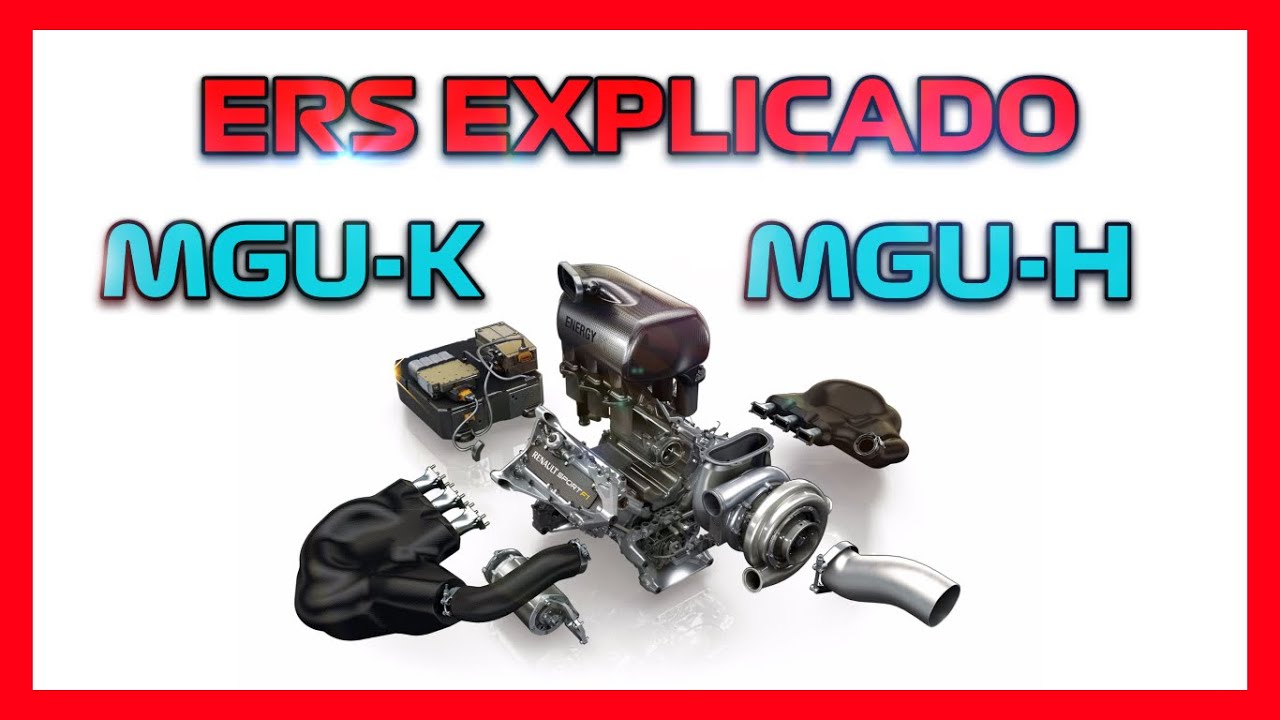
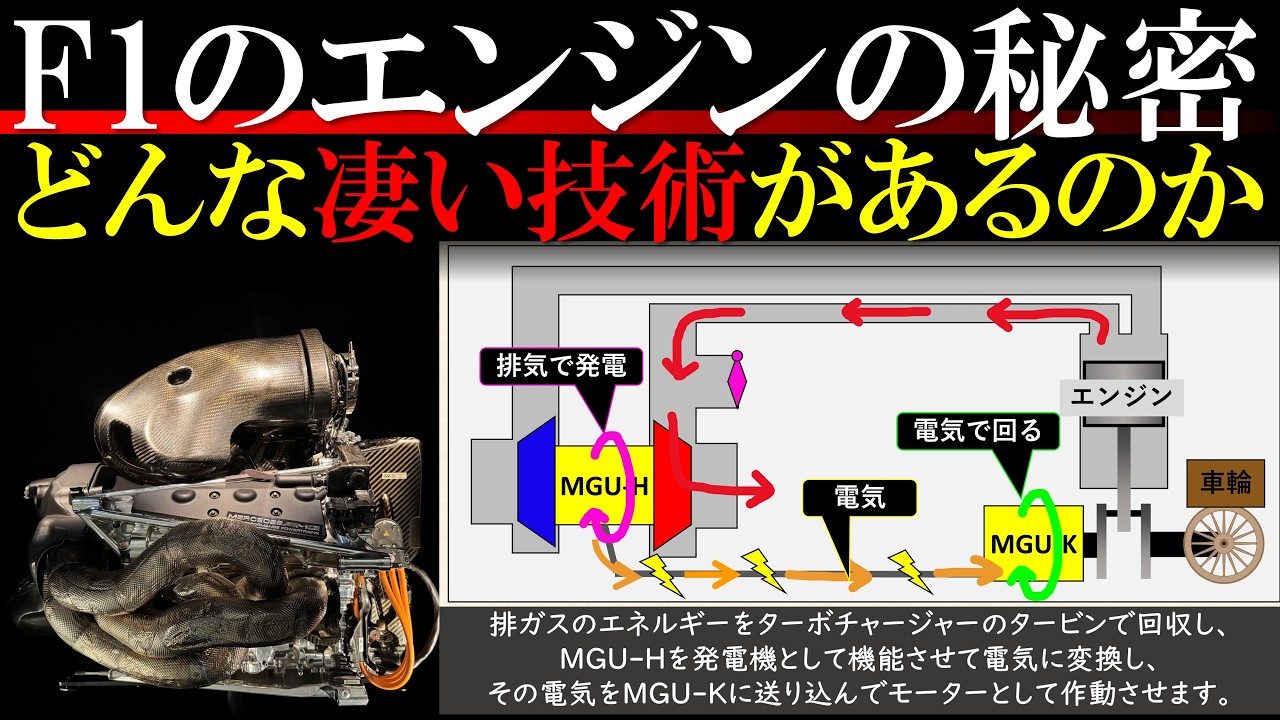
In-depth analysis of modern F1 Hybrid Power Units, focusing on the mechanics of the MGU-K (Kinetic) and MGU-H (Heat) systems.
The engineering behind pre-chamber ignition and lean-burn combustion technologies used in ultra-efficient racing engines.
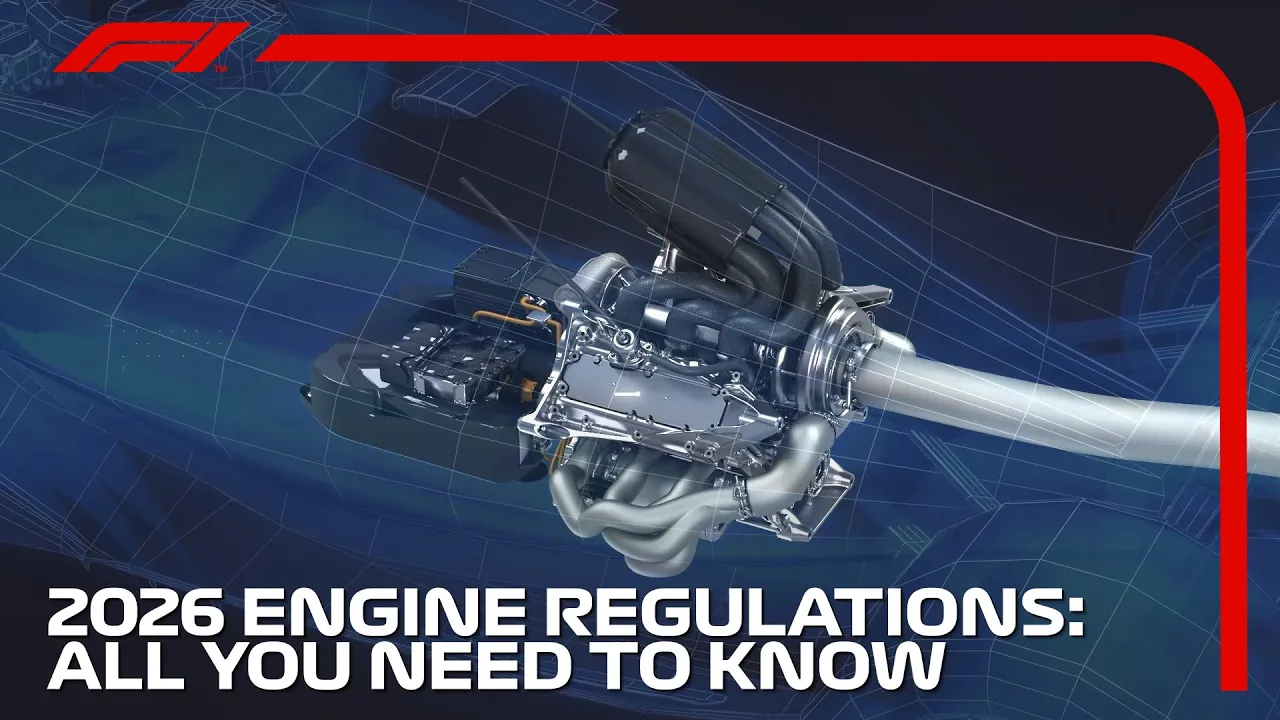
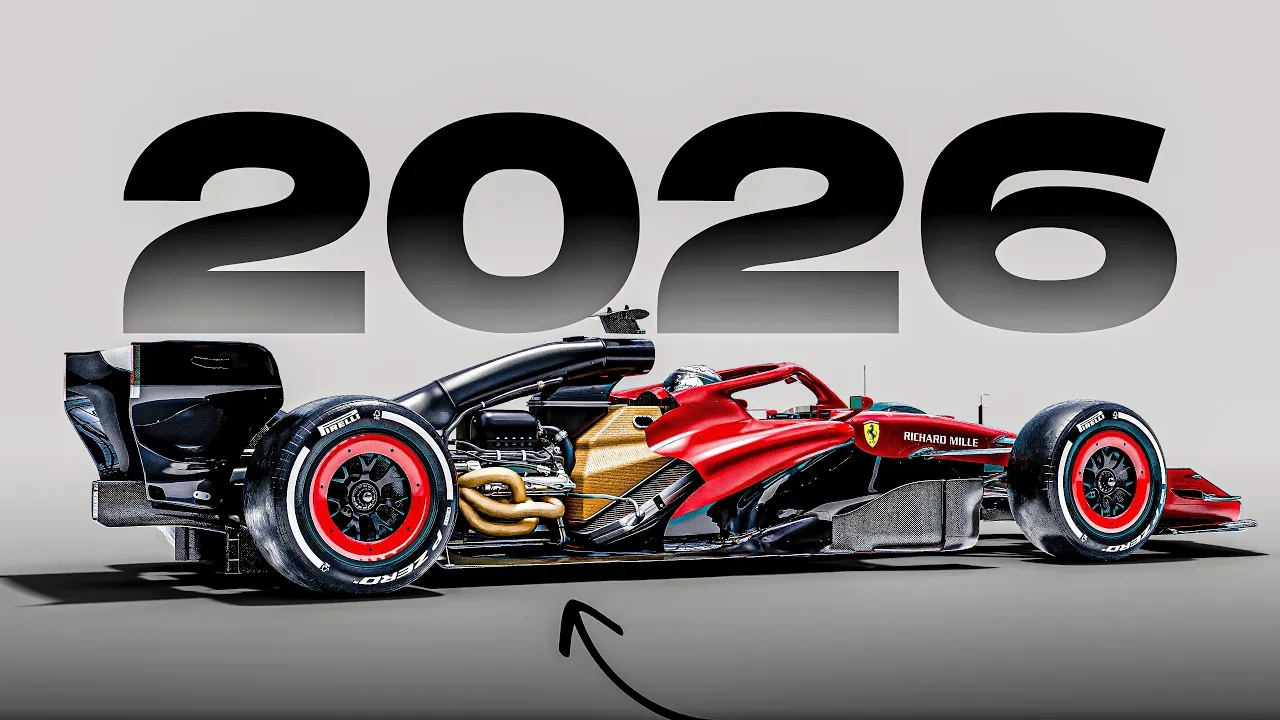
The upcoming 2026 F1 engine regulations, emphasizing the shift to 100% sustainable e-fuels and increased electrical output.
The process of technology transfer from motorsport engineering to commercial consumer electric and hybrid vehicles.
1.3M views35.1Klikes8:52Original Release: 2021-04-01
welcome to a new series track evolution where we show the incredible innovation from f1 over the years showing how f1 engineering cars and tracks have evolved we're going to walk you through the engines from each decade of f1 as well as pick out the key innovations that have got us to today where f1 has some of the most efficient engines on the planet so how have f1 engines changed over the years which of them was the most powerful and which breakthroughs have made it into today's engines the 1950s f1 cars used all sorts of engines from custom-built inline-fours to pre-war v8s the only regulations were a limit on engine displacement 4.5 liters if it were naturally aspirated and 1.5 liters if you fitted a supercharger they produced around 425 horsepower meaning they produced 94 horsepower per liter oh and keep your eye on that number throughout this video in 1954 they tightened the restrictions and only allowed 2.5 liter naturally aspirated engines cutting power to 290 horsepower however the teams got creative with engine layouts and managed to keep efficiency comparatively high at 116 horsepower per litre these were some of the best years for variety in f1 if you look through the grid they were running inline fours and eights v12s and 16s and even a huge v twin something you normally only find on a motorcycle however all of them were incredibly heavy and they were fitted in the front of the car meaning the cars produced huge understeer forcing the drivers to neutralize this by mostly sliding around the corners however this was also the decade where f1 first used mid-mounted engines with the koopa t-43 this got rid of the massive understeer as they placed the centre of gravity further back in the car naturally making a more oversteery balance moving on to the 60s where the fia were concerned about the speed of the cars as they were hitting over 180 miles an hour on the straits and bear in mind the complete lack of crash protection in the car and the barriers were often hay bales so the fia brought in a limit of 1.5 litre engines which initially only produced 150 horsepower but this quickly increased to 250 over a couple of years meaning about 170 horsepower per liter they were incredibly underpowered meaning road cars and gt cars of the time were much faster than f1 however the lap time still came down over these years as it forced the teams to focus on suspension and aerodynamic factors it was mainly v8s that were run but teams began experimenting with wider v angles to place the engine lower in the car improving handling it was also the era where f1 first began using the engines as stressed members this essentially made the engine part of the chassis rather than bolting it on top ferrari was first to do this after inspiration from lancia and it helped them save a lot of weight in 66 the fia gave back some power to the cars seeking to be the fastest race series again they increased the engines to 3.5 liters naturally aspirated or 1.5 liters if the air were compressed the team's mainly used mid-mounted v8s that produce around 500 horsepower however some teams experimented with large inline fours and even a h-16 yet a h-16 probably the maddest engine in f1 history brm came up with the idea with essentially bolting together two v8s from the previous season it made sense taking two very good 1.5 liter engines and making a three liter h16 however it went down as a very ambitious but ultimately flawed engine it used more fuel needed way more oil and it was so complicated and unreliable that it caused 27 retirements out of the 40 races it took part in in the 70s they found a better way of creating a low flat engine they started playing with the idea of 180 degree v12 essentially making a flat 12.
this allowed them to mount the engine low bring the center of gravity down and clean up the airflow to the rear wing as aerodynamics became a bigger and bigger part of the sport engine power became a bigger issue too as the cars began to produce much more drag the regulations stayed pretty static through the 70s with three liter naturally aspirated and 1.5 litre turbo engines allowed and most of the teams are finding more success with naturally aspirated engines until renault came out the 1.5 litre v6 in their rs01 in 1977 and it sparked off the incredible turbo era of f1 initially it produced 500 horsepower but soon got up to around 700 it was a very experimental engine and it had some real issues the incredible heat could cause some hot spots in the engine and these had the potential to ignite the fuel prematurely and cause the engine to blow up which was a fairly regular occurrence so this was the point where f1 started using water injection to cool the block more evenly over the next few years pretty much all the teams adopted a similar design with some even beginning to use toluene to fuel the car this exotic fuel combined with 5.5 bars of boost pressure meant that the cars could produce up to 1400 horsepower for about five laps before blowing up so the teams would turn boost up for qualifying and just replace the engine for the race it did mean they had to turn down the engines to last a full race distance so they produced around 800 horsepower and this trim this power combined with ground effect system sent speed through the roof meaning the sport became much more dangerous and they were also notoriously difficult to drive as the turbine provided all of the power in one lump f1 went turbo free in 1989 where they introduced a 3.5 liter naturally aspirated engine it divided the field massively as they all had to build entirely new engines to meet the new regulations they all followed a v format but disagreed on the correct number of cylinders the honda was the best of the bunch producing around 675 horsepower from a v10 you will notice this is the first errors have a lower horsepower per liter figure than the last however turbos were banned exotic fuels were banned and there were tighter regulations on how long the engines had to last however the turbo era had taught the team some valuable lessons they had been developing engine components that used exotic materials like titanium and beryllium these were needed for the insane forces produced by the turbo engines however now they could be used to reduce weight and allow higher revs to make more power from a naturally aspirated engine you typically need it to rev very high but this comes with its own set of problems just think as the engine revs faster the valves also need to move faster and the timing of this can get much tougher to control with a traditional camshaft system so honda used high pressure air to move the valves with much more accuracy this is called pneumatic valve control and is a system that is still used today and towards the end of the 90s the engines got up to around 800 horsepower and we're back to producing similar power numbers to the turbo cars that came in the 80s the 2000s will wear regulations were used extensively to control speed from 1995 they used three liter naturally aspirated engines as well as banning the exotic alloys that were extensively used in the 90s the v10 was the formation that everyone landed on it had similar power to the v12 but the reliability and lower fuel consumption of a v8 they produced around 900 horsepower coming out to 300 horsepower per liter until in 2009 where kers was introduced kinetic energy recovery system it could regenerate energy from the rear brakes and deploy up to 80 horsepower for around six seconds a lap it did come with a weight penalty though so teams were fairly slow to adopt the system however it was really a test for 2014.
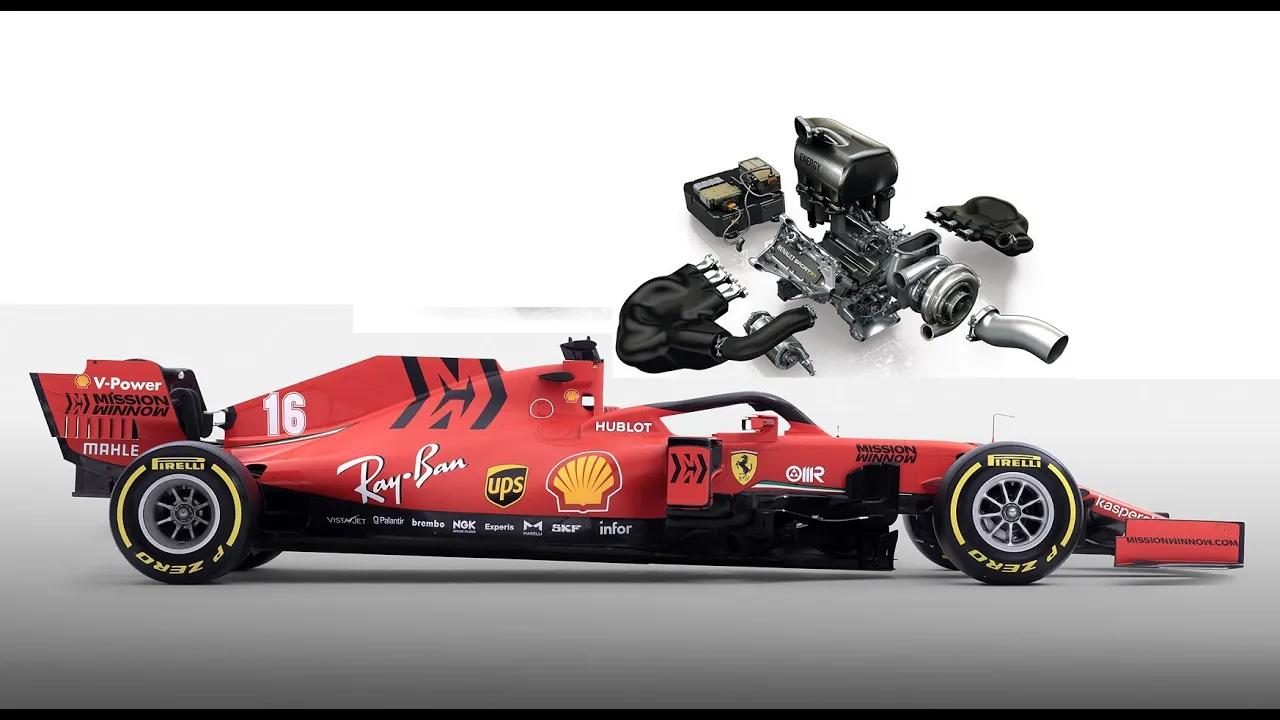
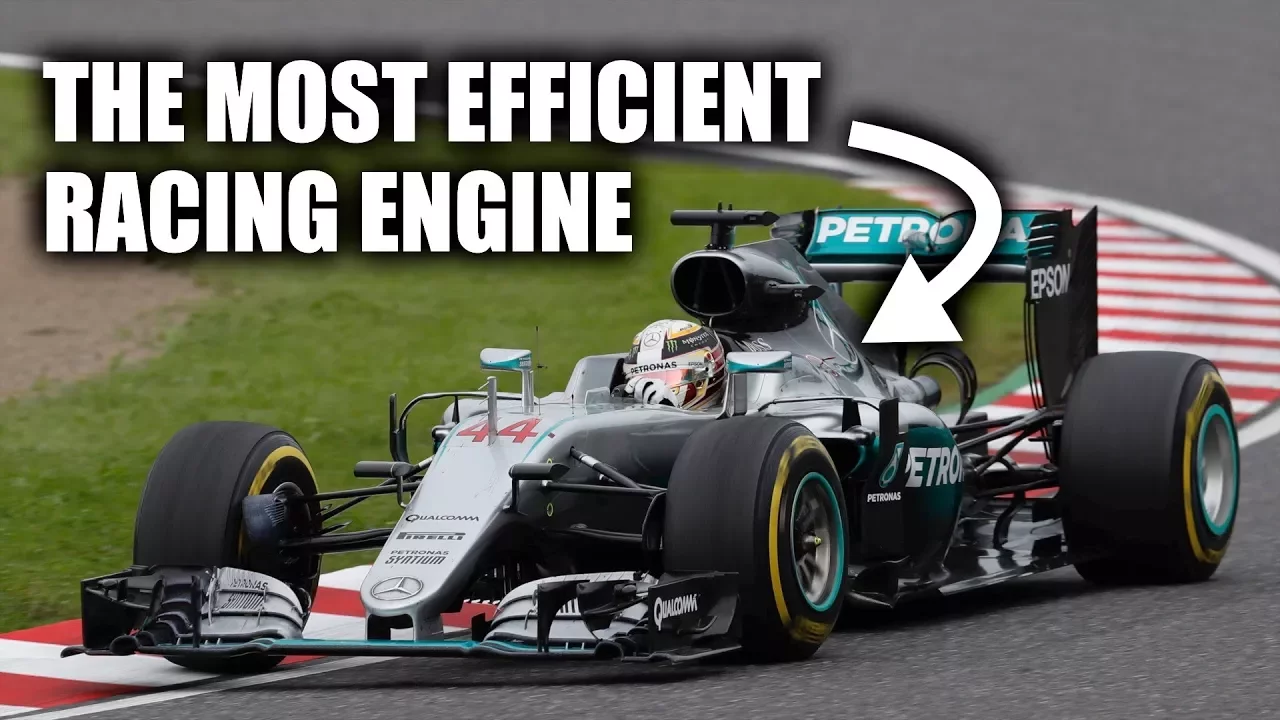
these are essentially the rules we have today 1.6 litre v6 engines with a single turbocharger it came from a time where car manufacturers were producing more and more economical engines for their road cars but still developing massive v8s for their f1 teams so the fia turn the team's attention to hybrid technology with the hope that it will trickle down to the road cars of the future the cars have two regenerative systems one harvesting energy from the turbo and one from the rear wheels during braking this rear generator called the mg uk also doubles as a motor forming the power units we have today the motor and engines work together to produce around a thousand horsepower this is where the real efficiency of these engines show they produce 625 horsepower per liter of displacement more than any era of f1 and what's more amazing is they do this whilst having restrictions on fuel flow rev limits and the engines have to last a third of a season you should watch this video we made on the incredible turbo era of f1 where teams began freezing fuel using toluene's power the cars and could produce up to 1400 horsepower in qualifying trim thank you very much for watching let us know what you think about this new format in the comments and we will catch you in the next one
Up Next
16:49
Buck, Boost, and Buck-Boost Converters Explained
@electrarc240
236.9K views•2024-11-18
30:32
Ultrasonic Transducers: Resonant Frequency Measurement and Horn Design
@imajeenyus42
229.9K views•2017-02-22
54:16
Polymer Environmental Degradation: Mechanisms & Stabilization
@iit
1.8K views•2012-07-10

33:39
How a Student's Question Saved a NYC Skyscraper from Collapse
@veritasium
22.8M views•2025-04-26
Related Study Plans & Knowledge Roadmaps
Structured learning paths in Engineering
engineering
Building Acoustic Levitators: Physics & Arduino
01The Physics of Sound and Standing Waves
02Piezoelectric Transducers and H-Bridge Drivers
03Arduino Programming: Generating 40 kHz Signals
+ 2 more learning modules
14h5 modules
Explore Roadmap
engineering
Building Peltier Cloud Chambers: Particle Tracks
01Cosmic Rays & Cloud Chamber Physics
02Thermoelectric Cooling (TEC) Fundamentals
03Custom Liquid-Cooling Loop Design
+ 2 more learning modules
18h5 modules
Explore Roadmap
engineering
Yagi-Uda Antennas: Modeling, Build & VNA Test
01Introduction to RF and Antenna Fundamentals
02Yagi-Uda Antenna Design Principles
03Antenna Modeling and Simulation in 4NEC2
+ 2 more learning modules
18h5 modules
Explore Roadmap
engineering
ECG Monitor Design: Op-Amps, Filters & Noise
01Electronics & Breadboard Basics
02Op-Amps and Instrumentation Amplifiers
03Bioelectricity and ECG Fundamentals
+ 2 more learning modules
18h5 modules
Explore Roadmap