












![Lego Mindstorms EV3 Programmiertutorial #1: Die ersten Schritte [Deutsch|HD]](https://i.ytimg.com/vi/YkxUYSbDxOc/maxresdefault.jpg)


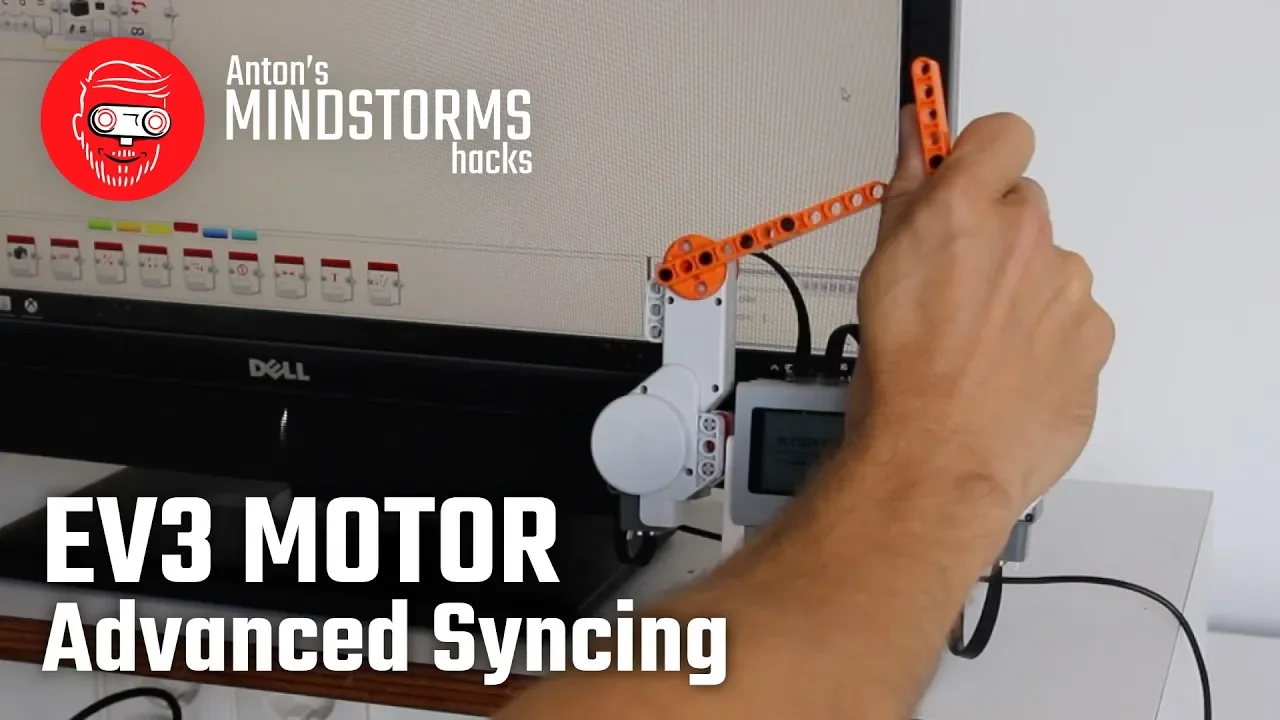





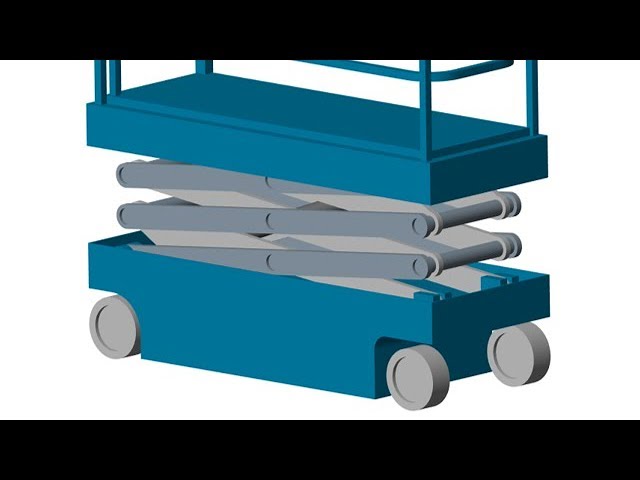

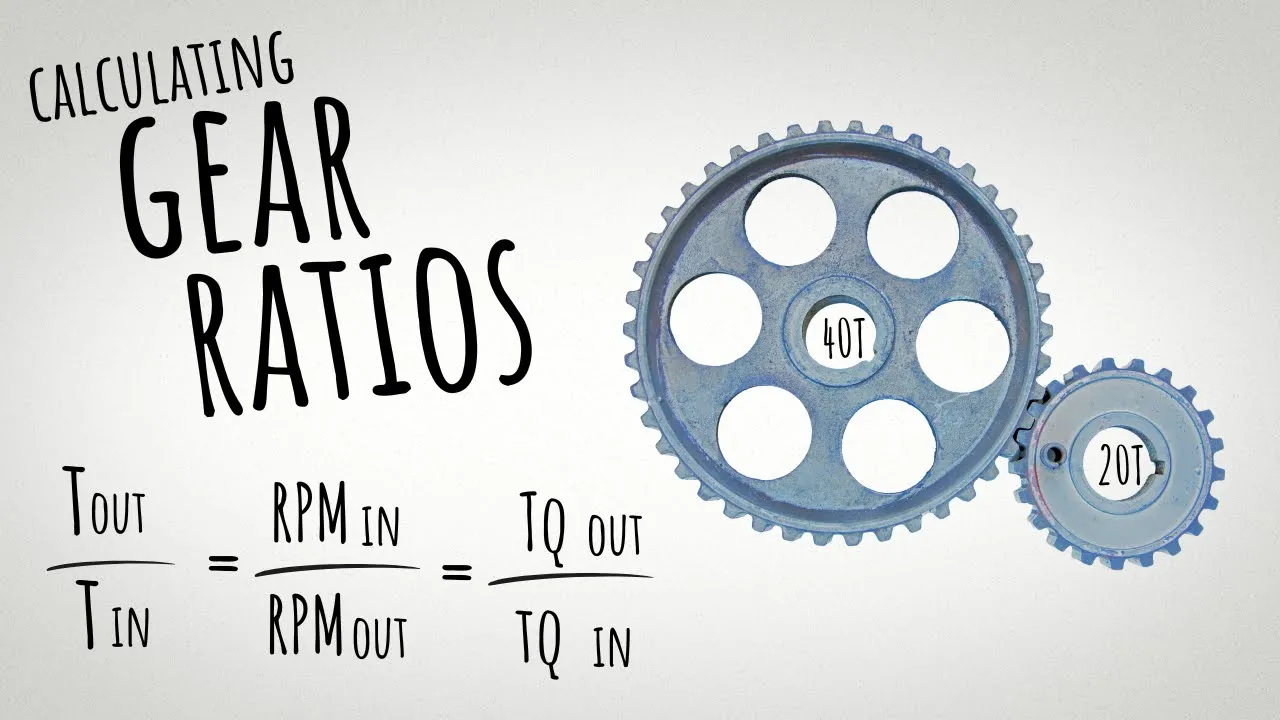


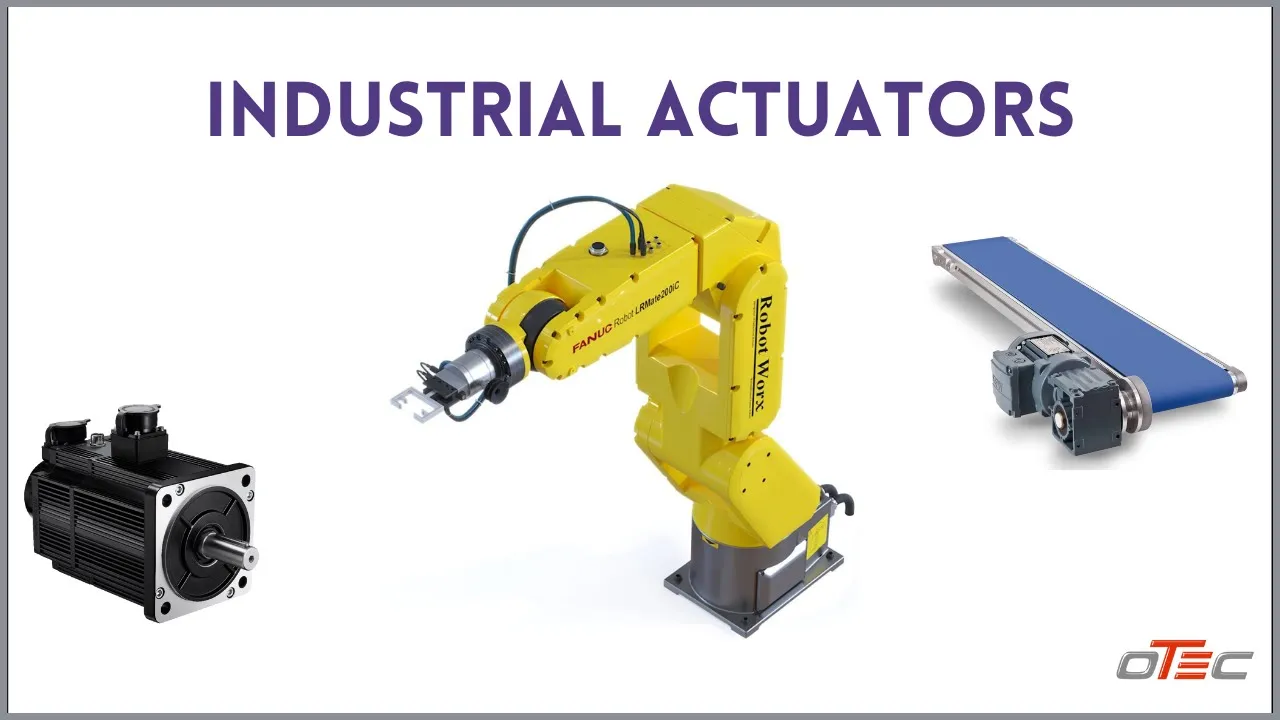


A linear actuator is a mechanical device that converts rotary or spinning motion into linear or pushing motion, enabling vertical movement such as lifting and lowering mechanisms; this tutorial demonstrates four construction methods using LEGO Technic components: (1) rack-and-pinion, where a rotating pinion gear meshes with a toothed rack bar to produce sliding motion, (2) pre-made LEGO linear actuators that convert rotary to linear motion internally, (3) pneumatic systems using compressed air to drive pistons for extension and contraction, and (4) a simple beam-based design using interconnected Technic beams that pivot like scissors to create linear displacement when guided properly.
Linear Actuators Explained: 4 LEGO Technic Builds
Added:Basic understanding of the mechanical differences between rotational motion and linear motion.
Familiarity with standard LEGO Technic elements, specifically gears, axles, beams, and connectors.
Fundamental knowledge of simple machines, particularly how gears transfer force and alter speed or torque.
Introductory experience with the LEGO MINDSTORMS EV3 system, including connecting motors to an intelligent brick.
Implementation of feedback control loops (such as PID control) using EV3 sensors to achieve precise positioning of linear actuators.
Design of complex multi-axis robotic mechanisms, such as robotic arms or scissor lifts, using combined actuator systems.
Mathematical calculation of mechanical advantage, gear ratios, and torque requirements for varying physical loads.
Exploration of industrial-scale applications of pneumatic, hydraulic, and electromechanical actuators in modern automation and manufacturing.
145.5K views1.2Klikes4:57Original Release: 2015-03-26
Hello, this is Builder Dude35 and in today's tutorial I'll be teaching you about linear [Music] actuators. So, first things first, what is a linear actuator? A linear actuator is any mechanism that can convert rotary or spinning motion into linear or pushing uh forward and backward motion.
And linear actuators are useful for a lot of things. Like you can use them in lll for various missions. But the reason why I'm making this video today is because I got a suggestion for a tutorial on how to build a forklift. And a linear actuator is the core mechanism in a forklift. It's what makes your forks go up and down to lift things.
There are hundreds of different ways to build linear actuators, and today I'm going to be showing you four of them.
The first is rack and pinion. The second is a Lego linear actuator. The third is pneumatic. And if you don't have any of those specialty pieces, and the fourth section, I'm going to be teaching you how to build a linear actuator with just common Technic parts. The first type of linear actuator is rack and pinion. This is definitely the easiest way to do it, and this is the way I recommend it. If you have the 13 module rack gear which comes with the EV3 expansion set. Now how it works is you have a motor that spins a smaller pinion gear which is your traditional type of circle gear and then the rack gear is basically a tooth bar which slides forward and backward when the pinion gear rotates. When you're building, make sure that your pinion gear securely meshes the rack gear without any sort of skipping. And for extra strength, you can add a worm gear, which increases the gear reduction and reduces any kind of backlash. Now, as you see in this little video clip, the worm gear drastically slows down the mechanism, but gives it a lot more driving torque or power, which for some applications would be very beneficial.
And it also gets rid of any backlash.
And what this means is that if you have a heavy weight, it can't push down on the motor. the the only way the mechanism will move is if the motor drives the mechanism. The second type of linear actuator is to use a Lego linear actuator. These are actually pre-made elements that are made by LEGO and they're available in many different Technic sets out there today. And basically how these work is the motor the rotating uh the motor will hook up to a shaft in the back and rotate it and the element will actually convert the um rotary motion into linear motion for you. So you don't have to worry about building a fancy mechanism. And these come in two sizes large and small.
You'll see here that I'm using the small one. The third type of linear actuator is to use pneumatics. Now, there's a whole pneumatic kit available through LEGO Education. I'll put the part number up right now. And this is definitely the most difficult, most expensive, least reliable, least common way to build a linear actuator system. And I personally don't recommend it unless you're really keen to use pneumatics. How it works is that the rotary motion goes into the compressor to to pump air. And then there's a piston, that yellow part in the video there, that will actually take this air pressure and when the air moves into it, it makes the piston extend and contract. And that's where your linear motion comes in. So now for the fourth method, if you don't have any of the specialty elements to make any of the mechanisms that I mentioned in the first three ones, don't fret because you can make a linear actuator using just ordinary common parts, many of which are found in the EV3 set. All you really need is Technic beams. And this may be a little bit tricky, but it uses some very common pieces, and once you get the hang of it, it's not that bad. It consists of two Technic beams that are joined by a peg in the middle and the motor rotates and it's kind of like if you can imagine it's kind of like a pair of scissors the way it end uh way it moves. So the motor rotates one end and the other end pushes up and the one thing is you need to make sure there's some kind of rail or this mechanism won't really be linear motion.
It'll kind of just flop around and make a mess. And you can also add a worm gear to this mechanism for the same reasons as before to add more torque and to reduce back land. Thank you for watching this video. My next tutorial is probably going to be about worm gears, why you should use them, and how to make them.
So, I'll see you next time. Bye.
[Music]
Up Next
83:54
Mecanum Chassis CAD Design Tutorial | Robotics Beginner Guide
@stonybrookroboticsteam4979
140 views•2025-10-05
30:32
Ultrasonic Transducers: Resonant Frequency Measurement and Horn Design
@imajeenyus42
229.9K views•2017-02-22

54:16
Polymer Environmental Degradation: Mechanisms & Stabilization
@iit
1.8K views•2012-07-10

33:39
How a Student's Question Saved a NYC Skyscraper from Collapse
@veritasium
22.8M views•2025-04-26
Related Study Plans & Knowledge Roadmaps
Structured learning paths in Engineering
engineering
Building Acoustic Levitators: Physics & Arduino
01The Physics of Sound and Standing Waves
02Piezoelectric Transducers and H-Bridge Drivers
03Arduino Programming: Generating 40 kHz Signals
+ 2 more learning modules
14h5 modules
Explore Roadmap
engineering
Building Peltier Cloud Chambers: Particle Tracks
01Cosmic Rays & Cloud Chamber Physics
02Thermoelectric Cooling (TEC) Fundamentals
03Custom Liquid-Cooling Loop Design
+ 2 more learning modules
18h5 modules
Explore Roadmap
engineering
Yagi-Uda Antennas: Modeling, Build & VNA Test
01Introduction to RF and Antenna Fundamentals
02Yagi-Uda Antenna Design Principles
03Antenna Modeling and Simulation in 4NEC2
+ 2 more learning modules
18h5 modules
Explore Roadmap
engineering
ECG Monitor Design: Op-Amps, Filters & Noise
01Electronics & Breadboard Basics
02Op-Amps and Instrumentation Amplifiers
03Bioelectricity and ECG Fundamentals
+ 2 more learning modules
18h5 modules
Explore Roadmap