





![Ch 20 [macro]: AS-AD Model](https://i.ytimg.com/vi_webp/qoR3ob5uiAg/maxresdefault.webp)











When real interest rates (r) minus growth rates (g) are low or negative, fiscal policy becomes more advantageous because it reduces both the fiscal costs of debt and the welfare costs of deficits, while simultaneously increasing the benefits of using fiscal policy for macroeconomic stabilization due to limited monetary policy room at the zero lower bound; this creates a situation where governments have effectively 'infinite fiscal space' to run deficits without immediately needing to raise taxes, though this depends on maintaining confidence in fiscal sustainability and accounting for uncertainties about future economic conditions.
Fiscal Policy Under Low Interest Rates | Olivier Blanchard MIT
Added:Fundamental concepts of Fiscal Policy, including government deficits, public debt accumulation, and the economic multiplier effect.
The relationship between the real interest rate (r) and the economic growth rate (g), which determines sovereign debt dynamics (r - g).
Basic monetary policy operations, the role of central banks in setting interest rates, and the concept of the Zero Lower Bound (ZLB).
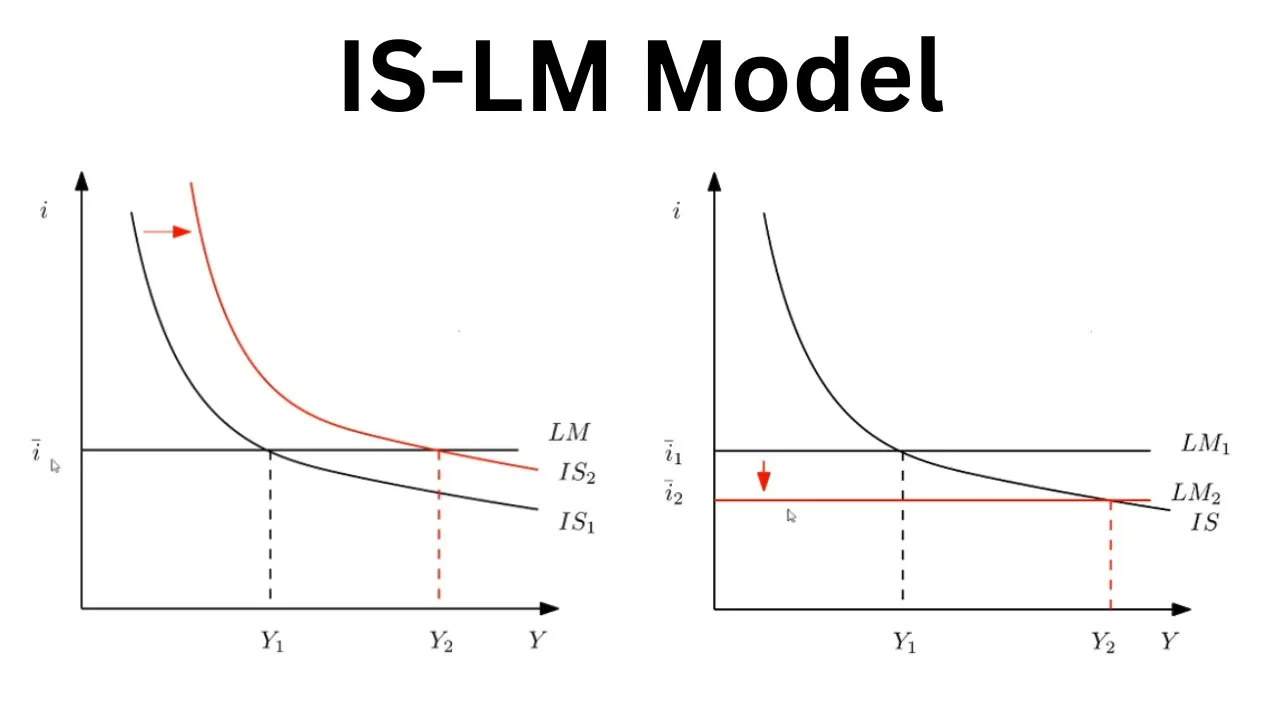
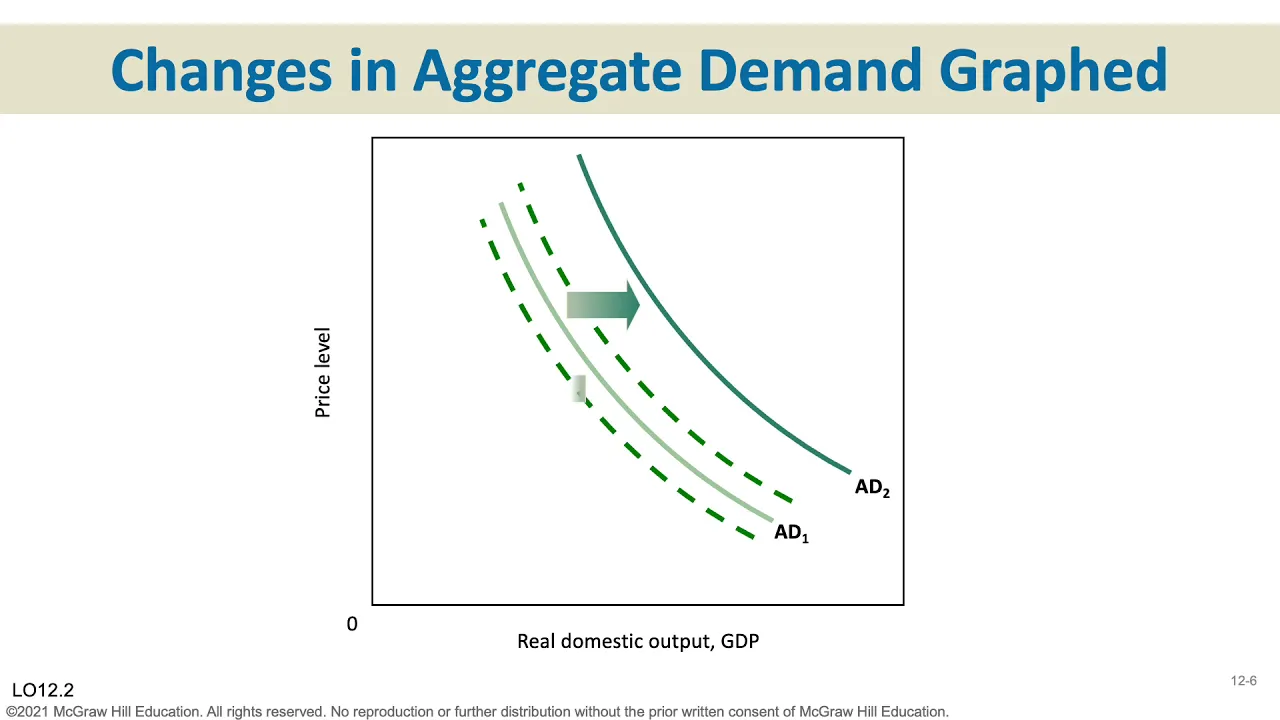
Standard macroeconomic models of aggregate demand and supply (such as the IS-LM model) and how they explain short-run economic fluctuations.
The debate between traditional debt sustainability models and Modern Monetary Theory (MMT) regarding government spending constraints.
Policy implications for redesigning fiscal rules (such as the EU's Stability and Growth Pact) to accommodate structural shifts in interest rates.
The drivers of 'Secular Stagnation' and global savings gluts, and whether the low-interest-rate regime is permanent or cyclical.
Analyzing the macroeconomic consequences and sovereign risk profiles of high debt-to-GDP ratios during periods of unexpected inflation and rising interest rates.
307 views10likes1:27:34Original Release: 2023-03-01
Presenting a a book with that title uh these days is a challenge given that everybody is thinking about the opposite which is high interest rates. But I am going to argue that it is still uh very relevant looking forward. This is not just a history book. Uh but it is relevant. We have to start thinking about the issue. So let me just plunge and start with with this graph. I start with two graphs. So this is the first and it basically shows the behavior of Exonte 10ear real rates uh in the three main parts of of the advanced world Euro zone the US and Japan uh and I'm not going to go into the construction of it but it can be done. We have we need expectations of inflation over the next 10 years which for all three countries three regions we have and this is what triggered the book and it's it's an amazing graph in the sense that it shows that there has been a very steady decrease uh in real rates. Uh it started in Japan and for a while it looks like a Japanese issue but very quickly it became it an advanced economy issue in general. I will make one remark which is that the graph would have been even more impressive if I had started in say 1985 and the reason for this is that this was the end of the fight against disinflation and it had very high real rates uh which reflected the fight against disinflation against inflation uh something not unlike uh what we're going uh through today. So the graph would be more impressive but it clearly is a different phenomena in the late 80s than later on. Um the other thing to say is is a coincidence. Uh it's clearly some global or at least advanced economy phenomenon and it is not due to a particular event. It's not due to the financial crisis. It's not due to COVID.
It's due to clearly factors which are there have played a role. So this is what what triggered the book and when I started the look seeing this which was in the early 20110 uh I decided that it would be worth thinking about the implication of it. As I was writing the book, somebody called Paul Schmemelling did something which I'm very impressed by, which is that he computed a time series of uh exposed real weight rates uh but not just for the last 35 years but for the last seven centuries. And it starts basically with uh you know in Venice and then it moves on from place to place. He tried to find at each point uh contracts or or loans which were seen as as as safe and this is the evolution and it's it's very striking to see how this has decreased over time. What we're seeing is kind of the last the latest incarnation. Uh but this says there's something very deep happening here about the behavior of safe rates. uh and I think we're just seeing you know a stronger incarnation of it in the last 35 years. So again this is the the motivation for the book and when I finished the book I this was about two years ago. It takes you know it takes a while for books to be published and I knew that there was a potential issue with inflation. I had written about it and I realized that the interest rates could be higher for a while but I thought this would go away. Clearly now we're in the middle of that. And so what I have to do is basically try to convince you that looking forward uh we're going to return to a very low R minus G probably a negative R minus G environment but surely very low and there's nothing magic about zero. uh analytical results are more striking when r minus g is negative but whether it's minus.5% or plus.5% is not is not in itself a fundamental difference. So let me let me argue that when we look beyond the the current fight against inflation uh again in advanced economies mainly in in the US and and the Euro zone uh we're probably going to return uh to a low R minus G. So first thing you can do is you can look at what markets uh believe or not investors in markets I've learned a while back that markets don't believe anything investors do. Um so if you basically look at the US 10-year real rate on on inflation index bonds uh it's 1.5% which is substantially higher than it was. Uh the forecast of growth uh by the CBO is a bit lower than it used to be. So it's 1.7%. So this we're now at the stage where R minus G measured this way kind of 10 year R minus G is close to zero.
It's still a bit negative, but I would not promise that next week or in two weeks it may not turn slightly positive.
Um, if you do the same computation for the Euro zone and for Japan, you actually get much larger negative numbers. Uh, the problem with 10ear rates is twofold. Uh, the first one is that they have a lot of what happens next year, this year, next year, and the year after which is still going to be dominated by the fight against inflation. And then at the long end you have QE which probably is artificially uh lowering uh the tenure the 10 year real rate. So what you can do is you can basically use data from in the US from OIS and inflation swaps and look at what the market think investors in the markets think. Uh the one-year real rate will be 10 years out which is I mean the market is clearly not as deep as it is for 10 year bonds but it is it is it is there. And if you do this and you take out the CBO goal forecast, you're still at minus 1.2%. So you're still investors basically still believe that we're going to go back to a negative R minus G environment, low R uh and dec. Now first remark to make is investors can be wrong and they have been wrong a lot in the last year and they can be wrong on the optimistic side of the pessimistic side. But what I've concluded and I think that's human nature is that investors give too much weight to current events in thinking about the long run. So I've just done something uh looking at 10-year exante and exposed real rates uh sorry nominal rates uh over the last 35 years and basically when the current rate is high then people extrapolate and have a forecast which is nearly always higher than the exposed outcome they're unable basically to see that things will be different in the future. I gave one example here uh in 1984. So this inflation was was happening but the 10-year real rate was still 12%. Uh exposed over the next 10 years the uh rate turned out to be 6%. I think there's some of that I think that you know extrapolating too much but you know there's only so much you can learn from market. I what I tried to do in the book is basically looking back look at fundamentals. What is behind this first graph that I showed you? Uh what are the factors which explain the decrease in R and the decrease in R minus G over the last 30 years. First question and then the second which is not in the book but is now very relevant. Is there any reason to think that these factors are fundamentally changed looking forward?
So, so this could be you know a full a full hour presentation by itself because given the amount of work that people have done uh on on the topic but let me just make a few points. First it is very clear that what we have seen over the last 35 years is a decrease in what we will call the equilibrium safe rate what we call our star not variations around our stars. Currently we have at this stage for example it's clear that the interest rate is higher than the long run uh neutral rate. Um and if you think about this you can ignore basically nominal rigidities and think about saving which is the supply of funds investment which is the demand for funds which determines together the amount of investment capital accumulation and the marginal product of capital. And then you have to think about the other factor which is given the average marginal product of capital return on on on capital uh what is the uh demand for safety namely the discount that you accept to hold safe assets as opposed to the risky asset that capital uh is uh so there is I think the interpretation that people have given in the past is well the saving was strong at a given interest rate investment was relatively weak at a given interest rate. So putting put them together this leads to a relatively low interest rate but in addition there was a demand for safety which increased over time which said that the safe rate was going for a given marginal product of capital the safe rate was going to be even lower. I think that's the right way to think about things and then it leads you to look at the various aspects of of of that of that relation and what may have happened. So pre-COVID saving I think that in the end there's a large literature demographics I think is the main factor which is uh there's an increase in life expectancy which is continuing in advanced economies and surely even more uh in in developing ones or emerging markets and so given that the retirement age there's an increase one for one there's an increased retirement period and so uh These people have to accumulate more during their lifetime during their uh work time uh the years of work in order to have enough for retirement. This is partly offset by the uh social security system which is a distributive system but it is there and I think the other thing which is important is not income growth uh as some models would imply but it's it's a level of income when you're poor you basically don't save and you when you become richer you start saving for precautionary reasons and then for life cycle reasons and that's true of people and that's true of countries and I think as we become richer Then basically the saving rate increases less and less people fewer and fewer people who are basically just eating what they what they receive. So I think we have a decent explanation for it. Investment what was characteristic of that period was TFP growth was relatively weak. Low TFP growth means less need for investment. Uh and I think that's the source of what we saw. And the demand for safety um I think came largely from increased regulation.
Uh a lot of financial institutions have to basically hold liquid assets but liquid assets tend to be safe assets and that's a I think a main source of the demand for uh for safe assets. There are other reasons there is the fact that China was both saving a lot and saving in very safe assets that's less relevant and it has been less relevant for a while but it is also playing a role. So this is the past. It's fair to say that we don't know exactly the proportion of uh you know of each of these factors in the explanation of the decrease in the neutral rate but they probably all have played a role. So we have to look at all three. I would say on saving there's no reason to think that this is going to change very much. Life expectancy is continuing to increase.
There's an argument which has been made by Lar Summers which is that we have higher public debt as a result of COVID the war in Ukraine and so on. But the increase in debt so far debt to GDP is surprisingly small. If you basically add the deficits, this would be a fairly large number. But in effect, if you look at the increase in the debt to GDP ratio uh in advanced economies of the last three years, it's only 7%. Not nothing but not enormous. And the reason is unexpected inflation which has eaten a lot of the nominal uh nominal uh debt and reduced its real value. But the fact is I don't think that a major effect.
There is the issue of the future which is if you look at the US you have to be worried about the uh the budget process and the inability the political inability to actually reduce it substantially. So you could have a scenario in which that will increase a lot and this will clearly have an effect on on our star on the neutral rate. The demand for safety I think it will remain uncertainties if anything higher than it was. So I think that that there's no reason to think that there'll be a turnaround. Uh as as was said in the introduction, I think that the place where there might be action increasing our star is investment.
Uh clearly there may be a need for more defense spending and defense spending you're in a country which knows that well can increase quite a bit and that puts pressure on interest rates.
reshoring uh means that recreating plants which existed elsewhere. So it's an increase in investment. I think the the main issue is green investment which I hope we do. But if we do then this would imply an increase in net investment. We estimate if we did everything we need to do of about 2% of GDP uh worldwide this would lead to a higher RSA more demand for funds and possibly a lower growth rate. Um this is you know it may be that by making some things more expensive we actually slow the growth that depends on TFP growth we don't know much um so the my conclusion from that is I think there are some reasons to think that our star will not be as low as before I don't think it will be much higher but if it is actually higher the conclusion of my book is if we do this because we do green investment that's exactly what should happen so in a way there's an irony which is that I'm arguing our star is going to be low and you should do things. But if you actually do things like green investment then our star will be higher and this is for the best. But on that I think we still have to think of a world in which our minus G will be will be very low or probably negative uh with high probability.
So I don't know if I have convinced you but on the assumption that I have I can move to the implications of low R minus G which I'm going to do.
So this summarizes the uh argument in the book and then the next slide summarizes the organization of the book.
Okay. The first three lines I've talked about which is I think that we should think of a post inflation fight world as a world in which R minus G R will be low and R minus G will be probably negative.
So low real rates have three implications. And here again let me make the remark that negative R minus G makes the conclusions very strong very salient but low R minus G uh you know there's no discontinuity is still relevant in thinking about fiscal policy. So I think low rates do two things on the cost side. They lower the fiscal cost of deficit and debt and that's just arithmetic. There's nothing nothing surprising here. If you have to pay less in interest then that accumulates more slowly. Um the more the deeper point uh is that actually uh R minus G negative or R minus G very low implies low welfare costs of deficits and debt.
That's a less obvious point. That's a more important point. That's what I had basically worked on when I gave a presidential address at the EAA meetings in 2019.
And the conclusion was R minus G negative may mean that the cost the welfare cost of that is very low. Now this is on the cost side but there's another aspect which is very different conceptually but comes with the fact that we have what we call the zero lower bound or the effective lower bound for monetary policy which is that if you have a low real rate and low target inflation then you have low nominal rates and if you have low nominal rates you have much less room for monetary policy. That's what we've been basically dealing with for the last 20 years more or less in all these countries. And in this case, the benefits of using fiscal policy for stabilization purposes are much bigger. If you don't have constraints with monetary policy, you can basically use it. It may not be enough, but you can use it. If you don't have that room, then fiscal policy becomes more relevant. So lower cost, bigger benefits.
The last thing I would say on this slide is is the last line uh which is that this is a book very much focused on on advanced economies. I think the same reasoning applies to emerging markets and than low income but they face a different environment. So the same logic needs to be much more careful about fiscal policy. I still think that that's very useful to think about in both contexts but clearly some of the strong conclusions for AES are weaker when we go to uh other countries.
Okay, let me briefly give you the structure of the book and then the remaining slides will look at aspects of of particular chapters. So chapter one uh is an introductory chapter in which I introduce notions which are familiar I think to anybody on the on the on the on the call. Uh the notion of a neutral rate. The neutral rate is the rate such that saving equal investment at full employment or equivalently the rate at which aggregate demand is sufficient to sustain potential output. These are equivalent definitions. Safe and risky rate I don't need to explain. effective lower bound I don't need to explain the implication is that there are two really important threshold the first one is r star the neutral rate minus g negative or equal to zero which is uh when we're below that then the world is quite different in terms of policy implic fiscal policy implications and then you have neutral the level of a neutral rate which is such that you cannot decrease the rate sufficiently So the effective lower bound is binding or the zero lower bound is binding to simplify and that happens that much lower rate. If the first one if you think of G as say 2% then as soon as R star is less than 2% you're in that regime. The second one uh if your uh uh inflation is 2% then it starts happening when the neutral real rate is less than minus 2%. So there's an in between uh region in which the first threshold has been crossed but the second has not. Uh what I'm arguing is the first threshold is likely to be crossed the second will be crossed once in a while or will be binding once in a while. Okay. Uh I'm not sure I need to discuss the next line although it may be relevant and you read a lot of well they have very low rates and that was the fault of the central banks which have misbehaved and now we're paying with inflation and all this is is bull. Uh what central banks try to do is that they try to keep r equal to r star. Basically they try to make sure that aggregate demand is such that it generates potential output not more not less. They're not extremely good at it as we see now but that's what they try to do. They're just reflecting the low actual uh rates reflect the low neutral rates.
Chapter two is basically looking at the past and I have in the previous slide uh presented basically what what the conclusions were. Then the next two chapters are the analytical meat. So chapter three is about the fiscal cost of that that sustainability put another way.
Uh and uh surprising that dynamics when R minus G is negative. I'll come back to it. And here because I've been involved in the debate on fiscal rules in Europe, I've used this chapter to think about the design of good fiscal rules and concluded that they have to be based on this awful acronyms.
which is called uh SDSAs or stoastic debt sustainability analysis. Chapter four is the chapter which corresponds to my earlier presidential address on the welfare cost and uh that has a lot to do with the discussion of dynamic inefficiency which we thought was was acute exotic issue uh but I think we have to uh think about whether it may be of some relevance.
Um chapter five is trying to go from principles to actions and I look at three uh episodes three episodes of fiscal policy in action as I call it. So the first one is I think when uh there was uh too little fiscal policy or too strong fiscal contraction during the euro crisis uh and I show what what happened then I think the opposite is now relevant which I think that the fiscal programs which we have seen over the last two years in the US are using fiscal policy much too much u so I'm getting much more than I wanted at that margin and then there's this fascinating example of Japan which basically has run very large fiscal deficits has been at the zero effective lower bound for a long time has high debt and that's the one I want if I have a time to actually discuss a little bit so let me move on so fiscal cost of that the big issue is uh that in many countries the current levels of that are very high and some people say well they have to decrease and but that has really to do with debt dynamics. Is it that they are very high and they're going to continue to increase or can we hope that they will decrease? And here the debt dynamics uh basically give a very uh simple lesson. So I've written the I've written uh it in in red. D is the debt to GDP ratio. So the change in the debt to GDP ratio is equal to R minus G the interest rate on debt minus the growth rate times initial debt to GDP ratio minus the primary balance. So as indicates it's a surplus but it could be a negative. Okay. So the implication of this in the usual case, the case that we teach in textbooks is R minus G is positive and therefore if you want that not to increase or the debt to GDP ratio not to increase, then you have to run this is the next line. If D is equal to D minus one, you want to stabilize the debt to GDP ratio, you need to have a primary balance which is equal to R minus G * D. Now if R minus G is positive which is the textbook case which is what we teach students then you have to have a primary surplus. In effect you have to raise taxes or decrease spending in the future in order to or decrease spending in order to generate enough to pay the interest rate on the debt we define as R minus D * D.
But if R minus D is negative then you can see that you actually don't need a primary surplus. you can have a primary deficit and your debt to GDP ratio will remain stable. So there are two ways of stating this uh this equation. Uh one is very striking uh which is you can issue additional debt once. So for example, you can protect people against uh say food uh price of food price increases and spend money and then you do it for a year and you never have to raise taxes to pay for it again. Uh because in effect you do this this will increase that at the start but over time R minus G being negative that will return to its earlier level. So the notion that on one side when you have debt it has to be equal to the present value of primary surpluses just goes away. You do not need to do uh uh to raise taxes in order to uh to stabilize the debt. I think a better way of saying it which is less provocative is that you can run a primary deficit and keep your debt ratio constant. So you actually don't need a primary surplus. So I give an example here.
which was relevant I think pre-COVID maybe a bit optimistic now if you have debt to GDP of 100% or minus G say minus 2% then you can run a primary deficit of 2% and that the debt to GDP ratio will not increase so this is the case it says well maybe you can just you know increase spending and then as long as you stop doing it at some point uh things will be fine debt will return to its earlier level uh the answer so he said infinite fiscal space and uh and I've been quoted as saying that there was I don't think there is uh for two reasons the first one is on the genity which is the more you use it uh the more our star will increase and the larger the deficits the larger the debt uh the higher our star in anymore that we have so there's a limit to what you can do u and then the other is uncertainty which is all this is fine in a world of certainty, you know, that our minus G is going to be negative forever.
Uh that's fine, but in effect, as we see today, we're not absolutely sure that that's going to be the case and has it has to be taken into account. So the next slide is okay. So having thought about this, how do I think about that sustainability in practice in a world in which there is generity, there is uncertainty and let me make a few remarks here. The first one is how you define that sustainability. I think we have to accept the notion that that is never sustainable with 100% certainty. Just there can be events, there can be wars, there can be so it's a probabilistic statement in which we say the probability that that is sustainable is very high and we can decide what very high is but say maybe 98% or 95%. And we're doing this we're doing this assessment in a world in which there's uncertainty at all margins. There's uncertainty about the primary balance depends on the type of governments you're going to get into the future. you have responsible ones or less responsible ones from a fiscal point of view. Uncertainty about G about growth rates at this stage we really don't know whether TFP growth is going to increase or decrease and uncertainty about our star itself. So what I've argued is in that context there is no simple number which is going to do the work. This has been my fight with Brussels, but it's a more general fight, which is that there's no such such thing as one number fits all. What you have to do is you have to do a stochastic debt sustainability analysis, which is basically a stocastic simulation in which you take account of this uncertainty and you say this is what's likely to happen over the next five years. Thinking going beyond five years is nearly impossible in terms of knowledge. We just don't know enough. uh and you take into account everything which seems to matter. For example, if you have a social security system which looks like it's going to run deficits, you take this into account. So implicit liabilities, you take into account and then you come to you come to a conclusion. A conclusion is going to depend on many assumptions and it can be challenged. But this is not reflecting the the weakness of the method. it's reflecting the complexity of of of the of the world and therefore I think that's the best that one can do and then there can be a discussion about with the proper institutions about whether this is acceptable or the government has to come back with a revised program and so on so on which is very much uh the institutional details which are in the current EU commission proposal. Um the Germans very want very much want a strict rule and strict numbers. I think it's impossible. Uh but I think what this analysis suggests as a result of seeing the interest rate decrease and the debt service uh ratio the ratio of R minus G time D uh decrease over time is that the debt service ratio is probably what you want to to look at. uh you want to make sure that you have enough of a primary balance to service your debt and so I think that the focus should be more on R minus G * D and on D itself r minus G * D unfortunately is extremely uncertain I mean movements in R can lead to very large changes in R minus G * D is large but I think that's the direction in which uh government should should should go let me not say more about that let me also not mention things which are in the book and are written in gray at at at the bottom given the time I really don't have to the time to do it let me move to the welfare cost uh and the standard view and what we teach again uh movies uh in in textbooks and in introductory courses is that debt is bad because as a result of holding more debt people hold less capital and therefore is less capital there is less output and less consumption in the future. So public debt basically mortgages the future or imposes a cost on on future generations. Um the this is correct as long as r minus g is positive. Uh it is not when r minus g is negative. So we have these results which have been derived on the on the certainty. Uh the first result was the result by by Phelps but building on Samson building on Al building on many people which is that in a world of certainty when R is less than G it means basically that we are over accumulating capital but the return to capital is just not enough to compensate for the fact that we have to add to capital in order to sustain the growth of output.
And so what felt showed uh which is now you know uh standard standard wisdom is in that case you can decrease investment today so you increase consumption and it will decrease the capital stock but it will increase consumption in the future because you basically had too much capital and what diamond did was to say well there's a a way in which you can do this which is you can do it for public debt. uh if R is less than G then public debt actually increases welfare. You can basically issue that today consume the proceeds uh decrease capital uh that future generations will be better off.
So these are absolutely striking results. If we were in a world of certainty then clearly uh I would say that is great or that is good. Uh I think that what has to be taken as more than the grain of truth the truth of of the argument is that the low R is an indication that the risk adjusted rate of return on capital is relatively low that there's some underlying weakness of the economy.
saving too much or investing too little and uh that they structurally insufficient private demand which is exactly the same statement put the other way. So I think that conclusion is right but the big question and that's what is at the bottom and again could take much more time uh is we were we're in a world of uncertainty. We're in a world in which the safe rate is indeed less than the growth rate but the average marginal product of capital as as as best as we can measure it uh is substantially above the growth rate. So what I tried to do in my uh in in my earlier lecture was to say well which one of the two is it should we compare the growth rate to the average marginal product or should we compare the uh growth rate to the safe rate and the conclusion is as benchmark you should actually compare the growth rate to the uh safe rate to the risk adjusted rate of return on capital And the result holds on the fairly decent condition. Let me see if I have enough time. Let me just look at the at the let me try to give you a sense of the argument uh which is suppose that you are an individual and you're given the choice. So suppose there is no growth at all. So let's ignore them. Uh so you give you're given the choice between holding one unit of capital or receiving one for sure as a transfer from the other generation. Which one of the two will you prefer? The return on capital expected value is higher than the one for sure that you get the other way. But it's risky. So you want to adjust it for risk. And when you do this, what you're going to do is compute the associated safe rate on this return to capital to the transfer. You're going to compare the safe rate to uh to the growth rate, which in this case is is zero. And if the safe rate is less than the growth rate, in that case, negative, then you're going to like the transfer more. What is true for one individual is actually true for the economy as a whole. transfers which is one of the implications of debt uh is going to do the trick. Let me not go too much into it but again I think the general message is the welfare cost of that may not be as enormous or as scary as uh they are sometimes made to be.
Let me move on to the welfare benefits.
So this is remember there were two arguments lower cost lower fiscal cost lower welfare costs. uh and now I want to talk about the welfare benefits and here I think I can go very very fast which is that if we're in a world in which not only is the first threshold cross but we close or we are at the second lower threshold where the effective lower bound actually binds then policy cannot do the trick of pushing aggregate demand sufficiently and you have to use fiscal policy. So in this slide I discuss whether we can actually use fiscal policy to control aggregate demand which is basically a discussion of multipliers which is another direction of work that I I have explored quite at at length and my conclusion is is yes u multipliers are not a unique number. They depend very much on various aspects of the economy but they have the right side that I think fiscal policy can be used and should be used.
Let me spend the last two slides. This one I'm putting things together and again that's a lot of absol but it might be useful to I've seen the various pieces. How do you put it together? So there's this incredible textbook by Richard Musgrave on public finance and he said there are three functions of physical policy allocation distribution and stabilization and one extreme view is what what I call it has been called the pure public finance view is to ignore the stabilization say stabilization has to be done by monetary policy. uh it is not the job of the uh of the government of the fiscal authority. Uh in this case you still have very strong implications of low R star minus G. Uh if the usual reasons why we may want to have that or to reallocate that across so as to reallocate welfare generations.
uh the conclusions you get in terms of how much you can do depend very much on our star minus G. Um if you think of that as tax moving so you have a very large expense for example COVID then it makes a lot of sense to smooth the taxes and use debt to do that. If our SG is negative that the cost of this is very very low. Um same thing for intergenerational redistribution. So the first step is you do this you think about the implications for kind of standard policies and you get an RAR is genius is affecting policy but to the extent that you do policy and you you use that this will affect our star. So you do this computation, you get an Astar. If RAR is such that you're very far from the effective lower bound, then it's fine. Just do that. That's the way to think about fiscal policy. Where stabilization becomes important is when the RAR that you get is very low and you might be at the effective low.
The extreme form of that is what Abala developed which is called functional finance. It's basically using fiscal policy in order to sustain output. Now the pure functional finance says and I think Mnt in some information says the same thing. Use fiscal policy for stabilization. Forget the rest. That's not correct. You still have to think about the earlier issues at the top of the slide. But you can clearly use fiscal policy more. So what you don't do is you don't do a major debt consolidation and a very tight fiscal contraction at the time at which micro policy cannot be used which is what I think happened uh in the early 20110s uh in Europe. Uh again issues at the bottom which I will not talk about but are in the book. And then let me end with the free applications. Uh I'm not going to talk about the first two. I mentioned them fiscal stability in Europe and the Biden uh programs. But I'm going to talk about Japan because I think there are all kinds of interesting issues, unsolved issues in a way, but things we have to think about. So Japan has had structurally weak aggregate demand, private demand for a very long time. And so it has done has gone the interest rate down to zero and then to negative.
and it has used fiscal deficits in order to basically boost demand uh and I think as a result has more or less succeeded in keeping output at full employment at potential outcome but the result is the debt to GDP ratio the net debt to GDP ratio as you surely know is 170% the gross debt is 250 so clearly people in Japan and policy makers in Japan are a bit worried and I think there are two issues The first one is suppose that the neutral rate our star increases and then the other one is no suppose that our star remains very low and they continue to be in the same predicament. I think there are interesting questions at both ends. So if our star increases you have to ask why is it because it matters to to the answer. The first one is this would really happen in emerging markets.
There's a sudden stop for whatever reason maybe no good reason. investors get scared of. They need the money somewhere else. They move, they sell, the spread goes up and the result is that the long rate goes up. Uh what the BOJ has shown is that it's willing to actually intervene if it thinks that it's not a major issue with fundamentals. Uh then basically it buys the stuff as investors are selling and it can keep the rate relatively low.
It's now holding 50% more or less of the uh Japanese debt. It can do it. That's not ideal but it can do it and it has shown some commitment. The second question is aggregate demand, private demand becomes stronger just on its own.
You know the future looks brighter.
There are new opportunities for investment. Well, in this case that's actually not a major issue because in this case you can actually do fiscal consolidation as private demand is increasing. you can offset it uh by doing fiscal consolidation without creating a recession. So in a way that's self-solving uh it's actually a good outcome if it happens. The third one is something that Japan has been exposed to which is that the world uh interest rate whether it's R star uh increases which is the result of the fight against inflation in the US and in this case Japan doesn't have to follow. It can basically keep its rates the same. It leads to a depreciation which is not a bad thing. It leads to more more inflation which in Japan is actually a good thing. uh it can do a combination of some increase in our and some depreciation. So I don't think it's a major issue. I think Japan is not on the edge of the precipice. I think it can handle some increase in our country. I think the main issue and I'll end with that is suppose that private demand remains structurally low and they continue to be at the zero lower bound or very close to it and they have to run deficits. I think there's a point where uh the risk of having incredibly high levels of debt is very relevant and it's clear that the challenge for Japan in this case is to increase private demand without uh without doing it for deficits.
How it can do it not obvious. I mean I give two ways but I think the first one is limited because there's already quite a bit of social insurance. But when you provide more social instruments, you decrease precautionary saving and there are still some portions of the population in Japan which could do well in that. And then the other is green investment hoping that only leads to large public investment which can be partly financed by that partly by taxes with large private spillovers which is a more general issue in Japan. But I think the hope is that they do some of that that will increase our staff uh and uh increase demand and alleviate the need for large deficits. But they clearly have a challenge in front of them. So apologies for presenting 150 pages in 45 minutes. Uh I'm now more than happy to take to take questions. I'm going to turn off my slides and give you the mic back.
Now see how I can Okay.
Okay, good.
I'm back.
But I cannot hear anything at this point.
Olivia, a lot of the analysis seems to be done almost on a non-stoastic and maybe even on a some kind of a steady state type analysis. And the question is um I if even if you go to the you know if if if for some reason you have a negative shock and you you find yourself with a primary surplus of the opposite sign because of other reasons but you've already because of this logic you've accumulated a lot of debt because you say it's it's not a big issue for me. um sort of what what would a robust social planner do here in so to speak in in uh yeah now I yeah I would not accept the fact that uh this is done largely under certainty or statist but I've tried in each slide to show what is the conclusion under certainty because we have great results uh and what does uncertainty do and uncertainty does fundamental things. For example, to the analysis of debt sustainability, you should not do your debt sustainability based on the current expected values of interest rate. You should basically do this based on the distribution which you can know get to some extent by using adoptions and various other things. Um so I think uncertainty is of the essence uh in doing uh that sustainability.
Uh this being said it's not obvious right because you have to decide whether for example there's a chance of a permanently higher RS star or whether our star is going to be higher for a number of years and and go back but conceptually that's clearly what you have to do and then for the welfare it's absolutely essential in the sense that I do not think that we are in a world in which debt is good under certainty you get that result right this is the the diamond result I don't believe that's the case because of uncertainty. So I think yes uncertainty must be taken into account and make you extremely careful and say yes with high probability look good but you know there's this path there where I might have to increase the primary balance from say zero to 3%. Uh you know do I have a political uh ability to do so? Uh and if not then I should try to avoid it. Now the fact is that decreasing your debt ratios is a very very slow process unless you use inflation unexpected inflation. But if you do it kind of in a uh without cheating in a way uh then then then it the the the tradeoff if you cannot offset the fiscal consolidation by expansionary micro policy is very very unattractive.
So I yes like you I wish that debt was much lower. That is why uh the argument is we can live with it. Uh we should try to decrease it if we have the room to do it. But uncertainty is central to to the book. I think at least at least that would that that's a message I would like to send.
Jonathan, I let you handle the the question as as people raise their hand.
I'm I actually have to leave. So, Olivia, thank you very very much.
Has been a pleasure.
Go and work.
Thank you very much, Professor Yuron.
And thank you very much, Olivia, for this presentation and this book. So, we have a question from uh B.
Hello.
Yes. You hear me?
Yes.
I'm not hearing anything.
Do you hear me?
I heard you but then I didn't. Go ahead.
Okay. Uh I would I would like to extend my gratitude to you and uh all the dist distinguished participants who have contributed to this event. My question uh pertains to the recent budgetary and fiscal policies adopted by many countries in response to the current economic situation.
uh like you know caused by Ukrainian and Russian war and the coid9 pandemic.
These policies commonly known as austerity policies often involve reducing government spending and increasing fiscal pressure. I'm curious whether policy makers are justified in their concerns regarding government debt and whether such concerns should take precedence over consideration of economic growth. In other words, it is advisable to take the risk and accumulate government debt in pursuit of long-term economic growth. I would be honored to receive any insight you may have on this topic and I thank you in advance for your valuable time and expertise.
Thanks a lot. So I would say the following. I would say that there's enough fiscal space in most advanced economies to spend more if needed. So for example uh in the case of COVID uh doing uh transfers to households or in the case of the energy prices and prices helping uh the uh the people who need it the most. Uh I think there's enough room. It doesn't imply that it should be done by deficit spending. Uh I some of it could have been done by financing through higher taxes. Uh I think for example that tax I've been arguing this in my home country in France that attacks on super profits of energy companies uh because I think these profits don't come from decisions of these companies but are basically a gift of god. I think some of it could have been used to finance the uh subsidy. So I think we have to distinguish uh between what needs to be done which is helping the people who need help because there's an event uh which really is creating uh uh problems and how we finance it. Uh I'm not too worried about the way it was financed.
It was largely financed by debt because I think there was room to do this. I would be very worried if when COVID goes away or at least is under control and the price effects of Ukraine um go away as well, we don't see uh a reduction in deficit and uh a path of of debt reduction. Again, I would not want this to happen too quickly. I would not want this to happen now but I would would want this to happen over time in such a way that monetary policy can help if help is needed because any fiscal consolidation except in exotic cases tends to decrease demand tends to increase unemployment. So to the extent that there's room for monetary policy to help along then yes I think it would be very good and desirable to slowly decrease the debt. going too fast would be a mistake. I don't see this happening by the way uh in any uh in any major country at this point. Um the same is true of green green investment. So green investment is a separate issue from COVID of or Ukraine. I think there there two again it's important to separate. I think it's essential to do green investment uh and that's going to cost. Now whether it should be financed by debt or not I think is a separate issue and to the extent that green investment is not going to lead to higher revenues for the state directly or indirectly um and may actually even decrease growth then from the point of view of that sustainability it should not get a debt pass. So the discussion in Europe at this point is well if we do green investment we can finance it by debt. I think that's completely wrong. Green investment to the extent that it does good things for the world but doesn't yield more revenues and may affect growth in the wrong direction in the decreasing direction uh should be part of the debt sustainability analysis and there's a limit to what can be done and given that again step one what should be done should be done but step two it may well be that taxation or reduction in spending elsewhere But I'm not sure exactly where uh is the way to go. But I would again separate the issue of what needs to be done which has nothing to do with the financing of it and uh how we finance it. U my hope would be that we do what we need to do which we're not doing. We're doing about half of what we need to do at this point. Uh that we finance some of it through taxes. I think people have to realize that the fight against global warming is not a free lunch. It actually costs something.
The specific tax I think for example using the carbon tax partly for redistribution but partly for deficit reduction would be a way to go and that we do all that whether we do it or not is not clear.
Thank you very much B for your uh question and thank you very much professor for your uh reply. So we have another question from uh Christian.
Yes. Um I was uh uh wondering advantage of monetary policy is that it can respond relatively quickly to changing economic circumstances.
Um and once you're at the zero lower bound and you and the proposal is to resort to more fiscal policy for stabilization purposes uh but that typically has to go through a democratic process which takes time. So um what types of fiscal policy uh would you propose um when it needs to be used for stabilization purposes? Are there kind of automatic uh stabilizers in addition to unemployment benefits that you think of or automatic investment projects?
Could you elaborate a little bit on what type of uh stabilization policies we need on top of the current stabilization policies?
Yeah, that's a very relevant question.
uh because of the political lags. Uh I've been working quite a bit on automatic stabilizers which is clearly the answer. Uh the automatic stabilizers as they are now were never designed to stabilize the economy. They were basically there to help the people who needed money. they were not an an indirect effect of the fiscal system is that they stabilize but to the extent that they're more or less progressive for example they stabilize more or less so it's an indirect effect of something we put in place uh without having in mind uh the optimal stabilization from a macro point of view so I think we can do much better I think we have to go for not totally automatic stabilization Automatic stabilizers are things where nobody needs to take any decision just the existing rules apply and it generates less revenues or more of a deficit when the economy is doing poorly. I think what we need what we can do is have quasi automatic stabilizers which is when some threshold is crossed then uh something is done. So for example, it could be like in the US longer unemployment benefits when the unemployment rate exceeds some level or it could be some adjustment in the VAT when the economy is slowing down. U it is automatic. It is not as instantaneous and mechanical as the pure automatic stabilizers but it takes it away from the politics. We have to agree on the rules. Once we have the rules in place, we don't need to discuss it. I think there can be a lot of progress there u and uh and for years I've argued that government should be exploring it more but there hasn't been a whole lot of progress.
Thank you very much Christian for your question and professor for your reply.
So I have one very quick question. um you mentioned uh during your presentation Japan and uh a lot of countries like you know France and uh other countries that have a high level of debt and and I did not hear the word confidence because uh all in all it's that because markets are being debt that uh they are allowed to uh issue so much debt and then I I'm wondering the fact that I'm wondering about how do you think that the central bank should communicate and not only decide about the interest rate or unconventional monetary policy but should communicate to avoid um losing confidence or uh kind of disastrous consequences of uh bad communication or non non-communication that could uh increase the risk of uh you know that the market will not buy this depth and more. So what do you think of them? you you again that's a that's a very good question and fundamental question which is you know what rate will the markets give you uh which depends very much on how much they trust you uh and so the question is what can you do in order to increase the trust now it's true that everything equal the higher the level of debt the more likely they are to think that ah maybe there is an issue but it depends I think much more on other characteristics it depends very on the credibility of a government in general. I mean, you know, the example of Liz Truss in the UK uh a few months ago, right? Basically, but that issue was not the issue. The issue was that she was actually announcing a path of tax cuts uh which implied deficits and she didn't seem to worry at all about that sustainability and it didn't look like what she was spending it on was actually what was needed at the time. So you can lose credibility very quickly. If you look at Italy uh which has a high level of debt by European standards, right? Uh at this stage it is not paying it is because of its history it's paying you know more of a spread than than German wounds but it is not paying a very high spread. It has not increased very much as a result of the election and the nomination of Madame Melani. And why is this? Well because overall they have very high debt. Uh, Prime Minister Miloney has been able to basically convince the market that she was serious about fiscal.
You know, the political strategy is to be very unpleasant with the immigrants but be fairly responsible on the fiscal side and so far the investors have accepted it. Now again I think these dimensions kind of the budget process for example in the US if it was not the US seeing the budget process I would worry because I have no clue as to how they will eventually agree to reduce the deficit sufficiently that this being the US they seem to be getting a pass but in general I think that uh you know the clarity of your fiscal path intended fiscal path the actions you're taking today and the actions you intend tend to take in the future are much more important than the level of debt. uh you know Japan being in a way an example why is it that you know the 170% uh has not created an issue of confidence is that for some reason well there are two issues the first one is that is largely held by domestic investors as opposed to foreign investors and domestic investors are are much slower to move than foreign investors. uh and the other is that there seem to be some confidence that the government will find a way. So again the debt level is not irrelevant. Uh it also affects the dynamics directly because it's the times are uh and but I think there's all kinds of things which matter.
What I like about the SDSA is that that's basically the way to discuss the situation, right? To say you have announced this, okay, but you know this could happen, this could happen.
This law that you think is going to pass doesn't look like it's going to pass in parliament and therefore we cannot give you a pass for the amount of revenues that you have put in your plan. That's a way to discuss it. I think actually that's what rating agencies do not in a very formal way but that's what they try to do. They try to look at all the elements. The SDSA is a way of putting all this in some quantitative context in which you can have a discussion and if at the end of a discussion it looks like yeah that is sustainable with very high probability uh then you know investors can look at it and say it looks okay to me or I disagree with it was done. So very important thing here is that it has to be done. I don't know how Israel is organized from that point of view but in Europe I think it says that the fiscal council of a commission of a combination of the two which does this analysis has to be absolutely credible and independent.
uh so I think that's a necessary condition for the system of fiscal rules in Europe uh to work that this analysis has to be done honestly credibly so that people believe the results in the end you very much for uh for your reply so we have another question from Alexi yes whom I saw hi Mr. Blanchard, it's been a pleasure.
Uh, so you spoke very briefly about demographics, especially on the older side, aging populations.
Have you put any thought onto the issue, especially in the developed world, of people having less and less children and thus how that could affect consumption?
The honest answer is is I have not. But this introduces something which is more relevant for these countries than for Europe. I mean in all countries you have a decrease in fertility but in Europe you know we're moving from two children to 1.8 or something like this where in some African countries we're looking from six to two. Uh that clearly makes a lot of difference. Um I have not thought about I mean there's a standard effect which is that you have a relatively relatively smaller cohort of young people relative to the old and that tends to decrease overall saving right but you clearly have many other changes which have not thought about in the structure of the family the way the children were used as a way of protecting income in the future. uh you know we all know the stories about having many children because it's an insurance policy against the future uh when you go from six children to two children then presumably your saving behavior to the extent you have any is going to change so I have not thought about it but uh and I should have uh and that's a very good point uh but but I think it's probably one of it yes thank you thank you for your reply for your question and professor bla professor for your reply. So we we now have a question from Michelinski.
Hi.
Yes. Hi. So so in Israel we we've never had laws that are cycle dependent which we that would require for example to have a team that would say okay now a recession is starting and so on. But I would like to hear you your view on that. For example, one kind of some automatic law that would say okay so now the the cycle started the recession started and you may pay more unemployment payments or or make it easier for that or whatever. I I would like to hear your view on that.
Well, I mean I've stated my views. I'm not sure without going into uh into specifics. I have much more to say. It's fairly easy to think of a number of measures that you can take uh in order to increase spending when spending needs to be increased. Right? Basically, you just increase disposable income in some way. The one which is in a way easier but may have adverse effects is the VAT change which is you decrease the VAT. And the problem with this is that the anticipation effect which is that if you know that products are going to be cheaper then you're going to wait. Now is this a catastrophe? It if you write down them all what it does is it instead of having a recession at time t you're going to have it at time t minus one and it's going to be less because there's basically more spending as a result of all over. But my impression is it depends it depends a bit on on how for example the income tax is collected.
So for the you know in the US and again I don't know about Israel but I suspect that some of it is collected directly when income is paid in which case it's relatively easy if you have the right technology which the US does not but could have uh to actually change the rate at which you the government take money from you uh before you receive your check. That would seem like a fairly simple way of doing things. uh it turns out that the US is completely uh you know behind the times in terms of its uh its fiscal uh infrastructure. Uh so this is the reason for example that you know we had to send checks to everybody uh when when when COVID came uh and to a lot of people who really did not deserve it because they we didn't have a way to actually allocating it to the right people. But I mean I think conceptually there is no issue right uh which is again you need to decide what the threshold is and it needs to be a simple rule and I think it can be in the case of GDP that there's a slowdown or employment increases and then you decide which way you put more money in the in the pockets of people you may have had something more sophisticated in mind than that but in your question.
Um well I asked also from you were talking about the revenue side. So I was talking about things related to unemployment. For example in in our case during COVID we took a we took one one decision very quickly but maybe you have something that is automatic.
I know that in US there is a group of economists saying when a when a recession starts.
I I think I think the unemployment rate.
I mean to the extent that you want to both increase demand and protect the people are most exposed it seems to me that you don't want to the rule shouldn't be about GDP growth and whether there are two quarters of something that doesn't make any it doesn't make any sense and in general but it surely doesn't make any sense in this particular case I think you want to say when unemployment exceeds some level or maybe could be a wider definition of unemployment to take into account people out of the labor force But I think that's what you want to do because it does both. It gives money to people who really need it and are going to spend it. Uh and it's it goes to the right people.
Okay, I understand. Thank you. Thank you very much Michelle for your question and uh as usual, Professor Blancha for your reply.
So if we don't have no more question on the book or on the presentation, we will switch to a 10-minut conversation about general questions. And I have uh one for you. So I'm just wondering what do you think about the you know all people know here that you worked at the IMF and that prestigious institutions. So, so as a policy maker, what do you think about the consequences of the war, the current war on Russia and the Ukraine? And more generally, what how do you see the next path the next six months path of inflation and is if it is due to this uh event or to something uh something else according to you? Thank you. So it's clearly not entirely due to Ukraine because it had started earlier. It had started about a year earlier. Uh Ukraine has made things worse through the price of uh of energy and as a result the price of food as well. U inflation the way I think about inflation uh is that there are two factors determining headline inflation. the numbers which are published every month.
The first one is some relative price increases a whole lot. So it could be you know the price of gas one month. It could be the price of eggs the next month. It could be the rents for some reason the month after. And this is this has the effect of effect headline directly.
uh and that's what we see I think the when you look at the inflation month to month this is what determines most of the outcome uh and uh we've had a series of shocks uh and this has first round effects direct effects on the on the CPI of the price level and has second round effects because the prices of energy go into other goods which then go up and so on but every month a number comes out and markets are have long discussions about why this happened. Uh I think there looking forward most of the large increases are likely to already having reversed or to reverse in the future and a very very large increase in gas prices in Europe. you know went up they've come down on food not all the food prices have stabilized but most of them have and some of them have decreased so I think that part is good news and that by itself will mean that inflation will decrease now each month there can be a surprise so it's not you know uh it's not every month but my guess is that that will decrease if this was the only source of inflation it would be very relaxed Behind the scene there's something deeper which is due to a state of a labor market which is in the US and there's a difference between the US and Europe in the US we have an overheating labor market without any question we have an unemployment rate which is as low as it was precoid and for reasons which I've written on uh there has been changes in the labor market which translate into a shift in the beverage curve to be more specific which imply that the natural rate of unemployment is higher. So I think we're below the natural rate of unemployment by probably 1%. But 3.5 best guess of the number is 4.5. As long as this is the case this puts pressure on wages and as long as this is the case underlying inflation continues to increase. And so you don't see it because the headlines are moving and you know moving with the special shocks but behind the scene we have too strong wage inflation at this point uh in the US which means that inflation will decrease in the US but we'll get to a point where what will remain is this underlying inflation and the Fed has to slow it down. So I have no doubt that the Fed has to uh increase interest rates probably further than it has and to get to 4.5% unemployment.
So that's how I see things. The big uncertainty is how much they have to turn on the brakes in order to slow down the machine and that's a current discussion kind of the slope of the ice curve if you remember the textbook. Uh and there's a lot of discussion have we done enough? Have we not done enough? It may well be that they haven't done enough and that the interest rates have to increase more than uh currently uh forecast. In Europe, it's a bit different. The headline again is dominated by energy prices, food prices and so on. And that's more important than the US because of a proximity to Ukraine and the effects on energy prices. uh but behind the scene I think the situation is better in the sense that I don't think there's overheating on the same scale as in the US. So in a way the job of ECB is a bit easier. They really don't have to slow down the machine. Uh and they could do nothing and hope that the first round effects turn around and things go uh better over time. I think they're not willing to take that risk. I think it would take too long.
expectations would adjust. So they feel they have to slow down the machine a bit. But I think the argument for slowing the machine and increasing unemployment is weaker. And so bottom line, I agree with the US policy. I tend to think that the uh Euro zone policy, ECB policy is too hish at this point.
Thank you. So I have one following question and then I will give the the floor to Mazudul. So um just one thing so just to continue your your reply. So if I understand well so there is a a very fair risk of recession because your world was slow down but uh I see this that if you want to really stop this uh spiral and this overrating of the of the labor market maybe we not maybe we will increase this risk of a recession and on on the second hand I'm just asking really as a policy maker do you think that so you said I you are agree with the Fed so don't you think we could have done things something else increasing more the interest rates instead of 0.5 maybe 1% a big talk on interest rate in order to maybe slow down better and um the markets Do you think this could have been feasible?
Surely would have been feasible. The question is would have been desirable.
Uh anything is feasible. I can increase interest rates to 10%. Uh or I can decrease them to zero. But I mean there's no question the Fed was late. I mean we all agree. You know, I I wrote something in 2021 saying inflation is coming and people at the Fed said no, no, no, it's not. Uh and then they realized it was. So clearly they should have acted about six months earlier. No question.
Does 6 months make a gigantic difference? Maybe not. Uh because again inflation was largely driven by other things than that uh but by the state of the labor market. But it would have been good after this. It was difficult. I mean after this I think what happened is that J Paul realized sometime at the end of 21 roughly uh that the Fed was late and he realized that he needed to increase interest rates quite a bit. Uh he thought this is between a guess and and knowledge. Uh he guessed that the what was needed was a very large increase in interest rates.
uh but that's not the type of things that you want to do as a central banker.
You don't want to increase the interest rate by 300 basis points overnight because this would have other effects.
So I think over the course of 2022 he basically you know went in the direction of where he thought things had to be and by the end of 2022 I think he was basically where he had to be. Um at this stage I think there's again a lot of uncertainty about you know there's already about a 3% increase renewable terms of of the real interest rate in the pipeline.
That's not nothing. It hasn't shown its effects yet but it's it's there. At the same time the economy seems very resilient. Uh people still have excess saving from the fiscal transfers. Uh firms are have good balance sheets. So it may be that he needs to do more. I think that at this stage saying this is where we are. We probably have to do a bit more. We'll see is the way to go. So at this stage I mean in complete agreement. So again, yeah, entreprene.
So just related to the first question.
So you are not worried about the inversion of the interest rate curves and the probability of recessions.
So I'm not worried about what?
The inversion of the interest rate curves and the probability of recession or what it should recession.
I think there is a confusion which is if you agree with me, we need to go from 3.5% unemployment to 4.5. I'm not sure what the number is, but probably 4.5, right? Mechanically, this implies lower growth. I don't know how to do it otherwise, right? Uh unless I get immigration and you know, I I import two million people right away. But it has to be done for lower growth. Now if it's done in a year or a year and a half, it doesn't need to lead to negative growth, right? It leads to less growth, but maybe not negative. If the Fed feels it has to do it before the end of the year, then clearly it has to use the brakes and that requires a very sharp deceleration and a recession. But it is a policy decision in a way. Right?
So that's the first point. So when people look at the current numbers, they they're meaningless in a way. Uh because it's what the Fed wants to do, which is whatever. And if the numbers are better, the Fed has to do more. The the other is when people think about a recession, they think about an increase in unemployment and then a return to lower unemployment.
They think of a bump. That's why the recession, you know, in terms of output, output goes down and then up again.
If I'm right, we have to go to 4.5 and stay there. It's not as if we go to 4.5 and then down. We go back to 3.5. I don't think that's the case. I think we have to accept the fact that the US economy at this point has to run at 4.5, not at 3.5. So the word recession and the worry about the recession, the worry seems wrong. It's not looking at the current numbers. It's looking at what the Fed is going to do. And calling it a recession is a bit misleading. So that's my answer to your question.
Thank you very much. So we have another question from Mazul.
That has to be the last one because after this I have to move.
Yeah. Thank you so much professor for giving me this chance. So uh professor I'm concerned with the European bank uh ECB European Central Bank monetary policy strategy. As we know that we are having two pillars strategy economic analysis and monetary analysis. So do you think is it still relevant to focus on two pillars strategy and whether the monetary aggregate can be as treated as one of the important information or indicator variable in monetary analysis.
This is first question. Now the second one is I'm sorry but I didn't hear your question because the sound was bad for Okay. So my question my question the first question is European central bank usually they go to the end of it.
Yeah. So economic analysis and monetary analysis two pillars strategy. So my concern is whether it is still relevant to focus on monetary aggregate as one of the important information or indicator variable in the monetary analysis pillar. Do we still Okay. So I can answer that question straight. I think mary aggregates are basically useless.
If we had another hour we could discuss it.
Then then why why the ECB is still because there's no relation. I think there's no reliable relation between any of the MMs no matter how defined because some of thems has shipped all all over the place and there's no relation between VMs and either inflation or activity. I think we have to focus we have to focus on the interest rates and the balance sheets of a financial institutions. I don't think that any M is useful.
Yeah. But recently I went through the professor Clauddio Boro B.
I strongly disagree with Claudio.
Yeah. So they have established the relationship with inflation and monetary growth in the recent phenomena.
If you work enough with the econometrics you'll get it.
Yeah. Now second thing is uh at the zero lower bound do you think which policy is more effective like monetary policy fiscal or the combination of both should be go hand in hand and why is it so like so you know there's not a whole lot of choice I mean you do when you at the zero bond and you want to do more you can go negative but I think that's very limited uh and you can go QE and QE has all kinds of collateral damage to it so I don't love it I think you have to do it my preference is for a higher target rate of inflation in the first place which means higher nominal rates which means more room to use the policy rate and avoid using QE on the scale at which it has been used. I've made the following computation which is that if inflation rate the target inflation rate had been 1% higher 3% rather than two and nominal rates had been 1% higher as a result on average then we would have had to do much less QE actually if I do the arithmetic it could have basically given 1% more room for the policy rate and that's roughly what we got from QE so cannot be done at the time at which it happens. But I think thinking about the target rate of inflation is very important. I have to go. I'm very sorry.
Thank you. Thank you for your question.
Thank you, Professor Olivier for Blancha for your presence and your fantastic presentation. And we hope all people here will enjoy your book. Thank you very much.
I have a book. Good. Bye. Thank you.
Up Next

89:51
Understanding IMF Programs & Pakistan's Economic Challenges
@cfasocietypakistan916
275 views•2021-04-19

5:07
Impact of Yuan in Indo-Russian Trade Amid Sanctions
@WION
261.9K views•2022-07-01
10:33
Behavioral Economics Explained: Rationality, Nudges, and Risk
@crashcourse
1.1M views•2016-03-12

113:18
The Age of Easy Money: Fed & Inflation | Full Documentary
@frontline
21.2M views•2023-03-15
Related Study Plans & Knowledge Roadmaps
Structured learning paths in Economics
economics
Sovereign Debt: Defaults, IMF & Restructuring
01Introduction to Sovereign Debt & Government Bonds
02Debt Sustainability & Credit Ratings
03Anatomy and History of Debt Crises
+ 2 more learning modules
12h5 modules
Explore Roadmap
economics
Market Design: Matching Theory & Gale-Shapley
01Introduction to Market Design and Price-Free Markets
02Two-Sided Matching & The Gale-Shapley Algorithm
03School Choice Systems and Mechanism Design
+ 2 more learning modules
10h5 modules
Explore Roadmap
economics
Impossible Trinity: Forex, Capital & Policy
01Introduction to Monetary Policy and Central Banking
02Exchange Rates and International Capital Flows
03The Mundell-Fleming Model
+ 2 more learning modules
8h5 modules
Explore Roadmap
economics
Healthcare Economics: Market Failures & Systems
01Introduction to Healthcare Markets and Market Failure
02Asymmetric Information and Adverse Selection
03Moral Hazard and Insurance Design
+ 2 more learning modules
12h5 modules
Explore Roadmap