


















IMF programs are comprehensive economic adjustment frameworks that combine fiscal consolidation, monetary policy reforms, structural reforms, and debt sustainability measures to help countries achieve sustainable economic growth. The core components include fiscal targets (such as primary deficit ceilings), monetary policy independence, market-determined exchange rates, and structural reforms in sectors like energy, state-owned enterprises, and governance. Countries must balance the trade-off between fiscal consolidation and GDP growth, with successful implementation requiring strong political commitment, effective negotiation with the IMF, and sustained policy reforms. The primary balance (revenue minus non-interest expenditure) is the critical variable for achieving debt sustainability, as high debt levels necessitate primary surpluses to reduce debt-to-GDP ratios over time.
Understanding IMF Programs & Pakistan's Economic Challenges
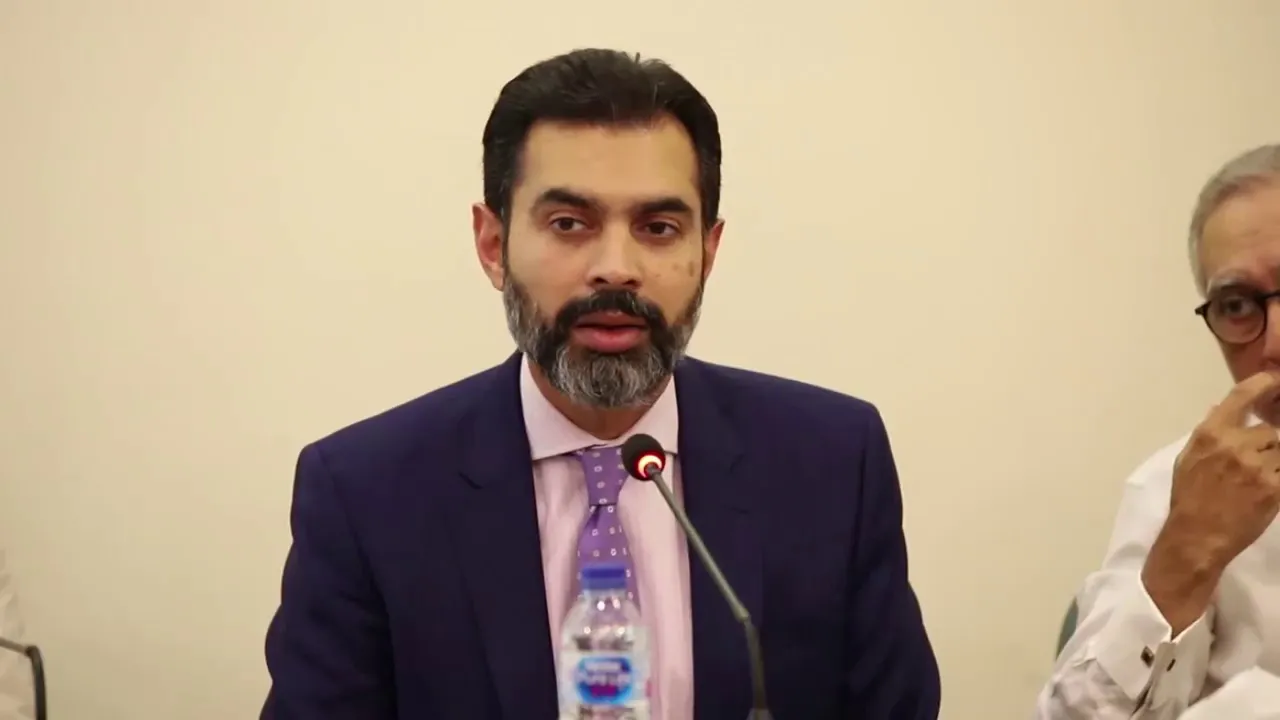
Added:imf program and its implications it could have in the country's environment uh again certainly we all know the imf implications are both for revenue expenses taxes withdrawals your our own taxes as well and again the entire landscape in terms of economic trajectory it could have impact on the overall policy making so given these conditions even these uh considerations we requested mr abdulrahman baraj who is very well known on the cfa society forum already where i saw with our member and he kindly agreed to accept our request and come forward and discuss in detail about the imf program and how to understand its technical areas particularly the quantitative targets and going forward how the country can face challenges in terms of meeting those targets uh so so with that i would just uh uh introduce uh mr verizoff as well uh although we all know it's been a regular speaker here isaf has considerable experience more than two decades of experience in both private and public sector uh previously just recently he was associated with the ministry of finance as dg dead uh and recently he has taken an assignment uh as a consultant with the provincial government advising on the overall fiscal management uh writes up a member of cfa society of pakistan and uh before we move towards the formal program start and the program sharing by the rise uh i will just quickly mention the few of the housekeeping rules again uh considering that today's situation they have been talked about the uh okay sorry for that uh glitch on my part so so today's uh there have been lots a lot of talks about potential disruption in the internet services so if that happens we'll try to relog in so bear with me with us and we'll give us time to re-login and connect if any disruption happen so just the program format so it's a one hour program uh uh initially a presentation by mr gorazap and then a q a for that uh i have requested my colleague also a member of cfs like pakistan mr avisa kind of research at mcbriefer be demoted to q a you can post questions uh through the chat box that would be enabled when the q a session begins and at the end you would be requested to share your feedback now with that uh without wasting further time i would invite mr raymond to please uh the stage is yours you can begin the session thank you so much thank you so very much mr assam and miss serwat mr os and the entire cfa society uh for for this opportunity before starting the presentation i would like to make a disclaimer i do not consider myself to be an expert on the imf program but i am honored to share my understanding of the program and and i believe that uh my unique contribution in this session could be some of the insights uh uh that i gained uh by participating directly as one of the members of the ministry of finance's negotiating team which which has been negotiating the program with imf although my engagement was mostly on the side of debt management but still being part of the team at the ministry of finance i had the experience to do to participate in some of the other meetings as well so perhaps you can benefit from the context and the perspectives that i gained by virtue of that experience so let's apparently there is some disruption okay right right now we can see so this is just a list of abbreviations i'm sure most of you would already be familiar with them so let's move on to the next one before getting into the details of the imf program i just wanted to share with you the three key functions that i am performs and and price for me to find what's up you're not mute uh ren if you could just let him be yes i have unmuted myself i think the connection was lost for a short while i was just saying that it came as a pleasant surprise to me that imf is not only the lender of the last resort but a very valuable repository of research and analysis also for a very large number of countries around the world and imf is also uh in the business of providing technical assistance to its member country so these are very valuable services that imf provides and many of us are not even aware of that next slide please so if you go through the most recent document published by the imf you will find the ims perspective on pakistan's economy so i have just tried to summarize that imf's assessment of the current economic situation of pakistan is that prior to covet pakistan's economy was doing pretty well it was turning the corner and was stabilizing however governed shifted the policy focus to higher expenditures particularly for social support and to some extent to provide economic stimulus to the economy however uh despite some of the slippages uh in in the targets that were originally set by imf and agreed by the government of pakistan now the situation is again improving the economic growth is reviving inflationary pressures are easing although inflationary pressures are not as low as many of us expected them to be until a year or so ago however if you compare with the time when we entered into into the imf program you will definitely appreciate that inflationary pressures are on the decline monetary policy although is accommodative right now but imf thinks that it's quite appropriate considering that there is slack in the economy the spending levels in the economy are rather low so the aggregate demand is is uh low relative to what it should be therefore the monetary policy stance is uh is appropriate currently the banking sector of pakistan is quite stable most of the banks are profitable they are doing well which is which is great because banking sector serves lie serves as as kind of a backbone for the economy it collects the savings from the entire economy and then channels those savings into different kinds of investments external imbalances all of you are already aware have improved a lot the current account deficit which had increased uh by by a huge uh proportion has has come down significantly uh in fact in the current year pakistan is actually running a small current account surplus so that is a big improvement achieved over a relatively short period of two to three years and fiscal consolidation although not as aggressive as imf might have wanted it to be and the country needed it to be but still the direction is all is correct and and fiscal consolidation is happening a number of revenue measures are being taken by the government and there is a lot of discipline on on the expenditures side so the indicators uh on that account are also definitely improving next uh just the three or four key variables that would describe the economic outlook in imf's opinion imf believes that the real gdp growth in pakistan has a potential of five percent per annum over the medium term we all know that uh gdp growth has been much lower recently but imf is projecting that the economy is on a path to revival and the gdp growth should converge to its potential uh growth rate of five percent by no later than financial year 24.
average cpi inflation uh is being projected by imf of over the medium term at 6.5 percent per annum and it is projected to converge to that level uh by fy24 and as far as the current account deficit to gdp ratio is concerned imf believes that over the medium term uh a current account deficit of three percent of gdp per annum uh seems like uh a sustainable and a realistic level of of of the current account deficit for pakistan and imf does expect that it will be gradually achieved right now in the current financial year pakistan is running a small current account surplus which as the economic growth revives is expected to turn into a small deficit which will gradually over the few years in imf's opinion converge to three percent of gdp as far as public and publicly guaranteed debt to gdp ratio is concerned right now the ratio is above 90 percent which is uh quite high and not satisfactory at all by by the international standards uh but with all the fiscal and monetary and the other structural adjustments which are expected to take place uh with the help of imf uh the imf is projecting that the public and publicly guaranteed debt to gdp ratio will also decline to around 70 percent uh over the next five years so that is by financial year 2026 next slide please so what are the risks to this economic outlook in imf's opinion first of all imf has highlighted the heightened global uncertainties due to covet the gdp growth the global gdp growth international trade and remittances all of these can potentially be affected because of the pandemic and because of the resulting uncertainties and slowdown domestic vaccination challenge is a big one pakistan is a huge population and so far the vaccination process is is happening rather slowly so that is another concern for the imf and probably the biggest concern is potential policy slippages which in iowa's opinion can happen partly because of the weak implementation capacity in many parts of the government and and because of the entrenched western interests and of course another potential risk is that if pakistan does not properly meet the the challenges and and make the policy changes that are needed uh uh to comply with the entity money laundering and counter terrorism uh standards that have been accepted around the world that can that can dent the the international investors confidence and that can hamper external financing and investment so that is another potential uh source of risk higher oil prices we are familiar that pakistan is is heavily dependent on oil imports so higher oil prices always pose a risk to pakistan's economic growth and stability and imf has also also pointed to the potential for heightened uh for increase in oil prices due to growing geopolitical tensions or other disruptions in the oil market and of course the deteriorating investor and investors sentiment around the world can adversely affect pakistan southwest economy the reasons have already been discussed by us could be due to higher oil prices global slowdown all these factors a combination of all these factors next please now coming to debt sustainability because this is one of the primary concerns for imes that the fiscal situation and the debt of a member country must be sustainable so imf has a very elaborate sustainability analysis framework and after running its analyses the imf has concluded that pakistan's public debt is indeed although it's high but it's indeed sustainable i would just like to give you a quick overview of the variables the key variables that are analyzed by imf before reaching before concluding its debt sustainability assessment so there are two main variables the debt to gdp ratio and gross financing needs to gdp ratio imf projects these variables under a baseline scenario and under a number of stress scenarios the stress scenarios of course pertain to the key variables that that can be seen as the major factors which influence these variables so these of course include the real gdp the primary balance of a country the real cost of borrowing of the government the outlook for the exchange rate whether or not the exchange rate is going to appreciate or depreciate significantly in real terms and of course a contingent liability shock which can potentially arise out of the state-owned enterprises whose obligations have not been explicitly either not been explicitly guaranteed or have been guaranteed but are not already a part of the public debt due to certain reasons next slide please and apart from those two variables imf evaluates the tech profile of a country on five vulnerability indicators these include market perception which is basically evaluated by measuring the spreads at which the tradable international bonds of that country are trading relative to a benchmark or a reference rate then another vulnerability indicator is the external financing requirement that a country has to meet during a single financial year then there is the trends in the proportion of short-term debt as a proportion of the of the total debt whether it is growing or declining a significant increase in short-term debt of course is not a good sign uh and then finally two indicators uh relating to uh the debt uh which is either held by non-residents even if this one includes the the portion of the domestic debt also which is held by non-residents and finally the debt that is purely denominated in foreign currencies so the imf uh the the risk assessment there are actually three uh levels uh or categories of risk assessment medium low medium and high and imf has assessed the risk to that sustainability for pakistan as high for the stress scenarios uh under both the variables uh so both in case of debt to gdp and gfn to gdp imf believes that although pakistan can sustain its current level of debt but under stress scenarios things can become difficult for the government but in terms of vulnerability indicators of the debt profile the imf believes that uh all five of the vulnerability indicators fall either in the low risk or the medium risk category so that is uh relatively that's where pakistan is doing relatively better next slide please the key objectives of the imf program as for imf itself include supporting the overall economy of the country ensuring its debt sustainability advancing structural reforms in the country so that it is it goes back off firmly on a path of sustainable development and of course maintaining social spending and social cohesion imf of course does not want that as a result of the measures that are that are implemented in response to to to the program uh there should be any uh wide-ranging social or political unrest in the country so the imf is mindful of that and it has a strong emphasis on maintaining the social expenditures at all costs or even increasing them if there is a strong justification to do that even though imf is generally a strong proponent of strong expenditure controls but it creates an exception for social expenditures next please the five main pillars of the imf program five or six main pillars would include of course if we become a little more specific would be fiscal consolidation but at the same time making sure that the government is spending adequately on infrastructure and social services or social support improving the debt profile and lowering the gfn to gdp ratio and of course the debt to gdp ratio to sustainable levels are important pillars or aspects of the imf program running an autonomous and independent monetary policy targeted at inflation and price stability is of course one of the key pillars of the imf program uh market determined exchange rate in imf's opinion is a very very important part of of the economic policy and it acts as an automatic stabilizer and helps the country avoid any major imbalances and and at the same time build external buffers in terms of higher reserves and all that to do to adjust to the changing economic realities uh a particular challenge that pakistan's economy has been facing in recent years is the uh problems in the energy sector the pakistan government has been running huge quasi-fiscal deficits in in the energy sector operations although these operations are being managed by by a few state-owned enterprises but the reality is that the cost of generation and distribution of electricity has been much higher than what the government has been able to do to pass on to the consumers and actually collect from them and the burgeoning circular debt has has over the years become a major challenge for the government so restoring the financial viability of the energy sector is very important for the island and then of course certain structural reforms which i'm believes are important to for the strengthening of the country's policies and its institutions include the anti-money laundering regime the governance of state-owned enterprises and taking measures to improve the business climate in general next one please i have tried to list uh the binding performance targets here and i've listed them only for the two quarters one which has just ended and and the other one uh which follows so these are seven or eight performance targets which are very important for the imf program to to continue and to to reach completion successfully first is the floor on net international reserves of spp when the imf program began the net international reserves were in the range of negative 15 billion us dollars so imf is trying to make sure that the situation is reversed and then of course a ceiling on the net domestic assets of the spp to make sure that the growth in money supply is not too high and does not lead to to higher inflationary pressures so ceiling on state bank's stock of net foreign currency swaps and forward positions because these are also uh uh these also are kind of uh external liabilities for for the central bank so it is important for imf to to make sure that the exposure the country's exposure to these external liabilities is reduced with the passage of time and then uh the mo in my opinion the most important target uh particularly in the context of pakistan is the ceiling on primary deficit i hope most of you are aware of what primary deficit means but i would still quickly uh share the definition with you if you subtract all non-interest expenditures from all the revenues of the government you end up with the primary balance and if the non-interest expenditures are higher than the government's revenues then the government is running a primary deficit you can think of it as a negative operational operational income or an operational loss if if you were to think of the government like uh like a corporation so in private sector we are familiar with the concept of operational losses so if a country is running an operational loss we call it a primary deficit we will discuss more about it later in the presentation and then there is a ceiling on the government's budgetary borrowings from spp and it is actually declining with the passage of time when the imf program began the government had huge outstanding loans from the central bank and now the imf is making sure that these loans are gradually retired and the next is a ceiling on the government guarantees this is a rather new uh quantitative target that has been introduced in this imf program previously it was it was typically not introduced not imposed by by the imf but considering that pakistan's public debt and publicly guaranteed debt combined are quite high therefore imf has uh imposed a ceiling on on the stock of government guarantees and right now it is the in the in the range of five and a half percent of gdp uh and imf wants uh it to stay at that level and i think most of you would be aware that the imf uh wants the government not to to resort to the central bank for for borrowings we all know that excessive government borrowing from central bank has undesirable impact on the economy it leads to greater inflation impedes the development of capital markets and and acts like as a moral hazard for the government to spend more because it can borrow at almost no cost from from the central bank next slide please these are some of the structural benchmarks i listed only the ones which have to be met by the end of the current financial year so these include the establishment of treasury single account the first phase in which only the commercial bank accounts maintained by the ministries and departments of the government will be [Music] consolidated with the treasury single account already being maintained with the central bank so i'm sure uh the bankers are already aware of this development and some of the commercial bank balances have already been recouped uh by by the treasury single account but uh but according to the the most recent estimates uh the amounts involved are not very huge uh but we can discuss more about it later during the question and answer sessions if in session if you want then there's an anti-smuggling measure through the track and trace system for tobacco products and if it is successful then it would be expanded to other other products also then the public discrew disclosure of the spending made uh uh emergency spending made on account of covet that is an important benchmark the auditor general's audit report regarding the transparency of covet related procurements needs to be made public the government is bound to assume and to repay the circular debt lying on the books of central power purchasing agency to the extent of pkr 180 billion out of which not more than one third can be settled in cash and the rest through that instruments i'm sure many of you are already familiar with this development uh and then of course this this the next one is probably the most daunting one of all of these structural benchmarks the annual rebasing for the current financial year has to be done by june of this year and considering that there has already been a significant hike in electricity prices this is the one that is going to uh going to test the the will of the government more than any uh any other target or benchmark in the short run then there is an agra act which will give more powers to to [Music] pricing power to the relevant government entities engaged in the oil and gas businesses uh then of course public publishing the external audits of of the utility stores corporation this is uh this is uh basically uh a move towards greater transparency of the state-owned enterprises imf is making sure that the government regularly carries out external audits and publicly discloses their their results in in respect of all or most of the state-owned enterprises and the final one is to have an asset declaration system for politically export exposed persons the high-level public officials imf wants the government to put in place a system whereby the high-level public officials personal wealth is is properly disclosed on a regularly basis next please what to expect going forward i think there have been a number of tax policy changes during the last year and and and very recently also uh all all of you months many of you must be familiar with the corporate income tax policy changes that have recently taken uh place but going forward you should expect more policy changes on the sales tax side uh i have listed some of the key measures uh that the imf wants to do to push for and of course the personal income tax reform also imf wants more progressivity it believes that uh most of the individuals even those who are existing taxpayers uh pertain to very low marginal tax rate brackets so imf would wants a review of the entire taxation scheme for the individuals and and it expects uh more individuals to start paying higher marginal tax rates and of course it wants the rationalization of tax credits and allowances for individuals and simplified procedures very simplified procedures for for the taxpayers which are which fall in the category of very small taxpayers uh i i would like to quickly run through the key four or five aspects of of the sales tax harmonization right now there are five sales tax laws in the country every province has its own for the services and the federal government has one for goods so the move is to to towards a standardized agreeing on standardized definitions of goods and services charging of sales tax throughout the country on the basis of destination principle because it is a consumption tax uh and the revenue should accrue to the government in whose jurisdiction final consumption of the goods or services has taken place so that is a fair principle uh enabling the businesses to file a single sales tax return for their operations throughout the country and of course the final one which i personally believe is going it's not going to be easy to implement but there is growing talk about this one the possibility of unification of sales tax administration throughout the country under a single agency and of course introducing uniform sales tax rate across the country with little or no preferential rates or exemptions next one please on the expenditure side the two major policy changes uh that you should expect include uh significant restrictions on approval of additional expenditures which are called supplementary grants uh uh in in the jargon of the ministry of finance so there are going to be severe restrictions on approving additional expenditures and deviating from the budgeted ones and of course imf is very keen to push for subsidy reform and and is advocating a policy of better targeted subsidies and it it expects the government to introduce changes so that uh energy subsidies uh are not availed by the relatively effluent sections of the society so these are the two major aspects of the expenditure management program next one the two major uh reforms on the debt management side include the strengthening and restructuring of debt office after many years of its establishment now there is a move towards expanding the office and and assigning additional functions to it if these legal amendments which have already uh been approved by the cabinet are eventually legislated then the debt office would be empowered it would be more empowered than before and it would practically be in charge of all commercial borrowing whether domestic or external however other agencies of the government will continue to play important role in the bilateral and multilateral borrowings because those are considered partly to be an area of economic diplomacy and not just debt management as far as the medium debt medium-term debt strategy is concerned the imf is very keen that the targets that are that are set in the debt strategy should be should have more sanctity and and and accountability should be structured account around those targets so i have listed here three or four of the key targets of the medium-term debt strategy these include lengthening of the maturity profile of pakistan's debt there has been some progress in this regard over the next two years but of course the government needs to to lengthen the maturities further greater issuance of fixed rate debt to to to [Music] manage the interest rate risk and of course considering the higher growth of sharia compliant funds and and bank bank deposits there is of course uh going to be aggressive targets for for greater issuance of sharia compliant debt and uh the regular issuance of euro bonds in international capital markets is also becoming an important part of the debt strategy in the past your bonds have have not been issued on a regular basis but in future the imf is encouraging the government to have a regular issuance issuance plan next one on the monetary and financial side imf expects a gradual withdrawal of quasi fiscal policies that are being administered by the central bank these include a number of temporary refinancing facilities that were supposed to to to either support the export sector or or provide an economic stimulus in the wake of co-word the imf also wants a reconsideration of the mandatory lending targets that are at times assigned to commercial banks and relax uh many of the exchange restrictions that that have currently been imposed uh i think all of us or many of us are familiar uh with the move to amend the state bank of pakistan's act and to grant greater autonomy to the to the central bank there has been some debate going on in the media in this regard also some of the key points uh aspects of these amendments include price stability becoming the primary objective of the central bank i personally think that this was long overdue inflation targeting has been the primary objective of most central banks around the world and and it is high time uh that the price stability objective uh is assigned to the state bank also and then greater financial autonomy for for the bank a collegial decision making framework where a high-level body of senior executives will make the key decisions of the central bank uh uh and uh restrictions on on queensland fiscal operations uh being run by the central bank the imf believes that uh the central bank should be focused on on the monetary policy and and management of the exchange rate in line with the exchange rate policy uh and the fiscal operations should be left to to to do the government and finally the restrictions on lending to the government uh although i personally have some reservations on that i believe that uh there should be a safety valve in in the legal framework whereby the government can resolve resort to the central bank borrowing in emergency situations but but the imf expects the government to impose a complete restriction on the central bank lending to the government partly because considering the fact that it has been allowed in the past but this power was not used in a very responsible manner so partly that is the reason why imf is pushing pushing for this one next please in energy sector imf is a strong proponent to increase power tariffs even if energy prices become too high and to align them with the cost recovery levels uh this i personally believe is going to be a very uh tricky area and and the government will find it rather difficult to to me i'm sorry i think [Music] the internet connection is a bit unstable and of course reducing the commercial and technical losses uh improving the generation mix of the country and reducing the overall power generation costs so that the energy sector becomes more viable uh the imf expects the government to to take over and assume the entire outstanding circular debt and pay it off over the next few years so that the power sector has a clean slate and it can move towards financial liability in the future and of course uh the power policies should be redesigned to to to ensure more competition in the sector next slide please next slide please sve reform has been an important area for for for the imf and the imf has convinced the government to come up with a new soe law which clearly states a rationale for state ownership of corporations and should require the government to ensure that the state-owned entities are run on a commercially viable basis and lay down the principles for oversight and ownership arrangements the government has already published our triage with the help and support of the imf which basically identifies which state-owned entities are going to be retained by the government and which ones are going to be either privatized or liquidated the imf also [Music] strongly advocates the establishment of a central monitoring unit for state-owned enterprises to be established within within the ministry of finance and finally the transparency of operations and and finances of the state-owned enterprises is an important concern uh you're you're on mute uh yeah i will unmute myself i'm so sorry you had you had mentioned that the internet connectivity out of lahore is is is kind of liable uh but i think we are almost done uh let's move on to the next slide i will just try to quickly run through the remaining slides so that we can spend some time at least for the question and answers and finally the remaining structural policies pertain uh basically to improving the business environment the measures to enhance competitiveness of the economy mainly improving the regulatory environment taxation as well as non-tax regulations tariff rationalization to lower the cost of inputs and promote industrialization in the country and the electric vehicle policy of course which will be good for the empire environment lower the fuel imports and lead to higher investments uh and technological improvements and better governance uh some aspects are listed here an asset declaration system for high-level public officials financial institutions uh will be required to monitor the politically export persons and and and suspicious transactions with with with more diligent and the national financial television next one please now the major challenges to to the policy changes and the administrative that are needed to the imf program successful i think the foremost is the trade-off between fiscal consolidation on one hand and gdp growth on the other hand and the mf program is particularly tricky because on one hand it requires pakistan to to significantly increase its tax to gdp ratio and on the other hand the pandemic there are serious concerns on or regarding the the the gdp growth of the country and and the the desire to stimulate the economy in the short run the imf is expecting a major adjustment of the primary balance in the range of three to four percentage points of gdp so that is not going to be easy due to the reasons that i just explained in terms of debt management which is an area i have myself been been dealing until recently the imf of course is very keen that the maturity profile should be lengthened but we all know that longer term debt also entails a higher cost of borrowing so another dilemma for the government is how to balance the two objects and how to manage this trade-off considering that pakistan's financial management is not very sophisticated at the moment the systems that are in place and the forecasts of cash flows are not highly reliable another challenge that has been posed by the current imf program is the the satisfactory management of cash flows by the minifigure outing to informing the finance has been quite successful in meeting this challenge but nevertheless uh the challenge is an ongoing one and of course uh the cost of fixing the circular debt is is is huge the government is now expected to assume the outstanding debt and and to make sure that future growth in circular debt is contained so these require very tough decisions and redesigning of policies so this so far has proven to be a big challenge i think this is one of the areas where very little progress has been achieved since the current time of program began so so that definitely is is an area of con soe reform i would say is always easier said than done because state-owned enterprises are huge entities they have a momentum of their own the government is moving in the right direction by passing the necessary legislation policy changes but turning around turning these state-owned enterprises around and running most of them on a commercially viable basis is going to be a huge task and finally uh one area that i would like to share with you out of my own experience is the ability to effectively negotiate with imf typically when a country is in an imf program you have very little time and you have to respond to a number of of policy and administrative and legal changes that that that come in the form of conditionalities and expectations from the imf so it is very important for the key officials in the relevant government agencies to be very well prepared to have their own plans and strategies as to how to deal with those situations and in the areas where they think that the proposals of made by imf need some modification or a somewhat different strategy needs to be pursued they have to they have to be very quick on their toes and very well prepared to be able to convince the imf uh to to follow some different strategy i have had first-hand experience of this when i was negotiating with with the imf regarding some of the um uh so i can tell you for sure that uh effectively negotiating with imf is no easy task next one please what i want to tell you is that the imf program brings many opportunities also imf as uh i said earlier has a very strong capacity in terms of the economic the financial and the fiscal policies and the structural policies that countries should follow so imf can provide very valuable technical assistance and i personally believe uh trees are not strictly in a crisis but where there is a realization that some of the policies need to change or improve should volatile imf and seek help i think that the capacity of imf to provide technical assistance is is underestimated not everything that imf proposes may be perfect or highly suitable for for for a particular country in a particular situation but by and large uh the the recommendations of imf are grounded in in international best practices uh uh and in international experience uh so this is a very very valuable service that that imf can provide and then is the impetus to carry out overdue policy and administrative reforms many of us working outside or within the public sector uh feel very strongly uh for for foreign various policy and adverse creative changes particularly political and economic situation is not ready for for those changes to be instituted very quickly the imf program typically provides this opportunity if the leadership of the country is ready they have a clear plan uh and and prioritization of uh of uh which policy and administrative changes to make the imf program provides a very strong platform to quickly institute those changes and then another benefit of imf program is is the impetus to find alternate solutions as i just said a good negotiation with imf requires a big part of government agencies also and and but there is a huge opportunity uh to to persuade uh uh and convince imf uh to work on alternate strategies i have had this experience personally uh in the area of dead man i was able to convince imf on on a few aspects of the strategy uh which i believe should be should be undertaken differently so that was so uh uh that was a great experience for me uh and i give a lot of credit return to our imf for certain uh changes that were made that were not even contemplated by the imf itself or even the government itself before the imf program began but once the pressure was built by ims to achieve certain targets then we sat together and found [Music] uh some new solutions production floating rate bonds uh is one of those uh solutions that that we jointly developed with imf which were not initially on the radar so you must have those of you who work for banks or other investment organizations would know that introduction of long-term floaters is a relatively new phenomenon uh and it has helped the government of pakistan a lot in in re-profiling its debt rather quickly and at uh at a very reasonable cost so things like that can happen imf is putting pressure on you to do certain things uh uh and and and you if you can come up with new ways of solving those problems that that can be that can be actually good for the country and for for farming general and finally the heightened emphasis on transparency and communication probably my biggest learning over the last two years working with the finance ministry uh and working closely with the imf has been the realization that transparency is the first step towards effective accountability when the government agencies become more transparent they communicate with the markets on a regular basis they they their publications go out on a regular basis the public gets to become more aware public debate is generated and there are there are uh opportunities for the for the civil society to give feedback to the government through various channels that uh that is actually a very effective and subtle way to do to make the government feel more accountable and responsible to its citizens so one major learning uh on my my part has been the realization that transparency and regular communication are are various steps towards effective accountability of the government next one please so this is the final slide if you had to have one take away from today's presentation the one variable that i have learned over the last two years is probably the most important if we want to put the economy of pakistan on a path to sustainability fiscal and debt sustainability is the primary balance and i would tell you why when the debt to gdp levels are row are low you can afford to run primary deficits why because the cost of borrowing is typically low because you're borrowing less and your debt levels are also low so you can afford to accumulate more debt so even if you're running primary deficits and spending most of the additional expenditure on development projects that strategy may be feasible and workable for you but once the debt to gdp levels high running primary surpluses becomes crucial and [Music] primary surplus is not primary balance is not just one variable if you analyze it uh in in some detail you will find that it actually embodies a number of variables you have to increase your taxes you you have to control your expense have turned around your state-owned entities you have to fix the bleeding quasi operations like the energy program and contain the circular debt so you have to do a host of things in order to be able to generate a primary service so my take over the last two years has been that if we really want to turn our country around and put it on a path to fiscal and debt sustainability then we must make a commitment to run primary surpluses over the next few years the ims projections are are also forecasting that the country will be able to generate primary surpluses in the range of one and a half to two percent of gdp over the next few years in my humble opinion the primary surpluses should be even larger but even meeting the ims projections will be a big deal because until recently pakistan and country deficits in the range of two percent of gdp so there has to be a major fiscal around in order to go from a deficit to to to a primary surplus i think that brings us to the end of the presentation thank you so much for your patience and my earnest apology geez for taking too much practice this presentation before i had no idea that it will take me so long my apologies for that and thanks a lot for your patience okay thank you so much okay thank you so much uh doctor for giving such a comprehensive insightful presentation i think without the further ado we'll move to the question answer session so i've got a lot of question at our backlog but before moving to one of the question i would like to ask is what do you think how much challenging the current imf program uh is for pakistan because there are certain conditions which are very much stifling in nature for instance they have to raise the text to gdp ratio by one and a half percent in one year they have to increase the electricity tariffs by roughly 30 to 40 percent do you think this program will uh smoothly sail through or they will they will be up for renegotiation at some point of time i would say that real negotiation is never a bad idea because as the program progresses you learn from some of the mistakes that that have been made and if the experience is showing that some of the targets need to be revised or renegotiated the government should of course try to do that i on my part have found that imf is pretty flexible also where it is convinced that the government made its best efforts but the political social and economic conditions were not right for those targets to met it typically agrees to give waivers or or to extend the the deadlines for those targets i personally feel that yes you're right the situation is particularly challenging uh uh uh in the wake of the i i think that the economic situation of the country is such that the government must show the resolve and the commitment to to try and meet most if not all of the targets because i would say that these targets even without imf but if we are convinced that these policies are in our without an imf program we should be setting similar targets for ourselves and doing whatever it takes to to to meet them so it should not always require imf to come and tell us what needs to be done okay so next question is from kurotalin she's asking what's the sustainable level of gross financing need to gdp ratio for pakistan i think you had mentioned in one of the slides the sustainable level of current account deficit which was at roughly at three percent but don't you think uh given that the foreign direct investment sources for pakistan are completely drying up don't you think the sustainable level would be much lower given that our external debt to gdp ratio is already at an elevated level yeah uh i think the imf's benchmark for gross financing needs to gdp ratio is 15 for developing countries like ours our gfn to gdp has been much higher it was in the range of 35 percent of gdp until until a year ago i think fy19 but in its current report the imf has noted that the gfn has declined significantly to around 28 in fy 20. so there has been an improvement on that front but of course imf is pushing for more and i also think that the own trust that government should borrow mostly through longer term instruments so that its ability to to to any short-term crises is is is stronger uh regarding your question uh pertaining to the optimal or sustainable size of the current account deficit i think you injecting a rather quicker convergence to a higher gdp growth so imf expects that inflation will be tamed very soon and gdp growth will be converging to five percent [Music] so currently are not too high they are in the range of five percent of gdp per annum most of our gross financing needs arise from domestic financing requirements because it is the domestic debt which is mostly short term in nature so it can be okay uh so the next question is from sajad inversa he's asking what's your take on the imf's medium term gdp growth projections i think they were roughly close to five percent uh historically they've also given such projections and they have never been achieved do you think they are realistic whatever the imf gives in the documents i would say that in many of the policies and institutions of the government if we assume that those improvements will take place then the gdp projections do not seem very unrealistic but if we believe that all those underlying policy changes uh are not going to take place then of course mr sajad has a point then probably we will fall short in terms of gdp growth particularly because right now we are in a kind of a difficult situation the global economy is slowing down and our debt levels are already high so this is not a very good situation that is why we need a lot of institutional and policy reform and the more commitment the government shows in that regard the better it would be for the country first you need to unmute right okay the next question is from mr tahai he's asking that government wants to renegotiate the power terrifying and sbp autonomy bill which was agreed recently do you think imf will agree on this i think now you're asking questions that are way beyond my paycheck uh i believe honestly that unless the government comes up with a viable alternative plan the imf is not going to agree because right now world bank and imf are working together uh uh and pushing for the energy sector reforms uh unless the government of pakistan has an alternate plan which shows to the imf that the desired productions in it would be very difficult for the imf to do to simply ignore the way energy sector is is is currently going on thank you the next question is from satish uh he's asking that whether the government can increase gst on the products which are part of agricultural change i mean these have been generally the untaxed or no-go areas so can the government sneak into these areas although i am not privy to the negotiations in that area but i know from whatever exposure i had that imf internal redemptions of any kind and imf equates them with with subsidies which are which are kind of inefficient and distorting for for the economy imf believes that the subsidies are best paid in the form of direct financial transfers and all other forms of subsidy should be temporary at best introduced only the time of extreme crises and phased out as soon as possible as the economy recovers so my take would be that it may not be easy for the government to either introduce or or continue with such exemptions so the next question pertains to um to the area of state bank of pakistan i think state bank of pakistan took various fantastic measures during the crisis like the turf facility do you think uh imf will put a hall to you know i can't i can't hear you clearly have asked can you give me a few seconds maybe i can try and fix my connection quickly sure you're audible i guess we should be back can you hear me a wes can you hear me clearly better than before yes yes can we proceed okay yes please do so the next question pertains to the activities of central bank of pakistan as we saw during the covet crisis they incentivized the industry and by giving this tough facility do you think imf would limit or put a ban on on on such activities given that there are certain limits on the nda of the central bank yes definitely in fact the imf has already mentioned it as one of its concerns in terms of the monetary and financial policies and has urged the government already in its report to phase out these refinancing schemes sooner than later so you're right it will not be easy to continue these schemes for a very long time and one reason of course is the implications for the net domestic assets the imf has categorically categorically mentioned that and apart from that imf believes that these amounts to these subsidized financing schemes amount to to quasi fiscal operations and it these can compromise uh the central bank's ability to to to to uh carry out the monetary policy uh properly so the imf has already raised some concerns so my take would be that these would be gradually phased out although right now the imf has decided to live with these schemes it has not included the phasing out of these schemes in the in the structural benchmarks uh or or its targets so i think we'll take the last question from tahaf and javed uh he's asking that the government has largely failed in the tax base so how will it meet the revenue targets given you know the targets are very much herculean in nature i think this question again is beyond my paycheck and i will urge the cfa society to let it be a series of sessions pertaining to the imf program and let us invite professionals uh and officials from other government agencies also i personally believe that i have some ideas to improve the taxation system but i would not like to make any any sweeping statements right now because honestly although i have worked for fbr for a few years but i i do not consider it to be my forte uh to do to lay down a a strategy for enhancing the tax to gdp ratio uh but i think the imf program is a very very comprehensive program and uh the cfa society needs to probably uh organize seminars on a regular basis on this subject and and let's invite uh more people officials and professionals to share their insights with us i will stop at that so so let me jump in thank you verizon thank you always uh for this uh session but i am really thankful for your personal insight added insight that really i think improve the overall understanding on the interpretation while we are also ready to hold more sessions we will be looking forward to engage more speakers as you have suggested and will also connect with you to bring those individuals to the cfa society forum and take this discussion forward with that since we have already exceeded uh by the time uh we allocated for this uh session and uh with that i would just uh thank you again and all the audience who were connected with us and looking forward to the next session soon thank you very much thank you
Up Next

Argentina's Economic Collapse: A Century of Decline Explained
@CasualScholar
1.6M views•2024-02-29
Impact of Yuan in Indo-Russian Trade Amid Sanctions
@WION
261.9K views•2022-07-01
Behavioral Economics Explained: Rationality, Nudges, and Risk
@crashcourse
1.1M views•2016-03-12

The Age of Easy Money: Fed & Inflation | Full Documentary
@frontline
21.2M views•2023-03-15
Related Study Plans & Knowledge Roadmaps
Structured learning paths in Economics