










![부동산보다 비트코인 사야하는 이유 역대급 호재와 4번째 반감기! [토크라운지]ㅣ블록엑스 표상록 대표 1부](https://i.ytimg.com/vi/bW177bPt34I/maxresdefault.jpg)






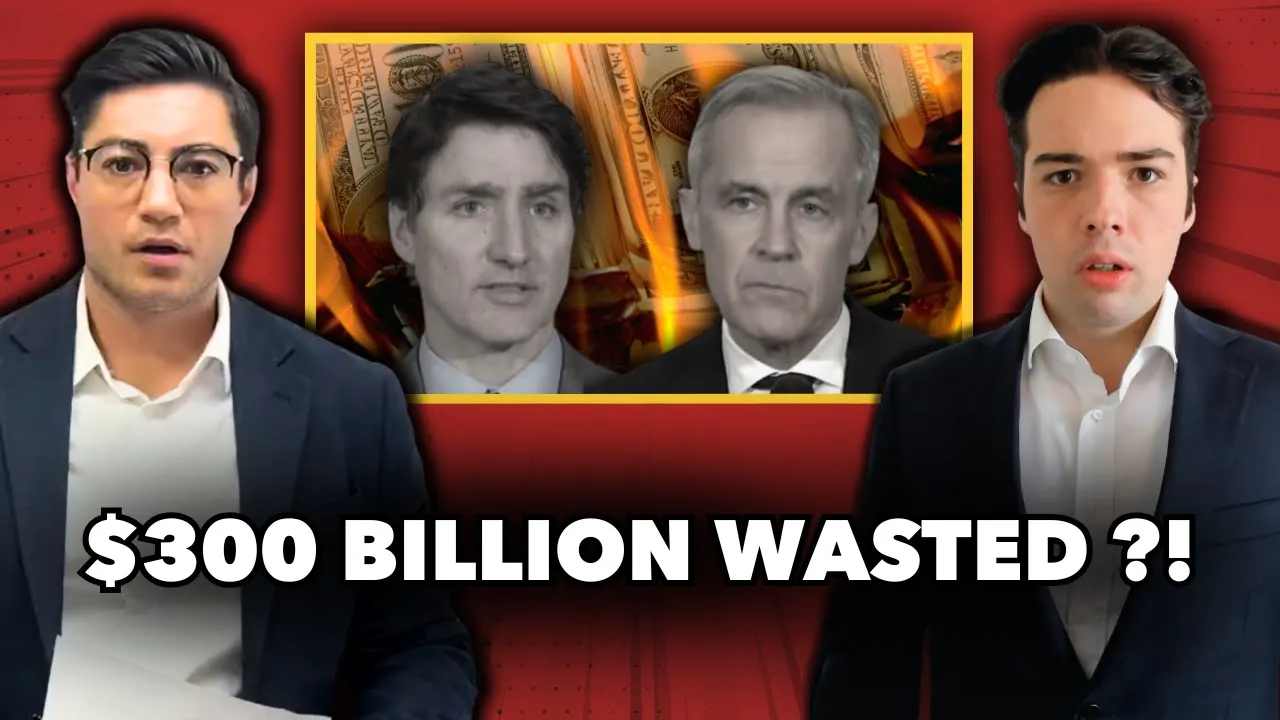










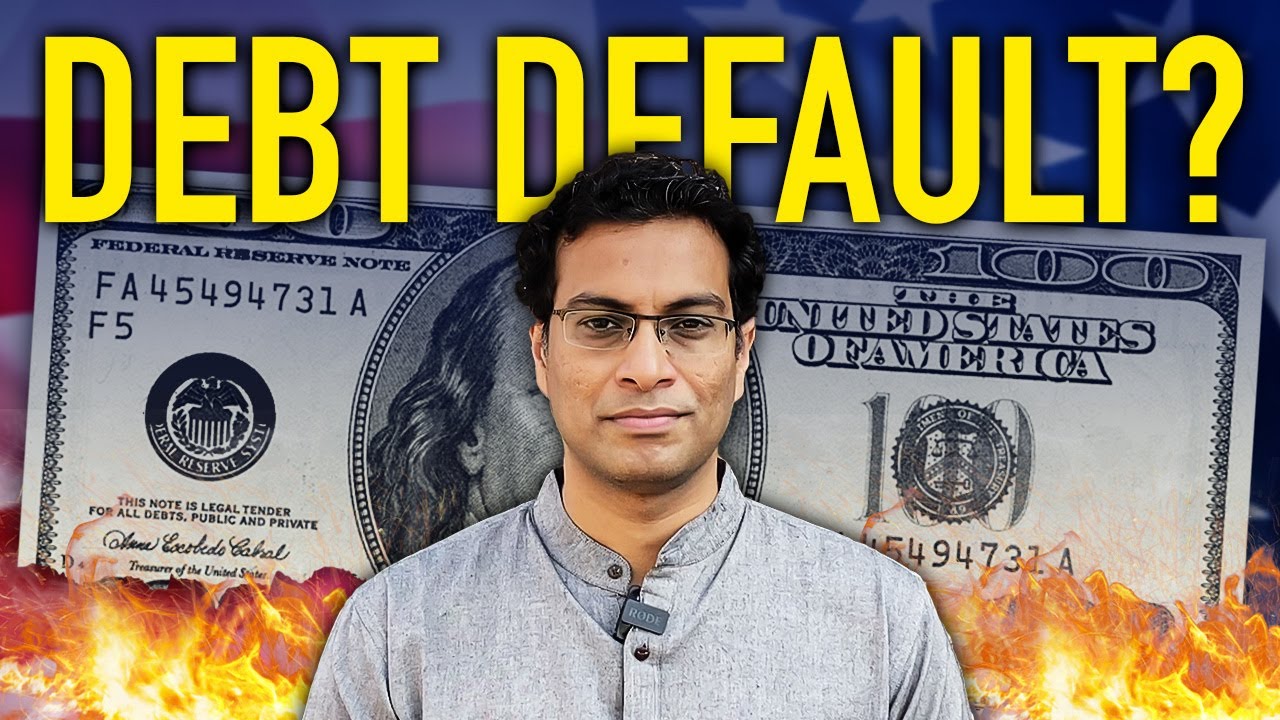
A sovereign debt crisis occurs when a government exhausts its three primary methods of financing: taxation, borrowing, and money printing, leaving it with four unattractive options—spending cuts, default, hyperinflation through money printing, or hoping for productivity increases to resolve the crisis.
Sovereign Debt Crisis: Causes and Government Responses
Added:Fundamentals of Fiscal Policy: Understanding how governments generate revenue through taxation and manage public expenditures.
The Mechanics of Sovereign Debt: How governments issue bonds to borrow money from domestic and foreign creditors.
The Role of Central Banks: Basic monetary policy concepts, including money supply regulation, interest rates, and the mechanics of inflation.
Key Macroeconomic Indicators: Understanding Gross Domestic Product (GDP) and the significance of the Debt-to-GDP ratio as a measure of fiscal health.
Comparative Case Studies: Analyzing historical sovereign debt crises, such as the Greek debt crisis of 2010 or Argentina's sovereign defaults.
The Austerity vs. Stimulus Debate: Evaluating the macroeconomic and social consequences of implementing strict fiscal austerity versus Keynesian economic stimulus during a downturn.
International Bailouts and the IMF: Examining the roles of the International Monetary Fund and World Bank in structuring rescue packages and imposing structural adjustment programs.
Long-term Impacts of Sovereign Default: Investigating how debt restructuring or default affects a nation's sovereign credit rating, currency value, and future borrowing costs.
94.7K views4.2Klikes21:55Original Release: 2024-07-08
some would say that the financial situation the US government faces right now is severe when you take a look at the US national debt it's aing $34.88 trillion but what does that actually mean what's another trillion here when you already have almost 35 of them well let's put it into context when you look at the size of the national debt compared to the GDP of the United States it's at the highest point it's been since the end of World War II or put another way the the US budget deficit is sitting at almost $1.8 trillion or put another way the US budget deficit is $1.2 trillion so far this year which is 3% higher than it was last year in fact the budget deficit gets worse every single year despite the fact that us tax income continues to rise every single year and if you're wondering whether 1.2 or $1.8 trillion for a budget deficit is a big deal well take a look look at the amount of money the US government spends just on the interest on its debt well over $1 trillion which means pretty much all of the money the US government is borrowing in excess of what it taxes it's using that just to pay the interest portion on the debt at this point people wonder well we can just keep on kicking this can down the road forever right it's always been bad and it always will be and that's true until you come to the end of the road and that point where the road Runs Out is called a sovereign debt crisis and I'm going to show you exactly what it looks like when a nation faces a sovereign debt crisis and what you'll notice is that it looks oddly familiar and very similar to what you see by just looking around if you don't know who I am my name is Joe Brown back in 2019 I quit my job as a stock broker to teach people how the economy works and how financial markets work so that you can use that knowledge to make more money investing and because the vast majority of investing returns have been solely due to the fact the United States economy has done well over the past Century it's probably worth paying attention to now there's a religion called mmt modern monetary Theory and just like any religion they have priests and those priests will tell you that a government's finances are completely different than an individual or a household's finances they don't have to care about surpluses or deficits in reality there is no free lunch there is no such thing as a Magic Money Tree there is no difference except for one the only difference between a government's finances and yours is how it makes money or I should actually say how a government takes its money and so if we want to understand a sovereign debt crisis in other words government finances we have to understand how it works in the free market first in the absence of force there is only one way for any individual to make money I have to give you something that you want badly enough that you are willing to voluntarily give me money for it or at least give me something that I want in exchange let's take for example a pair of shoes a few weeks ago I was looking at the shoes that I had and I realized one of the pairs of shoes that I had that used to be my nice pair of shoes that I'd wear with like a nice pair of jeans and a nice t-shirt they were not nice anymore they were older they were dirty they were a little bit worn out and so I was looking for a new pair of shoes well a few days later I was at the gym and I noticed a guy wearing a pair of shoes that were just sick they were clean they were white they had a little colourpop on them I loved him so I went and asked him hey where'd you get those shoes he told me told me they were really comfortable he loved them so I looked him up online they were like 110 bucks now based on recent inflation that may or may not be a lot compared to other shoes I haven't been in the shoe market in a while but to me $110 was a fantastic price I would much rather have that pair of shoes than $110 now here's the key about this though it's not that the shoes were objectively more valuable than $110 or else it would have been the logical thing to do to buy all of them to buy them out of stock so I could get something that is objectively worth more and give away something that is objectively worth less that was not the case I wanted that one pair more than I wanted $110 but I did not want the second pair of them more than I wanted the second set of $110 I wanted that second $110 more than that second pair of shoes so that's how value works it's subjective and it is ordinal it goes in order I wanted one pair of shoes more than $110 not the second pair so the shoe company made something that I wanted badly enough that I was willing to give up something that they wanted for that exchange and that way both of us profited we are both now better off than we were before because I lost something but I got something in exchange for it that I like even more I'll give you another example when you go to work you clock in work eight hours you clock out you do that every day 5 days in a row you work 40 hours a week you are giving up something that you want less than what you are receiving in return you are giving up time and you are getting money you subjectively value that paycheck more than you value those hours that you are giving up and if you didn't you just wouldn't work that much again it's not that those hours are objectively worth less than the money if that was so you would work every single hour available to you in exchange for the most in your paycheck it's just the fact that those 40 hours are worth less to you than that paycheck but not the hours that are available on the evenings or the weekends and for some people it is that way and that's why they work more overtime so I think you get to picture in the free market if the absence of force the only way in order for any individual or company to receive purchasing power to get money is to give somebody something else that they want more and when this exchange voluntarily happens both parties are made it better off because both parties lose something they want less and both parties receive something they want more it means Society gets richer wealth is actually created the only time this breaks down is when there is force when there is no choice which brings us to how the government makes money or I should say how the government takes money because for the government to receive purchasing power they do not have to give you something that you want badly enough that you voluntarily give the government something in exchange for that instead the government says give me this amount of money from your paycheck and if you don't men with guns will come to your house and imprison you and we call it a social contract year to date the US government has taken $ 3.28 trillion from American citizens and that is up 10% compared to the same period last year and in fact when we take a look at total government taxation that is the trend year after year decade after decade Century after Century despite the fact that the US government always takes more of your money in taxes they never spend less and they never spend the same they always spend even more and blame you for being G for wanting to keep more of what actually belongs to you and this is why taxes are inherently unpopular and at a certain point if the government tries to take a higher percentage of your money in taxes the actual tax revenue will fall because people will try and find loopholes or they'll just actually evade taxes altogether people don't like voting for people who are going to take more money out of their pocket this is why when you hear people talk about taxing the rich what they always mean is taxing people who have more money than they do because because apparently decamillionaires like every single person in Congress is not considered rich and so at a certain point after taxing the population to death a government will still need more money because the spending the government does also goes up every single year at a faster Pace than they tax but they can't just tax more otherwise people stop paying their taxes so they start to borrow the amount that government borrows every year is called a budget deficit and this is the difference between what a government takes in taxes and what it spends just like you if you make 100 Grand but you spend 120 Grand the deficit there is going to be 20 grand and if you didn't have any prior savings you're going to have to borrow that and for the US government it is no different and this deficit you can see gets worse and worse every single year to the point where multiple trillions of dollars is no big deal anymore where in Prior decades even saying the word trillion would have received gasps but there is a problem with this as well and it's the fact that eventually you run out of money to borrow this is one of the reasons why yields on us treasuries have been increasing and why an almost 40-year downtrend in yields has now broken to the upside because everybody who has dollars to lend has to choose what to do with it and if you have fewer dollars available you are going to require a higher interest rate to attract you to lend those dollars so the more and more a government has to borrow the higher and higher interest rate it's going to have to pay to attract dollars to borrow and eventually get to a place where a government tries to borrow and there simply are not enough dollars in the system for them to borrow from now this sounds like a crazy thing but it's actually happened many times it's what led to the repo Market Madness in September of 2019 this is what leads to bad auctions or auctions that are close to failure and that has been happening more and more often over the last year where the US government tries to borrow one interest rate there's not enough lenders so they end up having to pay a much higher rate and every single time a government gets to this point they have a choice we can spend less which means borrow less or we can keep on spending the exact same amount and eventually default or we can call on our Central Bank to print for us and this is the third way that a government can gain purchasing power it's by tapping the power of the money printer now to be clear most governments do not have direct control over their central banks just like in the United States the central bank is technically and legally separated from the government in Nations where those are fused together and the central government has direct power over the Central Bank you usually have massive episodes of hyperinflation like in Zimbabwe and Venezuela and turkey and Lebanon and pretty much every example of hyperinflation but just because there are legal loopholes to jump through does not mean that the end result of a central bank like the Federal Reserve printing money that money still ends up in the the hands of the central government yes it has to go through the banking system but the end result is close to the same when a central bank like the Federal Reserve does this printing it increases the size of their balance sheet looking at the Federal Reserves balance sheet we saw this happen in 2008 big pop in 12 and 13 and the biggest increase in 2020 and 2021 the only problem is if they print just a little bit too much the inflation Genie can get out of the bottle and that's exactly what happened this time you had more money enter the economy chasing the same amount of goods and services just like more money in an auction chasing one good or service drives the price up more money in an economy chasing all goods and services will chase the price up so to recap a government first will tax in order to take income when due to political unpopularity they run out of the tax road but they still want to spend more they decide to borrow and at a certain point they have borrowed as much money from the economy as they can as well but they still want to spend more so they go to the money printer and say just print some money for us and when they run out of that road inflation gets out of control now they've Tapped Out taxes they've Tapped Out borrowing and they've tapped out the money printer what will they do next at this point a government faces a sovereign debt crisis a nation's debt to GDP ratio will be at 120% or higher which means they have a lot of debt compared to the size of the economy which means they cannot tax the economy enough enough to meaningfully pay down the debt the nation will also see most of its borrowing going to just keeping its existing debt pile alive in this case the interest payments on the national debt well over $1 trillion are getting very close to the size of the annual deficit at $1.8 trillion to put this into the perspective of an individual's household this would be like you using a credit card in order to pay the interest on your your other credit card just the minimum payment just the interest not touching the principal but since you're using a credit card to do that you're actually growing your total pile of debt just to keep your debt Al lie and because you've tapped the Central Bank aka the money printer to pay your bills prices started to Skyrocket as a result of more money chasing the same goods and services at this point taxing more has major consequences which could be not receiving as much in taxes because people just stop paying borrowing also has severe consequences because you try and borrow more you might actually default or have a failed auction number three printing has major consequences because inflation might just Skyrocket out of control which means a government has four choices and only four ways out of this mess and it's important to know that none of these four mean no pain they actually all have pain in different ways option number one is just getting your finances in control it's what every individual has to do most people people at some point in their life hopefully early on learn they have to do this you have to spend less than you make which sounds Preposterous for a government to do this especially a government like the United States who spends way more than they take in taxes every single year but consider the fact that in 20123 the government took $4.5 trillion in taxes 2022 was 4.8 trillion and 2021 was 4.3 trillion that's a lot of money in taxes and we don't have to go back that long ago to find a bud budget that would fit that tax income in fact the US government would simply need to return to the exact same spending that was already crazy high that they had back in 2018 if we simply return to the same spending plan as 2018 or any year prior then 4 and a half trillion dollar would be plenty to cover all government expenses you simply have to go back to the spending that it was before Co would that be painful sure is it doable absolutely but we all know they're not going to do this so let's go to option number two see what option number two is option number two is the government just keeps their head buried in the sand and they just say we're going to keep on spending more and we're not going to tap the money printer we're just going to keep on borrowing more eventually we'll default we'll get to a point where we try and borrow money and we try and tax and we don't have enough dollars to actually pay the bills and we don't pay the bills we default now there would be a few major consequences of this number one the US Treasury would fall off the cliff which means yields would Skyrocket 20% 30% 40% who knows the US Treasury overnight would no longer be the financial Bedrock of the Global Financial system it would no longer be the reserve asset everybody would dump it because the only reason why it is still being used as that Global Reserve asset is because everybody knows at the end of the day the US government will pay so if that changes you definitely don't want something that pays you less than the rate of inflation anymore people working for the US government would no longer get paid companies that are getting contracts from the government might no longer get paid there' be a whole ton of stuff the US government was paying for they'd no longer be able to pay those bills everybody would leave that fake Workforce and that entire Financial ecosystem would collapse very painful short term for some people longterm very very healthy because let's be honest the only thing they've been paying back so far is dollar terms correct but in purchasing power terms it is less than what was borrowed so them defaulting would be just a more honest way out but let's let's be honest with this as well there's no way they're going to default because in reality they would have to choose to do that and choosing to do that would result in them having much less power than they have right now and so if it comes down between maintaining current power or growing current power and just choosing to give that up they're probably not going to choose to give it up so what is option number three option number three is calling on the money printer yet again this is what they've always done in the past and what they'll likely do in the future when we look at the end of World War II when the US debt to GDP ratio was over 120% and how it went down from there a lot of that was due to yield curve control the Federal Reserve stepping in capping yields on us treasuries basically printing the money necessary for the government to borrow any amount necessary they needed in order to pay the bills this is what the FED has been doing all along and they're likely to do it again the problem this time is the rate of inflation and given the fact that since the 70s that one of the federal reserve's main jobs has been to make sure that prices are stable means that if it comes down to choosing between to maintaining the government's Financial strength making sure they don't default and making sure that prices stay stable who knows maybe the FED decides to choose prices because right now if the Federal Reserve were to start printing money handing that over to the government so the government could spend that instead of having to borrow at higher rates that would drive prices up higher the FED right now may choose to not do that in that case what we will almost certainly see is a a complete rewriting of the Federal Reserve Act where the government Congress tells the Federal Reserve you have a new job you no longer are supposed to care about stable prices maximum employment anything like that your only job is to make sure the government doesn't default monetize as much debt as necessary either that or we'll just see a full-blown folding of the FED underneath the treasury and taking control of the money printer for themselves I think this option is most likely but there is a fourth option that we will probably see at least a little bit of as well which is an explosion in productivity because so far the only part of the equation that I have focused on in this video is the monetary side of things it's the money supply and all of those are true as long as you understand that in economics you're usually saying cedus parabis which means all else being equal so yeah if you double the money supply all else being equal prices are going to go up but what happens if you double the money supply but at the same time you quadruple the housing Supply well then maybe prices don't go up maybe prices actually go down what happens if you double the energy Supply well the cost of energy dumps what happens hypothetically speaking if you were able to I don't know triple or quadruple the workforce and suddenly there were four times as many people and let's say they demanded very very little in pay to do the exact same work and let's say these people who came into the workforce there's way more of them they're demanding way less pay and they can do the exact same work or maybe they can do even better work and maybe they can work 24 hours a day and maybe they're not people at all but they are AI powered robots or software programs the cost of Labor drops significantly productivity shoots through the roof things that used to cost a lot to get done from an individual or company standpoint can now be done for very little cost or maybe even no cost which means all the available resources can re be redeployed into something that is far more valuable Humanity gets more productive we have more wealth and in the case of of something like that happening any sort of a deleveraging any sort of an increase in total tax dollars any sort of trying to inflate the debt away all of those can be done with less pain experienced by the individuals that are getting wealth taken away from them because at the same time they're having wealth increased for them by their own work by the free market and in fact explosions in productivity in the past have already demonstrated that governments can get themselves out of a sticky situation and deleverage without the populations really notic in much of the pain the explosion of technology and the internet the Industrial Revolution the Agricultural Revolution these were all things that allowed deleveraging to occur without major pain of that deleveraging being felt by the majority of people this would be the same thing as if you took on a bunch of debt in order to learn a skill that made you quadruple your income that allows you to deleverage from that debt without experiencing the pain of that deleveraging because as a result you were able to increase your income so much that that pain was no longer felt it still occurred but the position you're in now with so much more income is so much better that you don't feel the pain that you would if you would have had that had to deleverage without that extra income now it's anybody's guess as to what will happen in the future these are the only four options on how a government can try and resolve its sovereign debt crisis and you know that I am leaning more on the likelihood of the printing route plus the increase in productivity but nothing in the future is set in stone that's why it's important to number one pay attention to what is actually happening and number two learn the mechanics of how the economy works that way you can be better prepared to take advantage of whatever actually happens and if you'd like me to help you get your portfolio prepared I have just launched a brand new completely free newsletter I'm calling it letters from a heretic it's the only place where I'm going to do much deeper Dives on financial topics like this and much more we're going to be talking about ideas that I seriously doubt you're going to hear anywhere else I'm starting it out with a series I'm calling the five most danger ideas in America these are ideas that are so powerful and potentially devastating that they could soon reshape the economic landscape of America so if you're interested in receiving that and having me walk you through more complex Financial topics allowing you to make better decisions about your investing to protect and grow your wealth during times of Crisis sign up with the link in the description below just submit your email and I'll start showing you everything I know and as always thank you so much for watching have a great day
Up Next

5:52
Crowding Out & Time Lags in Fiscal Policy: Macroeconomics
@mjmfoodie
153.4K views•2009-10-26
5:07
Impact of Yuan in Indo-Russian Trade Amid Sanctions
@WION
261.9K views•2022-07-01
10:33
Behavioral Economics Explained: Rationality, Nudges, and Risk
@crashcourse
1.1M views•2016-03-12

113:18
The Age of Easy Money: Fed & Inflation | Full Documentary
@frontline
21.2M views•2023-03-15
Related Study Plans & Knowledge Roadmaps
Structured learning paths in Economics
economics
Sovereign Debt: Defaults, IMF & Restructuring
01Introduction to Sovereign Debt & Government Bonds
02Debt Sustainability & Credit Ratings
03Anatomy and History of Debt Crises
+ 2 more learning modules
12h5 modules
Explore Roadmap
economics
Market Design: Matching Theory & Gale-Shapley
01Introduction to Market Design and Price-Free Markets
02Two-Sided Matching & The Gale-Shapley Algorithm
03School Choice Systems and Mechanism Design
+ 2 more learning modules
10h5 modules
Explore Roadmap
economics
Impossible Trinity: Forex, Capital & Policy
01Introduction to Monetary Policy and Central Banking
02Exchange Rates and International Capital Flows
03The Mundell-Fleming Model
+ 2 more learning modules
8h5 modules
Explore Roadmap
economics
Healthcare Economics: Market Failures & Systems
01Introduction to Healthcare Markets and Market Failure
02Asymmetric Information and Adverse Selection
03Moral Hazard and Insurance Design
+ 2 more learning modules
12h5 modules
Explore Roadmap