


![21 Ways To Structure A Screenplay [WRITING MASTERCLASS]](https://i.ytimg.com/vi/OPxxJ2wBNTA/maxresdefault.jpg)
![СОБИБОР - Как НЕ НУЖНО писать сценарии | Все ошибки сценария [Разбор сценария]](https://i.ytimg.com/vi/dAyhz1a5Tds/maxresdefault.jpg)

![Beginners Guide To Screenwriting - Shannan E. Johnson [FULL INTERVIEW]](https://i.ytimg.com/vi_webp/pwcTge9iF0E/maxresdefault.webp)











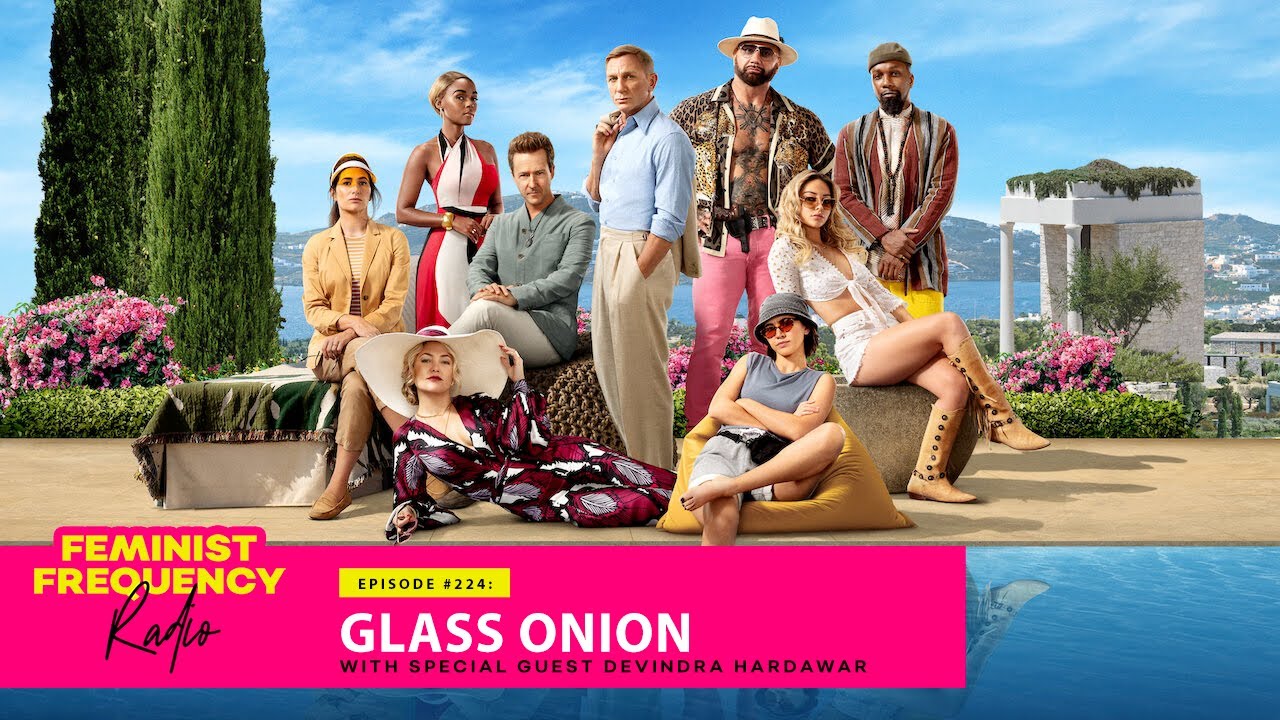
Knives Out (2019) innovates the whodunit genre by strategically switching between mystery and crime drama genres throughout its runtime, which revitalizes the traditional formula by providing continuous emotional engagement with protagonist Marta Cabrera while still delivering the classic detective reveal at the end. This approach addresses the genre's historical problem of becoming stale by offering character-driven storytelling and emotional investment alongside the puzzle-solving elements, making the film more rewatchable and satisfying than traditional whodunits that focus solely on the 'how' of the crime.
Knives Out Genre Analysis | Beyond the Screenplay Film Breakdown
Added:The standard tropes and structural conventions of the traditional 'Whodunit' murder mystery genre, such as those popularized by Agatha Christie.
Basic narrative theory concepts, specifically the difference between suspense, surprise, and dramatic irony as defined by classical filmmakers.
Fundamentals of screenplay structure, including how plot progression relies on the strategic distribution of information to both characters and the audience.
An understanding of basic social class commentary in media, particularly how wealth and privilege are historically represented in literature and film.
Advanced study of narrative subversion and genre-blending techniques in contemporary screenwriting.
Applying Marxist film theory and cultural criticism to analyze how modern cinema addresses wealth disparity and immigration politics.
A deep dive into 'information control' mechanics, exploring how to structure complex scripts that utilize unreliable narrators or early-reveal plot devices.
A comparative analysis of Rian Johnson's filmography to study auteur theory and how he consistently deconstructs classical cinematic genres.
5.8K views125likes1:18:05Original Release: 2021-04-16
[Music] hi i'm michael and welcome to beyond the screenplay the podcast where each week we do a conversational deep dive analysis into a film today we're talking about knives out the 2019 film written and directed by ryan johnson i'm joined by part of the beyond the screenplay team trisha rand hello everybody and brian bittner hello hello and we're also joined today by the creator of the wonderful youtube channel just write writer and critic sage haydn sage welcome back to the show hey thanks for having me again again this marks your fourth appearance on our show which puts you squarely in the lead for most appearances most frequent guests appear well i'm glad i i think i'm obviously a better guest than anyone else you've ever had so clearly this is why you need to keep talking to me exactly well this this does also mark a a milestone though for sage's appearances it's the first time sage and trisha have actually gotten to be on an episode together that's true and it's the first time we're having sage on about something that everyone pretty much likes i was gonna say it's not my fault that you guys only were talking to him about like video games before or yeah or darknet rises which is basically a video game controversial controversial properties yeah it's been a rough road but you made it you made it through the gauntlet and now you're allowed to talk about movies that we all like the hazing is over the hazing period is over so sage you made a video called how knives out switches genres twice which is an excellent video i really really enjoyed that video it's one of my favorites of yours and i think it's a great way to kind of frame the conversation and start getting into what makes knives out so special so can you kind of give us a quick overview of the the topics that you cover in this video about how knives out switches genres sure thank you um for being so complimentary about it yeah so i made a video that talks about how uh knives out starts as a mystery movie and then how it switches into a crime drama and then back into a mystery movie what's interesting about that is that i think it's a great way to kind of revitalize the mystery genre usually i think mysteries can get a little stale um if you're just in it from like a puzzle solving perspective but by structuring things this way brian johnson is able to handle all of the stuff that happens in a mystery movie within the first act like most of it right so like usually in a mystery movie you get to a place you introduce all the characters then a crime is committed then you investigate it and those all happen linearly in knives out he kind of overlays them so you get both things happening at once the character introductions and the investigation of the murder and then we think that marta is the killer for the like entire second act of the movie so we're just focused on like if she'll make it out of this situation which is a crime movie right like that's you know you're watching the wolf of wall street or catch me if you can so you're just concerned about the characters like staying out of the hands of the law he switches it again just for like the classic sherlock scene or uh hercule pyro scene where the detective reveals the truth about the about the mystery that's the scene everyone likes from the mystery genre it's like why the genre exists so he's like still able to have that at the end of the movie while doing all this you know genre shuffling throughout so in other words what you're telling us is this movie is a crime keeper at the center of a who donut not bad well uh what i will say was uh it's it's more of a of a donut hole that is cram outside of trish and i'll just yeah we'll see you guys later you guys just uh the battle of the benoit blancs well i have a question then because i know that you also made a video sage about the movies that inspired knives out and sort of did a deep dive into classic whodunits i agree with you that this feels really fresh it's really exciting and interesting to watch and i you know think it's incredibly timely in 2020 especially it was feeling that way to me my question is why do you think the traditional whodunit kind of passed out of popularity like what what did get stale about it that kind of maybe necessitated this sort of updated version of it from ryan johnson so i think the answer to that is in a line from this movie okay that i've caught on this viewing of the movie it's in the the first scene where you meet marta she's uh in her kitchen and her mom is telling her sister to shut off the murder mystery movie that she's watching right with joseph gordon-levitt yeah she argues and then she finally agrees to say uh well i knew who it was anyway right mm-hmm if you know who did it you know who done it then like what else is there to get from it if that's all that you have to offer the audience in the in the story is kind of like a clinical like just evaluation of facts and logically putting together a solution then the story doesn't have like a lot of like or might not have a lot of staying power right like um like re-watchability yeah right like knives out i will re-watch at the drop of a hat when michael was like hey you want to talk about knives out i'm like yes i want to re-watch knives out of course i do yeah it's such a fun movie to watch i can't really say that about like you know the murder on the orient express which is like the best hercule pyro story you're talking about the one with albert fitty yes of course okay just checking i got a lot of flack for that in my comments for saying he was the best byro but yeah oh that's funny interesting yeah i actually uh got to co-write the cinema wins everything great about knives out video or pair of videos and which means watching like every 10 seconds of this movie a couple times over and then moving on to the next 10 seconds and first of all that was so fun to do and second of all like i was still so happy to come back and rewatch this movie like even having like picked apart all these details and stuff it's just it's entertaining moment to moment there are a lot of reveals that happen throughout so it's not just this question mark question mark question mark and then finally this big third act reveal it's like constantly keeping on your toes it's constantly funny it's constantly telling you new things and that kind of thing and i think that maybe the um the more classic who done it i think had a little bit of a drier taste to it a lot of the time where it was just sort of like here's the mystery and then nothing major major major is going to happen until we solve the mystery i mean people there might be murders along the way and stuff like that but there's no big like holy crap kind of stuff happening in like the second act i think a lot of the time that's a good distinction too to call it like the classic mystery genre because it's not like mystery as a whole had has a huge problem but like the agatha christie like genre of it right the sherlock holmes genre of it that form of mystery kind of was running into a problem like it's almost telling that one of the best examples of that kind of genre of film is a movie parodying it like clue was such a great yeah yeah you know classic mystery film but it's also making fun of it and it that almost feels like it's a hallmark of well we've reached the end of the line yeah where like the parodies also one of the best examples of like everyone knows it and now we've been able to make a movie about how everyone knows how this works so maybe this is just kind of over now yeah i wonder too if there's like a thematic sort of evolution that people are more interested in where i'm truly just this is kind of formulating in my brain right now so i'm interested to hear what you guys think but i wonder if the classic whodunit it seems to me like it's mostly about how right like how was the crime committed and you know there's a little bit of the why in there but i feel like the crime story which most of this is is really concerned with the why and i wonder if that's like more thematically what we're sort of interested in is like more of a character motivation standpoint and the how peace that keeps us watching is about you know how the criminal is going to elude the you know detective or or representative of the law in whatever way but i wonder yeah if there's some kind of thematic thing where we got less interested in the themes of a traditional whodunit as opposed to like a crime story that has like maybe made us gravitate more toward like this sort of type of evolution of the genre it's definitely an interesting thought yeah because i think there is you know i keep thinking about murder on the orient express the most recent one with like daisy ridley and kind of prana and watching that i found myself intellectually intrigued watching the thing play out in front of me but i wasn't emotionally moved at any point and it wasn't fun to watch in any of these other levels like we're talking about with knives out where it's also just like funny and has a playful spirit and so it felt like the epitome of just leaning on the interest in watching this film is to just kind of see the ending you know to find out what happened and have someone tell you that and that's kind of it and i feel like they kind of try to put in some of the you know i don't want to spoil murder on the orient express but you know there's a little bit of like motivation and why stuff in there but it didn't feel compelling in any kind of way and so it is interesting that maybe going more toward the crime story like you point out in your video stage um you know catch me if you can these examples where you're also getting to watch the detective and the criminal at the same time like there's just a lot more room to explore interesting ideas and what it even means what does the law even mean like there's so much more to explore in a situation like that right yeah what is crime yeah yeah yeah and in the crime genre the interesting thing is going to happen in the future right at any moment that you're watching the story whereas in like in a mystery movie it's happened like it's something that's happened in the past you're putting it together crime stories i think are just kind of like they you know they hit your your ancient reptilian brain like a little closer than a mystery story was like you know you're more invested you get more attached to emotions into character than you do too like to the logic of figuring something out even though there's like you know there's a lot of catharsis that comes from figuring out a mystery it's just like a different part of your brain right and stories i think are more successful when they are hitting you on a bunch of different levels i feel like it also requires the audience to not have so specific a set of expectations like like again like you point out in in your videos on knives out and this genre like because it's become so formulaic you know by the end someone's gonna come out and tell you everything so it there isn't maybe a requirement to get as emotionally invested in what's happening right now because you know by the end this this and this is going to happen i think it's really interesting and something that knives out obviously gets around in a really impressive way and like marta is like such a great protagonist yes yeah yeah it's like you like i rarely find myself attached to like the protagonists in a mystery story but like this protagonist is like just elicits so much empathy from the audience because of her social situation that she's in and the situation that she has with this family and how they treat her yeah well that's what i was gonna say is that i think a big thing about a crime story because i really love crime stories i'm a massive patricia high smith fan and that's basically what she writes and you know she wrote talented mr ripley um and a bunch of other like you know very very much like in the brain of a criminal she wrote the strangers on a train as well what we want is a character arc and i'm not sure that the construction of a whodunit leaves space for a protagonist and a character arc right your your main character is gonna be your detective but it's not like there's an arc going on unless he somehow comes to a new daunting realization about how dark you know humankind is or something which sometimes happens in like a you know philip marlow sort of classic that kind of noiri sort of mystery but with this we have a real protagonist who goes on a real journey and actually has an arc where we see at the beginning how she's being incredibly taken advantage of by this family and we want her to realize that and we want her to like be able to you know get free from all of this just the ways that they you know kind of take advantage of her trust and her her kindness and all of this stuff and and that's what exactly what we get by the edge which is so satisfying right you get sort of everything you want from your characters but like placed throughout the movie so it's like you get all the characters that you can love to hate because they're not the ones you care about and then you get your sleuth detective who you like watching and you like want him to win i guess but you don't necessarily you're not like wondering about his home life or whatever because he's just that's not who that character is he's there to solve the puzzle and sort of to entertain you as he's doing it and then in marta you get everything you guys were just talking about the empathetic protagonist who you're just rooting for even once you know you know that she is quote unquote the the killer you know and then and then you're still on her side because she is the best of the best and then weirdly you have ransom as every other character he's like the confidante and the murderer and like you know like he he sort of does he plays all these different roles that you usually get in this kind of movie but he's all of them at once which is pretty cool it's a really smart way to hide his guilt is to have him be the confidant the one that she is like you know running away with and talking to and all that kind of stuff it helps sort of like well i guess he's probably not the one who did it because he's the the only one on our side right now you know ransom is kind of a miraculous character yeah like when i was watching the movie today like it struck me that he doesn't show up for like the first hour of this year oh yeah like like you kind of see him in flashbacks like where that part where he's like walking angrily out of harlan's office but like that's it until like he shows up and the dogs are wrestling him as he's getting out of the car like chris evans makes such an impact on this movie but he's like not in it for like for like half of it and then yeah he's like filling out all those roles and also he's the first person you suspect in the movie of course right so it's kind of crazy how they effectively made it still a surprise that it was him even though like the movie draws a lot of attention to him early on yeah well because that then you got michael shannon with a limp and you're like okay and just acting sketchy as hell generally yeah well right i feel like that's the casting obviously is amazing in this film and i feel like there are meta things happening with the casting too but so like you're saying like everybody in this family is a great actor and you could easily see them being the murderer so you have this great setup of like well if this was a classic mystery story like all the elements are here and i could totally see any like all these people have a motivation but then also yeah chris evans is in this movie and i feel like immediately on a meta level that's like well like it's got to be him it's chris evans so i think at least that's how i was thinking about it like you don't go and get chris evans for this like role and then bring him in only halfway through like there's something important happening here or else you wouldn't have chris evans playing this role but like you're saying sage like because they do this genre switch because of that we're following marta it gives us lots of reasons to put away those suspicions and kind of like you're saying like by the end it's a surprise that he was behind it in the end even though like you're saying that's probably what who a lot of people are suspecting in the beginning well they do a good job of making ransom truly a black sheep in the family and the family is so united in kind of its awfulness like ransom is a jerk and we understand that right when he walks in and the detectives are like we want to talk to you and he gives them that face and then just walks away from them so like we understand that ransom is a jerk but because the movie effectively separates him from the rest of the family and makes him kind of an outcast and there's so much vitriol thrown at him from this wall right they're always like in a tableau of like everybody else and ransom it does almost make you feel sorry for him in the way that marta feels like an outsider at times right where it's like well you know ransom is kind of a you know good for nothing layabout in this case or yeah as as i like to say upper class with a secret as so many murderers are so many handsome murderers are in tv shows it does create sympathy for him so like even though i knew from the minute that the dogs barked at him that he was involved in some way because they tell us well meg heard the dogs barking at 3am she woke up and i was like oh the dogs don't like ransom okay ransom is involved but even so his positioning within the family dynamic is clever and it does create sympathy when everyone is banging you can see when everyone is banging on marta's windows trying to like totally having ganged up on her and are surrounding her in her car and he's like oh come on and get in you're like yeah go i mean he's an ally he is presented as an ally and he doesn't immediately act in a way that red flags himself as being suspicious so even if you're like me and you picked up that he's involved somehow you're like well he's hiding something but but maybe it's not what i think maybe he's maybe he's hiding something else who knows you know it reminds me the show broad church where they just set up like in the first season everyone has a secret they genuinely do have a secret but not everyone is the killer you know so it's like everyone has a reason to hide something which i think is a lot of murder mystery kind of thing exactly when it's sort of like an enemy of an enemy is my friend kind of feeling also because you know by the time he shows up we do kind of have this disdain for the family and so he's kind of the only one that pokes back at them and makes fun of them and you know when he's driving away and it's like i think this is probably the best thing that's ever happened to you guys using their words against them i feel like it's fun and we like him because we get we're getting to see someone kind of putting the family in its place so i feel like again it's kind of using comedy to get us to yeah sympathize or warm up to this person that otherwise might be very suspicious right and i mean how can you hate a guy who has a nice sweater looks so good in white cable knit [Laughter] yeah i mean it's and it's chris evans like you i want chris evans to be a good guy it's fun to see him not be a good guy but always juan would be good like that he's playing exactly what i want where it's like i want you to be good but i also kind of want to see you be bad despite me wanting you to be good right and what a great role to have uh the same year you're heading out of the mcu you know it's sort of like hey i'm not just this guy you know i can also be this guy and i can like kick ass as that guy you know also lucas lee come on right scott pilgrim yes it's always refreshing to see an actor who seems to have a sense of humor about their own career definitely and chris evans is exactly that i mean everyone in this is exactly that guy like i love seeing this from daniel craig also who's just yeah yes you don't take this part unless you have a sense of humor about your own career you know you can't take yourself completely seriously at this point foghorn craighorn truly but yeah everyone's playing against type in this movie tony collette is insanely good just like the subtlety like her character is like over the top but she still has so much subtlety to it it's okay yeah i just love watching her face move yeah which is good of an actor that's generally what you want me to think about yeah it's going to be very weird seeing daniel craig and anada armas in no time to die i expect very different characters and and relationships i did not remember she was in that i just want them to fight crime in movies together always and i just want to believe that they're like friends in real life i just i love it all right a question i have for you guys is getting back to this idea of the genre switching that happens what was your experience of that the first time through because i had it definitely messed with me and i'll talk about that in a little bit but i want to hear from you guys what that experience was like were you did you clock it consciously were you just in the movie and so it was fine was there a period of trying to then figure out what the movie is so sage let's start with you what was going through your head when that happened in the movie theater honestly like a little piece of me was like kind of disappointed the first time i was watching it just because the movie had sold itself as you know we're doing the big agatha christie movie we're gonna you know do the best version of this kind of mystery and i was having such fun with that first you know 30 minutes with all of the character interviews and wat blanc doing his thing and the flashbacks so when it just kind of hands you an answer that you think is the answer i was kind of like oh but i kind of wanted to still do the like you know still do the mystery stuff right even though i've kind of been like you know it like on this podcast i've kind of been talking about the weaknesses of that genre like at that moment i was like you know i kind of wanted more of it and i also wanted more of that house um i think like if if there's one tiny weakness of this movie it's that the whole thing doesn't take place at the house right like you want it all to be there so like there was that going on and it was also because i was like sensing in like in that moment that it was shifting genres right but it was now a crime story so even though i was like on board with what the rest of the movie was giving me like at that moment there was you know that slight hesitation to to do that yeah i feel like i i had something similar but i want to hear from trisha and brian brian what was your reaction during that yeah i mean i definitely didn't clock it as a genre change like that's not something i really considered until i saw sage's video but i mentioned more than once that i do love when i have no idea what is left in a movie where it's like the movie does the thing you think is gonna happen at the end and then you're like but there's an hour left now what and that's how i felt about the reveal you know the coin flip reveal of marta and you know the whole he killed himself because she did the thing and then she had to you know do all the things and then uh and then you're like okay cool there's an hour left i have no idea what's gonna happen now and that was exciting but then to see it sort of slowly come back into turn back into a whodunnit you know like we were talking about again without even realizing that there's like a genre switching but it's sort of that feeling of okay well now we know the mystery what's left and then oh now there's a brand new mystery and then you know so there's so much left to happen in the movie that the third act feels exciting and like there's new stuff happening around every corner and not well the third act is now just explaining everything you saw in the first two acts it does that too but in a way that it just still feels like so engaging all the way into the end the only negative after watching this movie was okay but did it all work did it all pay off i'm not sure but then every time i watch this movie like i love it more and more because i'm like yes it does and yes that clue is there there's so many setups and reveals you know everything from like even i just noticed this time for the first time in the last shot her three fingers are covering up the three phrases on the cup so you can't even see them and it looks like she's naturally holding it until the final final shot where she lifts it you just see the words my house the fact that richard throws the ball out the window and then jamie curtis is the one who finds the ball and returns it and that's why she finds the you know all that kind of stuff like there's so so so many little things that just make this movie so rewatchable just because it's a fun movie to watch but also because there is so much setup and payoff so i think that's the only thing after the first time where i was like but is this a rewatchable movie and after having seen it four times now i can say yes it is that moment where he throws the ball out the window is the moment that i fell in love with the movie i don't know that i've laughed for some reason that's just like exactly my sense of humor that he finds this ball and he's realized this truth and it's like he's going to throw the ball and then it kind of just like falls out the window pathetically like it just tickles me so much every time right yeah the the moment that did it for me is also involves throwing and that's when marta throws the piece of the of the of the house away like off-stream right you're doing this close-up on daniel craig and he's like i wonder what could have happened here and you're watching the person like dispose of the evidence right there's so much undercutting that's done in this movie like yeah they constantly present you with an idea and then like cut to something that just immediately undercuts it amazing yeah it's really smart and self-aware which we can come back to but yeah i i was just trying to out clever this movie the first time i was watching it i was like i can solve this like you know and even when they told me that marta did it i was like no no no no absolutely not they're not gonna tell me right now there's there's many twists and turns to come but i'm just gonna solve it ahead of time and and figure it out and i was i was not really able to do that and also i was having more fun there was a certain point where i remember sitting in the theater and consciously going like you gotta stop this like to myself like you gotta stop trying to solve it exactly my experience you're ruining your experience just just let it do what it's gonna do um i'm a massive ryan johnson fan and so i was trying to let the filmmaker take me on a ride and not try to outguess it i think the genre switch i think we get a lot of films that genre blend but not as many that genre switch in the way that this does because it's it's a really clear demarcation and the movie almost wants you to know it but unless you're incredibly familiar with both of these genres and sort of the distinguishing characteristics of each you wouldn't be able to name it as such in the way that you're talking about brian i think the thing that is smart about it although i was trying to be too smart is that like i said you it invests you so much in the character of marta like in my brain i was almost going but what if marta really did do it or like what if she is malicious somehow underneath right like where you you're trying to second-guess absolutely everybody even the person you like the most and then you kind of have to tell yourself to stop doing that or it's like if it was marta nobody would ever forgive ryan johnson for any part of this movie so it really cannot be but yet you you still are trying to do that i think that for the average film goer her dynamic with harlan is so lovely once we see it and it's just shown to us as truth that i think that's the point probably which most people stop trying to guess that it's her or stop thinking that she's hiding something other than from daniel craig's character you know yeah so i feel like that was kind of my experience too it's kind of a combination of your experience sage and tricia where i was a little bit disappointed because i i do love when the agatha christie thing can be pulled off it is really fun and it felt like this movie was well on its way to doing that and so when it takes this left turn i was like well wait but then what and so then i started fighting the movie a little bit and trying to outsmart it and also being like but i'm not gonna trust marta like no no no movie i'm not gonna fall for your play here what's wrong with us michael look there's something broken within us i think it's there's yeah well i mean it's not that smart yeah well and i so i feel like there's a moment i believe it's basically the midpoint where you go back into marta's head and see a little bit more of what happened at the very end where you see her go in and actually see harlan slit his throat and all and she starts crying on the staircase right her performance by the way when she has to gather herself and like go from i just saw like my best friend kill himself to i have to go do all this like so good yes so that's the part though that like kind of i think i was turning my brain off and like let go michael this is that's not what this movie is but something about her performance and the way that was shot and then how it reveals the blood on her shoe yeah it felt like the film language was trying to be a little bit but wait there's something maybe you hidden here there's something a little sinister here was how i read those moments and then that refueled my need to fight the movie so yeah the the first time through the genre switch basically the entire second act i felt like i was fighting the movie and then when it came back in the third act i was like oh i shouldn't have been fighting you this whole time you had us on all under control and it was a great ride you have to just believe it at some point yeah like you just have to get on board at some point well i feel like such a pacifist compared to you guys because i wasn't fighting it at all i know i'm the same i'm just like just show me a movie i'm good i'll complain about why i think about it later yeah well i i like bought into the the marta story i was like oh okay they killed us so i didn't i wasn't fighting it on on that level i was like wishing it was different until i stopped right there is that trust that you have in a filmmaker that they are going to sort of obey a certain cinematic language so when you see the marta flashback happen just as a flashback you are trusting the filmmaker that this is reality but if she were telling the story to somebody and then it were presented as a flashback well now we're just seeing a visual representation of what she's saying but because the the movie just has it as her flashback like i fully bought this is 100 reality but later if somebody is talking about something we see that as a flashback film language tells me that well maybe we're just seeing the footage the sort of visual representation of what they're saying and not necessarily the reality of it to that extent i wasn't like fighting the movie in terms of the way you're talking about which in fairness the movie calls attention to earlier many times where different people in the interview process are giving unreliable victims of the truth yeah exactly we see that and i agree with you i think it was that mid point flashback for me because the scenes where we see marta with harlan they have such a wonderful dynamic they understand each other so completely we love watching them play go we see him telling her the truth about like all of his different family members and how kind of disgusted he is by them in a lot of ways but even so it has to do with she's she if you really want to be suspicious if you want to be me or michael in this situation there's still technically maybe a performative aspect to it where she could be performing for harlan's sake right and acting innocent around harlan sure but the scene where she just watched him cut his own throat and she's crying on the staircase there is no one around her there is nothing that could possibly be performative about that it's that moment where she decides to turn around and go back and try to stop him from killing himself and then we see her reaction to it that was the moment for me where i was like okay at this point i gotta trust marta because if i don't there's no one else for me to trust in this movie or follow or anything right um except for maybe ben hua blanc which is i i don't even know if he's gonna be able to solve this he doesn't seem like that great of a detective to be honest so well right and when this brings up this interesting idea of yeah subjectivity and um perspective in film and yeah like like you're saying there's in the beginning of this movie the flashbacks do have subjectivity and sage you point this out in your video also where the i forget his name jamie curtis's husband richard right when he's telling the story of the party we see an image where everyone's smiling and marta is having so much fun and then when we see it from marta's perspective we'd see how not fun it was and how he's kind of uh very insensitive and unaware of himself in many ways is how i'll describe it and so i think that's a really interesting thing to have and it's very effective in setting up these characters and establishing how they see themselves and how they see the relationship with everyone else but also then i think makes me feel like i can't 100 trust those flashbacks and i think like you're saying trish that there is the language used i think it is clear but there was there's a little bit of precedent of this movie will manipulate what it's showing me right to create to make me feel or understand what that character was feeling or seeing at the time but in that moment when artists on like there's no one there's no reason it would be doing that so i shouldn't have been fighting it i i acknowledge this but it's an interesting device to be using in a film like this yeah because any movie might have that moment that says we're breaking our trust with you you know i think like that's we've all watched a movie where we're like please don't do that thing please don't do that you did that thing all right i'm over you know what i mean i think it knives out as a movie that could at any second be like actually this was all lied this is what's real you know and i'm glad it doesn't do that to the to the extent that you're talking about mm-hmm yeah i just like adding on to everything you guys are saying i just think it's such a very interesting distinction to make as a thing to for filmmakers to note that like there's a difference between a flashback that is someone explaining it to another character and just a flashback in how much the the audience trusts those those two things as brian you brought up i think that's that's a phenomenal little uh lesson in there like the flashbacks i i think in the in this movie are they signal it so well with the cake mm-hmm like every time you talk to someone it's they cut to it's them giving carlin the cake right because they're the closest ones right um so it's just like it like communicates that to the audience immediately that's like this is their version of it but then it also uses like that same kind of like playing with reality and perspective in like the quote-unquote present timeline with the like they've got the portrait of harlan throughout the movie so like this time i watched that i like took down like which moments it happens when they look at it and like the first time you see it marta is just about to go in for the interview and she's looking at harlan and he's kind of like a concerned look on his face and then the second time it happens walt is giving her a hug saying like we'll take care of you you know like before they know about all the will stuff uh thinking that they're going to provide for her and the the portrait again is like giving this like disappointed look and then in the finale when she's one and the whole thing's over she looks at the at the portrait and and harland is like beaming smiling right so like harlan's expression is totally just like how she's interpreting it it's a little trick that cinema can play on you that like you don't really notice that stuff the first time sorry to bother you the exact same thing too yeah i think that is what's impressive about this film ultimately and bran johnson as a storyteller is that he's able to wield all these things correctly like it's a lot of film language things to be balancing when you're dealing with subjectivity but in the real world you have to believe what we're showing you but we're gonna change the real world also but you know i think that's ultimately what i was really impressed by by the end despite some of the the bumps and the road and there's a couple that i would i want to talk about really quickly but yeah by the end i feel like it all comes together in this really just fun satisfying cathartic experience and that's hard to do uh yeah cause movies are hard to make and i feel like he didn't make it easy on himself either and then he managed to pull it all together is very impressive yeah i definitely agree and like i have little bumps with this movie too but for the most part they they're just overshadowed by how much i like the rest of it the one that gets me the most one i don't think it's a great choice in this movie but there's a movie called north from 1991 to elijah wood yes there is his parents are played by jason alexander and julia lee dreyfus which is really strange casting in 1994 okay and then there's this part in the movie where these bad guys want north to think his parents don't want him he's like left home so they interview his parents and they asked oh would you rather have a new son we know this little boy named hugh he needs a family maybe he could be your new son and the parents say in disgust we don't want hugh he's not our son uh so then the footage is then shown to north but where the new question is you know do you have anything you'd like to say to north they say we don't want you you know why not he's not our son and growing up my friend and i would like constantly quote that as just the only thing we could remember from this like not very good movie we just remembered that what we don't want hugh so now a quarter century later i'm watching the finale of knives out and i'm going what but it all but it all works because you watch marta do like the theoretical calculus on it where she's like wait the help calls you hugh because you're an [ __ ] i do love that it's perfect delivery from her also weirdly 2019 was like the year of like physical afflictions when feeling a different thing so knives out you have i vomit when i lie in joker he has a a laughing condition in a rainy day in new york el falling's character hiccups when she's sexually conflicted and i swear there was another one i can't remember what it was but it was just like it's hustlers ooh there's a character in hustlers who also vomits when she's nervous it's like an almost exactly the same thing and it's none of it's real it just makes me so annoying where i'm like you can't just do this as a plot device i don't know it's fine i guess it knives out because knives out to me is such a broad comedy and the others are not right right well i guess rated in new york who knows what that's trying to be yeah i don't have time to talk about that yep but yeah it's it is like they're trying to make us trust marta or give us a reason to trust her more than we trust anybody else right and i get it and again it's trying to be a broad comedy and like it's slightly funny i suppose during the climax i was like she's about to throw up right on his face like i just knew it for 100 percent sure it's a good payoff objectively speaking right we all know how i feel about puking prices we've talked about how you shouldn't ever show vomit but i do feel like this is like in the exception category for me because every time i watch it also i forget that that happens at the end and so when she's vomiting earlier in the movie i'm always like thank you ryan johnson for not making me watch this come out of her like you hide it yep and then you get to the end and you're like oh this is why okay all right i think that's okay but it is the least disgusting vomit in film history in the finale there like even though you see it i don't know something about how they designed it it it's like not as gross as other film vom for some reason i mean when it's still on chris evans face for the next like two minutes of moving but i do feel like there's something in like the coloration of the particles that's like it's not it could be more disgusting than it is i don't know that's what i'm saying that's what i'm saying it doesn't look like it's vomit it's like what a compliment i see i don't know about that like it looks like someone took like a like like creamed corn and just poured it on his face or like some peppers or something but yeah but it's like it yeah this is the kind of analysis that your listeners yeah well a fun game to play that i i like to play is called real snow or fake snow when i'm watching a movie and i just like to like look at snow for a while and decide if it's real or fake and i i have that game with vomit as well where i'm like real real vomit or fake vomit of course it's always fake bombs i'm gonna say what movies are you watching but just evaluating like how good of a job they're doing right at like whatever but i honestly think the moment at the end it's got some believable qualities to it i agree with you but i was gonna say something before all of this started i don't remember what it was sage you're never invited back that's who did it the detour it is a crutch i think is what we were talking about right sure that like it's a screenwriting crutch to be like this character has this flaw this thing that you've never heard of before that you know they do this when this happens yeah but i feel like they you know it gets set up within the first act like i feel like they sneak it in like just in time to make me be like all right i guess i can buy that like this is part of your what if you know scenario for this movie it is interesting but i feel like it's also then used in clever ways you know like chris evans uses her propensity to vomit against her right when they're in right i actually really love that scene where i heard a mask for the extra bowl and i was like what why and then it comes comes around when the ball gets set down you just see his eyes sort of dart to it for a second and then dart back to her again i would i didn't notice that until like the third time watching the movie but i'm like oh he sees the ball he's gonna do a thing i'm excited well this is one of the things i love most about ryan johnson is especially in his mysteries because i would say this is maybe his like third mystery if you want to i don't know i don't know where you want to put looper i guess that's like an action movie right yeah like brick and brothers bloom breaking brothers blue yeah but especially brick i mean ryan johnson is so good at placing almost equal weight on details that do not matter as he does on details that matter and so like we were talking about with the baseball the baseball almost seems more important than it is right and right at the climax the dog comes running in with the baseball and jamie lee curtis wrenches it out of his mouth and you're kind of like is the baseball more significant is it going to reveal something does she know something about the baseball is she involved in some way but that's because all of the various sort of symbols and same thing with like the blank envelope again with jamie lee curtis the invisible ink or whatever ryan johnson is really good at placing almost equal emphasis on everything which is such a good disguise for all of the things that he doesn't want you to notice too much or place too much emphasis on and all of those things do end up paying off but in ways that you do not expect in brick for example if you haven't seen it first of all what are you doing go watch brick joseph gordon-levitt's character hears essentially the plot of the entire movie right at the beginning or like the backstory that he's trying to figure out right at the beginning but none of it means anything to you and so you forget all of those details and then as they come back again they're being treated almost like each single element of the mystery is a critical piece when in fact only like one of those is really a critical piece it's such a good i don't know someone who would love to write a mystery someday it's a really really good way to hide things yeah and i think that's really important for something like whodunit maybe sage since you went on a whodunit binge you could uh shed some light on this but i think i remember watching um two movies i think they both came out in 2001 weirdly at gosford park and from hell which both have like there's a bunch of characters and at the end you find out which one of them did it and i just remember i haven't seen either of those movies twice so maybe you know this is just my 17 year old brain whatever like trying to put this together but i just remember once i found out who did it i was like i don't even remember who this character is because it was like in order to do a whodunit you have to give a lot of characters a lot of screen time and give them a lot of details so that you can hide the details in a sort of amidst all of the the character web but if i don't remember who that character is at the end of the movie i don't care about that character then it sort of doesn't really pay off and i think that's what's so great about making ransom such a central character in the second half of this movie is it's not just oh it was you know and there's not too many family members and all the family members are so big that you are gonna remember most of them but it's not like oh it was fran or you know some person in the background you weren't really paying that much attention to because that's the sort of smarmy way to do this is like that's the cheating way right exactly and i really like that it was like we took this character we put them right in front of you for a long time and even if you figured it out or even if you thought he was involved or if you thought he was the only person involved whatever it's a lot more satisfying to think you figured it out and be right than to have no way you could have figured it out because it was just some random crap in the background yeah yes yes yes yeah gosford park is uh it's a good movie it's not a good like murder of history um it's like such a small part of that movie like and even when they bring in the investigator like stephen fry coming in like you know an hour and 15 minutes into the movie he shows up and is basically completely ineffectual like even worse than benoit blanc right yeah so it's kind of like the murder mystery part of that movie is like happening like way in the background and you're really just there for all the other conflicts that are happening between the upper class characters and the lower class characters yeah knives out i think found a way to like bring both of those things to the forefront without having to like completely sacrifice one to the other yeah my only thought is that since we mentioned fran i feel like fran starts to feel a little bit like she plays a very big role ultimately and how it all happens but she has the least amount of focus in the rest of the story and so i think it still is all fine and you get the payoff that you want seeing chris evans go down and all that stuff but there is a period at the end of act two where suddenly everything's about fran and even in act three we're trying to for me it was hard to understand that like fran wanted drugs and kind of knew some of it but didn't know some of it and set up a meeting in the laundry map to meet with him but she didn't know what that meant and sent the thing to him but he sent it to her and then and it starts to get a little hard to follow and i still don't quite understand how chris evans ultimately knew that marta had given harlan the right dosage in the end we don't have to talk about that now but there was still at the very end there were some questions that i still had that didn't feel like they'd quite been explained but the more important part is that everything else works and it's very satisfying so it's the scene at the pub when marta explains i switched the vials then he realizes well he had switched the labels but if she switched the vials she thinks she did it the wrong way but he knows she actually did it the right way because he's the person who switched the labels but then marta it's a double switch okay right okay right and then right and then right which makes him realize yes okay cool thanks everybody yeah next to getting involved in a land war in asia it's the second most common blunder the last thing i want to bring up real quick is you know we talked when we talked about stranger things we talked about how it's such a nice blend of being an homage to the past while also feeling modern this movie does so much kind of best of both worlds things blending things so in the same way we're talking about it blends these two genres of being sort of a crime movie and who done it you know if you think like if it was a traditional whodunit set in the victorian english countryside in the 19th century or something it might feel like oh weren't we done with these doesn't mean it couldn't be a good movie but it might feel a little like oh we've i've seen this before you know or in sage's case i've seen this 10 times before and if it were like a very modern sleek set in some brand new minimalist mansion in la or something then it wouldn't have the the charm and the warmth and like the lovely aesthetic this movie has you get both of those things it's modern these characters are using their cell phones they're googling they're you know talking whatever talking about all current stuff but it's set in this big old house and you have these big push-ins with the camera this beautiful shot composition it feels like this larger-than-life movie while also being set in our reality more or less our our present day and then you get that everywhere you get like benoit blanc is this classic kind of detective character but then alongside him are trooper wagner talking about people's insta like keith stanfield who is in everything these days and i can't complain he's so good he's sort of like the audience's wtf character you know the guy who's like this is all ridiculous even the fact that it was shot on digital but like painstakingly they made it feel like it was shot on film like to the point where when you see the font of the character names come up it's sort of shaking a little like as if it were a film i don't know if that stuff bugs you michael do you wait michael do you hate the the camera coming off the dolly and then turning into a handheld shot when at the mid point i love that shot so much i like it yeah i liked it in social network also like it's used very sparingly and when it's used it's used very well right yeah this is when marta's coming out of the house yeah yeah yeah yeah yeah and suddenly everything's chaotic and it's handheld right it changes the aesthetic because we've all seen the movie where like now they're arguing so now it's a handheld shot but it's sort of like isn't a handheld shot and then it is so it's sort of like it unmoors you the same way the camera is on moored and i really love that so yeah i just i just wanted to point out that i think like this movie is such a cool example of how to do something that feels like it's being an homage while also feeling modern but in a way that doesn't feel like those two things are getting in each other's way well and of course it's grappling with modern political of course yeah you know classism as you mentioned sage is not exactly a new sort of yeah subject matter for whodunits to deal with like a lot of the upstairs downstairs which gosford park is kind of in that vein is just like that's all the english version of the whodunits are all class right all about class and so it's not it's not weird right to have like ah the butler did it classism themes are are in there from the beginning but this is specifically treating them with such relevant timely 2020 like dialogue and text that part of me this time around and actually the first time i saw it too i was like i almost wish this were set in the 80s or that this were just set in some kind of time out of place thing that would make it feel a little bit less referency kind of you know um part of me still feels that way but at the same time i don't know if it would be as fun like i feel like some of the fun and playfulness of it might be lost i think that one of the things i love most about this movie is that ryan johnson isn't taking the movie itself too seriously like not that he isn't serious about the craft of putting it together as you were pointing out bry it's like meticulously put together and i i like i said i love his writing and all of this but he also isn't trying to like change the world right this is not this movie is not aiming at like importance necessarily and that's also kind of the point where there's an absurdity right ryan johnson is using knives out to poke fun at the political climate of 2020 in a little bit of an absurd way or 2019 it was late 2019 in an absurd way and and on at both sides of the political climate in the united states that playfulness and that treatment of the subject matter kind of makes it the enjoyable ride that it is i don't want a more serious version of this i also don't know if a more classic or timeless thing with all the references taken out of it would remotely be as funny right i don't think it would right yeah i mean definitely like just like everything i was saying it's like sort of thematically is traditional and modern it's dealing with modern things but also it's a murder mystery and like there's a family and someone did it so it sort of is also is juggling both those things at once too and i think hopefully in a way where if you watch it 50 years from now you're not going i don't get these references you know so i'm taken out of it they're little behind the scenes things you might not appreciate like the bigger thematic statement it's making but in terms of just little side jokes and that kind of thing like i think they're small enough that they're not gonna become less interesting with with time yeah we'll see yeah yeah and he's pretty even-handed with it in a sense because like he's you know you're calling out this character oh they're an sjw this one's an alt-right person this guy's a trump supporter but like the interesting thing about all that isn't like figuring out like who's who has like the correct opinion on any subject it's the fact that when their livelihood and money is threatened they assemble and fight as a unit right like we prefer them as like the family right so like doesn't matter what their individual politics are anymore none of them are really actually that political they really just care about themselves and they're and keeping all their money right yeah the way that the film handles class consciousness and class conflict i think is really well really well done and i love the last the last like poke at all of it which is when chris evans is going like all right this is our ancestral home this is our birthright you know and craig's like no he bought this for like in the 80s you know from this other family and it's it's like definitely not something that 300 years or a thousand years or obviously there's a very pointed commentary there on yeah generational wealth and what people think of as being people especially in the us think of it think that they are owed right yeah like both sides are kind of equally uninformed about the things that they claim to care so much about and yeah i feel like it it's doing all these bigger structural things and i also had that feeling of like oh it's weird how in 2019 2020 this movie is but also it feels like it's just sprinkled on the top you won't need to understand the references later to get the bigger point and in the moment i think it crystallizes everything and makes us immediately be able to identify and relate to people so ultimately i think it is a strength of the movie it's kind of bold and the way it does it too like there aren't very many movies that are so willing to be like this movie came out now like this person has an apple watch like technology like everything is very of that time and it's it's interesting but i think that's part of what makes knives out this kind of refresh and re-imagining of this genre or genres as we've talked about and why it's so much fun to watch i love that they that he like he picks a working-class hero here with with marta which is itself a refreshing thing in like the murder mystery genre so like when i watched uh death on the nile agatha christie murder mystery peter ustinov was playing poirot on that one uh back in the 70s i think you've got like the murder mystery happening but they're all sitting on this like fancy boat and all of the main characters are upper class characters and there's like a bunch of people who are like serving them right like there's waiters and all this stuff they never enter into the mystery right right i'd be interested to find out if like they exist in the novel or if there's a way that they logically are removed from like the mystery but it's just kind of weird that you have all of these you know helper characters that are there that aren't acknowledged by the plot it's a nice thing to to have in this movie where like the main character is a nurse right and you know we're not just like focusing entirely on the upper classes in this movie yeah working on all the levels creating a very delightful experience in a way that i think very few movies do i think that's just kind of the last thought i i had is like it's walking out of the theater i was like oh i just saw a movie in a way that i i don't often feel like it almost felt like a 90s kind of thing where like you would go and just see a movie and that you could just watch a whole movie and it would be the whole story would be there you wouldn't have to like right you know right look stuff up afterwards well it's original yeah it's original story yes that was not a piece of ip before it became a movie i feel like that's the 90s feeling of it where it's like right remember when all the new movies were new right but a genre movie that's new right right right ryan johnson wrote a new genre movie yes why don't we all go around and say what lessons we're going to take from knives out sage will save you for last we'll we'll let the guests have the honor spot trisha what's your lesson my lesson has to do with the ensemble cast here and just that they're big we've mentioned it but i feel like when i read a lot of scripts that are trying to do ensemble casts or supporting characters more broadly what i'm seeing is personalities that are not big enough if you have a ton of characters they all have to be really distinctive they all have to have a really unique voice a unique way of presenting their own value systems that they like are incredibly clear even on the page um so there's no mistaking one for the other nat and even if you know the actual family tree of the thrombies is a little bit hard to parse because tony collette's not a blood relation her husband was the son he's dead she's still around and then yeah you have some of the others where it's like there's a wide age range between the siblings so like somehow this teenager and chris evans are cousins and you're like right okay i'm with you it's a little hard to parse but even so there's no mistaking you know you have three cousins say that are in the same generation you have nazi child and then you have meg right who's in college and then you have chris evans there's no mistaking any of them for the other they're all enormous characters and even want to think about the poster of this movie you know they dressed them in as a rainbow color of very colorful marketing but that's what you need and not just because this is a comedy although that's another thing that you get out of having larger than life characters is the comedic effect of all of them are incredibly like incredibly lack self-awareness so each one of them individually is a comic character right right tony collette's character is just as outrageous as anybody else or she's up there but like they're all outrageous in their own way right and so they're all comedic you get that out of making them big it builds conflict into the scenes when they're in together you get that out of making them big which is also comedy when you have character conflict between characters like this that lack self-awareness and your audience is with you we're not getting confused about who's who even if we don't necessarily remember exactly how they're quite related to each other on the tree it's so smart in this kind of movie but just as a rule for a supporting cast this is what you need go big just go big go bigger in your writing and you know if you need to reign it back rein it back but you probably don't like give an actor a chance to play it because they can i think my favorite line in this movie is uh tony collette saying i read a tweet about a new yorker article about you that's so good everything about her delivery is amazing yeah right even just the way she says hi to harlan when she goes upstairs hi like there's just there's something extra like happening in there yeah the characters are all big but they're also three-dimensional enough like you get to see different facets each of them is like right about a thing or wrong about a thing like you said they have different values and so it's it's not just one-dimensional bigness it's they're still nuanced and you get to see them enough that you get to like have different experiences with each of the characters at some point in the movie and so i think that's just the extra bit on top that makes it that i find really impressive about how he uses this ensemble cast of characters well there's character consistency which we've talked about before too which is like the character logic has to hold up where if they're sitting there telling benoit blanc you know i had a close relationship with harlan then we have to see that that logically makes sense in their mind right in their mind they did care about harlan they were the only one who cared about harlan or whatever so it has that logical consistency as well as sort of behavioral consistency throughout it's consistent without being one note because the logic is sound what you're talking about michael yeah awesome brian what's your lesson in a movie that is marketed as a whodunit i'm very glad that there was a crime committed and that someone done it like you know as we talked about like it does give you all the payoffs in the third act that you are here for and i remember seeing the trailer and immediately thinking like all right so christopher plummer faked his death to like see which one of the family was gonna be like more crappy the way they deal with it or whatever or it's gonna be some nonsense you never could have seen coming kind of the ocean's 12 problem about like none of the evidence was here but surprise or even like when the martyr reveal happens uh you know part way into the movie that there's like oh this is all just about like hiding the evidence and there really was no crime committed or anything so ultimately for as much as this movie does do all the things it does and changes genres and stuff at the end of the day like there was a criminal a crime was committed technically a murder happened because fran dies it was one of the family members somebody who was right there in front of you the whole time and the details were all there you know the third act delivers on the marketing and what was promised but in a way that you weren't expecting and i like that a lot always bring up no country for old men is an example of a movie that subverts genre expectations for thematic reasons but i feel like that movie is not presented as a traditional western you don't watch the first right 20 minutes or 30 minutes of no country for old men and go like yep this is a classic western you're like no there's a guy killing people with a freaking you know air thing like this is not not like a traditional western so then in the end when it says we're not going to do the western thing we're actually going to subvert those expectations it doesn't feel like it's a super like they're cheating or like they're not paying off on the promise that was stated so i think the universal lesson for me is subvert expectations all you want but if you do some promise some things to your audience you do need to kind of deliver on those things you should deliver on them in a way that they're not expecting but deliver on them in a way that is not just going to make them leave the theater going yeah but you didn't do the thing i was excited about in this movie you know like and i think that that's what i love about this movie is that for all of the non-traditional unique stuff it does it still ultimately pays off as a traditional whodunit i feel like it's dangerous for us to use the phrase subvert expectations and ryan johnson in the same place and that goes back to the quote i can never remember where where like mark hamill said we gotta give them what they want and ryan johnson said no we gotta give them what they don't want or it's something like that where was like wait a minute no we you do want to give them the thing they want which i think knives out does it's like i we are gonna give you the thing you were expecting and i feel like part of the frustration with last jedi was like it was we're not going to give you the thing you want because we're going to be smarter than that and like that's a great ideology i think but it doesn't work especially in star wars i can feel pancakes you've gotten too close we're going to push it back down run away go the other direction no comment it's worth being said that like this is also a movie that he got to write and again it's a self-contained movie it has a start and it has an end and it's original like all those things that i think help it be all those things yeah and which kind of goes into my lesson a little bit which is i guess the essentially the lesson pointed out in your video stage so hopefully i'm not completely stealing your lesson but just drawing the way you draw attention to the genre switching and you know you have this beautiful diagram i love simple clear diagrams where you see what like acts and what beats they took from one genre and where they put it in the other as you point out in the video as you were putting out earlier tricia there are plenty of examples of mixing genres and like use blade runner sage in your video of like it's a noir detective story but it's dystopian sci-fi we're going to mash these things together and that's can be really fun but it was really exciting to see an a new movie as we've already talked about for all the other reasons i've just it was a new original movie but it's also doing something new with genre and with form and a lot of the time i go to i watch movies and i get fatigued by how similar it all is or just how you know we've there is a structure there's all these things in place but it's always really fun to see people break them and find new things that are just as good and work just as well and so just the idea of what if you switch genres for a little bit in your movie i feel like that opens up just a ton of interesting questions and possibilities it gets me excited about the future of storytelling which is good which i like feeling so that is my takeaway from knives out and from your video sage sage what is your lesson yeah so i guess it's maybe kind of in the same ballpark as uh what you're saying know your genres and like what actually uh defines them on a like a molecular level you want to like know what that genre usually does so that you can break it trisha was saying earlier on about usually genres mix to kind of add on to that like the way they usually mix is you'll take the structure of one genre and you'll put it in the skin of another genre right like the the aesthetic right so like star wars has a fantasy structure in a sci-fi western skin you want to be able to identify the difference between what things are aesthetic and what things are actually like the engine of the story uh what are the conflicts that the characters are facing who the protagonist is those are all good things to study in order to do things that are like this that are interesting because they surprise the audience right because like even though you know the average viewer isn't you know sitting there going like oh this is the mystery structure this is the crime structure right they know on an intuitive level right like like people identify that stuff they know when like a gear has shifted somewhere and we're now watching a different movie so yeah and i feel like you could feel that you know i felt it in the theater walking out with everybody but also just the conversation around knives out and how well it did at the box office and all this stuff that i think that people could detect that something special had happened on this intuitive level like you're talking about and like that's that's what movies can do at their best and so it was really fun to see a great example of that why don't we go around and say what we've been watching recently reverse chronological order sage what have you been watching recently uh well i just watched uh i'm thinking of ending things yeah it's uh it's the new charlie kaufman one of the three of us liked it so you can talk to me oh really the you guys didn't like it i have not seen all of it to be fair so but that is maybe also telling about how i felt about the part that i did watch i want to hear what you thought about it sage i just thought it was like it just kind of like swept me off my feet a bit because it just puts you in such a weird head space especially that like that opening section in the car and you're just like what is he you know what is he thinking what is she thinking and it just goes on for like so long it's like the longest scene in a movie ever and i at some points i thought there was just going to be the whole movie which is going to be driving like in some ways it is um because like that tone doesn't let up for like the entire thing so i think it's a really it's not like a uh a typical movie it's a very surrealist it's very subjective very charlie kaufman you hear each other yeah it's barely charting charlie cough i like that it's like it's like conversation horror or like relationship horror or something like that i was like i've never been so like terrified and uncomfortable by a movie where like nothing has happened but like people are talking in rooms yeah i think that's fair to say i should finish it i should go back and watch watch all of it because i i was watching it i mean it doesn't stop being what you saw i actually found it easier to watch as i went along michael so i i'm with you i really struggled through the first i want to say half of it but i'm glad i stuck with it and it did get really interesting and you know yeah it's not eternal sunshine is what i'm just going to tell you but for sure yeah it has its own it's an interesting movie for sure like i watched it like at midnight when i was like you know a little wow that's what it is it's like the perfect time to watch that or you're just kind of it because it's like it's kind of like taking place in a dream space you know or at least like feels that way maybe that's a spoiler i don't know it's hard to spoil that movie too much yeah okay so i need to stay up late until i can't think and then watch i'm thinking of ending things yes if you want to get real disconnected from reality i like it okay well so continuing in this order i recently watched apollo 13 which is one of my favorite movies right you might have heard of it but i hadn't seen in a pretty long time because it came out a while ago and uh you know it was sort of after you know we talked about hidden figures um a few episodes ago and so that had kind of been in my brain and i just wanted to do another one of those cool apollo space mission movies and apollo 13 i'm here to report is still really really good and it's kind of again it's that 90s thing of like you just made a good movie it just starts and then it goes and then it ends and it's so satisfying it made me think of you a little bit trisha because you're always talking about uh increasing the pressure on characters and i feel like it's such a classic example of literally like it's just constantly putting more and more pressure on all the characters it's this amazing situation that it's in that they're all in and the way it's juggling the stories on the spaceship at nasa at home just all those things it's it is a very well constructed movie and it just made me appreciate it and i want to go watch it again right now talking about it so if for some reason you haven't seen apollo 13 go see apollo 13.
it's great i remember being in the theater with my dad seeing that movie and the scene where the wife loses her wedding ring down the drain in the bathroom i don't know how old i was but i was like a theme is happening look i was like oh no a symbol just happened daddy i think i could see a theme in the movie yes that's how i sounded yeah oh my god we have baby trisha now maybe trisha and baby michael can hang out baby trisha is southern raised by benoit blanc potentially actually i was baby living in south carolina so awesome i forget the order brian brian what have you been watching recently well speaking of no country for old men my girlfriend and i have started a chronological re-watch of the cohen brothers filmography nice uh so we're only a couple in right now but i had not seen blood simple in about 20 years uh she had not seen it ever i didn't remember much i remember i thought it was great when i saw it but i didn't remember almost any details and holy crap is this movie good and does it hold up right now it's very 80s in a way that feels weird when you're watching a cone brothers movie but it's like this tense 80s thriller with a coen brothers aesthetic and there's like weird sam raimi shots out there's like these evil dead shots where like the camera's speeding along the ground which is funny because sam raimi would direct their script crime wave one year later so i guess they were already like buds at that point it's frances mcdormand's first role and she is insanely good as you would expect m emmett walsh who you may recognize as the security man in knives out among many other things about many other things yes speaking of which we didn't even talk about how knives out is a weird blade runner reunion where you have emmett walsh and anna armas and the same movie right the interesting thing was this was my first time seeing it since no country for old men existed obviously because i haven't seen it like 20 years and it feels like practice for no country for old men it's full of these tense moments in small rooms where like one character is on one side of a wall and another character is the other and neither knows what the other one's doing and you're just like you know watching watching waiting to see what's gonna happen our no country for old men video we talked about the two plus two thing that you know you wanna give your audience two plus two and let them figure out the four instead of just telling them the four like there's a sequence of this movie there's maybe 20 minutes of no dialogue and you're left to kind of go wait why is he oh right because he thought that even though that's not what happened we know that's not what happened but we understand why he thinks that's what happened da da so it's it makes the movie so compelling and so rewarding when it's all paid off when you're like aha i did figure that out 20 minutes ago and i'm i'm very happy you know sort of like knives out so yeah blood simple director's cut if you haven't seen it in a long time watch it again if you haven't seen it ever watch it right now i will have to go watch it trisha yes so i saw a movie from 2020 called rams which is actually an australian remake of an icelandic film from 2015.
hold on yep checks the tricia boxes okay go ahead so there was this movie uh out of iceland in 2015 called rams and it's about these two elderly sheep farmers and their brothers and they haven't spoken to each other in like 40 years even though they live basically on a piece of shared inherited property like a sheep farm um they have separate houses they're just you know have an estranged relationship and yet they both are still farming sheep they remade this movie in 2020 a writer director named jeremy sims remade this film and said it in western australia starring sam neal and michael kayton and miranda richardson and it's great it's really funny it's bizarre i mean it's such a very specific world and you know it's just kind of this touching family story but there's so much specificity to it like i just love a really good odd specific comedy and this is exactly that and um sam neil is wonderful in it as he is and everything always i'm in love with samuel if you don't follow him on social media you should follow samuel on social media if you don't know he's at a place in his career where he doesn't have to do anything he doesn't want to do and he's been at that place for a really long time so he just doesn't take stuff he's not interested in but he takes stuff like this which is great it's his twitter bio just like i would like to have seen montana because i really want it to be uh no he's at two paddocks which is the name of his vineyard and farm in rural new zealand in the south island of new zealand and he has all of these wild animals like he actually is a farmer and has a ton of wild animals and his wild animals are like his chickens and sheep and everything are named after like famous actors so this morning he was posting about kate winslet one of his chickens and it was you should follow samuel on social media how was sam neil the most interesting man in the world it's amazing what a joy he is but he's and this movie is just a great like i love how in hunt for the wilder people and in rams you just get the sense that he's only playing himself in movies now like he doesn't have to do he doesn't have to if he doesn't want to do anything else and that's kind of what we've got so yeah rams from 2020 you can rent it on itunes or or whatever uh it's great nice cool excellent okay well this has been our conversation on knives out sage thank you so much for joining us thank you for having me absolutely check out his youtube channel just right the link to his knives out videos will be in the show notes below we want to say a big thank you as always to the patrons that make the show possible beyond the screenplay is produced by vince major and our editor is eric schneider i'm michael tucker i've been joined today by trisha rand brian bittner and sage haydn all of our twitter handles are in the show notes send us a tweet and say hi and we will see you in the next episode bye everybody bye bye [Music]
Up Next
27:30
Twist Endings in Horror Cinema: The Villain as Protagonist
@The-Chupacabro
390.3K views•2025-10-02

23:14
Visual Analysis Essay: How to Analyze Graphic Novels in College Writing
@nataliepleimann5941
1K views•2020-10-14
4:55
Film Blocking Techniques for Directors: Space, Shapes, Lines
@StudioBinder
1.9M views•2018-07-23

4:00
Evolution of Darth Vader: Anakin Skywalker's Animated Journey Across Star Wars Films
@TellItAnimated
13.4M views•2019-03-30
Related Study Plans & Knowledge Roadmaps
Structured learning paths in Film Analysis
film-analysis
Sensory Cinema: Foley, Haptic Sound & Texture
01Introduction to Film Sound and Foley Artistry
02Micro-Sounds, Textures, and Extreme Amplification
03Haptic Audition and Film Phenomenology
+ 1 more learning modules
12h4 modules
Explore Roadmap
film-analysis
Breaking the Fourth Wall: Mockumentary & Satire
01The Invisible Wall: Basics of Cinematic Illusion
02Looking at the Lens: Direct Address & Character Glances
03The Mockumentary: Satire, Realism, and Complicity
+ 2 more learning modules
12h5 modules
Explore Roadmap
film-analysis
Analyzing the Long Take: Cinema, Space & Ethics
01Foundations of Film Grammar: Montage vs. The Long Take
02Choreography and Mechanics of the Simulated One-Shot
03Phenomenology of Film: Real-Time Spatial Continuity
+ 1 more learning modules
14h4 modules
Explore Roadmap
film-analysis
Anachronistic Music: Period Drama & Subversion
01Foundations of Film Sound and the 'Needle Drop'
02Traditional Authenticity vs. Revisionist History
03The Rise of the Anachronistic Soundtrack
+ 2 more learning modules
12h5 modules
Explore Roadmap