

![Class 12 Biology Chapter 7 Important Topics 2026 | मानव स्वास्थ्य तथा रोग [L-4] | UP Board Exam 2026](https://i.ytimg.com/vi/gjpMy1RIoxM/maxresdefault.jpg)


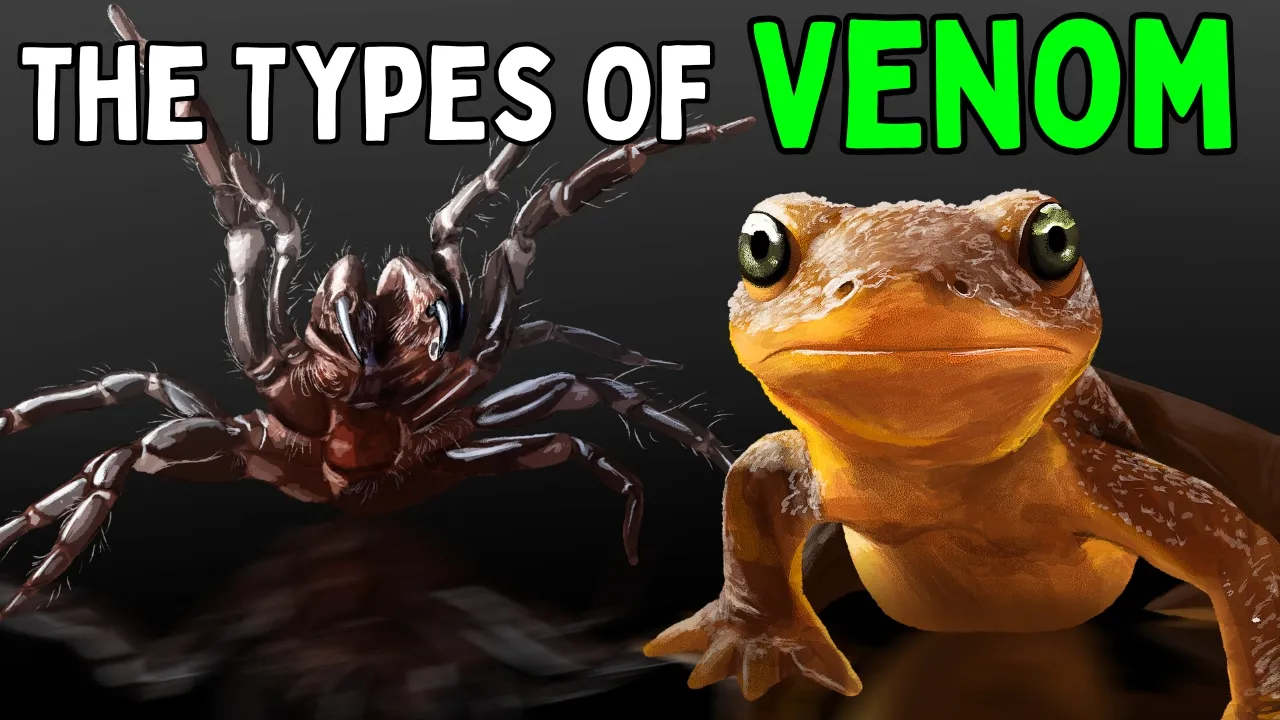




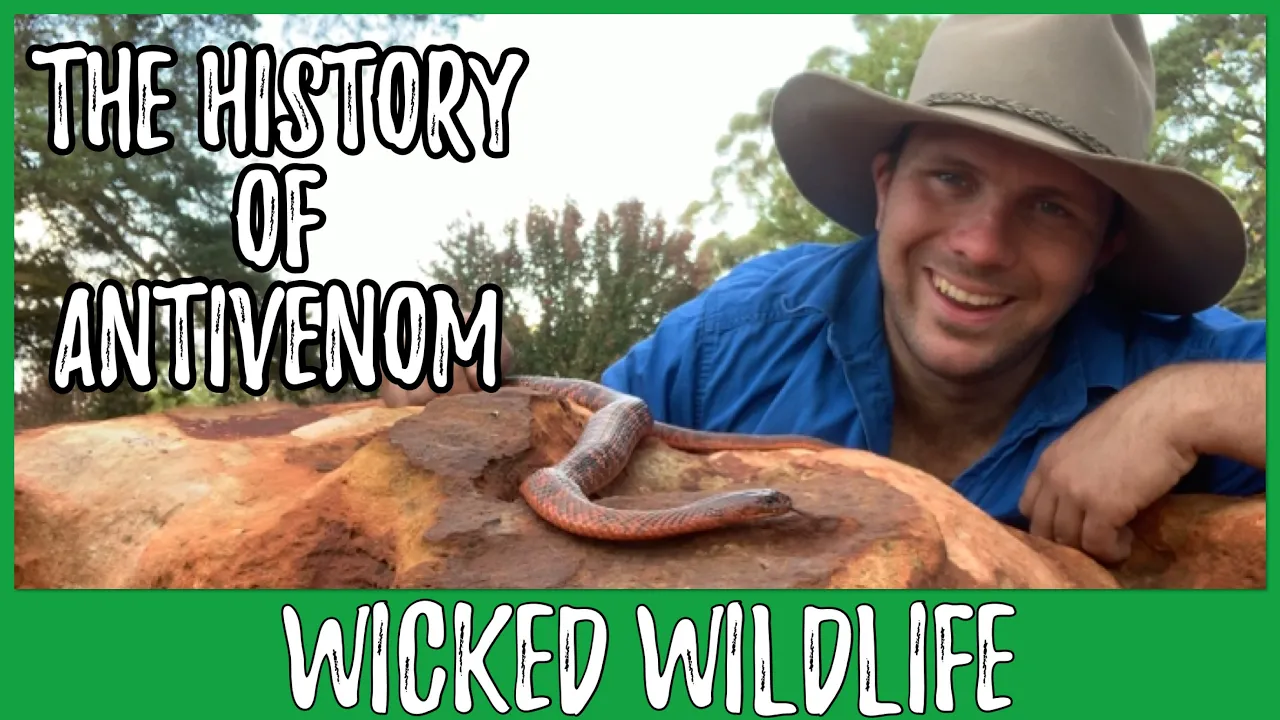




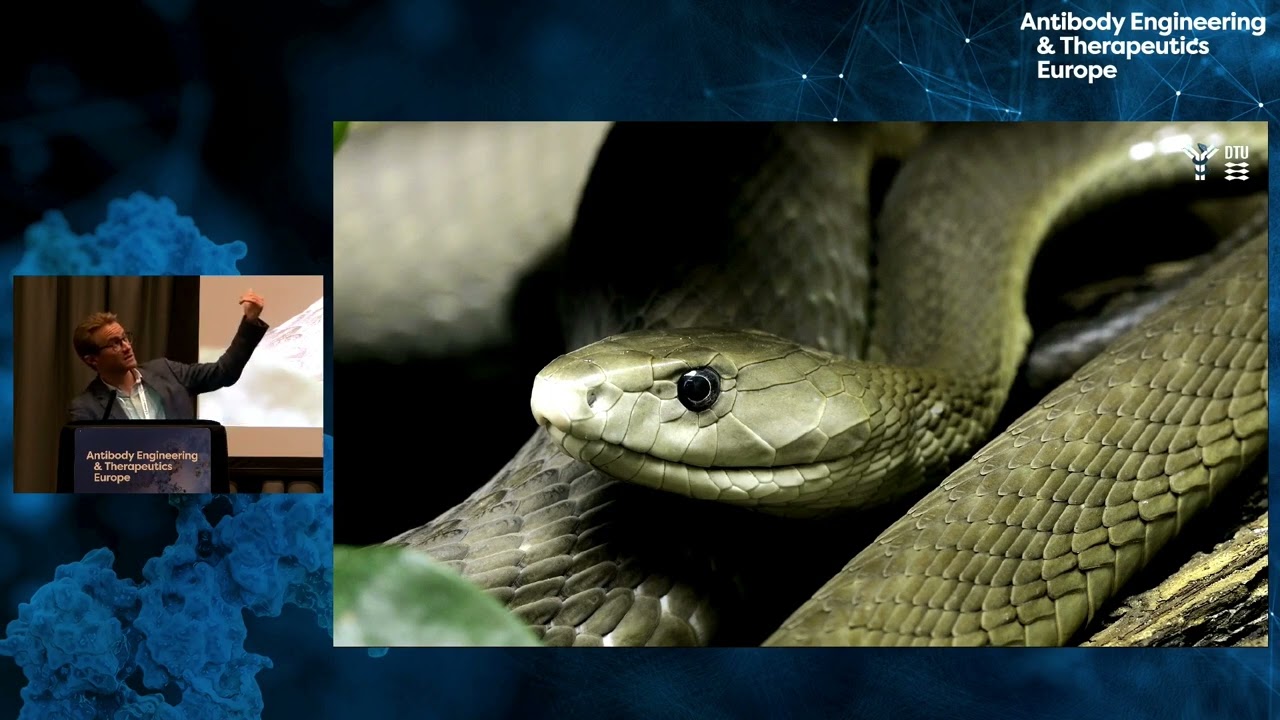



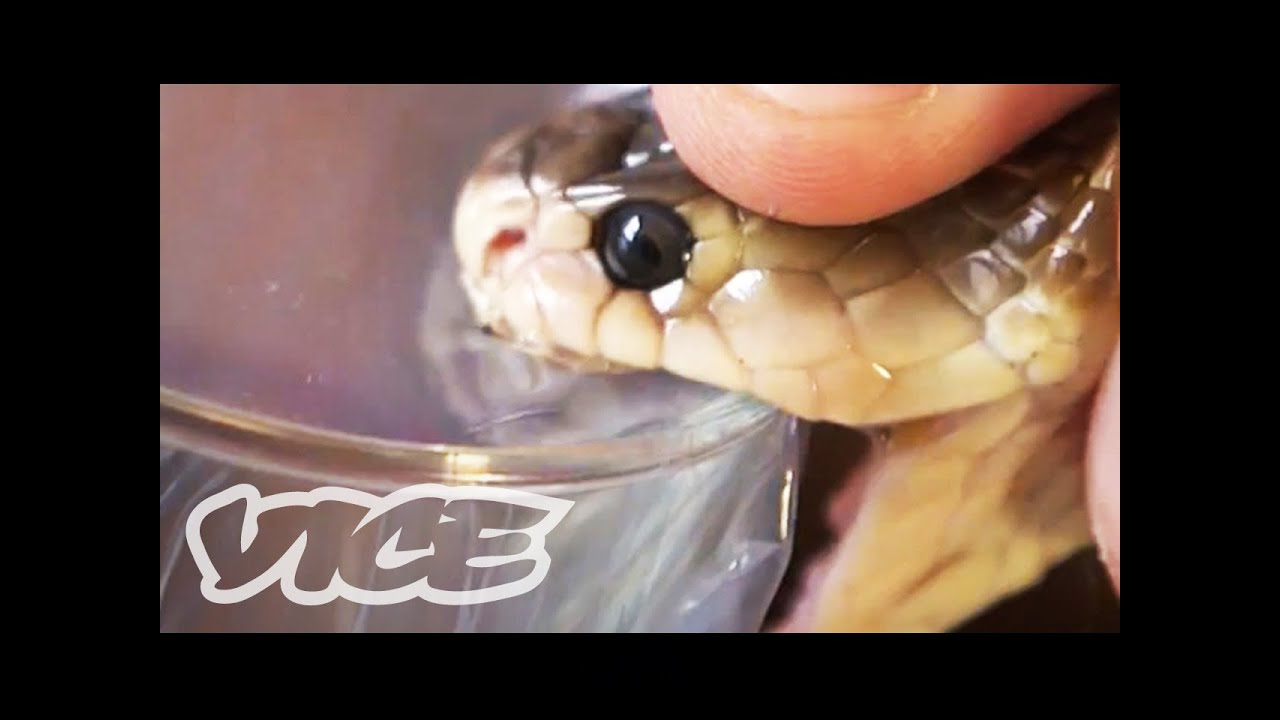





Tim Friede, a Wisconsin truck mechanic, has endured approximately 200 self-inflicted snake bites and 700+ venom injections since 2000 to develop immunity against snake venom, collaborating with immunologist Dr. Jacob Glanville and Distributed Bio to engineer a universal human-based antivenom that could save the 125,000 people who die annually from snakebites worldwide.
Man Uses Snake Venom on Himself to Develop Universal Antivenom
Added:Understanding of the human immune system, specifically active immunity, antibodies, and how the body responds to foreign pathogens (antigens).
Basic biochemistry of snake venom, including the differences between neurotoxins, hemotoxins, and cytotoxins and their physiological effects.
The traditional methodology of antivenom production, which typically involves immunizing host animals (like horses or sheep) and harvesting their antibodies.
The concept of toxicity threshold (LD50) and the inherent physiological dangers of direct exposure to lethal venoms.
Investigation into modern biotechnological alternatives for universal antivenom, such as recombinant monoclonal antibodies and synthetic biology.
The physiological and pathological long-term effects of chronic venom exposure on human organs (e.g., liver and kidney damage, autoimmune reactions).
The ethical, legal, and regulatory frameworks governing human self-experimentation and clinical trials in modern medicine.
Analysis of snakebite envenomation as a neglected tropical disease and the global socio-economic challenges of antivenom distribution.
843 views15likes1:07:43Original Release: 2020-07-04
three-two-one I'm gonna wait for this to get quiet and then we'll try to at least get a calm spot for the intro hello everyone this is Jacob hope yet the producer the apex and this episode jana and rj interview an ordinary guy from wisconsin or so it seems since 2000 Tim Freddie a truck mechanic from Wisconsin has endured some 200 snake bites 700 injections of lethal snake venom all part of a masochistic quest to immunize his body and offer his blood to scientists seeking a universal anti-venom for nearly two decades no one took him seriously then a young gifted immunologist dr. Jacob Glanville stumbled upon Freddie on YouTube and became convinced that he was the key to conquering snake bites forever if you want to learn more about the human anti-venom project click on the link in the description below if you want to support us there are three ways to do so one is to donate to our cause at www.pedestrians da de s second visit our merch line that is proudly partnered with envision clothing company at envision clothing company com the final one is completely free all we ask is if you learn something from this episode or know someone that needs to hear our message share it with them please subscribe and hope this pushes you toward your apex welcome everybody to another episode of the apex podcast as always I am your host John Alma si and seated across the county from me is my co-host and partner in crime mr. r J Holliday what's up everybody glad to be back it's been a while or at least it feels like a while to me but there's been a lot going on there's been a lot going on for everybody what am I who Mike trying to get yeah there has been a whole lot of different shenanigans between kovat 19 and all of the unrest across the country it's been it has been hectic I mean but the beautiful thing is is that a lot of the stuff that I've seen as much discord as there's been there's also been a lot of unity community yeah a lot of things that I've seen and well actually up speak up that word community one of the things that I thought was super interesting somebody brought this up to me today actually about half hour ago they said that the word community is nothing but communication and unity and I thought that was a very interesting take on the word community you know kind of splitting it apart and and focusing on the two individual pieces also just as a disclaimer if anybody is listening to the whirring drill hurricane that's happening in the background of our podcast episode today it is because there's some construction going on down here in the incubator in downtown Canton some improvements are going in next door they're gonna be super sweet so they decided that now is the perfect time to start drilling but we're gonna let it add to the organic nests of the episode my friends so today there is actually you know RJ there I pretty sure that at the beginning of every single interview I say this my favorite one right now but this one is definitely going to be probably one of the more off-kilter or interesting episodes that we've recorded I don't think that I have ever met and I will probably never meet anybody quite like the individual that we are interviewing today so a little bit of background before I introduce our guests these are just some stats that I have pulled up from his bio that are J so gratefully put together for me so without any context here's what we got today guys um he's been working with snake venom since around 2000 right has over 200 self-inflicted snake bites 700 plus injections of snake venom self injected snake venom right and then ended up working with some of our dear friends over at distributed bio incentive acts because Jacob Glanville found him on YouTube from what I understand so without further ado I would like to introduce the legend behind all of these snake bites mr. Tim 3d hello guys thank you for having me on no problem my friend welcome to the show it's a pleasure to have you on and also I'd like to give a shout out to cool blue studios and Adam for allowing us to have Tim record in their studios today so that is much appreciated but bringing you the high quality content yes we are yes we are so Tim why don't you um all of our guests always are curious about not just you know what you're doing now but we always like to kind of go back and talk about where you came from so why don't we just start with where you were born and raised and then you can kind of take that wherever you like I was born in Milwaukee 1968 my father was a Milwaukee police officer and there were really no snakes around that time I pretty much lived in outskirts of Milwaukee saw I would spend my time going urban and I c'n and going to zoos and museums and stuff like that was how it kind of started unfortunately I'm not from Africa where people died or Asia where people died or Australia so I really didn't have any we only have two venomous snakes in Wisconsin so I didn't have any experience with venomous snakes until I was in my my 30s and growing up I would just bring stuff home and put it in fish tanks or you name it my mom would find it and then I call the principal of high school and say to them you gotta come home I have a snake out in the basement and that's kind of really how it started I would just bring stuff into the house and they they can't stand snakes are afraid of them do you remember the first the first pet that you ever brought home uh probably a garter snake that was my first bite that was five years old and it bit me and I cried and threw the snake off for me and it involved never to get bit again that was a big failure and they lied about that but it turned out for the best humble beginnings yeah very very humble so so born and raised in that area I just out of curiosity for for our listeners sake what are the two the two venomous snakes in in Wisconsin timber rattlesnake in Mississauga interesting I don't know I'll point of Mississippi gotcha gotcha now have you I'm assuming that you you've taken those Venom's I've not used those Venom's but I have used western diamondback Mojave rattlesnake amongst a ton of others but those are the two ones that are closely related to it venom wise so that was interesting interesting um so so you started off I mean this is kind of where all of it the beginnings of this entire you know it I almost want to say infatuation with the snakes and the venom and how it works and and how you can survive and everything else like that so that started as young as you said you know five years old was that first bite and you vowed to never have a snake bite you again now now going into high school and and and some of those pre like upper level education years and stuff do you remember that that curiosity getting deeper and starting to grow or some type of transition point where you're like oh this is you know becoming more interesting or did that not happen until later in life no that didn't happen till later uh high school was just too mean a bunch of good guys that would go out looking for snakes and going to pet stores basically collecting basic stuff what really sparked my interest I started to milk um spiders scorpions took a little class on that and just got it and built a twelve volt electric stimulator and was just interested in been him at that point but what really sparked it is when I met Bill Haas in 1999 the pioneer of cell phone is Asian at that point I wasn't cell from United I didn't start for another year so I'd call him every weekend we flew down there he didn't give me any information on how he does it which makes sense is for liability reasons and yeah after that I flew back home I was married had a small kid and realized that people die from snakebite so I wanted to see if I can make myself immune to it I didn't feel like dying I didn't want to spend money in anti-venom I don't want to go to the hospital I don't want to miss work and the logical thing to do was to become the horse the equine mm-hm so I started with Cobras slow what you started with Cobras yeah a court run Egyptian Cobras my first injection I ever get I feel like I feel like that's um you know before we get too far off to I want you to kind of explain a little bit about Bill for those of the audience that won't understand that but but I feel like the the general conception of the public is that you know Cobras are like way high up there on the you should not mess with that yeah list the fact that that was the very first one is just mind-boggling everything about this story is mind-boggling but major barrier of entry just went way up for starting a cobras yeah yes yes the that's the only snake I had at the time I mean I could've picked any anything else but I figure if I'm gonna jump into it what's the difference if it's a Cobra Mambo Mambo rattlesnake Taipan I just and those are all ones I've done and beat the bites with so I just started really really small dilution of one in 10,000 and there's no book on it so I just took a lot of notes a lot of pictures and just kept escalating through small delusions up to up to bites and just a lot of boy a lot of note taking and just just a ton of pictures of notetaking first year is basically a disaster though excited know what I was doing I didn't have much focus with it and prior to that I must say a good friend of mine was killed in a car accident she was out of that and before I started she gave me an needle on a Tuesday I still have that needle that's the first one I used and then she was killed on a Thursday and so at that point within that week my best friend chuck witty it was his girlfriend and his kids were in the car accident too and were severely in a coma for the whole summer and I didn't start suiting up because I was like oh man you know here I got a needle from a good friend of mine and then she dies we thought his kids might die so I took a whole year off and just wasn't into it I didn't feel safe doing it and after about a year I'm like well kind of an honor of her I have this needle sitting here so I either do it or I don't do it and she didn't want me to do it and after a year I said I'm just gonna do it I'm just gonna see what happens and that's that's how it originally started with that one needle and that crappy experience and but the first year was a disaster I ended up in ICU almost killed myself after two cobra bites and then my wife at the time pretty much said just retire from it or do something with it don't just sit back and you know I got out of the hospital I felt that either I know what I'm doing or I don't know what I'm doing at that point I didn't know what I'm doing so I got to the hospital and a week later I I said um this is it I'm gonna do something with it and I just just regrouped and completely regrouped because my wife was upset and didn't want me to do it kid didn't want to see me die in front of my kids which I pretty much almost did and that's how it started and then I just decided that in I'm gonna make this work I'm gonna reach out to scientists and I'm gonna make a difference with it know that that was basically the start of it it wasn't a perfect start by any stretch I made a lot of mistakes but you know I don't work with doctors that nobody tell me what to do I just do it by myself work with doctors no but at that point it was just me in my basement with a cup of vinyl glove a needle and snake venom and just transition from there you know you know in hindsight though I'm I'm glad I made that mistake because it really built Who I am today you had to you had to prove your own concept before anybody be willing to work with you Oh toto I can I can understand having to having to grind that out and then also having you know obviously people looking across at you who care about you and don't want to see you hurt yourself or hurt them by extension of what you're doing but then you still being able to see the importance of the work that you're willing to do to the greater population and you know that that part of science that people haven't dove into and then I mean I can only imagine how you feel once you have someone come up to you goes hey I see what you're doing you're doing great work what your there's there's proof in the pudding of what your what you're working towards and then hey we're here to back you hmm yeah exactly now was oh boy that was so hard back then because I don't have a degree hmm and I have to go against all these people in herpetology yeah a whole a whole field the whole field of people that have you know passwords masters PhDs you name it a ton of naysayers that would shut me for it and in hindsight again I'm glad I didn't go to college I wish I did but universities don't support using your own body for self experimentation even though self experimentation and medical histories huge yeah a lot of Nobel winners and a lot of people that use their own bodies with different things it doesn't have to be snake venom to memory prove it works you know and that's the kind of the concept and that's my whole foundation is that and I was lucky enough to talk to some of those Nobel winners and what they had to go through and it was a little harder on mine because I wasn't a doctor I don't have a degree so I had to face all these people with a lot of questions and why you doing it you're crazy you know and I come from a logical standpoint with it I don't want to die I don't want to lose a finger I don't want to spend money on anti-venom I don't want to spend any money I don't want to miss work and that was my underlying theory behind it I just didn't want to do those things and then I came to the realization that 125 thousand people a year die from snake but is that really the number it's exactly the number five million or bitten 125 thousand died and 400,000 people lose fingers hands feet because the necrotic effects of the venom so since I started over 2 million people have died from snakebite and as I sit here I have the cure for them i'ma cure is simply in the snake it's the venom there's a reason self-experimentation is a fast holding comic books as superhero origin stories it gets it gets things done yeah boy yeah I gets it done it gets it done fast you know nobody's gonna want watch me dilute a little bit of venom down and film that then why not see bites they want to see does it really work and that's where it all changed for me and that was I was sitting in a bar as my buddy I'm a good friend Chuck who I mentioned whose girlfriend died in a car accident and about a year later he said I'm sorry dude you're just gonna have to get bit and take it and at that point he goes because nobody's gonna believe you and what's the point of doing if you can't take the bite that's the point of injecting yourself yeah through time is can you take the bite and I was like oh man probably back to when I was five again I'm like oh I'm gonna cry it's gonna hurt it's gonna suck you know and then I got to that point and it became easy actually I mean it was wait so what was that the only other bite since you were five like that was the first bite since you were five well the other what five was my first pipe you know some garter snake bites obviously when I was a kid you know things of that nature but the transition from that to getting bit by cobra rattlesnake type and black mamba that's a whole new different level yeah it is it is and that's why I have picked those snakes because if you're gonna pick something to get bit by and prove it it's a Taipan Black Mamba western diamondback Mojave water Cobra Cape Cobra monocled Cobra forest Cobra you name it I wanted to reach for the stars to prove it worked and that was the only way I was gonna get my message out there it's not by talking about it because that's gonna only go so far the proofs in the pudding you got to do it yeah so why don't why don't we explore the I mean I'm reading the ER of quote on this on this bio and one of the things that it says is that you know that changed everything for me it was the first time I beat death why don't we why don't we explore that first time that you like actually proved the concept and beat death with your body well the first time I beat it was um well I had the two Egyptian cobra monocle bite that dropped me and then I was like how am I gonna give up or what so I didn't beat at that time because I ended up in the hospital flatlined I'd waited a little bit and decided to get back into it calm down a little bit hold on you coded like you you straight-up flatlined in the ICU oh yeah yeah I took two bites within an hour first my first bite was fine you know I beat that but I stupidly took an Egyptian cobra the first woman ever started using took a Boyar now we're after that BAM lights out was that way no no I wasn't it was on purpose oh the two bites back-to-back were okay all right yeah it was on purpose no I was what was this point of that I'm now just like to get bit back-to-back because I mean I guess I I I mean I living in Ohio there's not really any poisonous snakes that I have to fear for every time I go outside if I got science Oh correct not a butt bite you multiple times or if it's just like I'm not really sure correction not poisonous venomous venomous my bed no worries I was severely depressed because my friend died and that whole year I was just do I do it do I don't do it it wasn't suicide I just kind of wanted to prove it and get it off my chest it didn't work and then another the wife was mad oh boy is she mad yeah uh-huh because my kids saw me you know get hauled off into the hospital and when you end up in ICU and there's only 12 beds and when I woke up this lady's having brain surgery next to me I don't like oh my god what did I do you know so I had to fess up to that one and then after that I did a monocle burr bite and it was scary because I was still coming after coming back from reliving laying in a bed for five days not being able to breathe and got bit by that and beat it and that that was a big changer there that changed everything because I I knew I could beat it I mean I knew why I messed up I know how I messed up and then I just at that point I regrouped and by taking bites mister prove it worked I wasn't even filming bites at that time I basically I had a camera plastic disposable camera that it took my initial pictures on I don't even think I had a computer and and that went out for a little bit but what really changed everything is when I transit transitioned over to mambas because that was the next highest level I could get to easily one of the most dangerous snakes in the world not the most venomous but highly dangerous and that's when it really changed because if I could beat mambas especially Black Mamba ordered the four there's four different kinds I knew I could make a big difference with that and that's when I started working with mob is taking better notes not making mistakes keeping my head on completely straight with it and I remember my first black mamba bite and that was really scary because it was a big I don't know at least ten foot black mamba I was doing greens before that did green mom was furrier many bites injections had anaphylactic shock IG seven times with that which concerned me as well that's a whole different ballgame a dying I'm I am I either a fighter Ethan section I think it was infection I got an electric shock every single week for a month or they have it my inner ICU nurse is like having a stroke right now just even listening to this conversation yeah it's I you know snake venom can kill you but soul can I GE yeah anaphylactic shock and yeah that can kill you fast from the snake venom can kill you and that was another concern I had to deal with so I had Epis on hand just in case I'd never used them cuz I wanted to feel what anaphylactic shock was like and it sucks it's been and but the cool thing is on my eighth injection that was waiting here vibes type 1 hypersensitivity and nothing happened and it was pure it was pure venom it wasn't diluted down it was a lethal dose and I'm like what the hell I have no symptoms whatsoever and at that point in 2003 I was studied by dr. Kagan and talked to him with Messiah in Appleton Wisconsin you mean ologists and they realize that my good antibodies IgG 80% of your antibodies are also blocking antibodies they can block IgE from binding to mast cells basophils release those release those chemicals and I'm like it's classical prevent immunotherapy they do with insects and they do with with a ton of different stuff and after that I continued continued with bites and booster shots and I never had an electric shock again Wow and you know we proved that in the lab that my good antibodies then I'm specific I have twice as many good antibodies IgG them specific than a normal human does just regular IgG antibodies that's how much I've built my system up that was studied in the lab and proven in the journals of immunology 2003 and that was weird because you can read about shock or read about death or read books or papers on it but to feel it's a completely different thing you know and the feeling of it is just weird and then I just kept going on and on and maintained my immunity and worked with Black Mamba I've been working with Black Mamba since 2003 basically and that's always been kind of my foundational snake because I always figured if I can beat that bite and a lot of my bites are self induced a lot of the bites I get bit twice mom was bite repetitively just like my type an bites they bite repetitively and I just got beaten it and beaten it and then I'm like alright what am I gonna do with it now starting to reach out to scientists and doctors on a daily basis I mean I'd email you name it I emailed them including the White House including senators including every doctor in the plant that has something to do with snake venom snake bites and I didn't really get that far I had a lot of great responses back just tremendous doctor - dr. Finley Russell some Nobel winners about 200 more scientists that I've kept all the notes on and then they began to realize that all right I'm beatin it and I I need to film these bites I got a lot of grief for that but the only way to do is to prove it and I feel I feel it it was the best thing I ever did I mean I rolled that that dice and King Chuck and I were right that I have to get bit and prove it but you can't just do that in your basement in your house and get it out to the world so as soon as I started to get you know and patent was my space but you know I could get the word out through doing videos on YouTube and bytes and that's how I started doing it and then a lot of meat a lot of media came out and the media really helped doing Stan Lee's superhumans in the History Channel NatGeo twice science channel scarbee channel Ripley's Believe It or Not things just started to snowball Barcroft TV that's how I met Jake and it started to work but there there be lulls of two three years where I have nothing still injecting still doing my booster shots and then just so no one one thing led to another yeah so as you were kind of building all this you know data I mean at this point there's got to be like journal upon journal upon journal upon Journal of data that you've written down and pictures that you've taken and everything else when you started doing like I'm all I'm all about the psychological experience of the whole thing right so there's there's two questions that I really had and one was the first time that you felt that impending like death or you know the anaphylactic shock and stuff like that what can you is there a way that you can try to put that feeling into words and then this follow-up to that is like the first time that you got reached out to buy like a History Channel or a National Geographic or something like that what was that thought process like Oh like okay this is gonna start getting real like the media is going to be putting me out to the world well I mean the first time you mentioned it it's very much a psychological process it's obviously physical because it's painful when a venom is inflammatory by nature it's always always has been always will it's like a bee sting but times a thousand but the psychological part is like the first 30 minutes because you just you have about 30 minutes if you're gonna go down you're gonna go down to 30 minutes and I don't have anti-venom I didn't want any venom it's wise to have it obviously but I didn't want anything to back me up I didn't want doctors I'd have thought I either was gonna get really good at it or I was gonna die I was willing to do that not by being stupid but by being confident and it it still kind of gets me a little bit but I've got to the point right and get bit and go to work or get bit and go fishing or you know whatever it's go out about the town yeah that normally I you know I'll get bit now take my kids fishing take a mic them stuff like that that's kind of how that started and then it's snow balled and - well the first time I film for Nat Geo they cancelled it because they said it was too extreme so I injected Monaco Cobra into my leg and blew my life I had a self amputate my muscle two or three times for the course of a month and they kicked me off because it was too extreme I wanted to prove that I could beat the bite and then necrotic effects of cobra venom which are cytotoxins and and that really pissed me off because I put a lot of effort into that basically the whole summer your self amputating necrotic pieces of flesh like that would piss me like wait a second hold up I did not realize I watched that Stan Lee's superhumans on Nat Geo all the time and I did not realize that that was you that I love I love that show well I'm just a huge I'm just a huge Marvel fan and comic book nerd to begin with how was doing that show it way it was cool because what they did is they they did a show it was on the History Channel mm-hmm um reproduce like the x-men so they paid 32 of the most I don't know different slash crazy people in the world because I the one that I saw that came up is like a recommended one for me on YouTube is I think they they went and talked to the Icelandic dude that just like goes skinny-dipping and negative 50 degree water or whatever it is and you know he gets out of there and he's fine was the the host of that show cuz I'm looking at it now uh is a Gary Gary Turner he's the one that can like fold himself up and put himself like in a two by two foot box yeah he he was the host of the show yeah was he a nice guy he seems like a nice guy yeah he was I he was he was crazy um we before we filmed he was hired by Stan Lee yeah to run it to run it and he came out most flexible man in the world the stuff he showed me I'm like dude what I'm about to do this is easy compared to what you do yeah cuz like he can he can like basically fold himself up like a lawn chair what I've seen no from what I've seen I took it on my kids school uh-huh and he went there with a the top of a toilet seat and he dislocated his shoulders in his arms and put himself through it putting himself through the toilet seat in front of my kid kids classroom he could just fold himself up and put himself in the overhead compartment of any plane it's it's actually hard to watch because I was gonna say that's just that that gave me like a visceral the people that they had on that show were incredible yeah um um did you did you get to meet Stanley did he have any part of that production um well he nicknamed me an event I mean that's when young yeah that was his nickname for me the Oh jealous of you that's why I was so fired up and I'm like uh I hope I get to meet Stan but he was older at that point he couldn't travel and fly around the country to go meet everybody and that's what I was really open but I didn't get a chance Daniel Daniel browning Smith was the host actually sorry I just came up um the flexible rubber man dude Oh gotcha and winning he wasn't gonna fly out they were gonna fly in the people from the x-men in the movie to kind of just be there because it was based off that but that never happens so but anyway it was cool to do it that was my biggest production I've done that's and it was just I was so much fun and that really got the word out there world yeah I bet because that was a very like highly publicized show for that was that History Channel History Channel yeah that was I mean they still every once in a while you'll still see some of the seasons or whatever or the episode show up on History Channel now and that was what 2010 yeah that was uh you know roughly yeah it was a while back and they did some other shows series but it never it never took off you know how many insane crazy weird people are gonna find you know he's not gonna run that show out for ten years it's good for him you were three and then well we're outta people so I was really hoping at that point after I did that and proved it not to be a freak but to prove the science of self means I'm yeah works we had a curator from Florida on the show so it was backed up strongly by I didn't like the crew came over from Europe who filmed it and they were very specific that I only talk about basic stuff and not the science behind why I'm not dead so we were cutting film and cut film cut you know I was getting passed I'm like I have to talk about the science behind it otherwise people aren't gonna understand the reasoning yeah they're gonna think you're an anomaly which is not what you're trying to prove you're trying to prove that through science and the methods that you're in the process of developing that this can be widely implemented it's not just because hey I was born special and what whatever which and I think this is the perfect time to kind of transition into Glanville discovering you and and now you know arguing you said it perfectly you know transitioning and showcasing the science behind it proving it and then getting it widely applied was kind of the end goal like you said that there's all these people that died from snakebites and lose limbs and everything else so how did you in glance wait wait one second just to finish off that the the part about the show and all that the the why did they did they not want you to talk about the science of it for the mystique of the show well they wanted to and I understand their point they wanted me to dumb it down so the basic person could understand what I do gotcha okay that's all I wanted and because I wasn't a degree scientist talking about something that yeah I got you okay I just I just wanted I wanted to understand what their cuz I was like I'm sure had you known that you wouldn't have just outright agreed if they were just gonna you know muzzle you the whole time yeah gotcha all right well then then that answers my question and anybody else who was also thinking yeah yeah that's the reason they did it I understood it but gotcha for me to talk about how I don't die is difficult to do I've got understanding anatomy and physiology immunology in a certain sense of academia regardless of what degree or not I still do thoroughly read as much as I possibly can and it helps me out I just with raising kids and work in my entire life I just never had the chance to go to school and if I did I either dropped out or didn't like it and also right that's the way that's the way that went but in the long run it worked out really well I have no regrets with it so do you know do you know the YouTube video that Jake watched that kind of triggered reaching out to you I know exactly the video it was Barcroft TV I filmed I was going to do one bite by a black mamba and they came out and assigned a bunch of paperwork and I just decided to do something stupid crazy so getting interviewed my ex-wife came out at the time to talk and that didn't really go so well for many reasons but anyway so they came over and we interviewed talked and it was time to go so I took the black bite and freaked him out thoroughly and then I took a tie-pin bite back to back within two minutes and there's two reason I did that I was getting to the point if somebody's got to see this because it's getting really old to beaten bites for as long as I have and the second reason was the two bites that I took we ran it up and I see you I had to go back to that time frame I had to go back to that period I get my head clear so I picked the two most dangerous snakes on the planet others obviously but the ones I could get my hands on and I did that and I don't know how many views of that and hit a ton of views millions whatever I don't even care about numbers and that's where they found me and he reached out to a lot of different people to track me down he found me messaged me at that point I was working with another doctor dr. Brian Hanley from butterfly Sciences have been working with him for seven years getting my notes together pictures together trying to get stuff published but then Jacob met me and he basically said dude this is incredible let's make a broad spectrum human based anti-venom and I'm like well that sounds good I always thought about it but I always considered myself well one person only so much blood only so much plasma how far is that going to go biotechnology really didn't cross my mind and how they can clone antibodies and how they can extract RNA or DNA o b-cells oh my G IgG antibodies in modifier that's Jacobs forte and the company's forte there anybody antibody engineers and I'm like alright I wasn't really too too hopeful with it because I've had so much negativity and so much failure with that but then Jake and I became really really good friends and he sent a nurse out to take my blood after a week's worth they hid in the needle really hard with seven really bad snakes so he got my blood and and we just sat back and waited and to see what what happened between in vitro studies and eventually an hour released this news in a second here in vivo studies live animals lab study is important nailed it nailed it out of the park crazy immunity everything with up across the board with my immunity and and just so you you're aware to him we do not like dissuade from using technical language and speak on here so you feel free to explain it in whatever technical terms you like as them a lot of our audience is very educated and in these types of science fields so oh good it's the opposite of the History Channel the [Laughter] pressures on me yeah but at that point this was in 2000 oh shoot seventeen is when we first started to collaborate and at that point the Jacob was funding this by himself the company we didn't have any cramps and so we waited basically three years before Jacob was kind enough to fund this whole thing so we applied with the National Institute of Health and we failed by five points they have a weird point system that's really strange and I'm like gotta be kidding me man he's like no we failed but we had a second opportunity to resubmit because we were so close there was only like one person that had like a questionable review whatever and the second time around we had one day I had to sign some paperwork off because I'm a human subject you know there were issues with that and I signed off on that vividly remember signed off on it sent it to him and a week later we got the grant and that grant was huge really launched further studies and then there's a clause in the grant so we get a lot of money bonus money if we can prove that it works well we're already three years into it we already had the proof mm-hmm so we got the grant at the perfect time it wasn't like here's what we're gonna do it's like no here's what's done it's been three years we have the in vitro studies we have the lab results that we're off the charts amazing they have what's called superhuman it's a line of antibodies it's one of their software programs in mine or above that and just continued throughout the whole computer so I was uh I was above that so that's the in vitro work then we prove that now the next thing is is it going to work in mice that's the whole thing is it going to work in mice and because we got the Grint we opened up another lab with more scientists mice obviously and that that that was the test so I got I got a phone call I think he said dude he you sitting down I said no but I will so I said ah home and he goes you want to see the results it's like yeah we figured out the maximum lethal dose in a 20 gram mouse model and I won't give that figure up because it's it's it's being published right now I don't want to mess up any numbers I know what it is but he gave the maximal lethal dose of neurotoxin and all five died in 45 minutes so we know that it's a good thing because we know that the venom that we ordered works the next thing we did is we took one antibody that was cloned from my system out of 325 antibodies here's the true test another set of five mice and we added that cloned antibody into the mice and all five mice survived Wow so it proves that what I do works the Venom's potent and the cloned antibodies work and neutralize it in an in vivo situation that was it was huge now that that didn't happen once we did it three times three different continents so we jumped three different general we jump from Taipans two cobras to mambas from australia all the way to Africa and that same antibody not a different antibody because we're talking broad neutralization here all five died BAM do it again all five survived and that is the paper that's been being published as we speak hopefully it's done in about two months but you never know but that that was everything because if it doesn't work in mice then something's wrong either they did something in the lab wrong which they didn't or I don't have immunity which I did back to in vitro studies off the charts and so now that's the first step so you have to realize that there's neurotoxins you're a muscular Junction peripheral not central I don't care about that doesn't affect the brain at all tox toxins can't beat the BBB they're too big for those blood-brain barrier and strictly peripheral so at that point you have to realize there's neurotoxins and hemotoxins so that's really good news for the neurotoxins but we have other ones we have to deal with just three different main types and so far we're starting out really strong but now we have to delve into hemotoxins then you start getting into blood chemistry everything from platelets to fiber fiber and obviously going over the platelets for hemostasis and everything in between the clotting cascade intrinsic extrinsic to the common pathway to prothrombin the throbbin to my branch into fibrin and fiber and and snake venom affects all that so now we have to work on neutralizing all those things and that's a lot of things I think that that's that's what that was the most insane to me when I was I was kind of researching some of the venom stuff and trying to put it into the scientific context was that you know the majority of the time when we're doing he like any type of hematological diagnosis or we're treating hematologic disorders and stuff like that it's you know one portion of the Cascade that we're trying to stop you know or in looking at the Venom's and everything it's like every single portion of that cascade is affected somehow which is why they're so freakin powerful it's because it disrupts the entire chain of events yeah you know you're talking procoagulant anticoagulant I mean anything to do with blood Venom's and they're doing something to it either activating it hearth you name it and and that's this would be really easy if it was just one antigen one bad neurotoxin well we already beat that that'd be a piece of cake but what we have to tackle now is snake venom affecting all the body systems and it affects virtually everybody system that we have and but we have to start with a ground level baseline first prove it works and slowly branch out and I called there's there's four major venom families 75% of those being enzymes snake venom metalloproteinase --is snake venom syrian proteinases pla twos phospholipids those are the enzymes and the non enzyme is the three-finger taksim neurotoxin very dangerous it can be other things too within those major families with subfamilies so we're looking at those for families to or for Nero's hemo toxins and those for families we have to work on that before we hit the secondary families which are nature and nature a heretic peptides see tight black lectins Center grins you name it but that's not on the top of the list yeah but eventually we're gonna have to come to that too but we have to see if this anti one antibody we can prove it in mice you know what else is it what else can it cross with yeah and then we have to branch off and use other things as well to see how far we can take it which is gonna take time well and if there's any group of people that I think can take this let me to the stars it is definitely distributed bio instead of X those two teams I mean outside of Glanvill himself in all of his his ability to empathize with scientists in general and put them on a platform with this radical transparency in his brain his team I mean sows in the CSO just had a neoplastic drug named after her by Pfizer I mean thank the team that he has put together is just absolutely I've heard him refer to them it's like his army of super geniuses right I mean it is the amount of intellectual capability that is in that lab is just off the charts ionics de Vere he's putting the team together he calls him the he calls in the Avengers and it's really strange because I go to San Francisco the company Christmas party and I'm easily the the dumbest person in the room and just to hang out with these scientists it's just they're all fantastic people off-the-charts smart very supportive it's not even like work it's like fun and that's the atmosphere that he created he's you know very support businesses business and fun is fun yep and he can really regulate that to the best of his abilities very very well and I've seen it and it's a it's a beautiful thing it's a beautiful know when you guys that started collaborating everything like that it can you speak to what you're if you had to paint your Nirvana with this what would that be Tim like what would be the the absolute you know best outcome and goal for all of this the best outcome in goal is three things on a shelf let's say in Africa Asia Australia you name it number one a vaccine like I use see you don't have to use anti-venom that's the main goal number two a human base ten event in which we're working on that's way better than the anti-venom that are out there because all these people do is working anybody's so it doesn't get higher than that number three the current anti-venom that they use with horses or other animals and if those three things on the Shelf if used the first thing you don't need a second one and you don't need the third C if you can't vaccinate which is tough cold storage problems a lot of people don't like needles that's fine but the second option is beautiful a human based anti-venom that can neutralize across continents we already proved that we proved them so we know it works but that is the perfect absolute perfect thing if we don't get the vaccine out there but if we do get the human anti-venom out there that's that's huge - that's that's something that's never been done before you know and Ivan's been around for over a hundred years Albert Calmette II so we can change not just herpetology but immunology and that's exactly what we're doing it's gonna take time and part of my job is to reach out to these people around the world whether it be doctors whether it be a tribe whether it be a village whether it be a buddy of mine in Africa that you know hey what's going on can you do this for me can you talk to doctors in your village what are the problems that are going to arise once the products in the field because you still have to get to the product yep so you guys still have to have transportation you still have to have cell phones there's a lot of basic stuff that has to be done to get to the product yeah and those are things I really tried to work on and I've been helpful to be able to talk to people like Doctors Without Borders the policy advisor and he kind of guided me in the right direction on once the products made how do you get it out there and how do you work on the basic things that need to be worked on now shoes tents cots transportation cell phones all that stuff's important to me if you can't get to the product well you're gonna die or lose something so what good is the product so it's a whole package that we have to put together on a global scale with people I can't really talk to you so that's why I reached out to people that are actually in the field that treat snakebite and they've really really been supportive and very helpful tremendo that they know what we're doing and we have the facts once the publication is done and that gets out there that's going to be a game-changer too and hopefully we can really reach out there but this is the first time my life this is crazy in the last year after I did outside magazine I retired from it basically I am just to get away from it just tired of doing it my goal my job was done but you know it's weird it's just weird to see it because never in a million years did I expect to beat a snakebite especially black mamba and never in a million years did I think a lab would take me this serious to where you can actually make a difference and that happened so I'm glad to see that before I died I don't know if I'll see it in the field before I die but the Foundation's been laid properly thoroughly and it's an amazing it's an amazing feeling it's just great knowing that someday a kid might walk up to me and say thanks for everything you did I'm alive you know I can go out and play in the yard I can keep my hands my feet you know and that those are people I'll never be able to meet or never talk to but they don't that doesn't matter I can I can still do my mission in a 10 by 10 room as long as I have a computer and Venom you know I can do anything with that so that's that's the big picture going back to the big picture of that is the big picture when that thing hits the field knowing that I was part of it delay obviously I feel as done way more than I've done I just simply provided my blood but that's 20 years worth of work and pain and death you name it so I guess it's a fair trade yeah I was gonna say I feel like you've you burned your slot with the multiple ICU stays and flatlining and self you know extraction of necrotic flesh and that yeah I feel like it what is that sweat equity is that what that would be considered yeah that was sweat yeah I bet Wow okay so I mean right now the thing that's kind of running through my mind is what in the heck I'm sorry the whole building just Rumble guys so if I if everything comes crashing down just continue this on without me but the what can what can our listeners do you know between now and when this publication releases where can they find more information about you where can they follow you shout you out try to get information if there's anybody that's listening is there any specific connections that you're looking for at this point in the scientific field why don't you kind of give them an ammo cannister to be able to try to help you well they could follow me on my Facebook self immunization on Facebook it's called self musician snake venoms I had a website up but I have to redo it that's a work in progress I just have too much stuff to put on there that it's taking me forever basically 500 pictures of snake bites and I don't know how many notes whole book notes then I want to put into publication too and so that's pretty much that obviously distributed by up sin of X the main site Smith Rose bio comm and that's Ashley all the lab results it's a rough read because it's PhD anybody engineering stuff you know it's tough to read but those are all the facts it's early neat website actually and that's it goes through the for the progress of back to 2017 to what we've done now obviously it has to be updated but those are the main things and just now now it's a waiting game now we have to just wait and it science takes time it doesn't happen overnight so this publication is the big step and it's gonna be huge I think we're looking to do three publications and we're hoping to get one in nature nature would be huge and that'll that'll reach out to the really serious community it's the paper is not going to be very readable because it's too deep I can't even read it the lab studies are so intense that it's just over my head to a certain point and I think that'll be huge and it's gonna hopefully reach the scientific community on a serious level and we're just going to keep powering away we're just keep going for grants Jacobs got strong connections with grants including the Gates Foundation he Gates wasn't in port originally because apparently he doesn't like snakes too much the last I heard I have said might have some positive news with that so I kind of need if he could come on board and the more funding we can get the closer we can get it into the field I'm not sure that the timeframe on that it's impossible to say it's probably ears off but Jacob and the team they work fast and they work hard he said it's gonna be done in let's say two years probably gonna be done in a year and a half everything he ever says is a hundred percent 100% on Sol mhm well that's that's something that like when when me and Jake first met you know our whole relationship between apex communications network and sin of X started just with me watching pandemic and then reaching out and saying hey like I am seeing the writing on the wall with this disease in China it's going to hit the u.s. I was like I'm not really sure if everybody kind of knows that yet but let's we need to get an interview talk about this and then we talked and realized you're kind of that same type of foresight when we operate off of the same principle and I feel like you're the exact you're cut from the exact same cloth everybody that I've interacted with it is a part or has a mentality to be a member of you know a part of that distributed bio family or people that say hey you know six months from now I'm gonna be here and either four months from then they hit the goal or at right at the six-month mark they're on point because we're willing to do you know 16 18 hour days work weekends do all of this other stuff because they're so passionate and empowered I think that's what really sets Jake's team apart at centre-backs is that every single one of them is passionate about what they do it's not just a job it's like it's a it's a vocation for them it's a profession and which is the exact same feeling that I've gotten through em you throughout this entire interview is that this is way more than just you know what you've determined to be kind of a job or anything like that it is it is a life mission that it's just ingrained and it's in your blood and no pun intended right right no I I was I was this is all I do I I can't stand for and rework I can't stand construction nothing against those professions just just a matter of my mind was never there I just never could focus on it I did it my entire life but I was always driven to what I love to do for good reasons for Humanity I no longer do it for myself because I already did that and I'm done with that no no it's how many lives can we save other than hundred twenty-five thousand a year yeah even if even if it's a couple yeah and another really neat thing as to hit on anti-venom is very expensive overly expensive we want to sell this product I think for $50 a vial because you have to these people don't have any money they can't afford crow fair bill for 30 40 50 grand over a hundred grand in some cases cuz the hospital's up charge it being sold for two three grand alone and then they mark it up ten of the facts so we have to sell this for about $50 a vial so we have a better product that's cheap and it has to be cheap these people don't have money so 50 bucks hopefully give me a give or take don't hold me to that but that's just a rough estimate and what Doctors Without Borders said that's when I talked to Jacob all personally on the phone that's what he said we're not looking to make money at this we're looking to save lives with this and when you're trying to save lives with these people that don't have any money you have to mass market it and sell it cheaply and I don't have a problem with that right I don't want to make any money at it as long as we can save some lives and get it out there and change change the whole scope of this antivenom thing which hasn't been changed in over a hundred years yeah that's the mission that we're on and another thing too this is how serious I'm about it I had an agent fired him and attorney fired him because they wanted too much they weren't a third of what I make if it's an inner of Jesus it's part of it part of the company if I sell anything and I'm like you know what this is what I'm not Jake I said you know what dude here's the deal I want anything I I fired everybody I don't need them because what's gonna happen is it's gonna slow production yeah all they wanted to do is make money and it's just gonna haul to beat them so I made the right call and I told Jake just you know what I don't care about money here's my blood and Jay took care of me made me half owner and co-founder of the project and I didn't ask for any of that I didn't ask for anything so that's how upstanding that dude is and that's the truth we had this and that that's that's a contract on paper I'm not just blowing smoke up here oh yeah I uh I mean I'm going to to kind of this I found a quote that I found from Jake and because we've been dealing with a lot of their media right so I've been being and keeping a close eye on all of this and this is actually for May 18th so it's really not that far in the past it says sin of X was successfully able to engineer potent therapeutics that matter and our goal is to sell those medicines at a price that the world can afford I mean that is their mission statement that's exactly what I just said and so like that is that is in an article on business why are talking about how they had their church coded 19 antibodies independently tested by three world-class laboratories and he said the entire intention behind that is you getting people to be openly critical getting people to talk about it putting out as much information as possible to help humanity and that it's all about you when we when a PEC first started with them we did pro bono work for almost a month just because I knew that they were so focused on Co bid 19 which was way more important that they don't need to be focused on working out some type of BS statement of worker contract with us I was in an apartment self quarantine iing because I was still an ICU nurse helping record podcast and just a Jake like I think that this could really help get the word out let's interview your team and and just bust ass and for you know close to three and a half weeks that's all we did was just help as much as we possibly could and then ended up kind of you know being adopted into their into their family but it's that that lack of interest in realizing that money is necessary to run a business but that it's not the end goal that the end goal is impacting lives is what truly makes them stand apart exactly I've been doing pro bono for 3 years don't feel bad yeah exactly exactly I love it yes so it's a beautiful thing and that's what's gonna create a lot of positive results when you're not greedy you don't have to have a thousand employees you know you can keep costs low and keep everything in perspective it goes back to you know coping 19 and there's SARS antibodies that they're using to the anti-venom to HIV see I mean you name it you know and that's the way to get something out there and do it cheaply and do it fast and do it honorably awesome and it obviously works across the board and everything kind of applies it's basically the same thing we're talking about anybody's just different of anybody's two different energy well it's beautiful thing the man we could there's so many different rabbit holes I would I wouldn't mind doing a follow up with this for sure I think that there's there's so many you know different rabbit holes that we could dive down and as this journey progresses we definitely need to need to check in and hang out again maybe after the publishing comes out we could talk about that but Tim this is you know one last time this so we have self immunization on Facebook I just joined that group for everybody that was watching and then the me throws bio right MIT hros bio.com is another place that you guys can go to check out town also Sena backs comm is obviously distributed bio incentive acts you guys are used to hearing that name on here at this point but make sure that you go there check these things out and if you know anybody that's inside of the science of the communities that has interest in this type of stuff and is willing to reach out and try to connect Tim with places that that would find benefit in this type of scientific advancement feel free if you don't want to reach out to them directly you could reach out to us at info at chase the apex comm and we will gladly forward your information on on to Tim or to distributed bio and their team but Tim I gotta I gotta say this is probably one of the most interesting discussions by far and and normally RJ is the one to get me to dive off into a rabbit hole but getting to listen to him pan girl like a five year old girl it just could be because he loves Stan yes that was amazing thing to have on here I'm not gonna let that clip go ever no or Jen do you have any final words for Tim here nope a with like I said earlier before we started this thank you for your time I know it's early over there for you we it was a pleasure talking to you and meeting ya yup make your RJ appreciate so yeah definitely we'll do a follow up like you said maybe after the publication comes out you yeah and any you know at that point we can just kind of continue the story absolutely it's not completely done so there's no reason to stop talking about into that so alright everybody for thank you for tuning in to another episode of the apex podcast as always I hope that this brought you some value and if you're listening to this right now you have not shared the podcast yet I know because I'm watching the numbers so that means that if you're not subscribed and you're not sharing valuable episodes with your friends and family I'm going to find you not really right on a real note if you did find value in this episode that is the only thing we ask guys we keep this ad free on purpose for you so that you can have access to these high-quality interviews and amazing stories without having to worry about being interrupted by insert brand name here for a ten for hanging out with us today and until next time I'm your alma C and keep chasing that apex thanks gang I appreciate it I hope the building doesn't fall down
Up Next

142:08
Saúde e Biodiversidade na Amazônia: Jornada Acadêmica PPGSBio
@auditoriovirtualdaufrr2494
147 views•2023-04-27

105:00
The Internet's Own Boy: Aaron Swartz Documentary (2014) | Digital Rights & Activism
@moviemaniacs
2.4M views•2014-07-01

9:49
FastAPI vs Flask vs Django: Choosing the Right Python Web Framework
@TechWithTim
302.5K views•2024-05-26

1:42
Game of Thrones Opening Credits: A Cinematic Analysis
@gameofthrones
46.3M views•2011-04-18
Related Study Plans & Knowledge Roadmaps
Structured learning paths in General & Interdisciplinary Studies
general-studies
Elevator Engineering: History, Physics & Cities
01From Hoists to Safety Brakes: The Dawn of Vertical Lift
02Hydraulic vs. Traction: The Engineering Physics of Elevators
03Modern Speed, Safety, and Algorithms
+ 2 more learning modules
12h5 modules
Explore Roadmap
general-studies
Rubber: Material Science, History & Geopolitics
01Origins of Natural Rubber & Mesoamerican History
02The Chemistry of Natural Rubber & Vulcanization
03The Geopolitics of the Rubber Boom & Colonization
+ 2 more learning modules
12h5 modules
Explore Roadmap
general-studies
Containerization: Evolution, Logistics & Trade
01Ancient Trade & Bulk Cargo: Amphorae to Barrels
02The Industrial Revolution & Cardboard Packaging
03The Containerization Revolution: Malcom McLean
+ 2 more learning modules
12h5 modules
Explore Roadmap
general-studies
Textile Tech: Evolution, Labor & Global Impact
01Pre-Industrial Textiles: Handloom & Cottage Industry
02Mechanization: The Spinning Jenny to the Power Loom
03The Factory System & Global Labor Transformation
+ 2 more learning modules
10h5 modules
Explore Roadmap