























Prehistoric cave paintings were created using natural earth pigments (ochre for reds and yellows, charcoal or manganese for blacks) mixed with animal fats, bone marrow, and occasionally blood as binders to ensure the paint adhered to cave walls and lasted for thousands of years, representing a resourceful practice of honoring hunted animals rather than a gruesome ritual.
Prehistoric Art Pigments: Blood, Bone, and Ancient Painting Techniques
Added:Understanding of the Upper Paleolithic period, the geological epoch when early Homo sapiens created the first documented cave art.
Basic knowledge of paint composition, specifically the functional difference between a pigment (color agent) and a binder (medium that adheres pigment to a surface).
Familiarity with common naturally occurring earth minerals, such as iron oxides (ochre, hematite), manganese, and charcoal.
An appreciation of hunter-gatherer lifestyles and the cognitive development of early humans regarding symbolic expression.
Exploring the field of archaeometry, specifically how scientists use Raman spectroscopy and X-ray fluorescence (XRF) to analyze prehistoric pigment chemistry.
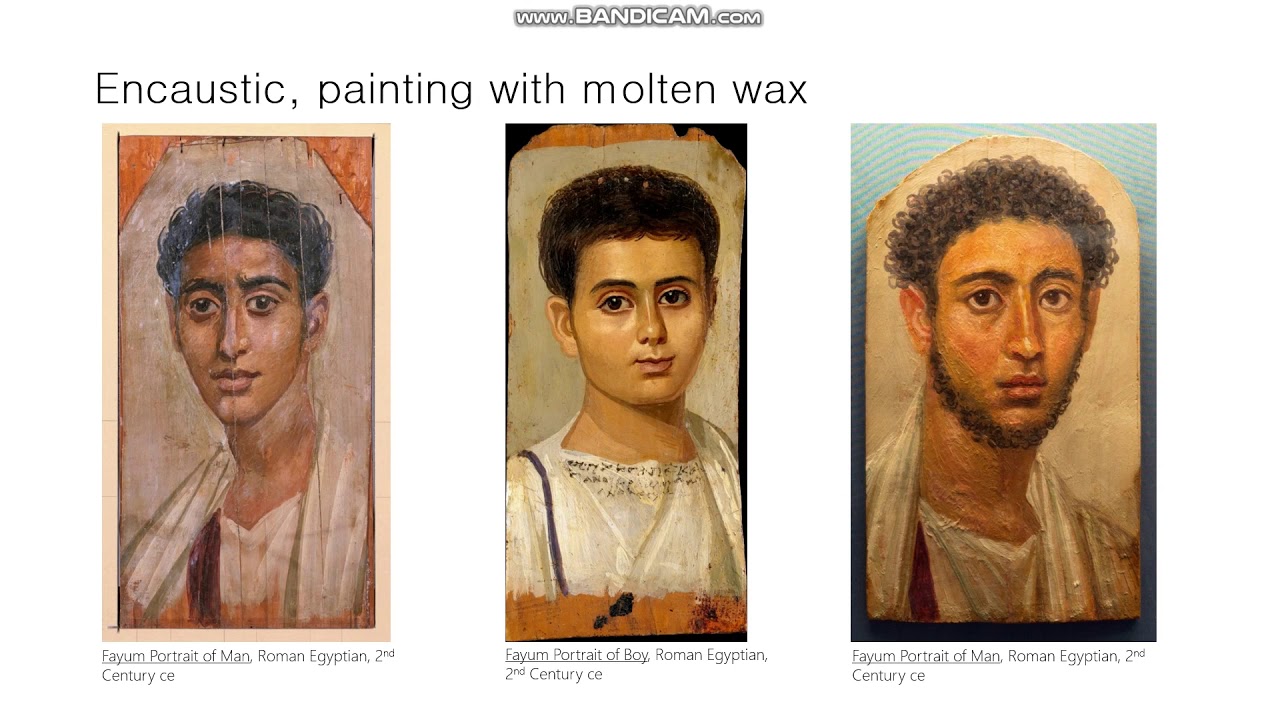
Studying the evolution of painting mediums from ancient earth pigments to egg tempera, encaustic (wax), fresco, and eventually oil paints.
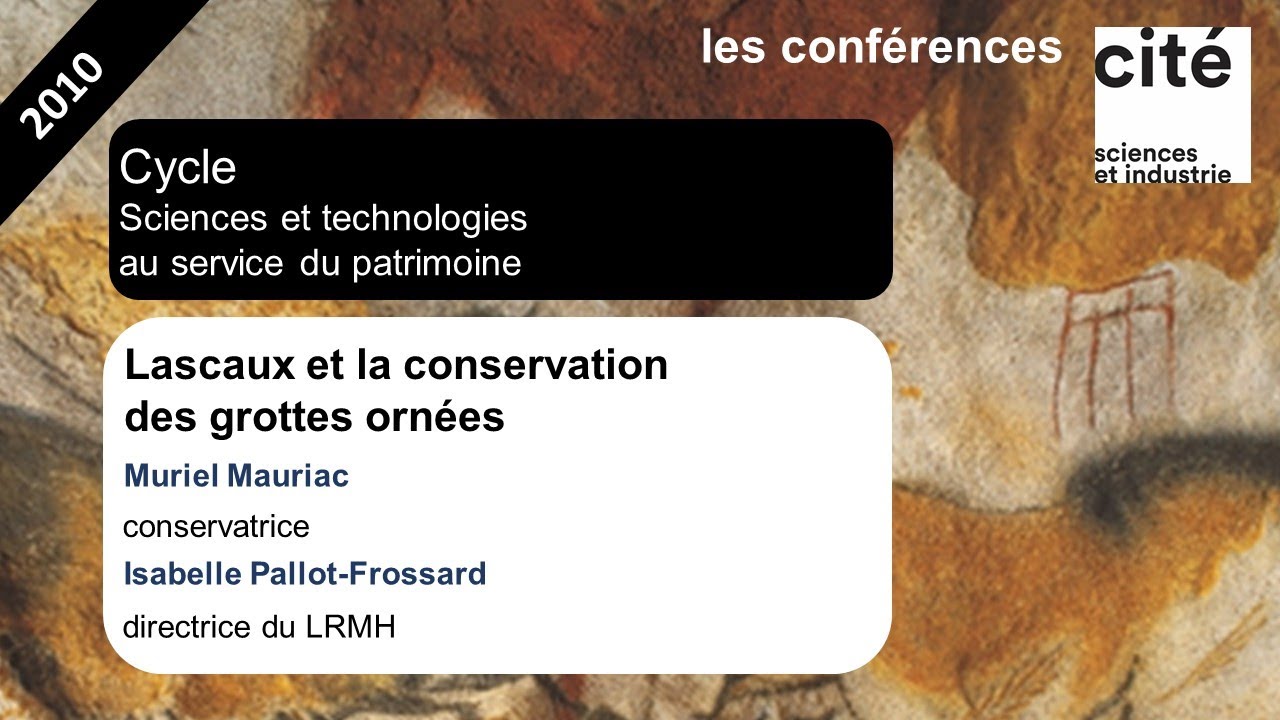
Investigating modern conservation science and the environmental threats (such as humidity, mold, and tourism) facing fragile cave art sites like Lascaux and Altamira.
Delving into cognitive archaeology to interpret the symbolic, ritualistic, or shamanic meanings behind prehistoric color choices and hand stencils.
187 views2likes6:33Original Release: 2025-10-02
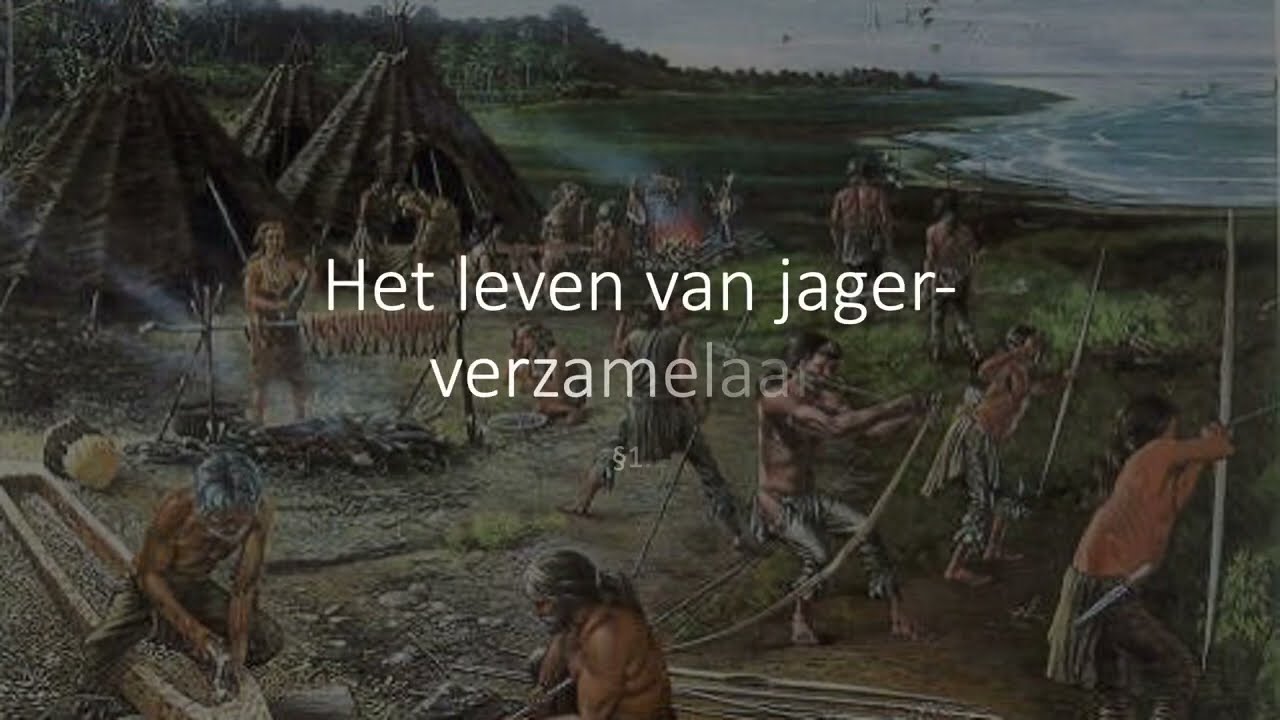
speaking in a deep, slightly raspy voice as if from a bygone era. You look at these walls, at these shapes of beasts and hunts, and you wonder. You wonder how we made these pictures last for more than a lifetime, for thousands of winters. You might think we used dark magic or things too gruesome to imagine.
Did we paint with the very blood and bones of the beasts we hunted? Let me show you the truth. Come closer. See this red? It is not blood. It is the earth itself. We find special stones rich with red and yellow dust. You call it ochre. We grind them for hours, day after day, until they become a fine powder. For the black, we use the burnt wood from our fires, the charcoal that keeps us warm. Or sometimes we find a dark, heavy stone in the ground, a manganese rock, and crush it into a deep velvety black powder. These are the colors of our world, the colors of the earth. But powder alone is just dust. It will not stick to the cold stone of the cave. It needs a spirit, a binder to give it life and hold it here forever.
What is this spirit? Sometimes it is simple. The water that drips from the cave ceiling, rich with the stone's own white powder, works well. Even my own spit can be enough to turn the dust into paint for a small mark. But for the great paintings, for the great bulls and the herds of horses, we need something stronger. This is where the truth might surprise you. Yes, we used parts of the animals that gave us life. After a successful hunt, nothing is wasted. We take the thick fat from the beast. We heat it until it melts into a rich oil.
We crack open the strong bones to get the marrow inside. These we mix with our colored earth powders. And yes, on rare occasions for a powerful beast or a sacred hunt, the blood itself was mixed in, adding its spirit to the paint. We even use the bones as tools to grind our pigments and stir our paints. So, while our colors came from the earth, the life force that binds them to these walls often came from the very creatures we honored in our paintings. It wasn't about being gruesome, it was about respect. It was about using every gift the world provided, ensuring the spirits of the hunt would live on these walls long after we returned to the earth ourselves. Remember that the next time you see our work, it is more than just a picture. It is a story of life, survival, and spirit painted with the very essence of our world. Heavy breathing, sound of stone grinding against stone. I stand where my ancestors stood tens of thousands of years ago. Look around you. This is my canvas. This is my story. The images you see, the great bison, the horse, the deer, they are more than just pictures.
They are life. They are magic. And the story of how they are made is a story written in the earth itself. You look at these paintings so vibrant after all this time and you wonder what is their secret. Some of you have heard whispers, stories of dark rituals that we used blood and bone to bring these spirits to life on the stone. Is it true? Did we mix our very essence into the paint? The answer is not as simple as you think.
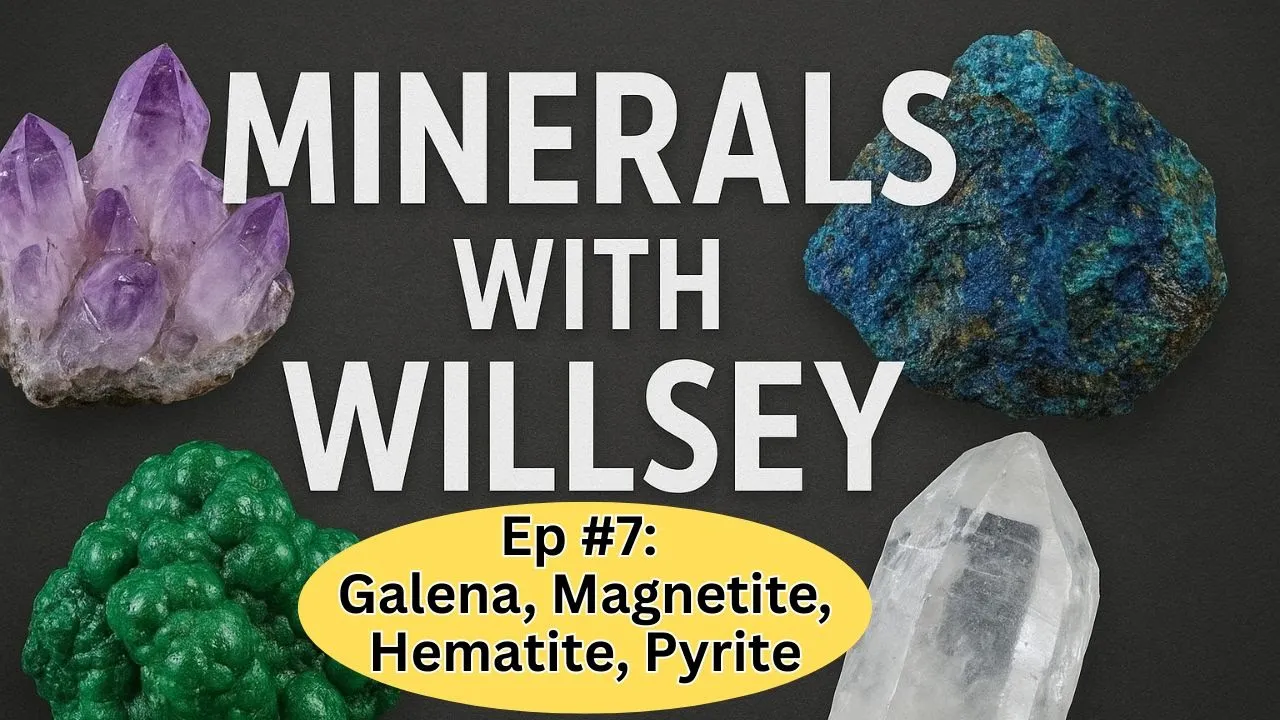
Let's start with the colors. The lifeblood of our art, the reds, the yellows, the blacks, they come from the earth. See this rock holds up a piece of red ochre. This is ochre. Full of iron.
It gives us the rich, deep reds you see in the heart of the bison, the color of a sunset. We grind it, crush it into a fine powder. For yellow, we use a different kind of ochre. And for the deep dark night, the outline of the world, we take charcoal from our fires or we find the black manganesees rocks deep in the caves. We grind and grind until we have a pile of pure color. But a powder is just dust. It will blow away with the first breath of wind. It needs something to hold it together, to make it stick to the stone, to make it paint.
We need a binder. What do we use? Well, look around. What do we have? Sometimes it's simple. Cave water rich with the stone's own minerals can work. My own spit. Yes, saliva can be enough to mix a small amount for a delicate line. The sticky sap from a tree can also serve.
These are our everyday glues. They are easy. They are everywhere. But for the great works, for the magic to be strong, sometimes we need more. We are hunters.
Every part of the animal gives us life.
The meat feeds us, the hide close us, and the rest. Nothing is wasted. The fat rendered down makes a thick, rich paste when mixed with the ochre. It helps the paint survive the dampness of the cave.
The marrow from inside the bones, a greasy, potent substance. We heat the bones, crack them open, and scoop it out. It creates a paint that is strong that will last for generations. And yes, sometimes blood. In South Africa, a place far from here, they found our workshop 100,000 years old. They found the shells we used to mix our paints, the stone tools we used to grind our pigments. And in those shells, they found the traces, not just ochre, but animal fat and bone. We even used the bones themselves, shaped into tools, to mix and apply the paint. It was a shocking discovery for your world, but for us it was just life. So, is it true?
Did we use blood and bones? Yes, but not in the way you might imagine. It wasn't about a gruesome ritual. It was about survival. It was about using every single gift the world provided us. The blood of the hunt, the marrow of the bone, they gave our art a power, a permanence. It connected the spirit of the animal on the wall with the spirit of the animal that sustained us. It wasn't gruesome. It was resourceful. It was a way of honoring life by ensuring our stories would never die. So next time you look at these ancient images, don't just see a picture. See the earth, the fire, the water, see the animal. See the hunter. See the incredible ingenuity of your ancestors who with nothing but the world around them found a way to speak across the vastness of time. They used what they had to make their mark to say, "We were here and we still are."
Thank you for journeying back in time with me. If you were fascinated by this glimpse into the past, please give this video a like and subscribe for more stories from our ancient world. It helps others find our trail. Until next time, walk with respect for those who came before. Thank you for joining me on this journey back in time. If you were captivated by this story, please like this video and subscribe for more tailies from the ancient world. See you next time.
Up Next
5:04
Egyptian Blue: The First Synthetic Pigment in History
@MrPigments
211 views•2025-09-12

12:54
Triumph of Orthodoxy Icon: Byzantine Art & History Explained
@BenCallan
2.1K views•2024-08-06

9:49
FastAPI vs Flask vs Django: Choosing the Right Python Web Framework
@TechWithTim
302.5K views•2024-05-26

1:42
Game of Thrones Opening Credits: A Cinematic Analysis
@gameofthrones
46.3M views•2011-04-18
Related Study Plans & Knowledge Roadmaps
Structured learning paths in General & Interdisciplinary Studies
general-studies
Elevator Engineering: History, Physics & Cities
01From Hoists to Safety Brakes: The Dawn of Vertical Lift
02Hydraulic vs. Traction: The Engineering Physics of Elevators
03Modern Speed, Safety, and Algorithms
+ 2 more learning modules
12h5 modules
Explore Roadmap
general-studies
Rubber: Material Science, History & Geopolitics
01Origins of Natural Rubber & Mesoamerican History
02The Chemistry of Natural Rubber & Vulcanization
03The Geopolitics of the Rubber Boom & Colonization
+ 2 more learning modules
12h5 modules
Explore Roadmap
general-studies
Containerization: Evolution, Logistics & Trade
01Ancient Trade & Bulk Cargo: Amphorae to Barrels
02The Industrial Revolution & Cardboard Packaging
03The Containerization Revolution: Malcom McLean
+ 2 more learning modules
12h5 modules
Explore Roadmap
general-studies
Textile Tech: Evolution, Labor & Global Impact
01Pre-Industrial Textiles: Handloom & Cottage Industry
02Mechanization: The Spinning Jenny to the Power Loom
03The Factory System & Global Labor Transformation
+ 2 more learning modules
10h5 modules
Explore Roadmap