










![Supreme Court Landmark Case [Brown v. Board of Education]](https://i.ytimg.com/vi/NVLrP8sRCHw/maxresdefault.jpg)
![Early Steps in the CIVIL RIGHTS Movement (1940s-50s) [APUSH Review]](https://i.ytimg.com/vi/0sUpGqKayWY/maxresdefault.jpg)

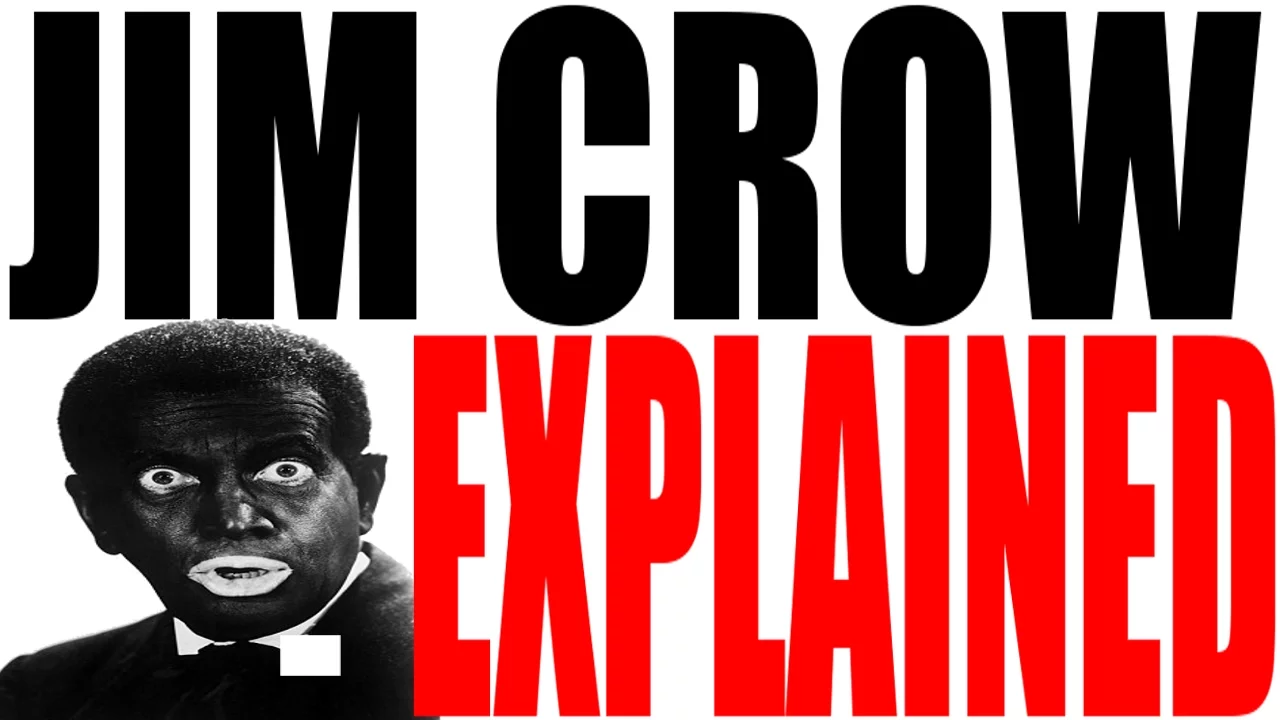
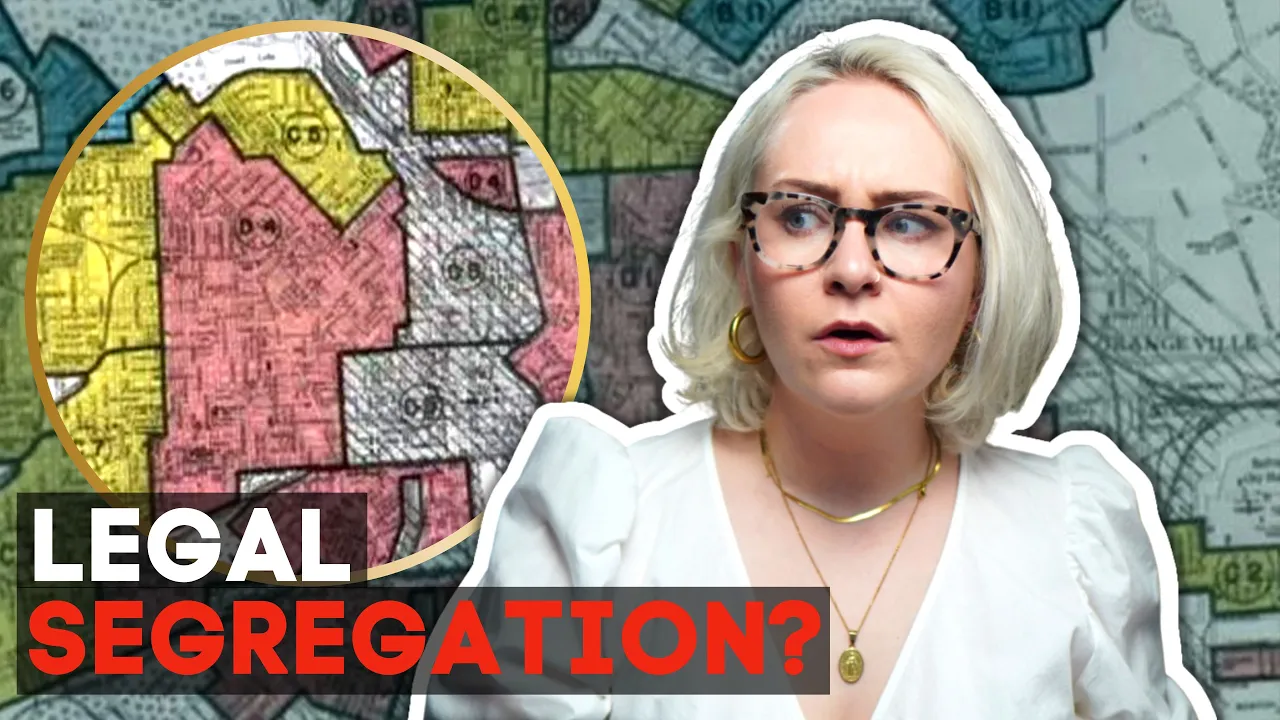
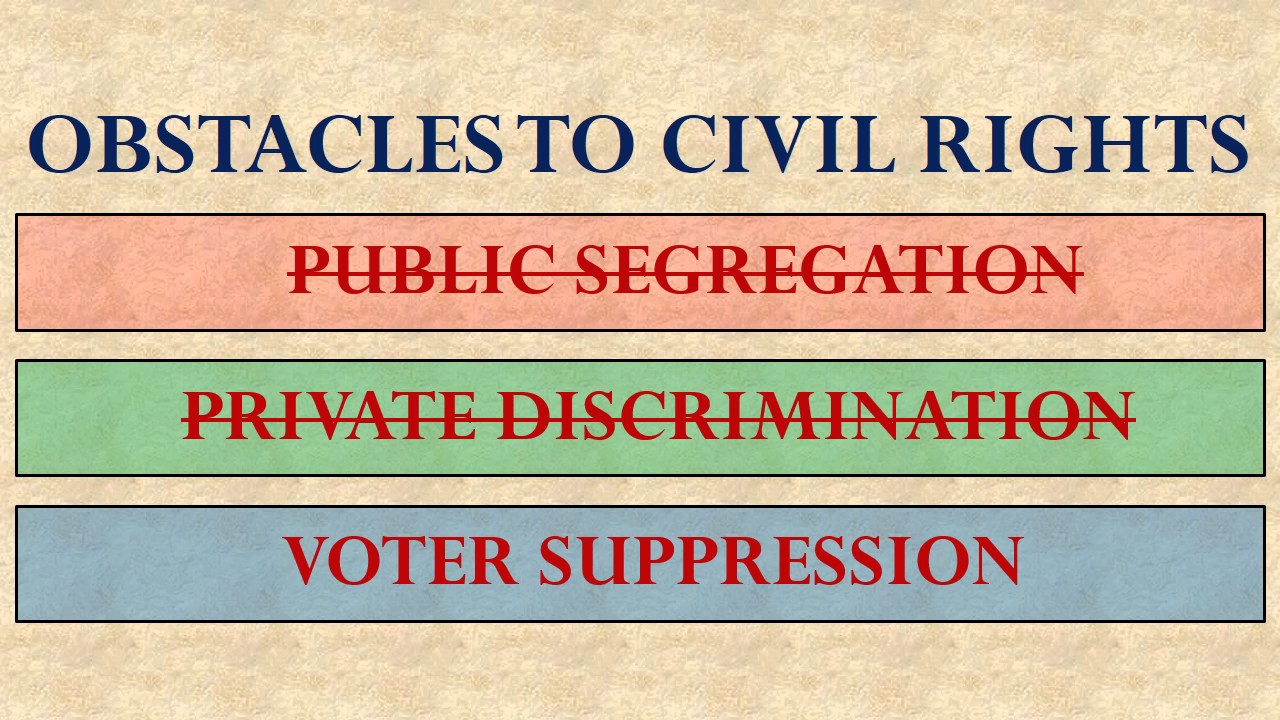



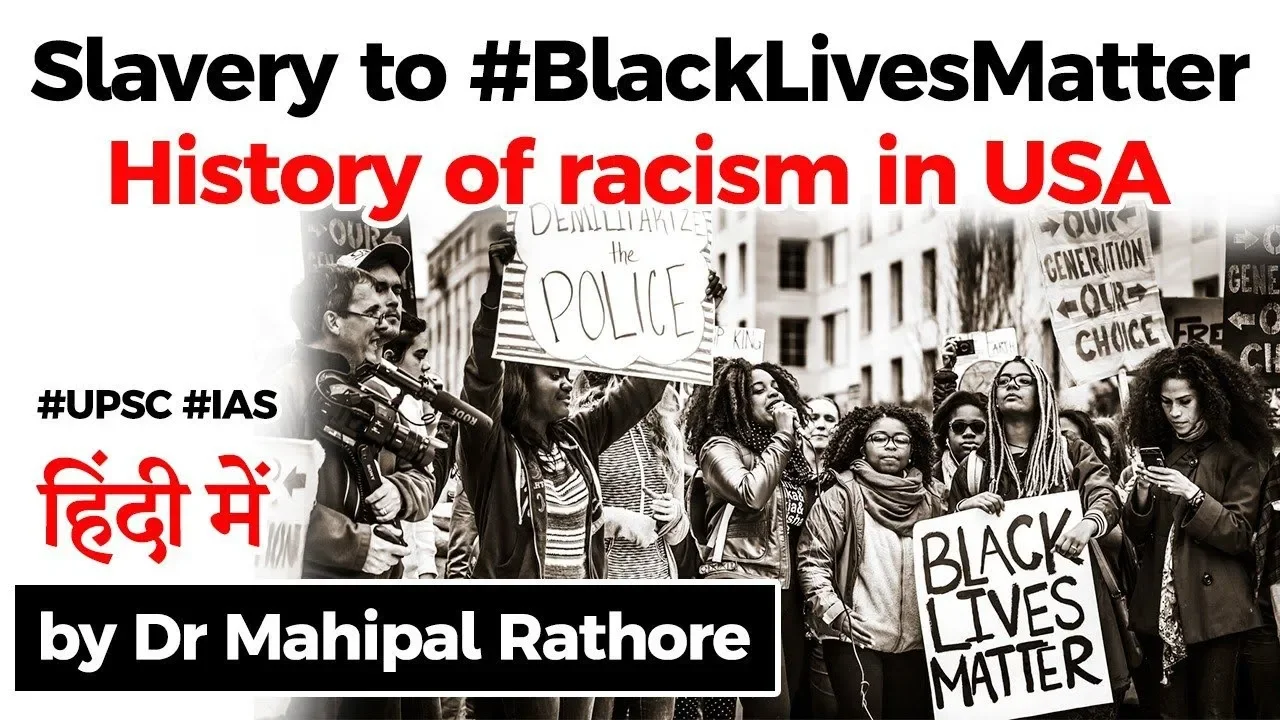
In Plessy v. Ferguson (1896), the U.S. Supreme Court upheld Louisiana's Separate Car Act, establishing the 'separate but equal' doctrine that allowed racial segregation as long as facilities were equal in quality, thereby legitimizing Jim Crow laws until it was overturned by Brown v. Board of Education (1954).
Plessy v. Ferguson: The Origins of Separate but Equal | US History
Added:The passage and intent of the Reconstruction Amendments, specifically the 14th Amendment and its Equal Protection Clause.
The collapse of Reconstruction in 1877 and the subsequent rise of Jim Crow laws that codified racial discrimination in the American South.
The role and power of the US Supreme Court in interpreting the Constitution and establishing binding legal precedents.
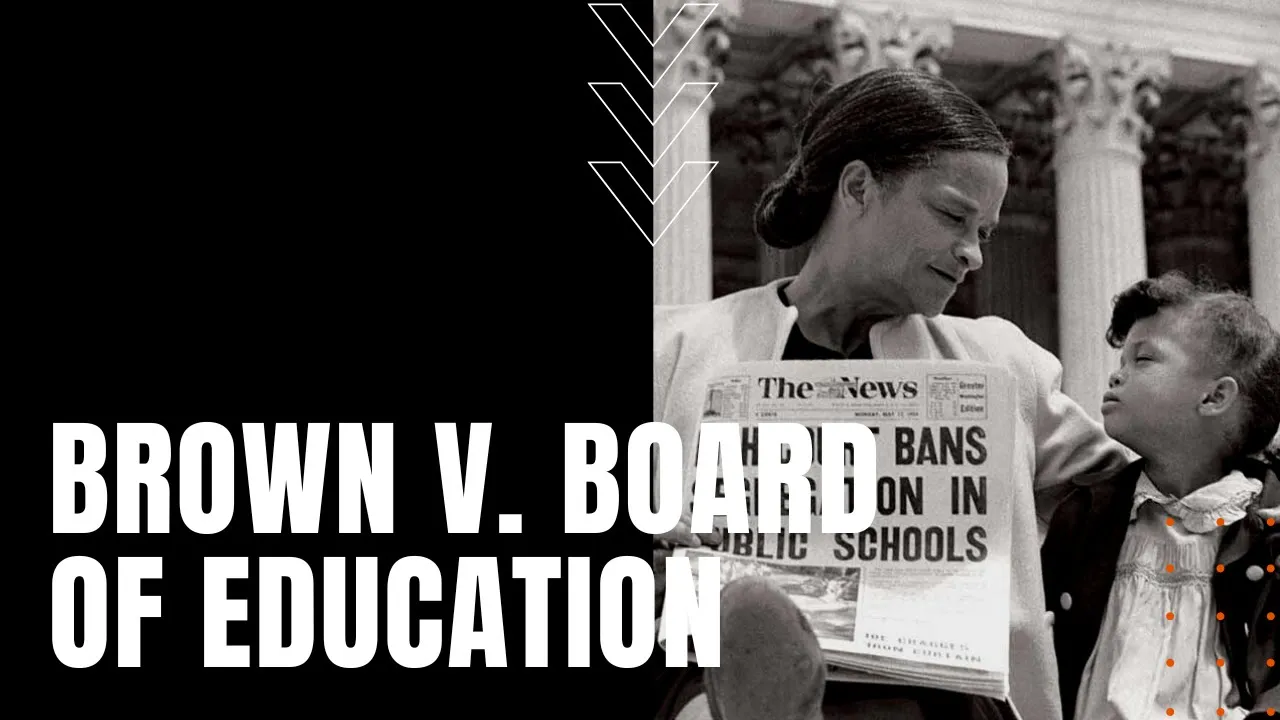
The landmark 1954 Supreme Court decision in *Brown v. Board of Education*, which overturned the 'separate but equal' doctrine.
The legal strategies of the NAACP, led by figures like Thurgood Marshall, to systematically dismantle segregation in graduate schools and public facilities.
The distinction between *de jure* segregation (legal mandates) and *de facto* segregation (societal practice), and how both shaped 20th-century American cities.
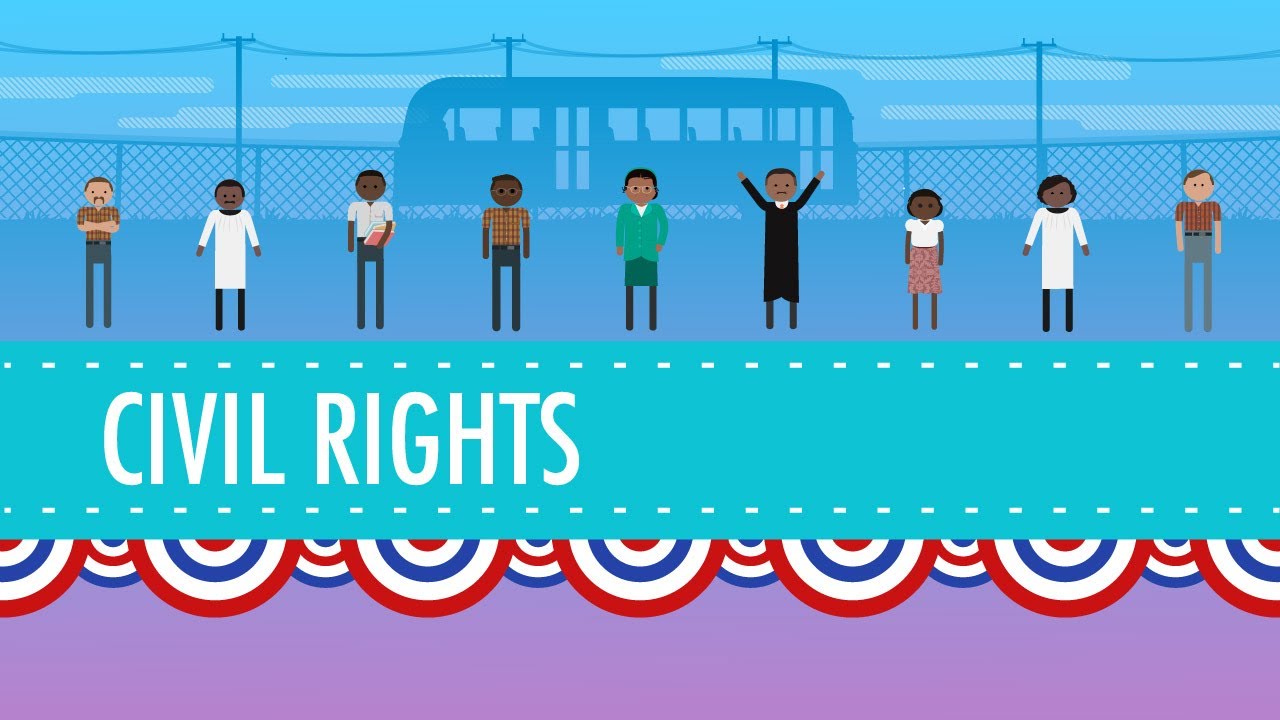
The legislative achievements of the mid-20th-century Civil Rights Movement, including the Civil Rights Act of 1964 and the Voting Rights Act of 1965.
206.6K views4.3Klikes6:40Original Release: 2019-10-04
Mr. Beat presents Supreme Court Briefs New Orleans, Louisiana June 7, 1892 Homer Plessy buys a first-class ticket and boards a train headed to Covington.
He sits in a vacant seat in a whites-only train car.
You wouldn’t think Plessy would draw any attention since he was seven-eighths white and one-eighth black.
There are no known pictures of Homer Plessy, but historic records describe him as a white man.
And yet, the conductor knew that he was one-eighth black, and he told Plessy he had to get up and move to the blacks-only car.
After Plessy refused to leave his seat, almost immediately a detective named Christopher Cain came over and arrested him.
Wait a second, how did this detective dude know Plessy was one-eighth black?
Well, this was all planned. Plessy was acting on behalf of a civil rights group called the Citizens’ Committee.
They had carefully planned for this moment to protest the Separate Car Act, a law recently passed by the Louisiana legislature that required “equal, but separate” train cars for Blacks and Whites, and defined what it meant to be...uh...“black” and “white.” So get this. The Citizens’ Committee not only let the railroad company know ahead of time of Plessy boarding, but they also hired that private detective I mentioned, Christopher Cain, to make sure he arrested him for breaking the Separate Car Act and not vagrancy or some other crime.
The railroad company, by the way, also hated the Separate Car Act because it meant they had to spend more money on additional train cars so it cut into their profits.
So it all went according to plan.
Plessy later appeared in the Criminal District Court for New Orleans, arguing that the Separate Car Act denied him his rights that were protected under the 13th and 14th Amendments of the U.S. Constitution.
The judge, a dude named John H. Ferguson, ruled that Louisiana had the right to regulate railroad companies as long as they ran within state boundaries.
So Plessy filed a petition against Ferguson at the Louisiana Supreme Court.
The Louisiana Supreme Court sided with Ferguson, citing a precedent that came before the 13th and 14th Amendments. :sigh: Anyway, so Plessy appealed again, this time to the Supreme Court of the United States.
And heck yeah, the Court agreed to take on the case, hearing oral arguments on April 13, 1896.
Justice David Brewer wasn’t there to hear the oral arguments due to the death of his daughter, so he did not participate in the case.
The main thing the Court focused in on was the Equal Protection Clause of the 14th Amendment. DID the Separate Car Act go against the 14th Amendment?
The Court said “no.” On May 18, 1896, they announced they had sided with Ferguson, and upheld the law.
It was 7-1. Justice Henry Billings Brown wrote the opinion, saying yeah, the 14th Amendment guaranteed equality for all Americans regardless of skin color, but that separate treatment didn’t mean that blacks were inferior to whites.
As evidence, Brown stressed how there wasn’t a meaningful difference in quality between the whites-only and blacks-only railway cars.
In other words, segregation didn’t automatically mean discrimination.
Not only that, but the Court said ALL segregated facilities based on skin color were ok, again as long as both facilities were the same quality.
This became known as the “separate but equal” doctrine.
John Marshall Harlan, the only one in dissent and apparently the only voice of reason in this case, said: “Every one knows that the statute in question had its origin in the purpose, not so much to exclude white people from railroad cars occupied by blacks, as to exclude colored people from coaches occupied by or assigned to white persons. [...] The thing to accomplish was, under the guise of giving equal accommodation for whites and blacks, to compel the latter to keep to themselves while traveling in railroad passenger coaches.
No one would be so wanting in candor as to assert the contrary.” Oh this is good stuff, Harlan. Keep going man. What else you got?
“Our constitution is color-blind, and neither knows nor tolerates classes among citizens. In respect of civil rights, all citizens are equal before the law.” Harlan also went on to predict that this decision would go down in history as one of the worst ever, up there with the Dred Scott Decision.
And he was right. In fact, 58 years later, the Supreme Court completely overturned the case in Brown v. Board of Education, the landmark case that made ALL racial segregation illegal.
Today, Plessy v. Ferguson is known as one of the worst Supreme Court decisions in American history.
It’s an embarrassment. It justified and strengthened Jim Crow laws, racial segregation laws that caused African Americans to be treated as second-class citizens.
However, at least Plessy v. Ferguson did help fuel the creation of the NAACP and eventually the entire Civil Rights Movement.
So whatever happened to Homer Plessy? He faded into obscurity, that’s what.
There is a cool twist to this story, though.
In 2009, Keith Plessy and Phoebe Ferguson, descendants of Homer and John Ferguson from the case, united to form the Plessy and Ferguson Foundation for Education and Reconciliation, an organization whose main mission is to teach the history of Plessy v. Ferguson and why the case is still relevant today.
I’ll see you for the next Supreme Court case, jury!
So back then, it was Plessy v. Ferguson. Today, it’s Plessy AND Ferguson, am I right?
with the Plessy and Ferguson Foundation.
and a special shout out to Phoebe Ferguson for her help with the research for this video.
And can you believe it, this was the 50th episode of Supreme Court Briefs.
What should I do for the next 50 episodes?
And here’s my monthly shout out to my wonderful Patreon supporters at the Grover Cleveland level or higher.
Eric B Wolman, Austin Rudolph, Matt Standish, Elcaspar, Jojo’s Dogtail, Sean Conant, Unnamed Muffin, Zachary F. Parker, Chris, Kenneth, John Johnson, Alicia Solberg, and Kit Walker.
The light just went out.
Thank you so much for your support, and thank YOU for watching.
Up Next

18:54
Is International Law a True Law? | LLB Exam Guide & Jurisprudence
@MinakshiLawClasses
826 views•2021-06-04

4:27
US Secondary Sanctions Impact on EU Businesses and Blocking Legislation
@Bureauvandijk
1.6K views•2019-03-20
5:03
Recorded Testimony in Court: Crawford v. Washington Explained
@iammrbeat
68.6K views•2018-01-26

24:42
Police Interrogation Tactics: False Confessions & Legal Reform
@LastWeekTonight
7M views•2022-04-18
Related Study Plans & Knowledge Roadmaps
Structured learning paths in Law
law
Self-Defense Law: Imminence & Castle Doctrine
01Foundations of Self-Defense Law
02Imminent Threat & Reasonable Belief
03The Principle of Proportionality
+ 3 more learning modules
12h6 modules
Explore Roadmap
law
Defamation Law: First Amendment & Actual Malice
01Introduction to civil torts and the First Amendment
02Elements of Defamation: Libel and Slander
03Public Figures vs. Private Individuals
+ 2 more learning modules
8h5 modules
Explore Roadmap
law
Hearsay Rule: Trial Evidence & Exceptions
01Introduction to Trial Evidence & Courtroom Basics
02Demystifying Hearsay: The Core Definition
03Non-Hearsay: Exclusions Under FRE 801(d)
+ 3 more learning modules
14h6 modules
Explore Roadmap
law
Medical Malpractice: Law, Liability & Care
01Foundations of Tort Law and Civil Liability
02The Four Elements of Medical Malpractice
03Defining and Proving the Standard of Care
+ 2 more learning modules
12h5 modules
Explore Roadmap