






















International law is a law in the true sense because it operates under different circumstances than municipal law, states actively recognize and interpret it to justify their conduct, and it serves critical functions in global affairs such as nuclear weapons and environmental protection; the frequent violations of international law indicate weaknesses in enforcement machinery rather than its illegality, as violations of municipal laws do not question their legal status.
Is International Law a True Law? | LLB Exam Guide & Jurisprudence
Added:Basic understanding of jurisprudence and the different schools of legal thought, particularly Legal Positivism and Natural Law theory.
John Austin's Command Theory of Law, which posits that law must come from a sovereign authority and be backed by sanctions.
The fundamental distinction between Municipal (domestic) Law, which has centralized enforcement, and International Law.
Basic knowledge of the primary sources of international law, such as treaties, international customs, and general principles of law.
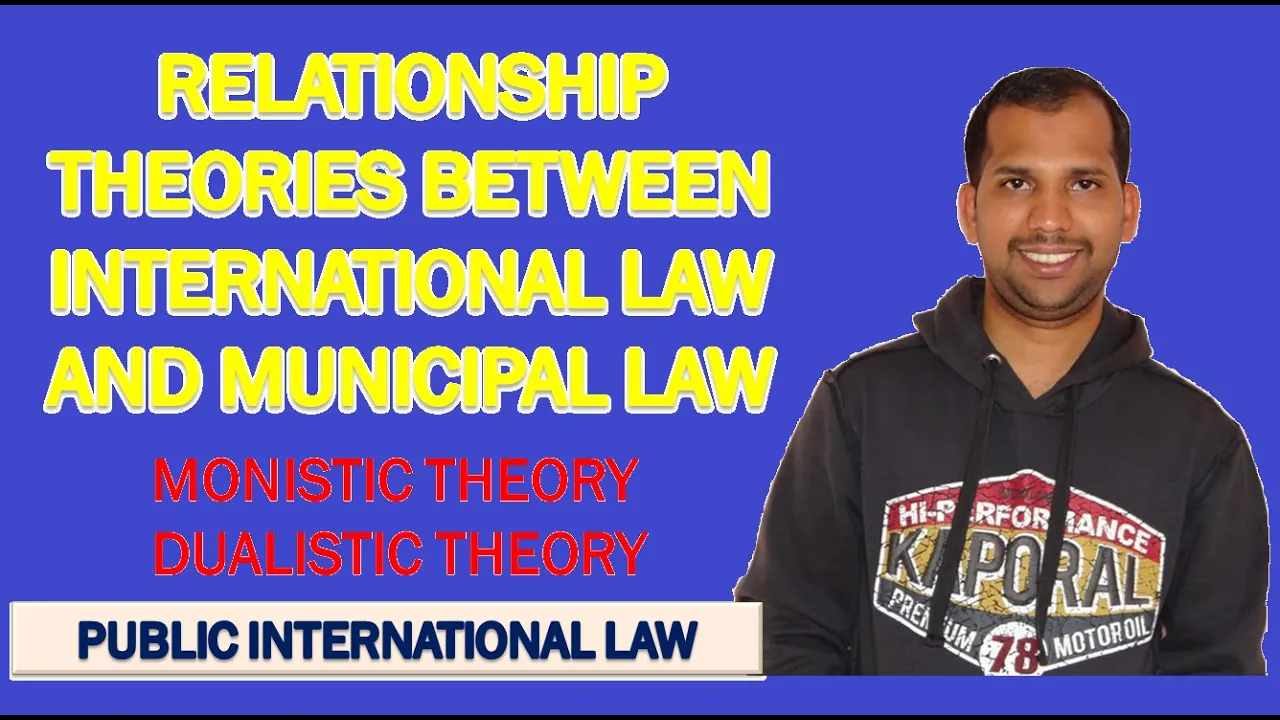
The relationship between International Law and Municipal Law, specifically exploring the concepts of Monism and Dualism.
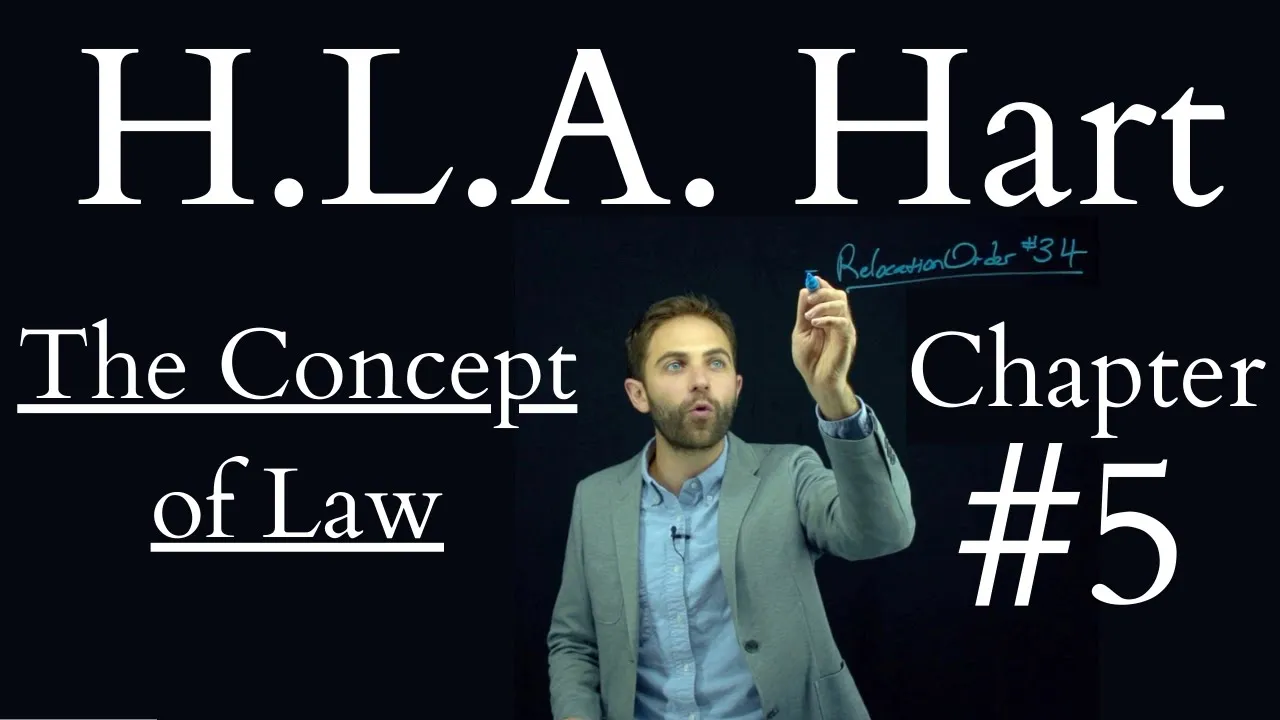
H.L.A. Hart's jurisprudential critique of international law as a system of primary rules lacking secondary rules of recognition and adjudication.
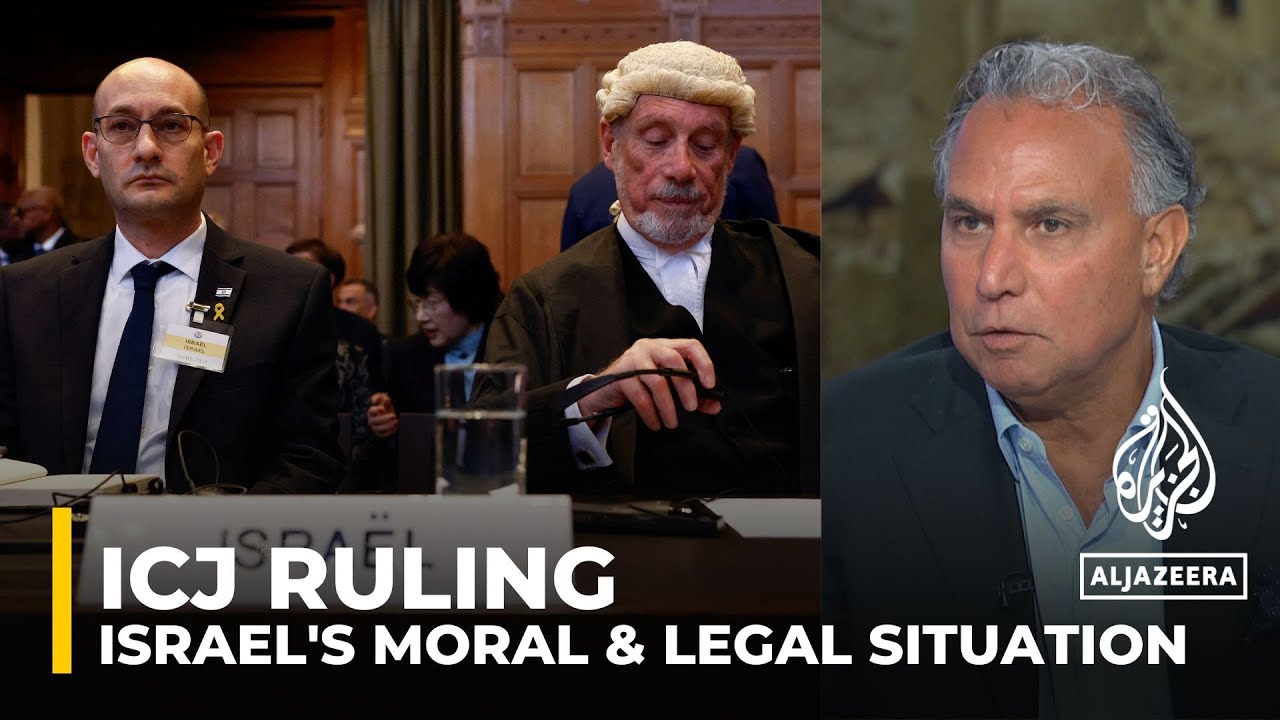
The practical enforcement mechanisms of international law, including the jurisdiction and limitations of the International Court of Justice (ICJ) and the UN Security Council.
Analyzing modern-day challenges to international law enforcement, such as state sovereignty, treaty compliance, and the prosecution of international war crimes.
826 views10likes18:54Original Release: 2021-06-04
okay now next thing that we have is it's a very important question and also been repeated quite a few times it is whether international law is a law in the true sense or not okay so we need to answer if international law is a law in its true sense or not how do you answer this question we are going to just discuss briefly what all things are there in this now this debate this controversy or this question whether international law is a law or now this debate controversy or question with regard to whether international law is a law in the true sense or not it arises only because of only because of the reason that the nature of international law is very different from a national law we are otherwise used to seeing the national laws that are maybe applied to us right being born in a certain country we are used to seeing those national laws which are applied to us but international law is quite different from natural law in terms of its nature or in terms of how it is as a branch of law right it's quite different from national law obviously because it applies to a different situation right so it is very different and just because of that reason just because it's very much different from natural or national law or a municipal law this debate this controversy or this question arises if international law is a law in the proper sense or not now answering this question also helps us understand the true nature of international law when we try to get an answer for this question we also understand what international law is what is its nature right it helps us understand international law in a better and in a deeper sense jurors like austin puffendraff hobbes holland jetho brown were of the opinion that international law is not a law in true sense okay according to them like all these different jurors they have their own different concept own different philosophy and ideology right with regard to what law is what international laws and all the different things so these jurors right they have certain understanding with regard to law that this is what law should be okay like someone may say that law is something which originates from a sovereign it's like having command of a sovereign person it's binding on people if you do not follow it you will have to face the consequences right like that different jurors had their own different concept or understanding with regard to what law is the view that international law is not a law is common among jurors who were trained and groomed under municipal law if there is your jurors who have done quite a lot of study with regard to municipal law and he has only focused mostly on municipal laws right in such a case what happened is those jurors may or start questioning international law why because they may have that tendency of finding the uh you know like nature of municipal law in an international law also but now we know international law is quite different from municipal law right so if you start questioning or if you start looking for those elements of municipal law in a national law maybe you would uh feel that okay fine that is not meeting all these different elements which i'm looking for so is it actually a law or not right so you may end up asking that question if whether international law is a law in the true sense or not and they tend to find all the attributes of municipal law in international law as well right because if throughout my life i have been finding these few attributes in the law i will obviously look for those attributes in an international law as well right and if i do not find those attributes in this new set of law i may start questioning it and that is what has happened here is that some jurors tried to find the elements of municipal law in international law as well and when they did not find those elements in international law they started questioning it that whether it is a law in proper sense or not all right so that is the main reason why we even have this particular question okay now opinions of these judas influenced lawyers and writers to a great extent and starkey called international law as weak law so this opinions or this different ideal ideas shared by these jurors have influenced writers to such an extent that starkey called international law as a weak law that even writers or other scholars have started having this question whether international law is a law in the proper sense or not and they came to this point of categorizing it to be a weak law right that means it is not having that much of sanction validity or authority as compared to municipal law so it was even declared as a weak law okay municipal law and international law operate under different set of circumstances right municipal law will be applicable a baby state in a country in a certain municipal area but in case of international law it applies with regard to our relations with another country right so its application is quite different for both these two different sets of laws and hence comparison between the two will not help us come to a valid conclusion what can we compare we can compare two similar things right we cannot compare two different things that if we are comparing two completely different things we would not come to a valid conclusion like we can compare two different human beings but or we can compare two different students but we cannot compare one student with another working person right why because they both will have different kind of or demands from their job or from their college or school right and working professional may just give nine hours full dedication in the office but after returning home that person may not do any work any study or anything that person may simply want to relax but in case of a student even after giving all the uh you know like complete focus dedication and everything in your school or college you are supposed to come back home and then study and revise your topics and all that stuff right so we cannot compare a student with a working person why because they have their you know like different kind of job role different kind of responsibilities obligation and all that stuff so if we compare both of these two individuals we will not come to a valid conclusion same thing will happen if you try to compare municipal law and international law why because they are completely different they apply in two different situations so if you want to compare at all maybe you compare two different municipal laws and then you can come to a conclusion might be but this comparison in itself is not good now there are some arguments that favors that yes international law is a law okay so what are these arguments which tell that international law is a law in the true sense we are going to see that now firstly law is not just something that is enacted by a sovereign and ascension it's not something that will come from a sovereign like in case of parliament in case of india parliamentary parcel legislation maybe state legislature will pass a legislation and sarah this is binding from now you need to follow it right it or if you are not following it you will have to face the consequences but law does not simply mean something that is having like a sovereign authority and has sanction right it is not just something which should come from parliament there can be rules which do not originate from a sovereign and they lack section sanction there can be these kind of rules for example in primitive societies in ancient times there was no sovereign no political authority but yet there were laws right people had their own laws rules and the people followed right even though there was no kind of maybe punishment was not there no sovereign was there like now we have different organs of government you find judiciary would punish you if you do not fulf follow a certain law legislature would provide you what all things you need to follow all those things were not there at that time in primitive societies but still people followed the rules or regulations why because it helped them to stay together as a community or you know in a certain jurisdiction it helped them to stay together peacefully same may happen in terms of international law as well that it's not just about the sanction or about the consequences that we would face in case we violate the law mean just not think about those and then follow the law sometimes we may also observe it even if it is not leading to any sort of consequences just because it may benefit us right just for collective benefit also we may try to follow those rules or regulations so that is the first point that it's not always necessary that law should have sanction and it should come from some sovereign authority or a sovereign body only okay that is the first point that we have which favors that international law is a law now secondly when international questions arise states do not rely upon moral arguments but rely upon treaties precedence and opinions of specialists if there is a question right international question arises at that time states different countries that we have right countries are called as states in international law so different states are different countries that we have they do not rely upon moral arguments but they rely upon treaties if there is a question that needs to be addressed we start relying on whatever treaties conventions proceedings opinions and other stuff we have we try to look for those so that we can get some help some reference from them in order to solve the given situation that's that also tells us that international law is a law and that is the reason why in case of any such international question that arises that countries go and look for those treaties and they try to absorb whatever is written there why because that is the option which we have right of answering those international questions so that again is the second argument which is given in terms of international law being a law now thirdly states do not re do not deny the existence of international law on the contrary they interpret international law so to justify their conduct even the different states or different countries that we have all those different countries they do not deny existence of international law right different countries do not seek it there is nothing called as international law we are just governed by municipal laws no they do not do that but rather they try to interpret international laws for certain provision is given under a convention or treaty that they have ratified they try to read that provision understand that provision maybe they try to implement it in their national or municipal laws or maybe try they try to interpret their own provisions in terms of those provisions in a certain treaty okay so states are also recognizing the importance of international law and they are not denying the fact that international law is alone right so that also gives valid enough reasons to believe that international law is in fact a law in the true sense now fourthly international conferences and conventions also treat international law as law in its true sense whatever international conference our conferences are there whatever conventions are there whatever are different charters and all that stuff is there right treaties agreements in all of those international law is recognized right and based on that only uh these uh like treaties and other stuff is being formed right so that also gives us an understanding or enough reasons to believe that international law is in fact a law that is the fourth reason now fifth one is so far as sanction in law is concerned international law does not completely lack it into it's not like an international law there is no sanction at all there are provisions there are certain provisions with regard to sanction as well so this argument is not completely valid that international law like sanction and so it's not a law right so that argument also is not completely true next one is that the united nations is based on the true legacy of international law we also have different bodies or organizations which are based only because we have international law existing that we recognize united nations as a body why do we recognize only because international law is there it is established under international law we are recognizing it that itself indicates that international law is a law next is that it is true that international law is frequently violated but it does not mean that international law is not long okay fine it may happen that international law is quite often violated by different countries but that does not uh come to this conclude we cannot come to this conclusion that just because international law is being violated quite often so it's not a law we cannot conclude like that even state or municipal law is violated right we have seen so many different laws we have ipc so many people violate the provisions given there accordingly punishment is given but but we do not say that okay fine these many people are violating ipc so ibc is not a law because people are violating it we never say like that right so why do we conclude like that in terms of international law that's the thing frequent violations of law indicate the weakness of enforcement machinery maybe with regard to enforcement of these different laws we need to uh work on its enforcement we need to make its enforcement better but that will not be a valid reason to say that you okay fine international law is not the law maybe its enforcement system is not that strong that is why it's being quite often violated by countries and have nothing to do with legality of the rules so just because it is being violated you can question its efficiency of the enforcement machinery but you cannot question legality of its existence right legality of rule and enforcement of laws are two different things obviously enforcement of a certain rule or procedure is a different thing and whether it exists or not that is a completely different thing so we should not mix both of those two different things that is another reason or argument which is given and last one is that united nations is based on true legality of international law that's it's a great example that will obviously help us understand or like international law is in existence right if you are recognizing the bodies which are established under international law the functions that they are performing that you will have to recognize the fact also or accept the fact also that international law in fact exists and it is a uh like a good set of law that all the civilized nations try to follow right so that is the basic reason why we say that international law is a law okay so we can conclude that yes international law is a law and we should not be comparing it with municipal or national laws because they both operate in two completely different situations so in conclusion you may see that as rightly remarked by professor hart international law is law because states regarded as law all the different countries who are following international law they do recognize it that is the reason why they are following it nothing need to be further proof and we do not need to prove anything else because the country itself is recognizing it right and that's what we need international law is that branch of law whose significance and efficiency are constantly increasing and it's such a time such a situation that the efficiency and the dependence on international law is constantly increasing only and in such a point of time it will not be valid question to ask whether international law is a law in the true sense or not international law deals with matters like nuclear weapons environment and upon which the very survival of mankind itself depends right so as compared to national law you can even go to the extent of saying that international law is playing a much uh important role or a much you know like uh but such a role which should impact us right it's a question about our existence itself so in such a case we should not be asking these questions that whether international law is a law in the proper sense or not okay so that's about this particular question [Music] you
Up Next

1:59
Intellectual Property Basics: Legal Rights for Innovation
@ideaspowered611
1.1K views•2023-01-23

4:27
US Secondary Sanctions Impact on EU Businesses and Blocking Legislation
@Bureauvandijk
1.6K views•2019-03-20

5:27
Forensic Phonetics: Speaker Identification in Legal Cases
@nptel-nociitm9240
539 views•2025-03-19

24:42
Police Interrogation Tactics: False Confessions & Legal Reform
@LastWeekTonight
7M views•2022-04-18
Related Study Plans & Knowledge Roadmaps
Structured learning paths in Law
law
Self-Defense Law: Imminence & Castle Doctrine
01Foundations of Self-Defense Law
02Imminent Threat & Reasonable Belief
03The Principle of Proportionality
+ 3 more learning modules
12h6 modules
Explore Roadmap
law
Defamation Law: First Amendment & Actual Malice
01Introduction to civil torts and the First Amendment
02Elements of Defamation: Libel and Slander
03Public Figures vs. Private Individuals
+ 2 more learning modules
8h5 modules
Explore Roadmap
law
Hearsay Rule: Trial Evidence & Exceptions
01Introduction to Trial Evidence & Courtroom Basics
02Demystifying Hearsay: The Core Definition
03Non-Hearsay: Exclusions Under FRE 801(d)
+ 3 more learning modules
14h6 modules
Explore Roadmap
law
Medical Malpractice: Law, Liability & Care
01Foundations of Tort Law and Civil Liability
02The Four Elements of Medical Malpractice
03Defining and Proving the Standard of Care
+ 2 more learning modules
12h5 modules
Explore Roadmap