












![DOENÇA DE PARKINSON: SINAIS, SINTOMAS, FISIOPATOLOGIA, DIAGNÓSTICO E TRATAMENTOS [AULA COMPLETA]](https://i.ytimg.com/vi_webp/u6XPbGDUG2I/maxresdefault.webp)



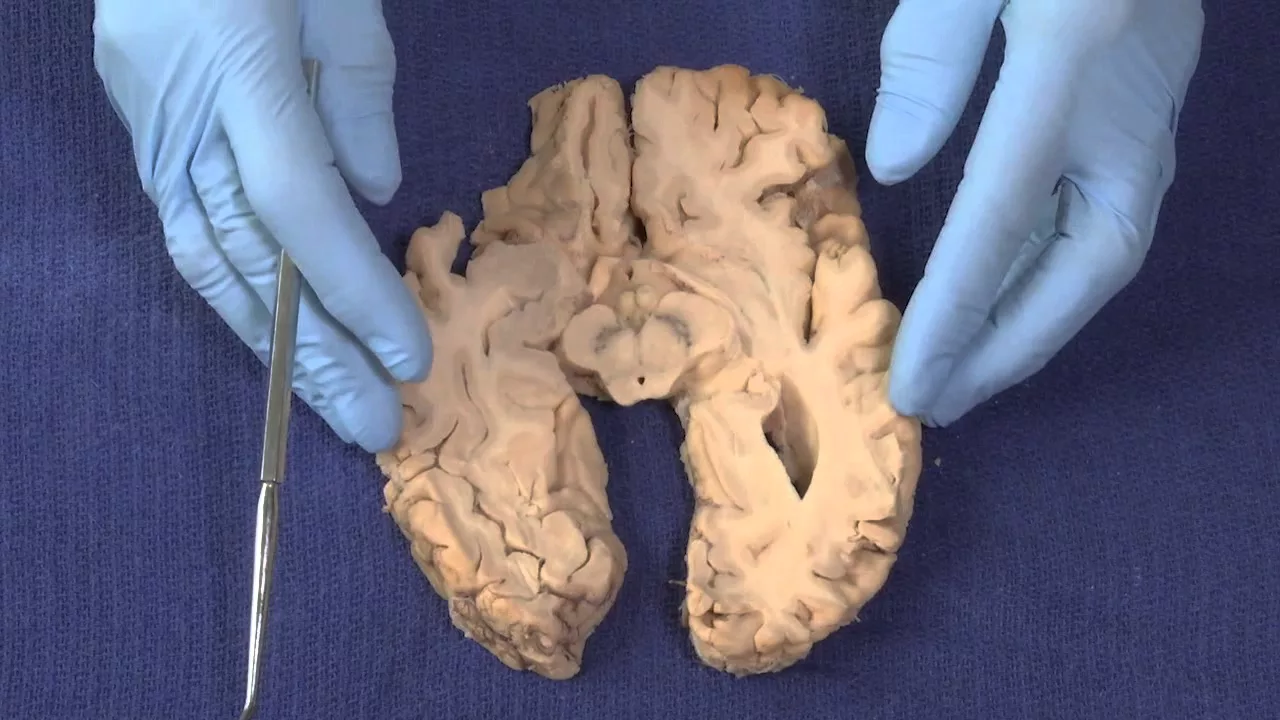
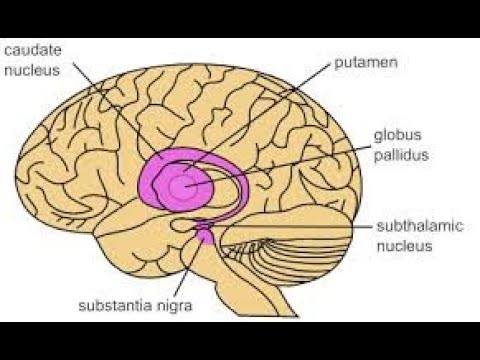
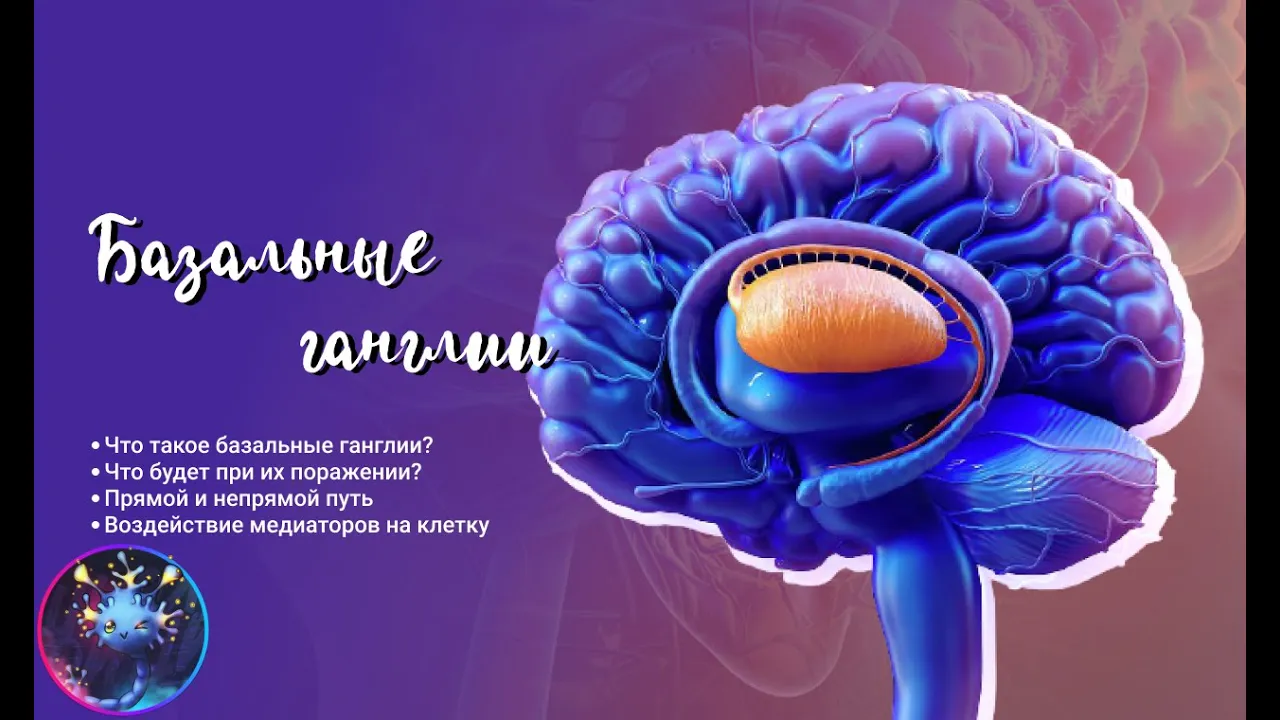
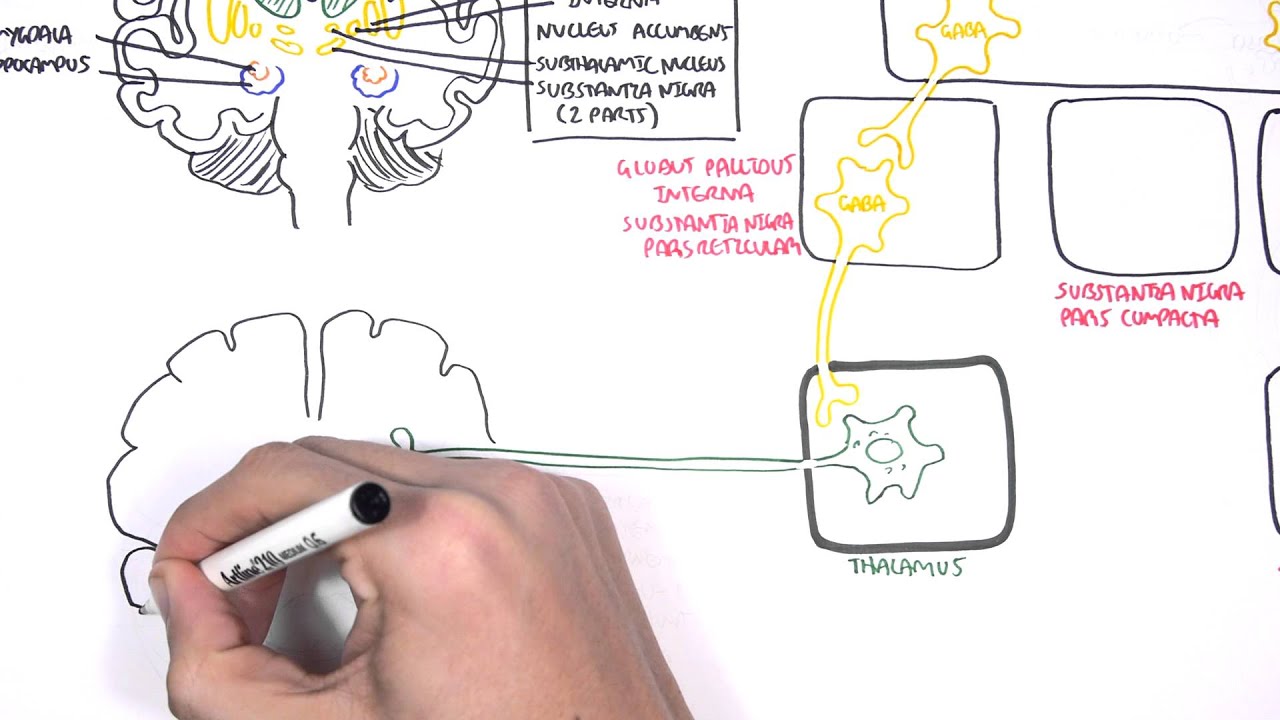
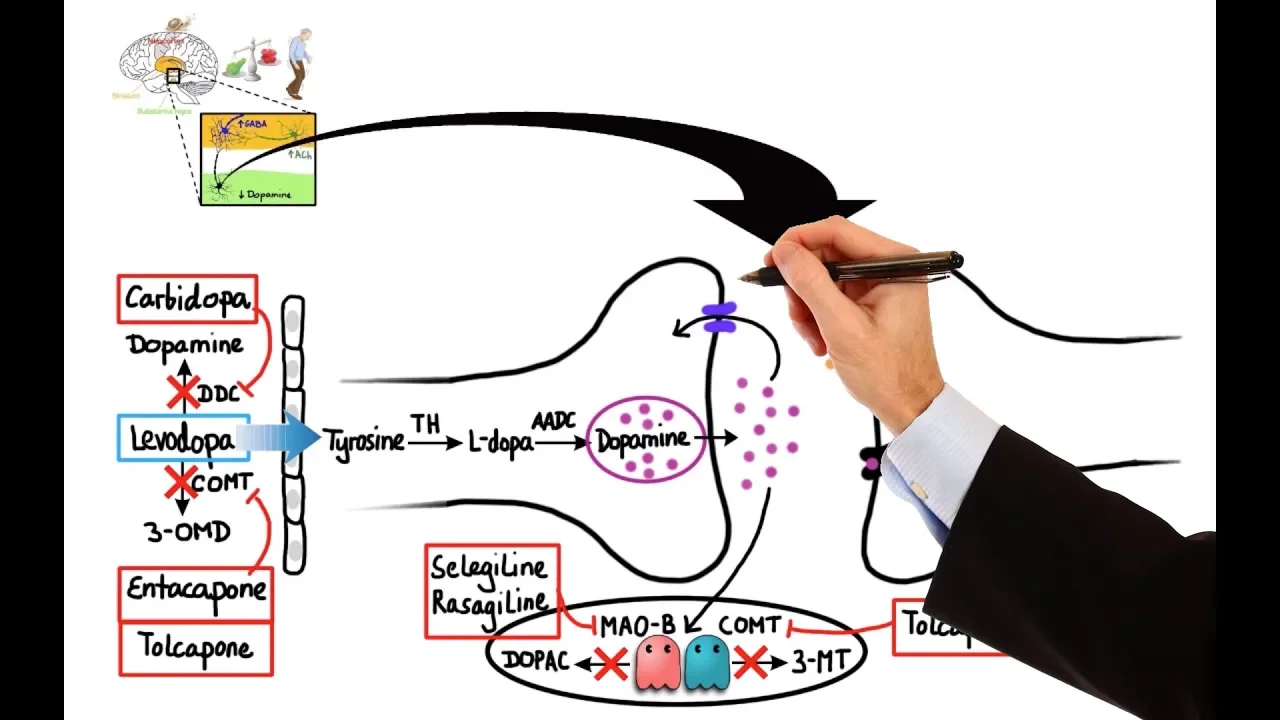
Parkinson's disease results from the degeneration of dopaminergic neurons in the substantia nigra pars compacta, which disrupts the balance between the direct and indirect pathways of the basal ganglia. This leads to decreased dopamine release, causing reduced stimulation of the direct pathway and increased inhibition through the indirect pathway, resulting in bradykinesia (slowness of movement), postural instability, and muscle rigidity. Additionally, the loss of dopamine creates an imbalance with cholinergic neurons, leading to tremors and rigidity. Genetic factors such as mutations in LRRK2, parkin, DJ-1, and PINK1 genes, along with environmental toxins like MPTP and certain insecticides, are believed to contribute to the pathogenesis of this neurodegenerative disorder.
Parkinson's Disease Pathophysiology: Causes and Neural Mechanisms
Added:okay so now that we've done that we've gone over the normal physiology let's go over what happens in Parkinson's disease and how that affects this normal circuitry all right so first off we're gonna talk about some of the hypothetical theoretical causes that they believe can cause Parkinson's disease after this but let's assume that there's damage here to this dopaminergic neurons right so say for some reason there's damage these neurons are damaged within the actual substantia specifically these neurons are actually coming from a specific point it's actually called the pars compacta and there's another one called the pars particular but most of the neurons there's damage within the pars compacta it's where it's a lot of there's compaction a lot of these dopaminergic neurons right but if these neurons are damaged what happens to the dopamine release here on these GABAergic neurons it's gonna decrease right so again what was the overall effect of the dopamine on this one this was the d1 receptor this was the d2 receptor all right because the d2 goes through the indirect the d1 goes through the direct d1 loves to stimulate d2 loves to inhibit and that normally helped to be able to in enhance the movement within the direct pathway and try to increase or decrease the inhibitory movement in the indirect pathway so that we have very very good movement right now if there's less dopamine so let's look at the direct pathway first if there's less dopamine released on to this neuron then less dopamine it's gonna have less stimulatory input if it has less stimulatory input from dopamine then this actual action potential we can see that the action potentials of these GABAergic neurons will drop a little bit so we're gonna say that the gap energy neurons their action potentials here that are coming from the Budiman all the way that a Globus Politis and Turnus is decreasing a little bit and that should make sense because there's less stimulatory input from the dopamine because these neurons are destroyed then if there's less GABA being released so that if there's less action potentials there will be less GABA being released here so then the be less gaba and if there's less gaba being released here than what happens and if there's less gaba there's less inhibitory inhibitory potentials right inhibitory postsynaptic potentials on that neuron if there's less inhibition it releases it from inhibition and stimulates this guy and this guy will have action potentials that'll be increasing and progressing towards the thalamus and if there's an increase in action potentials what will happen it'll release what a lot of gaba and if it releases a lot of gaba onto these neurons within the thalamus gaba is inhibitory it's going to inhibit this neuron and there's going to be decrease action potentials that are going to be moving up to the cerebral cortex and if you remember I didn't show this in the other part but we do have what's called the cortical spinal thalamic tract and we'll talk about this when we get into the nervous system but let's say that we do stimulate the primary motor cortex right it will come down through these neurons that extend all the way from the cortex and will actually move and it'll decussate the pyramids of the module it'll come down through the spinal cord and it will actually sign apps if we do the lateral corticospinal thalmic tract you know sign app sort of come down the lateral white column and sign apps on the neurons within the ventral gray horn and these cell bodies within the ventral gray horn will come out through an alpha motor neuron and innervate a muscle to cause contraction but what have we done here we've inhibited the amount of impulses that are going to the cerebral cortex what will happen to this impulses going out to the muscle there'll be decrease impulses that's not a good thing now how does this affect the indirect pathway because we should see how it affects both pathways not just one right now if dopamine is being released here normally it's inhibiting this neuron but now you're releasing less dopamine onto this neuron if there's less dopamine being released here then it's gonna have less inhibitory input if it has less inhibitory input technically you release it from inhibition or you stimulate it right so then what happens here this should actually have slightly increased action potentials so if there's more action potentials coming down this neuron what's gonna happen it's gonna release more gaba and if there's an increase in gaba there's gonna be more inhibitory input on this neuron if there's more inhibitory input on this neuron then what's gonna happen it's gonna have less action potentials if there's less action potentials you're gonna release less gamma-aminobutyric acid if there's a decrease in the amount of gamma amino butyric acid that you're releasing onto this guy it's going to have less inhibitory impulses are less inhibitory postsynaptic potentials I should say and then it's going to try to have less inhibitory effects on it and then release it from inhibition or slightly stimulate it right so now the action potentials coming up this way should actually be a little bit greater so you should have more action potentials coming up if you have more action potentials coming up you're going to release a lot of glutamate glutamate is a stimulatory neurotransmitter he loves to cause epsps right they're gonna stimulate this neuron and if he stimulates this neuron this neuron will then have a lot of action potentials and if he has a lot of action potentials he's gonna release a lot of gaba and if you release a lot of gaba or gamma me know but your guy so you can call it it will do what inhibit these neurons within the thalamus and so then look what happens to the impulses that are going back up to the cortex it's decreasing holy Frick that's not a good thing all right so now think about this we have less stimulatory input coming to the cortex from the direct pathway and we have less stimulatory input or even more inhibitory input coming from the indirect pathway to the cortex so now what's gonna happen to the input that is going down to the muscles it's gonna drop like a mofo all right so if there's a significant drop what's gonna happen these guys are gonna have a hard time being able to contract their muscles right dude that's cure this is going to lead to what's called so this effect right here specifically due to this effect on the direct pathway an indirect pathway that is going to be the primary cause of a kinase ax or bratty kinase yeah okay so specifically what we just went over the effect on the direct pathway in the indirect pathway due to the loss of dopaminergic neurons causes a kinase er bratty kinase yeah because they're gonna have a hard time what their muscles aren't gonna want to contract so they're gonna have a hard time being able to initiate the movement they're gonna have a hard time being able to stop the movement and they're gonna have a hard time being able to resist the movement what do I mean by that they have a really really hard time getting started so if you if they start walking to have what's called a shuffling gait right so have a shuffling gait they have a really hard time being able to move but then once they get moving if you try to have them stop on a dime they're not going to be able to they're gonna have a really really hard time being able to stop the movement because that involves muscles then on top of that if you push on them if you push on them what's gonna happen Rett repulsion they're gonna fall back because they can't resist that moves motion to come back right to normal position so that's not a good thing so again what's happening to do the destruction are the abnormal effect on the direct pathway an interactive pathway a kinase or Braddy kinase which affects the gate leaving their posture - it can affect their posture can lead to the postural instability - one other thing due to this effect is direct pass when a direct pathway it's also going to affect the muscles of facial expression so what would you expect there that mask face right and if they have that mask face what is that doing it's causing this mask face or this expressionless face okay that's gonna cause that now all right so we talked about that that's good we got to one thing all right we got to two things actually now let's talk about how we get the tremors and how we get the rigidity now okay so remember I talked to you hear about the cholinergic neurons right which are the ones that release acetylcholine and remember I told you that if the dopamine that's being released here is stimulating that neuron the cholinergic neuron neurons love to be able to oppose dopamine so what would they do they would want to inhibit that neuron and then if dopamine is trying to inhibit this neuron cholinergic neurons here would want to be able to oppose that so they would want to stimulate this not they love to be able to oppose the dopamine so now don't mean normally is being able to so now normally they actually use this chart a lot to be able to kind of better explain this let's imagine I have a seesaw here and here's the CETA choline and here's dopamine okay so if I have a seed of choline I have a dopamine right there right what's happened to dopamine levels when you have Parkinson's disease no normally they're in a balance and that balance is what be able to prevent you from having the tremors in the rigidity right but whenever dopaminergic neurons are decreasing because of the degeneration this concentration of dopamine is going down it's offsetting the balance and then what's happened to the cholinergic neurons they're going their effect is increasing so if you think about that this increased effect due to that change that that abnormal balance because of the cholinergic and dopaminergic neurons that fluctuation is what causes specifically the tremors and the rigidity so that is the cause of the tremors and the rigidity so again what causes the tremors in the rigidity tremors they say it's even due to a lot of layers of what's called reverberating circuits that are a lot of reverberating circuits present within this area to be able to maintain the normal action potentials throughout this area and whenever there's dopaminergic neurons are actually affected it alters those reverberating circuits and whenever the reverberating circuits are altered it actually increases and that's what causes those tremors and rigidity is also affected by the decrease in dopamine and increase in cholinergic affect so that's really really important so again tremors rigidity affected by the imbalance within cholinergic neurons and dopaminergic neurons okay now that we've done that we've basically in a nutshell talked about a lot of the pathophysiology a lot of the the neural mechanisms that are associated with Parkinson's disease now let's go ahead and talk about some of what the hypothetical or the theoretical causes that they believe can actually cause Parkinson's disease all right so let's go ahead and talk about what are some of the hypothetical or theoretical causes that they believe can cause Parkinson's because whenever you're trying to be able to diagnose Parkinson's disease there isn't really any special test to being able to diagnose it really what most people whenever they had they believed they'd go to the doctor the doctor evaluates them looks at their signs and symptoms and then usually if they believe that they might have Parkinson's disease they put them on l-dopa and then just look to see what the actual outcome of that is we'll talk about that so now they believe that there is some type of genetic mutations that are causing this one of them that they believe is actually one of the they're really linking it to is a specific mutation in LR rk2 gene which stands for leucine-rich repeat kinase type two whenever this gene is mutated it has three effects all right normally kinase is loved to phosphorylate certain types of proteins and enzymes and complexes but sometimes that can be a good thing and a bad thing because phosphorylation might inhibit or it could stimulate so then if this gene is is this gene is affected it can have 300 underlying effects now normally it controls the endosome and lysosome degradation pathway alright but what happens is when there's a mutation in this gene it disrupts the normal activity of the endosome lysosome pathway and we'll talk about that how that can actually affect Parkinson's another thing is it alters specific signaling mechanisms so it can phosphorylate certain proteins that can alter disrupt specifically one of these actual signal transducers which is called roz and then another one which is called map kinase so these are some nice signal transducers that can go to the specific genes and either turn genes on right so if this is normally disrupted that can throw off another type of effect what's that effect so you know whenever neurons are being able to they're actually causing their vesicular transport so normally let's say here's our neuron and let's say here these black dots that I have right here are the vesicles all right Roz and map kinase work through specific mechanisms that controls the vesicular transport down to the axon bulb and then it also controls the dopaminergic release so what happens is whenever there is a defect within this enzyme it alters this and so the Ross map kinase pathway is affected and decreased so then you have decreased vesicular transport and decreased dopaminergic output that's one of the theories they believed would be due to another one they also there's a specific protein called tau tau protein and what they believe this leucine-rich repeat kinase enzyme whenever it's mutated it actually increases the phosphorylation of this protein and whenever you phosphorylate the tau protein it can increase in concentration and lead to what's called neuro fibrillar e tangles and they believe that can actually cause an effect on this actual dopaminergic neuron and it can lead to cell death of this neuron how does this endosome lysosomal pathway affected well the endosome lysosomal pathway normally helps to be able to degrade a specific molecule called alpha synuclein which is a lipid binding protein but if this endosome lysosome pathway is actually disrupted so this activity is decreasing alpha synuclein concentration goes up and then when it a grits in starts alpha synuclein molecules start aggregating and clumping it forms what's called Lewy bodies and these Lewy bodies are believed to also have an effect on these dopaminergic neurons to increase to cell death but they don't to completely know the mechanism but whenever they do they look at a biopsy don't notice a lot of Lewy body cumulation within the substantia so that's what some of one of the theories because they talked about that one another one is called Park - it's a specific gene that encodes for what's called a III ubiquitin ligase and all this molecule does is it puts a ubiquitin molecule on specific proteins or peptides that are designed to be broken down so there's actually with something right here I'm going to draw it in like circles here this molecule is called a proteosome and this proteosome is designed to be able to break down peptides so normally let's say here's a peptide this peptide will run through this proteome the proteosome will chop the Frick out of it and break it into fragments but if this enzyme right here is defective the normal peptide that's actually being broken down is alpha synuclein if alpha synuclein isn't getting broken down what happens to his concentration it goes up and if an alpha synuclein concentration goes up you get increase Lewy body formation and that's another theory that they linked to this another one another one is actually going to be called dj1 and dj1 is believed to it's actually makes a move here dj1 is believed to affect normal proteins and enzymes that control so proteins that control oxidative stress so let's call these proteins let's say that their antioxidant proteins because they're controlling the oxidative stress and there's also proteins that are affecting mitochondrial function so now if these proteins are affected or if they're decreased due to this mutation within that gene then it can lead to increase reactive oxygen species and increase mitochondrial dysfunction and if that's the case they've linked that to also causing this death of these dopaminergic neurons okay so we've talked about 1 2 3 there is another one and it's called pink 1 and pink 1 is also working in the same concept here too we actually can link that to the de G dj1 and they've also linked the part the pink one also with specifically the tau protein accumulation so they've also linked pink one but there's a lot of overlap you'll notice that there's a lot of overlap that's why it's not completely defined of what's really the cause okay so these are some of the specific genetic mutations they believed another type is insecticides okay so they're insecticides that they believe to be linked to it is you know any type of insecticide consisting of DDT or rotenone and they believe that this can actually cause some type of problem where it can lead to neuron death one more and this is actually called MP T P an MP T P stands for one methyl for phenol 1 comma 2 comma 3 comma 6 tetra hydro pyridine but that doesn't matter alright but there was a drug and that this and gentlemen was trying to be able to synthesize to make a synthetic opioid it was called MP PP but what happened is when he was trying to make this synthetic opioid drug there was a contamination of the MP PP with MPTP now MP PPP is designed to be able to act as a synthetic opioid but mptp is a neurotoxin and whenever there was the impurities that accumulated within this MP PP it can actually cause destruction of the dopaminergic neurons and whenever there's destruction of the dopaminergic neurons what's the overall result of all of this less dopamine release and that's some of the theories that they believe now mptp was actually proven to cause it but it was due to this gentleman who actually was synthesizing this drug he literally had impurities and injected it into himself in any up with an acute onset of Parkinson's disease at a young age
Up Next
Neuron Action Potential Explained: Physiology of Nerve Signals
@osmosis
1.2M views•2016-12-26

Graphic Medicine: Comics for Collaborative Healthcare Communication
@nationalpatientadvocate
189 views•2023-12-04
Hypothalamus Anatomy and Function: Diencephalon and Nuclei Explained
@NinjaNerdOfficial
676K views•2020-11-10
Stages of Labor and Vaginal Birth | Childbirth Animation
@nucleusmedicalmedia
52.1M views•2017-08-18
Related Study Plans & Knowledge Roadmaps
Structured learning paths in Medicine