







![[악필주의]사회문화 전단원 개념정리](https://i.ytimg.com/vi/7NtdoIlHDnI/hqdefault.jpg)










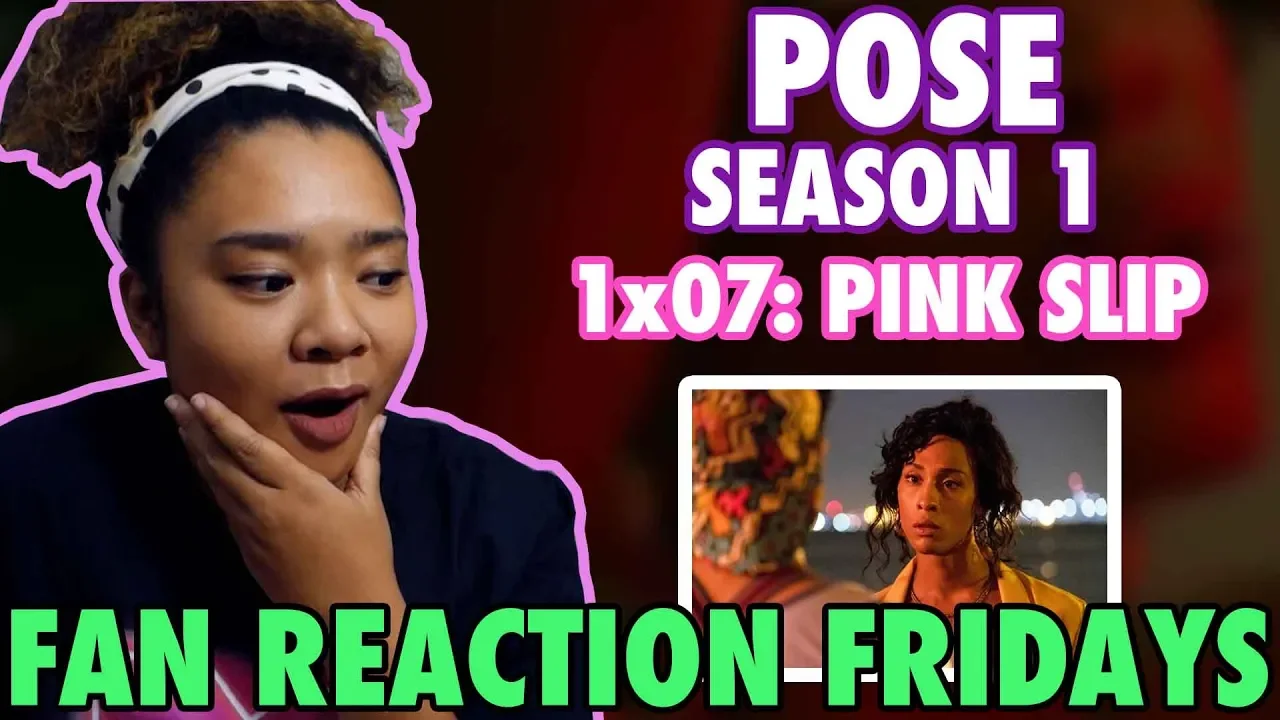


Ballroom culture, while initially serving as a revolutionary space of survival and community building for Black and Latinx queer youth, faces the challenge of whether it remains a radical practice of subversion or becomes a reformist movement seeking incorporation into mainstream society, as bell hooks questioned whether Paris is Burning should burn, prompting critical examination of how Black queer communities navigate between revolutionary transformation and normalization.
Bell Hooks and Ballroom: A Critical Analysis of Queer Black Culture
Added:Familiarity with bell hooks' foundational theories, particularly her concept of the 'imperialist white supremacist capitalist patriarchy' and her approach to cultural criticism.
An understanding of the history and origins of Ballroom culture, established by Black and Latine transgender and queer communities in Harlem, New York, during the late 20th century.
The core tenets of intersectionality, specifically how race, class, gender identity, and sexual orientation simultaneously operate to shape marginalized experiences.
The sociological distinction between cultural subversion (challenging dominant power structures) and cultural assimilation (conforming to dominant societal norms).
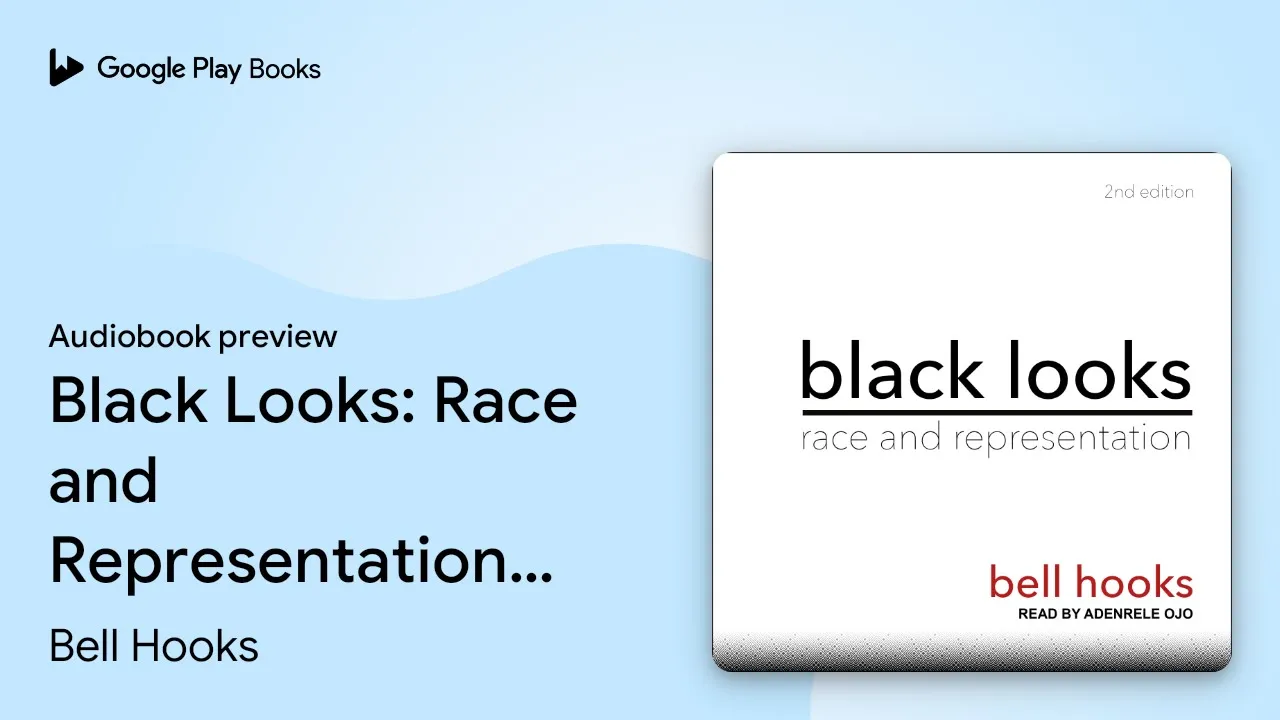
A close reading of bell hooks' seminal essay 'Is Paris Burning?' from her book 'Black Looks: Race and Representation', which serves as the foundation for her critique of ballroom.
An exploration of Judith Butler's theories of gender performativity and how they intersect with or diverge from hooks' critique of 'realness' categories in ballroom.
An examination of the contemporary commercialization of Ballroom culture in mainstream media (e.g., 'Pose', 'Legendary') and the political implications of its neoliberal co-optation.
A study of queer kinship systems, analyzing how the 'House' structure serves as a model of mutual aid and survival for marginalized youths outside of state institutions.
42.3K views3.7Klikes18:05Original Release: 2022-12-10
okay so y'all I think I'm experiencing some kind of Mandela effect because I definitely remember reading the essay is Paris burning by Bell hooks in the book we real cool but when I went back to that book it wasn't there and is apparently a part of another compilation of essays that I read but don't quite remember reading called black looks before we get into today's topic I want to remind you to subscribe and hit the notification button so that you know whenever we drop new content and this helps the channel out a great deal also don't forget to follow us on Facebook and Instagram where we can continue these conversations learn more about some of the concepts and jargon we use and explore black imaginative production together and lastly if you so choose support our patreon our goal is to Garner virtual but also actual space for continued group study and imaginative Community Building all links will be provided below the video let's talk about reading you just can't take it it's an overgrown orangutan goodness so I was kind of a late bloomer when it came to me realizing that I was a queer individual I think that maybe I had been so obsessed with my books that I forgot to really develop my interests regarding both sex and attraction and then I went to Morehouse and latent feelings of same-sex attraction that I had thus far been able to write off as adolescent curiosity came sort of spilling out of me that summer I came home and I dealt with it the way I dealt with all other questions problems issues wonderings I had I read I stayed in the library and one day finally came to the conclusion that I was bisexual I told my parents they told me to live honestly because at the time there was a lot in the media about the DL phenomena and the danger it posed to the black community getting back to Morehouse and kind of letting it all hang out allowed me to connect to a lot of queer brothers sisters Baristas in new ways and have new experiences we did all kinds of gay [ __ ] we Kiki we went to clubs we did brunch but one of the most awe-inspiring experiences for me was when I started going to balls I was never in a house although I could have been a blonic I just never knew what the hell I'd walk or compete in but the balls were so amazing to me I started looking up everything I could about them in the early 2000s WordPress was not the content management system that it is today it was a place for people to set up article-based Pages called blogs as a matter of fact the most popular being Blogspot I read everything I could About Ballroom and then I found the movie Paris is burning now I won't get into the contents of that movie here much but I definitely think that you should not only check it out but also read about the lives of the people featured and the controversy surrounding the movie I believe that all of it is important for understanding not the full lives of the people featured but what was around them now before we get into the next part I want to say that I believe in using the language and identification of the people of the time they identified in certain ways that denoted how they interpreted themselves in the times and places they found themselves and I do believe that to impose 21st century terms regardless of their derogatory standing now is a kind of denial of personhood so I guess you can say that black people have always been sort of fluid in terms of gender now when I say fluid I don't mean that gender was kind of a willy-nilly there were structures that belong to whole different worlds and cosmologies to be honest it may not even be accurate to call what we were genders depending on the people there are thousands of cultures on the continent and across the blackened world and even more permutations of those if we take time into consideration but as enslaved and colonized individuals we were made to fit into a European ideal of sexual dimorphism albeit beastial but we were considered too primitive to have genders so anything that we expressed of our own would never have been given any kind of gender consideration anyway being considered Savage Unholy or pathological so whatever we were already existed outside of what was forming in the way of colonial and postcolonial gender which is to say that Blackness was and is relegated to queerness meaning outside of the gendered sex Norm with that said back to the ball enslaved Africans with established theatrical and performance Traditions from the continent would dress up as their masters and mimic the ways they talked and walked while Dawning imitations of their Master's clothing or clothing they managed to take away from the master's homes they saw the Fashions and mannerisms of white people as ridiculous and this dramatized critique is pandiasporic so it can be said that the ballroom is one of several manifestations of this critical derision to include African masquerades certain Caribbean Mass traditions in global celebrations of Carnival after the non-event of emancipation among African-Americans black queer balls in a more formalized sense can be traced back to the mid to late 1800s with one of the reigning Divas being the formerly enslaved William Dorsey Swann these balls were held in secret and included fancy clothing pageantry performances and good drink however once found out these balls came under attack and were shut down with Swan being accused of running a brothel remember black agency was and is illegal so black sexuality that wasn't strictly employed for white pleasure or material gain was considered criminal and Savage later when trying to reconvene the balls Swan would get in trouble with the law once again for stealing silverware and other things needed for these events we're going to revisit this all throughout Black Entertainment and self-expression we continue to see this kind of fluidity during the blues era singers like maurani dressed in Drag and quartered women Lucille Bogan saying about being a [ __ ] and her sexual exploits with both men and women all of this leads us into about the 1940s the road on which Crystal lebage would have been coming to know herself Crystal along with Lottie labasia are known as the founders of modern day Ballroom culture and the iconic and oh so legendary house of love Asia After experiencing all of the various kinds of violence of white drag pageants Crystal and Lottie began holding their own beginning in 1972. it is often said that Ballroom culture remained underground until it was jettisoned into the Limelight in a series of Highly publicized moments in the late 80s and early 90s the video deep in Vogue by Malcolm McLaren featuring Willy Ninja Vogue by Madonna featuring Luis and Jose Extravaganza and the movie Paris is burning launched Vogue as one of the practices of the ballrooms seen into the mainstream people began to inquire more into the culture and some of those who made appearances like Dorian Corey pepal of Asia and Willy ninja found themselves on much larger platforms like the Joan River show while people like Willie ninja had already been a fixture in the fashion world having consulted with the fashion houses of Thierry mcglare and Jean-Paul Gautier and having helped derive the runway prowesses of such models as Iman and Naomi Campbell these moments these videos and this movie in many ways gave rise to a recognized genre of thinking and creating by and about black and latinx queer culture specific in her essay is Paris burning Bell hooks I guess you can say reviews the movie Paris is burning in this essay she laments the fact that Ballroom culture could or May should have been a critique or subversion or maybe even a rebellion against imperialist white supremacist capitalist patriarchy in her eyes it seemed to Aspire to it initially I thought this was an unfair assessment at the time my thinking went like this Ballroom is a set of spaces and a culture that is rooted in survival to me in revisiting the notion of William dorsey's Swan stealing what was it needed to host lavish balls it was revolutionary to squat and apartments to steal electricity to steal fancy clothing and everything needed to customize one's clothing to provide the Necessities for homeless queer youth to devise a system of rewards that acted as communal pooling of resources and where winning required no external validation from academies or boards but was beholden only to the infrastructures merits and politics of the black and latinx queer communities for me at the time spaces of survival did not necessarily have to be revolutionary spaces when you exist in a body and reality against which war is declared at all times space for rest and preparation is necessary but then time happened and I believe that time makes aspirations and goals clearer and exposes the nature of a thing in recent years searching for voting on YouTube will most likely proffer a great deal of videos from Russia and Japan you may also see videos where Ballroom Legends like leomi Maldonado and DeSean Wesley are hosting classes and judging competitions in places as far-flung and unseemly as sweet so what's wrong with this I would say nothing but I'm not really interested in brightness and wrongness as much as I'm interested in honest what I mean is this perhaps what we looked at as revolutionary was really just a plea for incorporation the whole time I think that many of us saw or see the ballroom seen as fitting into the radical traditions of marinage and fugitivity and to a certain extent I think that argument could be made to a large extent even however marinage and fugitivity are not liberated states of being they still rely on the conditions of captivity they are conditions of existing made possible by the threat of an oppressive state or regime they are a response to such threats without the threat there is no need for either and Liberation seeks to end the threat not to respond to it now some would argue and I would agree that fugitive or maroon spaces are necessary for planning for revolutionary action and imagining otherwise existences however I think that we would do well to consider the Realms of desire and meaning within the confines of the current world within certain contexts these fugitive or maroon spaces could also be spaces of waiting waiting to be made legible or palatable to society waiting to be incorporated into the Western the American projects of modernity and normativity regarding class and gender especially look no further than the realness categories in these categories what are we asserting is real what are we seeking to do by being able to pass successfully as straight masculine feminine woman are we doing the Revolutionary work of exposing all these categories as aesthetic spurious constructed and therefore able to be deconstructed or maybe symbolically re-signified or are we seeking to go away and be made invisible being subsumed into that which is considered normal to eradicate difference and disappear into the realm of proper woman or manhood femininity or masculinity what about house names Manolo blind Escada Chanel Evisu are or were our aspirations to continue robbing the often internationally expropriative houses or were they to recognize them as the Pinnacles of fashion and codify our aspirations to afford them thereby participating in their abuses of the global South and their reification of the abusive luxury classes the answer to Bell hooks's question as to whether or not Paris is burning begins to be answered in how we as black queer individuals and collectives begin to answer the questions I post here I would assert that some of us want the ballroom to be revolutionary others want to just be normal and both sentiments are understandable in the face of such totalizing violence especially for black people who are never normative never proper in terms of gender or even class never able to be incorporated Ballroom is doing what was inevitable what it was meant to do this is how we get a show called legendary that hosts members of the House of ebony with a White House mother and these Legends the prospective Gatekeepers don't seem to be the least bit moved or bothered if normalization is the mo then what we are asking is to be wholly swallowed not just by whiteness but by anti-blackness now I'm not the kind of person to tell any black person what to do or what to believe but there is a problem with this formulation what is normal is anti-black and anti-blackness is parasitic on Blackness we know that parasites tend to keep their hosts alive and or intact until they no longer need them which means that trying to be incorporated never gets rid of anti-blackness so what we will see is that in another decade voguing will still exist but the black and latinx and Latina people who created it and the overall scene it comes from will be wholly disappeared and our material conditions will not have changed but for a few we've already seen this with pride once again I would like to challenge us to hop into the void if anti-blackness his parasitic on Blackness what would it look like to Faygo satise all that is anti-black with phagocytosis being the means by which parasites bacteria viruses and protozoans are destroyed via cellular digestion said another way what if everything just faded to Black so then what if we stopped worrying about realness categories and attended more imaginatively to that which is unreal or unrealistic let's go back to Willy ninja and how he is said to have helped co-construct a kind of iconic femininity with an Naomi Campbell and Iman what does it mean that a Butch Queen and two black women collaborated on a kind of femininity a collaboration that I think is much more prevalent than has been studied or what does it mean that femininity could be co-creative and by people who are at least considered sexually dimorphic are these worthy projects to pursue what could these black collaborative projects render much of what we call Black Culture is created by all black people just recently after the release of this latest album people began asking whether or not Beyonce was appropriating queer culture there is a great deal to be said of class in this conversation but when focused on the creative lineages of the music seeing as to how important music is to Ballroom culture much is derived from the creations of black CIS hat musicians and one of the staple samples in Vogue music is owed to none other than Eddie Murphy granted from an anti back as [ __ ] scene all of this calls into question modes of production when Bell hooks asked is Paris burning I believe that she was asking if this particular queer space and especially the black and black and peoples who created it were engaged in more black production as in producing more of the same or if we were producing Blackness which undoes everything that we know at current allowing for more imaginative projects that take on the questions of what happens after or Beyond this a Blackness which aspires to no white or anti-black thing so is Paris burning should it burn will it ever burn be sure to respond in the comments as always I'm interested in your thoughts make sure to subscribe as it will help our Channel grow share and continue the conversation with your community also hit the bell for notifications and lastly visit our website and patreon to get updates on how we're moving and to support us in building blackly imaginative Community starting in 2023 we want to begin group study sessions so we can discuss these questions and create whatever out of them where I can share what I'm reading and who I'm thinking against and maybe even invite some of them into the space join us foreign
Up Next
21:11
Downton Abbey: Aristocratic Propaganda and Income Inequality
@renegadecut
259.3K views•2020-02-08

12:54
Triumph of Orthodoxy Icon: Byzantine Art & History Explained
@BenCallan
2.1K views•2024-08-06

9:49
FastAPI vs Flask vs Django: Choosing the Right Python Web Framework
@TechWithTim
302.5K views•2024-05-26

1:42
Game of Thrones Opening Credits: A Cinematic Analysis
@gameofthrones
46.3M views•2011-04-18
Related Study Plans & Knowledge Roadmaps
Structured learning paths in General & Interdisciplinary Studies
general-studies
Elevator Engineering: History, Physics & Cities
01From Hoists to Safety Brakes: The Dawn of Vertical Lift
02Hydraulic vs. Traction: The Engineering Physics of Elevators
03Modern Speed, Safety, and Algorithms
+ 2 more learning modules
12h5 modules
Explore Roadmap
general-studies
Rubber: Material Science, History & Geopolitics
01Origins of Natural Rubber & Mesoamerican History
02The Chemistry of Natural Rubber & Vulcanization
03The Geopolitics of the Rubber Boom & Colonization
+ 2 more learning modules
12h5 modules
Explore Roadmap
general-studies
Containerization: Evolution, Logistics & Trade
01Ancient Trade & Bulk Cargo: Amphorae to Barrels
02The Industrial Revolution & Cardboard Packaging
03The Containerization Revolution: Malcom McLean
+ 2 more learning modules
12h5 modules
Explore Roadmap
general-studies
Textile Tech: Evolution, Labor & Global Impact
01Pre-Industrial Textiles: Handloom & Cottage Industry
02Mechanization: The Spinning Jenny to the Power Loom
03The Factory System & Global Labor Transformation
+ 2 more learning modules
10h5 modules
Explore Roadmap