














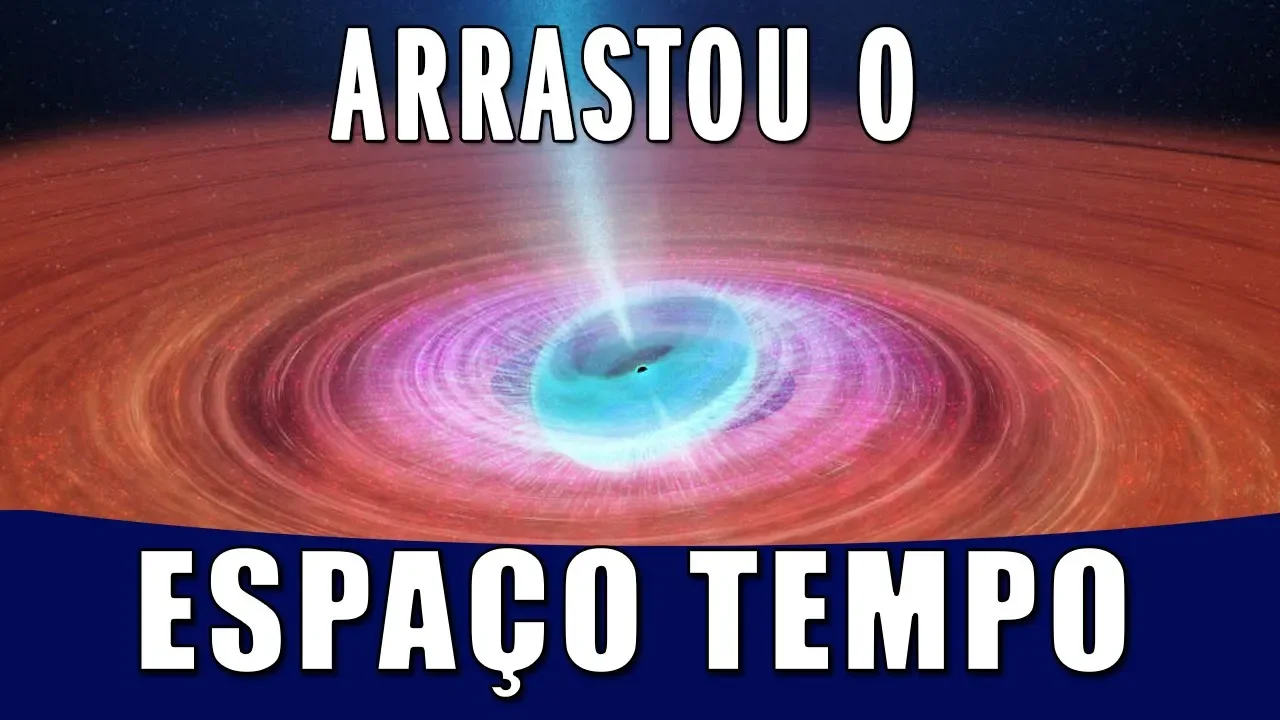

![Черные дыры - Новое понимание [Эффект перетаскивание кадра]](https://i.ytimg.com/vi/M6tqpp6Z60k/hqdefault.jpg)


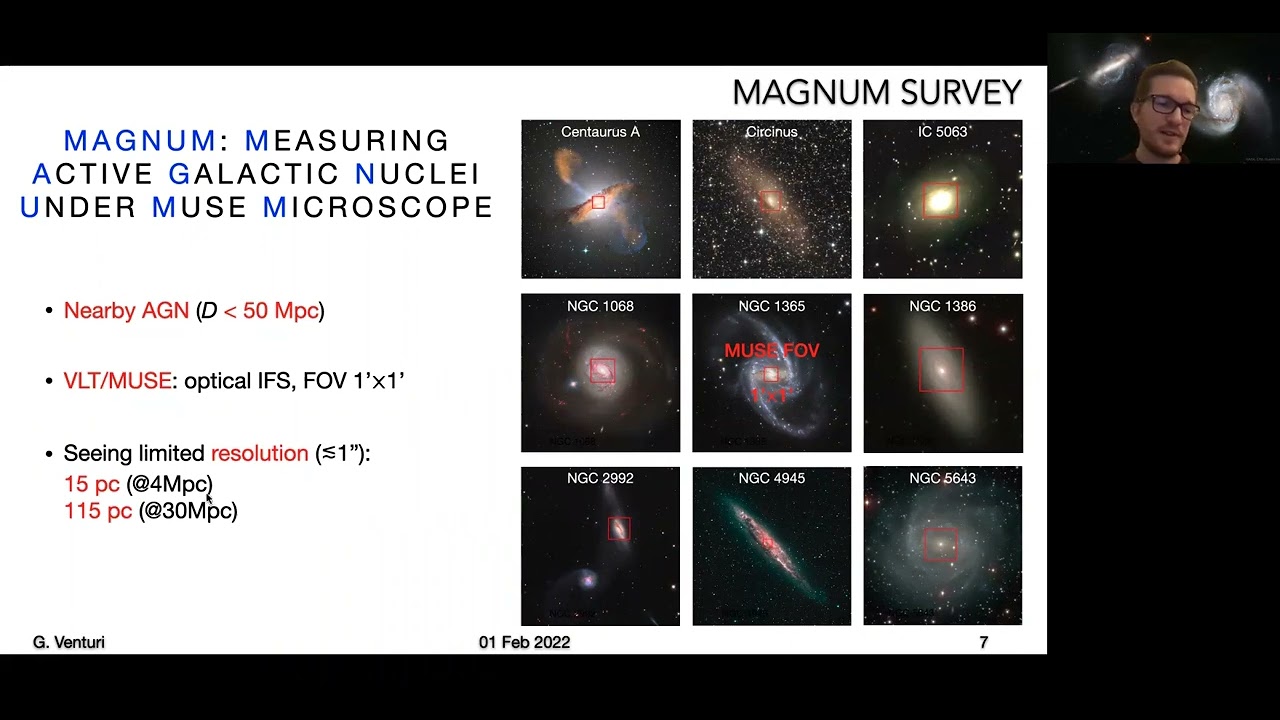







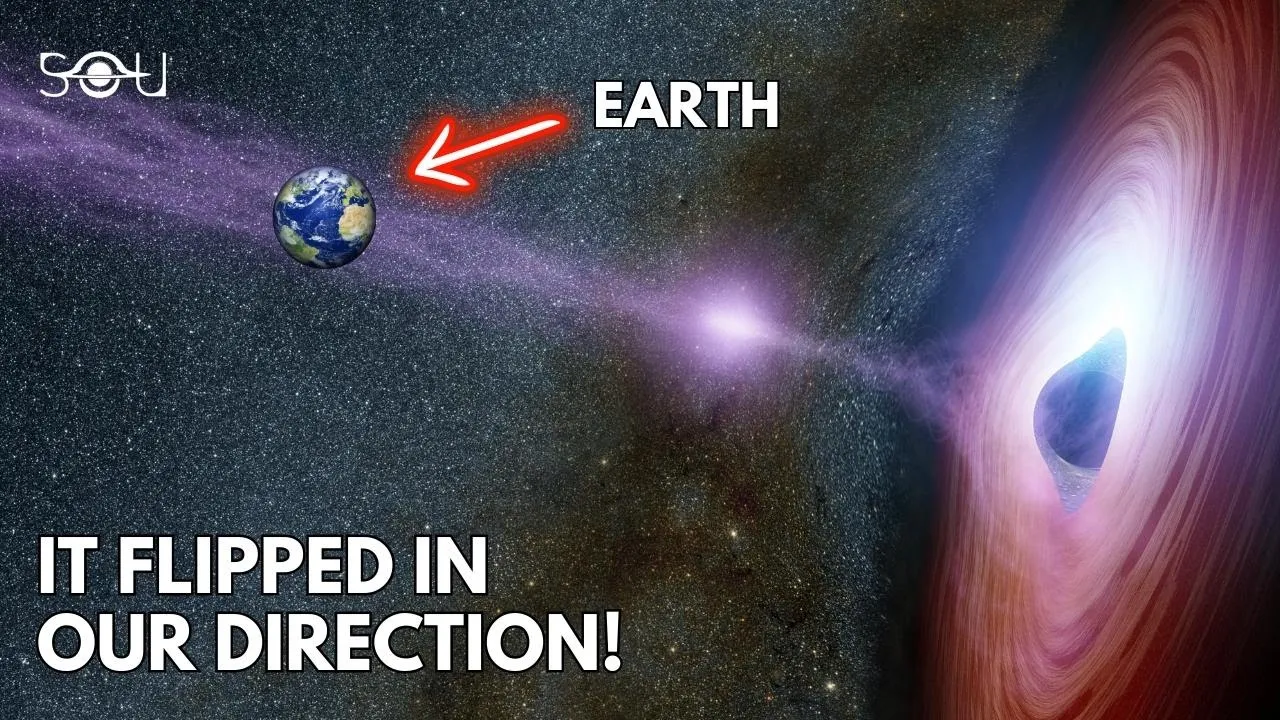
The Alcyoneus galaxy, located approximately 650 million light-years away, has exhibited a remarkable astronomical phenomenon where its central astrophysical jets have flipped their orientation by approximately 90 degrees, transforming the galaxy from a typical radio galaxy into a blazar. This unprecedented observation challenges existing astrophysical models, as no prior mechanism adequately explains how such a massive black hole system could undergo such a dramatic reorientation. Scientists propose potential explanations including galactic collisions with other massive objects or internal structural changes within the galaxy's core, though the exact cause remains uncertain. This discovery highlights the dynamic nature of supermassive black hole systems and their ability to produce unpredictable cosmic phenomena.
Black Hole Jet Flips 90 Degrees: A Galactic Mystery
Added:hello wonderful person this is Anton and today we're going to be discussing a pretty unusual Discovery coming from a somewhat distant Galaxy where a pair of astrophysical jests that resembles something like this were able to do something that nobody has ever seen before and currently does not have a very good explanation in essence changing the orientation of these Jets from what you kind of see right here with the Jets are visible from the side like in The Centaurus a Galaxy to something like this where the Jets are almost directly pointed at us which basically also changes the type of the Galaxy this is even though originally this was a radio Galaxy it's now become what's known as a Blazer and this has never been seen before but I guess more importantly nobody knows exactly why this happens so let's discuss this discovery in a little bit more detail but first a little bit more about this galaxy a galaxy is sort of visible in this image located approximately 650 million light years away from planet Earth and the scientists studying various galaxies back in 27 16 confirmed that this galaxy was one of many distant radio galaxies containing really large radio Jets once again very similar to centaurusi one of our neighbors but actually more similar to one of the more iconic galaxies known as Hercules a these extremely large chats very often expand for thousands of light years and sometimes create some of the largest structures in the entire universe one of the previous videos that you can find in the description discusses this galaxy you see right here known as osionas the Galaxy is several million light years across and basically the largest galaxy we've ever discovered but in this case this is obviously only visible in radio light with these emissions from the Jets interacting with various Intergalactic dust and thus creating these radio Admissions and these very very large protrusions none of this is visible in any other light and because of this these Galaxies have always been known as radio galaxies but from what we know about the Jets in general it's really always about the orientation if you were to somehow look at this galaxy from a different direction or just to give it a kind of an illustration here if you were to see this from let's just say this direction or this way you would start seeing something a little bit different as a matter of fact you would start seeing a lot of other emissions in a lot of other frequencies this is what's known as a quasar and these are some of the brightest objects out there but in case of quizzers most of the slide is actually produced by the accretion disk not so much by the jet itself and so in this case the combination of the jet submission and the orientation from the accretion disk managed to create extremely bright light visible in many different frequencies so bright as a matter of fact these are visible from billions of light years away from planet Earth and as we've discussed in some of the previous videos many quizzers today are used in different types of navigation including extremely accurate measurements in regards to GPS mostly because they don't really move much across the nice guys and because they generally produce relatively similar emissions if you look at them long enough there is a lot of variation of course but overall it's usually very easy to recognize a specific Quasar over time they tend to do very similar things and they can actually last for millions and even billions of years as long as there is material falling into the black hole creating the accretion disk and feeding the black hole but as you might have learned from one of the previous videos when the jet is pointed this way you get some of the brightest objects in the entire universe Blazers an in case of a Blazer usually the jet is so bright mostly because it's pointed directly at us that you can't really see much else it even overshadows the accretion disk and thus makes calculations very difficult Blazers however are much more rare because you have to get really lucky to get a perfect orientation of the jet to work planet Earth which is why this particular Galaxy was actually a huge surprise to the scientists doing this recent investigation turns out that this galaxy is a Blazer or basically when the scientists lose this galaxy using multi-wavelength observation they discovered that the jet in this case is pointed directly at us producing a lot of bright light in a world of different frequencies but that's kind of strange because years ago back in 2016 and even today the radio jets are also visible but they seem to be pointed in a different direction almost 90 degrees away which makes this galaxy really strange it seems to be both a radio Galaxy and a blazer and at the moment there's really only one explanation to what might have happened here for some reason sometime in the past the black hole orientation and specifically the accretion disk and the astrophysical Jet suddenly shifted by approximately 90 degrees pointed at Planet Earth but in this case we're talking about a central black hole an object that's at least several million solar masses in terms of mass and possibly up to several billion in order to nudge such an object it would require a lot of power something really catastrophic must have happened inside this Galaxy in order to make this happen unless something must have happened not so long ago well we're talking about maybe thousands maybe millions of years not more than that and really the only explanation right now is maybe another massive black hole and possibly a galactic collision and so for example if two massive galaxies Collide and their black holes combine there's a slight chance that maybe the final project changes the orientation just enough to shift by 90 degrees although the actual chance of this happening is extremely unlikely basically you need to have a perfect collision with the perfect distribution of matter where suddenly things move by 90 degrees not impossible just extremely unlikely or potentially a collusion with another really massive object most likely another massive black hole coming from somewhere else but once again the actual things will have to get extremely lucky for all this to shift by 90 degrees alternatively maybe the black hole was always actually pointed that way toward us and only recently started to become active and essentially we became a blazer with the radiojets possibly produced by something entirely different as a matter of fact the current Jets have been observed in radio Optical infrared x-ray ultraviolet and gamma ray emissions so they definitely exist and are definitely pointed toward us but the radio Jets seem to be a little bit older and must have been created many many years ago indicating radioactivity coming from this galaxy sometime in the past so maybe there is something else going on inside the Galaxy to explain these radio Jazz now one potential explanation is a phenomenon known as x-shaped radio Galaxy and so literally galaxies that seem to contain some kind of an ax shape formed by various types of interaction in the middle and related to the central jet it's actually not entirely clear how these are produced but some explanations involve the change of spin of the black hole in the middle or maybe a binary system in the center or once again possibly an accretion disk that seems to form in a very different way from the previous accretion disk creating a kind of a double jet that but both of these jets are usually in radio frequencies only in this case though the Galaxy seems to be producing light that's not just radio light but once again in a lot of different frequencies including very energetic X-rays and gamma rays and so in this case it didn't just change the orientation it also changed the frequencies literally changing the type of galaxy and so whatever happened in this galaxy around the central black hole currently is a pretty big mystery and so far this is the only such Galaxy discovered so I'm sure we'll be talking more about this in the future although intriguing approximately a day after this discovery there was this beautiful picture from Hubble showing us the galaxy known as z229-15 a Galaxy that in a natural explains to us that some galaxies are just really weird although in this case when they posted the image they also gave it a kind of a tone and chick name the everything everywhere all at once Galaxy and that's because this galaxy just happens to be an active Galactic nucleus Galaxy AGN also a quasar and those also a c for Galaxy several types all at once and that's because generally all this is produced by the same thing supermassive black hole in the middle consuming a lot of mass and producing a lot of energy but depending on the location orientation and depending on the size of the black hole it can sometimes appear like a regular Galaxy with a bright Center and because it has an active galactic center it's known as egn but because it's also so bright and visible from very far away it's known as a quasar but because you can actually see the outline of the Galaxy in this case and the Quasar is not just some really bright distant object it's also known as a C4 Galaxy c42 to be more exact which sort of highlights the main point these massive black holes powerful black holes can generally produce a variety of very unusual effects very unusual phenomena and some really intriguing looking galaxies including of course some record holder galaxies the largest galaxies in the entire universe or even galaxies possessing really unusual shapes but all of this just a result of interaction of the central black hole with the environment around it only in this case the scientists might have actually observed a completely new effect nobody knew existed some black holes seem to change orientation and possibly even entirely change their properties basically turning around 90 degrees and becoming something extremely powerful but how this happens that's of course going to remain a mystery for a pretty long time but we'll probably come back and talk more about this if we decided to discover something else very similar or if there's a little bit more clarification about what exactly happened in this unusual Galaxy thank you for watching subscribe share this with someone who has learned about space and Sciences come back tomorrow to learn something else and maybe support this channel on patreon by joining Channel membership or bye-bye in the wonderful person you should you can find in the description stay wonderful I'll see you tomorrow and as always bye [Music] thank you foreign foreign
Up Next

Breaking the Eddington Limit: Early Universe Black Holes
@pbsspacetime
669.9K views•2024-12-05
First Billion Years of the Universe with the Square Kilometre Array
@iaaudc
121 views•2022-05-26

JWST & ALMA Reveal New Planet Formation Secrets
@whatdamath
82.3K views•2024-03-13

Gamma-Ray Bursts: Cosmic Snipers Explained | Astronomy
@kurzgesagt
15M views•2016-07-31
Related Study Plans & Knowledge Roadmaps
Structured learning paths in Astronomy