






![То, чего ты не знаешь об эпистемологии [S02:E25]](https://i.ytimg.com/vi/BLTpTUrSyfs/maxresdefault.jpg)








Knowledge differs from mere belief in three essential ways: (1) Knowledge must be true, meaning it cannot be false; (2) Knowledge requires confidence, as knowing involves being certain rather than merely suspecting; and (3) Knowledge demands a good basis or justification, meaning one's belief must be supported by reliable evidence or reasoning. These three conditions together form the traditional tripartite definition of knowledge as justified true belief, though philosophers continue to debate whether these conditions are sufficient or if additional criteria are needed.
Theory of Knowledge: An Introduction to Epistemology
Added:A foundational understanding of the definition of philosophy and its primary branches, particularly metaphysics and logic.
The basic distinction between subjective opinions (personal preferences) and objective claims (factual assertions about reality).
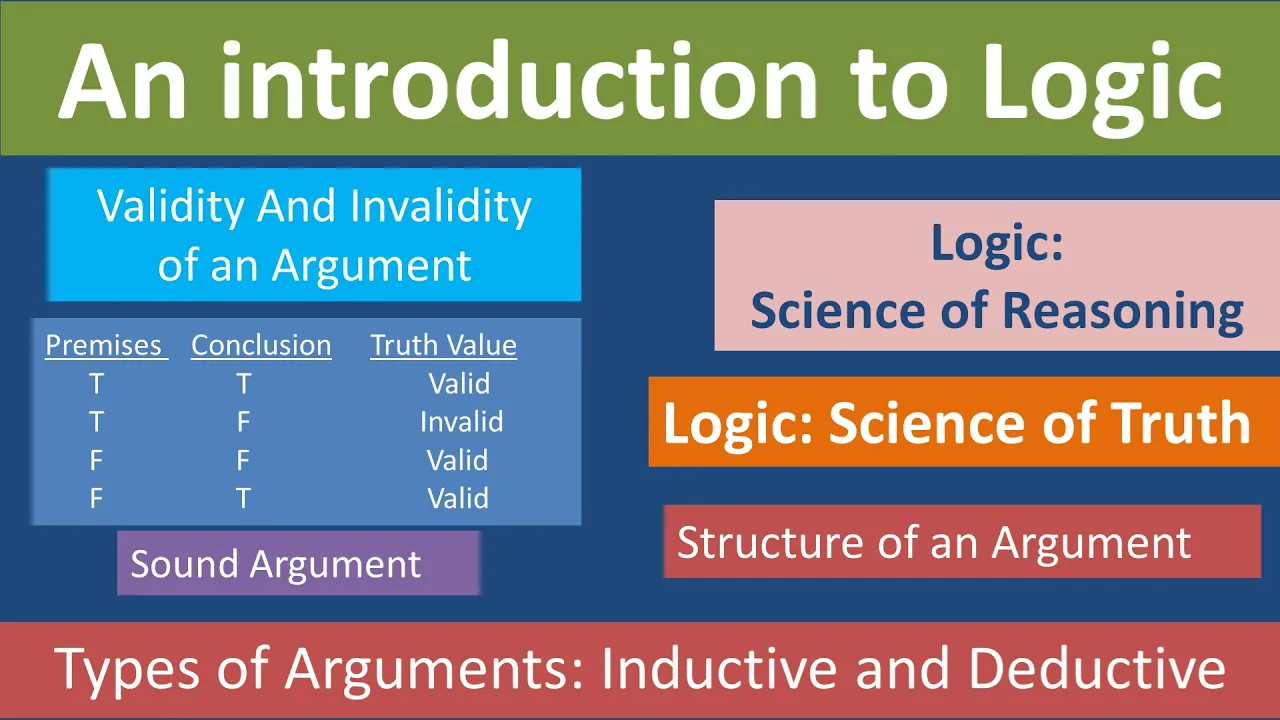
An introductory familiarity with formal reasoning, specifically how arguments are structured using premises to reach a conclusion.
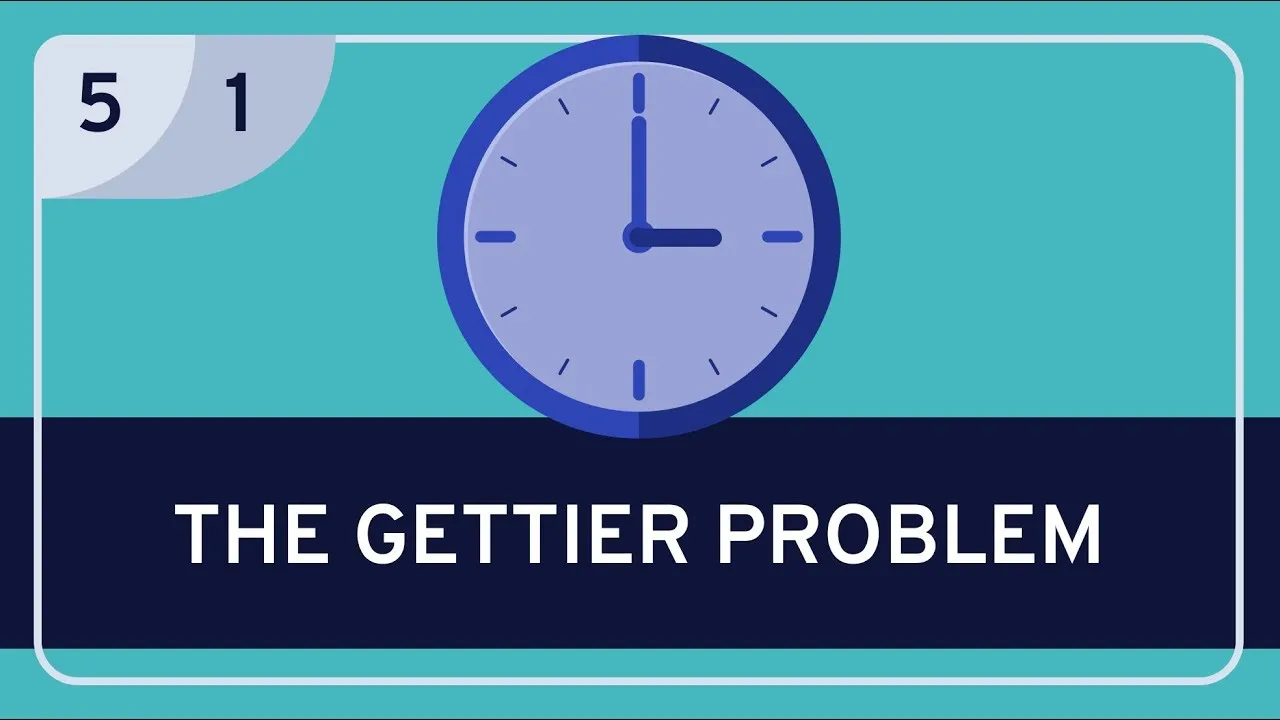
The Gettier Problem and contemporary challenges to the classical definition of knowledge as 'Justified True Belief' (JTB).
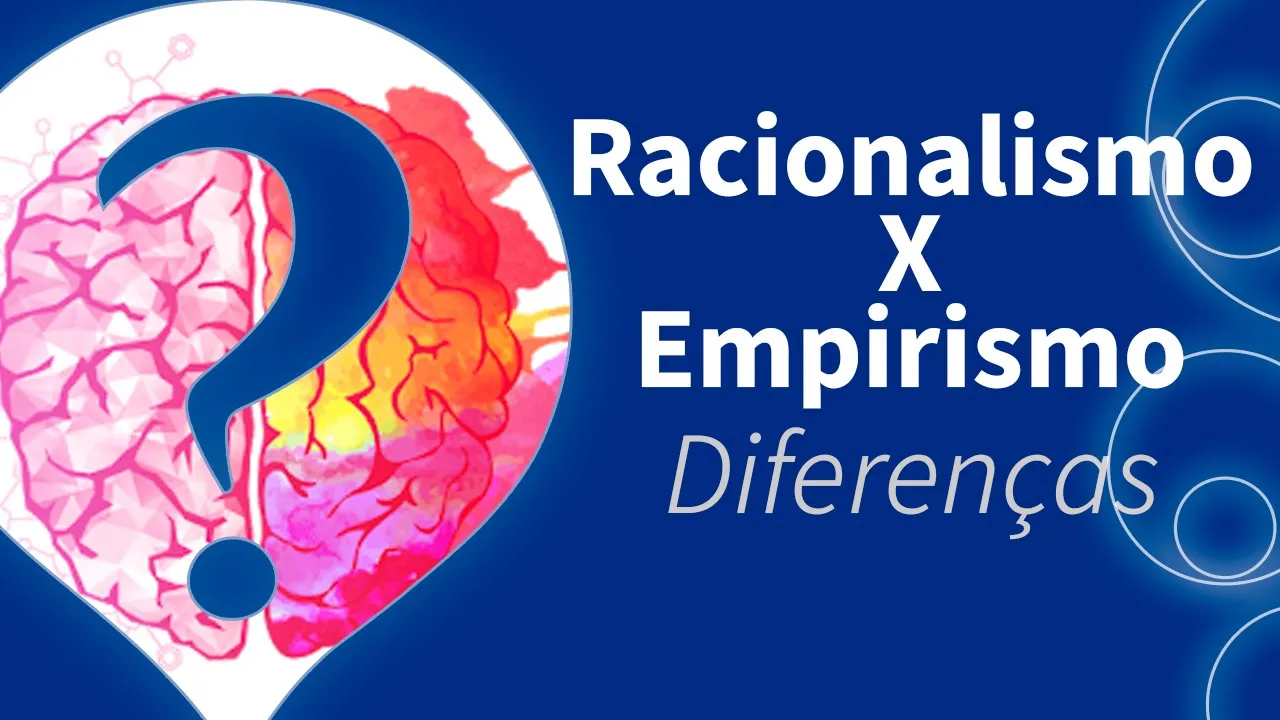
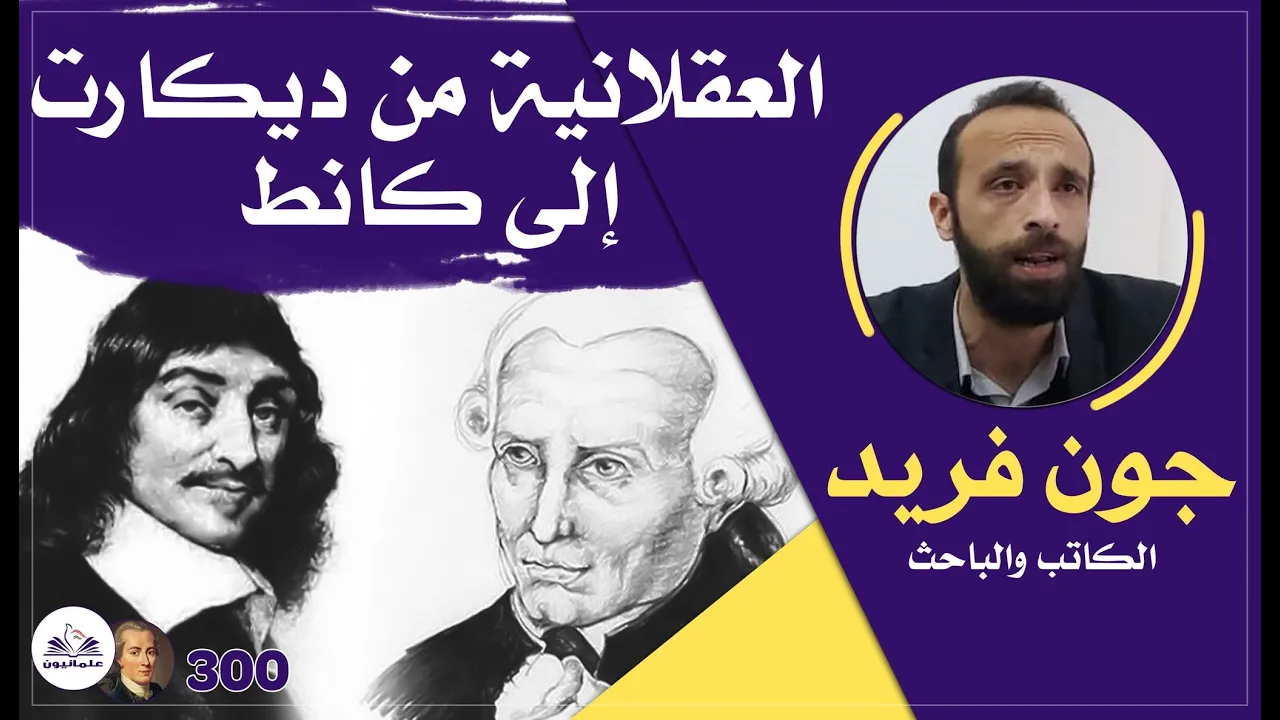
The historical debate between Rationalism (knowledge derived from reason) and Empiricism (knowledge derived from sensory experience).
Theories of epistemic justification, specifically exploring Foundationalism versus Coherentism.
Social Epistemology, which examines how knowledge is constructed, shared, and evaluated within groups, media, and digital platforms.
1.1M views13Klikes6:10Original Release: 2016-02-12
My name is Jennifer Nagel.
I teach philosophy at the university of Toronto, and today I want to talk to you about knowledge.
Knowledge is something human beings naturally crave, we spend a lot of time and effort trying to gain it, for example by watching videos like this one.
We also have natural instincts to keep track of what other people do and don't know in order to make sense of what they're doing.
But it's suprisingly difficult to give a good explanation of the nature of knowledge itself, and to say how knowing that something is true, differs from just thinking that it's true.
When we try to figure out what knowledge is, we encounter some interesting questions and paradoxes. This series explores these problems, and explains how philosophers have tried to solve them.
This particular video will focus on some basic features of knowledge, features that any good theory of it should try to explain.
So, what kinds of things can you know?
The english verb "know" is used in several ways; you can know a person, "Alice knows Pierre"; a place, "Pierre knows Paris"; or a language, "Alice knows french".
But the most common way of using the verb "to know" is the way we use it when we're speaking of someone knowing a fact, as in "Alice knows that it's raining outside".
In this series we'll be focusing on this knowing-a-fact sense of the verb "to know".
Sometimes this is called "knowledge-that", but actually, along with "that", you can use question words like "where" or "when".
"Pierre knows when the party will start" or "Pierre knows where the party is".
Knowing where the party is means knowing the answer to the question "where's the party?", and that's going to be a fact, like the fact that the party is at Alice's place. Knowledge is a way of being latched on to a fact.
It is thought that every language in the world has a word that works to translate this fact-grabbing sense of the word "to know".
And this kind of global popularity is very rare, only about a hundred words are thought to be universal in this way.
Around the world, words meaning "to know" are also very heavily used. It's one of the top ten most common words in english for example.
So we often find ourselves talking about knowledge, but when we say someone knows something, what do we mean?
It can help to compare knowing and just believing.
Consider these two sentences: 1. "Alice knows that it's raining outside."
2. "Pierre believes that it's raining outside."
We instinctively feel some difference between Alice and Pierre, but what is it?
Actually, we'll see there's several possible points of contrast here.
The first and easiest has to do with truth.
If Pierre just believes that it's raining outside, where he is, maybe he's wrong. Maybe the rain has stopped, and he's fooled by the sound of water dripping from the trees.
The things we believe are sometimes true and sometimes false.
What we actually know on the other hand, has to be true, or factual. So there's no problem saying "Pierre believes it's raining, but it isn't."
While it sounds weird to say "Alice knows it's raining, but it isn't."
This is because attachment to the truth is built into the meaning of knows-that.
Beyond truth, another key feature of knowledge is confidence.
Let's suppose that Pierre is in a windowless room, and he's been there for an hour.
He could suspect that it's still raining outside, even of he's not totally sure.
But if Alice knows that it's raining, she has no doubt. She's confident.
So, is confident belief in a truth enough for knowing? Apparently not.
There's at least one more thing we need.
Imagine that Pierre is really pessimistic, he's always strongly convinced that things will go badly. He's often wrong, but sometimes he's right. Today he wakes up in a windowless room, aware that Alice has planned a picnic because the forecast was for sunny weather. "It's going to be terrible", he thinks. "I'm sure it's already raining right now".
He's entirely confident that it's raining, although he can't actually see or hear the rain.
And let's say by chance it turns out he's right this time. Does Pierre actually know that it's raining outside?
If he doesn't know, then it seems knowledge requires something more than confident belief in a truth. Feeling pessimistic isn't a good basis for judgements about the weather.
Your judgement needs to have a good basis in order to count as knowledge.
But what kind of basis counts as good?
Do you have to be standing outside, getting wet? As you will see, in the upcoming videos on the analysis of knowledge, this is a controversial question.
But before we get to that problem, we'll tackle a more basic problem: is knowledge even possible for us? Even in the best case scenario, when it feels like you're standing right outside, right in the rain, can you really know that it's raining outside?
Could you be dreaming for example, on a clear night?
This is the problem of skepticism, explored in the next video.
The two following videos will explain possible solutions to skepticism.
Subtitles by the Amara.org community
Up Next
38:46
Epistemology of Testimony Explained | Stephen Wright | Oxford Philosophy
@edinburghphilosophy
4.5K views•2015-06-29

164:01
John of Damascus on Holy Images: A Theological Defense
@BannedBooks
139 views•2026-04-25
9:32
Epicurus' Four-Part Remedy for Unhappiness | Philosophy Explained
@WirelessPhilosophy
272.4K views•2014-08-19
4:57
The Myth of Sisyphus: A Greek Legend of Eternal Punishment
@TEDEd
8.6M views•2018-11-13
Related Study Plans & Knowledge Roadmaps
Structured learning paths in Philosophy
philosophy
Frankfurt School: Critical Theory & Culture
01Foundations of the Frankfurt School and Critical Theory
02Horkheimer & Adorno: The Critique of Instrumental Reason
03The Culture Industry and Mass Deception
+ 2 more learning modules
12h5 modules
Explore Roadmap
philosophy
Philosophy of Language: From Frege to Austin
01The Linguistic Turn: An Introduction to Language in Philosophy
02Gottlob Frege: Sense and Reference
03Early Wittgenstein: The Picture Theory of Meaning
+ 3 more learning modules
15h6 modules
Explore Roadmap
philosophy
Feminist Epistemology: Standpoint & Injustice
01Introduction to Epistemology and Feminist Critiques
02Sandra Harding and Standpoint Theory
03Donna Haraway and Situated Knowledges
+ 2 more learning modules
12h5 modules
Explore Roadmap
philosophy
Environmental Philosophy: Ethics & Deep Ecology
01Foundations of Environmental Ethics & Anthropocentrism
02Biocentric Individualism and Animal Liberation
03Ecocentric Holism and Deep Ecology
+ 1 more learning modules
10h4 modules
Explore Roadmap