


![[ WEBINAR ] LG Ads: The best of CTV Advertising is here! // 02.2023](https://i.ytimg.com/vi/LaE3yTtzijM/maxresdefault.jpg)





![[REPLAY] Visual Storytelling | Marketing Makers](https://i.ytimg.com/vi/PzqGIUFH96U/maxresdefault.jpg)












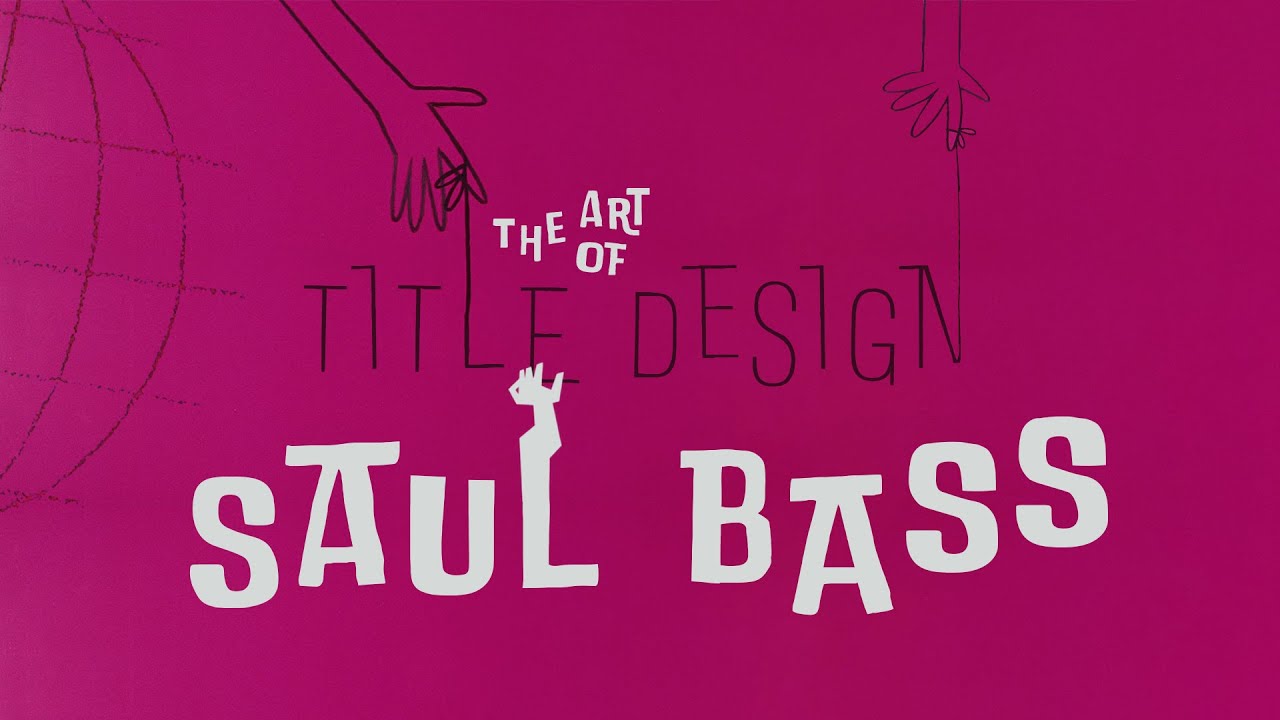
TV title sequences have evolved from simple afterthoughts featuring B-roll clips and actors staring into the camera into sophisticated artistic statements that serve as mood-setting 'airlocks' between everyday life and the viewing experience. This transformation began in the mid-1990s when new software programs like Adobe's Creative Suite unlocked creative potential, coinciding with changing viewing habits from episodic to binge-watching culture. Early innovations like The Fresh Prince of Bel-Air's music video-style sequence and The Sopranos' 60-90 second sequences paved the way for modern masterpieces like True Detective, which used broken landscapes to represent broken characters. Today, title sequences have become independent artistic expressions that can be bittersweet, energetic, funny, or sad, with creators potentially becoming tomorrow's film directors or visual artists.
The Evolution of TV Title Sequences: A Design History
Added:You've probably heard that we're living in the golden age of television. Or maybe it's the platinum age, the Einsteinium age. Whatever the point is, TV is way better than it used to be. And you could say the same thing for TV title sequences, the video introductions to each show. They used to be afterthoughts, a bunch of B-roll clips and actors staring into the camera.
But now they're artistic statements of their own. They can be bittersweet or energetic or funny or sad. In the streaming era, when we watch our favorite programs anywhere and at any time, titles help get us in the right mood, even if we're in the middle of our morning commute. You know, the main title sequence is it functions a little bit like an airlock between everyday life and uh the state that you go into when you come back to watch a show. That's Patrick Cla, creative director of Elastic, an LA production studio. He's the force behind title sequences like AMC's Halton Catch Fire and HBO's Westworld. He says the revolution in title sequences kicked in in the mid90s when new software programs like Adobe's Creative Suite unlocked the potential of a new generation of designers. At the same time, we started watching TV differently. Before then, most TV shows were episodic. Viewers checked in from time to time, but they didn't have to watch every episode.
Credits helped introduce new viewers who were just tuning in for the first time.
Sometimes they go so far as to explain the show's entire premise. tale of a fateful trip that started from this port aboard this tiny ship. By the 1990s, some shows were breaking that mold. One early standout was the title sequence for The Fresh Prince of Belair, which was more like a music video than a title sequence. In fact, it was directed by the same guy who directed the Fresh Prince's video for Parents Just Don't Understand. And you can see how similar they are.
But that was just early rumblings of the revolution that would really hit a few years later. the snow got yourself a gun. When you watched that, I mean, everybody kind of took a step back and was like, "Wait a minute. What's What's happening?" That's Lola Landick and Will Perkins, who run a website called The Art of the Title. They point out that this sequence does the opposite of what most titles do. It hides way more than it reveals. Tony's the only character, and you never really see him. The editing, the cinematography cuts Tony up. You don't see him full figure. You see his cigar, you see his eyes, you see his hands on the wheel. You don't get a full picture of him until the very end when he gets out. Who is this guy? Yeah.
And that's and that's the show, right?
With The Sopranos, HBO ushered in a new wave of prestige television. And its title sequences were equally ambitious.
Instead of the usual 30 seconds, they were allowed to run for 60 or even 90 seconds.
Designers were encouraged to discover new techniques like placing two-dimensional drawings in 3D space or using found footage in new ways to create a kind of tone poem.
Those examples inspired Patrick Cla when he designed what would become one of the most famous title sequences of the modern era, True Detective.
[Music] The basic idea came from Clare's first call with the showrunner and director.
In the show, they were using the broken, polluted landscapes to uh talk about the the broken, poisoned people that were in the narrative and these kinds of these people that had been exploited and and um and destroyed by um by what had happened to them. And so that just seemed in very literal terms to be, well, I guess we'll just make broken portraits out of broken landscapes. The showrunners already had a song they wanted to use. So Claire started putting together books full of images that spoke to this feeling of brokenness. One main source was a book called Prochemical America by photographer Richard Mizrock. His team also figured out a way to take footage from the show and slow it down to 1/10enth speed which lent it a dreamlike quality. And he ended the sequence in flames, another idea that was inspired by his conversation with the show's creators. These are characters who are facing a personal apocalypse. And uh and that to me just sort of opened the door to being able to go into this world of uh of of literally this sort of biblical apocalypse. True Detective was hugely influential, maybe a little too influential, but there's a lot more than just moody HBO dramas out there. We're seeing all kinds of different networks and shows take on ambitious title sequences. We're seeing titles that focus on type like Stranger Things and Mr. Robot.
We're seeing postmodern title sequences that play with the conventions of internet videos or musical comedy.
One day I was crying a lot and we've seen remixes and guest [Music] artists. And we've even seen title sequences without any shows attached.
If you think about it, TV titles are kind of like what music videos used to be, a design medium that started as a kind of advertisement, but became its own form of artistic expression. And just as MTV became a breeding ground for a generation of artists, the people who were making today's TV title sequences may be tomorrow's film directors, visual artists, or showrunners themselves.
Up Next
Fight Club (1999) Film Analysis: Hidden Details & Ending Explained
@heavyspoilers
1M views•2025-01-04

Visual Analysis Essay: How to Analyze Graphic Novels in College Writing
@nataliepleimann5941
1K views•2020-10-14
Film Blocking Techniques for Directors: Space, Shapes, Lines
@StudioBinder
1.9M views•2018-07-23

Evolution of Darth Vader: Anakin Skywalker's Animated Journey Across Star Wars Films
@TellItAnimated
13.4M views•2019-03-30
Related Study Plans & Knowledge Roadmaps
Structured learning paths in Film Analysis