


![How to write a good Curriculum Vitae (CV) [Part 1]](https://i.ytimg.com/vi_webp/VBkxt8RUkL4/maxresdefault.webp)














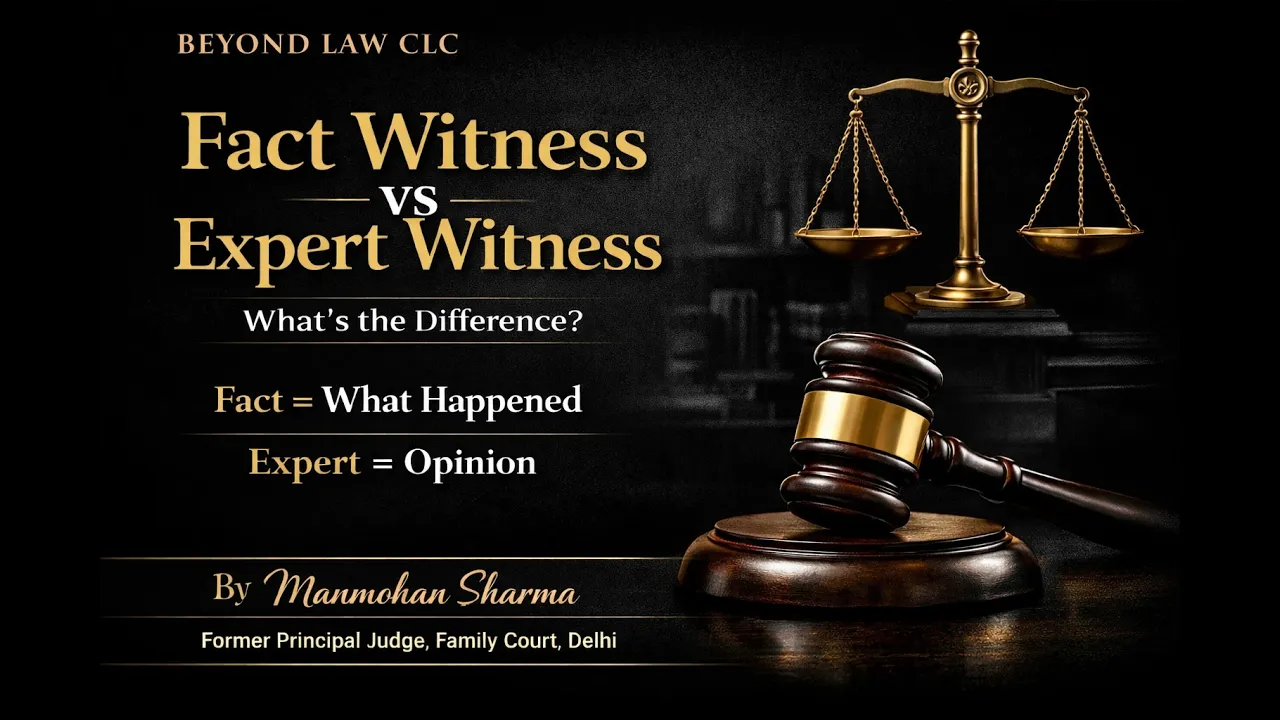
Medical expert witnesses must understand that civil cases use a 'more than 50% likely' burden of proof (not 'beyond reasonable doubt'), and standard of care is defined as what a reasonably competent healthcare professional in the same or similar community would do under the same circumstances, not what guidelines say or what the expert would personally do.
Medical Expert Witness: CV Tips & Legal Case Insights
Added:Basic understanding of the legal distinction between a fact witness and an expert witness under evidentiary rules.
Familiarity with the standard components and structure of a professional medical Curriculum Vitae (CV).
Fundamental principles of medical malpractice law, including the definitions of standard of care, negligence, and causation.
An overview of the civil litigation process, specifically the roles of depositions and trial testimony.
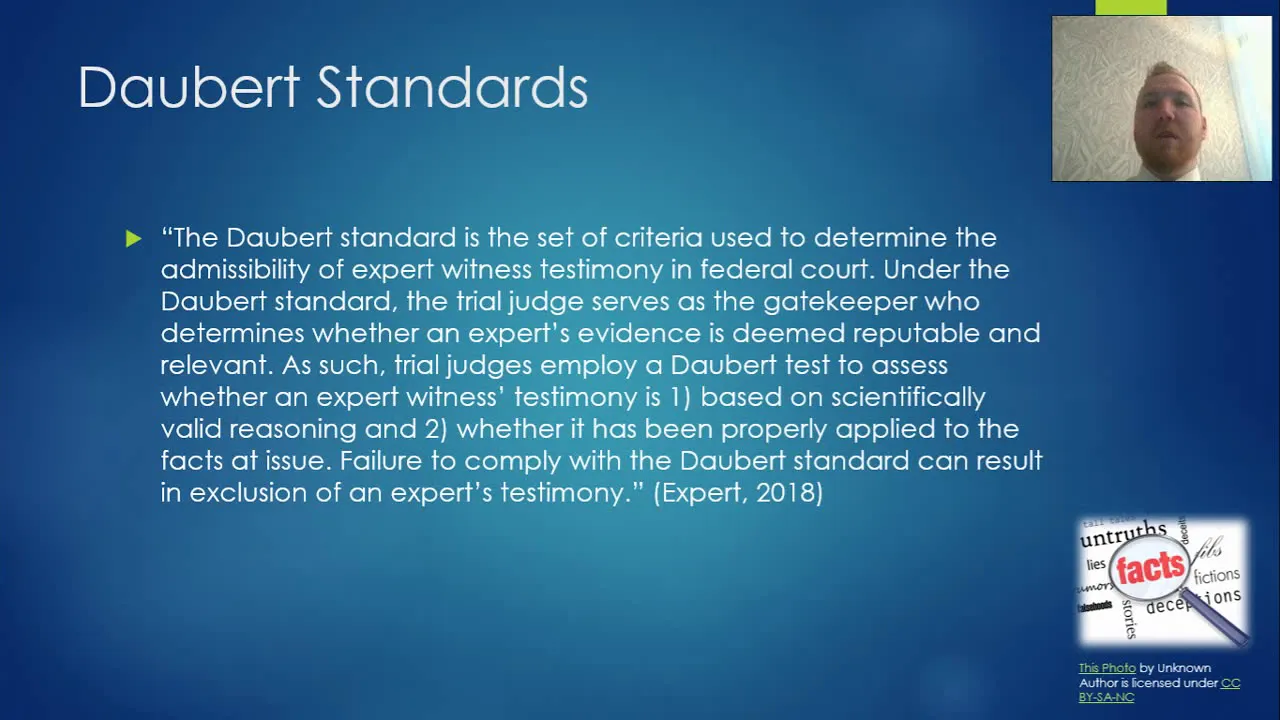
Advanced study of the Daubert and Frye standards governing the admissibility of scientific and expert testimony.
Strategies for surviving rigorous cross-examination and defending one's credentials against impeachment attempts.
Best practices for drafting objective, legally defensible written medical expert reports and affidavits.
The business of medical expert consulting, including establishing fee schedules, drafting retainer agreements, and navigating ethical guidelines.
3.1K views16likes38:17Original Release: 2023-01-11
welcome to the physician's guide to doctoring a practical guide for practicing physicians Dr Bradley block interviews experts in and out of medicine to find out everything we should have been learning while we were memorizing Krebs cycle [Music] expressed on this podcast present those of their respective employers [Music] and now here's Dr Bradley block [Music] Dr Amy fogelman thanks so much for coming back on the podcast thank you Brad it's great to be here again so let's talk about your first case right I'm sure there's a lot you've learned since then and things that you would do differently and so let's use our retrospective scope to Retro spectroscope to to dissect that so just give us some some generalities about the case yeah so um I can talk to you about it in a general in a general way but um it's not public um knowledge because the case was actually dropped um but the um actually sorry before we even get there yeah which brings us to another question yeah right like let's say you have a case that's that's not dropped like what are we what are we allowed to talk about qualifying this right you're not a lawyer you're you're a physician but still like what you're familiar with yeah so if a case were to go to suit and there was a trial and there was a decision made by the judge or the jury in a trial then that's Public public information but until then things are are are pretty pretty um you don't you don't talk about them you know I'm sure there's there's different um rules in different states about what's public and what's not public but just to be careful because I can't keep it track of which state is what I just when when in doubt don't don't talk about it don't talk about it okay okay that's interesting I wonder if a case settles usually with settlement agreements there's some stipulation that there's um some confidentiality around it so you wouldn't get into the details of that got it but if it goes to a jury trial then that becomes public information at least to some degree yeah no absolutely the the whole thing becomes becomes public so then maybe if we have time we can talk about another case as well that you know maybe because that is public because then we can dissect it a little more but let's start with your first case let's start with your first case yeah so um more than a decade ago so I'm a primary care doctor for years and um one of my more experienced colleagues was doing a lot of expert witness work but he did not have the experience on this particular issue with this particular type of patient I'll just say and so um he referred it on to me and it was a medical malpractice defense case so it was a primary care doctor who was being sued for missing a cancer diagnosis and um so I was like really excited and I got um all these records and I reviewed them and then I was like wait so confused about what I was supposed to be doing or thinking it was it was very confusing to me what exactly my role was um and so then I talked to the attorney about my thoughts and um and then the case sort of ended up being being dropped eventually from against the the the doctor um so that that was that case okay so you reviewed the case did you do diligence and then it was dropped okay yeah I mean you know yeah exactly but that's the way that so legal cases the legal world is so slow that you know if you review enough of these things you'll get you'll have lawyers contacting you years down the line about a case that you reviewed years ago and so it is really important to stay organized if you have more than one case or you can get them kind of confused um and so um because you everybody everything's quiet and then all of a sudden it's like oh we're going to deposition oh we're going to trial so there's it has its own timeline that's different than what we're used to okay so then in that situation what would you have done differently okay anything because it sounds like it's 100 no no no no no no no I definitely would have done things differently so what I would have done differently is that I did not at all understand any of the legal aspects of what I was doing like I kind of just went into it and thought okay I'm a primary care doctor I've been doing this for a while I understand this I know how to treat this condition I know how to diagnose this condition so this is like a no-brainer why do I need to know anything else but the problem is that um if I I should have thought about at the very beginning what the legal question was that the attorney was asking me because that colors the whole review that you do and specifically like what does a standard of care mean um it's a it's very technical but it actually has a specific meaning that's really important when you're doing reviews and a lot of doctors we don't we don't understand this because this was not taught to us in medical school obviously so first of all the first thing is to understand the um the burden of proof so it's different than in criminal trials where you always think Beyond A Reasonable Doubt in civil cases it is not that you don't have to be that sure of your opinion it's only you only have to be it has to be um more than 50 likely that's the burden so it's like it's like like that Boop so so um so when you're for every question that you're asked you only need to be more than 50 sure of your opinion so that's one thing but the other thing is that standard of care is a legal term and it so and it's typically and it depends again on what state you're in but it usually has to do with a reasonably competent Healthcare professional in the same or similar community okay and medical so sorry this is really technical but I'll give you an example okay and then medical negligence is like an action or an Omission um by a medical professional that deviates from the accepted medical standard and again those standards are based on what a reasonable person would do Under the same or similar circumstances so like let's talk about for example an upper respiratory tract infection in a primary care clinic okay we know that antibiotics are being over prescribed and in general there are guidelines that are trying to tell us not to prescribe antibiotics for upper respiratory tract infections except for certain you know instances because they're trying to stop antibiotic resistance is bad there's you know for all all the different reasons um actually it's interesting you brought that up because I had to cancel an interview last night about antibiotic stewardship because uh I have the flu so um well English amazing well I'm better I'm better I'm better okay I'm better last night not so good oh gosh yeah yeah I know the whole house the whole house had it um oh I'm so sorry thank you I'm I'm okay um so I yeah so we will be we'll have to reschedule that but there will be a podcast on that'll be an antibiotic stewardship okay that we had to delay because I had a actually turns out lower respiratory tract infection okay um so yes yeah okay in general you don't want to prescribe antibiotics if you don't need to if there's not an indication blah blah blah but um we also know that in practice there are plenty of pcps who prescribe antibiotics for all kinds of upper respiratory infections and you know which may or may not be indicated depending on the the the details and so the question is whether if if you're if you're you're wondering whether a certain DV is a PCP deviated from the standard of care when let's say they prescribed Augmentin for a URI the question isn't what would I do or what do the guidelines say the question is what would a reasonable primary care physician do in the same or similar circumstances and so you have to use that lens when you're reviewing the records and um if you use that lens it will help you to understand what the heck you're doing and you know I didn't understand that when I was initially doing this review I just want to clarify something for the listeners and if you've heard any of the other um guests that have talked about the medical legal system you know attorneys that are in this line of work are gamblers and so what happens is if you have a high stakes case like what you're describing is like a huge lens a huge you know breadth of practice that could be considered the standard of care so how are so many people being sued well it's because there's a chance you could lose the case there's a chance there's the jury who is not an expert witness who's going to be swayed by a lot of the emotional aspects to this and so with especially with high stakes cases high amounts of money you might it might make sense for the lawyer for the plaintiff's attorney to take a case even though it's not a deviation from the standard of care because there's a chance that they'll make a significant amount of money either in trial or by settling because you might not want to risk going to trial so you know what you're describing sounds like then we shouldn't have so many lawsuits if that's the case but you know it's more complicated than that because because they have the the entire industry works it is and and so you know I am um I was recently reviewing a case and I reviewed the report by the plaintiff attorney um sorry the the plaintiff expert and it was clear that she just didn't understand and sometimes they'll find experts who who don't understand these nuances and they'll say something you know and she was sort of like citing guidelines and it was like you're missing the point here right now um so I think it's really important that as Physicians yes we're we've we've had years and years and years of training but there is a little bit more training that you need to do if you want to do this work and you want to do it well okay so so is there anything else that you would change about how you would have reviewed that first case no that would that's the big that's the main thing that I but that's so inherently important that it would have changed the way that I the lens in which I reviewed that case would have been different um and I don't know if I would have ultimately I don't I don't know what I would have said to the attorney I don't remember what I said to the attorney but um but I'm sure that it would have changed that a little a bit if I had understood what the heck I was doing all right well then let's talk about a case that you can talk about in more detail right one that did go to trial so now it is public information so give us some background of that case Okay so this is kind of a crummy case actually it's not that interesting I don't think it's gonna be that interesting to your listeners it's actually keep listening anyway keep listening it's a it was a um personal injury case so um this woman was living in a house and they built um a commercial real estate next to her home that caused a lot of like shaking and cracking of her foundation and a lot of like personal stress on her you know pain and suffering um and so the attorney was mostly interested in in saying you know that the that they were bad neighbors and did all this stuff but the specific opinion that he wanted from me was whether um because she developed shingles was whether um was whether that could have um you know whether the stress that she had been under for you know because she mentioned this multiple times to multiple people um whether this could have been a contributing cause to her um developing the shingles so that was my teeny tiny um you know thing that I that I opined on and I said that yes it could have been a contributing factor to the fact that you know she had stressed and that developed you know that she developed shingles um and that was that but they but they lost the case okay okay foreign again I think that's the legal system right you've got a big Rich real estate developer and this you know person who's now got an ailment and the jury you know many of whom may be retirees who have experienced shingles themselves are gonna feel some empathy towards that individual and yeah that sounds like a case I'd take sure let's do it it wasn't just about the shingles though if that was just you know a piece of it that was a very small piece of the whole the whole case yeah um there was black mold too probably and so they got an allergies of course yes involved yes it always seems to be yes um okay okay that still interesting though still I mean yes pretty mundane material but I still think like you know thinking about that is is is interesting okay so so recently I got my first case uh you know I told you about it before the show and then I I sent it to someone else because it was it was a little a little out of my depth um it was just something that I wasn't um I haven't dealt with since since residency um but you know which is very smart of you to send it away if it's something that you don't deal with on a regular basis by the way so very smart thank you thank you it would have been my first case so I still have zero cases under my belt so I'm not sure you know um so um but so I get a stack of papers from the lawyer what was he expecting of me right like what what when I'm I know you said right as we're reviewing the case we need to review it through the lens of um the standard of care and how that's defined well you have to ask them what the legal question is that they want you to apply not because there's different questions standard of care causation like whether that thing like the the shingles did that did the stress cause her shingles that's a causation question um and then prognosis like is this it is did this change you know could it have changed the the condition had they diagnosed it sooner and what's the the long-term you know yeah if there's no sequelae long-term sequelae then there's no there's no injury there's no damages um but like what are they you had said in our last interview don't just email them because that email might be discoverable and you might be discussing things that could be used against them so like don't just don't don't do that without talking to them so what what are they like am I my opinion am I going to be like drafting uh you know 10 page document citing sources from PubMed like what like what do you do yeah so okay first off before we get that pile of paperwork and I'm sure I would hope that uh Dan Sandman attorney salmon talked to you about this but you should have them sign a contract um and you should probably get a retainer particularly if you haven't worked with them before so yes the second interview with Dan Sandman so for all the listeners definitely check that out we've gone through a lot of detail about that but um in terms of like so so you let's you you have your contract you got your retainer payment so you get the stack of Records what I like to do I like to have the records on um like electronically and I have my my computer has two screens and so I put up the records on on one screen and then I have like a a Word document on the other screen and I'll just kind of like copy and paste just to get a chronology um just to keep me organized because again it may be 40 years down the line when the attorney is checking saying you know oh by the way this is going to trial you know you're like what is this case about so it's good good process to kind of keep things organized so you're going through the records keeping in mind the legal question and you I like to take a take notes of the of the facts so timeline what happened and then um you track for your time for all of this don't generally put anything you know in writing that's an opinion at this point um you may if if you need to do some research you could do you know if it's something that you really aren't sure about it's it's kind of reasonable to do a little bit of research you know before you talk to the attorney but nothing excessive so maybe look it up on up to date or whatever you're you know if there's a look it up in your in your you know Harrison's medical clerk of whatever people use but just to to refresh something in your mind or to re reaffirm your your thoughts and then that's it and then you set up um by email a phone call to have with the attorney and then um that's your time to share with them your findings so you'll go over during that phone call generally what I do is I say do you want me to go over the the chronology so I'll review they say yes so I'll review what the records show and then I'll tell them you know what my opinion is of the legal question that they asked me and then they may have some questions which is appropriate you want them to ask probing questions that you know we might oh well I didn't think about it that way or you know let me I'm not sure let me let me get back to you on that or you know you may be very sure that either you don't think that they have a case if they're a plaintiff attorney or you know you think that whatever your opinion is so then the attorney will say could say one of you know three things they may say thank you very much for your time um send me an invoice for any additional you know um for whatever extra work that you did and um you know destroy the records where we're done with the youth thank you and goodbye um or they might say thank you can you write a report um or they may say thank you um we'll get back to you when we hear back we'll talk to our client and we'll get back to you and so that's kind of the the way that that those things go certain States there's no need to write a report it sort of depends on on on that um but that's that's how you do it and then in terms of the report itself if you've never written one before um the easiest thing to do is just ask the attorney say to them hey do you have a sample of a report style that you like and you can use that as your as your you know template and um you just want to make sure because this report is going to be something that you're going to use in the deposition it's like an open book test so you want to make sure that it's the the number one thing I would say is make sure that it's clear what records you reviewed because you don't want the opposing journey to be able to say have you seen this you know page 89 of you know on on July the 5th of 1995 and if you have like um these are the records that I reviewed and you have them listed there then you'll know whether you did or not um and so it's kind of a pain to do that but if you if it but if you keep Good Records it's easy it's easy enough to do it yeah yeah and I would not recommend doing a super PubMed search that you're citing a bunch of places because those are things that you're then going to have to no inside and out for for to be able to be questioned on so so yes it's a reason you should cite things that are important but don't this is not like your chance to like nerd out and it's not morbidity and mortality no where you're a pgy2 and then you've got all the fellows and attendings Grilling you and no that's not your audience that's not what the audience is at all nope so you don't like I I made that mistake when I was doing the the trial recently it was like uh why did I cite these things because then I had to like read these very very very carefully and know them you know the attorney didn't ask me anything about them but I didn't know and so I was like why did I do that so don't like and it's hard as an internist not to nerd out but just don't don't nerd out well I think also losing sight of our role in this situation right like we are the PubMed that's why we're there because like they yeah you're right they don't need to pour over the literature because that's your job your job is to know the material you know so that they don't have to and so you are expert enough yeah yeah and so I'm gonna do it I didn't don't take the case right and in addition to not putting things like your opinion and the email that I'm glad you I'm glad that you remembered that from last time the other thing is um you know so if you had ever have a doubt just give the attorney a call on the phone to talk about it um and then the other thing is you don't want to surprise them with a huge bill and so you want to communicate um any kind of extra time that you're spending um with them up front because that's going to put a really you know sore taste and and sour taste in their mouth if you like didn't say anything and then you send them you know a ten thousand dollar bill that they're not expecting yeah yeah especially if they're not taking that case any further right right mm-hmm okay so um a bit of a non-sequitur now yeah because there's one thing that I we didn't speak about last time that I but I do want to talk to you about um and that's resumes right like our CVS our resumes my resume looks pretty similar to what it did 11 years ago when I finished residency or 11 and a half when I finished residency and uh maybe a couple of the Committees that I've been on but that's it but and yet the resume that we use for soliciting this type of business shouldn't look the same correct I mean so this this you're you're um I'm just gonna call it a CV because it's not really a resume but your CV for medical expert work it's it's very important um and that's because it's excuse me it's very important because it's used by the attorney to decide if they want to hire you so it's it's almost like marketing right okay um and so you want to make sure that that it's looks impressive to anybody who's hiring you but on the other hand it's going to be used by the opposing you know Council to try to discredit you and so it needs to work to list everything that you wanted to list but it also has to be accurate um and so it needs to be complete but also accurate which you just have to be very careful about that I I don't understand what why are people sending out CVS that are not accurate well for example if you have something on your CV that isn't on your LinkedIn you know they don't match up the the attorney on the other side could say like are you trying to say like when did you finish your residency was it in 2006 or was it in 2005 are you fudging that like you know they could try to make it nefarious when you know there's not necessarily any bad intent but um so you you want to make sure that it's consistent with everything else that's available online um but like the order that you put things in order doesn't matter um and so there's no specific order that it needs to be and I'll say like I've reviewed hundreds of resumes because part of what I do is that I match um attorneys I find expert Witnesses per attorneys and so through that work I've seen a lot of resumes and I've seen some that are really crummy okay and the ones that are crummy are ones where um well I'll just tell you some like silly mistakes that people make one is not using their real name this is not as much an issue for um for for for men as much as it is for women but it is also an issue for for for men as well but if you have like a hyphenated name and you want to just keep it like simple and so you're only putting your your maiden name but that's not the name that you that you were board certified in or it's not the name that you have your license in it can make it appear that you are um not board certified be because if your name is you know Amy Goran I put that on my resume and then nobody can find you know Amy Gorn is she boards certified in Internal Medicine they may think that I'm lying about that or that I don't have that certification so that's like a silly mistake but believe it or not like sometimes people do that and it tends to be with like the longer names that people do that but you have to be accurate like don't try to make it simple the other thing I've seen is um you know forgetting to put things that are very um impressive to attorneys so attorneys really care about teaching so any teaching experience that you have even if it's not a formal you know you're the assistant professor at Harvard Medical School even if it's just that you have you know medical students Shadow you from you know the the local medical school occasionally that counts and so you should put that on on on your CV um similarly another one that that sometimes people don't do because they think it's um they just they'll put their private the name of their private practice but won't put them put the names of the the hospitals that they're appointed with or or you know maybe the most impressive hospital that you're appointed with but but attorneys care about those Hospital appointments and so you want to make sure that that's listed there um and the other thing is because it doesn't matter what order it's in um you really um want to put the most impressive things on the first page and then the least impressive things on the end so you know I had a doctor who was quadruple board certified I mean like wow I was so excited about recommending him to this attorney and then he sends me his resume and you know the first page had the community college that he graduated from and like his foreign medical school and not that those things are are bad but they're just not as impressive as the quadruple board certification and so you know he was he was doing an um something that wasn't in he he was shooting himself in the foot unnecessarily because that is just like I mean that's the way we all have it but that's the way we all have it we all have in chronological order right we have right undergraduate medical school and then your residency then your fellowship research the end you know Harvard or or Yale your medical no one cares where you went to the bus go like that does not like we know you have an MD so it does so nobody cares so put put the things that are more impressive and if you actually have extra time it's even more impressive if you can put a like an executive summary but in Lay language because attorneys don't understand um they don't understand what a you know Odo Rhino laryngologist is um they want to know what types of surgeries you do they might not realize that that's the same type of person who does Sinus surgeries and so you really have to spell it out um so that so that they know and I would say all of that stuff should also be on LinkedIn because if you're interested in this work LinkedIn is a great free place for you to to show your show people that you're interested in this work is there anything that we should put on LinkedIn so that we can stand out um I mean I think having a summary explaining what you're known for in Lay language is a great way to do it and also I know this is something that doctors don't like but having an email address for for attorneys to be able to reach out to you is probably a good a good thing too especially if you're not going to be on LinkedIn every day you don't want to find that message you know a month later it's going to be too late they're they're going to have selected somebody else but um in line if you could put somewhere expert witness or um you know it's just expert medical expert um because those things are searchable in their keywords and so that way you'll you'll come up when they're when they're looking what about for so back to the CV if we did let's say we took a course um for instance yes right I would think that that would you know that would make us more appealing because now they know that we understand the assignment right we know what's expected of us we know what to do we know how to not not to end up in any any traps so it's great to take a course for the all the reasons that we talked about during during this however I would not put it on your CV because um that is something that then the attorney that's trying to discredit you is going to ask you all these questions about it in the same way that you don't want to cite um you don't want to put a bunch of citations that you're going to have to ask answer questions about you don't want to have to you know be on on trial about all of the the details of the course that you took um it's better just just to leave that off um I've seen some some experts do that I understand why they're doing that but I think that it's probably better to just go in like a short email if you're sharing it with the attorney like hey I took Dr fogelman's expert witness course I'm certified you know I understand the assignment I'm ready to go um that is probably better than including it on your CD got it got it got it so speaking of which where can we find the course um you can find it at my website at amybogelmanmd.com um I teach it a little bit differently they're not some other people do it's um really a formula um the ABCs of how to systematically get into this work so that you will know everything that you want to know everything from all the courtroom stuff the business and um and the marketing and I know that is something that we feel uncomfortable to to Market ourselves but to have a successful business you need to know things like how to do your CV how to do LinkedIn and some other options out there that exist fantastic well and actually we're going to be having an episode on that very soon I think next week with uh with Beryl Vaughn on how to Market yourself to um to to become a medical expert witness and really really put yourself out there how to you know do you have a website you know and other ways to get yourself out there so um so stay tuned for that one thing I will say about websites that's a little um unpopular a little controversial but I don't think that doctors need need an expert witness website when you're just getting started um unless it's just as like a landing page where um for attorneys to like be able to contact you but that's that's why I think LinkedIn you can just use LinkedIn yeah um the issue is I've actually had attorneys not want to work with particular experts because of things they've seen on their website so if you have a website you need to do it well and um and so and it's so subjective that um that you can get into some trouble yeah yeah I could understand I can understand that well some of us have websites already so you know you can just add another page to it and then totally there it goes easy enough yeah so Dr Amy fogelman thank you again for coming back on the show a lot of great material and uh and given that our last interview was a year ago maybe we'll have you back in another year exactly we'll do this every you know after every Thanksgiving yeah perfect perfect thank you Brad I appreciate it that was Dr Bradley block at the physician's guide to doctoring he found at Physicians guide to doctoring.com or wherever you get your podcast if you have a question for a previous guest or have an idea for a future episode send a comment on the webpage also please be sure to leave a five-star review on your preferred podcast platform we'll see you next time on the physician's guide to doctoring [Music] foreign [Music]
Up Next

0:59
Samsung TV Warranty Voided by Contractor: Legal Analysis
@UgoLord
4.6M views•2024-06-15

12:54
Triumph of Orthodoxy Icon: Byzantine Art & History Explained
@BenCallan
2.1K views•2024-08-06

9:49
FastAPI vs Flask vs Django: Choosing the Right Python Web Framework
@TechWithTim
302.5K views•2024-05-26

1:42
Game of Thrones Opening Credits: A Cinematic Analysis
@gameofthrones
46.3M views•2011-04-18
Related Study Plans & Knowledge Roadmaps
Structured learning paths in General & Interdisciplinary Studies
general-studies
Elevator Engineering: History, Physics & Cities
01From Hoists to Safety Brakes: The Dawn of Vertical Lift
02Hydraulic vs. Traction: The Engineering Physics of Elevators
03Modern Speed, Safety, and Algorithms
+ 2 more learning modules
12h5 modules
Explore Roadmap
general-studies
Rubber: Material Science, History & Geopolitics
01Origins of Natural Rubber & Mesoamerican History
02The Chemistry of Natural Rubber & Vulcanization
03The Geopolitics of the Rubber Boom & Colonization
+ 2 more learning modules
12h5 modules
Explore Roadmap
general-studies
Containerization: Evolution, Logistics & Trade
01Ancient Trade & Bulk Cargo: Amphorae to Barrels
02The Industrial Revolution & Cardboard Packaging
03The Containerization Revolution: Malcom McLean
+ 2 more learning modules
12h5 modules
Explore Roadmap
general-studies
Textile Tech: Evolution, Labor & Global Impact
01Pre-Industrial Textiles: Handloom & Cottage Industry
02Mechanization: The Spinning Jenny to the Power Loom
03The Factory System & Global Labor Transformation
+ 2 more learning modules
10h5 modules
Explore Roadmap