




















The World Bank is an international organization established in 1944 as the International Bank for Reconstruction and Development (IBRD) to provide financing, advice, and research to developing countries for economic advancement and poverty reduction. It operates through five institutions: IBRD (providing loans, credits, and grants), IDA (offering low or no-interest loans to low-income countries), IFC (providing investment advice and asset management), MIGA (insuring against political risks), and ICSID (settling investment disputes). The World Bank Group, headquartered in Washington D.C., works with 189 member countries to reduce poverty and promote sustainable development through infrastructure projects, policy reforms, and technical assistance.
World Bank Explained: Functions, History, and Criticism
Added:Hello friends welcome to Oceanic economics today we are discussing on the World Bank which topic playing the important role in the international economic study in this series economics pedia give to you all the important concept of this economics related we are presenting English language for the English medium student I hope this series which we made for you economics media help to you increase your knowledge more better so stay tuned with the oceanic economics the World Bank is a international organization dedicated to providing financing advice and research to developing Nation to a their the economic advancement the bank act as the organization that the attempt to fight the poverty by the offering the development assistant to the mid and lowincome countries World Bank is the provider of the financing and technical assistance to the individual countries around the globe the bank considered itself the unique financing institution that set up the partnership to the reduce poverty and support Economic Development the World Bank is the suppliers qualifying the governments which low interest loan zero interest credits and grants all to support to the develop vment of the individual economics their borrowing and the cash infusions help to the global Education Health Care public administration infrastructure and private sector development the PO Bank also the share the information with the various entities through the policy advice research and Analysis and the technical assistant it's the offer advice and the training for the both the public and private private sector World Bank was the originally created as the International Bank for the Reconstruction and development means ibrd in 1944 along with is the twin the IMF together they come to the no as the Britain wood twin sister when it was the setup it was the decide that this the International Bank would to assist the economic reconstruction of the World War I damage European economics in early 1946 this International Bank launched its career as a multi literal Development Bank and since the ibrd come to the no as the World Bank is the headquarter is located in the Washington opposite the IMF building and it's the leas the next door neighbor of the White House being twin sister membership ship in the IMF as a pre requested for the membership in the World Bank 188 countries in May 2012 main the function of this world bank is to assist in the construction and development for the territor of these members by the facilitating investment of the capital for the productive purpose including the Restorations of the economics destroy or the disrupted by the war and the encouragement of the development of the providing the facilities and the resources in the less developed countries to promote private investment and the long run balance growth of the international trade and balance of payment equal reum by the means of the guaranteed of the participation of the international loan and investment to arrange a loan made or guaranted by its so that the more useful and Urgent project receive preference to provide the finance to the project of is own Capital fund Rise by the itss and the participating with the other members in addition the bank provide the advice expertise it's now to put more the emphasis of the institution technological assistant and infrastructure assistant over the year has been the able to the generate and this minate policy relevant knowledge today it has been the concentr more and these asset rather than the financial resources this organization is now called the knowledge Bank you should must fact know about the World Bank for the preparation your competition exam World Bank is the largest knowledge of the developing countries also they are the largest source when it's come to funding currently Ajay banga is the president of the World Bank currently the membership of the World Bank is given 189 countries under ibrd and 173 countries under Ida organization like the Miga IFC and icsid manage the World Bank also the world bank has the headquarter situation uh located in Washington DC and has more than 10,000 staff all over the world so the information of the World Bank was done Britain wood committee that was held in 1944 alongside the IMF it was launched in the present of the many important delegates Ajay banga was the selected 14th president of the World Bank group and the began his five years term as the World Bank group president on 2 June 2023 aay banga most recently serve as the vice chairman and general Atlantic the five development institution under the World Bank group are firstly International Bank for the Reconstruction and development means ibrd second International Development Association means Ida third international Finance Corporation means IFC fourth multil literal guarantees agency Mig and fifth International Center for the settlement of investment dispute means icsid World Bank group is the specialization agency of United Nation World Bank group membership know about the to join the World Bank group a country must first be become a member of IMF to become a members of the Ida IFC and M two countries must first become the member of the ibrd membership of the icsid is a subject to the all following condition firstly must to ibrd membership second party to status of the international court of justice means icj third invitation of the icsid administrative Council by the vote of 2/3 of these member about to related ibrd and India relation is presented as the India is a founding member of ibrd is the started the leading to the India in 1949 the first project being the undertaken for the Indian railways since the 1960s and ibrd is the important source of the long-term funding for India India is the largest ibrd client of the World Bank India is the blamed country which the means the transformations of the form of the lower middle income and the middle income country World Bank group is playing with the 189 member countries the World Bank group is a unique Global partnership five institution work for the sustainable solution that reduce the poverty and the build share the prosperity in the developing countries World Bank group with the country governments the private sector Civil Society organization Regional Development Bank Think Tank and other International institution of the issue the Raging from the climate change conflict and the food security to education agriculture finance and trade World Bank group consist of the five development institution firstly in International Bank for the Reconstruction and development means ibrd provide the loan credits and grants second International Development Association Ida provide the low or no interest loan to lowincome countries third the international Finance Corporation means IFC provide the investment advice and asset management to the companies and governments fourth multilateral guarant agency M GA ensure the leadings and investor against the political risk such a war or last International Center for the settlement and investment dispute means icsid settled the investment dispute between the investor and countries all of these afford support of the bank groups twins goal of the ending the extreme poverty by the 2030 and the boosting the share prosperity of these the poorest 40% of the population in the countries The History of the World Bank for the better understanding to why is the happen to established era of the 1944 to 1945 is explained to the second world war destroyed the all economics of the main Nation thus in the July 1944 right before the war ended 44 Nation come together to discuss the global issue at the United Nation monetary and financial conference later it become the know as the Britain wood conference as a result institution where the establish namely the monetary and financial conference and ibrd yet the World Bank CRA the exit out of these the 28 delegates decide to the sign the article of the agreement however the entire operation of the World Bank began on the July 25 in 1946 time era is 1946 to 1967 is work the World Bank is provided franchise first loan of the other European nation however they become the competition they focus on the Asian and African countries thus in the 1948 Chile was the first non-european reation received the funding of the dollar 13.5 million International Development Association means Ida and the international Finance Corporation means IFC come into the power during this period time ER is 1968 to 1981 during this phase the banks saw many means 40% countries suffering from the poverty therefore that they decide to eradicate the causes of the poverty from its roots also they focus their the aim on climate environment education and social issue as the result the leading the rate increase by the 124 times time period is 1982 to 1995 is presenting during the 1980s the world was facing many war and crisis major one include the oil crisis and the global recession of the 1980s in the United State this the 1990 Mig was the formed to the provide the insurance against the political risks arising in these countries also the rise the global environment facility in 1991 Overlook the environmental factor in this nation in 1995 to 2012 this era is by the end of the 20th century ibrd Ida IFC Mig and other institution collectively started working under the name of the Work World Bank beside the providing loan they also the reduce the corruption poverty gender discrimination and other the structure of the World Bank is the know about the World Bank is a member of the organization of the United Nation the headquarters of the World Bank is located in Washington DC Capital of the United State the board of governor is the functioning of the take the all important decision of the World Bank this board consist of the one governor and the alternate Governor from each member country of the World Bank the board of Governor is assisted by the World Bank group board of directors recently Ajay banga has elected as the president of the World Bank he assume the charge as 14 president of the World Bank from the 2023 a banga become the first Indian American to the hold the post of President of this World Bank he is also the first person born in the South Africa the organizations published the world development report and the global economic prosperous every year we the Highlight the global economy the purpose and the objective are the constantly changing for the instant in the early year the bank's investment concentrate in the infrastructure built up like the power transport communication and irrigation during the late of 1916 and the 1970s the bank went to the financial agriculture project more actively participa in the promotion of the cash crops however in the 1980s agriculture leading the decline the drastically meanwhile the World Bank decide to the put the emphasis on the elevation of the poverty in L the development countries in the late 1960s and 1970s during the Robert McNamara presidency is the time period was 1968 to 1981 the World Bank made the radical changes in the emphasis the reduction of the rural poverty as well as the urban poverty since then the all the presidents Retreat and the communicated of the fight poverty enhances the growth with the sustainability it's also the introduced the structure ADM program means the structure adjustment programs SS in the developing countries so that not only the microeconomic stability can be attained but also the structure reform and or the accleration growth can be undertaken it has the shift to the emphasis from these financing and specialization specific project to our non project link programs it work in the developing countries with the focus of the helping the poorest people and the poorest countries World Bank for the all its clients the bank in fais is a need for firstly investing in the people particularly throw out the basic health and education second focusing the Social Development government ments and the institution of the building as the major elements of the poverty elevations third stringly the ability of the governments is the deliver quality of the service with the greater efficiency and transparency fourth protecting the environment fifth supporting and encouraging the Private Business Development and the long-term planning throughout the loan policy advice and the technical assistance the World Bank support to the broadly range of the program aim to the reduce the poverty and improving the living standard in the developing world including the achievement of this Millennium Development Goal means mdc's the helping the countries develop the environment and investment job sustainable growth the World Bank work with the government agencies not governmental organization means Nos and this the private sector for formulate the various assistant strategies activities of the World Bank is the world bank offering two basic types of the loan investment loans for the support of the economic and social development project and the development policy loan to the support the countries policy and institutional reform the World Bank grants loan only the developing countries annually is a nearly dollar2 billion a year usually for the period of of 15 to 20 years for the purpose of the building Road Dam and other physical capital of the contribute to their the economic development it's the lending rate of bit low and the fix every 6 month the bank offer the hard currency loan it's except hard currency at the time of the repayment the bank function as the agent to the international Capital Market for the countries which are the unable to obtain the sufficient loan of the conal terms its loan provision are the three method firstly project loan second sectoral loans and third structural adjustment loan the bank provide the dollar 24.7 billion loans in the fiscal year 2008 with the Africa receiving 23 per capital of the total Latin America and the Caribbean 19 per per is the Asia and Pacific 18 per annual South Africa 17 Europe and Central Asia 7 per annual and Middle East and North Africa is 6 percentage with the bank support both the leading and advise the government are the reforming they the economics and strength and entire financial and banking system it's made the remarkable success in the achieve the basic objective or the all last 64 years it's the concern of the developing countries that deserve the special attention it has taken the various poverty reduction strategist and poverty Focus to Leading Bank programs give the high priority sustainable social and human development string economic management still there the mod oper of the bank has come in the for Sharp criticism one of the serious charges against the world bank loan is a structural adjustment leading or the policy based leading the essence of the s means the structural adjustment leading is the loone disburse of the exchange of the policy reform like the trade liberalization privatization and financial sector reform tax reform Etc but the various Studies have show the Sals have the failed the miserably establish of the basic for the healthy economic and social development in the debited country in most of the developing countries average income investment import Etc has the Fallen districtelysian of the environmental public health and cultural diversity is the also say there the bank is the instrument that the several interet of the USA as well as the Western countries is the functioning lacks of the transparency this the world bank has not come up to the expectation of the many developing countries at the same time the must not ignore the useful role of the bank has been playing all these years most commonly is the discuss on the different between the IMF international monetary fund and the World Bank with the similarities this is the both the institution are the called Britain wood institution they have the same membership not admission to the World Bank without IMF membership the management of the structure of the bank is largely similar to the D the fund voting rights is the the institution depend the primary on Capital contribution of these member countries but there are the some fundamental difference between these two institution basically the funds a monetary institution while the bank is a development institution the main concern of the IMF is the reform the international monetary system is the grants credit to the member countries to the correct temporary balance of payment deficit pleased to the maintain the stable exchange rate World Bank on the other hand was the set of the financial War damages economics of the Europe causes by the World War I as soon as the Marshall at the program was rolled out in the meeting the resources need to the Europe the bank shifted to the focus to the developing countries and this is the come to the know as the World Bank being the development institution is a finance long and medium terms of the development program is it is the IMF main concern of the macro element will the bank Focus to the micro accept of the development recently the bank has shifted to the attender form of the project financing to the economic reform packages however the both these institution provide a conditional loan to the structure adjustment loan the bank took up the this leading 1980s thr out the stabul program with the conditionar which were the adop the IMF the 1970s today we are observe the overlapping activities of these institution the bank is now moving to the macro issues and this fund now the shape the policies for these development act communist contri to the build of the market economy today the variety of the areas both these institution are the cooperating one introduced into the domain of this the other cooperation between these institution is observe in the supporting governments in the implementing the poverty reduction strategies in the lowincome countries providing the de relief for the purest countries and assessing the financial sector of the countries in view of these developments it has now become the increasingly different to the identify the different between these Institution to the main function of the World Bank is a provide loan to member countries particularly the understanding the underdevelopment countries for the Reconstruction and the development this loan is generally granted for the completing the long-term projects the periods of the long term is generally come from the 5 to 20 years the main point of the loan activities of the World Bank is namely the name of this Bank is can the granted of the the 20% of is paid up to Capital loan to the member countries from this its fund generally loans is granted for the specific project it grants loan from the its own fund the bank grants loan to the member countries even after the taking the loan from the money market the World Bank also the grant the loan private investor of the member countries on this the personal guarantee it's a collect several tax from these member countries in the Returns on the stages of the providing loans while the providing the loans member countries the World Bank goes to throw out a different stages which are called the process of the providing loans firstly from the given table is clear that the World Bank take the application form this member country which want to the take a Lo second the World Bank make the minutes checking of the ability of the repayment of the countries that damaging loans this is the inspection of the solvency ability the ability of the paying the interest and the ability of a using loan are the check third the bank generally provide the loan for the specific project only does the being the granting the loan specialization of the World Bank to the go the specialization country and inspect the conern the project fourth after being the certifi which the project the World Bank Bank reform the loan taking the country about the term of the credit which they include the interest rate repayment plan Etc the country taking the loan has to repay Loan in the gold in the that very currency in which the loan is taken fifth after the undergoing the throw out these stages the loan is accepted for the sanction and last after the granting the loan the World Bank also the keep the eye on the use and even the given the proper guidelines of the needed next point is presenting management and organization of the World Bank the organization of the World Bank is also the organization of the international monetary fund they are the Board of Governors Board of the executive directors advisary Council loan committees and other committees firstly Board of Governors every member country appoint the governor in the board of Governors he is a term of the office of the fires but can the changes the before is also the every member country also the appoint the alternative Governors who retain the voting rights in this absence of the governor the alternative Governors can take the part of the the meeting in this the present of the governors also the meeting of this the Board of Governors take the place at the last at least one in the year which is a general consider with the meeting of the international monetary fund Board of Governors appoint the chairman person among is member who chair the annual meeting next Point explain about the board of executive directors there is the board of the executive directors to manage the day-to-day activities of the World Bank there are the 21 member in this board at the present there are 24 member in it out of these six member are formed those countries which have the maximum quota the remaining members are from the other countries every director has a tenure of the two years the chairperson is elected by the board of the executive directors is a called the chairman of the World Bank the chairman of the World Bank is the head of the Executive employees he's a perform a general task under the direction of the board executive directors next explain about about the advisory Council The Advisory council is organized by the board of executive directors of this World Bank it has the at least seven member this member are specialization from these different field such of banking Commerce Industries agriculture labor Etc the committee is the organization is a such the way that has the representation of at least one meeting of this Council during the year next point is loan committee the loan committee also the organization by the board of directors of the World Bank this committee does not the SE security of these the condition of the sheep of the country applying the loan with the World Bank the World Bank granted the loan to the country only for the recommendation of the loan committees and last various other committees various other committees are the organization by the board of the executive director to the reform from different tasks properly these include development committee join the audit committee cost and budget committee and committee on the director administrative matters Etc next point is the explain about the India and the World Bank relation India is among the founder of member World Bank the World Bank has a important role in India development scen Independence India got this the first loan from the World Bank in 1949 2 years after the independence by data time India was the first member country from Asia that got the loan from the World Bank in the initial phase India was the among the one is among the five countries which had the good share in the capital of the world bank so it had the light of the choosing the executive director but this letter face of the Kota of other countries suppress India's quota the World Bank has given the India instant help of the $300 million after the Gujarat earthquake along the long-term loans have been the committee continuously granted in India for the Comm communication education irrigation electric power population control poverty elevation rural development infrastructure development Etc is the promo to the speed of the India's development India has received the maximum loan for the development of Railway the first loan receive this the project in 1949 was worth $34 million again the agriculture development is the extra loan for the $10 million was received that that year in 1950s and 1952 total loan of $22 million was received for the two separate projects similarly the World Bank has contributed to India's development from this time to time and given the financial assistance by the June 1975 India received the 44 loans adding up the 1,5 36.6 million which the interest rate from the 3.5% to 8.9% had to paid an Indian assistant means help Club was set up the 1558 to the provide the economic assistant to the second and third fiveyear plan which there the 10 countries of the International Development Federation along with the World Bank the club meeting had the positive attitude the granting the assistant of the India later on the club was renamed as the Indian development Forum by the financial year ending June 2005 the World Bank has granted to the loan of 22 $2.3 billion for the 279 project in different countries out of which the only 2.89 million was given to India the World Bank granted the loan of the India for the power grid Corporation of India the loan amount of the $40 CR in the January 2006 similarly the loan of the $4.9 billion has been the provide for the year 2009 to 2010 does the World Bank has played the important role to development of the India due to the good repayment reputation of these good possibility of the getting the cooperation from the World Bank in future aswers although the World Bank has been the successful in fulfilling the objectives but the critics have the criticize on the various grounds firstly High rate of the interest and commissions the critics held that the World Bank as a nonprofit earning institution dispute is to take the interest on the high rate from the member countries is the charges 7.6% interest on the loan to the one to 2% service tax which has a very high for the under developing countries second unsufficient Financial assistant this has been the continuously charges again the World Bank that is the financial resources are not sufficient to the fulfill the needs of the members countries due to the which the bank unable to the give the sufficient help to the developing countries but now there is no ground for these criticisms because the bank has increase the capital limit by the increasing the quota of the member countries next critics is about the Discrimination of the behavior the critics say that the World Bank is discriminate against the countries of the Asia and Africa the bank is under the heavy influence of these some development countries like the America and Britain about 43% of this total voting strength of this world bank is with the big five and development countries of this world due to the which these countries have the high political influence over the bank next critics is about the INF phasis on the repayment capability and capacity it is also the part of the critics Against the World Bank that is the check the very strictly and the repayment ability of this concern country before the granting the loans actually is not a modern train of this World Bank it is unscientific for the any developing countries this capacity of the repayment of these developing countries is automatically reduced after the taking the loans this is the bank should took into the that weth project of which the loan is being the granted the product or not the World Bank definitely keep us eye on this use of the loan next point is explain the loan for the specific project only these critics held that the World Bank is the granted loan only the specific project which the under developing countries need loan more for this General development point is explain about the emphasis on the repayment in the foreign money it has also the been the charge against the world bank that is a make it is the compulsory to the repe is the loan is a gold or the currency of that countries only in which that loan has been the taken it is rather the strict the condition for the developing countries and the last critic is explain about the delay in the providing loan the critics held that the process of the granting loan by the World Bank is very complicated due to the wish may the delay in the made in the sand section loans the sometimes the D to the delay the properly utility of this project is the spoil but it can the say did again this critics that World Bank is not a bank for the any particular country and representing so many countries at the time is not easy TX dispute dism is can be said the World Bank is extremely useful organization in this video we are discuss all concept related to World Bank I hope this session help to increase your knowledge and solve your many doubts keep watching Oceanic economics for the more related concept on this channel thank you
Up Next
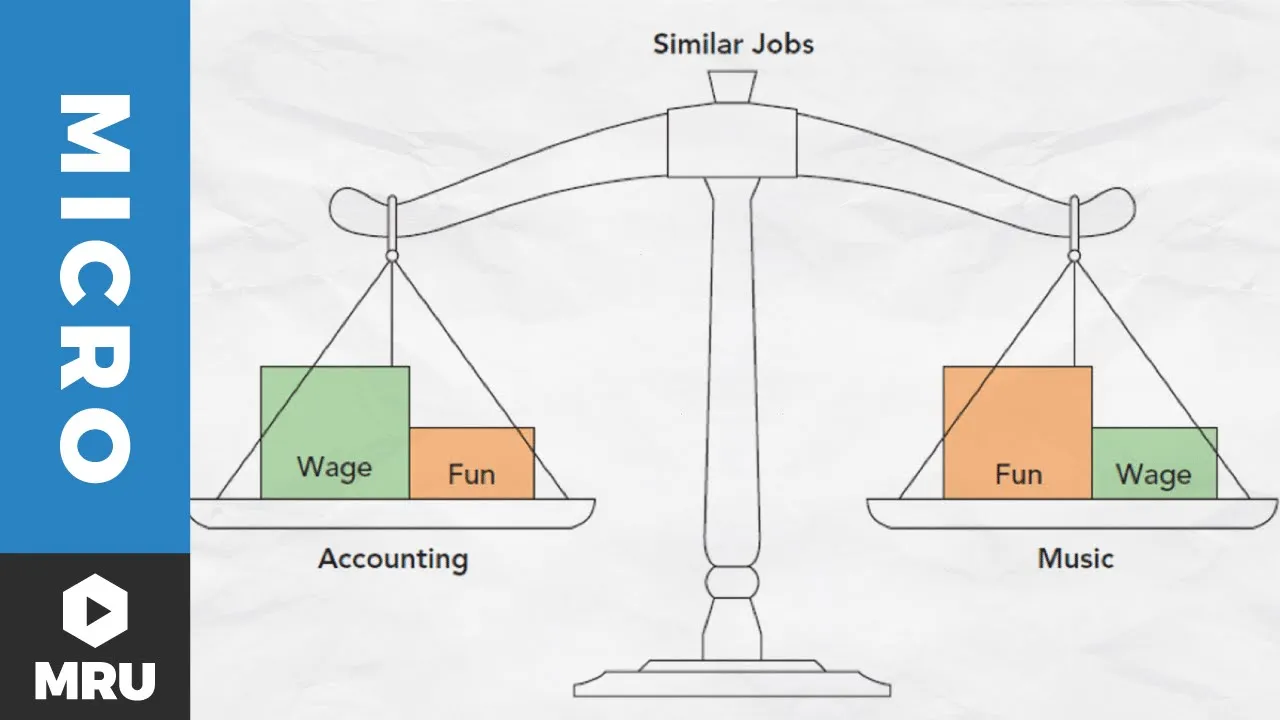
Compensating Differentials: Risk, Wages, and Job Safety in Economics
@MarginalRevolutionUniversity
71.4K views•2015-04-08

Impact of Yuan in Indo-Russian Trade Amid Sanctions
@WION
261.9K views•2022-07-01

Behavioral Economics Explained: Rationality, Nudges, and Risk
@crashcourse
1.1M views•2016-03-12

The Age of Easy Money: Fed & Inflation | Full Documentary
@frontline
21.2M views•2023-03-15
Related Study Plans & Knowledge Roadmaps
Structured learning paths in Economics