



















![Dr. Guilherme Freccia e Fernando Miguel: A Ciência da Nutrição e do Exercício Físico [Ep. 060]](https://i.ytimg.com/vi/TY8O60_lF3U/maxresdefault.jpg)








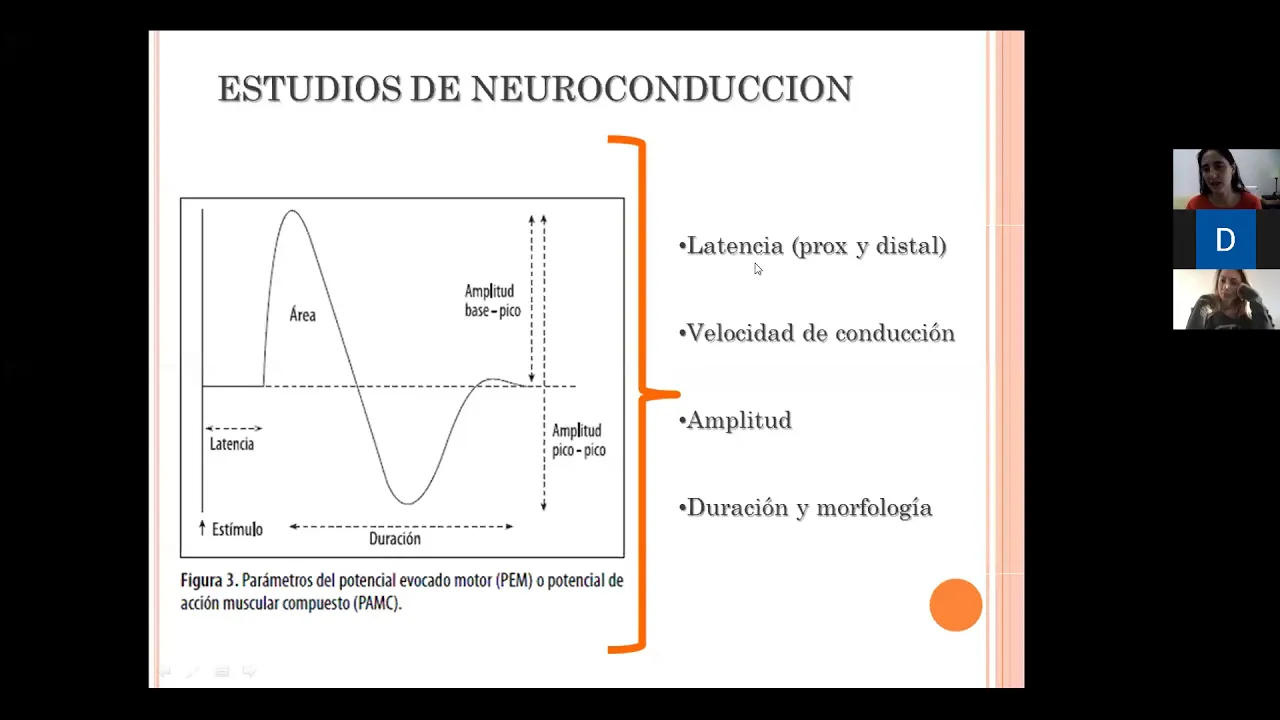
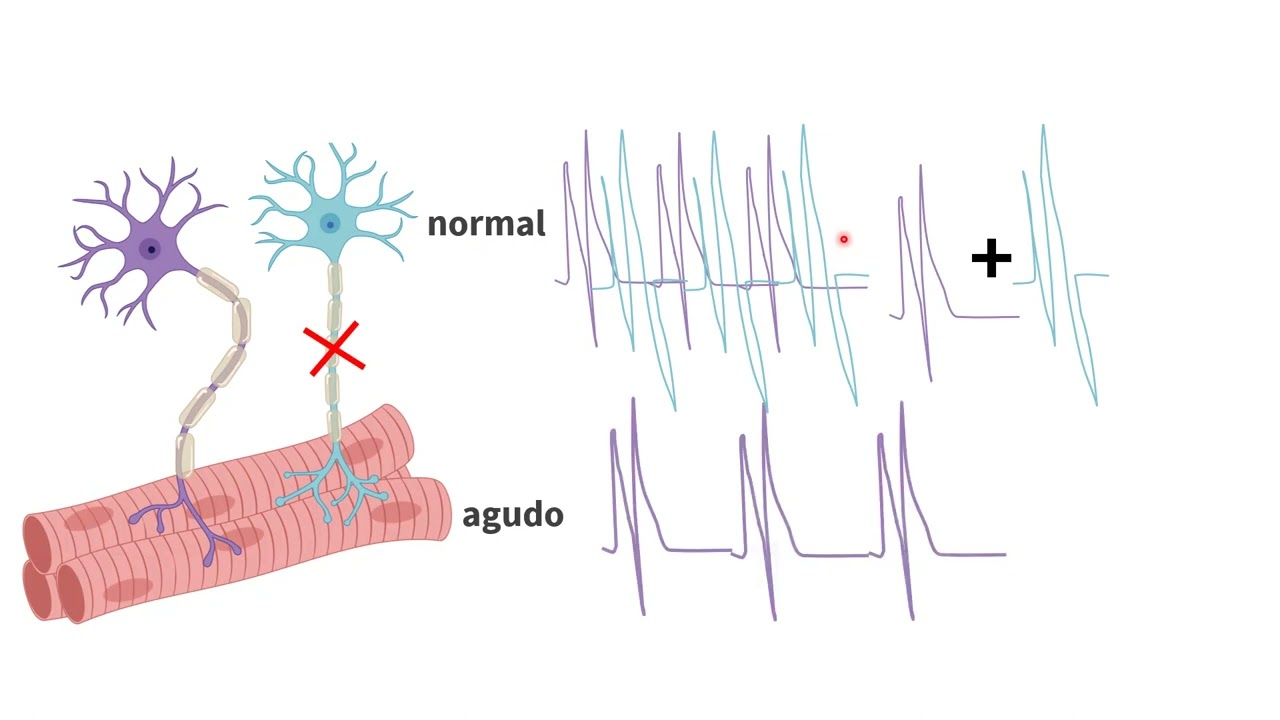
Electromyography (EMG) records the electrical activity of muscles and their supplying motor neurons, using cathode ray oscilloscopes instead of metal needles to detect millivolt fluctuations. In neurogenic disease, denervation causes compensatory hypertrophy of surviving motor units, resulting in increased amplitude during weak contractions and fasciculations/fibrillations; in myopathy, motor units shrink, decreasing amplitude and duration. Muscle hypertrophy refers to increased muscle fiber size, not fiber number, as demonstrated by athletes having thicker fibers rather than more fibers. Rigor mortis occurs approximately four hours after death due to ATP depletion, preventing myosin from detaching from actin and causing persistent muscle rigidity.
EMG Basics, Muscle Hypertrophy, Denervation & Rigor Mortis
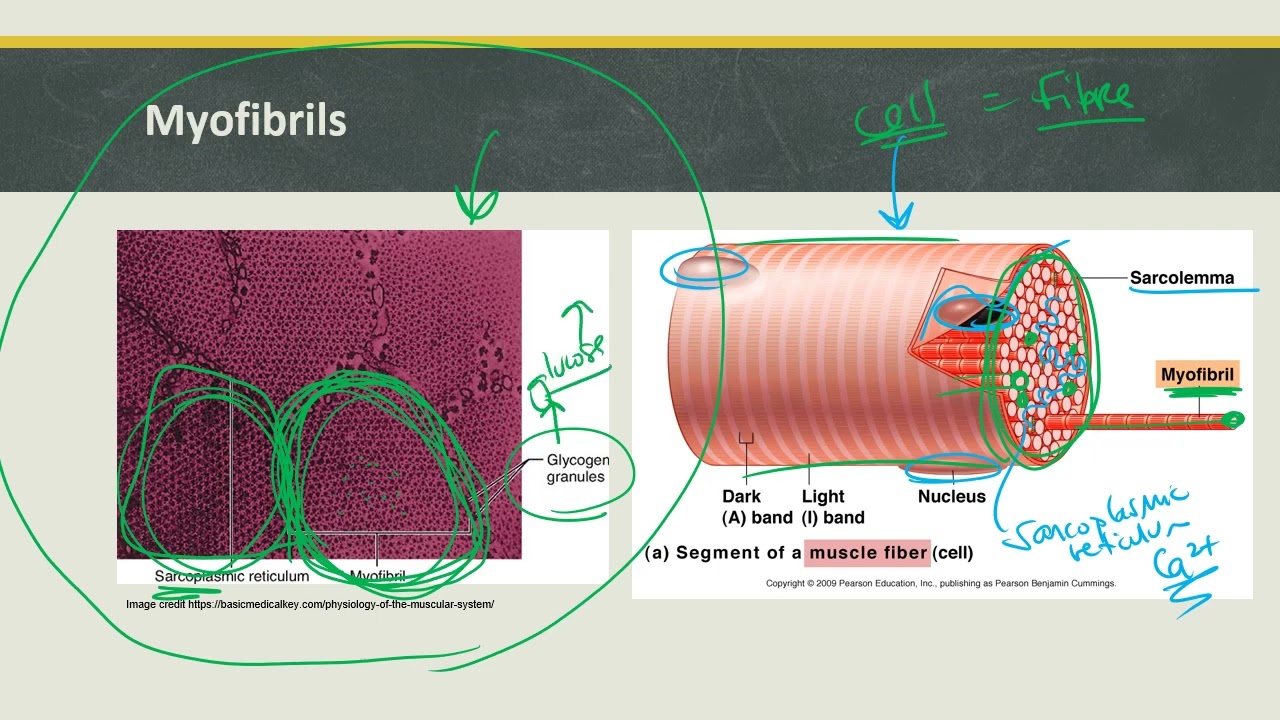
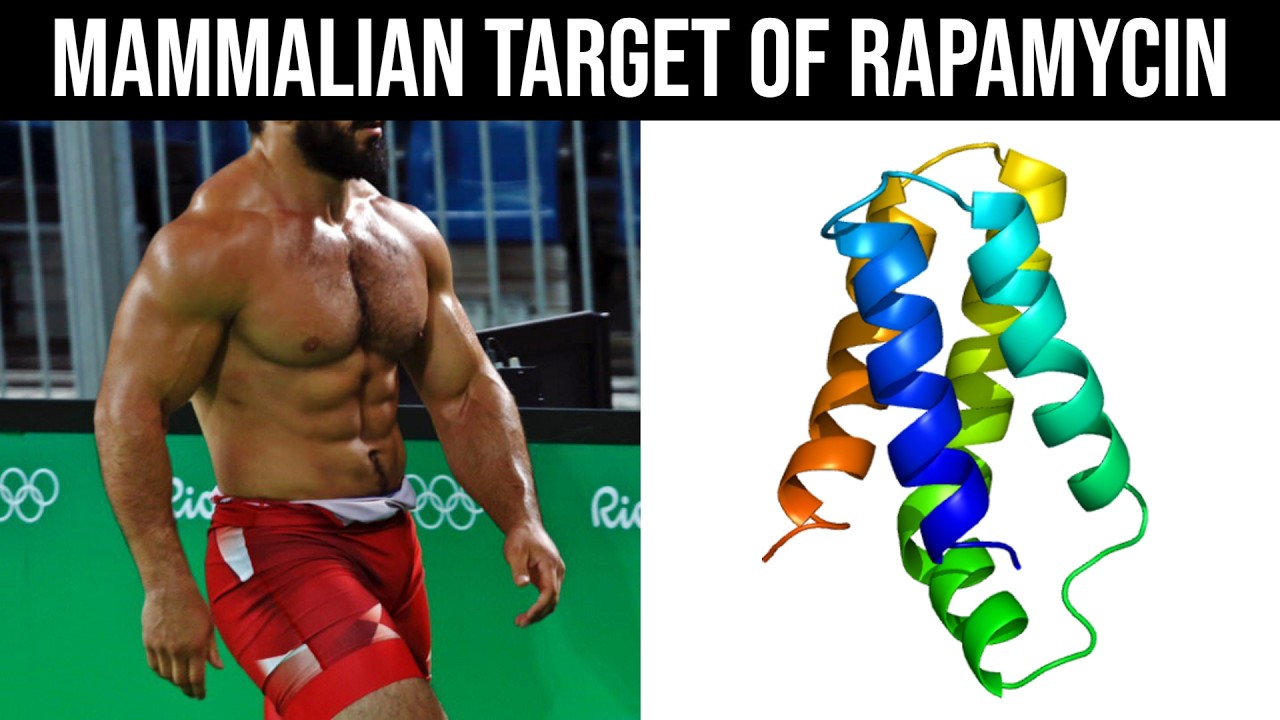
Added:what is going on beautiful people this is mitochosis perfectionist continuing my physiology plays today we'll talk about the basics of electromyography we will talk about muscle hypertrophy and what's going to happen to your muscle if the nerve is toast moreover we'll mention rigor mortis quickly now let's get started this is my physiology playlist today's video is video number 57 please watch them in order electromyography or amg why do we have it well to record the electrical activity of muscles and motor neurons not just muscles it's the muscle and the nerve that supplies the muscle how about electrocardiography well it's recording the electrical activity of the heart how about electroencephalogram it's recording the electrical activity of the brain same concept what do we use cathode ray oscilloscope why not a stupid needle like this because the needle is made of metal metal is heavy it has a mass mass has inertia therefore it cannot measure the fine fluctuations that are in millivolts that's why you need a cro and then the electrode sometimes the electrode is outside on the skin sometimes it's a hypodermic needle inside the muscle and sometimes it's both during rest your muscles show little activity but it's not zero activity there is some tone in your muscle even during rest and then the doctor or the technician will ask you hey patient please contract your muscles and then they contract and then contract more what happens as you increase your muscle contraction they will increase the frequency of nerve impulses the motor unit and increase number of contracting motor units the concept of the motor unit was discussed before let's review the motor unit real quick what's the definition well the motor neurone is the nerve and the muscle okay it's the nerve fiber and all the muscle fibers supplied by that nerve fiber since your back muscles are gross i mean i don't mean disgusting i mean like big crude movements that are not fine then you can use one neuron for every 200 muscle fibers however in the eye oh they need very teeny tiny precise finer movements so therefore each nerve fiber supplies only about three muscle fibers here's a trick question a patient with muscle weakness went to get an electromyography in the beginning with weak contractions the waves amplitude was low but with repetitive stronger contractions the amplitude of the wave increased tremendously what's the most likely diagnosis and the answer is this is lambert eaton myasthenic syndrome we will discuss that in detail in video number 59 and the title will be clinically oriented physiology here is a nerve here is a muscle can you tell me what's the purpose of the nerve oh i know medicosis the nerve has only one function it is to stimulate the muscle shut up even my grandma can say that there is another purpose doofus what's that the nerve also inhibits the muscle how come the nerve secretes acetylcholine to stimulate the muscle correct yeah i already know that moreover the nerve will also destroy the acetylcholine inhibiting the muscle contraction oh that's impressive do you know what's going to happen if the nerve did not destroy the acyl colon what's going to happen you will die from what from the same symptoms of organophosphate poisoning and the acronym is dumbbells diarrhea urination meiosis bronchospasm bradycardia aemesis like cremation sweating salivation and this can kill you if you did not destroy your acetylcholine after contraction so what happens if you lose that nerve oh i know mitochosis the muscle will not contract that's true more importantly you can suffer from what loss of inhibition because the cholinesterase that was attached to the nerve is now gone so you will get what fasciculations and fibrillations due to loss of inhibition and that is huge what's the difference between fasciculation and fibrillation that's easy you know sometimes i feel like my eyelid is flickering kind of making very very teeny tiny movements that bother me so i go to my doctor doctor i think my eyelid is flickering it's moving like crazy if the doctor looked at them and they were visible to the doctor so medicosis can feel them and the doctor can see them these are fasciculations but if medical cis can feel them however the doctor could not see them this is fibrillation fasciculations are only seen in neurogenic disease when your nerve is toast fibrillations however could be a nerve problem or a muscle problem but if i can't see muscle fibrillations with my naked eye how would i trust that the patient is telling the truth that's why you have an emg doofus here is the normal emg you ask the patient three things number one just relax number two give me some weak contractions number three give me robust full contractions to the maximum of your capabilities during rest what should happen normally almost no activity notice i did not say zero activity because there is normal muscle tone even when you are not contracting your muscle uses some atp to maintain the tone and to maintain the heat and to keep your optimum body temperature at 37 degrees celsius what happens when the patient contracts muscles weekly recruitment of more motor neurons oh yeah you're using more nerves and more muscle fibers and it will give you waves like this similar to the ekg or ecg on the x-axis you have time or duration on the y-axis you have the amplitude or the strength of the wave why do waves have different shapes because we are using different motor units not all of your neurons are the same and your muscle fibers are not created equal what does the freaking amplitude represents the number of muscle fibers within every single motor unit the greater the number of muscle fibers the greater the amplitude on strong robust full contraction you get overlap and interference that's too many motor units contracting at the same time it looks crazy this was the normal emg let's talk about diseases the disease can hit your nerve or it can hit your muscle right right neurogenic disease the problem is in the nerve myopathy your muscles are toast what's going to happen if my nervous toast decreased number of motor units what was the definition of the motor unit it's one nerve fiber and the muscle fibers supplied by that nerve fiber so if the nerve is gone the motor units are gone how about the motor units that are not gone they will get bigger you know what's going to happen to medicosis if medicos mitochosis removed one of his kidneys the other kidney will get bigger it's called compensatory hypertrophy what's gonna happen to your motor unit when you lose muscles okay so in the good old days i had one neurons supplying about three muscle fibers two of them are gone now i'm left with one neuron and one muscle fiber so the size of the motor unit has decreased and this is a huge difference in neurogenic disease the ones that survive get bigger in size but in myopathy they get smaller in size now if this nerve is gone neurogenic disease do you know what's gonna happen other nerves from the surrounding motor units are gonna come and help this poor muscle isn't that awesome when you lose a nerve you lose the stimulation to the muscle moreover you lose the inhibition to the muscle because the acetylcholiness trace is gone and you will suffer from fasciculations and fibrillations but in myopathies only fibrillations let's say i have myasthenia gravis which is a myopathy would i be able to see the fibrillation the answer is no you cannot see fibrillations by naked eye you can only see them with electromyography here is the emg pattern in neurogenic disease here's the emg pattern in myopathy or myopathic disease let's go neurogenic disease during rest spontaneous activity you know why loss of inhibition the acetyl colonist trace is gone so therefore instead of having almost a flat line you get some crazy activity that's not normal you should have no activity with weak contraction since we have decreased number of motor units but the surviving ones are bigger due to compensatory hypertrophy the amplitude is going to be bigger but in myopathy the size of the motor unit is shrinking so the amplitude is decreasing the duration is decreasing the x-axis and the y-axis are both suffering with robust full contraction decrease interference because there is less nerves decrease amplitude duration and interference because there is less muscles here is normal emg stage 1 during rest weak contraction strong contraction if i have neurogenic disease stage 1 spontaneous activity it starts a flat line like this we have crazy activities due to loss of inhibition in myopathy it's normal which means almost no activity with weak contraction normally is here but if i have neurogenic disease since there is compensatory hypertrophy you'll have a bigger amplitude look at this y-axis it is bigger in myopathy everything is suffering the x-axis and the y-axis they are getting narrower and shorter with full contraction decrease interference here decrease amplitude duration and interference this interference is not as big as the normal interference which makes sense because you lost some muscles duh do you remember the types of cell growth we have hypertrophy hyperplasia metaplasia dysplasia and neoplage let's talk about muscle hyperplasia some people ask me hey medicosis does joe rogan have more muscles than you since he has like he looks more muscular does that mean that he has more muscles than mitochosis the second question that i get is does juror can have more muscle fibers than you the answer to both questions is no i have about the same number of muscles as jerogan which is about 640 muscles in the human body we're talking about skeletal muscles of course and each of my muscles has the same amount of muscle fibers as joe what joe has more than me is thicker muscle fibers so same number but the size is bigger they are thicker he has more myofibrils not myofibers myofibers are the same he has more myofibrils do you remember the hierarchy of muscles yet each muscle has many muscle fibers each fiber has many myofibrils and each myofibril has many myofilaments such as actin and myosin joe has more atp no kidding joe has more creatinine phosphate because his muscle fibers are thicker and creatine phosphate is stored in the muscle so it makes sense also he has more muscle glycogen because he has thicker muscle fibers this is the joe rogan experience what happens to skeletal muscles if you cut the nerve we are talking here about low motor neural nation not to be confused with upper motor neurone lesion if you cut the musculocutaneous nerve that supplies the biceps the biceps will get weaker no kidding eventually it will get paralytic and then muscle becomes flaccid if you touch my biceps very soft and hypotonic the reflexes are diminished muscle atrophy can happen we call this denervation atrophy muscle fasciculations visible by the naked eye and muscle fibrillations invisible by the naked eye only detectably using emg both of them can happen when you cut the nerve neurogenic only fibrillations happen if there is a problem in the actual muscle this is when the cell is growing but what if the cell is not growing you mean atrophy yep we have two types physiological atrophy and pathological atrophy physiological example after menopause there is ovary atrophy that's normal that's expected pathological however generalized all over your body when your entire body is deteriorating this is cancer or starvation or anorexia which is starvation or it could be localized such as disused atrophy if i use my right arm but i'm not using my left arm because it's in a cast or something oh my left arm is going to atrophy there is pressure atrophy let's say that i have some kind of mass that is growing growing growing and growing it's going to occlude its own blood supply causing pressure atrophy there is vascular atrophy when the blood vessel is gone the organ is gone there is neuropathic atrophy when the nerve is gone the muscle is gone if myoradial nerve suffers the triceps is toast there is hormonal atrophy example after bilateral oophorectomy which is surgical removal of both ovaries the breast is gonna atrophy because of lack of estrogen and progesterone rigomortists what's that rigor means rigorous contraction extreme muscle rigidity in the corpse happens about four hours after death and this helps the forensic pathologist estimate the time of death why does regulators happen due to lack of atp do you remember the story of that generation of tension between actin and myosin it was binding bending detachment return you need atp to bend the actin towards the midline which makes sense you also need atp to detach the myosin from the actin after death there is no atp myosin cannot detach from actin that's why you're getting rigid let's review lambert's eaten myasthenic syndrome from picmonic lambert's eaten here is the lamb eaten what's the problem you see that that's the presynaptic neurone okay you have antibodies and thai body against the calcium channels in the presynaptic neuron calcium cow this will lead to decreased release of acetylcholine sc gulchola lambet's agent is a perineoplastic syndrome a parachute and cancer especially small cell lung cancer here is the lung cancer and it's also known as oat cell carcinoma lambert eaten has proximal muscle weakness so your upper arms and your thighs not distal muscles we're talking proximal here the extraocular muscles are usually intact with repetitive contraction lambert etomycin syndrome improves so the patient is miserable in the morning but as the day progresses as you contract and use your muscles more they get better that is lambit eating my scenic syndrome if you like this video you will love my udacoids pharmacology course on my website medicosisperfectsnails.com i also have a cns pharmacology course on the same website thank you for watching please subscribe hit the bell and click on the join button you can support me here or here go to my website to download my courses go to picmonic for some doozy medical mnemonics thank you for watching be safe stay happy study hard this is miracles perfect snails where medicine makes perfect sense
Up Next
Rheumatoid Arthritis vs Osteoarthritis: Key Differences
@ilovepathologyVijayPatho
9.5K views•2024-05-28

Graphic Medicine: Comics for Collaborative Healthcare Communication
@nationalpatientadvocate
189 views•2023-12-04
Petechiae vs Purpura vs Ecchymosis: Causes, Size & Clinical Signs
@MedicosisPerfectionalis
62.9K views•2019-11-13
Stages of Labor and Vaginal Birth | Childbirth Animation
@nucleusmedicalmedia
52.1M views•2017-08-18
Related Study Plans & Knowledge Roadmaps
Structured learning paths in Medicine