








![[코너별 다시보기] 3부 - 내 뇌를 부탁해](https://i.ytimg.com/vi_webp/QmYYV_Ju6YU/maxresdefault.webp)

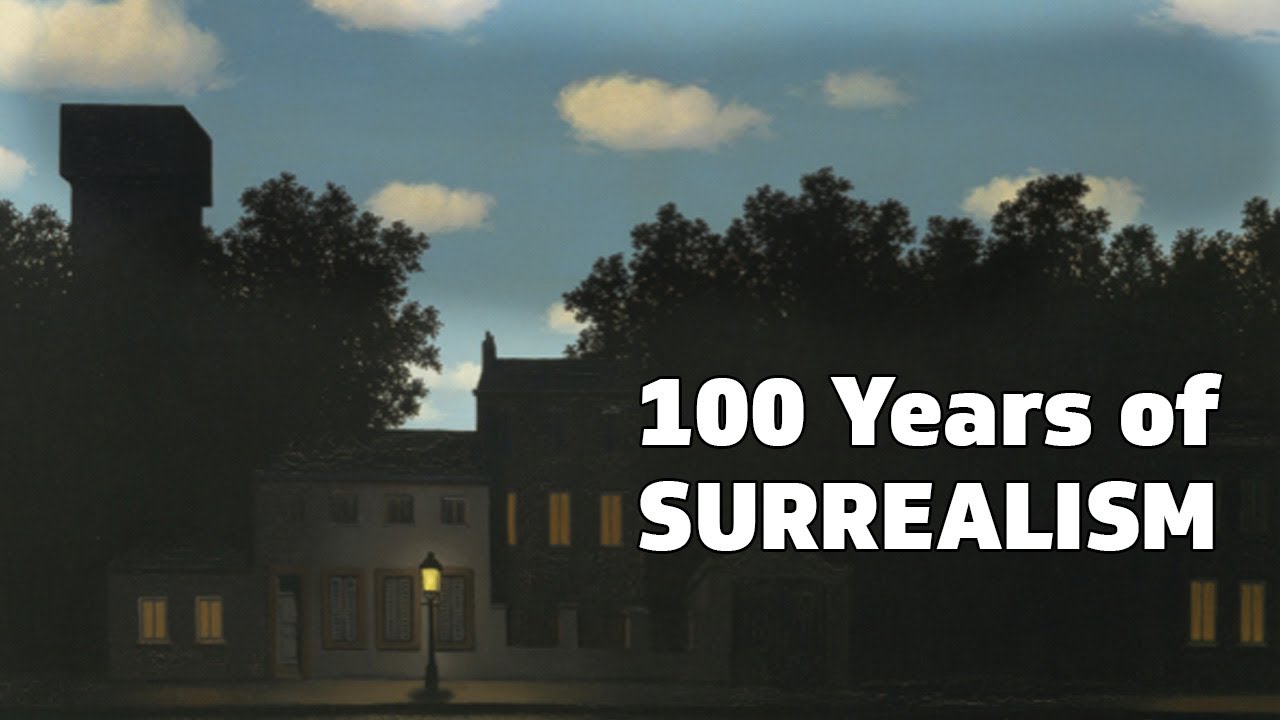






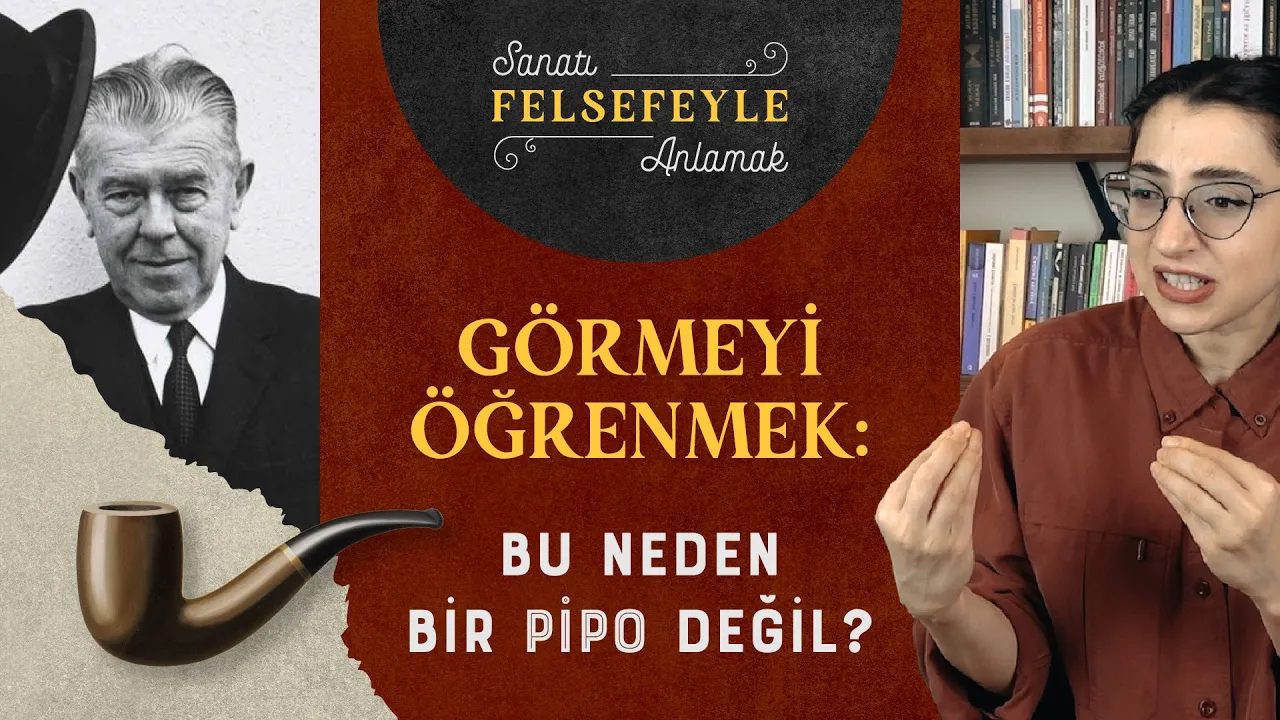
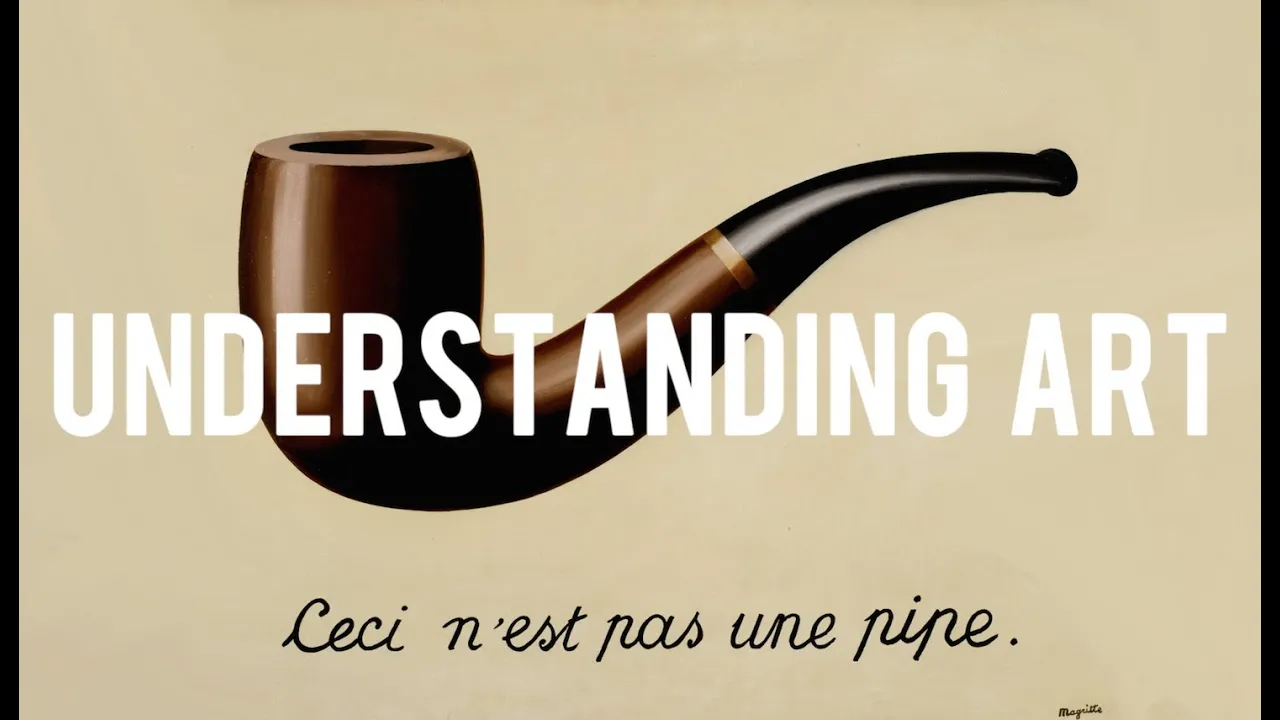
René Magritte (1898-1967), a Belgian surrealist artist, pioneered a distinctive approach to art by placing ordinary objects in unexpected contexts to challenge viewers' perceptions of reality; his famous works like 'The Treachery of Images' (featuring a pipe with the caption 'This is not a pipe') and 'The False Mirror' explore the fundamental tension between visual images and language, demonstrating how the same object can simultaneously be both real and representational, thereby questioning what constitutes truth and meaning in artistic representation.
Rene Magritte: Exploring the Mind of a Surrealist Artist
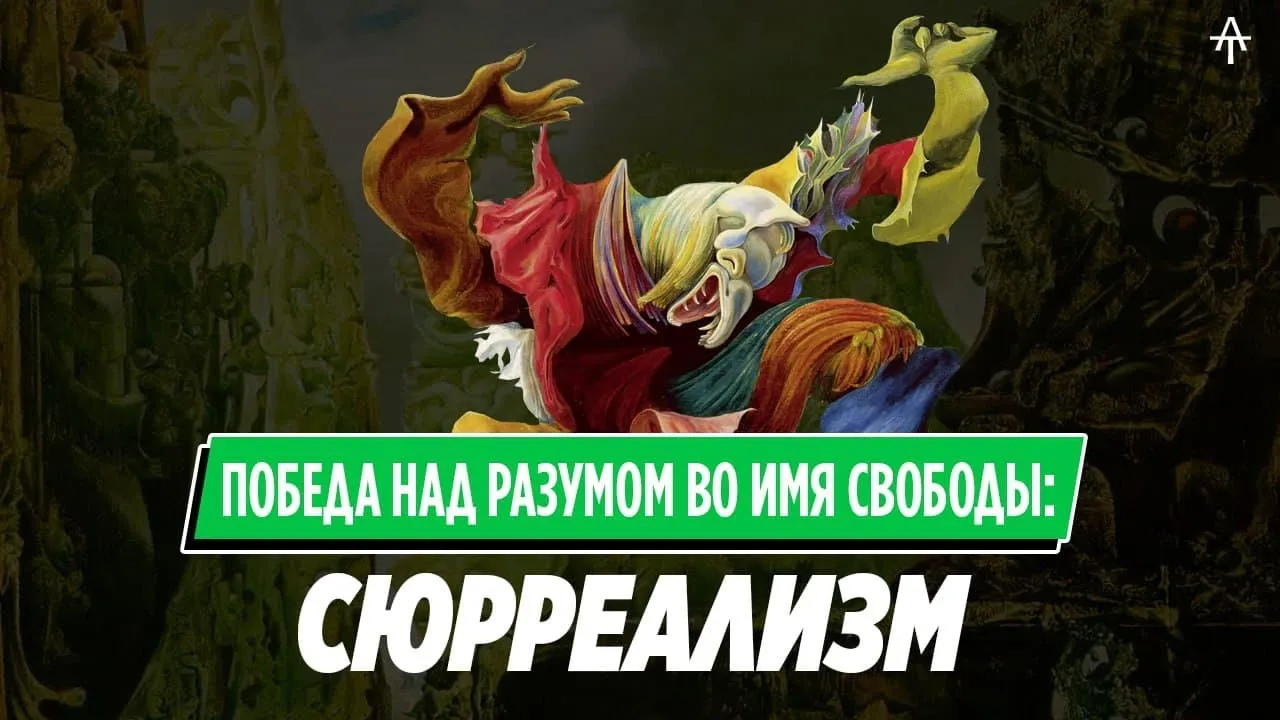
Added:Understanding the core tenets of the early 20th-century Surrealist movement, including the influence of Sigmund Freud's theories on the subconscious mind and dreams.
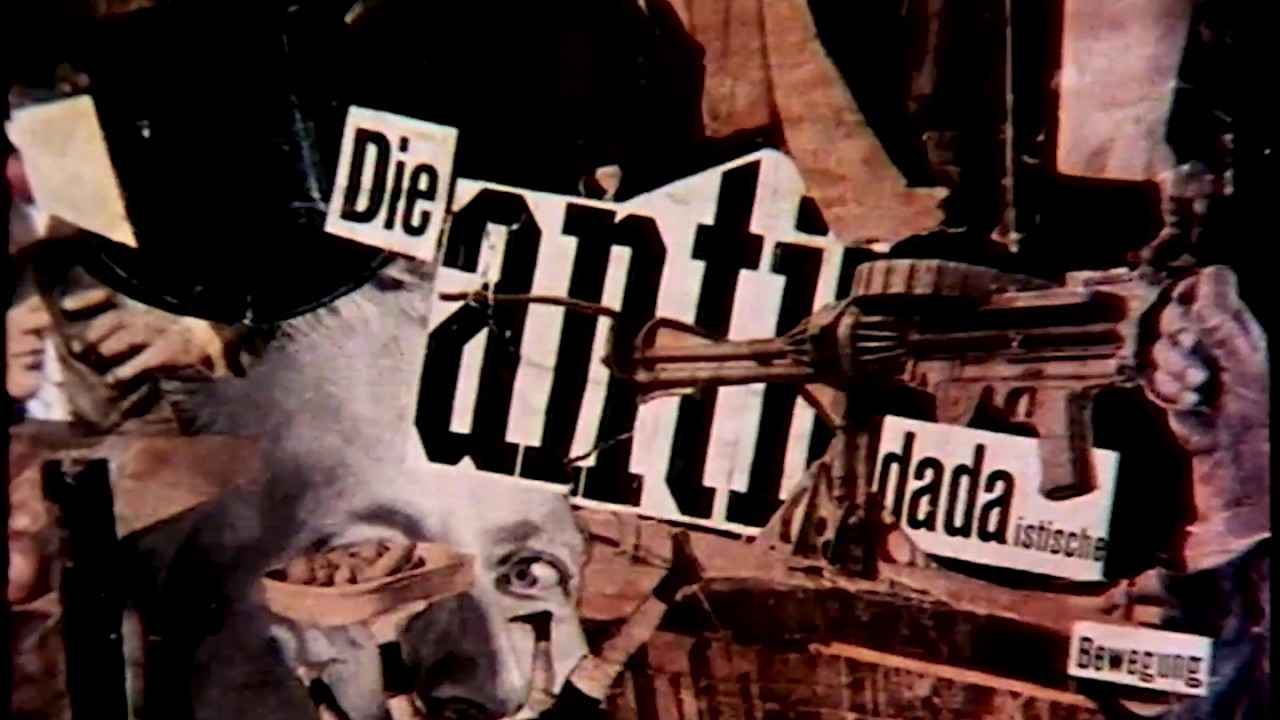
Familiarity with the Dada movement, which rejected logic and traditional aesthetic values, serving as a direct precursor to Surrealism.
Basic knowledge of representational art, particularly how traditional painters used realism to depict the physical world, which Magritte sought to subvert.
Awareness of the historical context of Europe between the World Wars, which fostered a cultural environment of disillusionment and intellectual questioning.
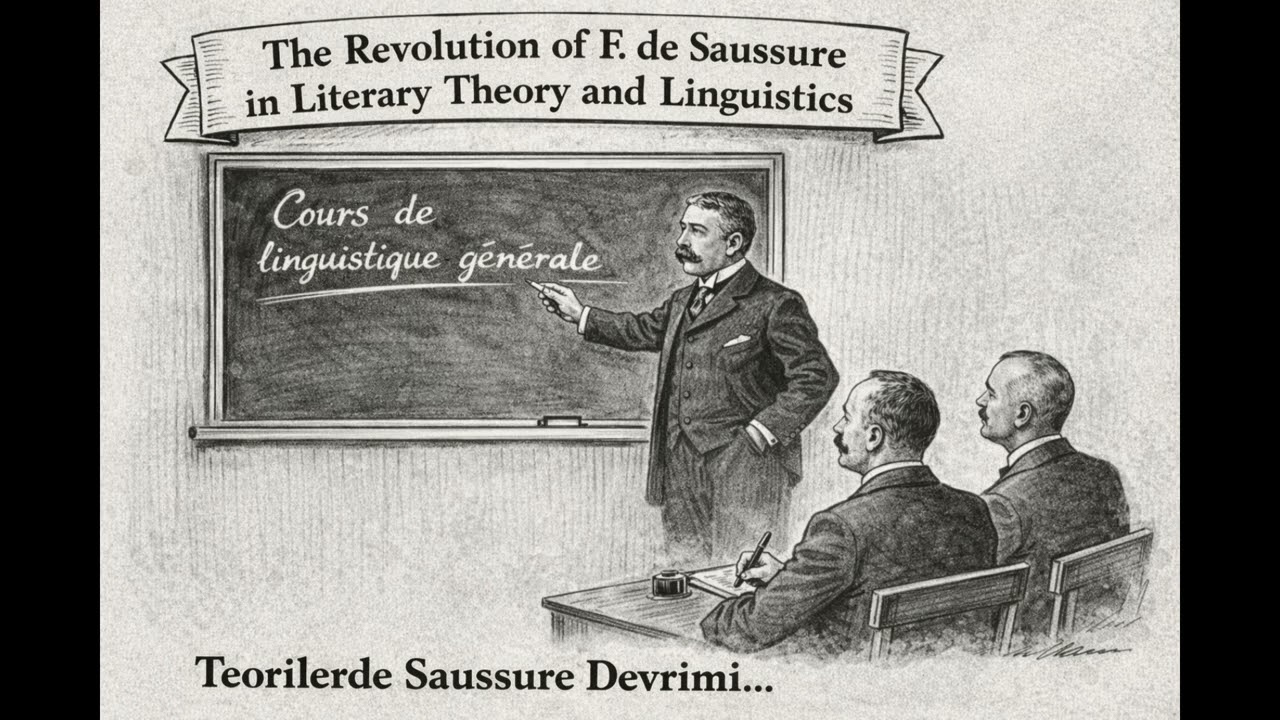
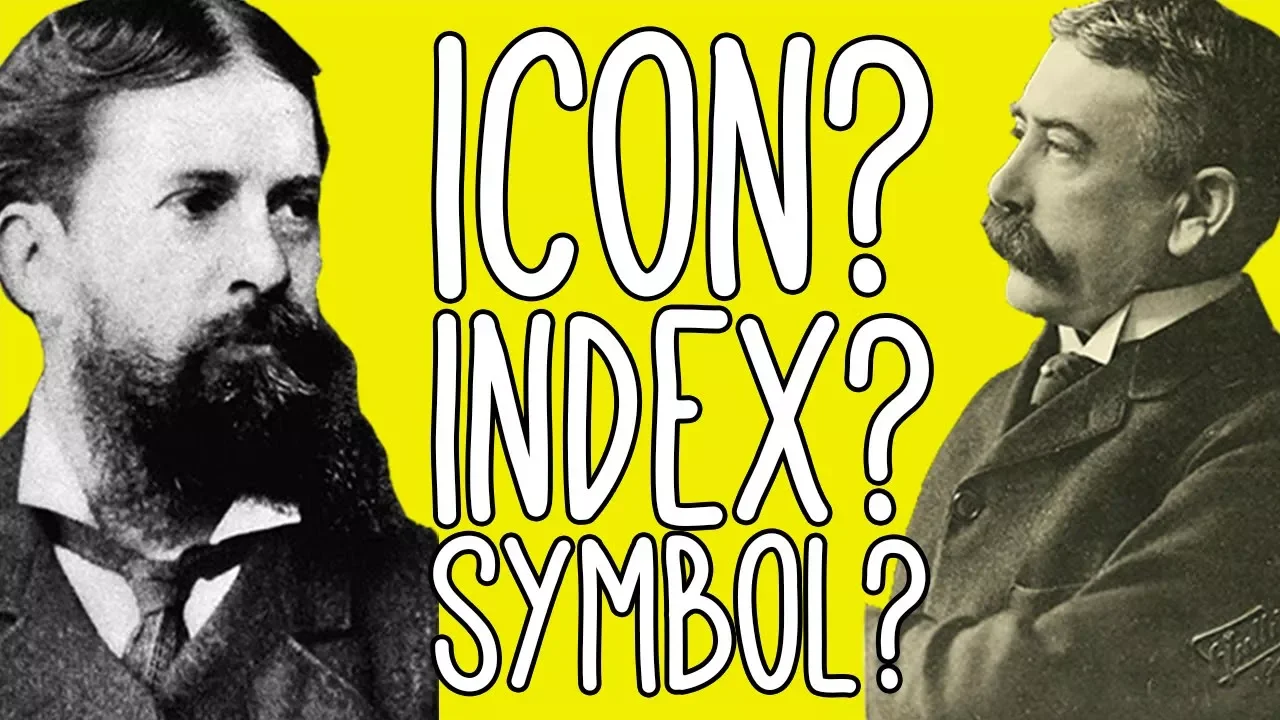
Exploring semiotics and the philosophy of language, specifically analyzing how Magritte's 'The Treachery of Images' aligns with Ferdinand de Saussure's theories of signs and signifiers.
Analyzing Magritte's profound influence on mid-20th-century Pop Art, Conceptual Art, and artists like Andy Warhol and Jasper Johns.
Investigating the adaptation of Surrealist imagery and Magritte's visual tropes in modern advertising, graphic design, and psychological thriller cinema.
Conducting a comparative study between Magritte's cerebral, philosophical approach to Surrealism and Salvador Dalí's psychoanalytical, dream-state approach.
249.5K views8.6Klikes18:08Original Release: 2022-02-28
In the 1920’s a Belgian artist began producing thought-provoking images that challenged peoples’ preconditioned perceptions of reality. His public image of an average man in suit and bowler hat, living in the suburban anonymity of Brussels—was designed to deflect inquiries into his personal life. He shunned all attempts to decode the meaning of his work. The idea doesn’t matter, he said, ‘only the image counts, the inexplicable and mysterious image.’ Welcome to the world of Rene Magritte.
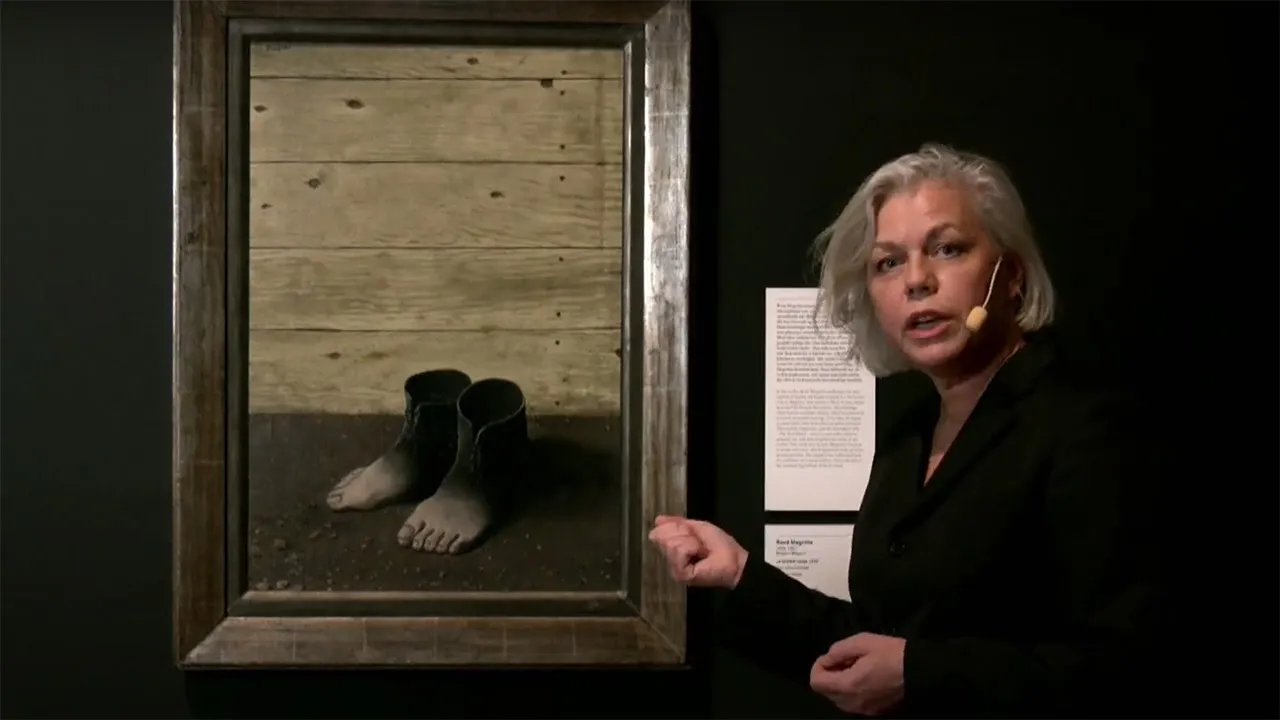
René François Ghislain Magritte was born in Lessines in the Belgium in the province of Hainault on the 21st of November 1898. He was the son of Leopold Magritte, a tailor, and his wife Adeline, who was a milliner. He had two younger brothers, Raymond and Paul. Besides being a tailor, his father also ran a textile manufacturing business which was intermittently successful. But his father was aggressive, an irreverent philanderer and social climber whose behaviour often resulted in periods of financial difficulty. That and the fact he and his three unruly sons, were seen collectively as a “bad lot” by locals meant that between 1902 and 1910 the Magritte family moved several times, first to Chatelet and finally to Charleroi. At the age of 12 in 1910 Rene Magritte began drawing lessons designed for children. But two years later in 1912 tragedy struck when Magritte’s 41 year old mother committed suicide by drowning herself in the river Sambre. This was not the first time she had tried to end her own life; she had attempted it many times, often resulting in her husband Léopold locking her in bedroom for long periods. It is rumoured, that Magritte was present when her body, with the face covered completely by her white dress, was recovered from the river. Whilst this is probably a myth propagated by his governess, the image of a head covered in cloth often occurs in his paintings. Following the death of his mother, Magritte and his two brothers were brought up by a governess and their grandmother. Magritte attended grammar school and it was here in 1913 he first met Georgette Berger who would later become his wife. In 1916 Magritte enrolled at the Academy des Beaux Art in Brussels and stayed for two years. He attended courses by Frans Van Damme, who introduced him to Impressionist Realism and Constant Montald, the symbolist painter. The beginning of 1918 he met various members of the contemporary Belgium avant garde including the poet Pierre Bourgeoise and the abstract painter Pierre Flouquet, with whom he shared a studio for a short period. It was around this time he became interested in the dynamism of Italian Futurism. In 1919 Magritte got to know Theo van Doesburg, the leader of the De Stijl group who had come to Brussels to give a lecture on the Dutch group’s purist theories. Later that year he got engaged to his childhood sweetheart Georgette Berger, who at the time, working with her sister in an artist’s cooperative in Brussels. At the beginning of 1921 Magritte started his military service in Beverloo, Belgium, finishing his tour of duty as a mapmaker in 1922. During this time, he hardly painted at all. Shortly after leaving the military, he married Georgette Berger. Later in 1922 Magritte took a job as a designer at the Peeters-Lacroix wallpaper factory in a Brussels suburb. He worked with the artist and designer Victor Servranckx with whom he co-authored the pamphlet, ‘Pure Art - a defence of the aesthetic’. Magritte’s paintings at this time were heavily influenced by Analytical Cubism as can be seen in this painting, ‘The Model’. He left the wallpaper factory in 1923 to concentrate on designing advertising posters and exhibition stands. He also designed the cover for a volume of poetry by Pierre Bourgeoise whose portrait he painted in 1920. In 1925 Magritte published a periodical inspired by Dadaism, but only one issue was produced. But it was around this time he first saw the work of Giorgio de Chirico and in particular the painting, The Song of Love. Not only was he inspired by the painting, but his work also began to display a similar desolate and mysterious mood that de Chirico created in his own work. During 1926 his transformation into a figurative artist continued. He gave up his advertising work and produced his first successful surrealist painting, ‘The Lost Jockey’. The following year he held his first one man show, at the Galerie Le Centaure in Brussels. Exhibited in this show was the painting that launched his career as a Surrealist painter, ‘The Menaced Assassin’. This painting was influenced by the pre-World War I popular crime fiction film series Fantômas of which Magritte was an avid fan. The placement of two figures that flank the door come from a scene from, The Murderous Corpse, a film from the series’ first released in 1913. It was painted in this deadpan style that would make him famous, each figure appears to be in a state of suspended animation. Its cinematic staging suggests a menacing narrative, but the specifics remain elusive. This conflict between visual details and a coherent meaning makes it difficult to create a logical storyline. This conflict Magritte would exploit in many of his paintings. Whilst some elements of the one-man show were generally well received, Magritte was disheartened by the overall response. So later in 1927 he and Georgette left Brussels and moved to a village near Paris, where they stayed for three years. In Paris, Magritte joined the French surrealist group led by Andre Breton and made friends with Paul Eluard, Hans Harp, Joan Miro and Salvador Dali. Magritte’s father died in 1928, the year the Beaux Art Museum in Grenoble became the first public institution to buy a Magritte painting, ‘Left behind by the Shadow’ which he had painted in 1926. Together with Paul Eluard and his wife Gala, he visited Salvador Dali in Cadaques in 1929. Not long afterwards Gala Eluard who would become Dali’s wife. Magritte enjoyed challenging artistic conventions of representation and with this painting, ‘The False Mirror’ of 1929 Magritte posed a puzzle about observation. The enormous eye fills the canvas. The eye looks at the viewer, while the viewer looks both at and through the eye, as through a window, becoming both observer and observed. The Treachery of Images painted the same year shows a pipe. It could be an advertisement but below the pipe Magritte has painted the words, "This is not a pipe". This seems a contradiction but is actually true. The image is a pipe, but this is a painting, it is not a pipe. Image and language tell different stories urging the viewer, to ask which, if either, is more “real” than the other. Magritte was becoming increasingly disillusioned with the "darker", more extreme subjects of the Parisian Surrealists. By 1930 he felt increasingly ignored by the Parisian Surrealists and after his wife Georgette was publicly criticised for wearing a crucifix, they returned to the more bourgeois and familiar surroundings of Belgian Surrealism. He now had no source of income, so he resumed his advertising work, setting up the advertising Agency ‘Dongo’ with his brother. It was relatively successful, even though the dining room in his flat had to double up as his studio. It was after the break with the Parisian Surrealist group that Magritte began to find his unique voice. He began to find ‘solutions’ to ‘problems’, posed by different types of objects, a method that enabled him to challenge and reconfigure the most commonplace elements of everyday life. He claimed this philosophical method came to him after waking from a dream in 1932. In his semi-conscious state, he looked at a birdcage that was in his room and saw not the bird that inhabited the cage, but an egg. This ‘splendid misapprehension’ as he called it, allowed him to grasp, as he said, ‘a new and astonishing poetic secret’. In 1932 he joined the Communist Party but left shortly afterwards after a difference of opinion. Later in 1934 Magritte’s drawing, ‘The Rape’ appeared on the cover of Andre Breton’s, pamphlet, “What is Surrealism”. Magritte re-joined the Belgian Communist Party in 1936 and designed covers for musical scores. Shortly afterwards Magritte met a young performance artist, Sheila Legge, with whom he began an affair. As a distraction he arranged for his friend, Paul Colinet, to entertain and distract his wife, but this led to an affair between Georgette and Paul. It was not until 1940 that Magritte and his wife were reconciled. During 1937 Magritte visited the banker Edward James in London and painted three large portraits of him. He was also invited to give a lecture at the London Gallery in November 1937 during an exhibition of works by young Belgian artists. Just as Magritte was achieving success and recognition, the Second World War broke out. In 1940 Magritte left Belgium following the German invasion and moved to Carcassonne in France where he painted portraits on commission. However, he returned to Brussels later in the year and his decision to remain in Belgium during the Nazi occupation caused a split between him and André Breton. The suffering and violence caused by the war led Magritte to abandon the darker elements of surrealism. He wrote, "The sense of chaos and panic, which Surrealism hoped to foster so that everything might be called into question, was achieved much more successfully by those idiots the Nazis... Against widespread pessimism, I now propose a search for joy and pleasure." Hence his work became inspired by the palette and voluptuous nudes of Pierre-Auguste Renoir. This was a heroic attempt to explore the more beautiful side of life. Works from this period, such as The Return of the Flame and The Clearing, demonstrate this move, with their brighter palettes and more impressionistic technique. In 1943 he exhibited the first pictures of his Renoir period, but using a bright and impressionistic palette as a subversive response to the horrors of the war, did little to improve his finances. Money was tight. To supplement his income, he began to forge currency. He also started to forge Old Masters and the modern artists Max Ernst, Paul Klee, Georges Braque and Picasso. Most of his efforts were fairly obvious fakes. But after Magritte’s death the artist Marcel Mariën wrote an article exposing Magritte’s forgeries and his own complicity in the enterprise. Georgette was outraged and sued Mariën, but lost the case. In 1945 Magritte re-joined the Belgian Communist Party. His painting, “The Red Model” appeared on the cover of the new edition of Breton’s surrealism and the painter. In 1946 the Belgium surrealists, including Magritte, published the first manifesto of ‘Surrealism in full Sunlight’, which proposed an optimist form of surrealism. Andre Breton reacted negatively to their ideas, so Magritte and his friends began to distance themselves from the Parisian surrealists and his indulgence with the Belgian Communist Party finally ended. Rene Magritte described his paintings as visual images which conceal nothing. They evoke mystery and indeed when one sees one of my pictures one askes oneself this simple question. ‘What does that mean? It doesn’t mean anything because mystery means nothing.’ In 1951 Magritte was commissioned to paint murals for the Knokke Casino, in Knokke a small town on the Belgian coast. The casino was a late-1920s building that was badly damaged during the War but had renovated. Magritte created a giant 360° mural, comprising eight panels called, “The Enchanted Domain”. It was a celebration of some of his best-known images. To create the enormous work Magritte used colour transparencies to project the images on to the walls and interior decorators actually did the painting. During the 50’s Magritte bought a lot of expensive photographic equipment and began making a series of short films, some had scripts which he wrote with friends and were often based on his paintings. That year Magritte was awarded the Guggenheim prize for Belgium artists. In 1957 Magritte created the mural, “The Ignorant Fairy” for the Palais de Beaux Arts in Charleroi. It was created using the same methods and techniques as the mural of 1953 and was over 16 metres wide. Greater success now allowed him to move to 97 rue de Mimosas, a much bigger house where he remained until his death. Even though he now had the space, he still retained the habit of painting in the dining room, dressed in his suit and bow tie. Around 1963 Magritte was diagnosed with pancreatic cancer, but he continued to paint. He still travelled, visiting Italy with Georgette in April 1965 and later that year, despite deteriorating health, the Magrittes’ visited the U.S.A for the first time to see Magritte’s retrospective exhibition at the Museum of Modern Art in New York. After a short stay in hospital Magritte died in his own bed of pancreatic cancer, on the 15th of August 1967 at his house on the Rue des Mimosas in Brussels. He was 69 years old. Earlier that year he had visited Italy to complete and sign the wax models for eight sculptures, which were to be made at the Verona forge works. Unfortunately, he never lived to see the final bronzes. Magritte was working on this unfinished painting when he died. The uncompleted painting remained on its easel in the dining room until the death of Georgette Magritte in 1986. The Magritte Museum which opened in Brussels in 2009 holds over 200 of Magritte’s paintings, drawings and sculptures, and is well worth a visit. Thank you for watching. I hope you have enjoyed it. If you would like to see more of my videos, why not subscribe? It’s free. And clicking the little black bell will tell you when my next video is released. If you want to support the making of my videos, then please check out my Patreon Channel where you can find lots of interesting rewards in return for your patronage. Thanks again. I’ll see you in the next video. Goodbye.
Up Next

7:38
MetaMask Tutorial: Setting Up a Crypto Wallet for Ethereum
@CoinGecko
273K views•2022-04-15

12:54
Triumph of Orthodoxy Icon: Byzantine Art & History Explained
@BenCallan
2.1K views•2024-08-06

9:49
FastAPI vs Flask vs Django: Choosing the Right Python Web Framework
@TechWithTim
302.5K views•2024-05-26

1:42
Game of Thrones Opening Credits: A Cinematic Analysis
@gameofthrones
46.3M views•2011-04-18
Related Study Plans & Knowledge Roadmaps
Structured learning paths in General & Interdisciplinary Studies
general-studies
Elevator Engineering: History, Physics & Cities
01From Hoists to Safety Brakes: The Dawn of Vertical Lift
02Hydraulic vs. Traction: The Engineering Physics of Elevators
03Modern Speed, Safety, and Algorithms
+ 2 more learning modules
12h5 modules
Explore Roadmap
general-studies
Rubber: Material Science, History & Geopolitics
01Origins of Natural Rubber & Mesoamerican History
02The Chemistry of Natural Rubber & Vulcanization
03The Geopolitics of the Rubber Boom & Colonization
+ 2 more learning modules
12h5 modules
Explore Roadmap
general-studies
Containerization: Evolution, Logistics & Trade
01Ancient Trade & Bulk Cargo: Amphorae to Barrels
02The Industrial Revolution & Cardboard Packaging
03The Containerization Revolution: Malcom McLean
+ 2 more learning modules
12h5 modules
Explore Roadmap
general-studies
Textile Tech: Evolution, Labor & Global Impact
01Pre-Industrial Textiles: Handloom & Cottage Industry
02Mechanization: The Spinning Jenny to the Power Loom
03The Factory System & Global Labor Transformation
+ 2 more learning modules
10h5 modules
Explore Roadmap