





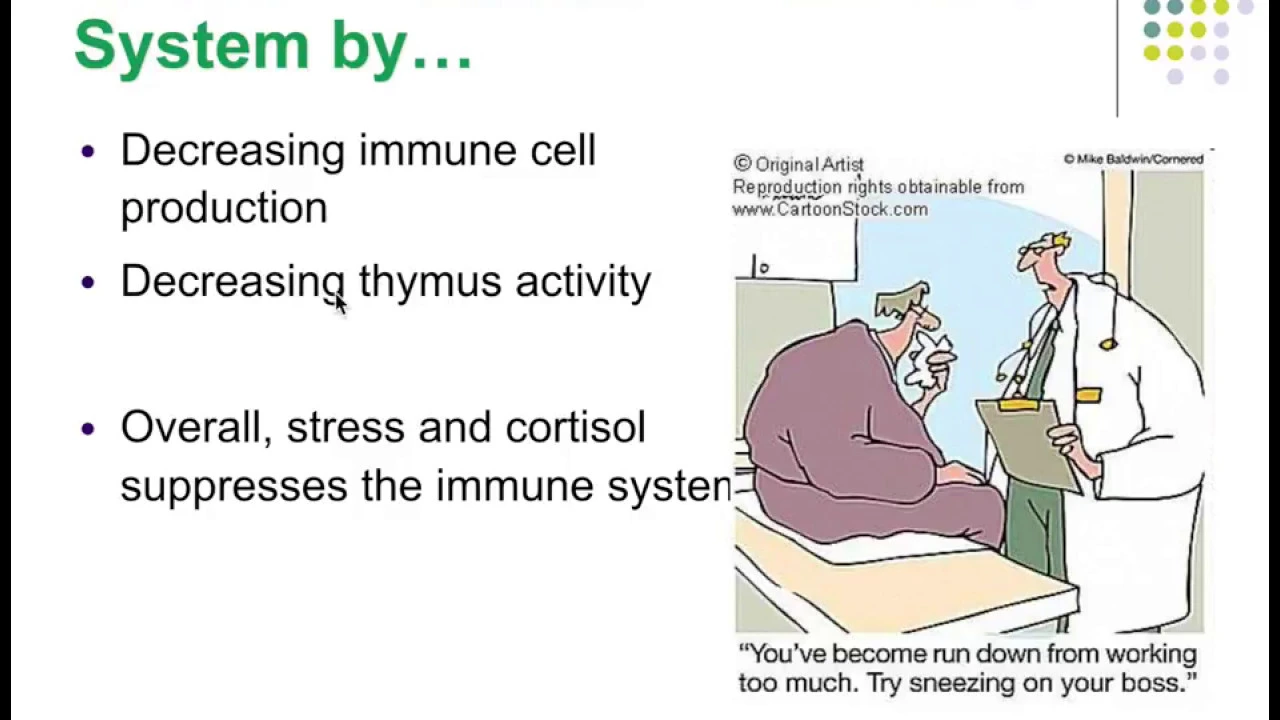




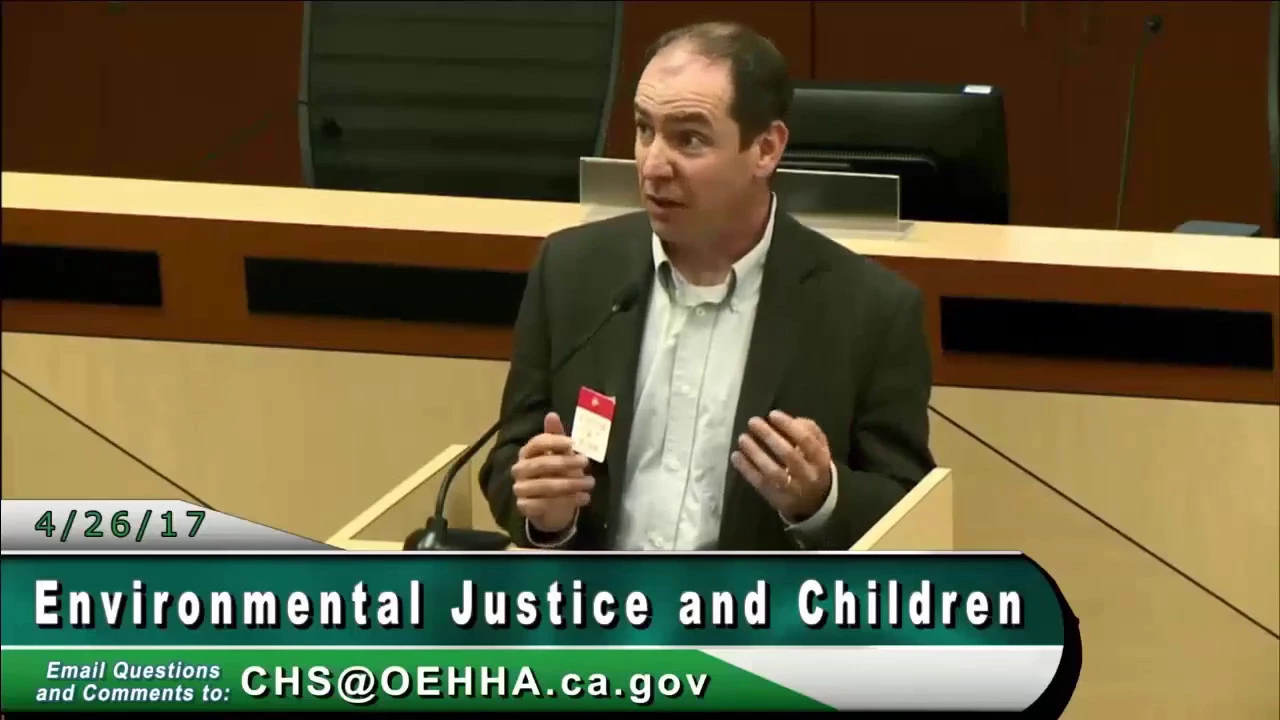









The human stress response, originally evolved for acute life-threatening situations (like escaping predators), activates the same physiological mechanisms (increased heart rate, oxygen delivery, suppressed digestion and reproduction) when dealing with chronic psychological stressors (taxes, public speaking, environmental worries), but unlike animals that can shut off this response after danger passes, humans cannot turn it off, making prolonged psychological stress more damaging than the original stressor itself.
How Stress Response Harms Health | Stanford Neurobiologist
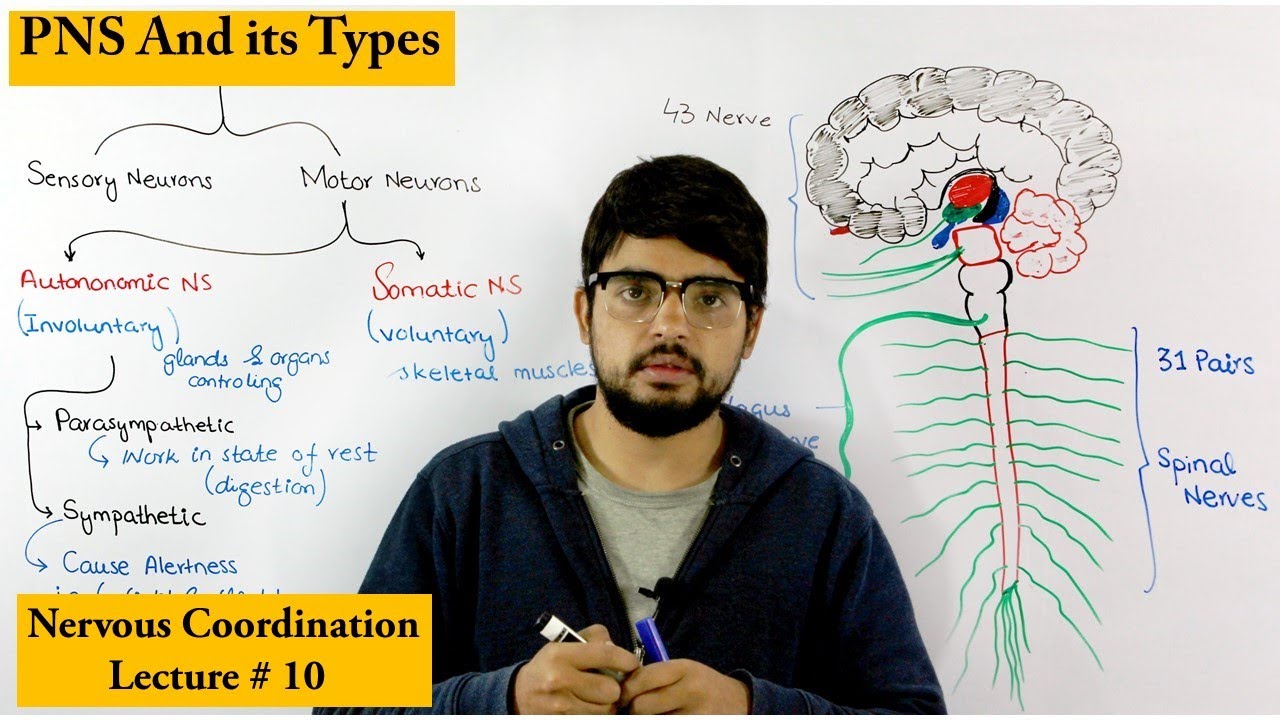
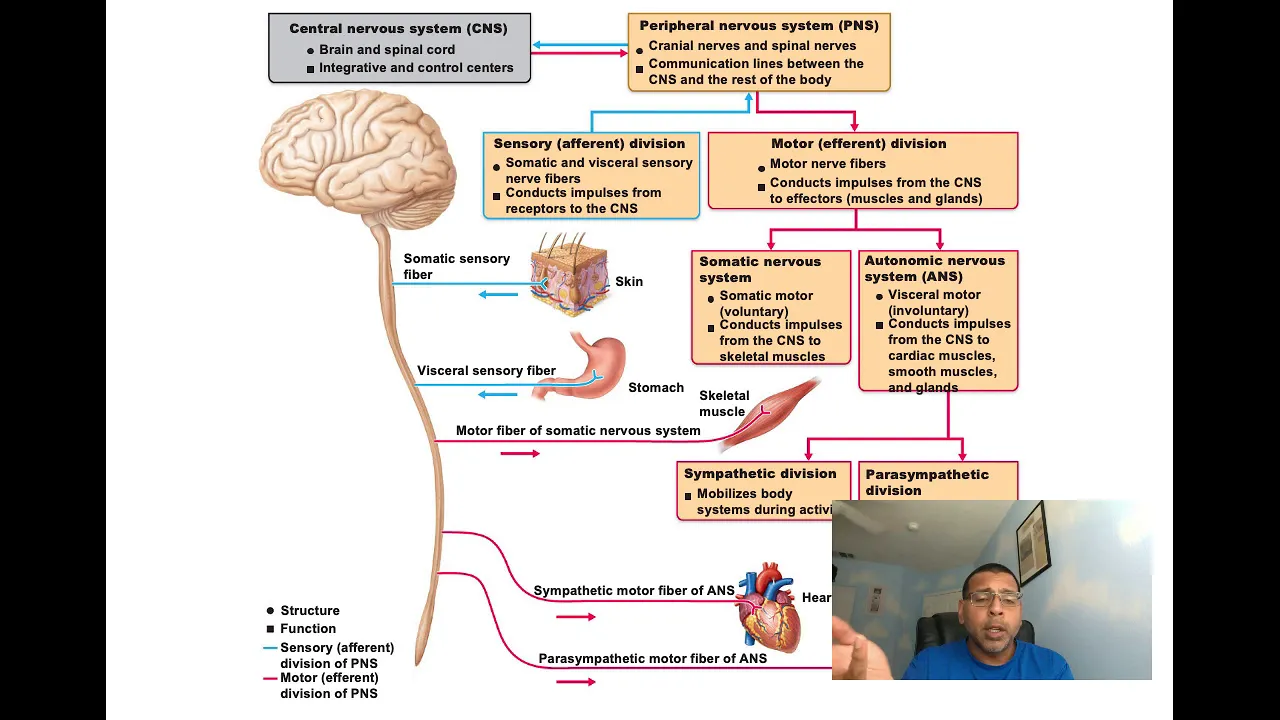
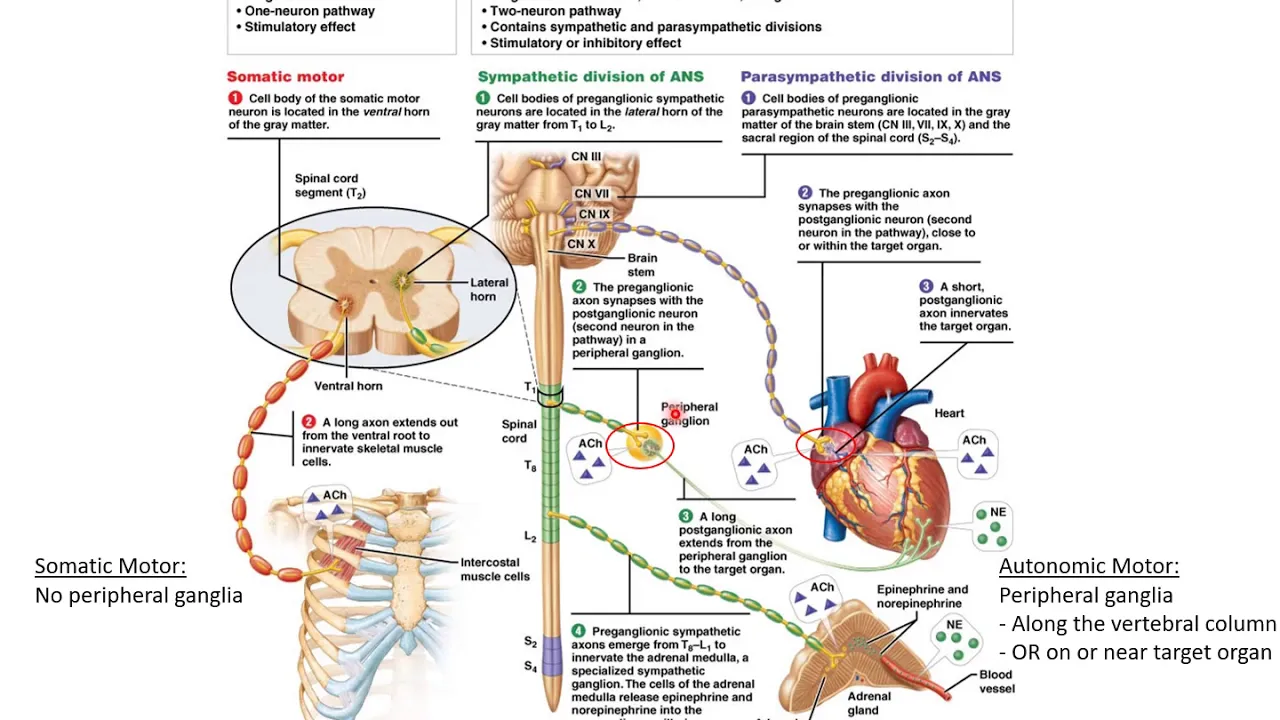
Added:Basic understanding of the Autonomic Nervous System (ANS), specifically the opposing functions of the Sympathetic (fight-or-flight) and Parasympathetic (rest-and-digest) divisions.
The concept of physiological Homeostasis and how the body dynamically regulates its internal environment to maintain stability.
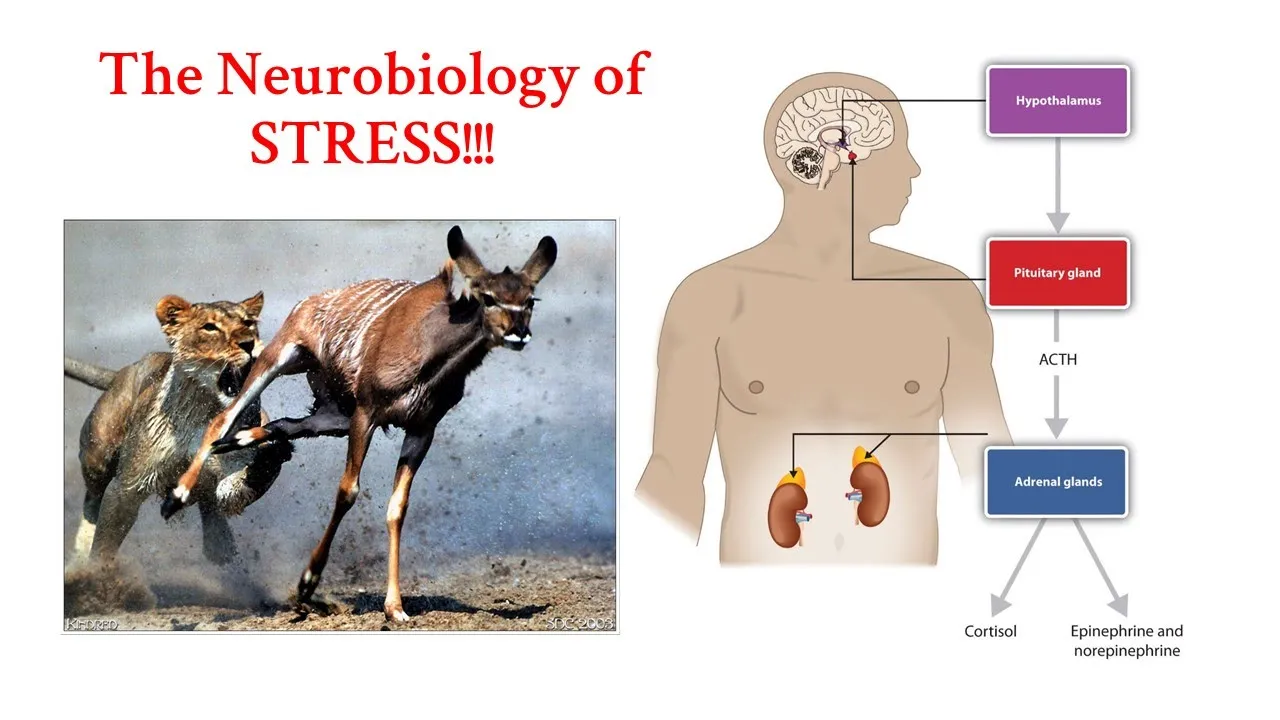
An introduction to the endocrine system, particularly the Hypothalamic-Pituitary-Adrenal (HPA) axis and the role of primary stress hormones like cortisol and adrenaline.
The evolutionary perspective on the acute stress response, understanding how these physiological mechanisms adapted to promote short-term survival in wild animal populations.
The concept of Allostasis and Allostatic Load, which quantifies the long-term cumulative wear and tear on the body's tissues and biological systems due to chronic stress.
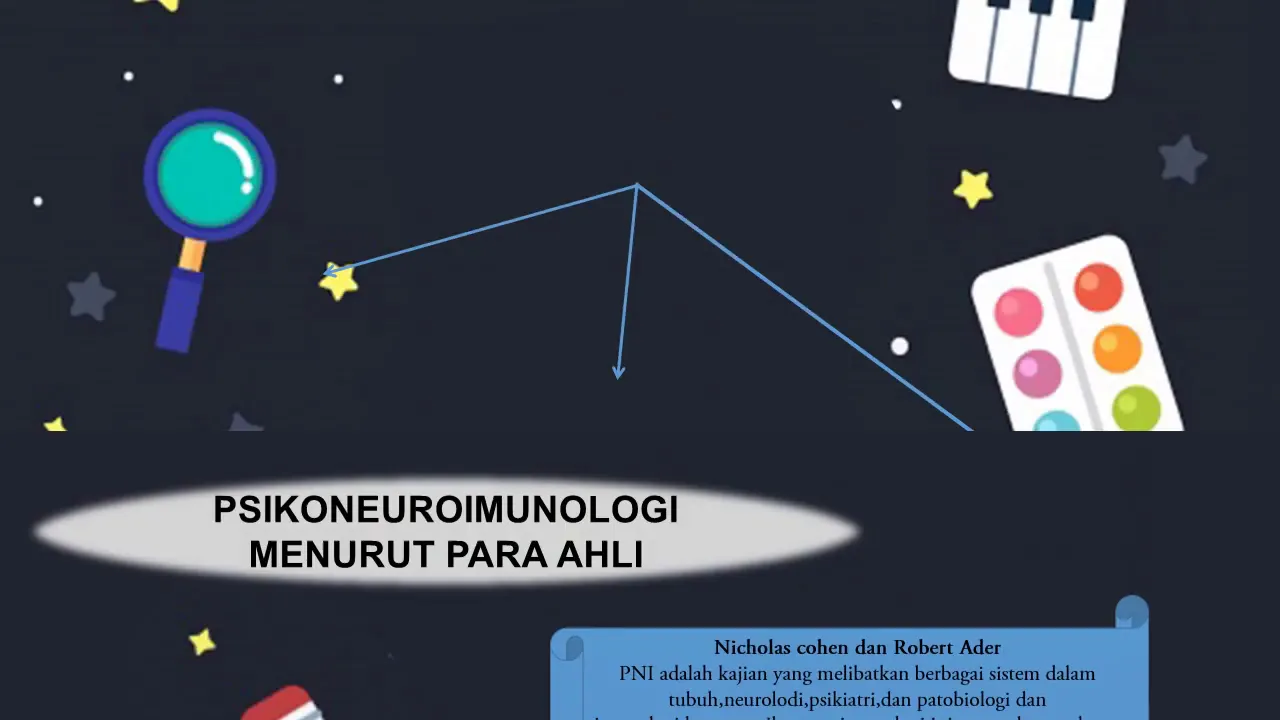
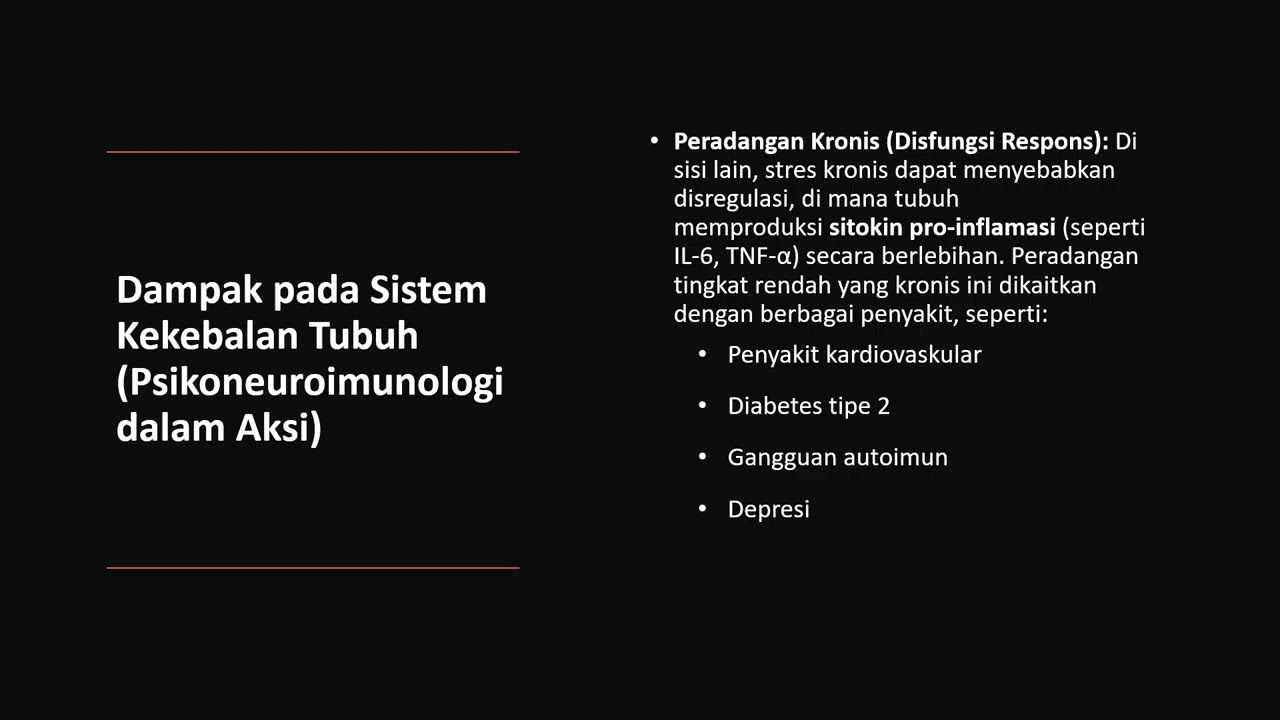
Psychoneuroimmunology (PNI), the multidisciplinary field exploring the specific biological pathways through which psychological stress suppresses and dysregulates the immune system.
The neurological effects of chronic stress on brain plasticity, particularly how sustained high cortisol levels alter structures in the hippocampus (memory) and the amygdala (fear and emotion).
Sociobiological implications of stress hierarchies, studying how social status, subordination, and socioeconomic factors contribute to chronic stress and health disparities in primates and humans.
Evidence-based clinical interventions and behavioral strategies (such as cognitive-behavioral therapy, mindfulness, and neurofeedback) designed to physiologically mitigate the chronic stress response.
239.6K views1.3Klikes5:10Original Release: 2008-09-19
[Music] This program is brought to you by Stanford University. Please visit us at [Music] stanford.edu. If you're a normal mammal, what stress is about is 3 minutes of screaming terror on the savannah, after which it's either over with or you're over with.
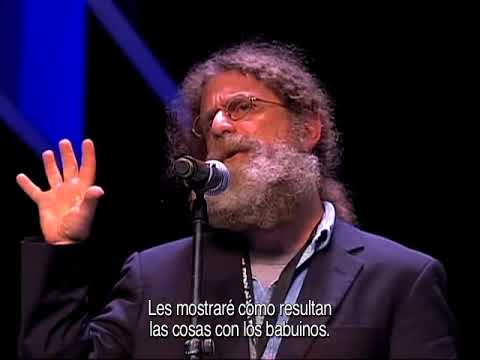
[Music] Over the last three decades, Stanford University neurobiologist Robert Sapolski has been advancing our understanding of stress, how it impacts our bodies, and how our social standing can make us more or less susceptible.
Is the aggregate bad news? Most of the time you can find him teaching and researching in the high achieving high stressed world of brain science.
Is this huge contrast between classical but that's only part of his story. For a few weeks every year or so shifts his lab to a place more than 9,000 miles away on the plains of the Masimara Reserve in Kenya, East Africa.
[Music] You live in a place like this, you're a baboon and you only have to spend about 3 hours a day getting your calories. And if you only have to work 3 hours a day, you got 9 hours of free time every day to devote to making somebody else just miserable. They're not being stressed by lions chasing them all the time. They're being stressed by each other. They're being stressed by social and psychological tumult invented by their own species. They're a perfect model for westernized stress related disease.
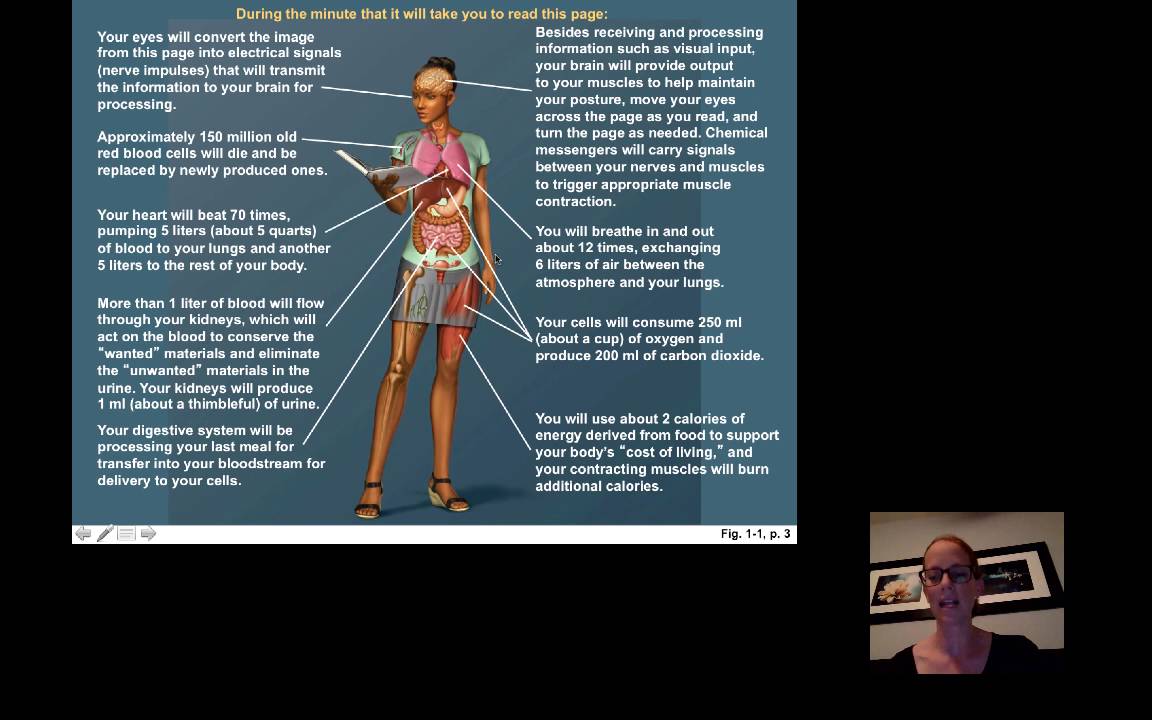
Because what stress is about is somebody is very intent on eating you or you are very intent on eating somebody and there's an immediate crisis going on. When you run for your life, basics are all that matter. Lungs work overtime to pump mammoth quantities of oxygen into the bloodstream.
The heart races to pump that oxygen throughout the body so muscles respond instantly. You need your blood pressure up to deliver that energy. You need to turn off anything that's not essential.
Growth, reproduction, you know, you're running for your life. This is no time to ovulate, tissue repair, all that sort of thing. Do it later if there is a later. When the zebra escapes, its stress response shuts down.
But human beings can't seem to find their off switch. We turn on the exact same stress response for purely psychological states. Thinking about the ozone layer, the taxes coming up, mortality, 30-year mortgages. We turn on the same stress response. And the key difference there is we're not doing it for a real physiological reason. And we're doing it nonstop.
After a while, the stress response is more damaging than the stressor itself because the stressor is some psychological nonsense that you're falling for. No zebra on Earth running for its life would understand why fear of speaking in public would cause you to secrete the same hormones that it's doing at that point to save its life.
[Music] I'm studying stress for 30 years now and I even tell people how they should live differently. So presumably I should have incorporated all of this and the reality is like I'm unbelievably stressed and typ and poorly coping and like why else would I study this stuff 80 hours a week? No doubt everything I advise is going to lose all its credibility if I keel over dead from a heart attack in my early 50s.
Nah, I'm not good at dealing with stress. You know, one thing that works to my advantage is I love my work and I love every aspect of it. So, that's good. But, nonetheless, this is pretty clearly a different place than uh the savannah in East Africa. You know, you can do science here. That's very different and more interesting in some ways. You can have hot showers on a more regular basis. It's a more interesting, varied world in lots of ways, but you know, there's a lot out there that you sure miss.
[Music] The preceding program is copyrited by Stanford University. Please visit us at stanford.edu.
Up Next
56:04
Stress: Portrait of a Killer – Neurobiology & Health Documentary (2008) HD
@LTPTENSIDR
2.9M views•2011-10-16

48:47
Graphic Medicine: Comics for Collaborative Healthcare Communication
@nationalpatientadvocate
189 views•2023-12-04
132:27
Robert Sapolsky: The Biology & Psychology of Depression
@stanford
760.4K views•2024-03-14
3:05
Stages of Labor and Vaginal Birth | Childbirth Animation
@nucleusmedicalmedia
52.1M views•2017-08-18
Related Study Plans & Knowledge Roadmaps
Structured learning paths in Medicine
medicine
Abnormal LFTs: Diagnostic Workup & Pathology
01Liver Anatomy and Basic Physiology
02Introduction to Liver Function Tests (LFTs)
03Hepatocellular vs. Cholestatic Patterns
+ 3 more learning modules
12h6 modules
Explore Roadmap
medicine
Analyzing Blood Smears: RBC, WBC & Platelets
01Introduction to Blood Components & Smear Preparation
02Normal Morphology of Blood Cells
03Erythrocyte Pathologies & Morphological Variants
+ 2 more learning modules
12h5 modules
Explore Roadmap
medicine
Mechanical Ventilation: Waveforms & Alarms
01Anatomy and Physiology of Breathing
02Introduction to Mechanical Ventilation & Core Modes
03Ventilator Settings and Waveform Interpretation
+ 2 more learning modules
12h5 modules
Explore Roadmap
medicine
Neuro Exam: Localization & Stroke Syndromes
01Foundations of Neuroanatomy and Vascular Supply
02The Neurological Examination: Step-by-Step
03Principles of Neurological Localization
+ 3 more learning modules
18h6 modules
Explore Roadmap