





![Роберт Сапольски — Депрессия [Vert Dider]](https://i.ytimg.com/vi/I50bZQcOEzI/maxresdefault.jpg)


![우울증 슬기롭게 이겨내기 | 권미나 도미나 수녀 | 샬트르 성바오로수녀회 대구관구 소속 | [가톨릭 둘레 특강#44]](https://i.ytimg.com/vi_webp/L5Sw1c1lIA8/maxresdefault.webp)








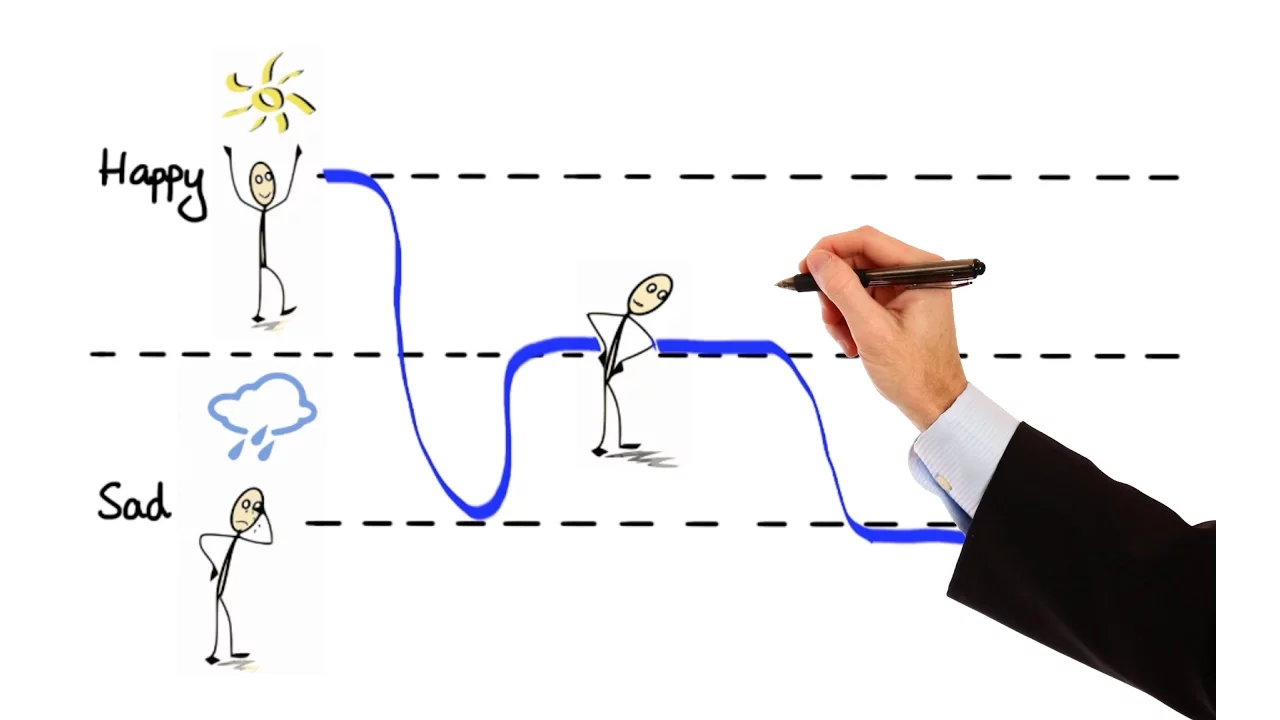
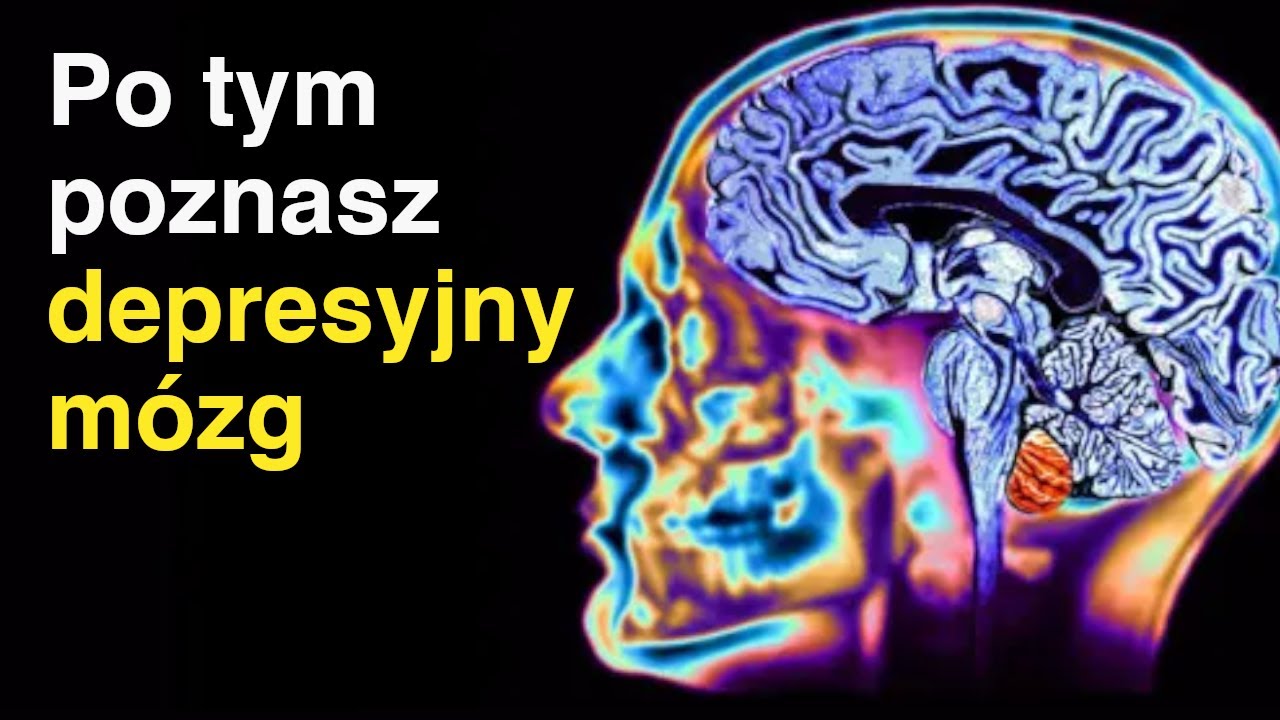







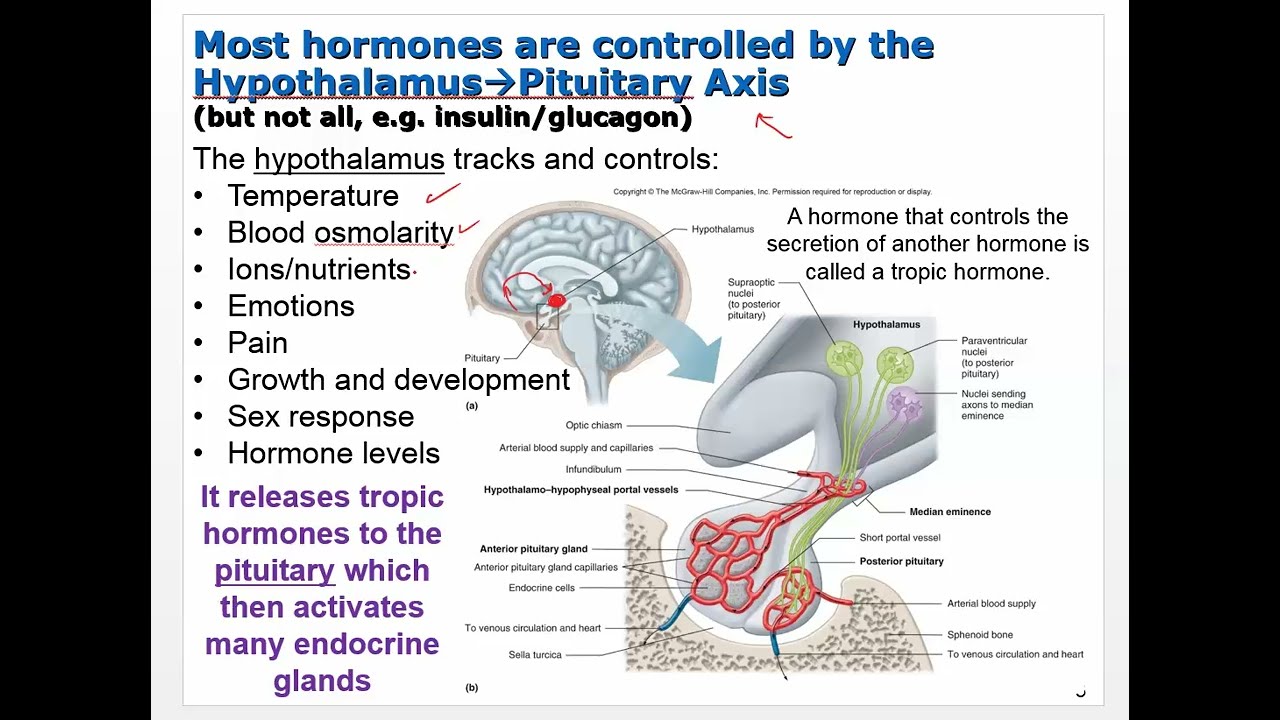
Depression is a serious biological medical disease characterized by anhedonia (inability to experience pleasure), cognitive distortions, rumination, psychomotor retardation, and vegetative symptoms; it involves complex interactions between neurotransmitter systems (serotonin, norepinephrine, dopamine, glutamate), brain circuits (mesolimbic dopamine system, default mode network, amygdala, anterior cingulate cortex), and neuroendocrine systems (glucocorticoids, thyroid hormones, ovarian hormones), with genetic vulnerabilities interacting with environmental stressors (particularly early-life adversity) to produce the condition, requiring integrated biological and psychological approaches for effective treatment.
Robert Sapolsky: The Biology & Psychology of Depression
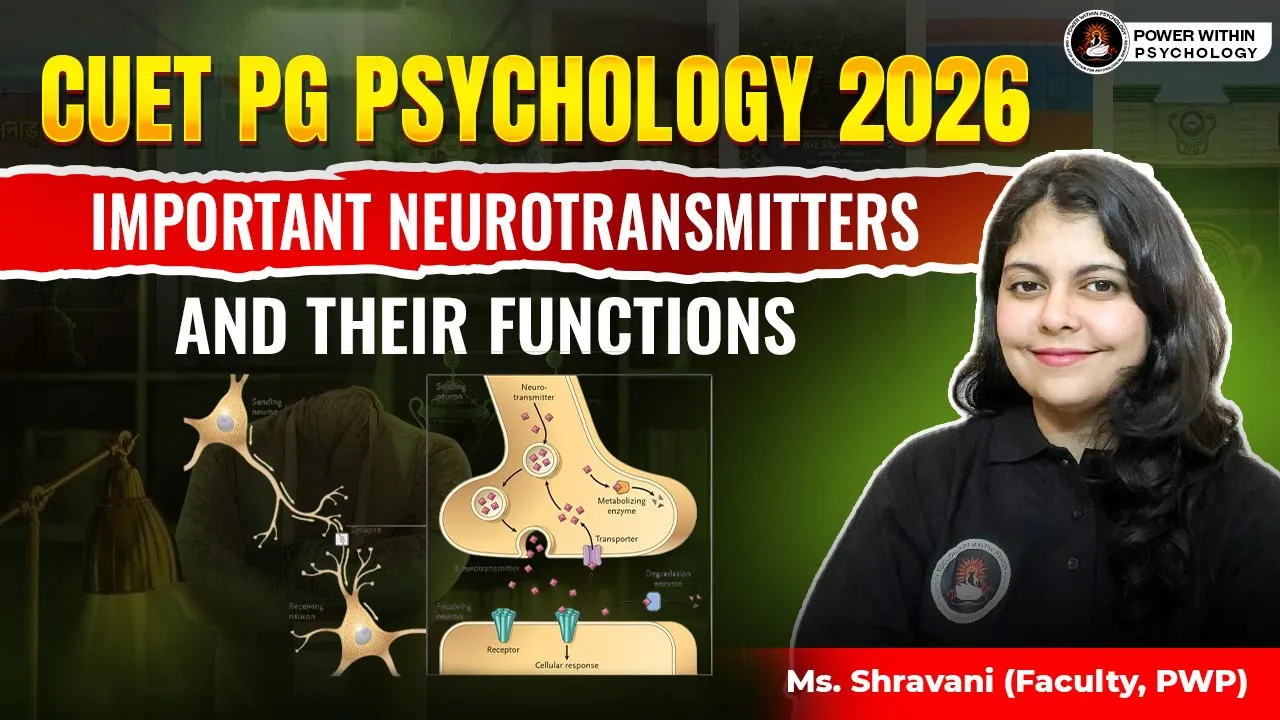
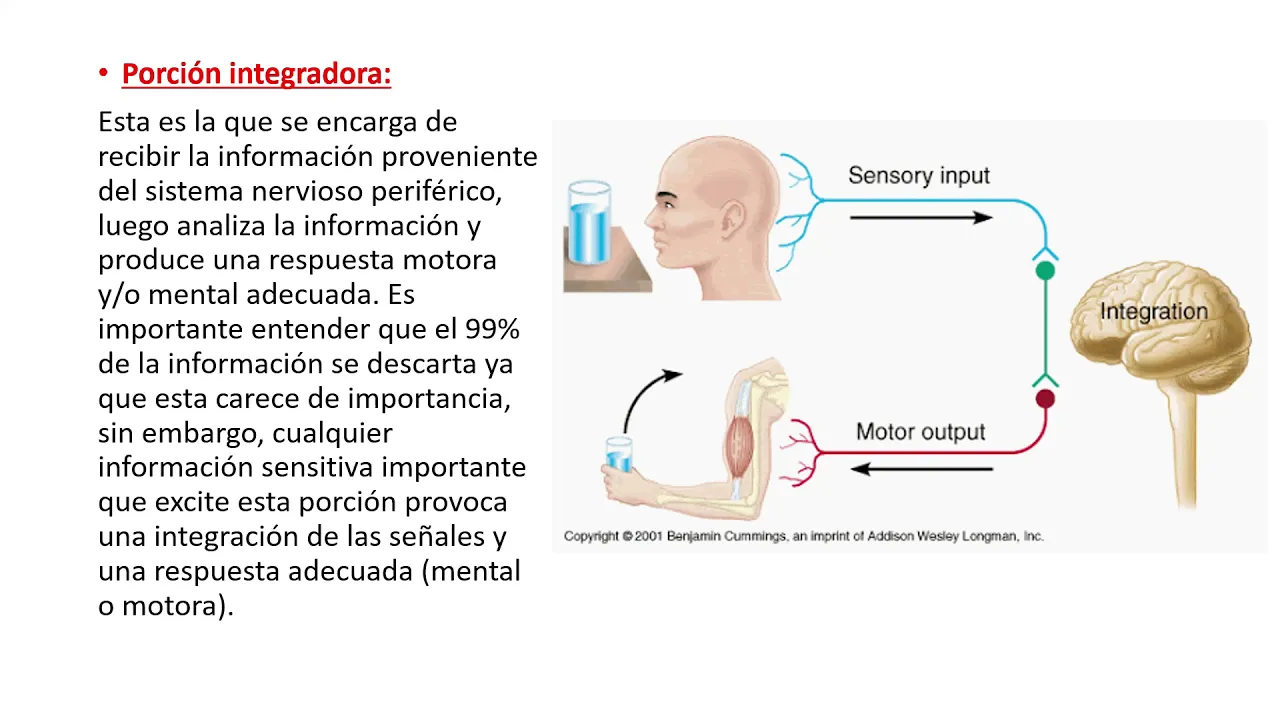
Added:Basic neuroanatomy and neurotransmission, specifically how neurotransmitters like serotonin, norepinephrine, and dopamine function in the brain.
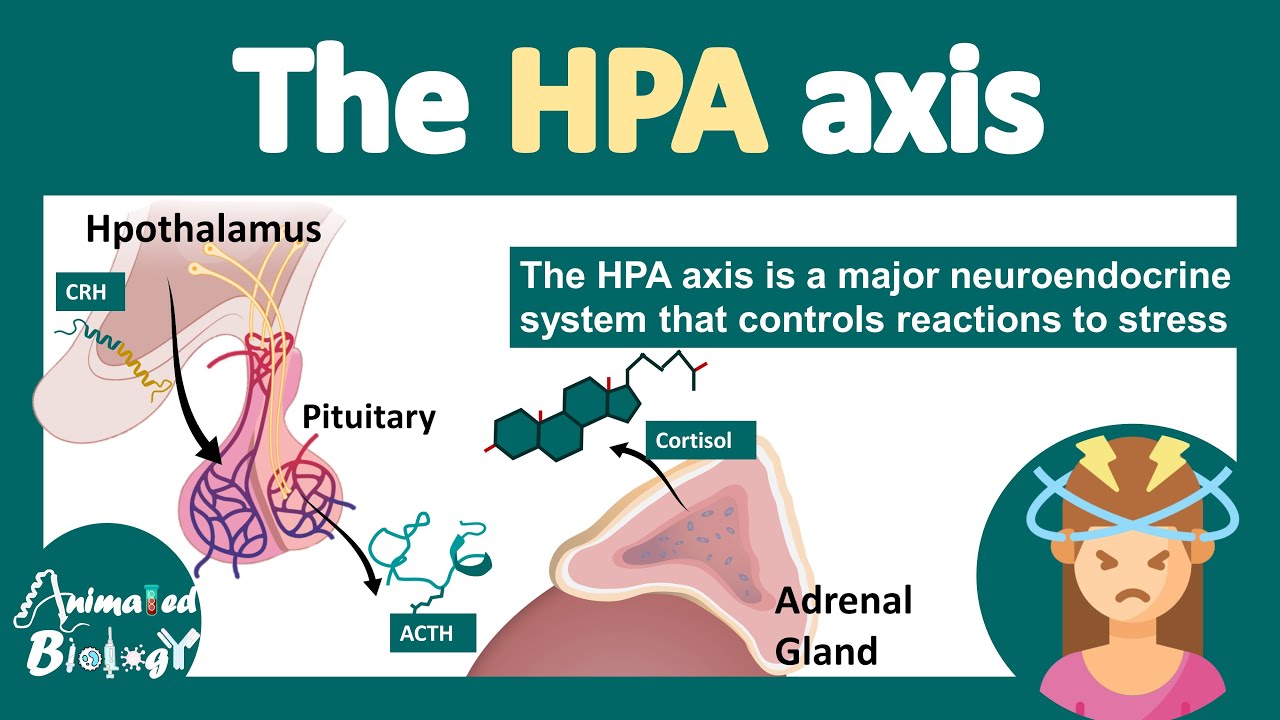
The physiology of the stress response, including the Hypothalamic-Pituitary-Adrenal (HPA) axis and the role of cortisol.
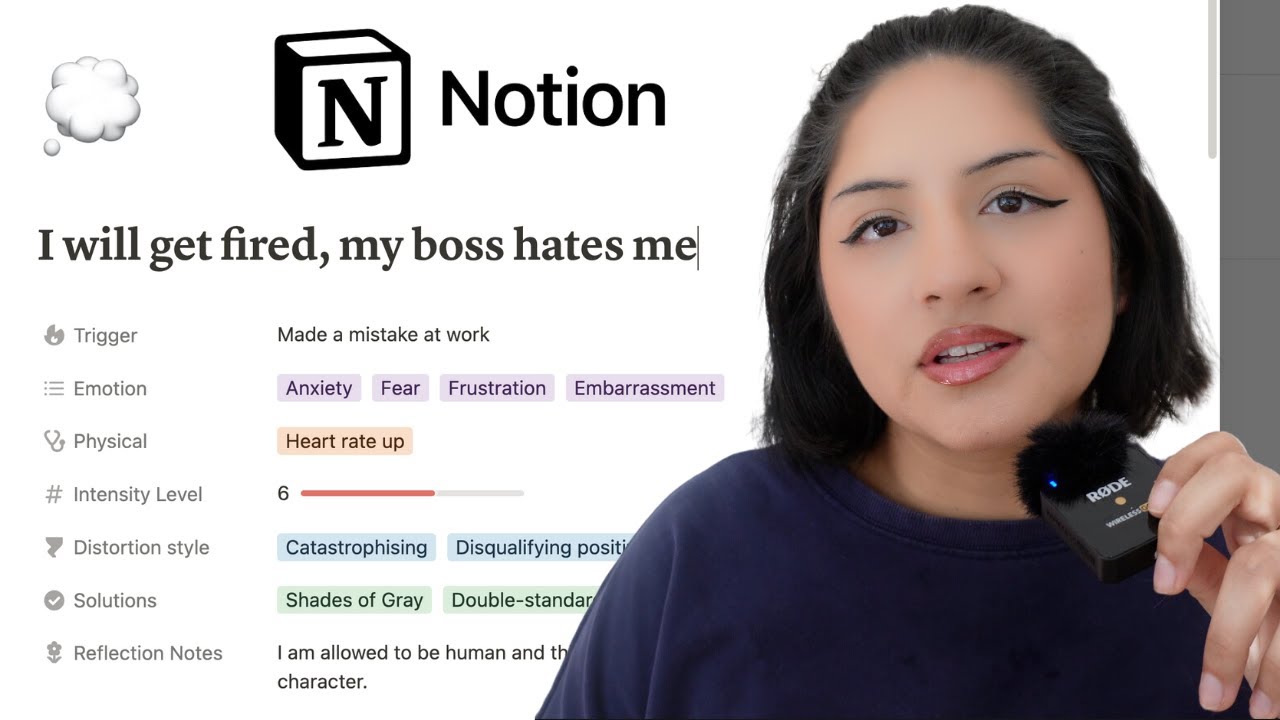
Clinical definitions of depression (such as DSM-5 diagnostic criteria) and basic psychological models like cognitive distortions or learned helplessness.
The foundational concept of the biopsychosocial model, which posits that biological, psychological, and social factors all play a role in human health and illness.
The pharmacological mechanisms of major antidepressant classes (SSRIs, SNRIs, MAOIs) and newer rapid-acting treatments like ketamine.
The role of neuroplasticity and neurogenesis (specifically in the hippocampus) in recovery from depression and stress-related disorders.
Epigenetics and environmental interactions, focusing on how early life trauma and chronic stress physically alter gene expression.
The biological feedback loops of therapeutic interventions, exploring how cognitive behavioral therapy (CBT) physically restructures neural pathways.
760.4K views24.4Klikes2:12:27Original Release: 2024-03-14
[Music] [Music] [Music] sh hi my name is Robert spolski I'm a professor of biology uh neurology and neurosurgery at Stanford University um about 13 years ago I gave a talk at Stanford on the biology of depression somebody taped it and Stanford uploaded it to YouTube and that has produced some good news bad news good news is in the year since 5 million views or more for this lecture in it's useful Bad News 5 million views or more telling you the magnitude of the problem out there with depression now of course fortunately there have been some new advances in the field since 13 years ago and the purpose of this lecture is it's a son of the 2010 lecture it's an update on the information now I'm going to make the argument throughout that depression is among the worst medical catastrophes that can overwhelm someone and we will get to that argument and considerable detail sense of what we're up against World Health Organization sense that major depression is the number one or two leading cause of medical disability on this planet millions of people best estimates 15 to 18% of people will have a major depressive episode at some point now worst news about 80% of cases are never diagnosed and of those that are approximately onethird never respond to any medication approximately onethird do but the side effects are intolerable and about a third are helped in other words we have massive massive problems with oceans of people out there with this malady who are not being diagnosed or success sucessfully treated about 80% of people have multiple rounds of depression and so that as a starter trying to impress this is an important subject to know about now one of the more reliable disturbing findings out there is that with each passing decade the incidence of depression has been increasing okay that may mean nothing at all there may be all sorts of confounds people today are more like to admit that they feel depressed than people in the 1950s and thus artifactually looks like there's more cases all sorts of very carefully controlled epidemiological studies showing cross-culturally the incidence of the disease has been increasing over the decades most informatively where it's been increasing is among adolescence with each passing year more teenagers being recruited roed into the lifelong cohort of people struggling with depression just so that it's not purely an adolescent thing what's been seeing also is increasing risks of depression over the years over the decades among elderly people now what you see is totally predictably who gets major depression we will see just on a demographic level low socioeconomic status is one of the biggest Victors okay so I'm going to try to make three points in this lecture three incredibly important points and the first one is implicit in what I've been saying all along depression is a medical disease there is this incredibly toxic pull towards people who have no idea what it's like to say oh come on we all get depressed and people come out the other end and pull yourself together and stop babying yourself and don't indulge yourself saying that to somebody with a major depression is like sitting down somebody with diabetes and say oh come on what's this stop babying yourself with this insulin stuff come on just tough it through depression as we will see is as biological of a disorder as is diabetes as we'll see a very different type of biology nonetheless we are talking about a medical disease next critical point if you learn about this and all you learn is the biology the brain chemistry and the hormones and the genes and what's connecting to what all of that you are never going to be able to effectively take on this disease and the two parts of this lecture reflect that point go learn all the biology and you've got all those multicab terms down cold and if you don't incorporate it with the psychology of depression you're going to get nowhere at all now the third point being Why argue that this is among the worst of all diseases and this sort of revolves around this totally bizarre thing that humans do you've got terminal cancer you've got crippling heart disease you've lost the limb whatever and your life is obviously very constrained and very comp and bizarrely people find Silver Linings in these things on occasions this is when you realize how much family means to you this is where you realize you have found your God this is what whatever we are capable of pulling satisfaction pleasure reward contentment out of the most awful circumstances on Earth just ask anyone who came out of the concentration Camp feeling like in some ways they were still glued together it's a person we humans can make the best of horrible situations we can look on the bright side depression is a disease where you can no longer look on the bright side and what could possibly be worse than that and if I had to Define depression in a single sentence I would say it's a biochemical disorder with genetic components whose primary manifestation is you lose the ability to be AED by rainbows and sub sunsets so that makes her a pretty bad one now just starting off before we begin looking at the symptoms some jargon yes all of us get depressed everybody gets depressed in an everyday sense some disappointment happens something unrequited whatever and what you wind up seeing is typically come out the other end and we heal and what you see instead with the depression we'll be talking about today is not oh I've been down after this argument with a friend from the next day I just felt kind of mopy this is a major biological disease that destroys people's lives and once again the one of the leading causes of medical disability on this planet unfortunately wow crummy day I feel depressed and depression as a biological disorder use the same term we are only talking about this massive medical mality here okay so we start off before getting into the biology what does the disease actually look like the defining symptom of depression is anhedonia an Hedonism the experience of pleasure Anil aned andonia the inability to experience pleasure and this is what the disease is all about something wonderful happens you feel nothing it is just a flatness there is an emptying this is the symptom that makes this among the worst diseases out there we're going to get to how much more subtle stuff is going on than just the inability to feel pleasure in addition people with major depression are overwhelmed Often by a sense of grief about things trauma just resonates over and over a sense of guilt over imagined wrongs you did it at some point a sense of guilt one of the most pernicious versions is I've been so fortunate I've been given so many gifts I've been so privileged all of that look at me wasting my life away feeling sad and feeling guilty as a result of that now another Realm of symptoms of depression and really informative oh what's depression in about it's a disease of mood problems it's also a disease of cognition of thinking and that winds up being really informative in the lecture to come cognition on the simplest like whitebread level uh depression involves cognitive problems people's Focus go out the window executive function working memory things like that that's all the usual what we're going to wrestle with coming down the line is when somebody is not good at remembering eight-digit numbers or whatever is because their cognition is compromised by the depression or is because they're just not motivated why bother now the realm in which depression is problematic with cognition leads us into the work of one of the Giants in the field this guy Aaron Beck who frame depression as a disorder of cognitive distortion not just of negative mood not just an absence of positive mood but depression as a disorder of cognitive distortion what did Beck mean by this and his insights became the backbone of arguably the most effective type of psychotherapy for depression CBT cognitive behavioral therapy what is the cognitive distortion there yes something awful happened to you it's true it's real It's upsetting but that's not the end of the world and that's not your inevitable future and that's not the rest of your life and people with depression distortedly overgeneralize the negative into a world view as Beck turned it into a depressive Triad a negative Triad a depressive world world view about yourself about the world and about the future so what does this look like when you see this in all sorts of cognitive Realms you ask somebody to remember things tell me about this year from school when you were a kid or whatever and depression you disproportionately generate come up with negative memories you give somebody a whole bunch of things to memorize and you disproportion ly remember the negative ones you have a bias towards consolidating more negative memories you interpret the things going on around you you look at a picture of an absolutely neutral face and you're asked to describe the mood of that person and you have a bias in the direction of negativity your sensory processing even shows that where you look you show somebody pictures and there's a negative one with a sort of sad context positive wondering where the eyes go in a fraction of the second that bias this negativity bias of memory retrieval memory consolidation interpretation of things where you're looking to get sensory information from this is permeating the disease now another way of describing this cognitive deficit in depression is people fail to be able to do re appraisal you feel bad about something you get a bad result on a test whatever and a very healthy response is to reappraise saying okay maybe I'm not so good at organic chemistry after all maybe you begin reappraising I wasn't so good on that particular day maybe it had something to do with I got very poor sleep maybe what I should keep in mind is there's a whole lot more to life than organic chemistry you were changing your interpretation of the situation in a way to escape the negativity people with depression have huge problems with reappraising a negative circumstance like that now an interesting thing with this in terms of people with depression having this more negative interpretation of the world this really striking thing is some of the time by having a more negative inter interpretation more accurate they're more correct and this has given rise to a sound bite in the field sometimes people with depression are sadder but wiser because you look at your average person and they are on the average delusionally over optimistic when you ask people what's the likelihood of this thing happening or this great thing or that sort of stuff and you see that people with depression are way more accurate okay wait a second I was just talking a few minutes ago about the cognitive problems the distortions in depression something awful happened then in the past and distort ofely you decide this has to be your future you're distorting stuff yet here people with depression or being more accurate than the average person it's evaluating things in the world around you when it's a distant thing when it's an emotionally detached thing people with depression are often sad but wiser in terms of having more accurate more realistic assessments about how the world actually works okay so that's looking a little bit of the cognition another major feature of depression as a symptom is rumination you ruminate like a cow chewing its cud you ruminate you can't stop the sad thoughts you can't stop the negativity you can't dig your way out of this sad thing reminds you of that sad thing which and you are just mired in it it's really interesting neurobiology we're going to hear about a part of the brain called the dorsal lateral prefrontal cortex what that one's really good at is helping you control your thoughts and what you see is the dlpfc has to work especially hard in people with depression when you say to them tell me about a happy childhood memory it's really got to work to overcome the rumination likewise this part of the brain has to work really hard when you're trying to stop the negative aect the negative emotions this and we're going to be looking at this part of the brain which atrophies becomes less active in major depression this part of the brain has a whole lot to do with that hellish symptom of depression you can't stop the negative thoughts they just go on and on and on and they won't stop now another bunch of symptoms fall under this umbrella term called psycho motor retardation back to major depression is not oh come on just stop babying yourself major depression is a real disease people with major depression their bodies work differently even when they're asleep even when they're anesthetized under lining again this is a real biological disorder and the psycho motor symptoms that you see in depression that sort of underlined this begin to tell you what's going on psycho motor you slow down your sensory processing speeds are impaired everything is exhausting to do to think to say to get up in the morning and brush your teeth and figure out where you left the car keys everything is exhausting overwhelming what becomes an issue that we will get to is is this because you just don't have the energy to do whatever or is this because you just don't have the motivation why bother very intertwined there now along with that comes what are termed vegetative symptoms where the body is working differently people with major depression their patterns of sleep or disrupted yeah big surprise we all have trouble falling asleep if we're depressed about something with major depression people tend to wake up earlier than normal early morning wakening moreover you get someone when they're asleep and you put on like these EEG probes and what you will see is the structure the architecture of sleep we go through different sleep stages and cycles of that it's disrupted the person is sound asleep and their brain is working differently at that point what you also see is appetite is altered lots of us where we're depressed in an everyday sense that's the time to eat Cheetos or Oreos or whatever because high fat high starch can decrease stress in us and people actually understand how that works major depression the tendency is towards loss of appetite loss of the pleasure from food part of the anadon part of the vegetative symptoms in the body there big surprise something else that goes down the tube is libido interest in sex sexual arousal sexual repetitiveness motivation appetite all of that like if you were just mired with endless F sad thoughts that won't stop sex is kind of far down in your list okay what else is going on of course eding all of this is the true nightmare of major depression which is suicidality and self harm and major depression because of this is one of the most lifethreatening diseases on this planet statistics women with depression tend to attempt suicide much more frequently than men men with depression tend to see succeed at it much more frequently than women what's your classic profile of impulsive suicide ity an older white guy poorly educated low socioeconomic status who has access to a handgun now a really interesting thing about depressive suicidality you get somebody who is massively depressed and they're in your ward in your psychiatric hospital and you say oh my God they're so depressed and depression is associated with suicide we really need to keep an eye on this person to make sure they don't that's not when you worry about suicide with somebody with major depression because this is somebody who is paralyzed with psycho motor this is somebody who has to fight to get out of bed in the morning they are so much a you know a brine shrimp sitting there without any means of mobilizing this is not someone who's going to figure out how to shred the mattress to make a new source something like that that's not when people are most at risk you take someone who is severely deeply depressed and you start treating them with meds whatever will get to that and they begin to get better and in some cases the psychoo energy comes back in some cases the person is still feeling the depression but they get it together enough or mobilized or activated enough to go and kill your themselves this is when there is the danger of suicidality now one other vegetative feature of depression when you look at the psychomotor stuff person can't get out of bed they're totally exhausted you're you're thinking of them as again being like some sort of invertebrate melting over the edge of the bed or something you look at heart rate you look at muscle tone you look at various hormones going on in there and what depression is about is a chronic activation of the neurochemistry of stress of arousal of vigilance and we are going to see lots more about that you are if anything that psychomotor exhaustion is coming from the fact that there is a battle going on 247 inside your head and no wonder you don't have the energy to get up in the morning let alone get up and put on a happy face okay another thing that underlines we're talking about biology here is there's more than one type of major depression it comes in different flavors one classic dichotomy which people argue whether it actually is valid or if it's all in a Continuum that sort of thing is the difference between reactive depression something bad happens everybody feels crummy and you know most people get better over the subsequent weeks but some people sink into a major depression at that point reactive depression versus an endogenous depression somebody falls into a depressive episode and nothing bad has happened to them other versions subtypes of depression there's a subtype called atypical depression that is just dominated by the psychomotor stuff these are people we just doing anything is overwhelming they're less concerned less bothered with the anhedonia the rumination all of that and really interestingly atypical depression seems to have a lot of biochemistry in common with chronic fatigue syndrome interesting and first hints now that there may be some similarities with variants of Long Hall covid the type that is still flattening you years later so there's a typical depression then there psychotic depression people who are so intensely delusional and we will see sort of what that may be about that they begin to be seriously thought disordered oh oh oh I know this great promotion I just got they're going to fire me at some point that's cogni distorted that's not delusional in the sense of psychotic depression some people may remember this heartbreaking case this woman Andrea Yates number of years ago who in a severe psychotic post-partition depression drowned her children and it took a number of trials for somebody to figure out this was somebody with a severe dis why did she drown her children she was fundamentalist Christian and raised in a school of thought that merely by birth her babies were nearly you know certainly damned to go to hell at this point and drowning them would save them before they had the chance to become Sinners this is what psychotic depression looks like because this is absolutely what she believed when she did this and heartbreaking for everyone concerned different subtypes of depression there are ones that have rhythms to that there are rhythmic depressions where somebody has a depressive two or three weeks that are kind of incapacitating goes away on its own comes back after on its own and just Cycles like that another version is people who get depressive episodes only at certain times of years what are called seasonal affective disorders and it's mostly about people who fall into their annual depression each year during the winter months look at this you got somebody with something awful happens to them in July and they have a reacted depression they feel awful It's upsetting whatever and they see that this is not all of life and they come out the other end and then comes January where everything's perfectly fine yet for the eth year in a row they fall into a major depression and need to be hospitalized rhythms and it turns out this seasonal affective disorder sads these winter depressions seem to have a lot to do with light exposure a hormone called melatonin relevant to that okay what's the main point here you take somebody who has a different subtype of depression and it's neurochemically different from somebody with a different subtit you take somebody with things are awful in the summer and they cope and things are great in the winter and they go under you're looking at not just a disease you're looking at a whole family of diseases in this case it's biological this is oh come on stop babying yourself now one addition point in terms of the presentation of depression what it looks like which is depression very often goes hand in hand with an anxiety disorder now what's that about anxiety hyperarousal a physiological state of agitation a sense of forbidding sort of anxious apprehension as I check the exact term and what you see is about 50% of people with a major anxiety disorder particularly social anxiety also have clinical depression 50% of people with clinical depression also have a major problem with anxiety the two of them overlap in all sorts of interesting ways one way in which this has been interpreted is that these are both diseases of anhedonia it's not fun having sad thoughts going through your head non-stop it's not fun being anxious 247 what's the difference anxiety is anhedonia in a hyperaroused Vigilant State depression is anhedonia without that now some more hints about this come from the fact that most often the anxiety comes first one interpretation of this which is you could think of anxiety as this hyperaroused frantic urgent State like a brush fire that anxiety is just little Flames popping up all over the place and what depression is about is something responsive comp what depression is is a big old thick blanket that you throw on top of the fire to take the air out of it depression as a trying to contain the anxiety related agitation by just flattening you out that's one way of thinking about it that is metaphorical in lots of ways what that mats on to is another feature that you see with this transition of starting with anxiety leading into depression anxiety there is some upsetting challenge going on lots of cases You're a Rat you're a human and they're shocking now and then whatever and what the anxiety is about is you're trying to cope you try to cope 110 different ways at once most of which are mutually contradictory you keep trying to cope when the challenge is long over with this agitated attempt at give me some control so I can make this challenge go away what depression then is about is when you've given up the challenge is still there and you don't even bother and we're going to be looking at this transition in Psychology section anxiety is about really maladaptively trying to cope depression is about you've learned to be helpless you've learned to be hopeless and in circumstances where you could cope and you could make things better you don't even try or if you stumble into doing it and it works you don't even notice that it worked so this heavy intertwining between depression and anxiety I'm not going to be talking about the biology of anxiety today Okay so we've gone and the symptoms the comorbidities all of that what's going on in the brain during major depression we start off with what's the neurochemistry the brain Messengers and depression so for this we've got to have the initial sort of slide that everybody taking Neuroscience 101 is exposed to the picture of the synaps you got two neurons one neuron sends out a projection to the other the other one has projections coming this way and information flows from the first neuron to the second one the first neuron here some exciting gossip and it gets all excited a cell's version of getting excited and it in turn passes on the excitation to the next neuron and line the gossip spreads now what you see in the diagram here actually this right now is just a green screen so I'm not sure if I'm pointing to the diagram or not but in any case what you see is between those two NS they don't actually touch there's a gap in between called the synapse what that means is the excitation from the first neuron on the left all neurons go from left to right the excitation coming down this way can't easily jump over the synapse and get the next neuron excited the excitation which is electrical has to be translated into a different form of excitation the first neuron there releases a chemical messenger that floats across the synapse and binds to specialized receptors there and as a result this neuron has now heard the gossip these chemical Messengers that are released called neurotransmitters and they're going to be real pertinent very soon to making sense major depression okay little bit of housekeeping stuff because that's going to be pertinent also the first neuron is totally excited about whatever news and dumps a whole bunch of neurotransmitters into the synapse and they float across and they interact with receptors there and they pass on the message and that's to refect what happens to those neurotransmitters afterward because they eventually come off these receptors and they're just floating around in the synaps you got to clean up after yourself and most broadly there's two ways that neuron do this the first one is if they're being ecologically minded they recycle the neurotransmitter that first neuron the pre synaptic neuron has these specialized pumps that will get the neurotransmitter in here that's done its job and pump it back in so you can reuse it or you can be totally wasteful and sitting around in the synapsis some enzyme that breaks the neurotransmitter down and you toss it into garbage what's the garbage here it gets into the synapse and then into the general brain and then your cereal spinal fluid and your blood and your urine so the people could measure levels of neurotransmitter breakdown products in your PE and get some sense of what's going on up there okay so first neuron is excited releases neurotransmitters that gets the next one excited or a Twist on our story that can make the neuron here less excitable and excitatory NE transmitter or an inhibitory neurotransmitter and then afterward you clean up either with reuptake or degradation so with that in hand we now look at particular neurotransmitters and the one that comes up over and over and over again is serotonin 25 years ago people would talk about this and maybe serotonin would be the second or third neurotransmitter on the list it is the number one neurotransmitter on on the list serotonin because the most effective class of anti-depressant drugs work on serotonin class of drugs called ssris selective serotonin reuptake Inhibitors most famous Prozac but a whole managerie of them by now ssris selective serotonin retic what do they do this neuron dumps serotonin into the synapse and it would normally be taken back up but what something like proac does is it blocks the reuptake pump what happens then there's no reuptake and the serotonin sticks around longer and for lack of anything else to do it hits the receptors a second time and a third time and the 100th time and people tend to feel less depressed at that point so what's the only possible interpretation that comes up with there if you throw in a drug that causes serotonin to stick around in the synapse longer and Buzz the next neuron more often and somebody feels better I bet the problem was too little serotonin in the first place and thus the serotonin hypothesis which dominates the entire field now this is totally cool what's one of the most interesting things about it is the serotonin is probably working in a part of your cortex that has a whole lot to do with blocking rumination all of that so serotonin hypothesis the problem in depression is too little of this neurotransmitter ssris selective only working on the serotonin system that's not actually true but we will pretend that for the moment blocking reuptake if the stuff sticks around in the synapse longer and buzzes here more and the person feels better the only conclusion is I didn't have enough serotonin there in the first place naturally two problems emerge the first one is crazy making for everybody in the business because you throw in something like an SSRI and it's doing stuff to serotonin reuptake within minutes or hours and typically people don't start feeling better for days to weeks there's some sort of mismatch in the time course and there's a model out there that might explain it and it is so awful and confusing that I've consigned it to one of the like appendices in the back you are foror fools Russian if you want to go learn about that but that's one of the problems the time course problem the other problem reflects this history of Serotonin it used to seem like the second or third most most important neurotransmitter and then it moved to being seen as the most important neurotransmitter there's a problem and then there became the temptation to decide it's the only neurotransmitter relevant to this disease and what you see is this whole controversy these days is serotonin problems necessary and sufficient to explain depression because you see lots of people wear drugs that affect the serotonin system actually don't work or where you see neurochemical problems elsewhere this has led to I think a little bit of a sort of anarchist view that the whole serotonin story makes no sense in his Gib and all of that what do you know it's not just one neurotransmitter which brings us to the second neurotransmitter that's relevant something called neuropen phrine neurop benine and depression have been around in the scene for decades and decades the very first drugs developed in the 1960s to treat depression they weren't working on serotonin synapses they were working on neurop nephrine Sy synapsis and what were they doing one of them blocked the neurop penine reuptake pump something called a tricyclic anti-depressant another one of them kept the enzyme that breaks down nephrine from doing its thing both result in nurr sticking around longer and having more of an effect here and if the person begins to feel better oh I bet there's not enough neurop nephrine either the neuropen hypothesis and this started in the 1960s and dominated until people learned a whole lot more about serotonin but the exact same logic going on in there and what you see is neurop benine is probably most relevant in a part of the brain do not write this down called the Locust celus I can't spell it right after decades obscurity it's a part of the brain that has to do with arousal and vigilance and all of that and you begin to get St stressed and you activate the system and you deplete neuropen phrine neuropen hypothesis not enough of the stuff you're short of neuropen phrine and what happens instead is you fall into the psychomotor retardation lots of evidence for that third neurotransmitter that used to be at the top of everyone's list is interesting a neurotransmitter called dopamine everybody knows about dopamine dopamine is about pleasure it's about reward it's about cocaine releasing dopamine all sorts of euphorian drugs working on dopamine synapses and what you see is whoa that's perfect dopamine reward pleasure and you begin to see some of the drugs that protect there they block reuptake they block degradation oh suddenly a person there's not enough dope that's where the anhedonia comes from the loss of the capacity for pleasure because you don't have enough dopamine time to see a much more contemporary picture of what dopamine does yes yes yes dopamine is about pleasure you take someone you take a person you take a monkey you take a rat and you give them a reward from out of nowhere and dopamine neurons we're going to hear about release a lot of dopamine yes it's about the rush of pleasure now you do something more subtle take that person monkey rat and you give them a training task you put them in a room and a light comes on and every time the light comes on it means if you now press this lever 10 times you get a reward you've had lots of practice at that light comes on work reward signal work reward works perfectly well so you put someone in this sort of setting when is dopamine released if dopamine is just about reward signal work reward rise of dopamine that's not what you see once somebody has learned this task when does dopamine go up when the signal comes on what's that about when it's dopamine being dumped from these neurons when the signal has come on and the person or rat is sitting there saying yeah the lights just come on I know how this works I'm all on top of this lever pressing piece of cake this is going to be terrific dopamine yeah it's about reward and pleasure even more so it's about the anticipation of reward and pleasure and amazingly you block that dopamine from being released and you don't get the pressing of the lever it's not just about the anticipation it's the work you're willing to do at that point in order to get that reward it's about the motivation it's about goal directed behavior and what you see is during major depression there is depletion in this relevant part of the brain we're going to hear about and what you especially have is a loss of these spiky bursts of dopamine that come out dopamine is always doing a certain background thing with this anticipation but you lose the UPS you lose the UPS not of pleasure but of anticipation of being willing to work to get it and what you see is is not so much about the pursuit of happiness it's much more about the happiness of pursuit the anticipation Okay so we've got those three neurotransmitters in there and what you wind up seeing is what do you know it's not just those three I put up a slide here showing some of the other neurotransmitters that have been implicated do not write it down because this chart will probably be obsolete by the time I'm done with the select there's all sorts of players in this big surprise it is not just serotonin sometimes it looks like it isn't even serotonin it's not just these big three there's all sorts of other ones relevant in the last few years one of those minor players has started to seem more relevant because again we've got this time course problem if you increase serotonin with one of those meds if you do the same with neurop nephrine if you do the same with dopamine you're changing stuff in the synapses Within minutes or hours and people take days to weeks to feel better this mismatch and time is totally puzzling and in recent years along Has Come A New Drug a new drug that has sort of revolutionized a lot of depression treatment a drug called ketamine ketamine is turning out to be an anti-depressant it's turning out to be one that works within minutes and people are just beginning to learn about it and it is relevant to a neurotransmitter called glutamate so suddenly glutamate is on the scene as well Okay so we've got all these players to just broadly summarize what's the serotonin problem about it's probably the rumination because ssris work on another disease that involves rumination obsessive compulsive disorder depression you're ruminating on sadness sness sadness obsessive compulsive disorder you're ruminating on did I leave the oven on did I leave the oven on do I I need to get the utensils perfectly straight in both cases somebody's feet just stuck in a fly trap kind of thing in quick sand and ssris help with that as well so the serotonin piece of it just to be totally simplistic seems to have a lot to do with rumination the nurp and effort part seems to have something to do with the psychomotor problems the dopamine part seems to have something to do with the anhedonia and glutamate people are still figuring out and like this is as clear as anybody can summarize all of this and it is dreadfully oversimplified blah blah blah this is kind of where people are at in terms of studying the neurochemistry where the most parsimonious thing in all these cases is there's a whole bunch of relevant neurotransmitters and for some reason you're depleted of them and some of the best drugs out there tend to reverse that process okay so this is looking at the biology of depression from the standpoint of brain chemicals and neurons talking to each other what about the actual structure of the brain where is their problems where are their problems in the brain what particular brain regions have problems in major depression and a lecture like this 13 years ago or earlier than that this would now be looking at this part of the brain and the evidence that there's something weird going on there and then this part of the brain this and where there's been tremendous progress is recognizing that's not the most informative strategy what you want to understand are the circuits that connect different brain regions and that's where there's been some incredible insights there now to appreciate this we need to look at a classic model about how the brain works and again you take neuro 101 anytime in the last thousand years and you're going to learn about this the Triune TR R IU NE the Triune model of brain function the three layers of brain function this was a guy Paul McAn Pioneer in G in the 60s who came up with the Triune model it is a model that bears no relationship to which neurons are actually projecting to who in releasing neurotransmitters it's just a way to conceptualize three layers of neural function layer number one what mle called The Reptilian Brain which is to say the parts of your Reptilian Brain and you go out and you look at a lizard and it's got basically The Identical Parts there and it's the hypothalamus the midbrain the brain stem what does The Reptilian Brain do the sort of stuff that reptile brains do you get high and you get all sweaty if that's what reptiles do but that's what we do you get cold you shiver you get hungry you get the brain telling you to release hormones that generate appetite there you you lose a lot of blood and The Reptilian Brain tightens up your blood vessels to make sure you're not hemorrhaging at all what's The Reptilian Brain about is just about regulatory stuff like little feedback loops then on top of it is the second layer termed limpic system and you don't see a lot of limpic system until you get to mammals what's the lyic system about emotion and this isn't surprising reptiles are not famous for their emotional lives it's only when you're getting up to mammals that you have a part of the brain that activates with sexual arousal with fear with anger you take some wilderbeast guy in his territory and some other big male wilderbeast shows up and is peeing all over there in a dominance action and Challenge and it's the limic system that gets all crazed and hot and bothered at that point third layer which you don't see much of until you get to primates the cortex the stuff on top that's about thinking cognition memory evaluating information doing or taxes all of that so yeah we've got this totally simplistic model reptilian automatic regulatory stuff emotion and thought and of course what one sees is this is a totally false trichotomy or whatever in that all of these layers are talking to each other for example that scary W Beast shows up and pees there and your dominance is being threatened and your emotions are all going crazy in that limbic layer and one of the things that also happens is your heart starts beating faster the emotional lyic brain is telling the regulatory Reptilian Brain to change its function you're just standing there looking at this guy this this Barbarian at the gates and Layer Two tells layer one to activate not because you're running up a flight of stairs but because you were simply emotionally aroused so Layer Two can talk to layer one layer three can talk to layer one now you just sit there and you're not seeing this big scary wilderbeast show up you're just before going to sleep thinking about that guy and how upsetting that was and layer three activates the emotional lyic system Layer Two which gets your heart beating faster this is just the means by which thought and memory can make your body work differently in all sorts of interesting ways so there's lots of top- down regulation going on there in addition to that there's bottom up layer one talking to Layer Two just regulatory stuff changing your emotions one example of this when people are hungry they tend to become less Cooperative less empathic they cheat more in economic gains layer one o here's the news about your circulating blood glucose levels influencing emotion there layer one influencing cortical judgment cognition sort of stuff and the classic example of this this amazing study some years ago looking at a whole bunch of Judges making rulings on parole boards either you give the guy good news yes you were freed or bad news you go back to jail again and over the course of hundreds and hundreds of judicial decisions there in this court system what was the single biggest predictor of what a judge was going to decide with this person go free go back to jail how many hours it had been since the judge had eaten get somebody right after a meal and you'd have about a 60% chance of being cor being freed by 3 4 hours later it's gone down to zero wait a second your blood glucose levels has to do with your solic reasoning you sit down some judge at that point and ask them why they freed this person but sent that one back to jail even though they had both done the same thing and you're not going to get them telling you about blood glucose they're going to go back to like freshman philosophy in a manual con or something layer one regulating layer three by the way as a footnote here the judges the hungry judges study has gotten a huge amount of coverage in the media which is great because it's a fantastically interesting study there have been some challenges to it people saying here's a flaw here's a confound whatever and for my money the original authors have swatted away every one of those objections this is a very solid finding that has now been replicated finally Layer Two can talk to layer three emotions can talk to your cognitive brain what's that about in a context of like everyday life this is why when you're just frothing with emotion you make terrible decisions this is why when we're all emotionally crazed about something we do some dumbass thing that we're going to regret for the rest of our lives and we think it's brilliant at the time emotion marinates your supposedly night nice rational cortex and what's this about in depression your cortex can sit there and say no actually there's no reason why this is going to go poorly in the future and here's why and that emotive negative bias stuff is swelling up there on top and making you conclude this was my past this is my present this is my future overwhelming there okay so we've got this broad orientation here the Triune layers and again this is just the metaphor what we begin to look at now is some of the circuitry that's relevant what we start off with our first circuit is one relevant to pleasure and anticipation and motivation and all of that very relevant you better bet to both anhedonia and dopamine a part of the brain called do not write this down the mesolimbic dopamine system and it consists again I'm guessing where the slide is showing it consists of these two brain areas the vental tegmental area the nucleus acumin do not write these down this is the part of the brain that drives the anticipation all of that stuff and thus if there's a shortage of dopamine in there or if the neurons in there become less responsive to dopamine you're seeing loss of anticip I ation loss of motivation loss of pleasure and honia where is this coming from in depression you see overactivity from two inputs into the mesolimbic dopamine system first brain region the amydala the amydala activates in response to unpleasantries fear threat challenge it drives aggression all of that negative stimuli activate the amigdala and what you see is the amydala input into the mesolimbic system is overactive in depression and what's the effect of that input it tends to inhibit the dopamine system there so that's bad news one interesting thing with that you take somebody you put them in a brain scanner and if it's somebody without depression you flash up a picture of something scary and in a fraction of a second the amydala activates you put somebody with depression and a brain scanner and it doesn't activate when you show them scary pictures the amydala activates when you show them sad pictures it's rewire to a different function until you think about it if what the amydala is about is responding to scary things and you are majorly depressed the scariest thing on Earth is anything that might come along that makes you even sad matter so the nigala has simp put into there meanwhile this other part of the body the ACC the anterior singulate cortex totally cool brain area what does it do it's about empathy as follows you take somebody put a brain scanner and poke their finger with a pin and all sorts of parts of the brain activate saying it was my finger not my toe and that sort of stuff and the ACC also activates it codes a representation of P now take someone put them in the brain scanner and don't poke their finger with a needle make them watch their loved one's finger get poked and the anterior singulate cortex activates these are neurons that literally cannot distinguish between their pain that you were feeling and your own pain empathy and what people find is the anterior singulate tends to be overactive Ive and major depression and what is it doing it is also fueling inhibitory signals going down to that whole dopamine system okay so let's step back from like modern science and turn this into like some idiotic like metaphor anterior singula in the cortex and what's going on with depression is the ACC is like thinking all these sad thoughts all the time and those are cognitions and somehow it's whis spring it to the lyic system and turning it into emotional sad thoughts and getting The Reptilian Brain that the ACCC through feeling the Pains of the world are driving all sorts of stuff down south so this brings up a totally idiotic idea whoa so you have somebody with depression and the ACC is too active which is what is exactly is shown what would be a great solution go in there and snip just below the ACC and make it impossible for it to talk to the lyic system and down below depression gone Shazam idiotic and amazingly it works desperate desperate final measure with the most severe depressions out there that have resisted every conceivable treatment is to do a singulo to cut the projections there so that metaphorically your ACC can't be wallowing in bad thoughts and then get the rest of the brain to go along as if it's for real in terms of actual circuitry so that the ACC isn't able to deplete the mesolimbic dopamine system of dopamine and this procedure which is a desperate Hail Mary seems to work in about 50% of severe treatment resistant cases okay so wait what we'll notice one more thing on that diagram both the ACC and the amydala messing with the nezic dopamine system by way of LH a part of the brain I knew once for a final in s the lateral habenula and when you activate it it inhibits the dopamine system and okay so that's part of the story and there's all sorts of evidence that it's overactive in depression and thus inhibiting dopamine system all of that what's the neurotransmitter that the lateral habenula is using heavily that neurotransmitter GL glutamate the one that ketamine works on within minutes as an anti-depressant this is the part of the circuit that is right near where you really want to be affecting stuff maybe that's why manipulating this and you feel better within minutes or hours and fussing with some of the others with a slower acting medications and it takes days to months suddenly lateral habenula and glutamate on the map and terms of making sense of the circuit okay so that's the circuit telling us something about loss of pleasure loss of anticipation inhibition suppression depletion discouragement of this whole dopamine system down there in response to things like painful empathy negative stimuli Etc we move to our second circuit now and our second one is relevant to the room in ation the sad thoughts won't go away and this has to do with a network in the brain called the default mode Network you put somebody in a brain scanner and you're looking when you do this this part of the brain activates and you do that to them and this part goes quiet or whatever and you MTH thingss out and just pain in the ne feature of it is you do nothing to the person and there's just all sorts of background activity different parts of the brain just sort of mumbling there in the background all the time and this used to be viewed as background noise and when you would analyze your experiment you'd have to subtract out this like irritating meaningless background noise until people figured out that this wasn't just background noise this was this default mode Network that's always rumbling along there what is it doing it's keeping their sense of self going a sense of sort of autobiographic graphical stuff the default mode network is responding to sensory it's just this background kind of hum there and what you see is it's a default M Pathway to getting to the meso limpic dopamine system and if what you're doing is daydreaming with your default Network which is one of the things is most important about if you're sitting there daydreaming about sad stuff this is another way to get to the meso limpic system so where does the rumination come from this is just this resonating circuit and goes over and over and all this sort of thing who's talking to it during Depression more than usual the anterior singulate the amydala the the amigdala by way of anterior singular lateral all of that you access the circuit that way and that gums you up in ruminative thoughts there that's what that one is about now that brings us to our third circuit which is the most important one from the standpoint of rumination you got the Amal is too active and the ACC is too active and this default mode network is too active so that you're ruminating on negative stuff isn't there some part of the brain that can tell them to stop that can tell them to slow down to stop it with all this negativity and this is that part of the brain I mentioned before the frontal cortex in the prefrontal cortex a sub area called the dorsal lateral prefrontal cortex what is it good at it's good at breaking rumination it's good at getting your default mode mumbling in the background to suddenly stop as you sort of focus on stuff the free frontal cortex the dlpfc is really good at blocking negative thoughts and coming up with counteract AC in positive ones and reappraisal all of that and you better bet where we're going right now the dlpfc is less active than normal in people with major depression and we look at big time chronic major depression and this dpfc even atrophies a little bit this is the part of the brain which tells you to do things like don't steal the money or don't say this outrageous thing even though you're feeling tempted and don't it blocks all sorts of emotive stuff it's the one that would normally be able to say stop the thoughts here stop the negativity and it is weakened during depression two more circuits that are relevant one of them it brings us back to that business about stress before and we're g hear so much about stress when we get to the psychology section stress you look at the body of somebody with depression and there's a whole brain circuit that has to do with arousal and emergency and anxiety and all sorts of these stress circuits are overactive in depression and we'll see about some of the homeworks there one additional part of the brain okay this is stuff in a part of the brain called hypothalamus and it talks to the lucus celus and the midbrain and all of that so this is the circuit by which being mired in a major depression Bears a lot of resemblance to being chronically stressed final circuit and this is one where I am confessing part of the brain called the hippocampus I've spent my entire life studying the hippocampus it's a brain region that has something to do with memory it's totally cool all of that and I spent years studying what the hippocampus has to do with depression and what I kind of have come to is it's not really one of the most interesting parts it's really involved in depression in all sorts of ways but it's not Central to the anhedonia the psychomotor the rumination you know Benjamin Disraeli the famous British 19th century politician neurochemist said youth is about blunders old age is about regret and I now regret my decades wasted on the hippocampus why even think about it in terms of stress and depression with chronic depression the hippocampus shrinks the neurons in there shrivel up their synapses at an extreme neurons even die there the hippocampus isn't able to make new neurons and all sorts of treatments for depression we're meant to focus on getting the hippocampus to grow new connections again and the hippocampal problems probably have something to do with why your working memory goes down the tube with depression This Is My Confession here I don't think the hippocampus is as important as I'm used to with all of this I've published in a journal called hippocampus for God's sake it's not Central to the really important stuff the anhedonia the rumination that just goes on and on the thoughts that might stop the psychomotor exhaustion it's got something to do with the cognitive problems there there's all sorts of people who will believe that I've now like blasphemed before any Beyond any hope Okay so we've just seen the neurochemistry we've just seen the neuroanatomy the circuitry the where those neurotransmitters are being relevant when this area talks to this one or this one doesn't talk to this one as much as it used to all of that one additional piece of it hormones all throughout those glands in your body getting up into your brain and affecting function there so where are hormones relevant to depression one that's really important but I'll go over very quickly because I actually don't find it very interesting oh another confession hormones related to your thyroid gland thyroid hormones keep your metabolic rate up all of that and it turns out a lot of people who look like they have a major depression especially an atypical one dominated by psychomotor retardation you check and what the real problem is is that they've got a hypothyroid disease of some sort they've got too low of levels a thyroid hormone and there's a little bit of hints in the literature that that may have some anti-depressant effects if you give someone replacement thyroid hormones what's most important about this what's going wrong in depression is not just the job of psychiatrist is not just the job of and what's going wrong in the thyroid gland is not just the job of thyroidologist because like you can't take the pieces apart this part of the body that's very very relevant to your metabolic rate if it's running out of its hormones and you're running on one cylinder depression psychomotor especially is one of the consequences next hormone that is interesting and this is a hormone that I love more than any on Earth because it's the major stress hormone we've all heard of adrenaline adrenaline is garbage it's Teflon reputation it's way way oversold what's really interesting is a class of stress hormones called glucocorticoids I have sung about glucocorticoids they are so wonderful they hormones that come out of your adrenal gland wait wait wait adrenaline comes out of your adrenals different class of hormones class of hormones that come out of your adrenal gland glucocorticoids human version called cortisol hydrocortisone rodent version corticosterone all sorts of synthetic versions of the steroid hormone dexamethasone fizone all of that and there's real problems going on in the glucocorticoid stress system during depression you've already heard about it which is in lots of ways what's going on in the brain chronic depression is a picture of a chronic stress response at the hormonal level the same thing excessive glucocorticoid in the bloodstream and a huge major finding in the early 60s was that it's of a particular type the glucocorticoid stress system has trouble turning off once a stressor is over with it has trouble recovering getting back to base line that seems to be its problem and we understand a little bit about what that's about and a classic clinical test something called the dexamethasone dep suppression test DST dexamethasone a synthetic Luca cortico they give it to you and this is a way of testing whether your system is resistant to turning off after the end of stress do you just go on secreting corticoids long after its overb the DST is the standard test for this the dstd was invented in the early 60s and I remember my friends and I were so excited about it the potential of the DST we were all in kindergarten at the time because this might have been the Holy Grail of Psychiatry forget talking to the person just give me a blood test where I can diagnose this and then Psychiatry could be another branch of like chest thumping medicine and not have to be embarrassed anymore aha the DST that's going to be the diagnostic test you give somebody the DST and you see if they keep secreting glucocorticoids and that's how we're going to diagnose the disease we never have to talk to somebody with depression again and of course that turned out not to be remotely specific enough there's other psychiatric disorders where you get problem disappointment all of that by first grade ey had come to terms with it nonetheless what you see with glucorticoid system is just as in the brain your hormonal system is suggestive of chronic depression is chronic activation of the stress response Now we move to our final hormone system and the one that is probably most interesting here to lots of people which is ovarian hormones steroid hormones coming out of the ovaries like estrogen progesterone are super relevant to depression how do you know the first evidence comes from just demographic studies epidemiological studies women are are about twice as likely as men to have a major depression they're not twice as likely to have bolar disorder manic depression totally different disorder we're not talking about but about two to three times the rate that men do cross-culturally all sorts of societies looked at whoa why are women so vulnerable to depression maybe they're not maybe there's all sorts of confounds there maybe women are more likely to go and help for a depressive state that turns out to be the case maybe women are more likely to be able to do the reflection on emotions needed to sort of come out the other end and reflection is part what gets them in there in the first place we will see more about that maybe there's something else going on and this has always been a confound in the field a lot of people who have major depression self-medicate because they haven't been diagnosed nobody's giv them meds and a way to their very temporarily deal with your depression is with alcohol temporarily because you're going to be worse off afterward than before you started men have higher rates of alcoholism maybe a lot of men who were classified as alcoholic what they're actually doing is self-medicating a depressive disorder go into insanely careful crosscultural epidemiological studies and what you see is women are like two to three times more likely as men to have a major depressive disorder okay so how can you begin to explain this we can try to do this on a level of social behavior socialization and you begin to see a very relevant sort of first array of sex differences right off the bat a difference males men tend to become more at risk for depression in circumstances where they are lacking control in their lives women in contrast are more likely on the average when they are lacking social support women get more of their sense of self-esteem and self-de from their social connections than like what their salary is in the corporation you see differences like that maybe that's got something to do with it you see differences in other Realms on the average not everybody but on the average women are more sensitive to social rejection than are men and that's certainly IR relevant to a lot of this there other aspects of it and this is like one of the great ironic findings in the whole field social support we to hear about that social support is helpful to buffer from depression how about marriage and what you see is like men who are married are more resistant to depression than are men who aren't married cool and then you see women who are married have higher Rises of depression than women who are not married as it has been said from a neurochemical psychiatric standpoint marriage is toxic for women and protective for men okay so all these possible hints as to why you have different rates having to do with social environments then there's temperament cognitive stuff women on the average are much more ruminative than are men they are more likely to get caught up into Loops of negative affect men on the average are much more likely to use an avoidance strategy I don't want to think about it I don't want to talk about it he can't talk about his emotions whatnot and that is a consistent sex difference in populations by sex on the average all of that rumination puts you closer to that edge of just getting mired and quick sand of rumination so that's a possibility so let how much control you have in society and how much social support and how ruminative you are and prone towards anxiety because women have much higher rates of anxiety as well so all of that but then let's look at the biology because all of those ovarian sex hormones are doing all sorts of interesting stuff in the brain where does the biology come in first off estrogen estrogen makes some parts of the brain more sensitive to some of those stress hormones and this one part of the brain don't write this down the locus celius that responds to the stress or transmitter called CR and CR can make the locus celus depressed and and estrogen makes this Locus cerus area relevant to psychomotor it makes it more sensitive to this neurotransmitter lots of estrogen around and the same amount of CR is more depressogenic on this part of the brain whoa maybe you could make a drug that would block the effects here and people went and looked and all sorts of rat studies and the conclusion is nah not really there's an oopsy in that literature which is virtually all of the studies were done on male rats ooh my bad a little bit of a problem there all of them should have been done on female routs because estrogen is very powerfully potentiating this pathway okay so estrogen does that what are the things that it does meds various anti-depressant medications work to different extents in different genders there depending on hormone levels things like that so we got some biology going on there then go and look at people's genes look at people with and without depression females versus is males and what you see is there's about 50 genes that go in opposite directions of activation 25 of them are turned on 25 of them are turned off but where it's going in opposite directions depending on whether you are looking at a man with major depression or a woman there's differences in genetic regulation now in lots of ways the thing that most screams biology with the sex differences is it's only certain time s of life where women show higher rates of depression than do men now what this immediately brings us into is the menstrual cycle and menes menstruation and jargon premenstrual syndrome what is clear by now is it's per menstrual it's the time just before and just after rather than only after and what one sees is most of what has thought about premenstrual changes in mood and stuff are myths in terms of the magnitude the amount of mood changes there are about the same as in men over the course of like an average month or two it's just that it's coupled to this time period and what you see is all sorts of suggestions that premenstrual syndrome your average person has some degree of anhedonia and some degree of lumination and and then you get severe periment syndromes rather than just symptoms and these are people where everything is completely thrown out of whack with them all along there have been all of these great social anthropology theories about what menstruation is about and why people feel sad then it's because you're in a culture that's uptight about sex and if you went to some cool Polynesian culture you never see par menstral mood shifts it's all over the planet and what really tells you that we're looking at biology here is you look at a female baboon and her likelihood of social interactions goes down when she's menstruating she becomes socially withdrawn at that time she sure does not know about whether her culture's ethos is about being like sex and bodies are beautiful or they're uptight and sinful we're not the only species that shows a per menstral decrease in positive AFF effect now the other time of life where you see a big increase in the incidence of depression in women a much higher rate where it goes through the roof in terms of comparison to Mal's General state is after giving birth postpartum depression in the days weeks months afterward a subset of women fall into major depression at that point now what's going on there the first thing is the Mythic versions it used to be stated and I stated this in my sleep in my lectures that the period after giving birth is the time of life when humans are most at risk for major depression that turns out probably not to be the case postparturition period is the time of life where humans are most vulnerable to their first episode of major depression that appears to be the case and what does postpartum depression look like all sorts a thing in brain scanning and you hear the voice of your baby and you don't secrete dopamine you hear your child that's crying and you don't get changes in your pupilary stuff and your blood pressure it's Detachment it's that so what is postp partu depression about there's some hints out there having to do with another hormone that comes out of the ovaries along with estrogen progest estone progesterone you secrete tons of during pregnancy it is progestational and what happens right around the time of giving birth these extremely high progesterone levels go crashing down right after birth they go crashing down like a thousandfold changes in the level in your bloodstream and there's some major hints out there that a subset of people who are vulnerable towards postp parture depression where this happens to them birth and pregnancy after pregnancy and this is what was going on with Andrea Yates with her psychotic depression drowning her children there's a lot of evidence to suggest these are people who have a bigger drop of progesterone than average and or have their brains be more sensitive to a drop in progesterone and this has given rise to the newest drug in treatment of depression it was just approved a month ago this right now is August 2023 a drug called Zora alone no I've got to look it up because I had to write it out oh I've just ruined all my oh that is what it's called Zora n alone Zora Noone okay this was news to me because I don't know much about the postparturition part of the story noron alone neon alone neuron alone every it was up this by now it was just in the news it's the first anti-depressant that was approved by the FDA for having effects specifically for postparturition depression it has a drug that works a little bit like progesterone on the brain and people are just beginning to figure this one out more hints in terms of postp pareri depression people see all sorts of folks who have normal levels of progesterone yet they fall into post par tradition and you see they've got variance of their genes related to estrogen estrogen receptors progesterone receptors things like that where it's different than most other people so there's genetic vulnerability there over and over and over what we're screaming here is biology biology and what you see is every neurotransmitter system you could think of dopamine serotonin nephrine glutamate is affected by estrogen and affected by progesterone and they are ways to tap into every synapse relevant to depression one other biological piece of it inflammation people who have chronic inflammatory disorders or more risk for depression well no wonder you got some crappy chronic inflammatory disorder you control you compare them to people with some other chronic disease that's just as awful and disruptive and in inflammation in and of itself puts people more risk for depression you give people drugs that mimic aspects of inflammation and this is done for some cancer patients and they catastrophically fall into major depressions you look at the brains of people with depression postmortem and you see markers of chronic neuroinflammation and some interesting parts of the brain so you have evidence that inflammation can increase the risk of depression depression and then you see that depression increases activation of the inflammatory system you've got a vicious cycle there very similar to what you see with glucocorticoids and stress elevated glucocorticoid levels you give somebody a lot of artificial synthetic glucorticoids for some disease they're more at risk with depression you get a disease called cushions disease where you're secreting way too much glucocorticoid you're at risk with glucocorticoids and stress can cause depression depression activates the secretion of glucocorticoids a loop there all on its own and what you get is after a while you transition from major depressive episodes tend to come after periods of extreme stress trigger this and what you begin to see oh another major stressor and somewhere around the third or fourth major stressor triggering a depressive episode you begin to see the system running on its own it runs with its own internal endogenous Rhythm jargon for what goes on there this is called kindling kindling like firewood that you set fire into that burst this is when the relationship between stress and depression suddenly Kindles and takes off on its own now in much the same way what you see inflammation chronic can cause inflammation can cause depression and depression activates the inflammatory system once again a loop there you may be wondering this digression I just had into glucorticoids and kindling that's because I suddenly remembered I forgot to mention in the previous section so like record the last two minutes and splice it back into there but what we see is another example of a vicious cycle where the peripheral biological aspects of things aren't great make Depression more likely which produces more of that biological profile in your body couple other things your gut the bacteria in your gut has something to do with risk of depression people are doing all sorts of interesting stuff on that and for some reason I always fall asleep reading those P okay what have we gotten to now ending the first of these two lectures we have now learned about the neurochemistry of depression and the neuroanatomy and the circuitry and the neuroendocrinology and the neuroinflammatory aspects and at this point you are a card carrying biological psych psychiatrist because you've got all this knowledge about every contemporary bit of biology relevant to this disease and at this point if this is all you know you're going to get nowhere and really making substantive sort of advances in treating somebody's depression because what we've seen here is only one half of the story the biological components all of the stuff we've gone over and the next lecture of this pair how it interacts with the psychological components of depression if you're not studying the interactions between the two you are never going to get a fundamental understanding of this disease so if you're still interested this pair of lectures the next one is looking at psychological aspects of depression and most importantly how these two bodies of knowledge interact and amazingly interesting way in explaining what's going on with depression so perhaps we will all resume after I get a snack welcome to the second part of this talk now one of the occupational hazards of professing stuff and lecturing is you go through a whole lecture and then it 2 in the morning that night you suddenly remember oh I left out this or that in the lecture today and I've messed up and this is what we dread and of course after finishing the previous lecture and going and eating some cookies or whatever and saying oh no I left out a whole section which I will touch very briefly here after went through everything before the neurochemistry neuroanatomy neuros circuitry neuroendocrinology neuroimmunology all of that um I was going to briefly discuss so what were the effective treatments around these days that address the biology of what we just learned about depression and that's the array of standard drugs ssris like proac drugs like Wellbutrin other ones that are boosting up serotonin signaling neopine phrine signaling dopamine signaling this Dr that's supposed to only work on this system turns out to do a little bit on this one people are still sorting out you give people combinations of multiple drugs orchestrations to try to address all three of these systems or ketamine and addressing that other glutamate neurotransmitter so these drugs there and they are miraculous when they work and as I noted at the beginning about onethird of people are resistant treatment resistant to any of the conventional drugs and of the people who are responsive to anti-depressant drugs about half of them have to stop because the side effects are intolerable and so yeah hoay for drugs um it's limited it's limited as to how much they can do they don't cure every case not even remotely then there's this whole realm of like untraditional anti-depressants that people been working on ones that block the stress response ones that block inflammation ones that do something or other to how your gut is working ones that replace thyroid hormone and collectively each one of these people are totally excited about none of them have hit the big time yet they all have some effects they help a little bit they help with this type of depression more than that type all of that they at this stage are still second tier what other treatments you get someone who has been resistant to every type of medication you've tried out there on their depression and they're really really depressed like they're hospitalized because they're not functioning anymore and you get really desperate at this point and you look into the next line of defense against dep depression ECT Electro convulsive therapy electroshock therapy 18 seconds on its history it's a treatment where you zap people's brains with electricity scientists doctors stumbled into it purely by chance that it had anti-depressant effects and during its Heyday when people were so excited about it they were using way too much electricity and too many rounds and doing it to people they had no business giving ECT to and causing all sorts of brain damage and memory loss and some years ago PE people in Berkeley on the other side of the B for me who believe in all sorts of nonsense and deer briish that I deeply agree with even attempted to have a referendum that would ban ECT within Berkeley ECT in its modern form you do a limited number of rounds you do not use a whole lot of electricity I had a big professional investment in showing that ECT caused permanent brain damage and I couldn't find it and so what's it doing metaphor it breaks the back of a major treatment resistant depression what's it doing in the brain where you zap someone with some strong electrical pulses there what's it doing in the brain nobody is absolutely sure ECT has been around for like a century now it does stuff in the hippocampus it makes the hippocampus make new neurons and I was so excited about that is that part of the story who knows it does everything to every single neurotransmitter we heard about It's very effective for desperate severe cases and we still don't really understand how it works and I have a close friend who's a psychiatrist who said every time he gets a patient who is severely depressed and he looks at them and says okay before we're over with the only thing that's going to help this person is ECT they are so frustrated because they have to waste 6 months of trying out the various meds on them which they know are not going to work until they can conclude the meds didn't work okay let's try ECT he is crazed by how on the average there's months of additional suffering before this could come in amid that ECT has a horrible reputation Jack Nicholson One Flew Over the Cuckoo's Nest a history of being abused in its modern version it is safe it does not cause permanent brain damage Dage in most cases the vast majority of cases it does not cause permanent memory loss and it helps for severe depressions even though like who knows what it's doing one final realm of contemporary treatment and this is a realm encompassed by you put an electrode into a part of the brain and stimulate it so it becomes more active than it would be otherwise like the mesolimbic dopamine system you do something that is called debas deep brain stimulation that's one Cutting Edge approach another one you essentially do the same thing with magnetic waves on the surface of the skull trans cranial magnetic stimulation TMS and another one there's a nerve going into the brain called the vagus nerve that stimulates there these are exciting these are some new approaches tons and tons more work needed once again in the framework of 15% of all the people in the world will have an incapacitating depression at some point and all of the stuff I just mentioned the conventional meds the new waves of meds the ECT these brain stimulation ones all of that and only about 20% of people are ever diagnosed for their depression and of those who are none of these work in like roughly a third of the cases we desperately need more treatment ments okay so this is where we should have finished the previous lecture and all this neurobiology stuff that you now know and if you're one of those people who decided you hated biology in ninth grade you turned off this lecture 10 minutes into it you know all this stuff and my final point was if that's all you know the nuts and bolts biology you're really not going to understand this disease because you have to integrate it into the psychology of depression and a great way of framing this is you're not going to understand how a part of the brain works or a single neuron works or a single synapse Works you're never going to really understand it if you don't consider it in the context of the entire brain and the person in whom that brain sits and the society in which that person sits because all of those factors cych ological cultural Etc all of those impact every one of those synapses and that's where we're going to see our integration between the biology of depression and the psychology of it now the realm of the psychology of depression people have thought about for a long time and God help me from mentioning his name Freud had some really interesting insightful moving things to say about depression mid all the other problems he caused um but Freud a famous essay of his mourning and Melancholia mourning you mourn someone turn the century viones term for what we would all call a reactive depression something bad happens you get depressed for a while you recover Melancholia old vna's term for what we would Now call a major chronic depression what's the difference between the two because that's the question started with all of us mourn at times and a large percentage of US wind up coming at the other end we heal what is it about the subset of us who instead fall into Melancholia fall into major depression and Freud's explanation was built on all sorts of fori and nonsense that nonetheless kind of has a right intuitive feel to it so Freud According to Freud we have loved object objects people we love ideas we love whatever we have loved objects and Freud and inevitability we have mixed feelings about them we have a LoveHate relationship with our loved object we are we have ambivalence about them all of that so in Freud's thinking you lose a loved one you lose a love object someone has died whatever who really matters to you and Freudian sort of requirement you have mixed feelings about them and love hate and all of that and most people when they are in this period of mourning their lost one what they're able to do is put aside the negative feelings the hatred all of that and just focus on the love and by focusing on the love that you can focus on then by doing that that is how somebody comes out the other end and heals where does major depression come from where does some somebody lose a lost someone and fall instead into Melancholia in Freud's view these are people who are not able to put aside the anger and the hatred and the negativity and not be able to experience the pure love you felt for them instead the ambivalence is still going on and his view that's where somebody doesn't heal that's where somebody goes into a major depression lots of ways in which that just feel Feels Right but it's very hard to do Modern Biology on it and one of the really sort of interesting ideas that Freud came up with about depression is depression is anger turned Inward and you've lost a loved one and you loved him but you hated him and you're all this ambivalence and all of that and you've just lost the opportunity to ever tell them the things you wanted to to to ever hear them say what you always yearned for all of that and you love them and you're angry at them and all of that and you love and ha and all of this is going on inside no wonder you're chronically activating the stress response and it's hard to get out of bed in the morning something about this Freudian formulation just has a right feel to it but nonetheless you cannot figure out what like ratio of love to hate have to do with ratios of estrogen to Progesterone it's hard to do Modern Biology where we get the most insights into the psychology of depression contemporary insights is by looking at the role of stress now I've already said stress a whole bunch of times in here stress in the endocrine sense stress in the neurochemical sense all of that stress in the psychological sense and when we begin to see see first is the epidemiological evidence major stressors at a very higher than expected rate precede somebody's first depressive episode they come out the other end of it and they're likely to be fine for the rest of their life just like everybody else have a second major dis stressor a week later a decade later who knows what and they fall into a major depression have a third one major depression and it's around that point that it begins to run on its own when the kindling occurs when you're stuck in this vicious cycle and you don't see a major stressor being the precipitant of depression anymore so that's one way of seeing where stress comes into it stress is a major major predisposing factor towards major depression especially stress in childhood and all sorts of studies showing things like loss early in life lose a parent to death while you were still a child and when studies show is for the rest of your life you are now significantly more at risk for major depression stress can plummet you into a depression stress can set you up with the brain now where for the rest of your life you're a little bit more at risk now what's this about stress stress because lions are chasing you stressed because of tornadoes all of that what we're talking about mostly is psychological stress and we have entered here a very very primate realm because we primates specialized and psychological stress I spent 33 Summers studying wild baboons in East Africa trying to understand who had the best stressed he responses and the healthiest bodies and what it had to do with this or that and bad bounds were great to study they live in these big complex social groups and they got giant teas that the Lions mess with them maybe once a year and they only have to spend about three hours a day getting their day calories foraging all of that and what that means is your average fat moon has nine hours of free time every day for generating psychological stress in somebody else harassment dominance interactions pity displacing of aggression because you're in a bad mood they are all about psychological stress just like us again we have the westernized luxury of spending most of our days feeling stressed not by Tre Predators but by psychosocial factors and what you begin to see then is psychological stress is an entity all its own like cut somebody's arm off they're going have a stress response you know starve someone there have stress response chasing with a machete whatever physical stressors Reptilian Brain all of that from before psychologically stress somebody and your brain and body can do the same thing and this is our first steps towards lots of psychological stress producing a disease depression in which a lot of your parts in your brain and a lot of your hormones look as if you were chronically activating a stress response so of course this brings it to what makes stress psychologically stressful what is it that constitute psychological stress for the same external reality what are the mediators that make some of us more likely get stressed what is psychological stress and some beautiful elegant studies going back half a century have shown exactly what the building blocks are of psychological stress lack of control you take a rat who has been lever pressing and it gets reward and lever pressing and it doesn't get a shock and it's on top of its great and suddenly the lever stops working it has lost control and it has a massive stress response same thing with college freshmen in Psych 101 who come in and volunteer and they're doing a lever that makes it less likely that they get some mild shock and the lever stops working and they get a stress response loss of control loss of the sense of that you are the captain of your ship in any sense at all and what you see is you take people now where volunteers and they get a shock every now and then and you tell them by pressing this lever you're less likely to get a shock it doesn't actually do anything you still get the exact same frequency but because they feel like they have control they have less of a stress response next building block of psychological stress loss of predictability when a stressor comes along you are much more up the creek in terms of feeling stress secreting stress hormones etc etc if you don't know when it's going to happen and you don't know how bad it's going to be and you don't know when it's going to end and thus really like insightful studies where you take somebody and they get a shop now and then each time they get a shock they turn on stress response but then give them predictive information 10 seconds before each shock a little warning light comes on and they don't have as much of a stress response a sense of control a sense of predictability what are the other building blocks lack of outlets you are at the bottom of a hierarchy and you were getting dumped on left and right and what you see there is you can't dump on anybody else and you don't have outlets and you don't have social support and you don't have what does that look like in a baboon if you were a low ranking baboon you lack control you lack predictability and you lack Outlets because somebody beats on you because they're in a bad mood and you really can't go over and tell somebody else you feel badly could they groom you nobody Grooms you nobody will have sex with you you can't beat up anyone smaller because you're the smallest ones there and interestingly what many years of work on my part showed that if you a low ranking baboon in terms of stress hormones and Physiology and all of that you bear a lot of resemblance to a clinically depressed human so lack of outlets implicit in what I've been saying all along lack of social support have somebody's shoulder to cry on or studies as like straightforward and reductive as something stress all shocks now and then and you get to hold the hand of somebody you know and trust and you don't get as much of a stress response all of this feeding into all the stuff we heard before in men depression is disproportionately about lack of control in women it's disproportionately about lack of social support it's about always one of the big four there are all of them lack of control lack of predictability lack of outlets and lack of social support and the same external misery is far more likely to make you activate a stress response and the same external misery under those circumstances if it happens enough times over and over and over and over is more likely to make you fall into a major depression depression is a disease of chronic psychological stress and enough of it over the years and eventually kindling happens and the system runs on its own where does this fit in the way to conceptualize psychological stress is this extremely powerful model of depression called learned helplessness and we go back to our scenario you got the rat that's getting shocks now and then but it's pressing a lever and it's fine it's preventing the shocks and it's great at efficacy and agency and all of that and suddenly the lever stops working and you get the rat go into an anxious phase where what's going on in his body is just like a human having an anxiety attack and all of that and it's trying to cope it's pressing the lever 10 times more than normal and it's pressing the lever with its feet and it's pressing the lever while wearing its lucky socks and all and it's just attempting to cope attempting to cope and the shocks keep coming and the liver does nothing and eventually the rat gives up it has become helpless it has become hopeless and what a lot of people think of as the transition of anxiety preceding depression is that transition into crazed maladaptive attempts at sort of coping and vigilance 24/7 and not recognizing when you're safe and all of that into there's nothing I can do about it and helplessness and what you see is when you produce an animal version of learned helplessness you get depletion serotonin and dopamine and anti-depressants could be protective and that's one of the pathways to it so what we see here is stress lots of stress stress early in life especially psychological stress sets you up for increased vulnerability Forever After to major depression and we see what it's about in terms of the psychological cognitive comp components is this transition to why even bother it's hopeless I'm helpless and it's here that we get some insight into the type of psychotherapy that is most likely to succeed with major depression CBT cognitive behavioral therapy what it's about is exactly what we talked about before depression is a cognitive overgeneralization yes that awful thing did happen to me back when yes I failed yes they abandoned me yes I was unloved whatever but most of us mourn and come out the other end most of us can do reappraisal most of us would we come out and we say that was awful but that's not the whole world and that's not the rest of my life and you can build a wall about it and what we saw was in lots of ways to impressive cognitive distortions is you decide the reality back when has no walls and it just spreads and this is inevitably your present and your future and all of that and this is the picture of psychological stress getting to the point where you've learned to be helpless yes I lacked control then I lacked Outlets I lacked predictability I lacked support and this transition to over generalizing into this being a globalized view this is sort of the cognitive pathway into a major depression and what cognitive behavioral therapy tries to do is break that pathway say yes yes yes that was awful no one is denying that why it's valid it is appropriate for you to feel devastated that that has shaped you all of that etc etc but did you notice you did this thing the other day and that terrible outcome didn't happen it's not inevitable and try this try this tomorrow one where you're convinced it's going to be a disaster because a back when and try and maybe it won't happen and you slowly begin to learn the ways in which you were cognitively overgeneralizing and distorting and you were gradually being given the tools by the therapist as to what are the best ways of keeping a wall around it and doing reappraisal that was then this is different now all of that and this gives you a lot of insight into why early life stress sets you up for increased risk of depression Ever After what is a lot of childhood about what is a lot of adolescence about it's you learning what things you can and can't control in the world out there how much efficacy you have how how much agency and if you spend your childhood mired and lessons of you got no control you got no Outlets you got no predictability any of that stuff if you spent childhood being trained to be helpless no wonder for the rest of your life and in lots of ways that explains one of the strongest predictors of major depression childhood low socioeconomic status poverty if you want to socially subordinate someone like no non-human primate could ever dream of invent hierarchy and invent unequal distribution and invent poverty and poverty for kids is a grinding permanent lesson in helplessness and that's one of the biggest predictors of falling into major depression later in life okay so how do we put all these pieces together how do we get from psychological stress loss of control loss of predictability to your lateral habenula if you remember that term from before starts doing something screwy what you see is stress especially early life stress when you secrete lots of those glucocorticoids they have all sorts of effects on the developing brain lots of stress early in life and you make fewer dopamine neurons in your meso lyic dopamine system as an adult you are more vulnerable to anhedonia lots of early life stress and your amydala is going to be bigger and more hysterically hyperreactive and thus more likely to access the default mode Network and you were just ruminating on negativity and get into the meso liic system all that early life a lot of what you're doing is learning how much control I have over the world learning how much control I have over the world translates into your igdal is going to work differently and your meso limic system is going to work differently and we even know like how that works why this part of the brain gets bigger why this prod is going to be more sluggish forever after this is where all of that psychological stuff turns out to have exact parallels in all of that nuts and bolts biology were hearing about before we're beginning to see hints of how they integrate final piece that shows us just how dramatically we can think about the biological and the psychological intersecting now in the previous part one of this lecture we talked about hormones we talked about neurotransmitters we talked about B brain structure we talk about all this stuff one biological thing we never got around to you may have noted is we never talked about genes what do genes have to do with depression because it turns out major depression runs in families greatly increased risk if you have another family member you look at adoption studies and depression risk transfers from the biological parents who didn't raise you regardless of the depression status of the adoptive parents also what do genes have to do with it and right off the bat genes do not cause depression genes are not deterministic in that way in the same way that genes determine very few things what genes do is interact with environment in other words in different environments the same gene Works differently the same variant the same flavor ice cream flavor of this Gene Works differently and here's where we get a massive insight a way of saying that a gene has different effects in different environments is saying that it effects are context dependent and one of the most important studies ever done as biological Psychiatry showed a magnificent version of this this has to do with a gene that codes for something five HT PP what what is this coding for the serotonin and re-uptake pump back to the last lecture remember release serotonin and buzzes there and you give somebody ssris so that you have less of this happening less reuptake and the person feels better oh you've boosted up serotonin maybe had a serotone depletion and this is the gene coding for that reuptake pump and it comes in different flavors different variants X percentage of the population has this Version Y percentage has that version and what you see is one version is better at removing serotonin from the synapse than another version ooh you now make predictions there's a vulnerability variant of the serotonin transporter gene and there's a resistance depression resistance version of it and what you should immediately say is aha people who have the bad news Gene variant should have higher rates of depression and this massive study longitudinal following thousands of people from infancy into early adulthood looked at does the flavor of this serotonin transporter gene does your flavor of it influence your likelihood of depression if you've got the bad vulnerability one are you more likely to have a history of major depression and the answer was not necessarily overall in the population which version you had had no effect on your depression risk and now comes in the context dependency the interaction and environment having the bad news version of that Gene when you're just sitting there having a perfectly mundane life doesn't increase your depression risk but if instead you have a history of abuse during during childhood childhood adversity the more adversity there was in childhood the more having the bad news version puts you at risk for depression in other words having the bad new version doesn't put you more risk of depression it puts you more at risk if you suffered suffered huge amounts of childhood abuse in that environment this variant sets you up for the biology that we've learned about what this is telling you is this is a way of putting together hardass biology genes and environments psychological stress loss of control predictability childhood adversity and hard ass biology and adulthood and all of that and what you see here is this is where the Pieces come together of huge importance it turns out that Poca corticoids affect this Gene and affect them differently depending on which flavor you have and thus you can get permanent changes in the working of this if and only if you've got glucorticoids because of chuse all of that this is an environment genan interaction model important thing this particular finding has been mired in controversy all sorts of people saying it's an artifact it's not really true here's how they analyze their data wrong other people replications out the wazu I love this finding and I think it is absolutely legitimate and solid and all the sort of challenges to it I think it is held up and for my money one of the greatest things that reinforces that this thing is for Real in that monkeys come with multiple versions of this Gene and monkeys have adult versions of depression and if you're a monkey with the same bad news version of this Gene that we some of us have are you more at risk for depression only if you had an abusive mother during childhood the same exact interaction and my bias is show the exact same thing in another primate and you're seeing the real thing going on there this is for Real whether or not this particular finding replicates solidly uh what you see is by now there's a whole bunch of genes that have been implicated genes implicated in the stress response genes implicated in the birth of new neurons and the construction of the brain a whole bunch of genes where they come in different versions and a priori sitting there this version looks like it might be the bad news version better worse than this other version and in all cases the bad new ver bad news version only is manifested if it's coupled with stress early in life that sort of thing so what we're getting to at the end here is a vulnerability model biology genes genes not as Destiny genes not as inevitability but genes as potentials genes as vulnerabilities in this case you have a genetic vulnerability towards depression and if life is hunky dory from there you never have consequences of it but if it's coupled with lots of stress particularly early in life when you're putting together your dopamine system and your frontal cortex and all that sort of thing when you're building the system lots of stress early in life with abuse with childhood adversity and it's then that that gen variant is going to have effects Forever After on all the little pieces we've seen here this is where the psychology of stress especially psychological stress especially psychological stress early in life interacts with all the biology we've seen here so what have we gotten to at the end the same points I emphasized from the very beginning which is this is a biological disorder we've just spent like two hours looking at the biology of it and how it interacts with psychology this is biology this is a real disease somebody with diabetes isn't babying themselves the other thing theme that came through all of this is again the song and dance you know I can wear a lab coat and pass for just thinking about this end of things if all you're thinking about is the biological part you're not going to understand what's going on moreover if all your thinking about is the psychological part blah blah the same exact thing this is one where you have to look at the interactions between biological vulnerabilities environmental triggers environments that teach you efficacy or coping strategies or give you lifelong abilities to get social support and things of that sort the interaction between the two the most important point about these lectures these two is one that comes out of the it's real biology is you don't tell a diabetic stop it with the insulin stuff what you see here is major depression like every other psychiatric disorder out there has a massive social stigma being mentally ill has a massive stigma and it terrifies the crap out of us getting that label and we recoil from people with that label and we are only talking about best estimates like 30% of humans have some sort of psychiatric disorder at some point or other with depression and anxiety at the top of the list o this is not about them and their diseases their mental illnesses this is about all of us and our loved ones and people we encounter every single day this is a ubiquitous feature of the human condition and if we're capable with our human brains of knowing we will die someday if we're capable of imagining awful things happening to those you love if we're capable of any of that stuff no wonder we're the species that is most vulnerable to depression and anxiety punchline there biological disease if this is you you are not alone if this is you get help because you have one of the most lifethreatening diseases out there if this is a loved one around you take everything you've heard in these last two hours and do something to turn this from a stigmatized mental illness problem to here's the biology of what's going wrong and get them help because most people don't get it so on that note thanks for your patience and good luck for dealing with some of the challenges of life that we appro with that we approach with primate brands for better and worse
Up Next

48:47
Graphic Medicine: Comics for Collaborative Healthcare Communication
@nationalpatientadvocate
189 views•2023-12-04
101:11
Light, Mitochondria & Optimal Health | Dr. Alexis Cowan, PhD
@DrGabrielleLyon
98.6K views•2024-06-18

5:05
Cerebellum Examination: Stanford Medicine 25 Bedside Skills
@StanfordMedicine25
1.2M views•2014-03-18
3:05
Stages of Labor and Vaginal Birth | Childbirth Animation
@nucleusmedicalmedia
52.1M views•2017-08-18
Related Study Plans & Knowledge Roadmaps
Structured learning paths in Medicine
medicine
Abnormal LFTs: Diagnostic Workup & Pathology
01Liver Anatomy and Basic Physiology
02Introduction to Liver Function Tests (LFTs)
03Hepatocellular vs. Cholestatic Patterns
+ 3 more learning modules
12h6 modules
Explore Roadmap
medicine
Analyzing Blood Smears: RBC, WBC & Platelets
01Introduction to Blood Components & Smear Preparation
02Normal Morphology of Blood Cells
03Erythrocyte Pathologies & Morphological Variants
+ 2 more learning modules
12h5 modules
Explore Roadmap
medicine
Mechanical Ventilation: Waveforms & Alarms
01Anatomy and Physiology of Breathing
02Introduction to Mechanical Ventilation & Core Modes
03Ventilator Settings and Waveform Interpretation
+ 2 more learning modules
12h5 modules
Explore Roadmap
medicine
Neuro Exam: Localization & Stroke Syndromes
01Foundations of Neuroanatomy and Vascular Supply
02The Neurological Examination: Step-by-Step
03Principles of Neurological Localization
+ 3 more learning modules
18h6 modules
Explore Roadmap