





















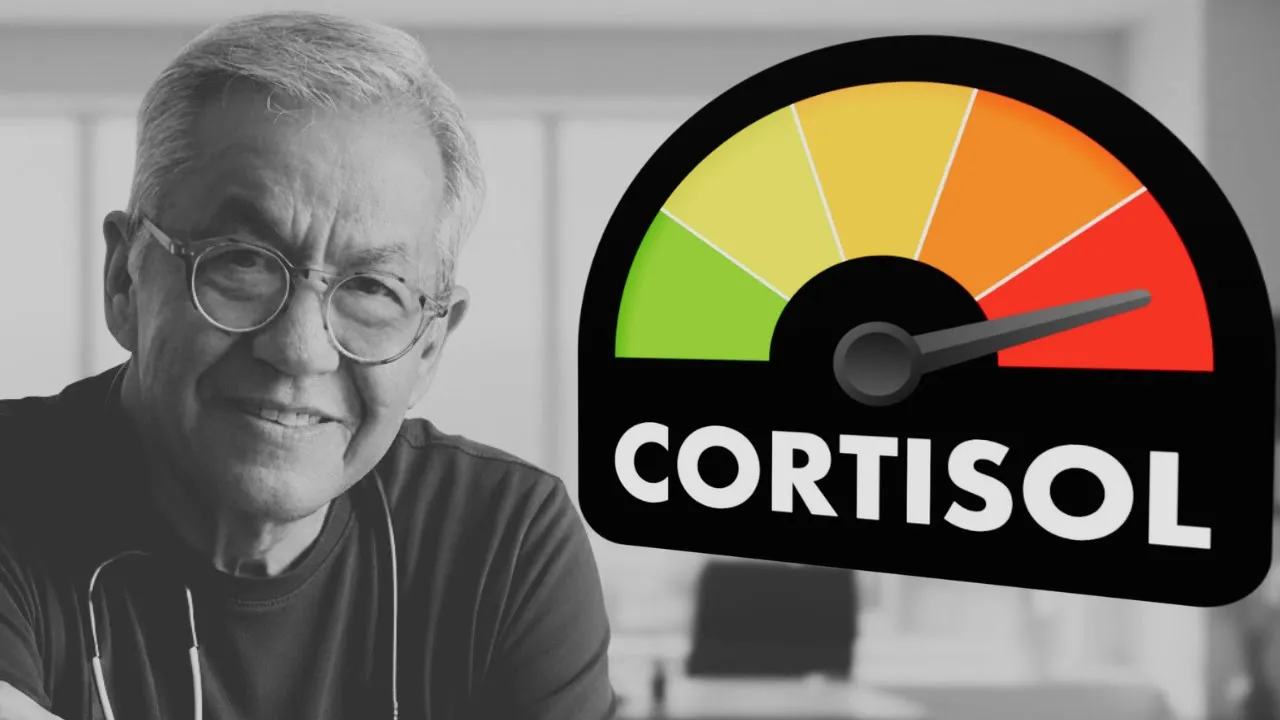
The HPA axis (Hypothalamic-Pituitary-Adrenal axis) is the body's primary system for managing stress, involving the hypothalamus releasing corticotropin-releasing hormone, which stimulates the pituitary to release ACTH, ultimately triggering the adrenal cortex to secrete cortisol; cortisol coordinates the long-term stress response by increasing gluconeogenesis to maintain blood glucose levels, acting permissively on the sympathetic nervous system, and suppressing inflammation, but chronic elevated cortisol can lead to negative health effects including impaired reproduction, insulin resistance, suppressed growth hormone and thyroid function, and increased osteoporosis risk.
HPA Axis & Cortisol: The Stress Response Explained
Added:Basic anatomy and function of the endocrine system, including how hormones act as chemical messengers.
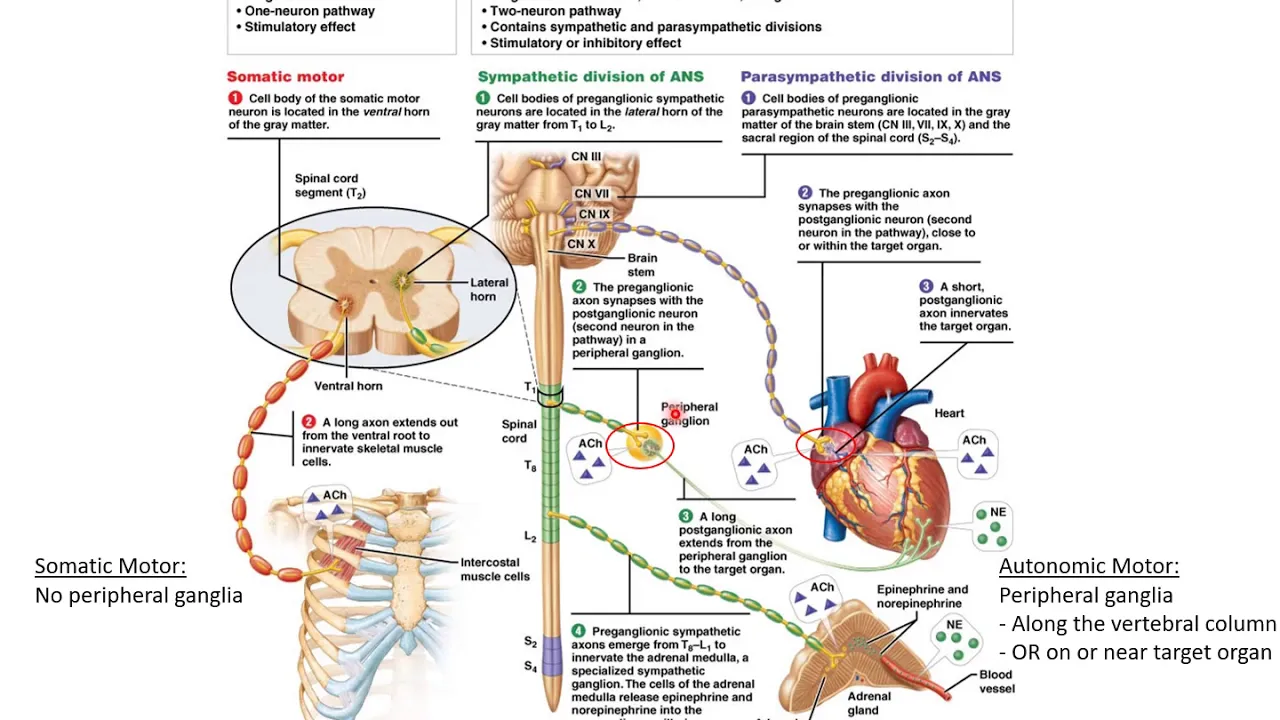
The distinction between the sympathetic (fight-or-flight) and parasympathetic (rest-and-digest) nervous systems.
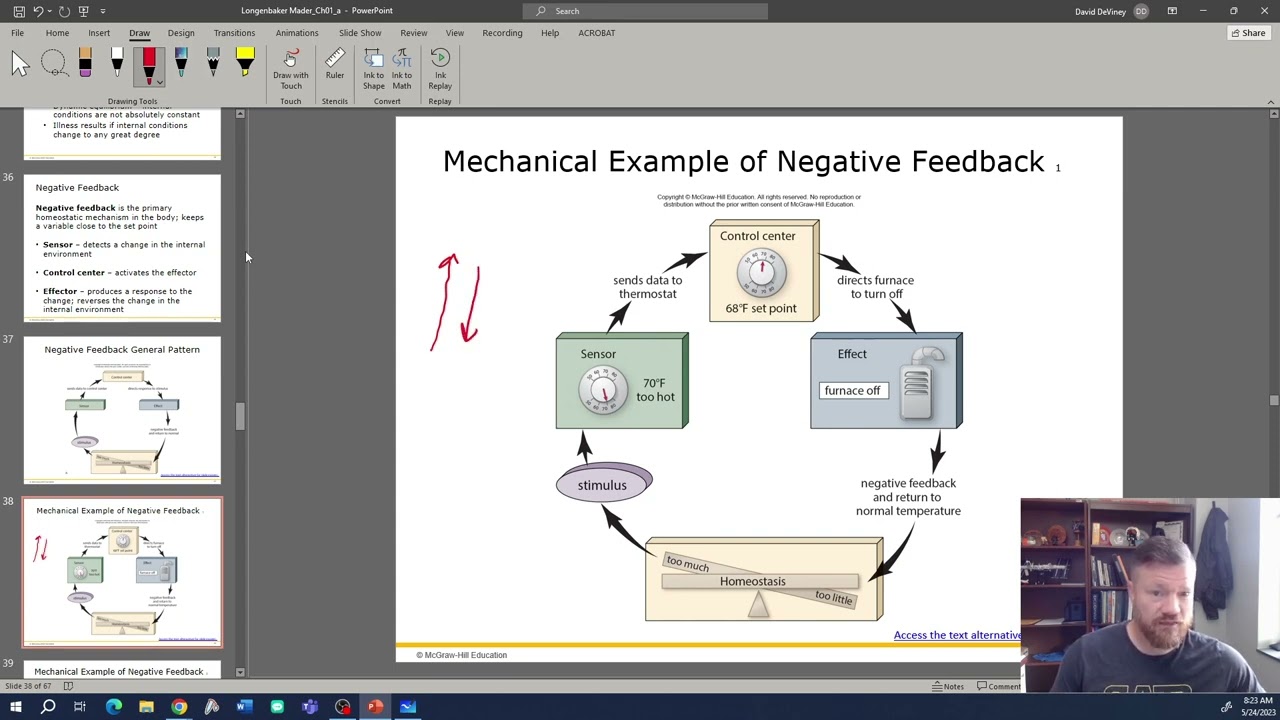
The concept of biological feedback loops, specifically negative feedback mechanisms.
An introductory understanding of the brain's limbic system, particularly the role of the hypothalamus and pituitary gland.
The long-term physiological consequences of chronic stress on the immune, cardiovascular, and metabolic systems.
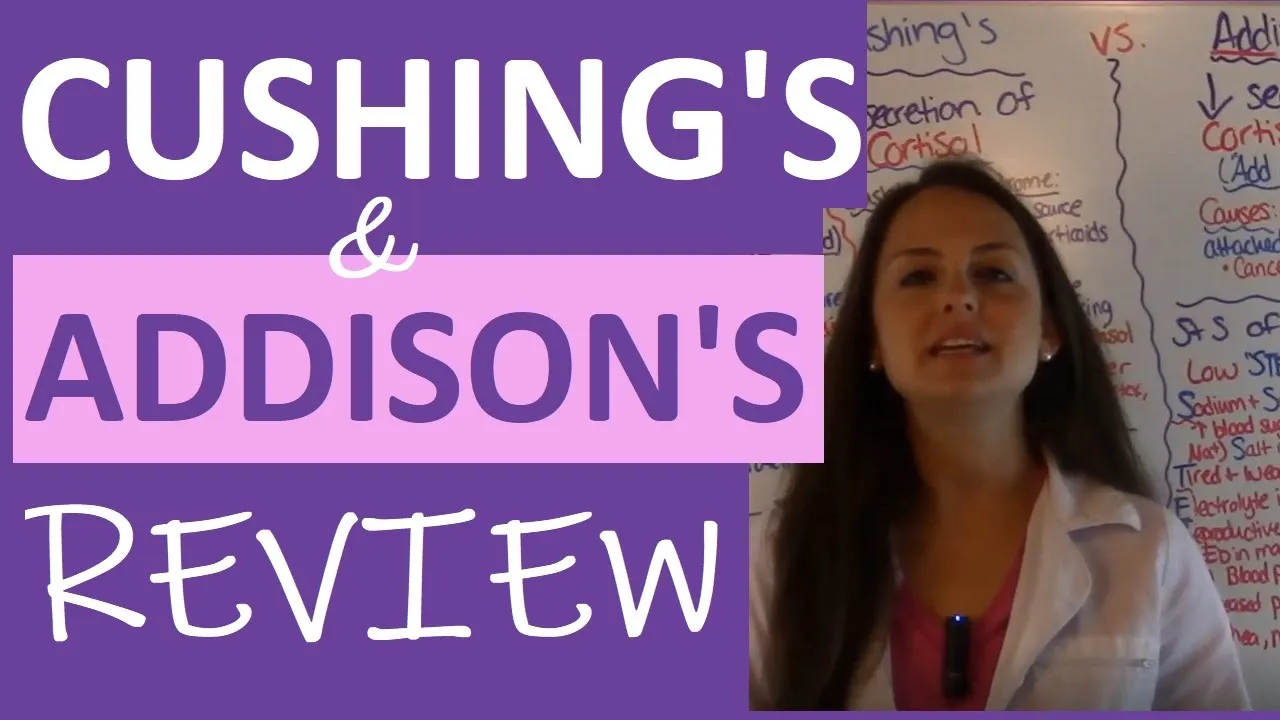
Clinical disorders associated with HPA axis dysfunction, such as Cushing's syndrome and Addison's disease.
The link between chronic cortisol elevation and mental health disorders like Major Depressive Disorder and PTSD.
Pharmacological and behavioral interventions used to regulate cortisol levels and manage chronic stress.
70K views704likes13:52Original Release: 2016-04-18
Hi everyone, it's Camille. Today we're going to talk about the stress response and in particular how the HPA axis is involved in the stress response. So as you know the HPA stands for hypothalammic pituitary and adrenal axis.
Okay. So if we're going to talk about the adrenal glands as they relate to the stress response, we need to make sure we're all on the same page with where they are. So as a reminder, the adrenal glands sit on top of the kidneys. I like to think of them as little Santa Claus hats sitting there.
One of the key points about the adrenal gland is that it's actually kind of like two endocrine glands wrapped into one.
The middle part or the medulla is where epinephrine and norepinephrine are produced as part of the sympathetic fight orflight response. And really that tissue is considered part of the neurological system. It's not a classical endocrine gland at all. Um so in sympathetic under a sympathetic stimulation the pre gangleionic neuron will come in here to the medulla and stimulate the release of epinephrine and norepinephrine from these modified neurons in the middle of the adrenal gland and that epinephrine and norepinephrine goes into the blood and coordinates this fight orflight response. All right, so that's one area.
Then the outer part of the adrenal gland or the cortex produces a whole separate set of hormones. And this is really the more classical endocrine tissue.
Um so you can see that if we look at a cross-section of the adrenal cortex, there's different zones and these different zones produce different different hormones. So if we start up here at the zonog glomeillosa uh that particular area of the cortex produces mineral corticoids and particular in humans aldoststerone and these help regulate mineral balance and sodium and potassium uh which is important for maintenance of blood pressure for regulating fluid volumes throughout the body. So that's a that's a big part of the stress response, right? Keeping the blood pressure up so that you can do what you need to do so that um if there is some kind of injury and blood loss occurs, you can at least have enough um pressure to pump blood to the brain. It's one of the big reasons that blood pressure increases under stress. Then we've got the vonopiculata which is the kind of middle layer here which produces glucocorticoids. And in humans the main one is cortisol.
Cortisol's one of those big jobs is to regulate glucose metab metabolism to make sure there's enough glucose in the blood to deal with uh whatever crisis needs to be dealt with. And uh it also essentially coordinates or at least co-coordinates the long-term stress response. Then lastly, we have the zona reticularis which produces androgens.
And this is really interesting because it's um it's not entirely clear how this zona reticularis fits into the stress response and what its role is in terms of hormone production. We know that what it appears to do is produce precursors to some of the other androgens that we make in the body. It actually produces precursors of estrogens as well. Um and these precursors travel in the blood to whatever target tissue uh needs them and then at that point there will be enzymes there that will convert the precursors into the appropriate active hormone. So um this may be one way that stress affects the reproductive system and some of the other functions of the sex hormones. But all in all, this is the most mysterious uh layer of the adrenal glands. Okay.
So, we've talked about the different hormones secreted by the adrenal glands.
Let's talk about cortisol in particular because like I said, that is the hormone that coordinates the stress response in the longer term.
Cortisol is not one of these hormones that you can live without. In fact, if you don't produce cortisol, you will die. So, it's not an optional hormone.
That's just nice to have. And we all produce hormone at this hormone at baseline levels. It goes through a circadian pattern where cortisol levels are highest right before we wake up and they slowly decline throughout the day and then they're lowest around bedtime or just after we've fallen asleep. So they follow this regular pattern every single day. That's normal and that's healthy. However, there's another aspect to cortisol release and that happens when we are under stress. This could be emotional stress. It could be mental stress. It could be physical stress.
Anytime that we perceive a challenge to the body, you will start to produce more cortisol. And this cortisol can essentially override the natural rhythm that we talked about, that circadian rhythm. So the stress response is in addition to the baseline levels of cortisol that you're already producing.
Okay.
So when we talk about the stress response, there's really two layers of things happening at the same time or at least overlapping. The first thing is when the stress is initially perceived, fight orflight response is activated as part of the sympathetic nervous system.
And because it's nervous the nervous system, these changes can happen instantaneously within seconds. Okay, this is going to be things like vasoddilation of the blood vessels leading to parts of the brain and the skeletal muscle. those kinds of things, things that you need in order to run or take shelter or deal with the immediate threat. That's sympathetic nervous system, adrenal medola, and so forth.
Cortisol comes in as kind of the next layer. Cortisol, the cortisol response is going to take a little bit longer. It takes some time for this hormone to get produced and for the hormone to have its effect on the target tissues and so forth. So really, we're talking minutes to hours and depending on how long the stressor lasts to even days and months that cortisol is going to be taking over and um addressing the stressor. So cortisol has a couple of ways that it can do this. First of all, it can increase gluconneogenesis and that just means the production of new glucose from non-carbohydrate precursors. So in particular it can do this by mobilizing fatty acids from atapost tissue and throughout the body and also breaking down stored proteins in particular from skeletal muscle and other sources. So under the influence of cortisol these substances can be broken down they travel in the blood to the liver and then the in the liver they can get formed into gl new glucose molecules.
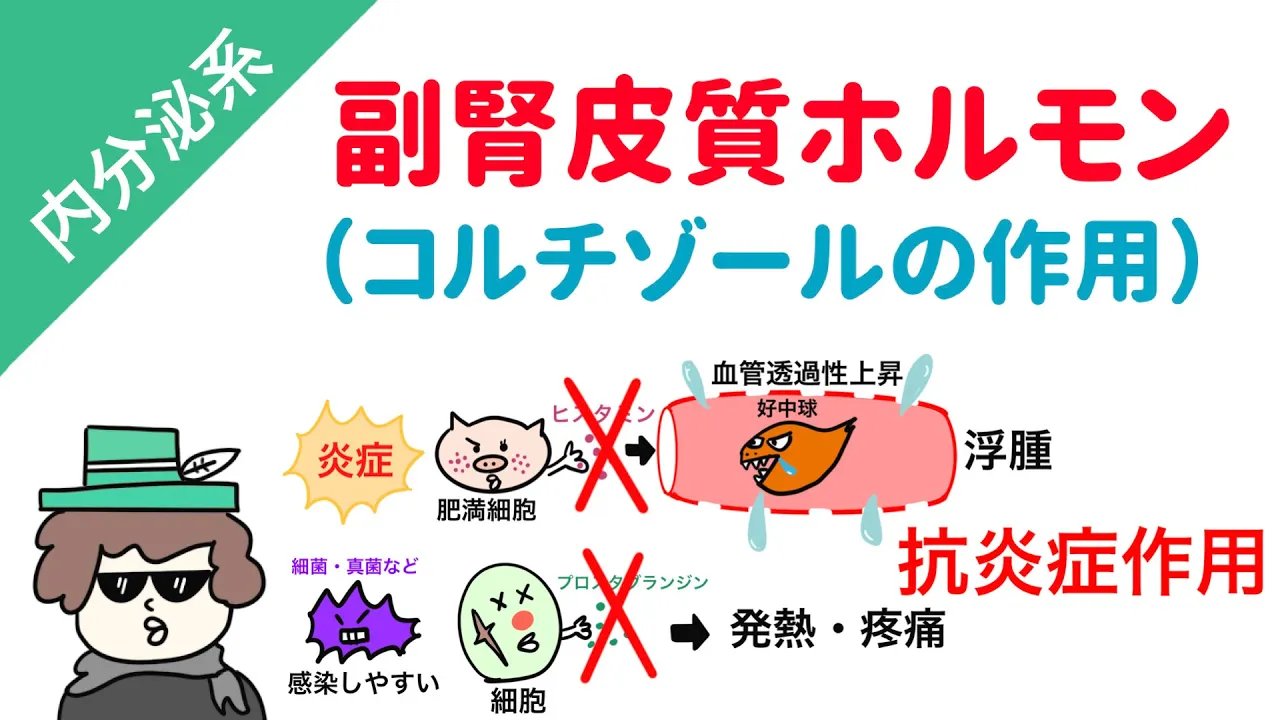
The reason glucose is so important is because again we need glucose levels to stay high in the blood in order to fuel the various processes needed to address the stressor. So including keeping the brain running properly, fueling repair and so forth. Um, cortisol appears to be permissive to the sympathetic nervous system response, meaning it's not necessary to have that fight orflight response, but it promotes and assists the sympathetic nervous system in doing what it does. It also puts the brakes on inflammation and the immune response.
This is really interesting. We'll talk about this more in a few slides. Uh, but essentially the sympathetic nervous system starts off inflammation. It says, "Hey, we have a problem here. We need to bring in immune cells. we need to cause inflammation. It releases all these cytoines because it's likely that some kind of damage has occurred. Cortisol comes along and says, "Okay, let's not go overboard here." We'll talk about that more just a second. So, everything on that previous slide is actually beneficial in the short term. Those are things that you want to be happening in order to properly deal with the stress response or the stressor itself.
However, if the stressor does not go away if you have continual exposure to an extremely stressful situation, the high levels of cortisol can eventually be problematic. You can wind up with some of the things you see listed here, including alterations in the way that you perceive the world, the way express emotion. These things can be really insiduous and and sometimes difficult to identify in yourself. Um, they can suppress reproductive function. We see this in athletes where infertility can be impaired, the menstrual cycle can stop and so forth. And of course uh training high intensity training over long periods of time can be uh can lead to prolonged physical stress. Uh can suppress growth hormone release. It can suppress thyroid stimulating hormone and also inhibit um the activation of the more active form of thyroid hormone. Can also increase insulin resistance. And in the previous slide you may have seen oh cortisol can help break down atapose tissue. That sounds excellent if you're trying to lose weight. And of course, some people do lose weight when they are under stressful circumstances. But for many people, they actually gain weight while stressed. That has to do in part due to this increased insulin resistance. We're not going to go into the mechanisms right now, but high cortisol ultimately can alter the way that your body responds to insulin and absorbs glucose into the tissues. So a lot of times with insulin resistance we'll see an increase in visceral atyposity or the deposition of atapose around the middle uh along with some of these other symptoms. And then lastly high cortisol over time can actually inhibit bone remodeling and put someone at risk for osteoporosis. A lot of these things we know because uh people who are taking cortisol analoges therapeutically for example predinazone are at increased risk for all of these things. So that's kind of an extreme form of um of what we're talking about here. I also wanted to mention that different people can experience the exact same stressor and have a different response. So two people can be in a car accident and one of them will have a relatively normal stress response. It will resolve. They'll be stressed for perhaps a day or two and and move on.
and another person with a different background might experience long-term chronic stress from that same incident even if both had no apparent physical injuries. And some of that has to do with the rest of your life, the other factors that have come into play. So, for example, we know that what happens in uterero while you're still in your mother's uterus actually sets up your stress response um in some ways for the rest of your life. It sets up patterns that you will use. So if you had a different in uterero environment, you may be more prone to have a more traumatic or less traumatic stress response. Similarly, other things in your environment uh including for example um discrimination, racial discrimination, experiencing poverty, experiencing uh abuse and so on and so forth can all play a part in the way that your body responds to some of these stressors. So again, this is very individual and the degree to which you respond to stressors is um is not something that's very easy to predict.
So you remember from our previous slide that one of the things cortisol does is suppress inflammation and certain aspects of the immune system. And a question that people have is why why would cortisol do this? And originally we thought oh well it's conserving resources. So by suppressing parts of the immune system, we can conserve those resources and use them elsewhere for healing the body.
Except for they did some research and they found out that the way cortisol suppresses immunity is by inducing apoptosis in many of the cells among other things and that a lot of these mechanisms actually require input of energy. So rather than conserving energy, you're actually using more of it to suppress the immune system. So I said, okay, well that's that's not the explanation. And it turns out that it's probably because we need to suppress or dampen immunity and inflammation in order to prevent autoimmune diseases and chronic inflammation from developing. So when the sympathetic nervous system kicks in there at the beginning of a stress response, it activates immunity.
It calls in inflammatory markers. It upregulates inflammation. And uh that's a good thing. We want that to happen. In some cases, we need it to keep going on.
But cortisol comes along and essentially says, "Okay, well hold on just a little second here. Let's make sure this is." So lastly, I want to just do a little review of the negative feedback loop involved here as a reminder. So just to just to get on the same page, h the hypothalamus secretes corticotropen releasing hormone. In older books, you will see this called corticotropen releasing factor. Um but it is actually a hormone. So now we call it CR. And that goes to the pituitary gland, takes a really short trip to the anterior pituitary, stimulates act or adreninocorticotropen releasing hormone, uh, which travels through the blood all the way down to the adrenal glands on top of the kidneys and stimulates the release of gluccocorticoids from the adrenal cortex. Gluccocorticoids under normal circumstances, if it's just part of your stress response, will feed back and tell the hypothalamus, okay, we have enough now. we can stop this whole feedback cycle. Um remember the stress response can actually come in right here and right here and override this negative feedback loop and tell the hypothalamus and the pituitary gland to increase production of cortisol even though the baseline is um has been achieved. All right, so I hope that helps you understand the role of the adrenal glands and the stress response.
Up Next

14:43
Alveoli Structure and Gas Exchange Explained | Pulmonary Physiology
@AKLECTURES
113.1K views•2014-11-08
50:12
Bacterial Communication: Quorum Sensing and Biofilm Formation Explained
@JHUAAP
12.6K views•2011-06-28

5:35
Enteric Nervous System Explained: The Gut's Brain | Neurobiology Lecture
@alumniu6029
438 views•2018-09-12
7:08
Bacteriophages: Earth's Deadliest Killers and Future Antibiotics
@kurzgesagt
34.6M views•2018-05-13
Related Study Plans & Knowledge Roadmaps
Structured learning paths in Biology
biology
RNAi: Biogenesis, RISC & Gene Silencing
01Molecular Biology Foundations: DNA to Protein
02Introduction to RNA Interference (RNAi)
03Molecular Biogenesis of miRNA and siRNA
+ 2 more learning modules
10h5 modules
Explore Roadmap
biology
Mycorrhizae: Signaling, Biophysics & Ecology
01Foundations of Mycorrhizal Symbiosis
02Molecular Signaling and Root Colonization
03Biophysics and Bioenergetics of Nutrient Exchange
+ 1 more learning modules
11h4 modules
Explore Roadmap
biology
Circadian Clocks: TTFL, SCN & Periphery
01Foundations of Molecular Biology & Gene Expression
02Introduction to Chronobiology and Actograms
03The Core TTFL: Molecular Architecture of the Clock
+ 3 more learning modules
14h6 modules
Explore Roadmap
biology
Population Genetics: Math, Drift & Selection
01Genetic & Probability Foundations
02The Hardy-Weinberg Principle and Baseline Models
03Mathematical Modeling of Natural Selection
+ 3 more learning modules
18h6 modules
Explore Roadmap